Owls, with their piercing gaze and silent flight, have long captivated human imagination, embodying a mysterious allure that draws us to seek a deeper understanding of their world. Owl photography serves as a powerful medium to articulate this fascination, showcasing their intricate beauty, captivating characteristics, and inherent grace in a manner that deepens our appreciation and commitment to these remarkable raptors. Through a nuanced understanding of their diverse habitats and complex behaviors, photographers can significantly enhance their opportunities not only to observe owls but also to create compelling images that resonate with both artistic merit and ecological significance.
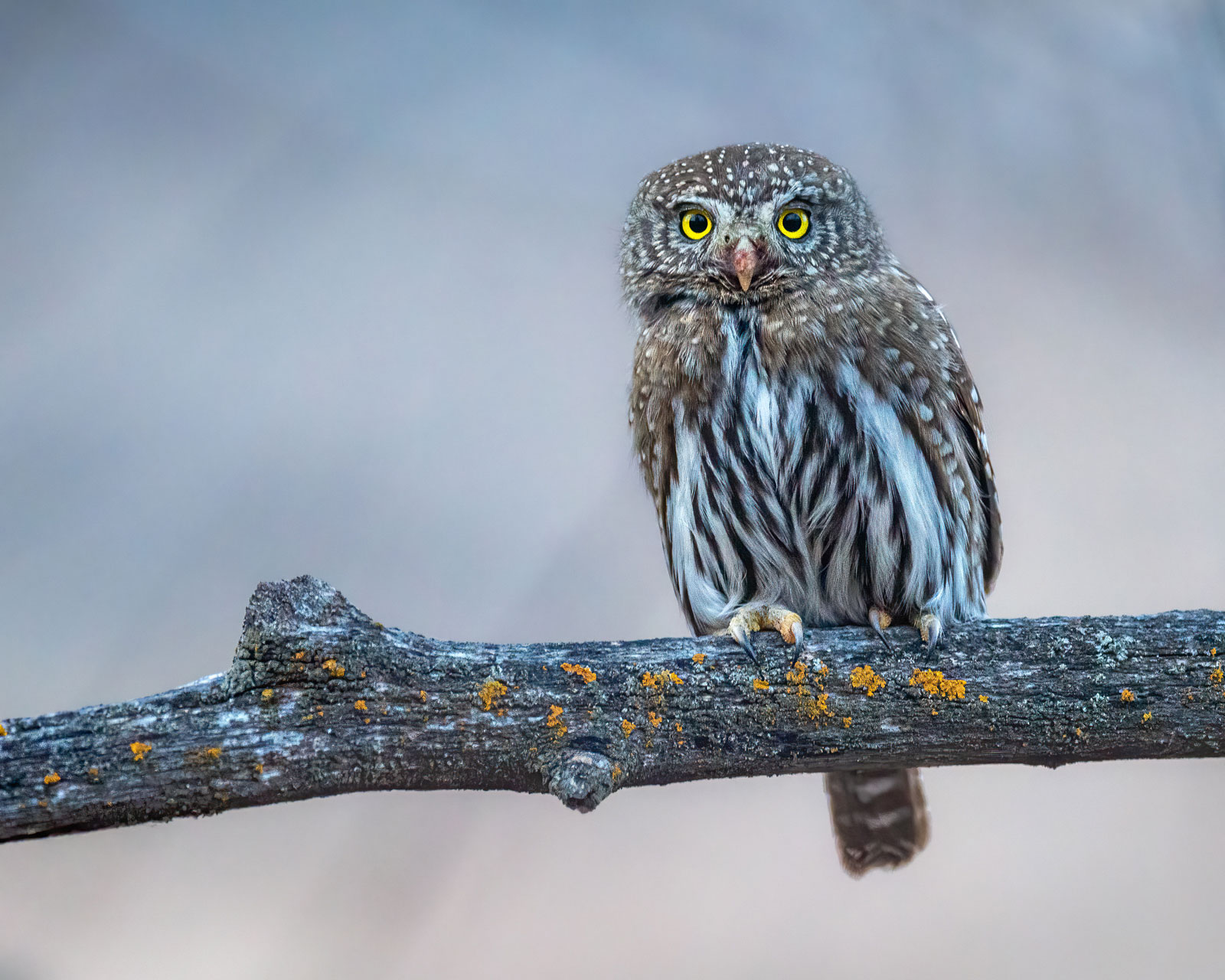
Global Presence: Understanding Owl Habitats and Diversity
The global distribution of owls is a testament to their remarkable adaptability, with species thriving across an astonishing array of environments. From the dense, ancient forests of temperate zones and the vast, treeless plains, to arid deserts, dramatic canyons, expansive tundras, intricate wetlands, and even the green spaces within densely populated urban centers, owls have established a presence on every continent except Antarctica. This widespread distribution means that, regardless of geographic location, there is a high probability that an owl species resides within accessible proximity to most individuals, offering year-round photographic opportunities.
Understanding the specific ecological niches of local owl populations is the critical first step for any aspiring owl photographer. While some species exhibit broad ecological plasticity, adapting to multiple habitat types, others are highly specialized, restricted to particular environments. For instance, the Great Horned Owl (Bubo virginianus), one of the most common and widespread owls in the Americas, demonstrates an impressive ability to inhabit diverse landscapes from forests to urban parks. Conversely, species like the Spotted Owl (Strix occidentalis) are inextricably linked to old-growth forests, making their presence an indicator of healthy, mature ecosystems and underscoring their vulnerability to habitat loss. This diversity highlights the importance of thorough preliminary research into the local avifauna, which can reveal the surprising variety of owls that might be found nearby.

Beyond simple presence, a deeper dive into their relative abundance, feeding habits, activity patterns (diurnal, nocturnal, crepuscular), migratory tendencies, and unique camouflage strategies is crucial. For example, while the Great Horned Owl is abundant, its superb camouflage and secretive nature make it an elusive subject. Similarly, the Tawny Owl (Strix aluco) across Europe, despite its considerable size, often remains undetected due to its nocturnal habits and preference for dense cover. Seasonal factors also play a significant role; many owl species undertake migratory movements, often driven by prey availability, snow depth, and population dynamics, presenting specific windows for observation. Conservation efforts increasingly rely on such detailed ecological data, and responsible photography can indirectly contribute to this knowledge base by fostering public interest and support for species protection.
The Art of the Search: Locating Elusive Nocturnal Hunters
Successfully locating owls requires patience, keen observation, and a methodical approach informed by robust ecological knowledge. Online resources, local libraries, and ornithological societies offer invaluable information on regional owl species, their preferred habitats, and behavioral patterns. Photographers should prioritize learning the vocalizations of local owls. Many species, though primarily nocturnal, become notably active around sunset and dawn, when their distinctive hoots and calls can be heard. Regular outings during these periods, specifically to listen, can lead to the discovery of consistent roosting or hunting territories.

Visual tracking demands training the eye to discern anomalous shapes within natural environments. Owls possess an extraordinary ability to blend seamlessly with their surroundings. Instead of scanning for an obvious bird, one should look for unusual bumps, textures, or silhouettes that deviate from the natural patterns of tree bark or branches. Owls typically roost at least halfway up a tree, favoring larger branches close to the main trunk, often seeking cover from above. As evening light fades, they may move towards the edges of the tree canopy, preparing for their nightly hunts. With practice, the human eye and mind can be conditioned to instinctively identify these subtle cues.
Observing secondary signs of owl presence is another effective strategy. "Whitewash," the droppings of birds, can accumulate on branches or the ground beneath a favored roost. This is particularly noticeable with species like Long-eared Owls (Asio otus), which often congregate in communal winter roosts. The presence of owl pellets – regurgitated, undigested remnants of their prey (bones, fur, feathers) – also indicates an active roosting or feeding site. Finding these signs often means an owl is either present or frequently utilizes the location, increasing the chances of a successful encounter.

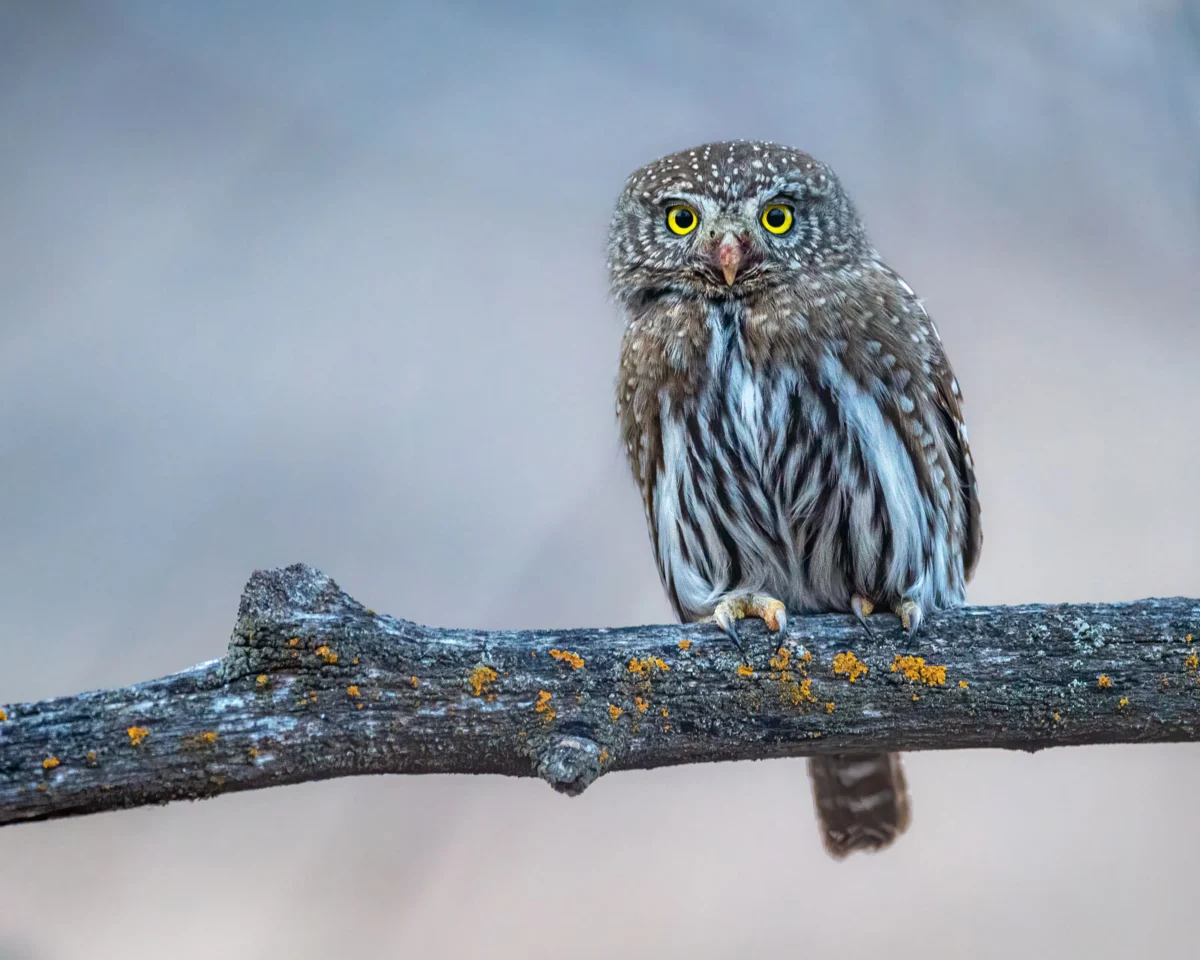
While most owls are nocturnal, a select few are predominantly diurnal or crepuscular, offering daytime photographic opportunities. Species such as the Burrowing Owl (Athene cunicularia), Northern Hawk Owl (Surnia ulula), Little Owl (Athene noctua), and various pygmy owls are known to hunt and be visible during daylight hours. These species often rely heavily on eyesight for hunting and may perch openly, scanning the landscape for prey. Understanding whether a target species hunts by sight, hearing, or a combination of both will guide a photographer in maximizing their time and energy to capture diverse behaviors, from quiet perching to dynamic hunting sequences.
The quest for an owl can be a long-term endeavor; it is not uncommon for photographers to spend a full year researching and searching before achieving their first captivating images. The journey itself, the immersion in nature, and the development of fieldcraft skills are integral to the experience. For those facing persistent challenges, engaging a local wildlife guide specializing in photography can be an efficient route to success. These professionals often possess up-to-date knowledge of recent sightings and understand the specific needs and ethical considerations of wildlife photographers, greatly improving the chances of a rewarding encounter.

Ethical Encounters: Prioritizing Wildlife Welfare in Photography
The pursuit of stunning owl photographs must always be secondary to the welfare and undisturbed behavior of the birds themselves. Responsible wildlife photography adheres to a strict code of ethics, emphasizing minimal impact and respect for the natural environment. The general guideline for maintaining a respectful distance from perched owls is 75 to 100 feet. Any indication of nervousness, such as head bobbing, excessive blinking, or changes in posture, signals that the photographer is too close and must immediately retreat.
Disturbing an owl during its daytime rest, when it is most vulnerable and conserving energy, can have severe negative consequences. Pressuring an owl to flush from its roost not only wastes its precious energy but can also cause it to abandon a favorable territory entirely. This is detrimental to both the bird and future photographic opportunities. Photographers should use long telephoto lenses (300mm to 600mm) to achieve intimate shots from a safe distance, avoiding the temptation to approach closely or point cameras directly upwards from beneath a roosting bird.

The practice of "baiting" – using live or dead prey to lure owls into a desired photographic position – is unequivocally unethical and strongly condemned by professional wildlife photography and conservation organizations. Baiting creates an unnatural dependency, disrupts natural hunting behaviors, and can expose owls to unnecessary risks, including habituation to humans or increased predation pressure. The goal of wildlife photography is to document natural behavior, not to manipulate it for a photograph. The authenticity of an image, and the integrity of the photographer, are compromised by such practices.
Furthermore, minimizing disturbance extends to respecting nesting sites and sensitive periods. Approaching nests can cause parents to abandon their young or draw predators to the vulnerable owlets. Photographers should also be mindful of their presence in general; quiet movements, subdued clothing, and avoiding loud noises are essential to blend into the environment without causing stress to wildlife. Organizations like the National Audubon Society and various birding ethics committees provide comprehensive guidelines for responsible bird observation and photography, which all practitioners should familiarize themselves with and adhere to. By prioritizing the well-being of the subject, photographers ensure that their art contributes positively to conservation awareness rather than inadvertently harming the creatures they admire.

Mastering the Gear: Essential Equipment for Owl Photography
Selecting the right photographic equipment is paramount for capturing high-quality owl images, especially given the challenging low-light conditions often associated with these nocturnal raptors.
Long Telephoto Lenses: Due to the necessity of maintaining a respectful distance (75-100 feet or more), a long telephoto lens is indispensable. Lenses ranging from 300mm to 600mm are commonly used. These lenses not only bring distant subjects into frame but also offer significant "reach" and compression, making the owl appear closer and larger within the composition. This focal length range also facilitates the creation of images that depict the owl at eye-level, even when it’s perched high, an aesthetic often more engaging than a steep upward angle.

Wide Aperture Lenses: Owl photography frequently occurs during twilight hours or in dimly lit forests. Lenses with wide maximum apertures (e.g., f/2.8, f/4, f/5.6) are highly advantageous. A wider aperture allows the lens to gather more light, enabling faster shutter speeds to freeze motion and lower ISO settings to minimize digital noise. While f/2.8 lenses are exceptionally bright and often optically superior, their cost and weight can be prohibitive. Lenses at f/4 or even f/5.6 can still produce excellent results, particularly with modern cameras that perform well at higher ISOs. When shooting, prioritize the widest available aperture to maximize light intake, then adjust to a smaller aperture if greater depth of field is desired and lighting permits.
Stable Support Systems (Tripods/Monopods): Owls, when not actively hunting, tend to remain relatively still for extended periods. This makes a tripod or monopod an invaluable tool. Supporting a heavy camera and telephoto lens on a stable platform reduces camera shake, especially critical for slower shutter speeds in low light, and allows the photographer to maintain a consistent composition while waiting for a unique moment or behavioral change. A tripod ensures the camera is always "ready" to capture subtle movements or sudden take-offs. However, for dynamic flight shots, detaching the camera from the tripod for increased mobility is often preferred.

Remote Shutter Release: For low-light scenarios requiring slow shutter speeds, a remote shutter release (wired or wireless) is highly recommended. By triggering the shutter without physically touching the camera, any potential vibration or camera shake is eliminated, contributing significantly to sharper images. This small accessory can make a substantial difference in the clarity of photographs taken in challenging light.
Beyond the Portrait: Capturing Unique Owl Characteristics
Owls possess a suite of distinctive physical and behavioral traits that offer unique photographic opportunities, allowing photographers to transcend simple portraits and capture the essence of their mysterious character.

The Expressive Facial Disc: Most owl species feature prominent facial discs – specialized feathers arranged in a parabolic shape around their eyes – that act as sound collectors, funneling auditory cues to their ears. Photographically, this facial disc creates a powerful central point of interest, framing the owl’s intense eyes. Because the eyes and facial disc usually lie within the same focal plane, achieving sharp focus across this entire area is relatively straightforward. Photographers should leverage this feature, composing shots where the facial disc and eyes provide balance and focal strength, drawing the viewer into the owl’s captivating gaze.
The Surprise of Long Legs: Hidden beneath their dense plumage, many owls possess surprisingly long legs. Species like Short-eared Owls (Asio flammeus) exhibit these extended limbs during take-off, landing, or when grasping prey. Capturing these moments reveals an unexpected, almost comical aspect of their anatomy, adding a dynamic and intriguing element to flight or hunting sequences. Anticipating these brief exposures requires quick reflexes and continuous shooting, allowing the photographer to document how the owl utilizes its talons and legs in its environment.

The Power of Expansive Wings: Owls are renowned for their wide wingspans, which are often disproportionately large relative to their body size, enabling silent and efficient flight. When photographing owls in flight, the goal is to capture the full majesty of their outstretched wings. Moments when the wings are fully extended, particularly against a dramatic sky, create powerful and graceful images. Furthermore, seeking opportunities for backlighting can illuminate the translucent flight feathers, highlighting their delicate structure and adding an ethereal quality to the photograph. This emphasizes not just movement, but the intricate design of their aerial prowess.
Compositional Mastery: Framing Owls in Their Natural Environment
Composing impactful owl photographs goes beyond simply having the subject in focus; it involves thoughtfully arranging elements within the frame to tell a story and create visual harmony.

Perching and Environmental Portraits: An owl perched within its natural habitat offers a wealth of compositional possibilities. While intimate portraits are often sought, consider environmental shots that showcase the owl in its broader context. A wider shot, where the owl is a smaller, accentuating element within a broader forest scene, can create an intriguing narrative, provided the background is aesthetically pleasing and free of harsh distractions. For such compositions, a shorter telephoto lens (e.g., 70-200mm) might be more suitable.
Managing Backgrounds and Foregrounds: Forests, while providing seclusion for owls, often present cluttered and distracting backgrounds. The key is to find an angle that offers a clear line of sight to the owl while ensuring a smooth, non-distracting background. This often involves slight repositioning to find a patch of uniform color or diffused light behind the subject. Utilizing a wide aperture to create a shallow depth of field can effectively blur busy backgrounds, making the owl stand out. Similarly, foreground elements can be used strategically – either as leading lines, framing devices, or to create a soft, out-of-focus blur that adds depth without distracting.

Dynamic Exposure for Impact: When an owl with lighter plumage is contrasted against a dark, forested background, precise exposure is crucial. Setting camera controls to correctly expose for the highlights, ensuring they remain bright white without being overexposed, will often naturally render the background very dark and featureless. This technique creates a striking, high-contrast image that requires minimal post-processing.
Low Perches and Vulnerability: Some owl species, such as Long-eared Owls, frequently perch just a few feet above the ground, offering eye-level photographic opportunities. While these vantage points are ideal, low-perching owls can be more skittish. Similarly, an owl on the ground with freshly caught prey is particularly vulnerable. In these situations, photographers must exercise extreme caution, maintaining an even greater distance and remaining absolutely still to avoid stressing the bird or causing it to abandon its meal. Respecting their space will often yield the most natural and rewarding images.

The Thrill of Flight: Techniques for Dynamic Action Shots
Capturing owls in flight is arguably one of the most challenging yet rewarding aspects of owl photography, demanding anticipation, quick reflexes, and optimized camera settings.
Anticipating Flight: Most owls, particularly the nocturnal species, will begin their hunting patrols around sunset. Observing their behavior for subtle cues – a shift in posture, intense scanning of the ground, or a sudden head turn – can signal an impending take-off. Patience is key; wait for the owl to make the first move. Backing up further from a perched owl, beyond the minimum safe distance, can also encourage it to feel more comfortable and potentially fly towards or past the photographer, increasing the chances of a clean flight shot. However, ethical guidelines strictly prohibit any form of baiting or active encouragement that manipulates the owl’s natural behavior.

Optimizing Camera Settings: For sharp flight images, a fast shutter speed is essential. A minimum of 1/1600th of a second is generally recommended for reliable sharpness, though with practice and image stabilization, slower speeds might be attempted for artistic motion blur. Combine this with the widest possible aperture (e.g., f/4 or f/5.6) and an appropriate ISO setting to achieve correct exposure in often dim light. Continuous autofocus mode (AI Servo on Canon, AF-C on Nikon/Sony) with a wide or dynamic area focus setting is crucial for tracking the fast-moving subject. Burst mode (high-speed continuous shooting) maximizes the chances of capturing the peak action.
Understanding Hunting Behaviors: Different owl species exhibit distinct hunting styles. Great Grey Owls (Strix nebulosa), for example, are known for their spectacular "pounces" from high perches into deep snow to capture prey. Short-eared Owls (Asio flammeus) typically fly low and gracefully over open fields, quartering the ground in search of voles. Knowledge of these species-specific behaviors allows photographers to position themselves strategically, anticipating flight paths and potential hunting actions, thereby increasing the likelihood of capturing dynamic sequences, including the dramatic moment of a successful strike.

Capturing Dynamic Movement: Owls in flight are often erratic, changing direction, banking, and adjusting their wings. These movements create visually interesting wing and body positions. Rather than focusing on a single perfect shot, photographers should continue shooting in burst mode as the owl flies, particularly when it moves perpendicular to their position or makes sharp turns. This approach often yields a series of images that collectively tell a more complete story of the owl’s aerial prowess and hunting strategy.
Perspective and Presentation: Choosing the Right Image Orientation
The decision of image orientation – horizontal (landscape), vertical (portrait), or even square – significantly impacts the narrative and visual impact of an owl photograph. This choice should be a conscious artistic decision made in the field, driven by the subject’s posture, action, and the surrounding environment.

Horizontal Orientation: A horizontal frame often conveys a sense of breadth and expansiveness. It is particularly well-suited for capturing owls in flight, especially when the bird is moving across the frame (e.g., left to right), allowing space for its wingspan and implying movement into the scene. Landscape orientation also works well for environmental portraits where the owl is a smaller element within a wider habitat, showcasing its relationship with the surroundings. It can also create a calmer, more stable feeling.
Vertical Orientation: A vertical frame emphasizes height and stature. This orientation is ideal for a tall, perched owl, particularly if there are interesting compositional elements above or below the subject, such as a tall tree trunk, cascading branches, or a clear stretch of sky or ground. It can convey elegance, solitude, or vulnerability, drawing the viewer’s eye upwards or downwards along the length of the frame. Vertical shots are often chosen for intimate portraits where the owl fills the frame, accentuating its imposing presence.

Square Orientation: While less common in wildlife photography, a square crop can be remarkably effective for symmetrical compositions, particularly for head-on owl portraits where the owl’s face and piercing eyes are the dominant feature. The inherent balance of a square frame can amplify the intensity of a direct gaze, creating a powerful, focused image.
The best practice is to experiment in the field by shooting in multiple orientations when time and conditions allow. This provides flexibility during post-processing, where cropping and refining can further enhance the chosen orientation. Understanding how different orientations guide the viewer’s eye and evoke different emotions is a crucial aspect of photographic storytelling.

The Broader Impact: Owl Photography as a Tool for Conservation
Beyond the personal satisfaction of capturing breathtaking images, owl photography carries a profound responsibility and potential for broader impact. Each captivating photograph of an owl serves as a powerful ambassador for its species and the ecosystems it inhabits. In an era of increasing environmental challenges, these images play a vital role in public education and conservation advocacy.
Stunning visuals can ignite curiosity and empathy, transforming abstract concepts of habitat loss or species decline into tangible, relatable narratives. When a photographer shares an image of a majestic Great Grey Owl, for example, it can inspire viewers to learn more about its temperate forest home and the threats it faces from logging or climate change. This public engagement is critical for garnering support for conservation initiatives, funding for research, and influencing policy decisions that protect natural habitats.

Moreover, responsible owl photography, conducted with adherence to ethical guidelines, can subtly contribute to scientific understanding. Over time, a collection of images from a particular area can document behavioral patterns, seasonal movements, and population dynamics without direct intervention. Professional wildlife photographers often collaborate with conservation organizations, providing imagery for campaigns, educational materials, and scientific publications, thereby lending their artistic skill to the scientific and advocacy communities.
The pursuit of owl photography also fosters a deeper personal connection with nature, encouraging a slower, more observant approach to the wild. This respect for wildlife and its environment is infectious, inspiring others to adopt similar ethical practices and appreciate the delicate balance of natural ecosystems. In essence, owl photography is more than just a hobby; it is a journey of discovery that, when undertaken thoughtfully and ethically, can become a powerful force for appreciation, education, and ultimately, the conservation of these magnificent, mysterious birds.

Conclusion: A Rewarding Pursuit of Respect and Revelation
The journey into owl photography is a profound exploration of both the natural world and the self. It demands not just technical skill and specialized equipment, but also an unwavering commitment to patience, meticulous research, and, above all, an unyielding respect for the wildlife being documented. The search itself, the quiet moments spent in anticipation, and the gradual understanding of an owl’s intricate world become integral parts of the enriching experience, often eclipsing the act of photography itself.
Owls, with their unique behaviors and captivating presence, offer unparalleled photographic opportunities. However, these opportunities are contingent upon an ethical approach that prioritizes their well-being. By maintaining appropriate distances, avoiding disturbance, and refusing to engage in manipulative practices like baiting, photographers ensure that their art genuinely reflects the natural behavior of these silent hunters. The reward for such conscientious effort is not merely a collection of striking images, but a deeper, more meaningful connection to the wild, and the profound satisfaction of having captured the essence of these enigmatic creatures without compromise. In every frame, a story of respect and revelation unfolds, leaving a lasting impression on both the photographer and the viewer.