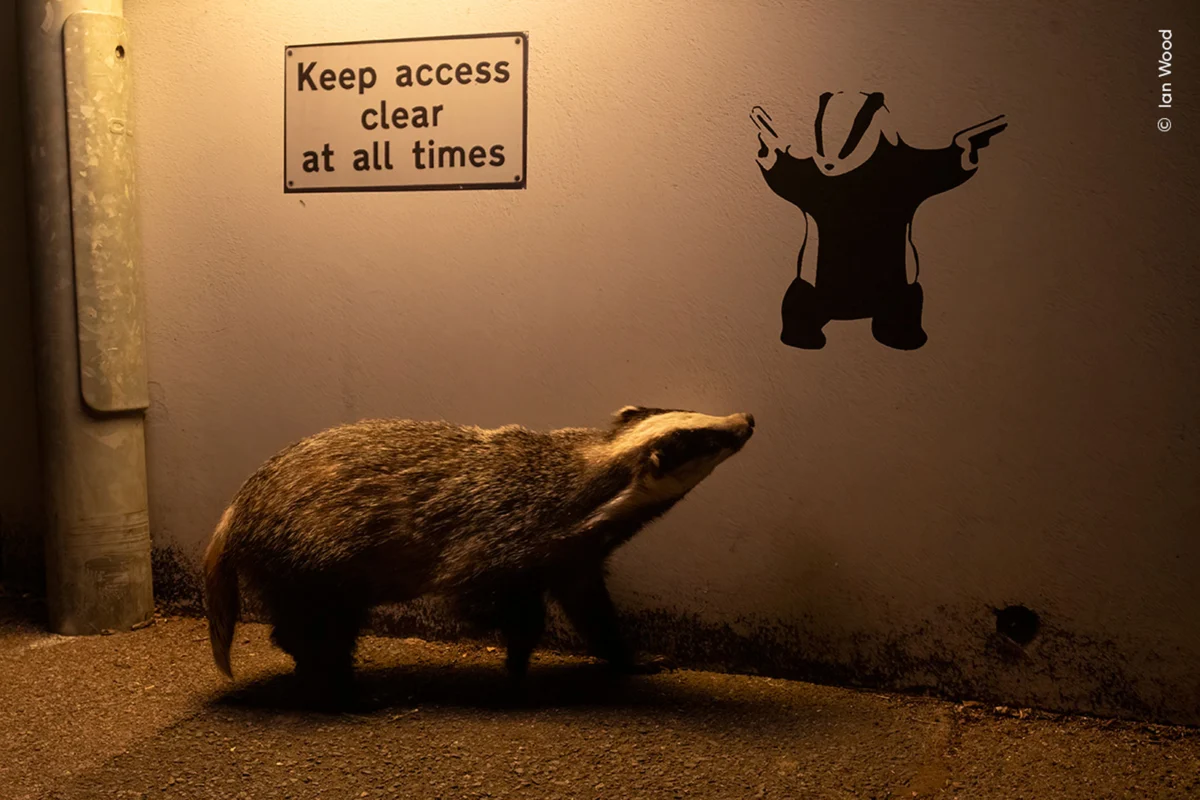
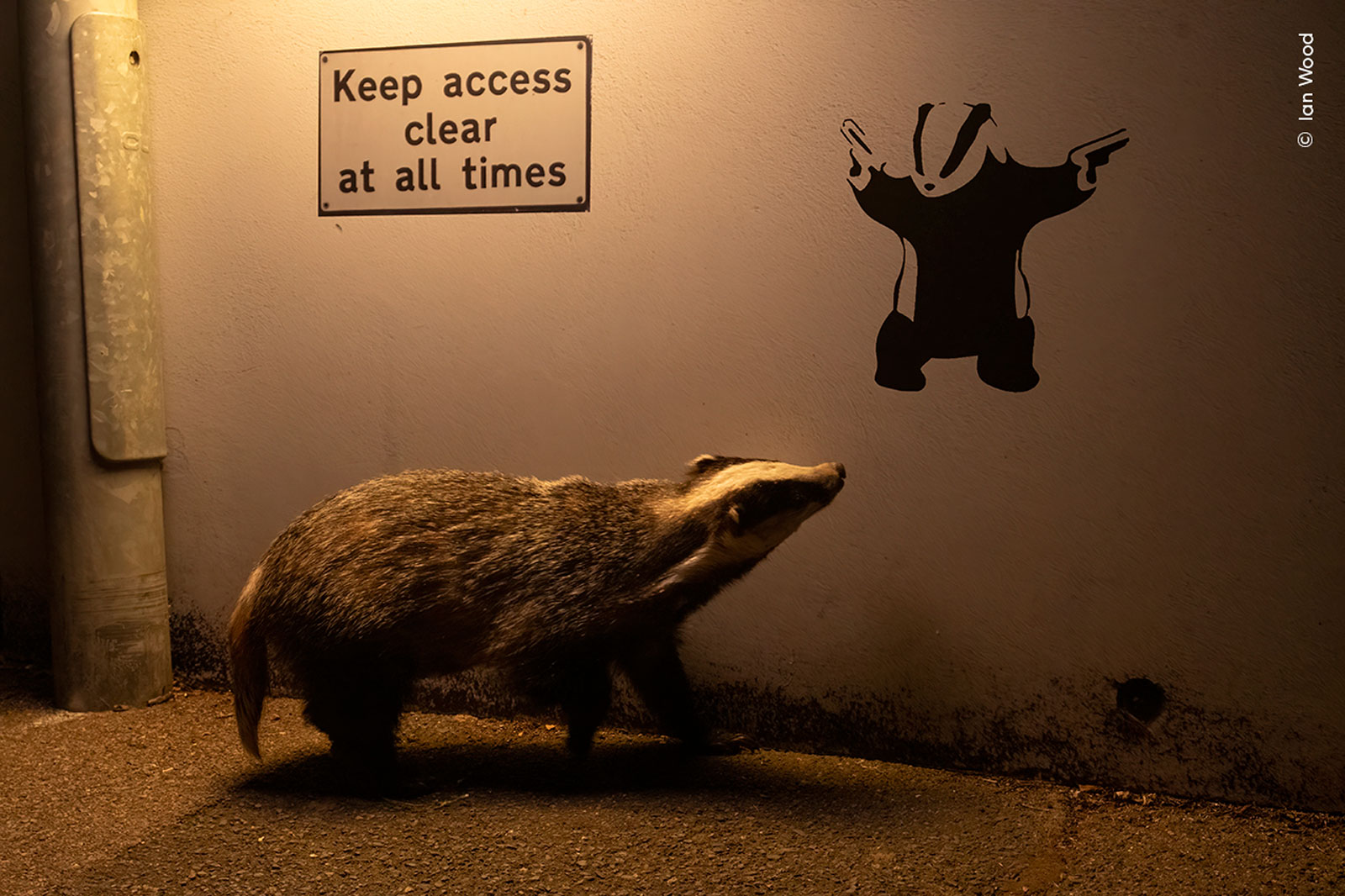
The photograph, titled "No Access," portrays a solitary Eurasian badger navigating the nocturnal landscape of St Leonards-on-Sea, East Sussex. Bathed in the stark, artificial glow of a lamppost, the badger pauses, its gaze seemingly drawn upwards towards a graffiti-laden wall. The graffiti itself, bearing the very words "No Access," creates a poignant and ironically humorous juxtaposition with the animal’s presence, highlighting the increasing interface between human development and the natural world. Ian Wood’s patience and keen observational skills allowed him to capture this fleeting moment, revealing a narrative often overlooked in our bustling urban environments. The image’s power lies not just in its aesthetic appeal but in its subtle commentary on coexistence and the encroaching pressures on wildlife habitats.
The Genesis of a Winning Shot
Ian Wood’s journey to capturing "No Access" began with a simple observation in his local community. Residents of St Leonards-on-Sea had been leaving food scraps on pavements, initially intended for urban foxes. However, Wood soon noticed that badgers from a nearby sett were also drawn to these impromptu feeding stations, venturing out from their subterranean homes under the cover of darkness. This insight sparked his photographic interest. Having witnessed a badger traversing the very stretch of pavement alongside the now-famous graffiti wall late one night, Wood made the strategic decision to set up a small hide at the roadside. He meticulously planned his shot, understanding that only the ambient light from a streetlamp would illuminate his subject, adding to the dramatic and intimate feel of the photograph. The resulting image is a testament to dedicated fieldwork, precise timing, and a deep understanding of animal behaviour, culminating in a shot that is both artistically compelling and narratively rich.
A Decade of Public Engagement: The People’s Choice Award
The 2024 accolade marks the tenth anniversary of the Wildlife Photographer of the Year People’s Choice Award, a category that distinguishes itself by inviting the global public to cast their votes for their favourite image from a curated shortlist. This year’s edition saw unprecedented engagement, with over 76,000 wildlife photography and nature enthusiasts from around the world participating in the voting process. This record-breaking turnout underscores the growing global interest in wildlife photography and the powerful role it plays in connecting individuals with nature.
The People’s Choice Award, run by the Natural History Museum, London, provides a unique democratic platform within the prestigious Wildlife Photographer of the Year competition. While an international panel of experts judges the main categories, this specific award allows the public to directly influence the outcome, often highlighting images that resonate emotionally or tell particularly compelling stories. The enduring popularity of this award reflects a collective desire to celebrate the beauty of the natural world and acknowledge the talent of photographers who dedicate themselves to its documentation. It transforms passive admiration into active participation, fostering a broader community of wildlife advocates.
Dr. Douglas Gurr, Director of the Natural History Museum, eloquently articulated the profound impact of Wood’s image. "Ian’s flawlessly timed image offers a unique glimpse of nature’s interaction with the human world, underscoring the importance of understanding urban wildlife," Dr. Gurr remarked. He further emphasized the photograph’s ability to inspire: "His exceptional photograph serves as a powerful reminder that local nature and wildlife, often just outside our homes, can inspire and captivate us." This sentiment perfectly encapsulates the ethos of the People’s Choice Award – to bring wildlife into the everyday lives of people and foster a sense of wonder and responsibility.

Beyond the Frame: A Call to Action on the Badger Cull
While the public outpouring of "badger love" for his winning photograph was "beautifully overwhelming," Ian Wood also used the platform to draw attention to a critical conservation issue: the ongoing badger cull in England. Wood, who resides in rural Dorset and is actively involved in re-wilding efforts to enhance local habitats, voiced a stark concern: "However, there is a darker side to this image. The badger cull – which is still ongoing – has decimated their numbers and I fear that unless the cull is stopped, we’ll only see badgers in urban settings in several parts of England." His statement transforms a celebratory moment into a poignant plea for conservation, hoping his image will "raise awareness of the damaging effect of the badger cull and help push for change."
The badger cull policy, primarily implemented to control bovine tuberculosis (bTB) in cattle, has been a contentious issue in the United Kingdom for decades. Proponents, including some farmers and governmental bodies, argue that badgers are a significant reservoir for bTB and that culling is necessary to reduce disease transmission and protect livestock. The Department for Environment, Food & Rural Affairs (Defra) has overseen these culls, which typically involve licensed shooting of badgers in designated areas.
However, conservation organizations, scientists, and animal welfare advocates vehemently oppose the cull. Critics argue that the scientific evidence supporting its efficacy is inconclusive, with some studies suggesting limited impact on bTB rates and potential for perturbation effects where badgers disperse more widely, potentially spreading the disease further. They also highlight the ethical concerns surrounding the culling of a protected species, the cruelty involved in some culling methods, and the significant decline in badger populations. Conservationists advocate for alternative strategies, such as improved biosecurity on farms, cattle vaccination, and badger vaccination programs, which they argue are more humane and effective long-term solutions.
Wood’s fears that badgers might increasingly be confined to urban environments due to rural culls are not unfounded. As natural habitats are fragmented and rural populations decline, resilient species often adapt to urban landscapes, seeking food and shelter in close proximity to humans. This shift can lead to increased human-wildlife conflict but also offers unique opportunities for observation and appreciation, as demonstrated by Wood’s photograph. His winning image thus serves as a powerful visual metaphor for this complex ecological and political debate, underscoring the urgent need for sustainable conservation policies that consider the well-being of both wildlife and agricultural communities.
Highlighting Global Biodiversity: The Highly Commended Images
Beyond Ian Wood’s winning entry, four other photographs garnered significant public admiration, earning the "Highly Commended" distinction. These images, selected from the same shortlist of 25, showcase the incredible diversity of life on Earth and the extraordinary skill of wildlife photographers worldwide.
Francisco Negroni’s "Earth and Sky" offers an unforgettable spectacle from Chile. It captures a rare double lenticular cloud, dramatically illuminated at nightfall by the fiery emissions of the Villarrica volcano. Lenticular clouds are stationary lens-shaped clouds that form in the troposphere, typically in perpendicular alignment to the wind direction. Their formation over a volcano, combined with the glowing lava, creates a scene of raw, untamed planetary power. Negroni’s image is a testament to the awe-inspiring forces that shape our planet and the ephemeral beauty of natural phenomena.
From the quiet intensity of volcanic landscapes, Jess Findlay transports viewers to the "Edge of Night" with an action shot depicting a ghostly barn owl. The owl is captured in mid-flight, exiting through the hayloft window of a derelict barn, its form a blur against the fading light as it embarks on its nocturnal hunt. Barn owls are masters of silent flight, perfectly adapted to hunt small rodents in open country and farmland. Findlay’s photograph beautifully conveys their elusive nature and the crucial role that abandoned structures play as vital habitats for these magnificent birds.
Michel d’Oultremont’s "Whiteout" presents a stark yet elegant portrayal of a stoat in a snow-covered landscape in Belgium. The stoat, an agile predator, sits upright, meticulously observing its territory, its winter coat providing perfect camouflage against the pristine white backdrop. This image highlights the remarkable adaptations of animals to their environment, demonstrating how creatures blend seamlessly into their surroundings to survive and thrive, even in challenging conditions. D’Oultremont’s capture is a masterclass in minimalist composition, focusing on the stoat’s alert posture and its natural integration with the snowy terrain.
Finally, David Northall’s "Spiked" captures a brutal, yet compelling, moment of predator-prey dynamics. The image features a bloodied, determined honey badger returning to finish off a Cape porcupine. The porcupine, known for its formidable defensive quills, had evidently put up a fierce fight, inflicting injuries on its attacker. Honey badgers are renowned for their tenacity and fearlessness, often tackling prey much larger than themselves. Northall’s photograph is a raw and honest depiction of survival in the wild, illustrating the harsh realities of the food chain and the incredible resilience of both predator and prey.
The Global Reach of Wildlife Photographer of the Year

These five outstanding images—Ian Wood’s "No Access" and the four Highly Commended entries—were chosen from an initial shortlist of 25 photographs. This shortlist itself was a rigorous selection from an astonishing almost 60,000 images submitted for the sixtieth Wildlife Photographer of the Year competition. The competition, developed and produced by the Natural History Museum, London, is widely regarded as the most prestigious event of its kind, attracting amateur and professional photographers of all ages from every corner of the globe.
The mission of Wildlife Photographer of the Year extends far beyond celebrating photographic excellence. It aims to "shine a light on inspiring and impactful stories from the natural world to create advocates for our planet." By using "photography’s unique emotive power," the competition seeks to "connect people with nature," fostering a deeper understanding and appreciation for biodiversity and the urgent need for its conservation. Each image, whether depicting grandeur or intimacy, serves as a powerful narrative, encouraging viewers to engage with environmental issues and consider their role in protecting the planet.
Exhibition and Future Horizons
Wildlife photography enthusiasts and the general public have the opportunity to experience these captivating images firsthand. Ian Wood’s winning photograph and the four Highly Commended images are currently on display, both online and on the interactive voting screens, as part of the flagship exhibition at the Natural History Museum, London. The exhibition will run until June 29, 2025, offering ample time for visitors to immerse themselves in the world of wildlife photography and reflect on the powerful messages conveyed by these remarkable visual stories.

As the 2024 People’s Choice Award concludes, the momentum continues for the main competition. Images entered into the sixty-first Wildlife Photographer of the Year competition are currently undergoing the rigorous judging process by an international panel of experts. The anticipation will build towards the next annual awards ceremony, which is scheduled to take place at the Natural History Museum, London, in October 2025. This ongoing cycle of competition, exhibition, and public engagement ensures that the vital stories of the natural world continue to be told, inspiring generations to come to cherish and protect our planet’s precious biodiversity. The consistent growth in public participation and the unwavering quality of entries underscore the enduring relevance and profound impact of wildlife photography as a tool for art, science, and conservation.