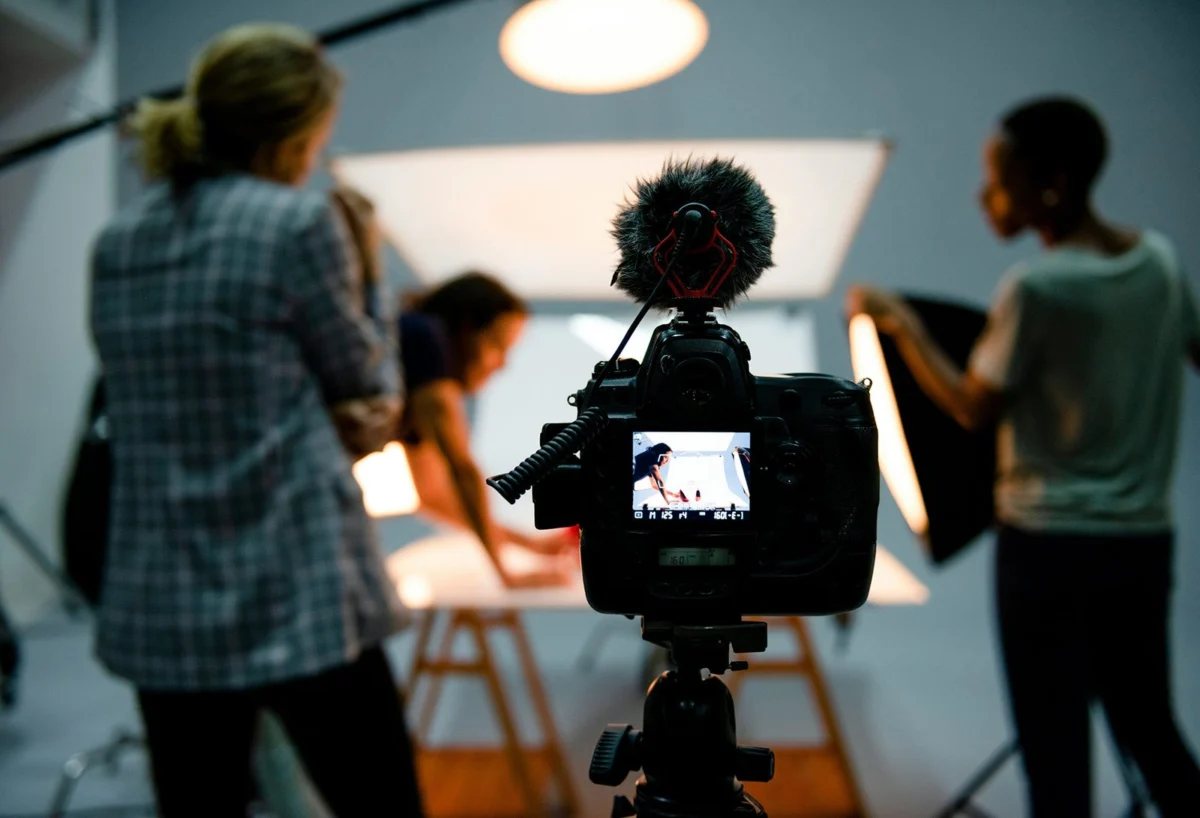
Stepping onto a professional photography or videography set for the first time marks a pivotal moment in a creative career, often characterized by an intense blend of stress and profound enrichment. For newcomers, the anticipation leading up to the production day can be immense, as these environments are typically fast-paced, demanding peak performance from every team member. Seasoned professionals, having navigated hundreds of commercial shoots, accumulate invaluable wisdom that can significantly benefit those embarking on their initial journeys. This article distills critical lessons learned, offering a comprehensive perspective and actionable advice for successfully managing the complexities of professional production sets.
The Diverse Landscape of Production Environments
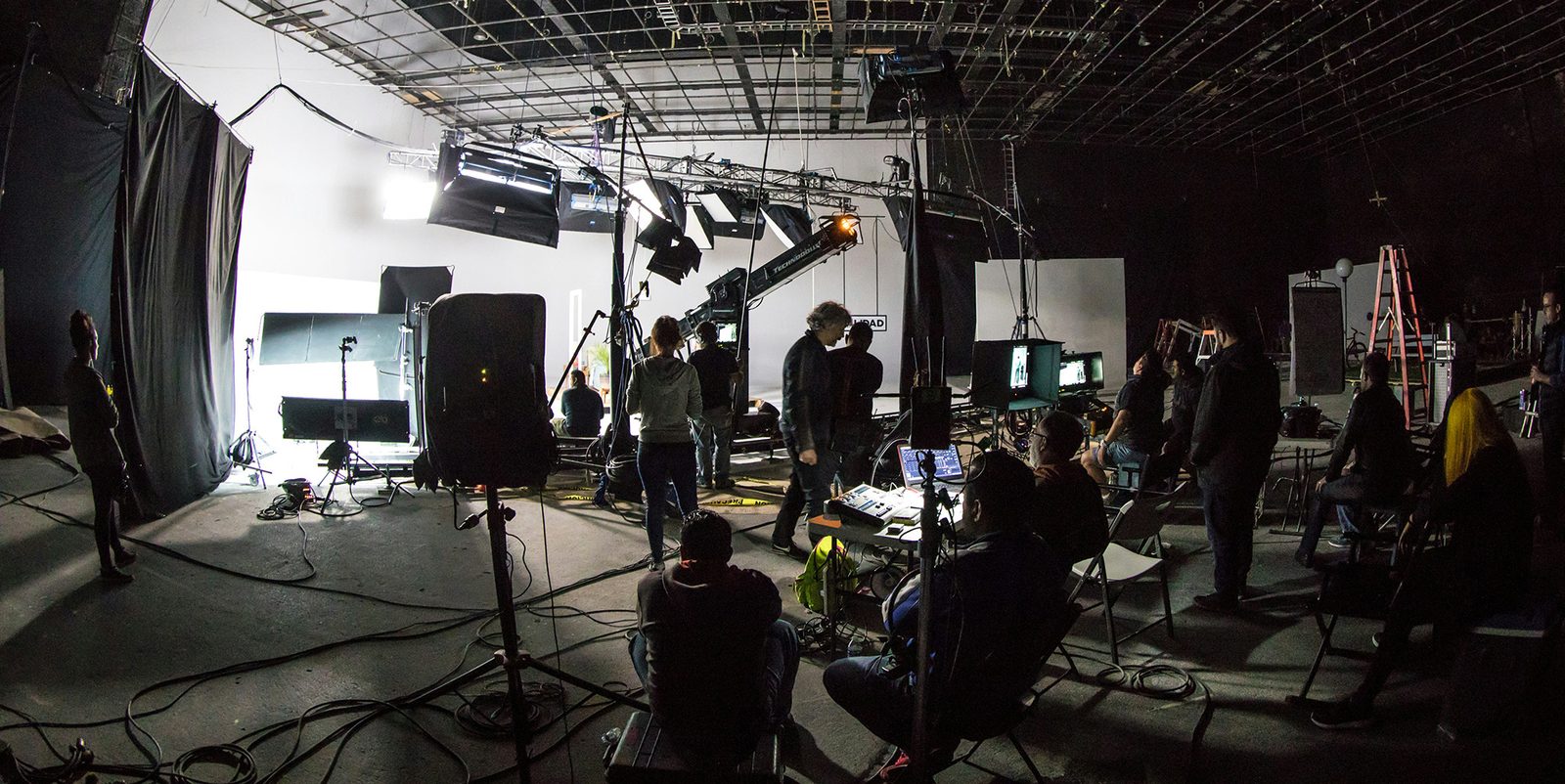
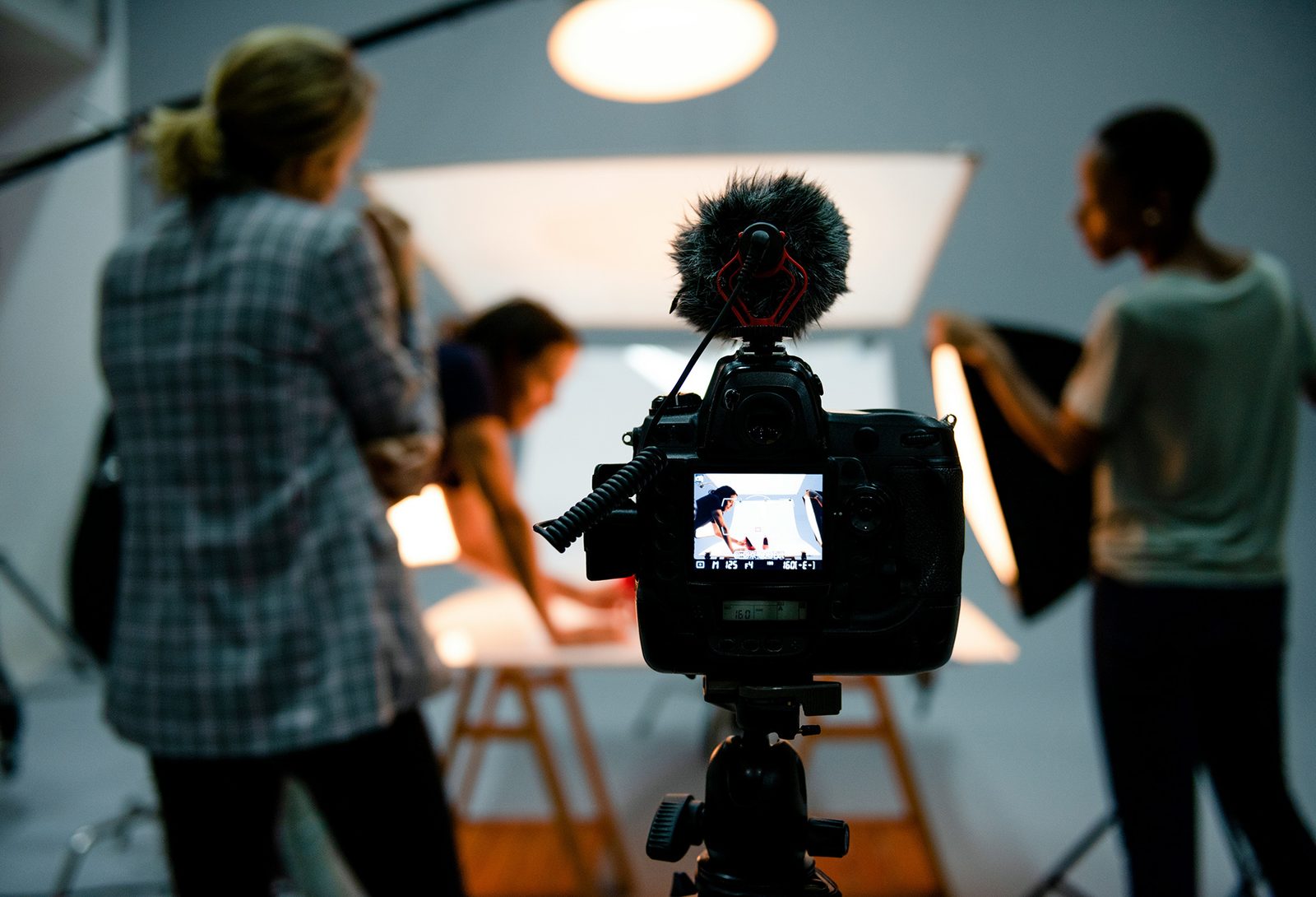
One of the most immediate and enduring truths encountered on set is the sheer variability of production environments. From a modest 200-square-foot pop-up studio nestled in an unassuming strip mall to multi-million dollar sound stages equipped with an extensive array of grip and lighting gear, no two sets are precisely alike. This spectrum of venues reflects the diverse nature of commercial projects, ranging from small-scale product photography for e-commerce to large-budget advertising campaigns requiring elaborate sets and expansive crews. While production houses typically provide some pre-shoot indicators regarding the setup, the absence of a universal standard for professional studios and locations necessitates a high degree of adaptability. This inherent unpredictability underscores a fundamental principle for all crew members: the imperative to expect the unexpected and prepare rigorously.
Industry analysis suggests that the average commercial shoot can involve anywhere from a handful to dozens of personnel, each with specialized roles, and can take place in a myriad of locations from controlled studio environments to dynamic outdoor settings. This variety directly impacts logistics, requiring flexible planning for power, equipment transport, catering, and on-site facilities. For instance, a remote location shoot might demand portable power generators and satellite internet, while a studio shoot focuses more on intricate lighting grids and soundproofing. Understanding this breadth is crucial for any aspiring professional, as it informs everything from personal packing lists to problem-solving strategies.
Proactive Preparedness: Mitigating the Unforeseen
The adage "expect the unexpected" is not merely a caution but a foundational strategy for success on a professional set. Murphy’s Law, which dictates that anything that can go wrong will go wrong, often seems particularly potent in high-stakes production environments where multiple eyes are focused on achieving specific creative goals under tight deadlines. Consequently, veteran professionals consistently advocate for meticulous preparation, especially concerning equipment redundancy. This involves bringing backups for nearly every critical piece of gear. Cameras, lenses, flash tubes, wireless triggers, strobes, and an ample supply of batteries and memory cards are all items that can fail without warning, often at the most inconvenient moments.
When the production team requests a gear list, typically provided either by the individual photographer/videographer or the production house, it serves as a baseline. However, even when production supplies the primary equipment, it is prudent to discuss with the grip house or rental company what replacements are available on standby. Instances where a specifically requested item, such as a 3ft Octobox, is unavailable on the shoot day are not uncommon. Developing a contingency itinerary of optional replacements in advance can significantly streamline the morning setup, preventing costly delays. According to a recent survey of production managers, equipment failure accounts for approximately 15% of unforeseen delays on set, highlighting the tangible benefits of a comprehensive backup strategy. This proactive approach minimizes downtime, maintains project momentum, and ultimately protects the creative vision and budget. Beyond gear, personal preparedness—such as having weather-appropriate clothing, comfortable footwear, and adequate hydration/snacks—also contributes to sustained performance throughout long production days.
The Psychology of the Set: Leadership and Attitude
The atmosphere on a professional set is remarkably permeable, with stress and positivity often emanating from the leadership and permeating through the entire crew. Experiences can range from high-pressure environments, where a creative director’s anxiety over schedule adherence is palpable, to collaborative, convivial settings that foster camaraderie and creative flow. This duality underscores a critical observation: the emotional tone of a production day is largely dictated by those at the helm. A tense marketing team or an overly stressed creative director can create a ripple effect, escalating anxiety across the set, whereas a calm and confident leader can ease tension and promote a more productive, enjoyable atmosphere.
For any crew member, particularly those in visible roles such as the primary photographer or videographer, maintaining a positive and collaborative attitude is paramount. While the primary objective is to meet the day’s goals and deliver the client’s vision, cultivating a friendly and fun work environment serves as a crucial secondary goal. Professionals are often asked to go beyond their defined responsibilities, whether assisting with prop placement, offering creative input, or simply being a flexible team player. Approaching these requests with a smile and a helpful demeanor not only contributes to a more pleasant working environment but also significantly enhances one’s professional reputation. Industry veterans frequently note that a positive attitude and willingness to collaborate are as important as technical skill in securing repeat bookings and fostering long-term career success. A study published by the Production Guild of Great Britain found that strong interpersonal skills and a positive attitude were cited by 70% of hiring managers as key factors in crew retention, emphasizing the tangible value of emotional intelligence on set. Effective communication, active listening, and constructive problem-solving skills further reinforce a positive professional image, contributing to a harmonious and efficient workflow.
The Fluidity of Schedules and Shot Lists
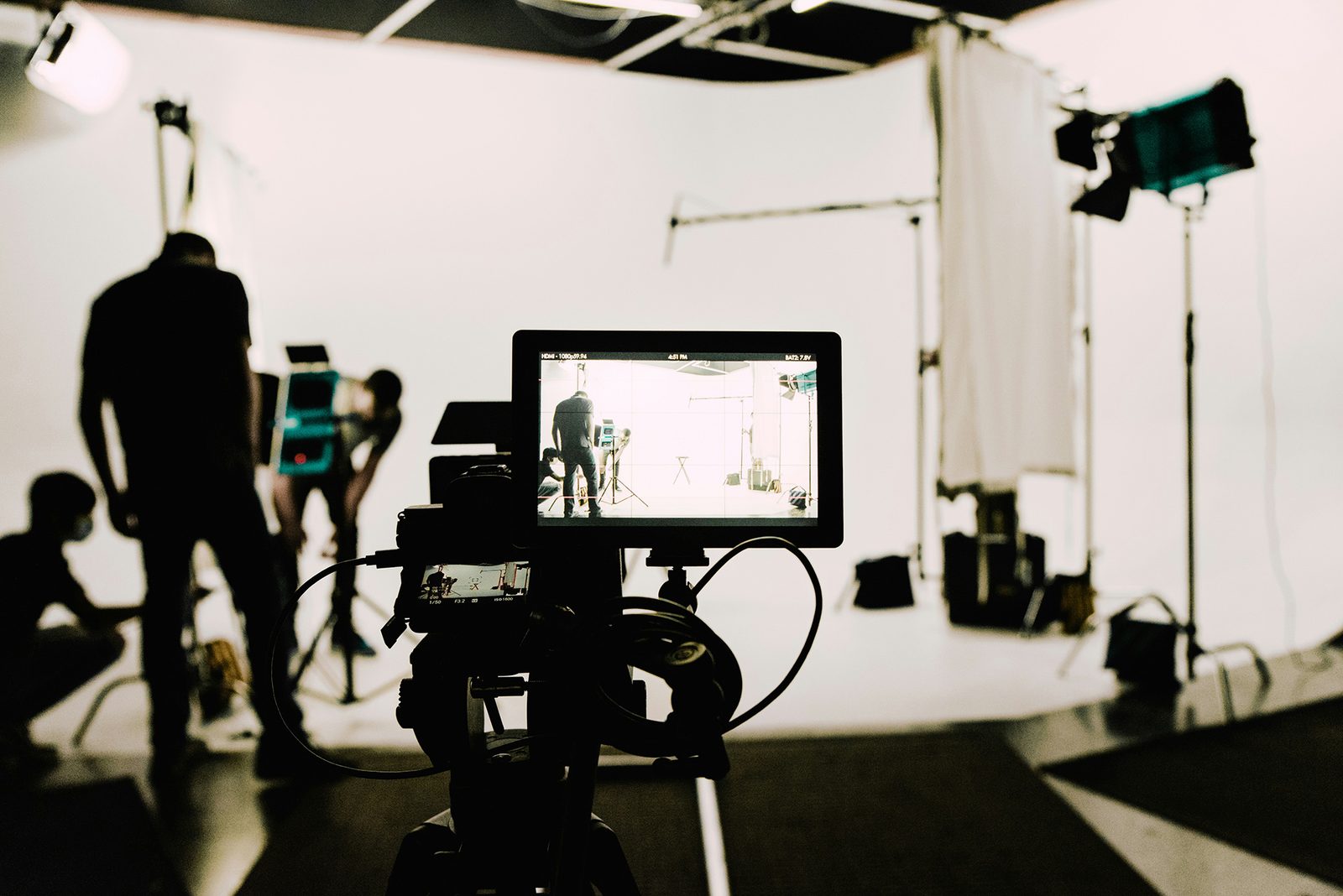
In the realm of commercial production, initial schedules and shot lists, typically provided as organized PDFs or creative decks a day or two before the shoot, serve as essential guides rather than immutable blueprints. These documents outline required images, style guidelines, and a tight shooting schedule. However, a critical piece of advice for newcomers is to review and re-organize these documents from a practical, on-set perspective. The initial sequencing might not always account for the most efficient use of space, lighting setups, or talent changes. For instance, switching between product still life, lifestyle portraits, and back to product photography throughout the day can be highly inefficient dueating to repeated setup and breakdown times. Streamlining the sequence to group similar shots or setups can save valuable hours.
Furthermore, production schedules often fail to adequately account for the time required for equipment setups, breakdowns, and unexpected creative discussions. It is a rare occurrence for a production day to adhere perfectly to its initial timeline. Being ahead of schedule is a welcome bonus, but falling behind is a common reality. The key is to avoid undue stress over minor deviations. Schedules are inherently fluid, adapting to unforeseen challenges, creative evolutions, or technical adjustments. The role of the First Assistant Director (1st AD) or Project Coordinator is often to manage this fluidity, making real-time adjustments to keep the production moving forward. Understanding this flexibility allows crew members to maintain focus on the immediate task without being overwhelmed by a constantly shifting timeline. This adaptive mindset, combined with proactive communication about potential delays or efficiencies, is highly valued on any professional set.
The Rhythm of Production: Slowly, Then All at Once
A peculiar yet consistent rhythm characterizes professional production sets: moments of intense activity interspersed with periods of relative calm. A single production day can involve walking thousands of steps, moving hundreds of pounds of gear, and capturing an exhaustive number of images, yet also include significant downtime while waiting for the next setup, talent, or creative decision. Setting up complex photography or videography gear requires time, creative teams often hold impromptu meetings to refine goals, and technical glitches can necessitate pauses. During these lulls, even when the schedule is tight, crew members might find themselves standing by, looking for opportunities to contribute.
However, these quiet moments can swiftly transition into frenetic bursts of activity. Suddenly, the pace accelerates, and the team might find themselves "speedrunning" through a shot list, capturing a multitude of images as quickly and efficiently as possible. This "slowly, then all at once" dynamic is intrinsic to the production process. Newcomers should not become anxious during periods of apparent inactivity, especially if it seems contrary to the day’s overall busyness. These lulls are often necessary gestation periods for the next phase of intense work. Instead of stressing, wise professionals use this downtime productively: charging batteries, reviewing previously captured shots, preparing for the next setup, or simply grabbing a much-needed drink of water and resting their feet. Being prepared for these shifts in tempo, maintaining patience during the lulls, and staying focused and ready for the surges in activity are hallmarks of an experienced and effective crew member. This understanding helps manage personal energy levels and contributes to a more resilient and efficient workflow throughout the entire production cycle.
Broader Implications and Career Longevity
Mastering these five fundamental aspects—understanding set diversity, embracing proactive preparedness, cultivating a positive attitude, adapting to fluid schedules, and recognizing the "slowly, then all at once" rhythm—extends beyond mere day-to-day survival on set. These insights are critical for long-term career growth and establishing a reputation as a reliable and valuable professional within the highly competitive creative industries. The ability to navigate varied environments demonstrates versatility, while meticulous preparation minimizes risks and showcases professionalism. A positive and collaborative attitude fosters strong working relationships, leading to repeat business and valuable networking opportunities. Flexibility with schedules and an understanding of the production rhythm contribute to overall project efficiency and client satisfaction.
In an industry where word-of-mouth referrals and professional reputation are paramount, these qualities collectively contribute to a robust personal brand. Production companies and creative directors consistently seek professionals who are not only technically proficient but also adaptable, reliable, and pleasant to work with. These soft skills, often honed through practical experience, are as vital as technical expertise. The ongoing evolution of photography and videography technology, coupled with dynamic client demands, further emphasizes the need for continuous learning and adaptation. By internalizing these lessons, professionals can not only survive but thrive on the demanding and exhilarating landscape of commercial production sets, building a sustainable and successful career in the visual arts.