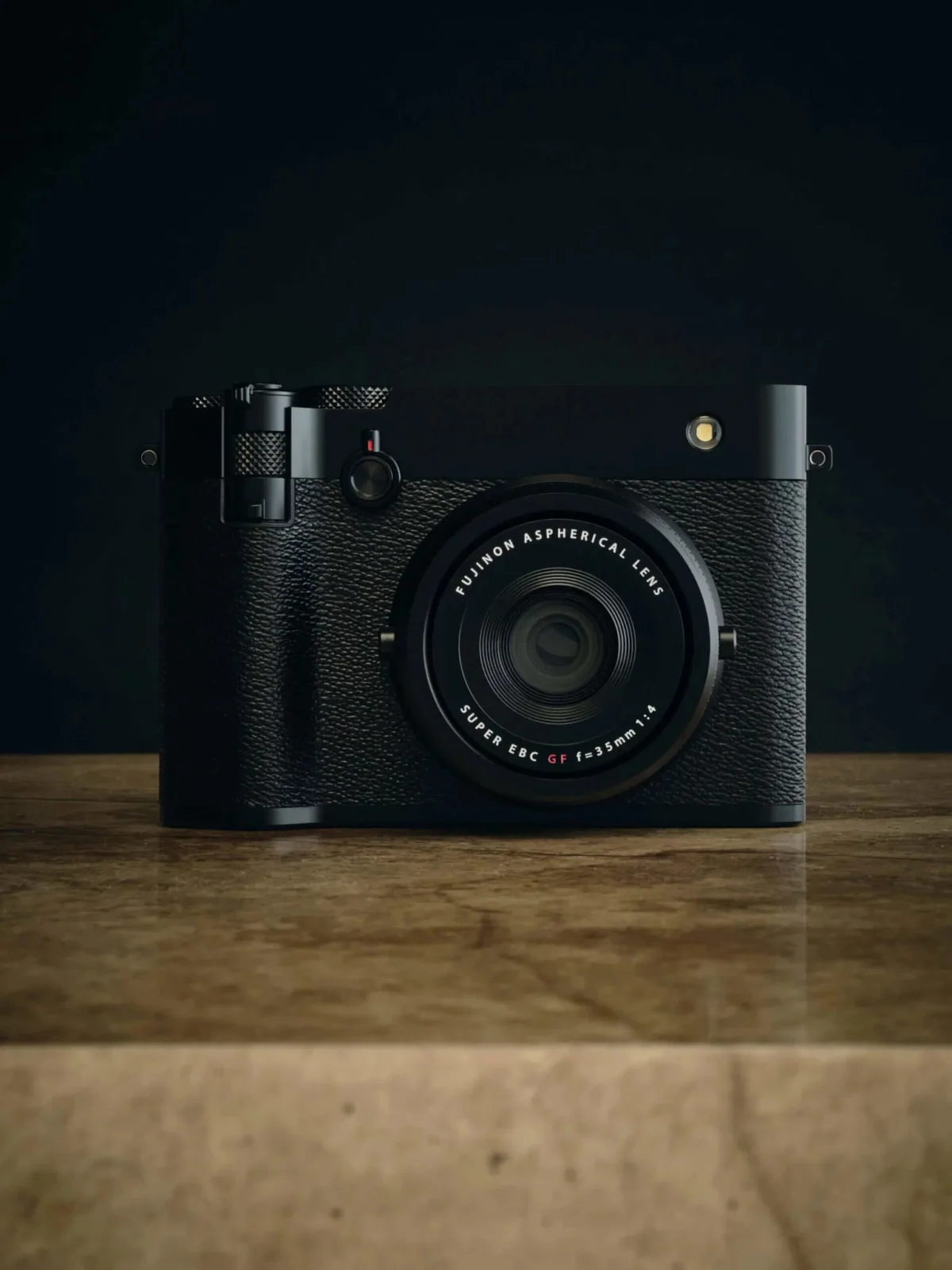
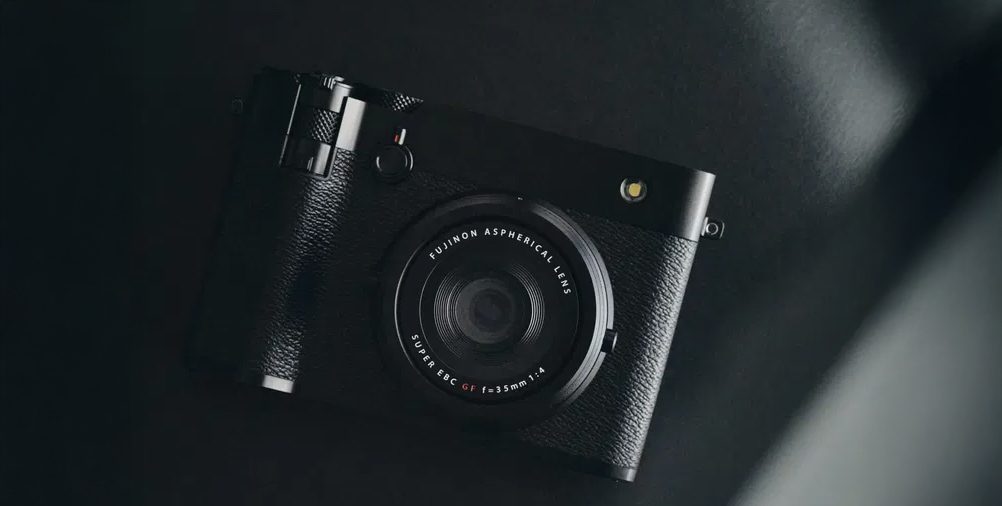
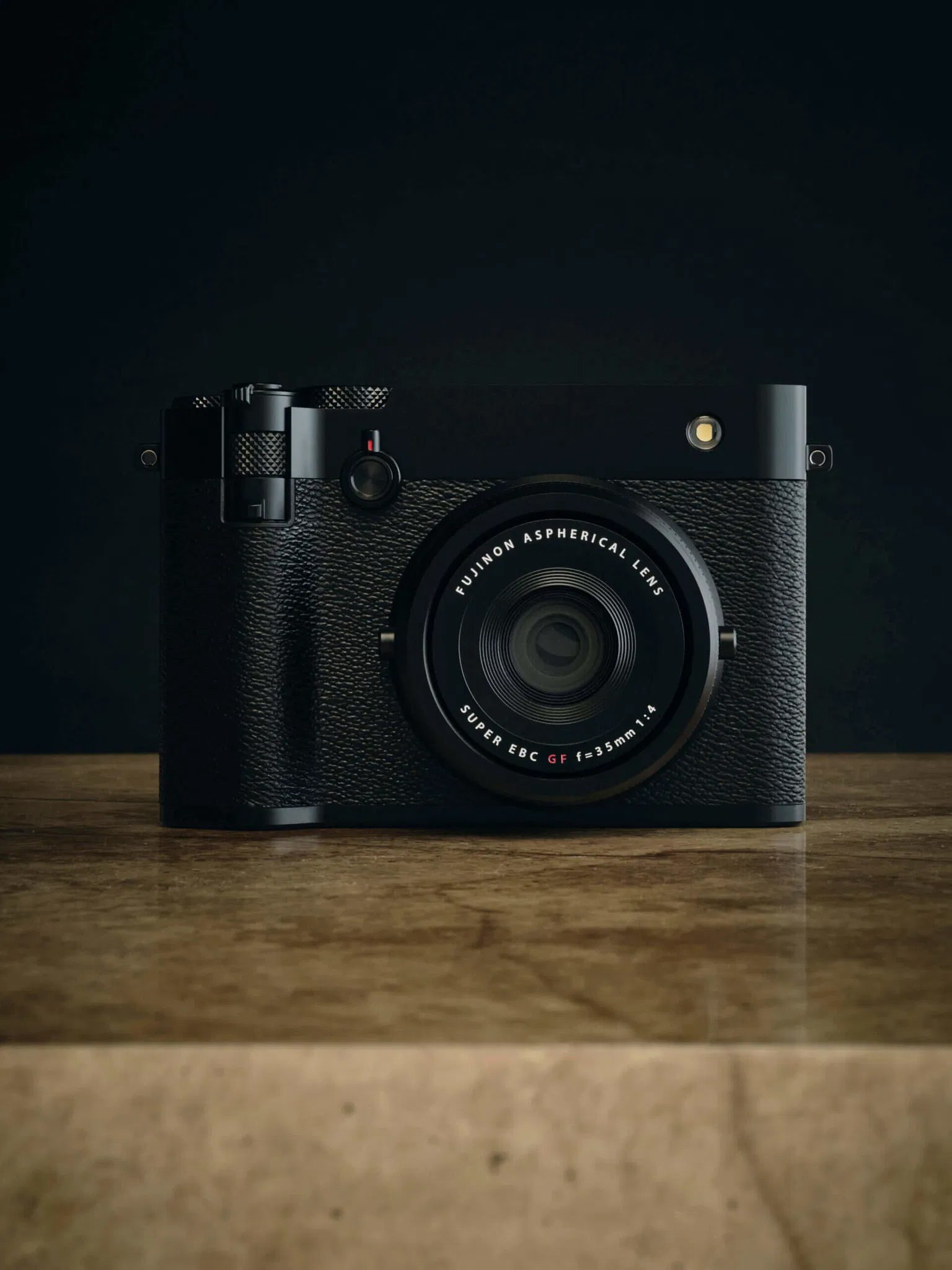
The Fujifilm GFX 100RF emerges as a distinctive entrant in the high-end photographic market, positioning itself as a compact, rangefinder-style medium format mirrorless camera equipped with a fixed 100-megapixel sensor. Recently observed to be in pristine condition upon arrival from rental services, the camera immediately impresses with its unexpectedly svelte profile. For a medium-format system, often associated with considerable bulk, the GFX 100RF achieves a remarkable degree of portability, reportedly feeling comparable in heft to a full-frame mirrorless camera like the Nikon Z7 paired with a compact 35mm lens. This design philosophy, which consciously evokes classic rangefinder aesthetics akin to the revered Plaubel Makina 67, underscores Fujifilm’s strategic focus on creating a highly portable, high-resolution photographic tool for discerning professionals and enthusiasts.
Redefining Medium Format Portability
Fujifilm’s GFX system has steadily carved out a significant segment in the medium format digital market since its inception, offering photographers access to larger sensors that deliver superior image quality, dynamic range, and shallow depth of field compared to full-frame alternatives. The GFX 100RF represents a bold departure from its larger, more versatile GFX siblings, such as the GFX 100 II or GFX 100S II, by integrating a fixed lens. This decision is central to its compact form factor. While previous GFX models emphasized modularity and extensive lens ecosystems, the 100RF prioritizes a streamlined, ready-to-shoot experience, reminiscent of classic fixed-lens cameras but with a thoroughly modern digital backbone.
The physical design of the GFX 100RF is a testament to this commitment to portability. Its dimensions and weight are notably reduced, a significant achievement given the inclusion of a 100-megapixel medium format sensor. This reduction in size and mass directly addresses a long-standing barrier to entry for medium format photography: its inherent bulk. By making medium format more approachable in terms of physical handling, Fujifilm aims to broaden its appeal beyond traditional studio or landscape applications, opening doors for street, travel, and documentary photographers who demand both ultimate image quality and discreet portability. The camera’s silhouette, often likened to a modernized digital interpretation of the Plaubel Makina 67, speaks to a design ethos that values classic photographic aesthetics alongside cutting-edge technology. The integrated lens, providing a field of view equivalent to a 28mm lens on a full-frame sensor, is a critical component of this compact vision. While some users might express a preference for a slightly longer focal length, such as a 45mm equivalent, the chosen 35mm equivalent (on the 33x44mm sensor) reinforces its versatility for a wide range of photographic scenarios, from expansive landscapes to intimate street scenes.
Engineering Trade-offs: The IBIS and Lens Debate
The GFX 100RF is not without its controversies, primarily centering on design choices that prioritize compactness over certain features commonly found in high-end cameras. The most significant of these is the absence of in-body image stabilization (IBIS) and a particularly "fast" (i.e., wide aperture) integrated lens. These omissions have sparked considerable discussion among the photographic community, with some critics viewing them as significant drawbacks for a camera in this price bracket.
However, Fujifilm’s strategy appears to be a deliberate calculation. The inclusion of IBIS, a mechanism that physically shifts the sensor to counteract camera shake, adds considerable size, weight, and complexity to a camera body. Similarly, designing a fast medium-format lens, especially one that maintains optical excellence across a large sensor, typically results in a larger, heavier, and more expensive optic. By foregoing these features, Fujifilm was able to achieve its primary objective: a remarkably compact and lightweight 100-megapixel medium format camera. This focus on size and weight reduction, while retaining the high-resolution Sony 33x44mm sensor, positions the GFX 100RF as a highly specialized tool—a "niche within a niche."
For photographers whose workflow primarily involves tripod-mounted shooting, or those who consistently shoot at shutter speeds fast enough to mitigate camera shake, the absence of IBIS might be a minor concern. The decision to integrate a fixed lens, while limiting versatility compared to an interchangeable lens system, allows for optimal optical design tuned precisely for the sensor. This synergy can lead to superior image quality for its specific focal length. The GFX 100RF, therefore, targets a specific cohort: those who value a compact form factor, exceptional medium-format image quality, and a fixed 28mm full-frame equivalent field of view, and are willing to make compromises on IBIS and lens speed to achieve these goals. This approach contrasts with the broader appeal of models like the GFX 100 II, which offers both IBIS and an interchangeable lens system, catering to a wider array of professional applications.
A Closer Look at Performance: Sensor and Optics
At the heart of the GFX 100RF lies the same Sony-manufactured 33x44mm 100-megapixel sensor found in other esteemed Fujifilm GFX models, including the GFX 100 II. This sensor is renowned for its exceptional resolving power, expansive dynamic range, and impressive color rendition. It faithfully reproduces intricate details and subtle tonal gradations, making it ideal for large-format prints and demanding digital applications. Users familiar with the image quality of the GFX 100 II will find a consistent performance profile, including Fujifilm’s characteristic ISO 80 black-point subtraction, which contributes to its clean shadows and extended highlight recovery. Autofocus performance, while entirely adequate by medium-format standards, aligns with that of the GFX 100 II. It offers reliable subject tracking and acquisition for static or moderately moving subjects, though it typically lags behind the blistering speeds and advanced tracking capabilities of the latest full-frame mirrorless systems.
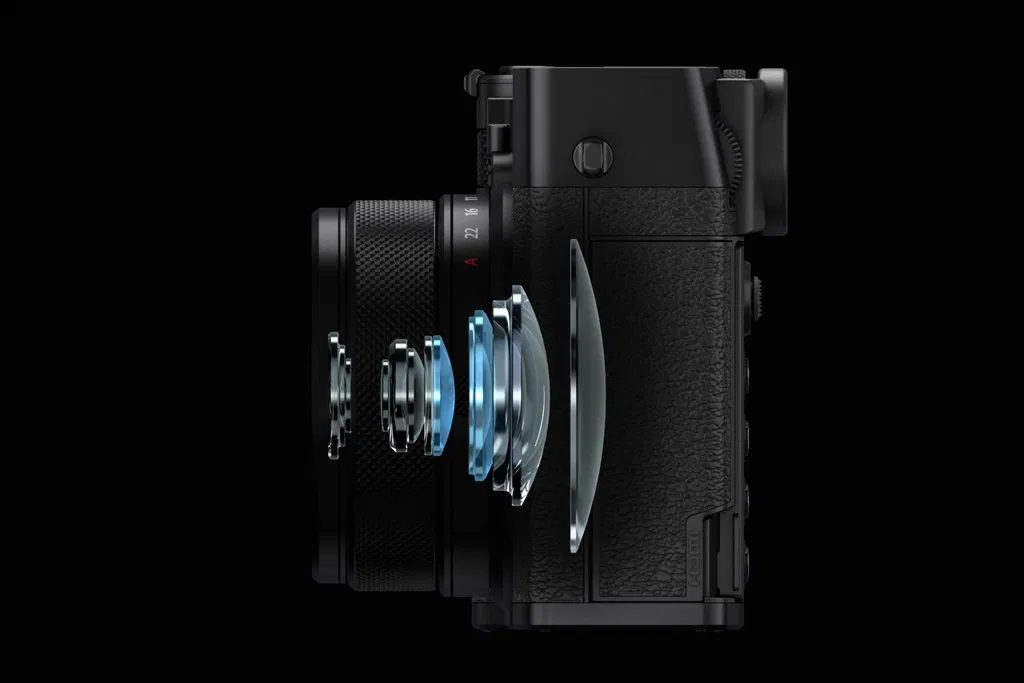
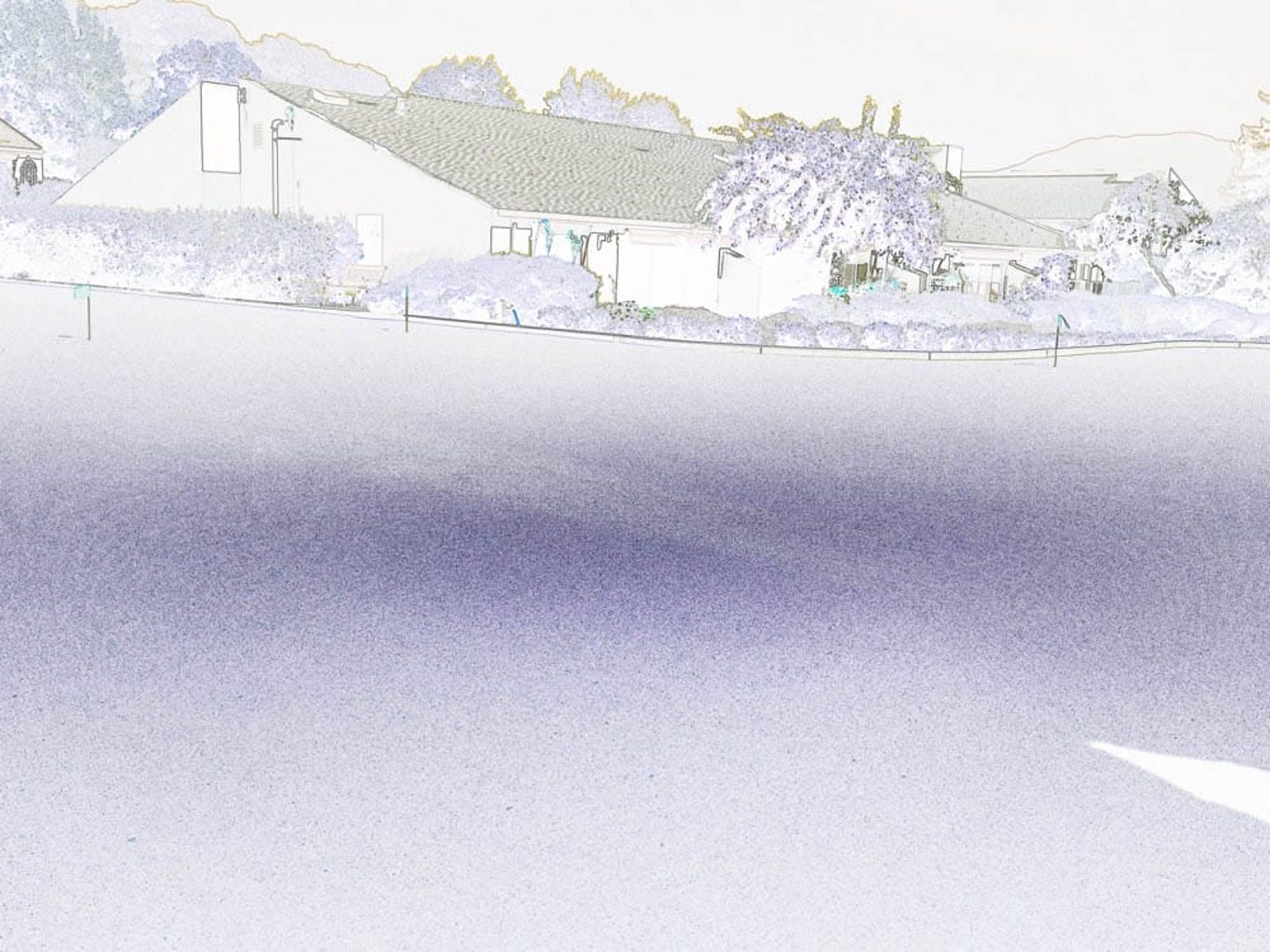
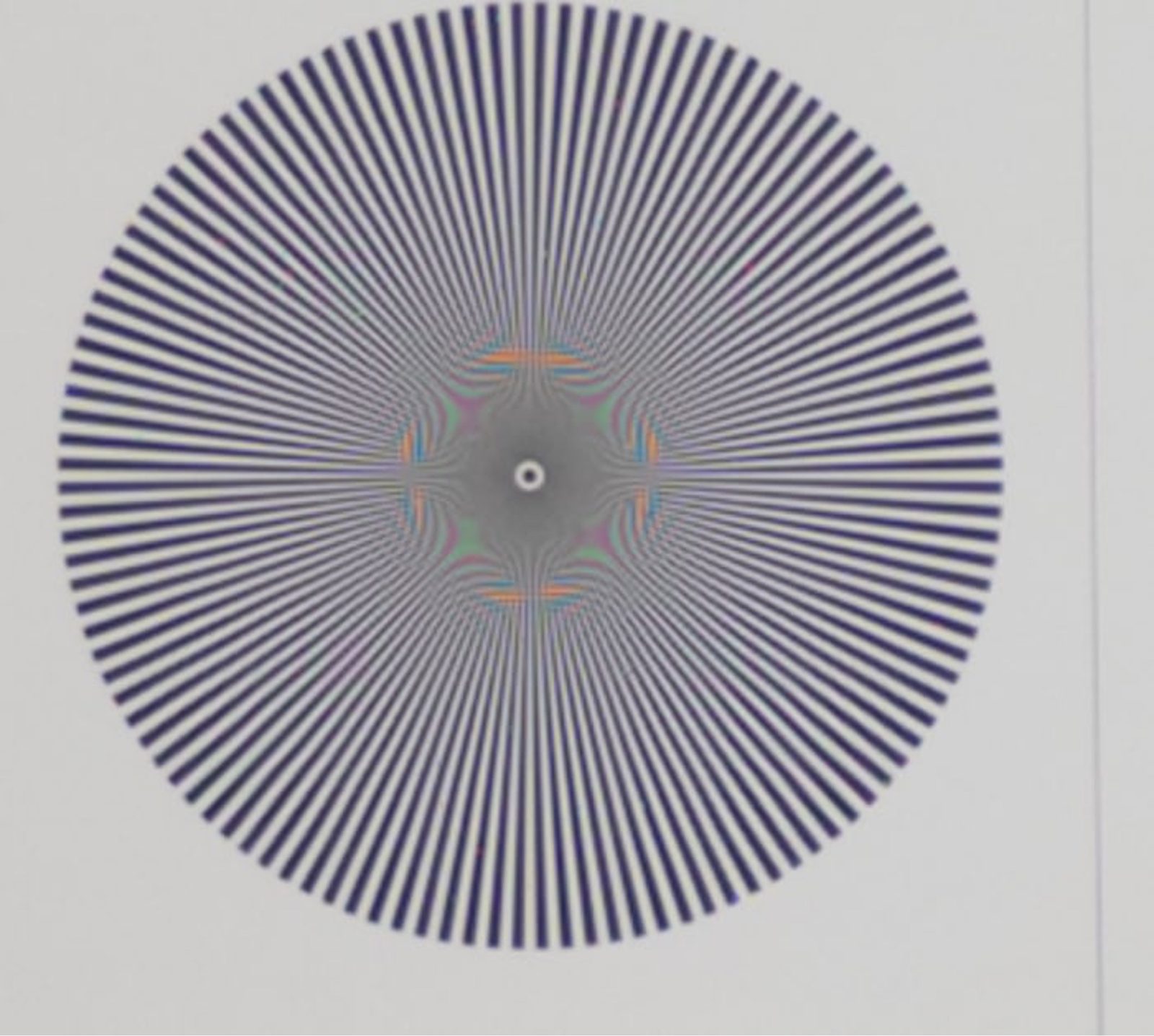
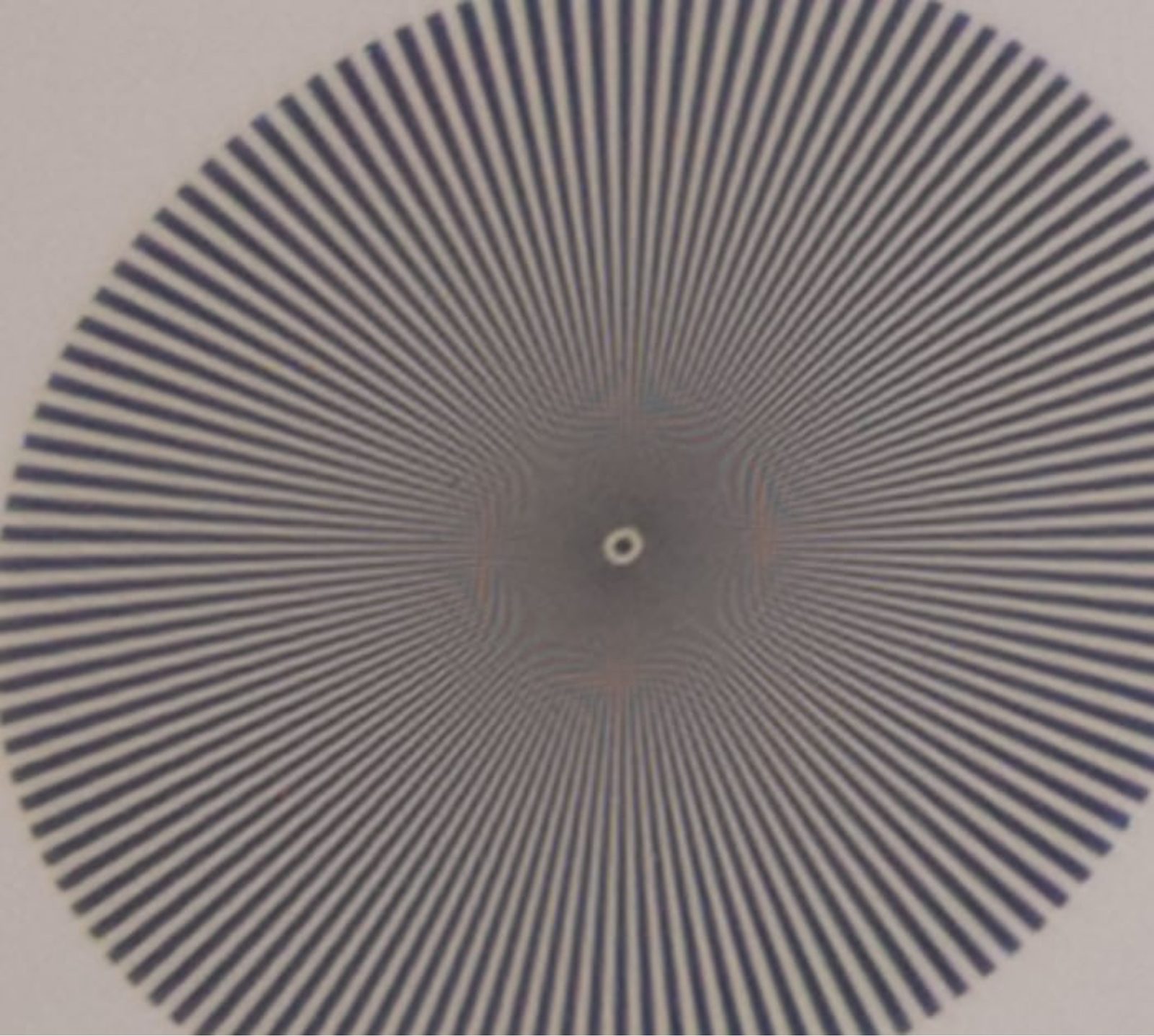
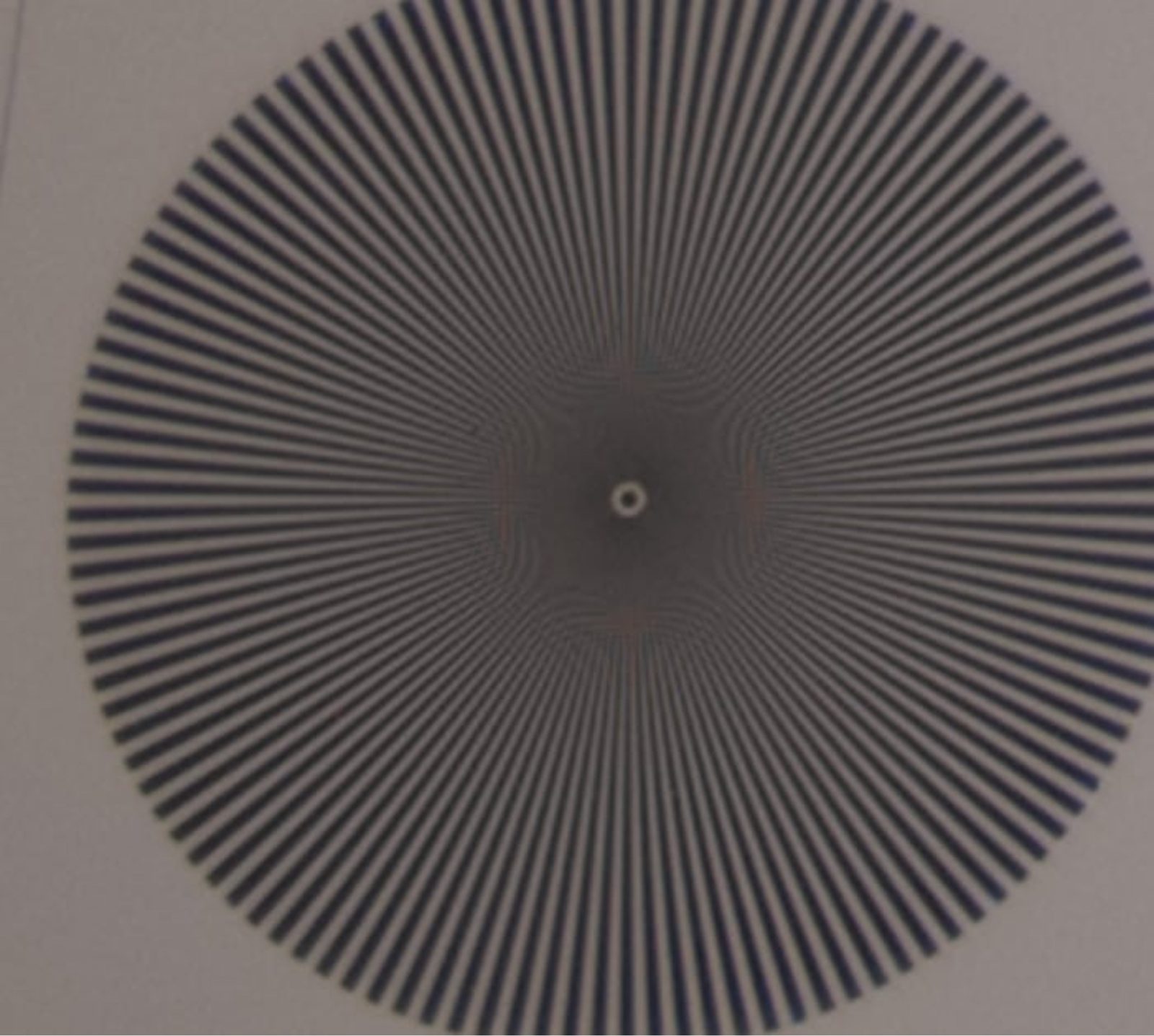
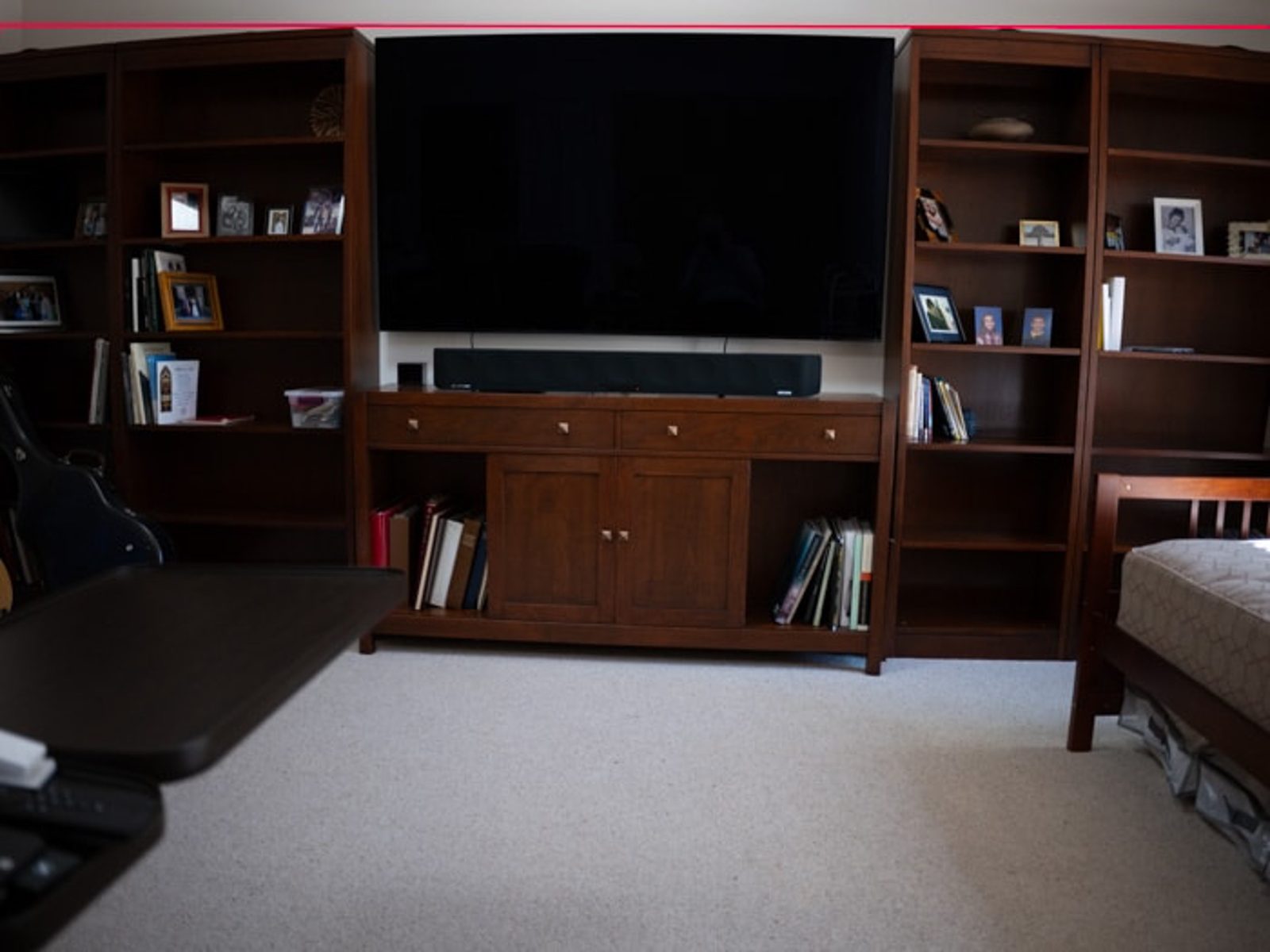
The integrated lens, specifically designed for this camera, is a strong performer despite its compact size. Optically, it delivers excellent sharpness across the frame, with on-axis clarity maintained until the natural limits imposed by diffraction at smaller apertures. There is only a modest falloff in sharpness towards the edges, which is commendable for a wide-angle medium format lens. Field curvature, a common optical aberration that causes the plane of sharp focus to curve rather than remain flat, is virtually absent in this lens, ensuring consistent sharpness across flat subjects. While uncorrected files may exhibit noticeable distortion, digital corrections, which are seamlessly applied in post-processing software like Adobe Lightroom, effectively eliminate these artifacts with negligible impact on overall sharpness. Similarly, vignetting (light falloff towards the corners of the image) is moderate in uncorrected images but disappears once corrections are applied, preserving uniform illumination.

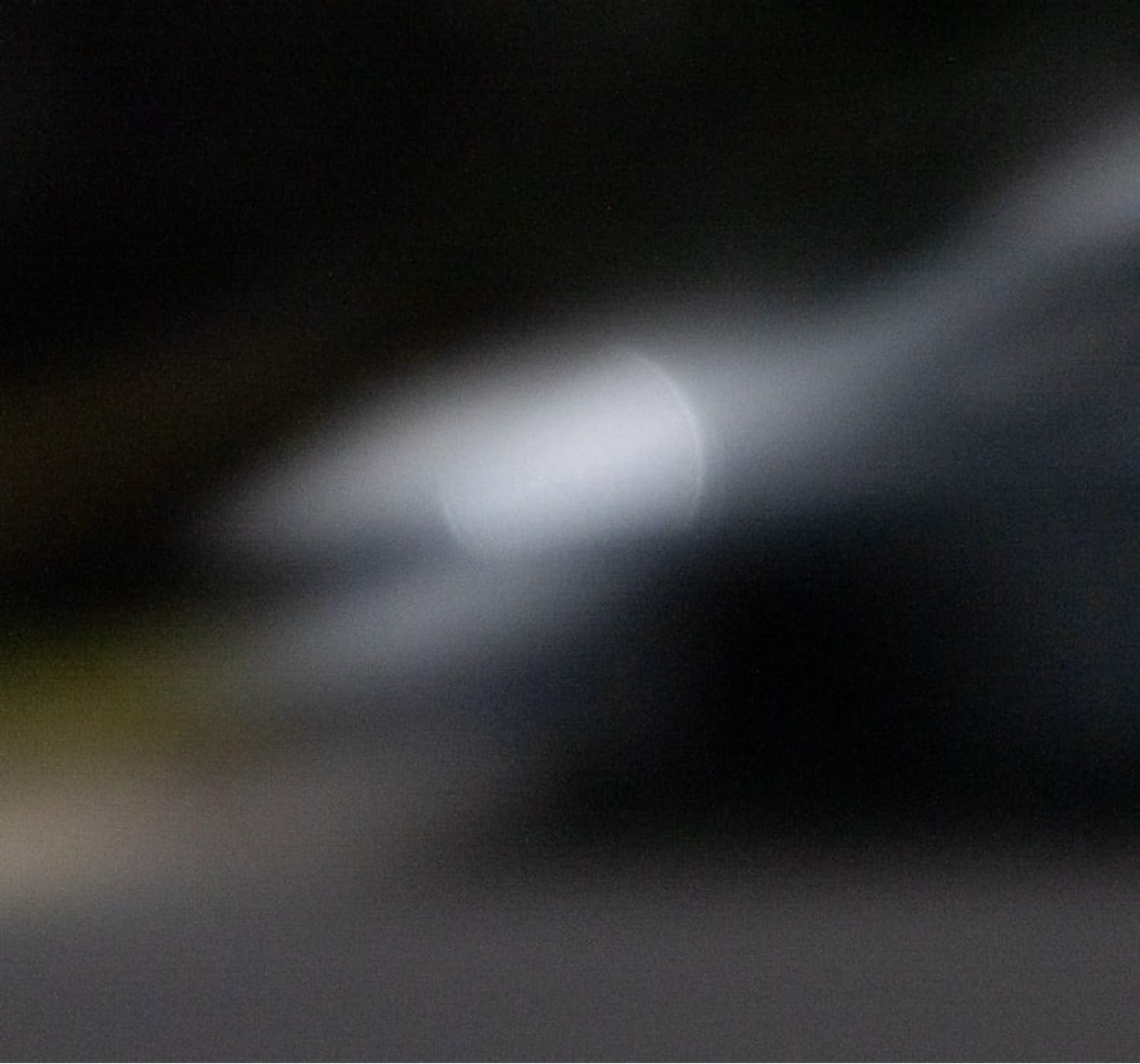
A notable feature of the lens is its leaf shutter. Unlike the focal plane shutters found in many mirrorless cameras, a leaf shutter is integrated into the lens itself. This design offers several advantages, including remarkably quiet operation, which is beneficial for candid photography, and the ability to synchronize flash at much higher shutter speeds than typically possible with focal plane shutters. This high-speed sync capability allows photographers to use flash to overpower ambient light, even in bright conditions, creating unique lighting effects. However, the leaf shutter introduces a peculiar characteristic: at shutter speeds of 1/500 second and above, it can introduce subtle bokeh artifacts, causing out-of-focus highlights to appear non-circular. These artifacts become more pronounced at speeds like 1/4000 second, though observations suggest they are less objectionable than similar artifacts produced by certain Hasselblad XCD lenses (e.g., the 38V and 90V). Furthermore, the leaf shutter’s mechanism at very high speeds can act like an additional aperture, subtly affecting the effective depth of field, leading to slightly more depth of field than one might expect. Flash synchronization tests with a hot-shoe-mounted dumb flash revealed reliable operation, with only a minor loss of light observed at the extreme shutter speed of 1/4000 second, attributable to the flash duration potentially exceeding the ultra-short shutter speed at full power.
Ergonomics and User Experience: A Mixed Bag
The user interface and ergonomics of the GFX 100RF present a mixed experience, combining well-executed features with a few design quirks. Fujifilm cameras are known for their distinctive control layouts, often featuring physical dials for aperture, shutter speed, and ISO, harkening back to traditional film cameras. The GFX 100RF largely adheres to this philosophy. Aperture and shutter speed dials each include an "A" (auto) position, providing flexible exposure control. ISO adjustment is managed via a collar surrounding the shutter dial, an elegant solution in concept. However, the lack of distinct detents on the ISO collar makes confident, tactile adjustment without looking at the display challenging.
Conversely, the exposure compensation dial is a highlight, generously sized and ideally positioned for intuitive thumb access, allowing for quick and precise adjustments. The Q (Quick Menu) button has been redesigned to sit flush with the camera body, a welcome improvement that significantly reduces accidental presses compared to earlier Fujifilm designs. Despite these positives, some haptic elements fall short. The knurled dials and joystick, while present, offer somewhat vague or "mushy" feedback, a minor but noticeable area where Fujifilm still lags behind competitors like Nikon, which are often praised for their precise haptics.
Other minor design points also warrant attention. The on/off switch, for instance, operates with such minimal resistance that inadvertent activation within a camera bag is a recurring issue, potentially draining battery life or causing missed shots. The battery door latch does not self-engage, requiring manual confirmation, and the dual SD card slots, while functional, feel less robust compared to the card slot designs seen on some professional-grade full-frame cameras. The preference for CFExpress slots, which offer significantly faster read/write speeds, is a common desire for cameras generating 100-megapixel files, especially for burst shooting or video applications, where SD cards can become a bottleneck.
The camera’s crop control feature, intended as a compositional aid, also exhibits some peculiarities. Its interface is somewhat oversized, and a locking mechanism would enhance usability, preventing accidental changes. Furthermore, the integration of the crop tool with the camera’s metering system is unconventional, leading to variations in recommended exposure settings based on the selected EVF crop borders. This can be confusing for users accustomed to more straightforward metering behaviors. Despite these specific criticisms, the overall Fujifilm user interface, while perhaps initially "eccentric" for those new to the system, is generally praised for its directness and offers a highly customizable and fluid operating experience once mastered.
Power and Peripherals
Battery life on the GFX 100RF demonstrates a measurable improvement compared to the same battery unit used in the GFX 100 II or GFX 100S II. This enhanced endurance can be primarily attributed to two key design decisions. Firstly, the absence of in-body image stabilization (IBIS) eliminates a significant power draw. IBIS systems require continuous power to stabilize the sensor, especially during active shooting. Secondly, the integrated leaf shutter, while still requiring power, typically consumes less energy than a focal plane shutter, particularly when the camera is not actively shooting. These factors combine to offer photographers a longer shooting duration per charge, enhancing the camera’s utility for extended sessions or travel.
Regarding memory, the GFX 100RF utilizes two SD card slots. While SD cards are widely available and cost-effective, their performance, even in UHS-II variants, can be a limiting factor for a 100-megapixel camera, particularly when capturing large RAW files or continuous bursts. The industry trend for high-resolution, professional cameras is increasingly towards CFExpress Type B cards, which offer substantially higher read and write speeds, crucial for minimizing buffer clearing times and maximizing workflow efficiency. The choice of SD cards, while contributing to cost-effectiveness, represents another design trade-off that may impact the user experience for those demanding the absolute fastest performance.
Market Positioning and Competitors
The Fujifilm GFX 100RF occupies a highly specialized segment within the photographic market, appealing to a distinct clientele that prioritizes ultra-high resolution medium format quality within an exceptionally portable, fixed-lens form factor. Its "niche within a niche" designation reflects this narrow but dedicated target audience.
The camera’s fixed lens delivers a field of view equivalent to a 28mm lens on a full-frame sensor. This focal length is critical for potential buyers. If a photographer desires the medium format quality but finds the 28mm equivalent too wide and opts to crop the image to achieve, for example, a 35mm full-frame equivalent perspective, they will effectively be utilizing only a portion of the 100-megapixel sensor. This cropping reduces the effective resolution to approximately 60 megapixels, fundamentally altering the camera’s value proposition.
In such a scenario, the GFX 100RF enters into direct competition with other high-end fixed-lens cameras that offer similar effective resolutions and portability, albeit with full-frame sensors. Notable alternatives include the Leica Q3 and the Sony RX1R III.
- Leica Q3: This camera features a 60-megapixel full-frame sensor and a fixed 28mm f/1.7 lens. It offers excellent image quality, superb build, and crucially, in-body image stabilization (IBIS), making it a strong contender for handheld shooting in low light. Its design also evokes a classic rangefinder aesthetic.
- Sony RX1R III: Equipped with a 42.4-megapixel full-frame sensor and a fixed 35mm f/2 lens, the RX1R III is significantly smaller and lighter than both the GFX 100RF and the Leica Q3, making it the most portable option among the three.
Comparing these cameras, the GFX 100RF weighs roughly the same as the Leica Q3, while the Sony RX1R III is considerably lighter and more compact. In terms of pricing, the Fujifilm GFX 100RF and the Sony RX1R III are generally in a similar price bracket, with the Leica Q3 often being more expensive. Therefore, opting for a full-frame alternative does not necessarily result in cost savings but can offer substantial advantages in terms of weight and, in the case of the Leica Q3, the inclusion of IBIS.
Fujifilm has also emphasized the cropping capabilities of the 100-megapixel sensor. It is true that a 100-megapixel sensor allows for more aggressive cropping while maintaining acceptable resolution compared to a 60-megapixel sensor of similar pixel pitch. For instance, the GFX 100RF can provide a cropped image with higher effective resolution at the same angle of view as a Leica Q2 (60MP). However, when cropped to achieve a 35mm full-frame equivalent angle of view, the GFX 100RF offers image quality comparable to the Sony RX1R III, suggesting that its distinct advantage in cropping truly manifests primarily within the narrow range of full-frame equivalent angles of view between 28mm and 35mm. Beyond this, the benefits of its larger sensor for cropping become less pronounced when compared to other high-resolution full-frame options.
Conclusion: A Specialized Tool for Discerning Photographers
The Fujifilm GFX 100RF stands as a highly specialized, purposeful tool for a specific segment of medium format photography. Its primary appeal lies in its unique combination of a 100-megapixel medium format sensor and an uncommonly compact, rangefinder-style body with a fixed 28mm full-frame equivalent lens. This design makes it an intriguing option for photographers seeking the ultimate in image quality for travel, street photography, or documentary work, where portability and a discreet presence are paramount.
The camera’s strengths are undeniable: stellar image quality from its 100MP sensor, a optically strong integrated lens, quiet leaf shutter operation, and improved battery life relative to other GFX models. Its ergonomic design, while featuring a few idiosyncratic elements, generally aligns with Fujifilm’s acclaimed user interface, which prioritizes direct access via physical dials.
However, potential users must carefully consider the deliberate trade-offs made to achieve this compactness. The absence of in-body image stabilization necessitates either faster shutter speeds, careful handheld technique, or the use of a tripod, particularly in challenging light. The fixed 28mm full-frame equivalent focal length, while versatile, may not suit all photographic preferences, and cropping to achieve narrower fields of view will reduce the effective resolution, bringing it into closer competition with high-resolution full-frame alternatives like the Leica Q3 or Sony RX1R III, which may offer advantages in weight, IBIS, or a preferred native focal length.
Ultimately, the GFX 100RF is not a camera for everyone. It is tailored for the photographer who has a precise understanding of its capabilities and limitations, and whose creative vision aligns perfectly with its fixed 28mm equivalent perspective and its emphasis on portability and uncompromising medium format resolution. For this discerning individual, the GFX 100RF offers a convenient, lightweight, and fluid operating experience, delivering image quality that few other systems can match in such a compact package. For those seeking a different focal length or who heavily rely on IBIS for handheld shooting, exploring the full-frame alternatives, despite their smaller sensor size, might prove to be a more practical and equally compelling choice. The GFX 100RF signifies Fujifilm’s continued commitment to innovating within the medium format space, pushing boundaries of form factor while maintaining the high standards of image fidelity expected from the GFX system.