In the dynamic and often unpredictable realm of event cinematography, professionals frequently encounter last-minute client requests that demand immediate and innovative solutions. A recent case at a major industry convention, documented by cinematographer Tony Kim, exemplifies the critical role of technical prowess and rapid adaptability in delivering diverse, high-quality content under challenging constraints. This incident saw a mid-shoot pivot from planned convention coverage to the simultaneous execution of sophisticated "Glambot"-style high-speed visuals and impromptu "person-on-the-street" attendee interviews, highlighting the evolving demands on modern production teams.
The Unexpected Mandate: A Dual Challenge Emerges
The project initially focused on standard convention documentation. However, midway through the day, the client introduced two distinct and technically divergent requirements: a series of "Glambot" inspired high-speed cinematic shots and subsequent quick-fire interviews with event attendees. Glambots, recognized for their precise, robotic camera movements often seen at high-profile events like the Oscars and Emmys, produce breathtaking slow-motion footage with unparalleled consistency. Renting an actual Glambot, which can cost tens of thousands of dollars per day and requires extensive pre-programming and specialized operators, was not feasible given the budget and spontaneous nature of the request. This necessitated a creative, budget-conscious alternative. Simultaneously, the demand for spontaneous attendee interviews required a rapid shift to a nimble, journalistic setup capable of capturing authentic responses without significant setup time. This dual mandate underscored the increasing need for cinematographers to possess a broad skill set and an extensive understanding of portable, high-performance equipment.
Recreating Cinematic Glamour: The Glambot Alternative
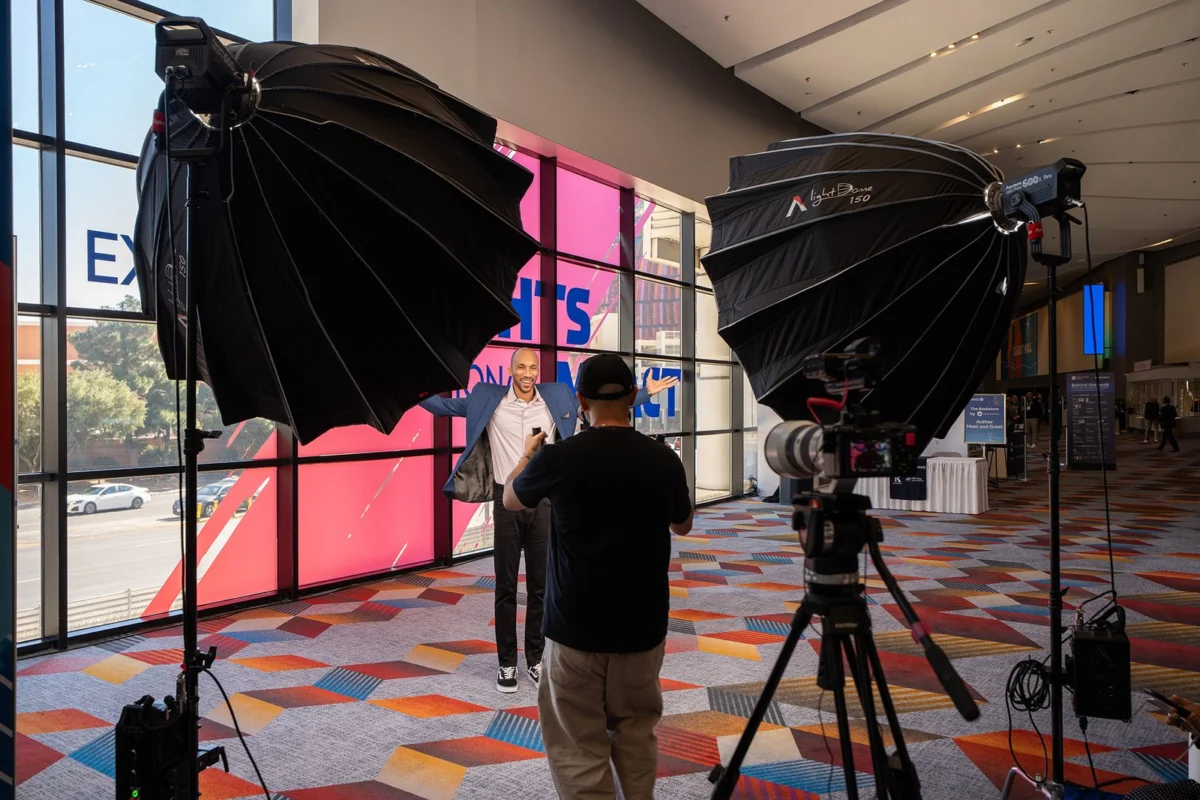
The core challenge in mimicking the Glambot effect lay in achieving ultra-smooth, high-speed camera movements with precise focus and ample lighting, all without the aid of robotic automation. Kim’s solution leveraged a combination of a high-speed capable camera, a professional gimbal system, and powerful illumination.
Technical Deep Dive: High-Speed Acquisition
For the high-speed footage, the Sony FX3, renowned for its low-light performance and robust video capabilities, was set to capture 4K at 120 frames per second (fps). The fundamental principle of high-speed cinematography dictates a shutter speed at least double the frame rate to ensure natural-looking motion blur when conformed to a standard 24 fps timeline. Consequently, a shutter speed of 1/240th of a second was employed. This precise setting is crucial; deviations can result in either overly choppy footage (if the shutter is too fast) or excessive motion blur (if too slow), detracting from the desired cinematic effect.
Mastering Focus and Depth of Field
One of the primary advantages of a true Glambot system is its ability to integrate pre-programmed focus pulls with its robotic movements, ensuring subjects remain perfectly sharp throughout the intricate shot path. Lacking this automated precision and a dedicated focus puller, Kim opted for a strategic aperture setting of f/8. This narrower aperture significantly increased the depth of field, providing a forgiving zone where subjects could remain in sharp focus even as the camera moved dynamically towards them. This technique is a common workaround in independent productions where resources for dedicated focus technicians are limited.
Illumination: The Power Behind the Precision
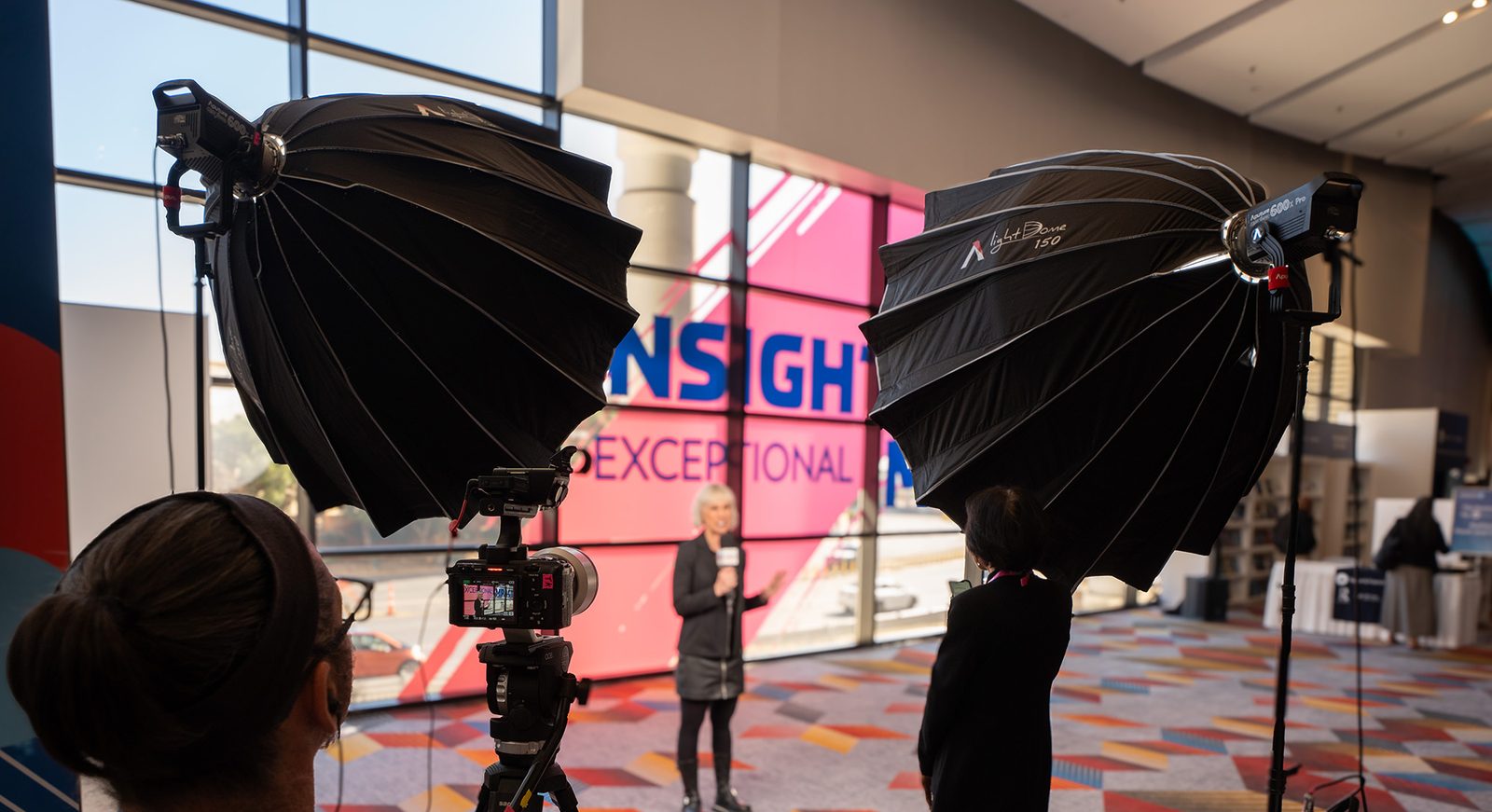
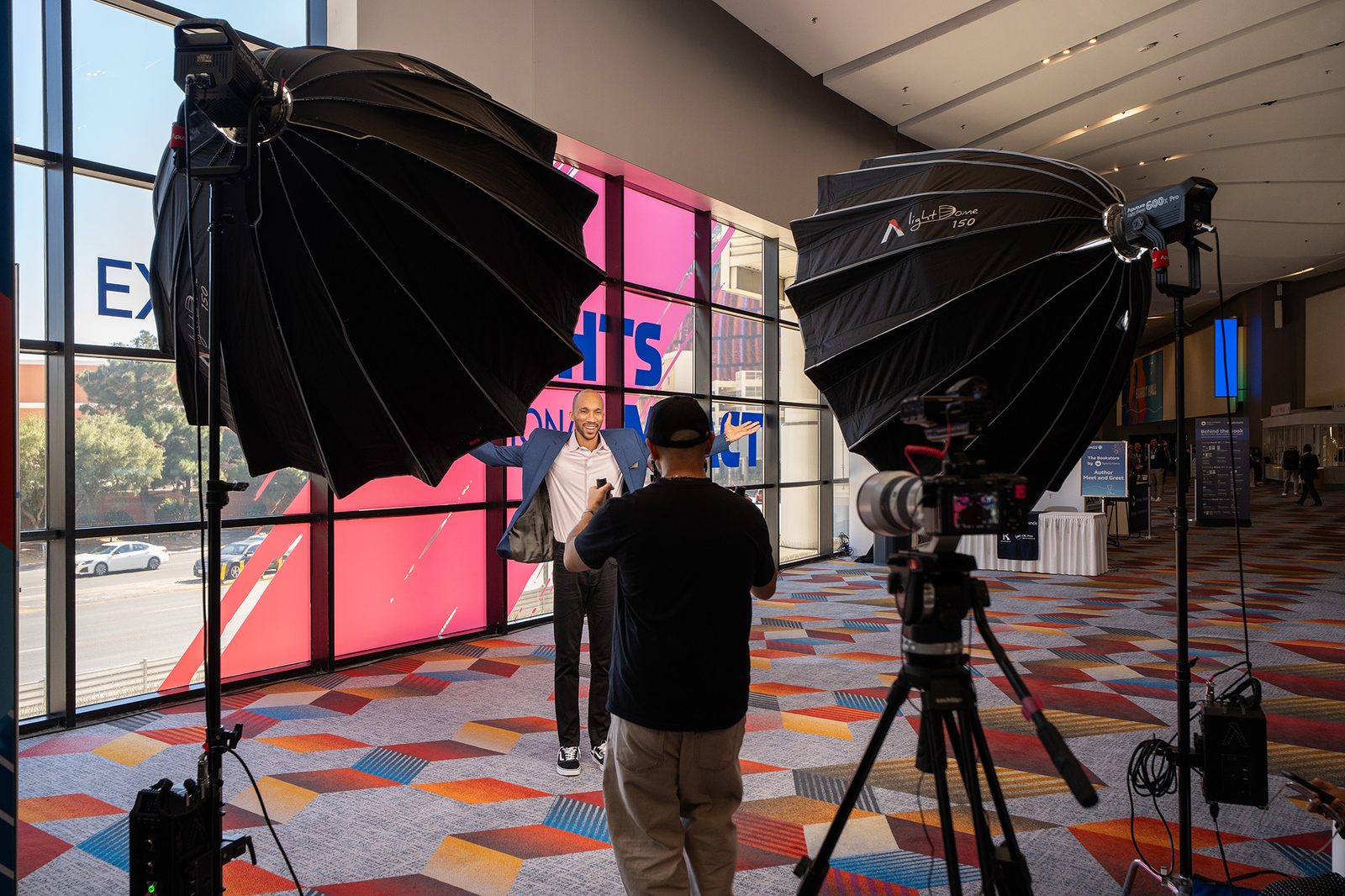
The choice of f/8, while beneficial for focus, dramatically reduces the amount of light reaching the camera sensor. To compensate, substantial illumination was required. Two Aputure LS 600x Pro bi-color LED lights, each paired with a 60-inch Aputure Light Dome 150 softbox, provided the necessary firepower. The Aputure LS 600x series is highly regarded in the industry for its immense output and color flexibility, capable of delivering bright, high-quality light even in demanding scenarios. The large softboxes ensured the light was diffused and soft, creating a flattering, high-end aesthetic that complemented the slow-motion capture. Industry data indicates that such high-output, portable LED solutions are increasingly becoming indispensable for cinematographers seeking to achieve cinematic results on location without the logistical complexities of traditional HMI lighting.
Camera Movement: Stability and Control
To replicate the smooth, controlled motion of a robotic arm, the Sony FX3 was mounted on a DJI Ronin RS4 Pro gimbal, further enhanced with Tilta dual handles. While a single-handed gimbal operation is possible, the dual-handle configuration provides significantly greater stability and control, especially when executing a deliberate push-in shot towards a subject. This setup minimized unintentional shakes and jitters, ensuring the camera movement appeared intentional and polished rather than the result of a nervous operator. The synergy between the robust gimbal, the dual handles, and the cinematographer’s practiced movements allowed for a close approximation of the Glambot’s fluid aesthetics, transforming a complex technical challenge into a practical, on-set achievement. Initial practice runs were crucial to fine-tune the movement and ensure consistency before subjects stepped into frame, underscoring the blend of technical understanding and practical execution.
Transition to Candid Conversations: The Interview Modality
Following the successful execution of the high-speed shots, the production seamlessly transitioned to capturing person-on-the-street interviews. This shift represented a dramatic change in methodology, from a highly controlled, stylized environment to a fast-paced, journalistic approach focused on capturing authentic, spontaneous responses.
Efficient Setup for Run-and-Gun Interviews
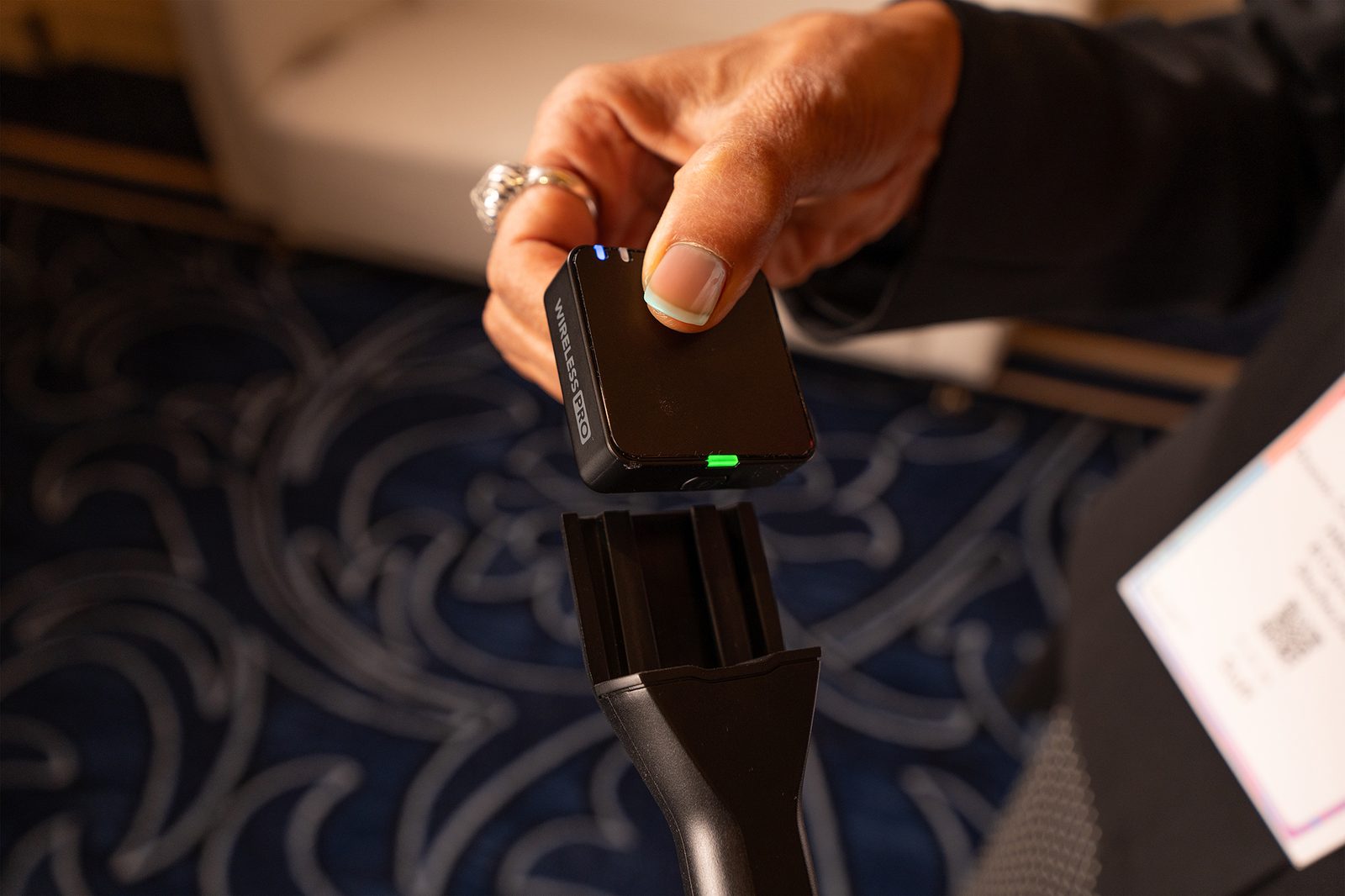
To facilitate rapid deployment, a second Sony FX3 was mounted on a tripod, providing a stable and consistent interview frame. For audio, the Rode Wireless Pro system was integrated. This system is prized for its reliability, compact size, and ease of use, making it ideal for quick setups. Critically, the Rode Interview GO Handheld Mic Adapter allowed for the wireless transmitter to be quickly attached, transforming it into a professional-looking handheld microphone. This design eliminated the time-consuming process of clipping lavalier microphones onto subjects or managing cumbersome cables, a significant advantage when conducting multiple short interviews with a tight five-minute per-attendee schedule. The adapter allowed the microphone to be handed directly to the interviewee, streamlining the interaction and maintaining a professional appearance. This practical choice reflects a growing trend in event videography towards modular, rapidly deployable audio solutions.
Optimizing Attendee Engagement: The Psychology of the Long Lens
The lens choice for the interviews was a Sony 70-200mm f/4. While a longer focal length often serves aesthetic purposes like background compression and subject isolation, its primary utility in this scenario was psychological. Many convention attendees are unaccustomed to being on camera and can become visibly tense or self-conscious when a lens is positioned close to their face. By using the 70-200mm lens, the cinematographer could maintain a greater physical distance from the interview subject. This separation created a more comfortable and less intimidating environment, allowing attendees to relax and engage more naturally with the interviewer. The result was often more genuine and insightful responses, underscoring that effective cinematography extends beyond purely technical considerations to encompass human interaction and comfort. This approach aligns with best practices in documentary filmmaking, where building rapport and minimizing intimidation are key to eliciting authentic narratives.
The Strategic Advantage of Equipment Rental
A crucial enabling factor in the success of this multifaceted shoot was the strategic utilization of professional equipment rental services. The ability to source specialized gear like the Aputure LS 600x lights, the DJI Ronin RS4 Pro, and specific audio accessories such as the Rode Wireless Pro and Interview GO adapter on demand, and have them delivered directly to the convention hotel, provided unparalleled flexibility. This logistical advantage mitigated the need for the cinematographer to own every piece of equipment, which would be financially prohibitive and logistically complex for an individual operator. Equipment rental services empower cinematographers to access high-end tools for specific project needs, ensuring they are always equipped to meet evolving client demands without significant capital investment. This model is particularly beneficial for independent contractors and smaller production houses, democratizing access to professional-grade tools that are essential for competing in a high-stakes market.
Broader Industry Implications: Adaptability as a Core Competency
This case study illustrates several critical trends shaping the modern event cinematography and corporate video production landscape. Firstly, client expectations are continually rising, often fueled by exposure to high-production-value content from major media outlets. The demand for "Glambot-style" visuals, even on conventional budgets, is indicative of this. Secondly, the rapid pace of digital content consumption requires production teams to be incredibly agile, capable of switching between vastly different production styles—from highly stylized cinematic shots to raw, journalistic interviews—within minutes.
The ability to adapt, innovate under pressure, and maximize existing tools is no longer merely a desirable trait but a fundamental competency for cinematographers. The successful execution of this dual mandate without the luxury of unlimited budget or time underscores that true success in this field stems from a combination of technical knowledge, creative problem-solving, and efficient logistical planning. By demonstrating that high-end aesthetic results can be achieved through clever application of readily available, albeit professional, gear, this project offers a compelling blueprint for other cinematographers facing similar constraints. The outcome – a diverse portfolio of content, from striking slow-motion visuals to authentic attendee testimonials – speaks to the power of preparation, resourcefulness, and a deep understanding of the craft. As the media landscape continues to evolve, the lessons learned from such on-the-fly innovations will undoubtedly inform best practices for years to come.