Midway through a high-profile convention shoot on April 27, 2026, videographer Tony Kim found his meticulously planned workflow abruptly reconfigured by an eleventh-hour client request. The client sought to dramatically enhance their digital content strategy by integrating two distinct and technically demanding elements: high-speed, stylized "Glambot"-esque video captures and impromptu person-on-the-street interviews with attendees. This pivot, demanding both cinematic flair and rapid-fire journalistic agility, underscored the evolving demands within live event videography and the critical role of adaptability in modern production.
The event, a prominent industry convention (likely in the health information and technology sector, given internal project identifiers), was initially commissioned for standard coverage – keynote speeches, panel discussions, and exhibitor booth highlights. However, recognizing the burgeoning trend for dynamic, shareable social media content, the client identified an opportunity to elevate their presence. The request for "Glambot" style shots aimed to capture the glamour and excitement of attendees in a visually striking, slow-motion format, mirroring the high-production value seen at major awards ceremonies like the Oscars or Emmys. Simultaneously, the need for quick, authentic attendee interviews sought to provide immediate, relatable insights and testimonials, grounding the event in personal experience. This dual mandate presented a significant logistical and technical challenge, requiring Kim to pivot his entire setup and approach with minimal lead time.
The Improvised "Glambot": Marrying Precision with Practicality
The concept of a "Glambot" shot involves a high-speed camera meticulously mounted on a robotic arm, executing a pre-programmed, incredibly precise motion sequence. The resulting slow-motion footage, often featuring dramatic zooms and dynamic movements, yields visually stunning and highly engaging content. The prohibitive cost and complex logistical footprint of renting an actual Glambot for a convention setting, however, made it an immediate non-starter within the existing budget. Kim’s task was to replicate this sophisticated aesthetic using available and rapidly deployable equipment. His solution hinged on a strategic combination of a high-performance camera, a professional-grade gimbal, and an abundance of controlled lighting.
Technical Hurdles and Solutions for High-Speed Capture:
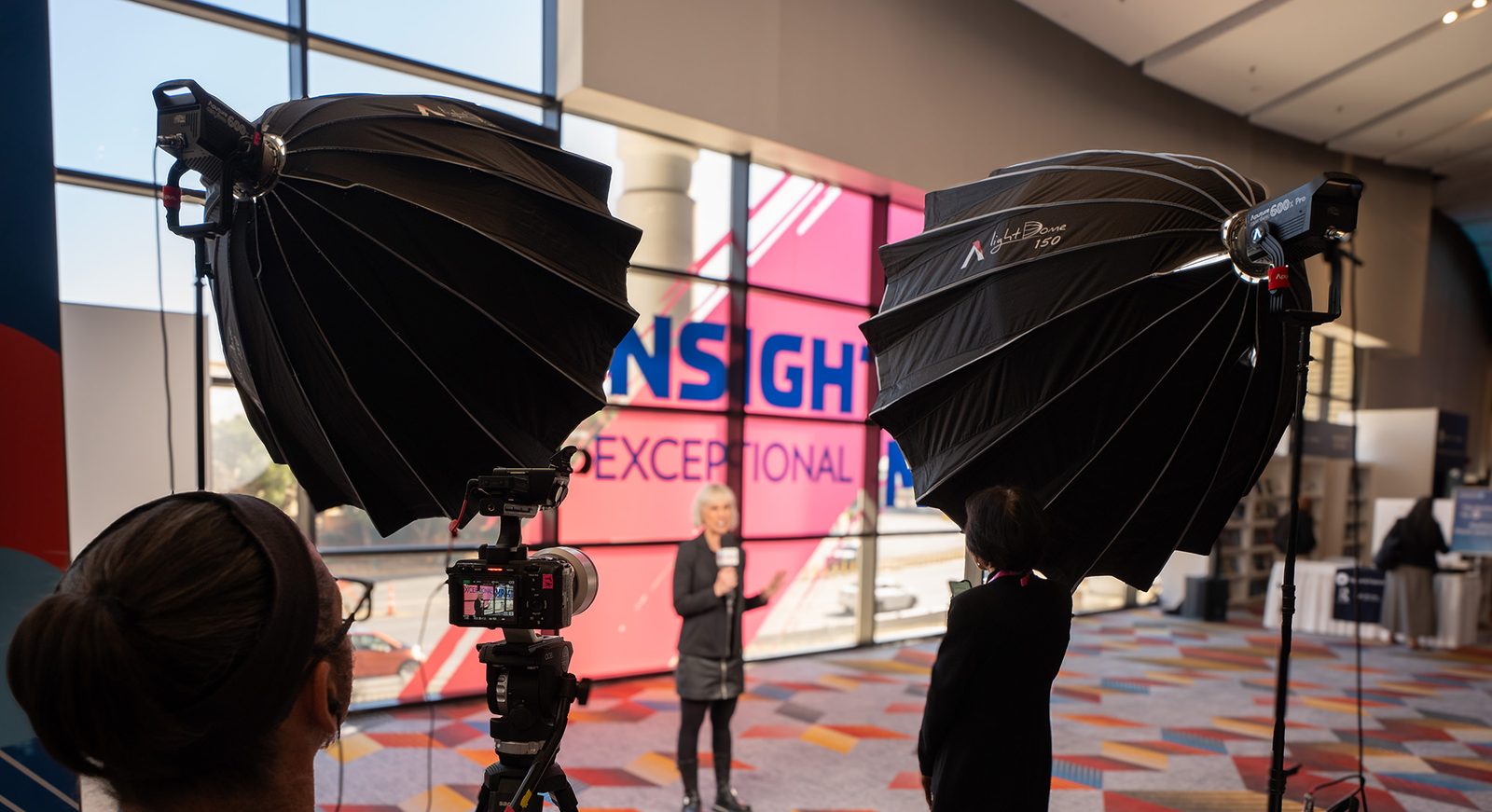
Executing compelling high-speed footage introduces several critical technical considerations, primarily concerning lighting and focus. Kim elected to use a Sony FX3, renowned for its low-light capabilities and ability to record high frame rates, shooting at 120 frames per second (fps) in 4K resolution.
-
Shutter Speed and Exposure: For natural-looking slow motion when played back on a standard 24 fps timeline, the shutter speed must adhere to the 180-degree rule, meaning it should be approximately double the frame rate. For 120 fps, this translates to a minimum shutter speed of 1/240th of a second. This rapid shutter speed, while crucial for minimizing motion blur in individual frames, significantly reduces the amount of light hitting the sensor, necessitating powerful external illumination. Deviating from this rule can result in footage that appears either excessively choppy (shutter too fast) or overly blurred (shutter too slow), undermining the cinematic quality.
-
Achieving Critical Focus: A genuine Glambot system benefits from pre-programmed focus pulling, synchronized perfectly with the robotic arm’s movement path. Without a dedicated focus puller on set or the luxury of robotic precision, maintaining sharp focus on a moving subject while the camera itself is in motion becomes a formidable challenge. Kim’s pragmatic solution was to stop down the lens aperture to approximately f/8. This provided a sufficiently deep depth of field, creating a wider zone of acceptable focus. This buffer allowed for the camera to push in toward the subject, a hallmark of the Glambot style, while ensuring the subject remained critically sharp throughout the dynamic movement. The trade-off, however, was a further reduction in light, intensifying the need for powerful illumination.
The Lighting Arsenal:
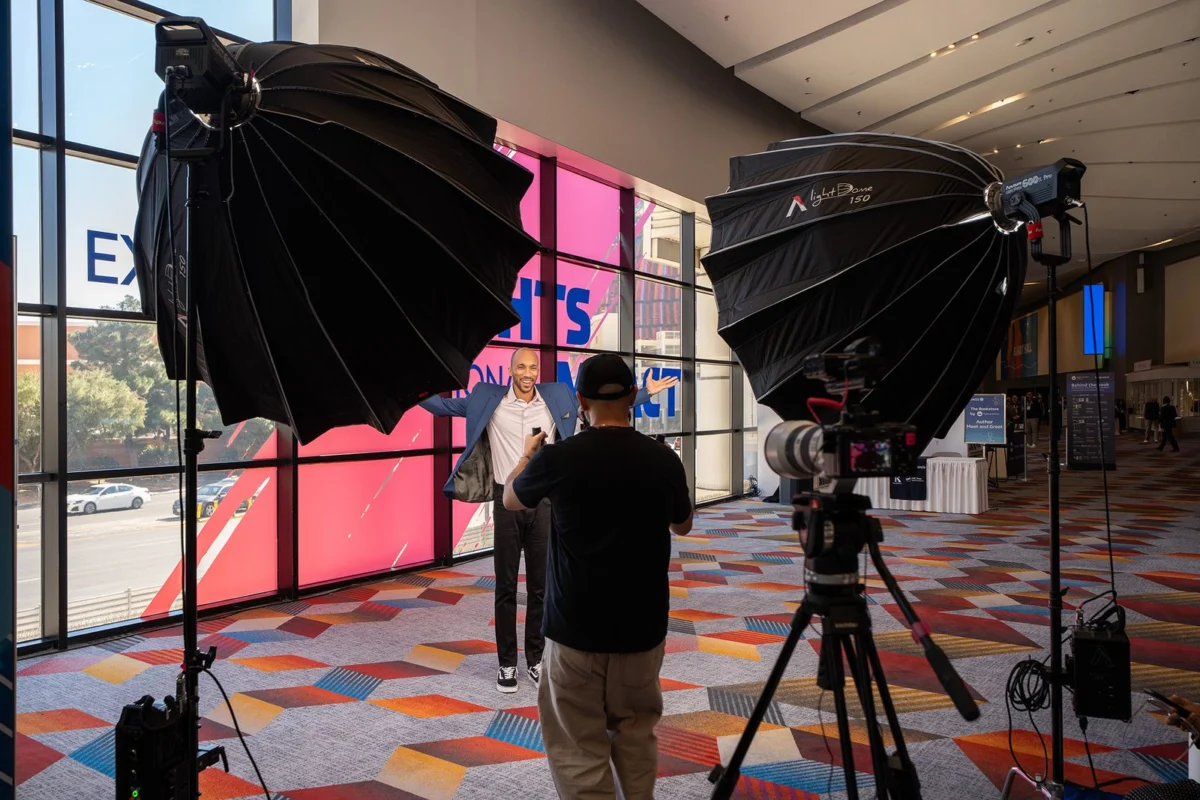
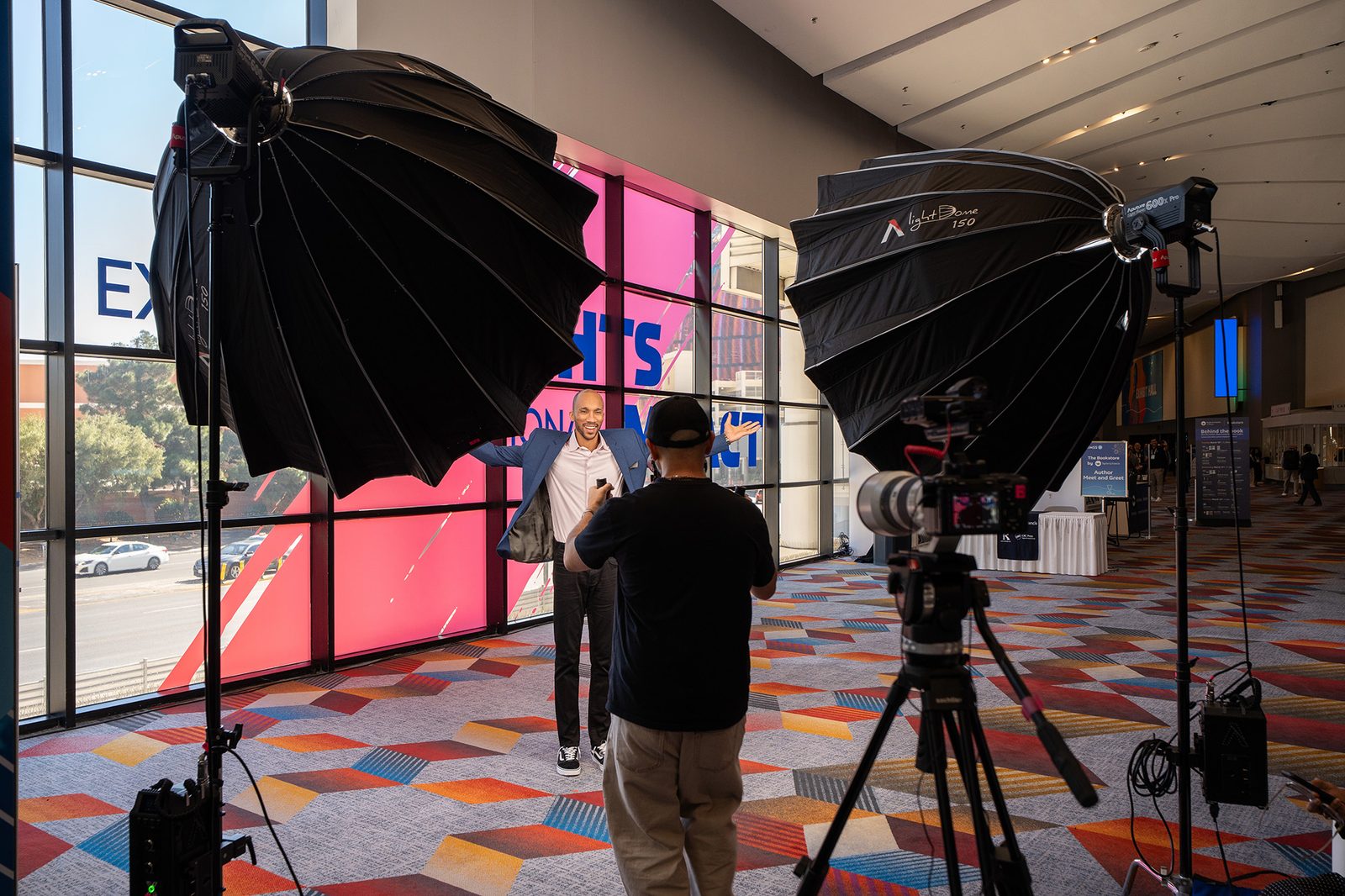
To counteract the combined light loss from the fast shutter speed and narrow aperture, Kim deployed two Aputure LS 600x Pro bi-color LED lights, each paired with a 60-inch Aputure Light Dome 150 softbox. These units were instrumental in providing the necessary "firepower." The LS 600x Pro lights are celebrated for their immense output and color versatility, capable of flooding a subject with high-quality, soft light even at significant distances or when severely diffused. The large Light Dome 150 softboxes ensured that the intense light was beautifully diffused, creating flattering, wrap-around illumination essential for high-end "glam" shots and preventing harsh shadows. This setup allowed Kim to maintain a clean, well-exposed image despite the demanding technical parameters.
Gimbal Operation and Controlled Movement:
The camera setup for the "Glambot" mimicry involved strapping the Sony FX3 onto a DJI Ronin RS4 Pro gimbal, augmented with Tilta dual handles. The Ronin RS4 Pro offers exceptional stabilization, allowing for fluid camera movements. The addition of Tilta dual handles proved to be a critical ergonomic choice. While a single-handed push-in shot might be attempted, it invariably introduces subtle jitters or an uncontrolled appearance, betraying the human operator’s presence. The dual handles provided the stability and fine motor control necessary to execute a smooth, intentional, and repeatable movement, closely emulating the robotic precision of a true Glambot. This deliberate control ensured the footage conveyed the intended sense of professionalism and artistry rather than appearing like a hurried, nervous camera operator. After a series of practice runs, Kim was able to achieve a visual effect that, on screen, convincingly evoked the "Glambot energy," far exceeding the client’s expectations for an improvised solution.
Rapid Transition to Run-and-Gun Journalism: Capturing Authentic Voices
With the high-speed "glam" shots successfully captured, the team executed a swift transition to the second, equally important client request: conducting person-on-the-street interviews with convention attendees. This segment demanded an entirely different operational paradigm – speed, unobtrusiveness, and the ability to elicit natural, unscripted responses from individuals who may be unaccustomed to being on camera.
Optimized Interview Setup:
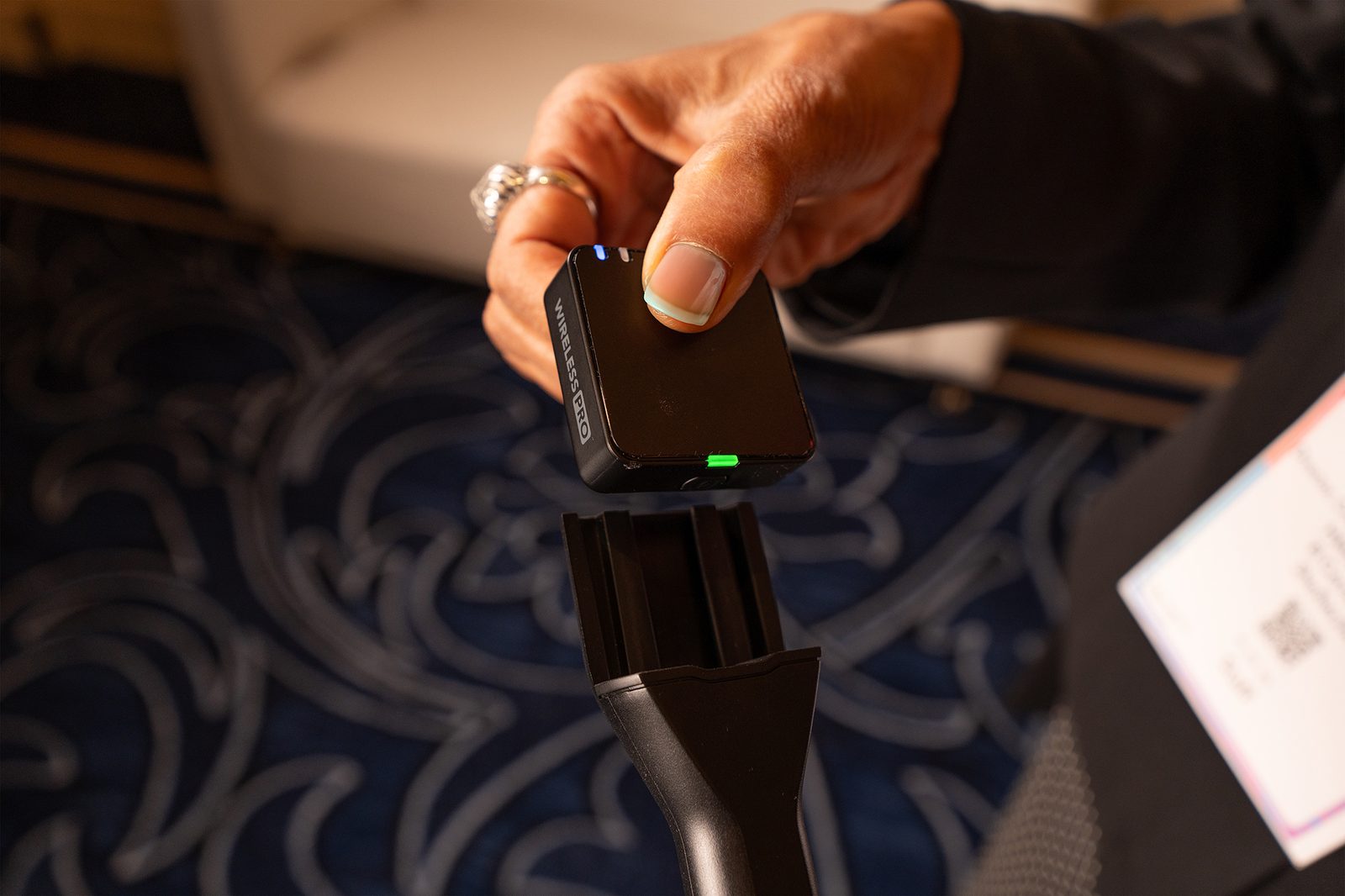
To facilitate this rapid shift, a second Sony FX3 was deployed, mounted on a sturdy tripod to ensure stable, consistent framing for each interview. For audio capture, Kim utilized the Rode Wireless Pro 2-person lav mic system, a highly reliable and efficient solution for wireless sound. The crucial component for speed and ease of use in this context was the Rode Interview GO Handheld Mic Adapter. This ingenious accessory allowed a Rode Wireless Pro transmitter to be quickly snapped onto a handheld microphone, instantly transforming it into a robust, professional interview mic.
The efficiency of this setup was paramount. With an average of five minutes allocated per attendee interview, there was no time for cumbersome gear adjustments, awkward cable wrangling, or fumbling with lavalier mic clips. By simply handing the integrated microphone adapter to the subject, Kim could initiate the interview almost instantaneously, ensuring clean, broadcast-quality audio without any procedural delays that might disrupt the flow or make interviewees self-conscious.
The Psychology of the Long Lens:
For the interview camera, Kim selected the Sony FE 70-200mm f/4 G OSS lens. While a zoom lens offers flexibility in framing, the primary rationale behind choosing a longer focal length was rooted in interviewer psychology rather than purely aesthetic considerations. Many convention attendees, particularly those not accustomed to media interactions, tend to visibly tense up the moment a camera is positioned directly in front of them.
By utilizing the 70-200mm lens, Kim could maintain a greater physical distance between himself, the camera, and the interviewee. This separation created a more relaxed environment. People naturally feel less intimidated and more at ease when a large lens isn’t "right in their face." This subtle but significant psychological barrier reduction allowed attendees to loosen up, speak more freely, and offer more candid, interesting, and ultimately valuable responses. The longer lens facilitated a natural conversation, capturing authentic perspectives that would have been harder to obtain with a wide-angle lens necessitating closer proximity.
Broader Implications and The Value of Prepared Adaptability
Tony Kim’s experience at the convention shoot serves as a compelling case study in the evolving landscape of professional videography and content creation. The ability to seamlessly transition between vastly different production styles—from high-concept cinematic captures to agile, journalistic interviews—underscores the indispensable value of adaptability, technical acumen, and strategic resource management.
In an era where clients increasingly demand diverse content streams, often with compressed timelines and evolving specifications, videographers must be more than just technicians; they must be creative problem-solvers. Kim’s ingenuity in mimicking a high-end robotic Glambot with a gimbal and intelligent lighting, and his efficient setup for rapid-fire interviews, exemplifies this modern necessity. It demonstrates that exceptional results are not solely contingent on possessing the most expensive or specialized equipment, but rather on understanding the principles of image capture and sound recording, and maximizing the tools at hand.
The success of this project also highlights the critical role of strategic gear acquisition. The mention of Lensrentals.com in Kim’s reflection is not merely a promotional aside but a factual illustration of a logistical advantage. For specialized shoots or unexpected client demands, the ability to quickly and reliably rent high-performance equipment that exceeds standard project needs offers unparalleled flexibility. It minimizes the financial burden of owning every possible piece of gear while ensuring access to the latest technology precisely when it is required. This model allows production professionals to be perpetually prepared for "curveballs," empowering them to accept diverse projects and respond to last-minute requests with confidence.
Ultimately, the goal of any production is to capture the essence and energy of the moment without the technical apparatus becoming a distraction. Whether it involved crafting a visually stunning slow-motion sequence or fostering genuine human connection in an interview, Kim’s approach ensured that the gear served the narrative, not the other way around. The hectic yet successful shift from high-fashion flair to run-and-gun journalism on a single day’s shoot stands as a testament to professional preparedness and the dynamic beauty of modern production. The results, as Kim noted, often speak for themselves, reinforcing the profound impact of agile, resourceful execution in meeting and exceeding client expectations in a rapidly changing media environment.