A few weeks ago, the film industry buzzed with discussions around the Oscar nominations and the cutting-edge camera technologies employed to capture these cinematic masterpieces. While fascinating, focusing solely on cameras provides only a partial glimpse into the intricate artistry of filmmaking. The true magic, the nuance that elevates a scene from mere footage to a compelling narrative, often lies in the mastery of lighting. This article embarks on an analytical journey, encouraging a deeper appreciation for the lighting techniques and tools that sculpt the masterful scenes gracing our screens in recent TV and film productions.
The art of cinematic lighting is a complex discipline, often underestimated by the general public but revered within the industry. While information regarding cameras and lenses used in major productions is relatively accessible, detailed lighting breakdowns for specific scenes remain elusive. This proprietary knowledge, honed over years of experience and artistic intuition, is precisely why skilled cinematographers and gaffers command significant respect and remuneration. Their ability to translate narrative intent into visual mood and emotional resonance through light is a specialized craft. This deep dive aims to demystify some of these techniques by analyzing still images from popular films and TV shows, attempting to reverse-engineer their lighting setups with a reasonable degree of accuracy, serving as an educational exercise for aspiring filmmakers and enthusiasts alike.
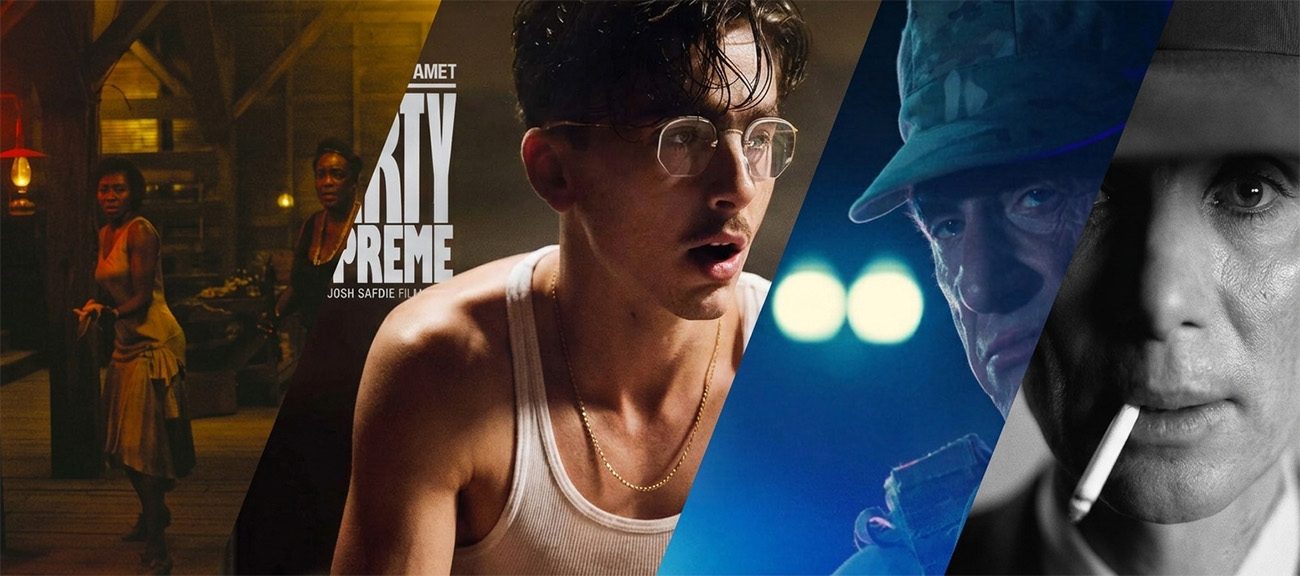
The lighting diagrams presented here were meticulously crafted using set.a.light 3D, a sophisticated yet user-friendly 3D modeling software specifically designed for deducing and building complex lighting diagrams for both still photography and video. This mention is purely an endorsement based on practical experience, not a sponsored placement or sales pitch; the software’s utility in visualizing and understanding lighting scenarios is invaluable. It’s important to note that while these breakdowns strive for accuracy in technique, they do not claim to identify the exact gear used, but rather the principles and effects achieved. This analysis is presented purely for educational purposes, encouraging a closer look at the subtle yet profound impact of light in visual storytelling.
The Unsung Hero: Why Lighting Matters in Storytelling
Beyond merely illuminating a scene for visibility, lighting serves as a fundamental storytelling tool, shaping mood, guiding audience perception, and revealing character. It dictates the atmosphere, from the foreboding shadows of a thriller to the warm glow of a romantic drama. Lighting can emphasize a character’s isolation, highlight a crucial prop, or subtly foreshadow events. The choices made by a cinematographer regarding light quality (hard or soft), direction, color, and intensity are deliberate narrative decisions that profoundly impact how an audience connects with a story emotionally and intellectually.
Historically, film lighting has evolved from practical necessity to a sophisticated art form. Early cinema relied heavily on natural light, supplemented by rudimentary arc lights. The Golden Age of Hollywood saw the rise of studio systems and the development of three-point lighting, establishing a standard for flattering and dramatic illumination. Post-war cinema, particularly Film Noir, embraced low-key lighting and stark contrasts to reflect societal anxieties. The advent of new technologies like HMIs, powerful tungsten lights, and more recently, versatile LED fixtures (such as RGBWW panels and practical bulbs like Aputure B7cs) has expanded the creative palette exponentially, allowing for unprecedented control over light quality, color temperature, and dynamic effects. This continuous innovation ensures that lighting remains a dynamic and evolving aspect of cinematic artistry.
Case Study 1: Marty Supreme – Key Advert Image
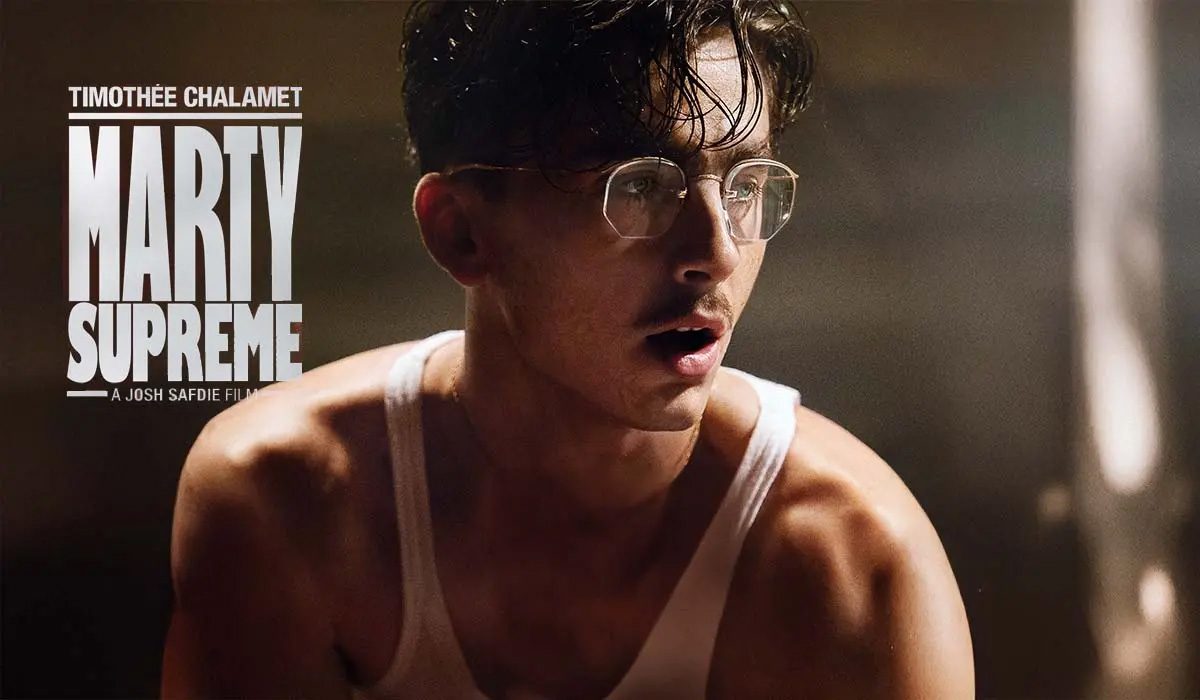
The promotional image for "Marty Supreme" (a hypothetical title representing a common advertising aesthetic) showcases a subject rendered with striking intensity, largely achieved through the deliberate application of harder light sources. The sharp specular highlights, particularly noticeable on the subject’s skin and the crisp delineation of shadows on the side of his nose and cast by his glasses, are definitive indicators of undiffused, direct light. This aesthetic choice often aims to create a sense of drama, intensity, or a bold, graphic look, common in high-impact advertising or character-focused dramas.
To recreate this effect, a three-light setup without diffusion was employed. The primary key light, likely positioned camera right and slightly above the subject, provides the main illumination, creating the strong highlights and distinct shadows. A gridded light was strategically placed on the right side of the subject, acting as a rim light. The grid is crucial here, as it narrows the beam of light, preventing spill and precisely focusing illumination on the shoulders and the contour of the face, adding separation from the background and enhancing the subject’s silhouette. A similar, undiffused light was added to the left side, serving as a second rim or kick light, reinforcing the stark backlighting frequently observed throughout the film’s visual language, which often uses strong backlighting to create a sense of tension or isolation. Finally, a fill light was introduced camera left, positioned to gently lift the deepest shadows on the subject’s face, preventing them from becoming completely crushed while still maintaining the overall high-contrast, dramatic feel. This setup effectively balances dramatic hard light with just enough fill to reveal essential facial details, achieving the desired intense and graphic quality.
Case Study 2: Sinners – Key Group Scene
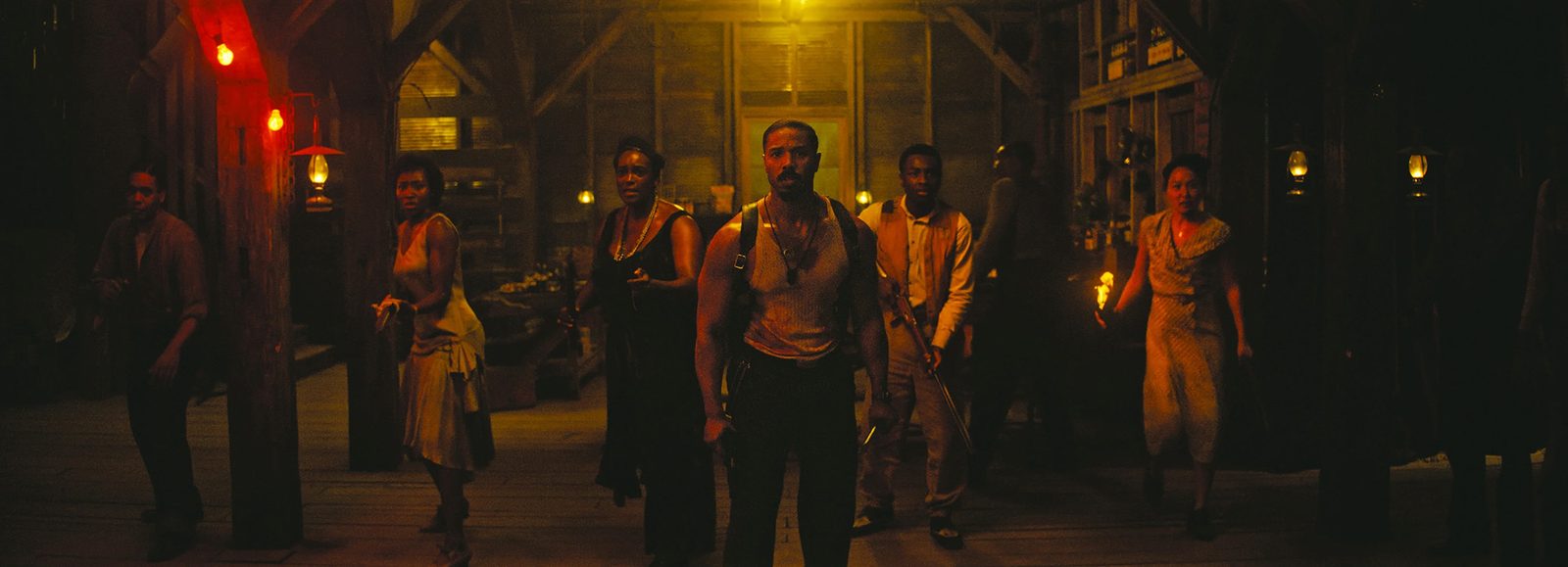
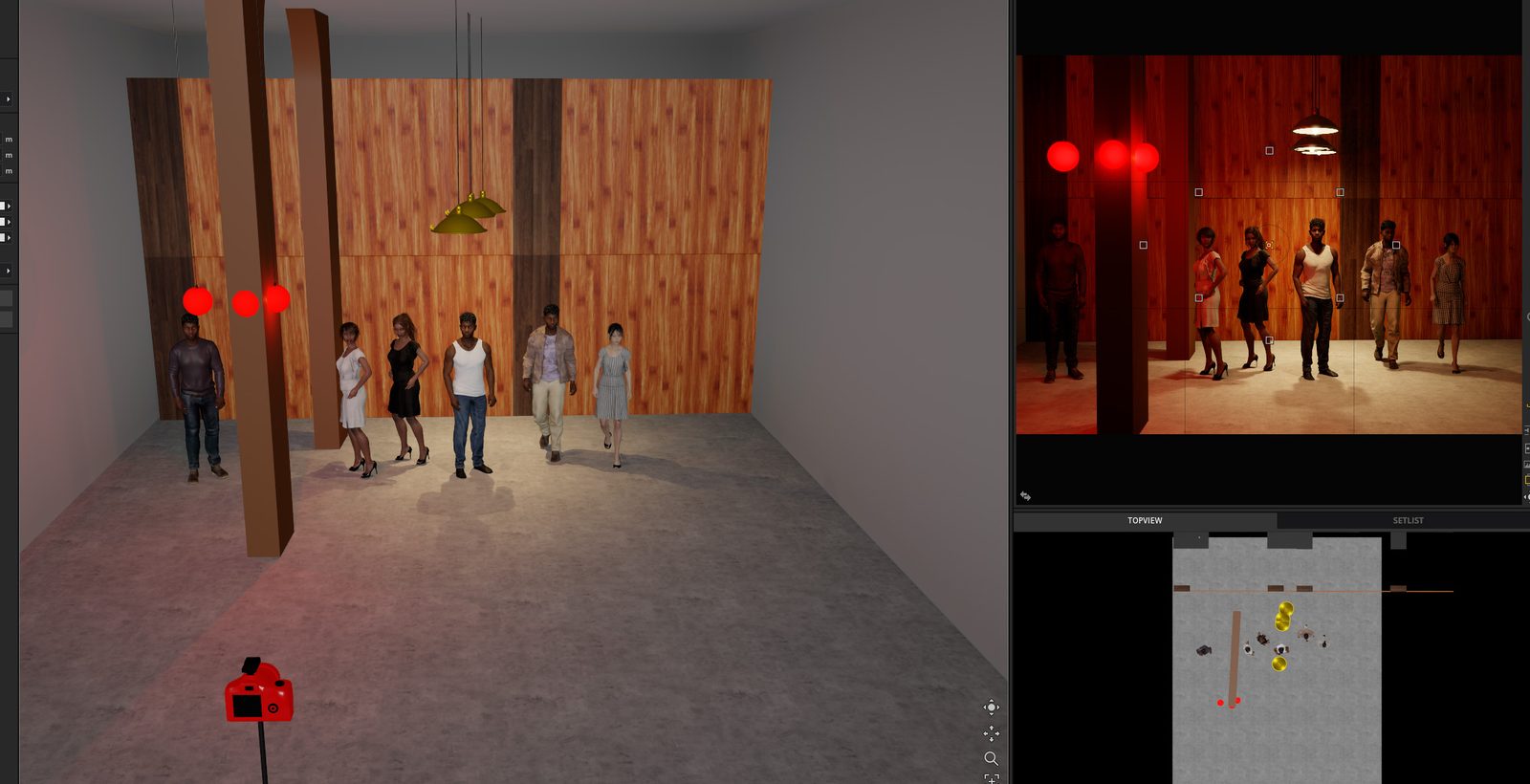
The "Sinners" key group scene, presented as a pivotal moment within its narrative, exemplifies cinematic ambition through expert lighting design. The scene, an interior shot, masterfully utilizes a combination of practical fire sources and colored LED bulbs to forge a palpable mood. The predominant red and orange hues, often associated with danger, passion, or inferno, imbue the scene with an immediate sense of heightened drama and tension, indicative of a thriller or a dark drama.
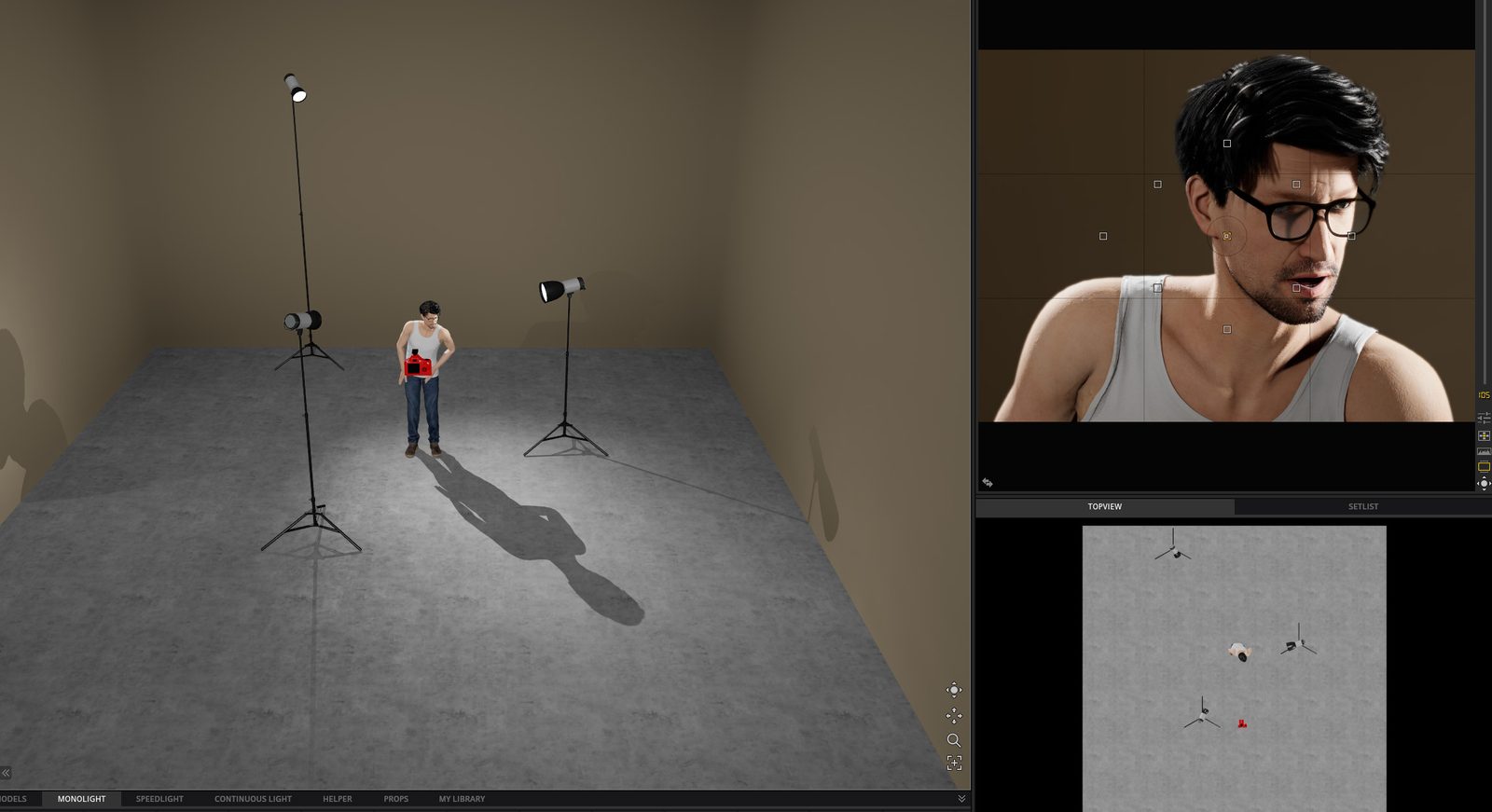
The initial step in deconstructing this scene involved constructing a basic 3D model of the interior space. The architecture of the setting plays a crucial role not only in framing the shot but also in how light interacts with the environment, creating depth and defining the spatial relationship between characters. By referencing the scene’s lighting, the placement of the various light sources relative to the subjects was determined. Figures were then added in a staggered pattern, a common compositional technique that creates visual interest and depth by allowing light to fall differently on each individual, generating contrast and separation within the group.
The visible light sources within the frame – the fires and the red/orange bulbs – were then replicated. Modern versatile LED fixtures, such as the Aputure B7c or similar RGBWW LED bulbs, are ideal for achieving such precise color spectra and intensity, allowing for seamless integration with practical effects like fire. These LEDs can be programmed to mimic the flickering quality of fire or maintain a steady, intense glow. Once the basic placement of these lights was established, fine-tuning involved adjusting their power output and color temperature until the desired atmospheric and dramatic effect, rich with multi-colored light and deep shadows, was achieved. This scene is a testament to how colored lighting, when expertly managed, can become a powerful emotional conductor, immersing the audience in the narrative’s emotional core.
Case Study 3: Oppenheimer – Hero Shot
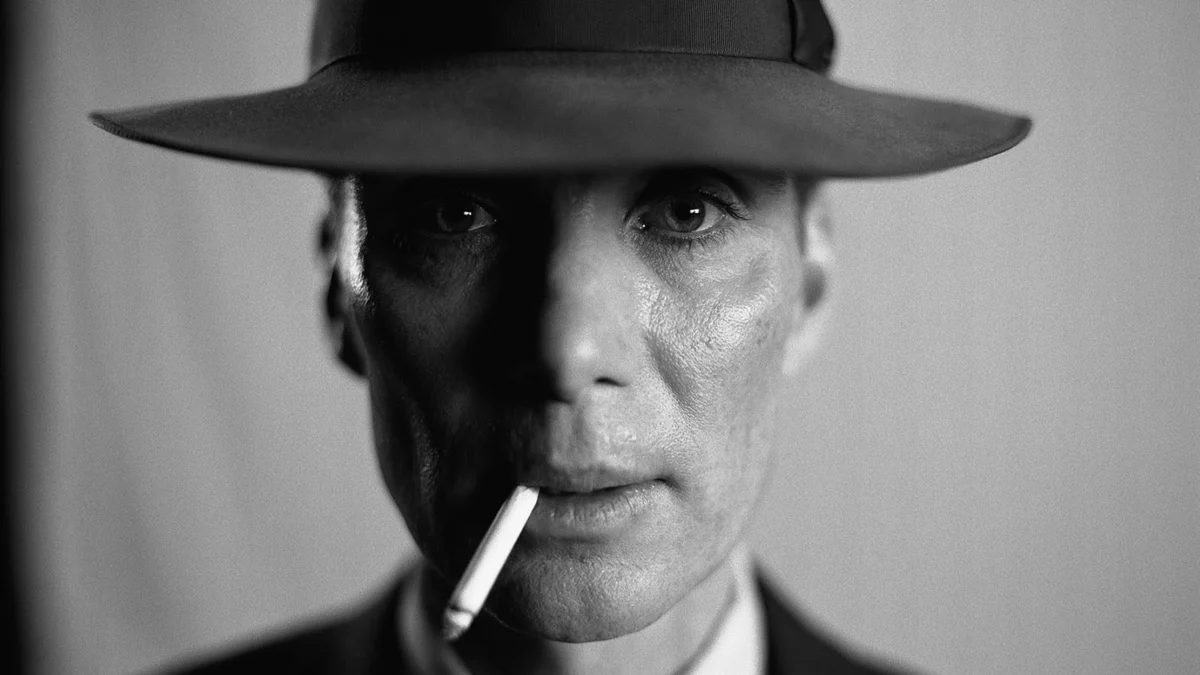
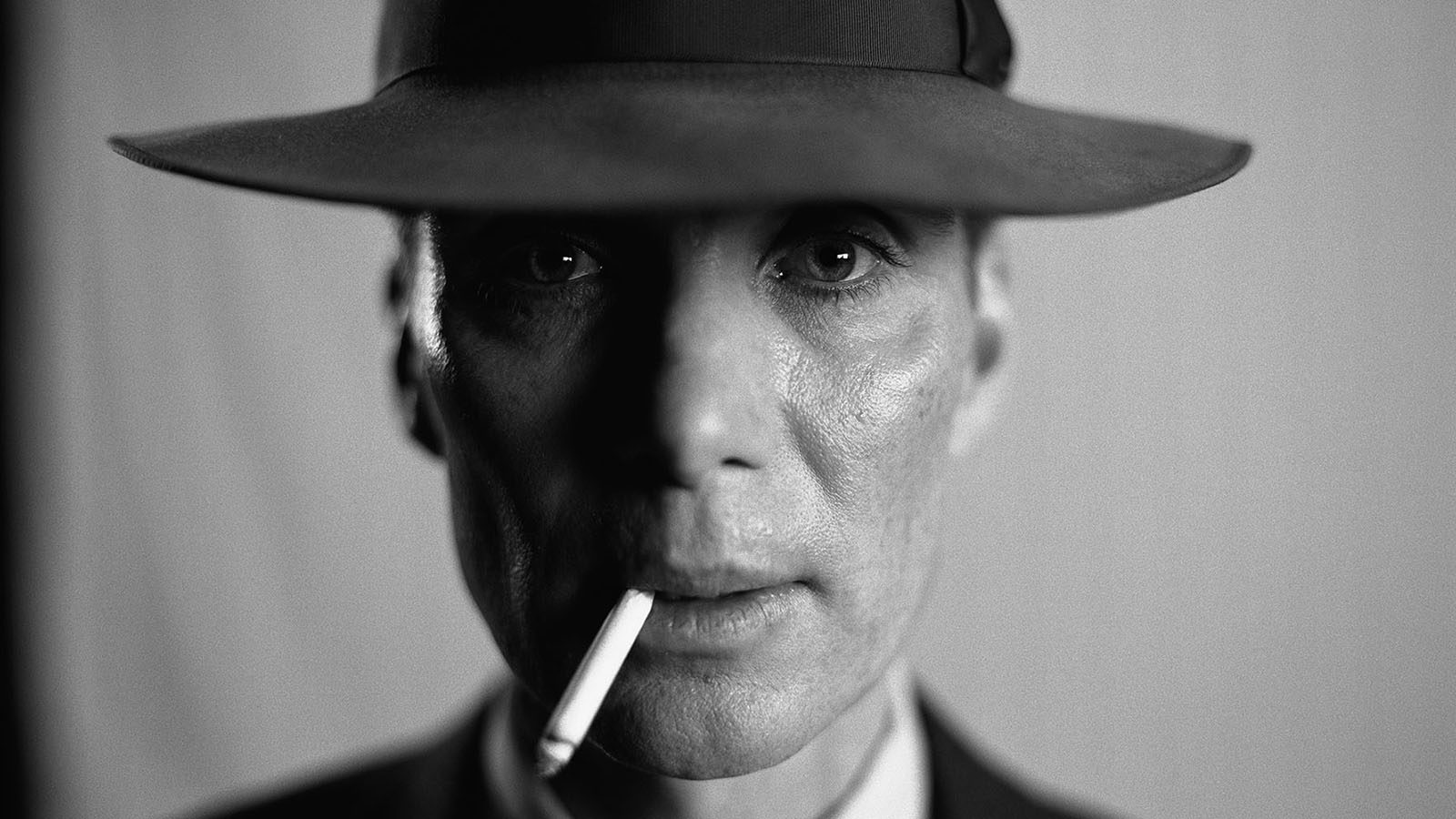
The "Oppenheimer" hero shot, featuring Cillian Murphy in a role that earned him widespread acclaim, became an iconic promotional image for the film. The photograph is characterized by its high contrast, dramatic split lighting, and pronounced rim lighting, all contributing to an overwhelming sense of drama and psychological depth. The subtle yet impactful catchlights in Murphy’s eyes are particularly crucial, conveying emotion and adding a human element to an otherwise stark composition, reflecting the character’s internal turmoil and genius.
To emulate this evocative lighting, a relatively small, gridded Octobox was positioned camera right. The Octobox, a softbox with an octagonal shape, provides a slightly larger and softer key light than a standard reflector, creating a pleasing, expressive catchlight in the eyes without sacrificing the dramatic shadows. The grid attached to the Octobox is essential for controlling light spill, directing the light precisely onto the subject and preventing it from illuminating unwanted areas, thus maintaining the high contrast.
Crucially, a black blocking board (often referred to as a "negative fill") was placed close to the subject on camera left. This board absorbs ambient light, deepening the shadows on that side of Murphy’s face and intensifying the contrast between the illuminated and shadowed areas. This technique is fundamental to achieving the dramatic split lighting effect, emphasizing the dualities within Oppenheimer’s character. Finally, a bare light, without any diffusion, was positioned behind and to the left of the subject. This light functions as a strong rim light, separating Murphy from the dark background and accentuating his profile, further adding to the visual drama and three-dimensionality of the shot. The combination of these elements creates a powerful, emotionally charged portrait that perfectly encapsulated the film’s tone and its protagonist’s complex journey.
Case Study 4: One Battle After Another – Lockjaw Scene
"One Battle After Another" (hypothetical title for an Oscar-winning drama) was lauded as a masterclass in cinematography and storytelling, clinching the Best Picture award. While much of the film reportedly leveraged natural light for its location shoots, its night scenes, particularly those featuring Sean Penn’s antagonist, Lockjaw, were equally compelling. One such iconic night scene provides a compelling example for lighting deconstruction. The harsh, defined shadows on Sean Penn’s face strongly indicate the predominant use of hard light sources, reinforcing the gritty, unforgiving atmosphere often associated with antagonists or intense dramatic confrontations.
The deconstruction began by establishing the strong, hard rim lights on each side of the subject. One of these rim lights was notably colored blue, a deliberate choice signifying the presence of police car lights in the background, subtly integrating narrative elements into the visual design. These hard rim lights create a striking silhouette and delineate the character’s form against the dark backdrop, enhancing the sense of menace or intensity. After positioning these powerful rim lights, a bare light, significantly powered down, was introduced from the front. This light serves as a subtle fill, preventing the shadows on Penn’s face from becoming absolute black, allowing for some detail to be retained while preserving the overall high-contrast, dramatic aesthetic.
An additional, albeit optical, element contributing to the scene’s cinematic quality is the horizontal lens flare visible on the right side of the frame. This characteristic flare suggests the use of an anamorphic lens, a choice often made in prestige productions to achieve a wider aspect ratio and a distinct visual texture. While not a lighting technique per se, the anamorphic flare interacts dynamically with the hard light sources, enhancing the scene’s visual drama and authenticity, particularly in depicting urban nightscapes with artificial light sources. The combined effect of hard, narrative-driven lighting and specific lens choices creates a memorable and impactful scene that resonated deeply with audiences and critics alike.
The Enduring Art of Cinematography: Beyond the Lens
This exercise underscores that cinematic brilliance extends far beyond the choice of camera. Lighting is an intricate dance of art and science, a silent language that speaks volumes to the audience, influencing their emotional response and understanding of the narrative. The ability to analyze and deconstruct these complex lighting setups is an invaluable skill for anyone aspiring to work in visual media or simply wishing to deepen their appreciation for the craft. It encourages a shift in perspective, moving from passively consuming visual content to actively questioning and understanding its construction.
This analytical approach not only demystifies the work of seasoned professionals but also serves as a practical blueprint for aspiring cinematographers and photographers. By understanding how masters of light achieve specific effects, one can begin to apply similar principles to their own work, experimenting with light quality, direction, and color to tell their own stories more effectively.
So, how do you think this analysis stands? Do you find yourself engaging in similar deconstruction when watching your favorite films and TV shows? Are there any particular scenes from recent productions that have left a lasting impression on you through their masterful use of light? We encourage you to share your thoughts and insights in the comments section below. For those inspired to experiment with lighting in their own creative endeavors, remember that a wide array of professional lighting equipment is available for rental, providing the tools necessary to translate your vision into captivating visuals.