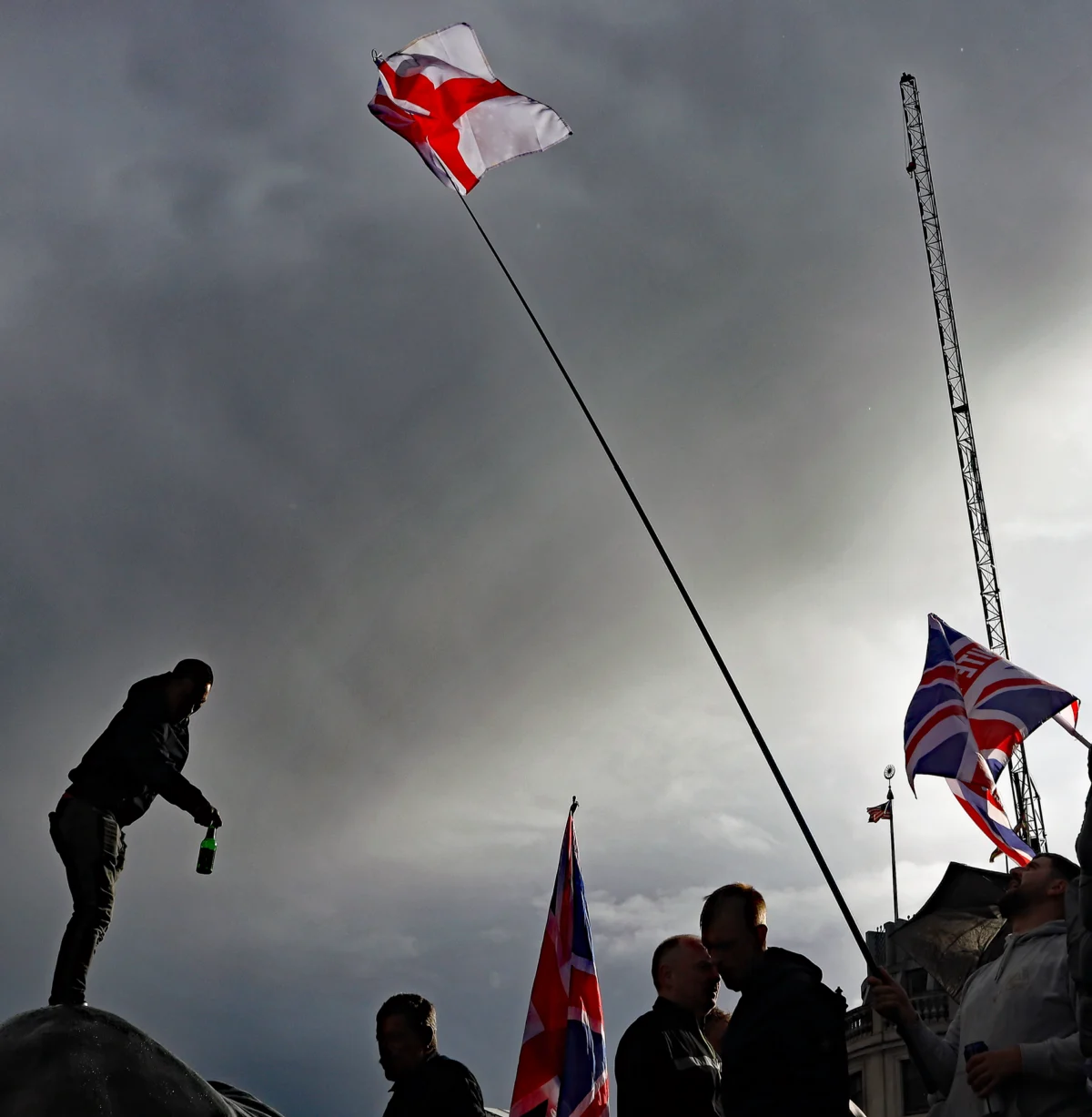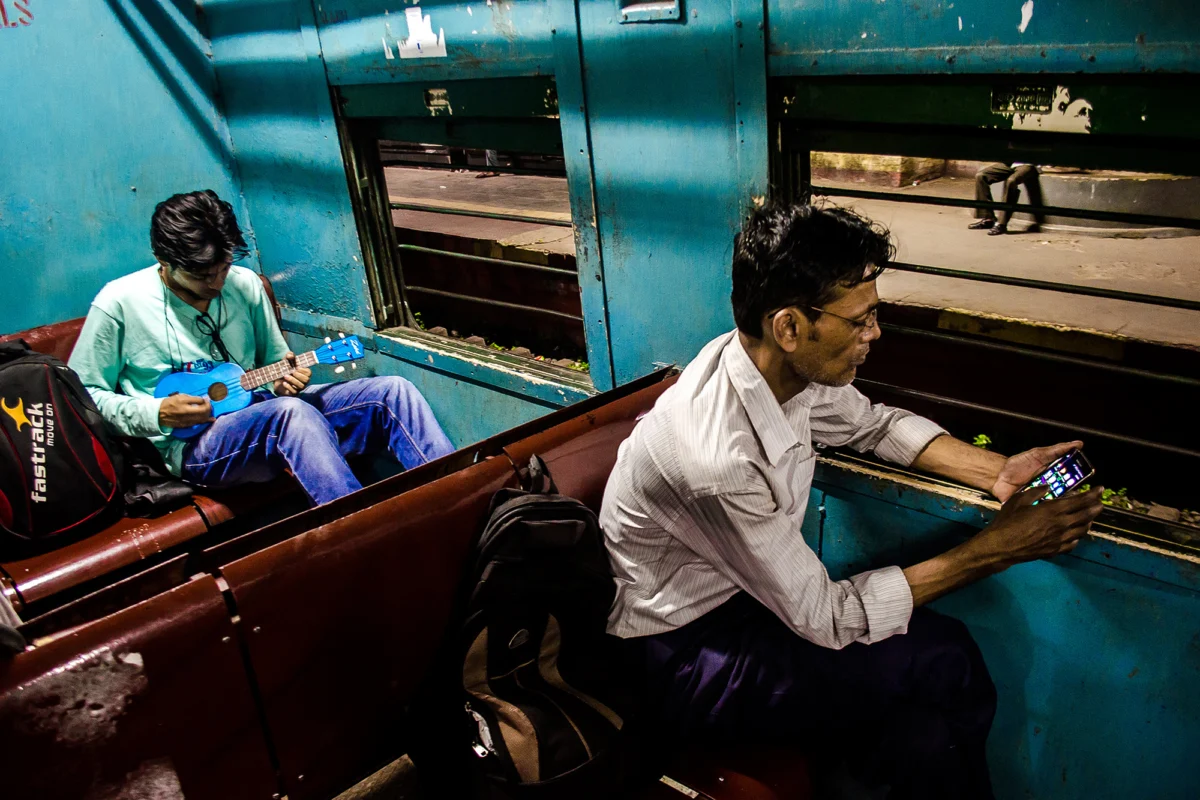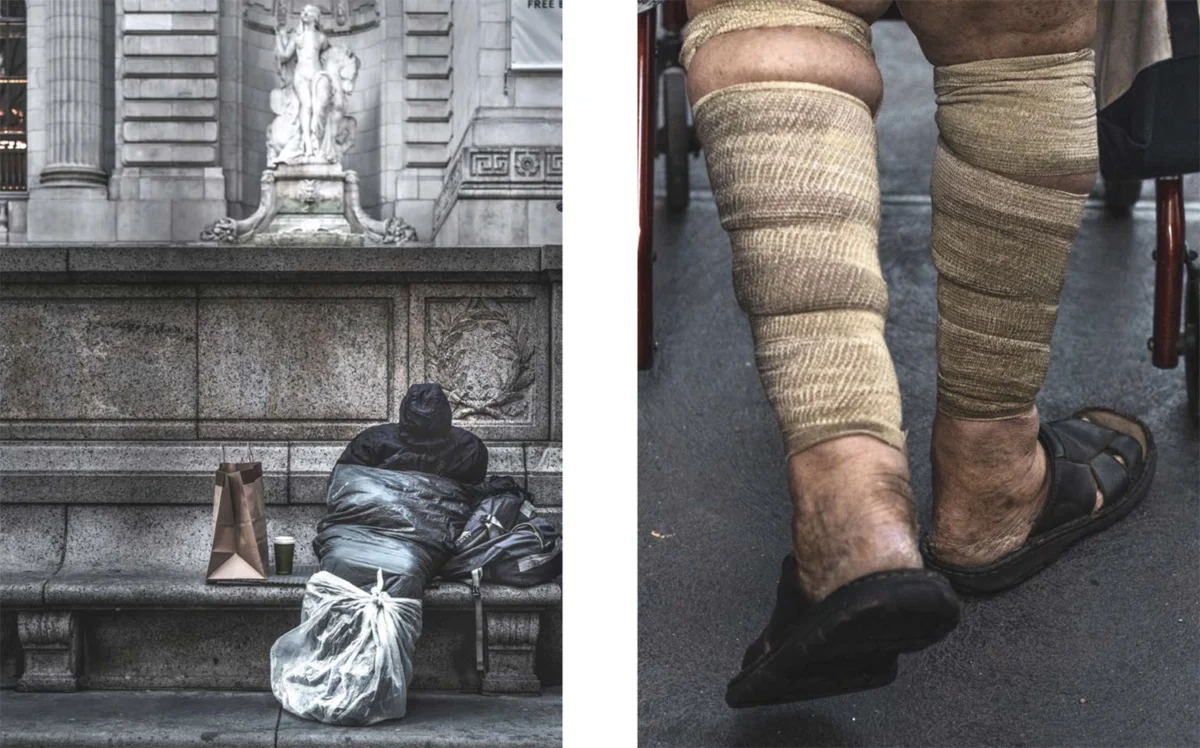
Six years after first offering a compelling glimpse into Angela Ambrosini’s street photography, a deeper dive into her artistic evolution and the profound narratives woven into her work has materialized with the release of her new photo book, Captured, Between the Streets. Ambrosini, whose lens has long been a conduit for understanding the human condition, continues to explore the intricate tapestry of life, this time focusing on the often-unseen connections that bind individuals and places across the globe. Her previous exploration, six years ago, delved into the psychological underpinnings of her poignant New York City captures, where she described her photographic practice as a mirror to her own personal journey, a means of self-discovery and a broader comprehension of the world. "It has allowed me to travel and meet people I would never meet, and experience life without fear," Ambrosini reflected in an earlier interview, underscoring the transformative power of her art. "Life is a journey and the camera is the tool we use to tell our story."
Captured, Between the Streets represents the culmination of years of dedicated observation, distilling Ambrosini’s insights into a singular, cohesive body of work. While New York City, her long-standing muse, remains a significant presence, the book intentionally expands its geographical scope. Photographs taken in diverse locales, from the bustling metropolises of India to other international settings, are deliberately juxtaposed, illustrating Ambrosini’s core thesis: that beneath the surface of varied streetscapes lies a universal human experience, a common thread that connects us all. "The idea behind the book is to show that even though the streets may look different – whether in New York, India, or somewhere else in the world – the human experience has a common thread that connects us," she explains. This philosophy not only guides her photographic subjects but also informs the meticulous curation and sequencing of the images within the book, creating a dialogue between seemingly disparate moments.
From Curiosity to a Passion for Visual Storytelling
Ambrosini’s journey into street photography began not with an immediate ambition for a published book, but as a personal endeavor to observe the world with heightened acuity. This initial curiosity gradually blossomed into a profound passion for documenting life as it unfolds, capturing its myriad details and raw emotions with unwavering frequency and across a multitude of settings. Her approach is rooted in a belief that the ideal street photograph is one that is both "honest and unforced, but still carries a sense of meaning or tension that makes you look twice." This pursuit of meaning in the seemingly ordinary has become the bedrock of her artistic practice.
The development of her "sense of curiosity to capture details, gestures, and expressions" was instrumental. What might appear as isolated, unremarkable elements in isolation, when brought together, begin to coalesce into a larger, more significant narrative. This evolution from observation to active storytelling, conveying these unscripted moments without the need for verbal explanation, marks a significant maturation of her craft.
Embracing the ‘Decisive Moment’ on Her Own Terms
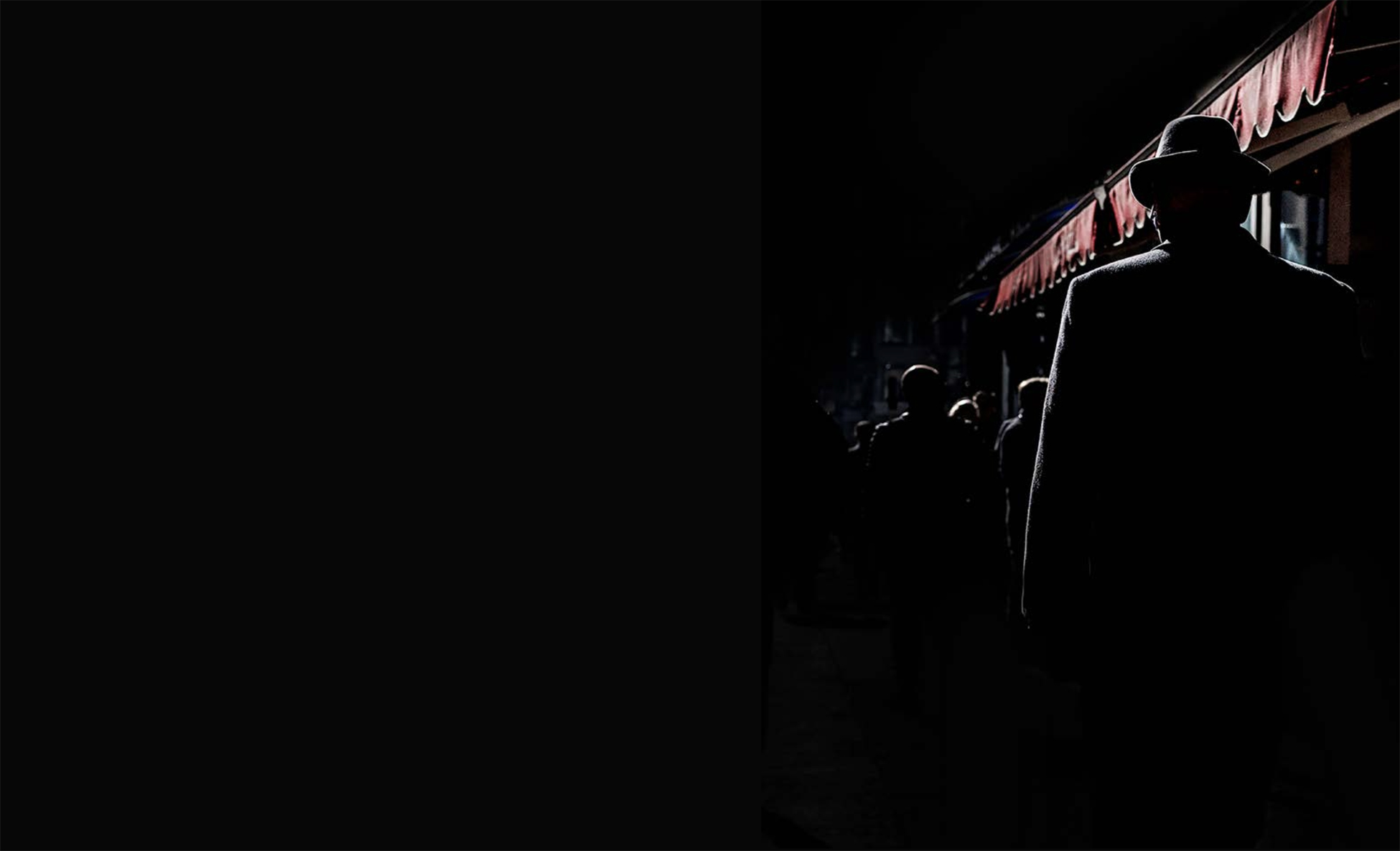
In refining her photographic language, Ambrosini has engaged with established photography ideologies, notably Henri Cartier-Bresson’s seminal concept of the "Decisive Moment." However, she interprets this principle through her unique artistic lens, emphasizing presence and recognition over an active chase for a fleeting instant. "For me, it’s less about chasing a perfect split second and more about being present enough to recognize when everything aligns – expression, movement, light, and context," she elaborates. This nuanced understanding acknowledges the inherent speed of street photography, a lesson learned through practical experience. The awareness that "small fractions of a second can completely change the meaning of a frame" is paramount.

Her shooting process is characterized by a delicate balance of awareness and instinct. "When I’m shooting, I try to stay aware and trust instinct, because the moment you hesitate, it’s gone," she states. This split-second decision-making is crucial to the impact of many candid moments featured in her book. Whether it’s the interplay of light and shadow, the subtle nuances of facial expressions, or a vibrant pop of color that accentuates the subject’s interaction with their environment, these elements, when perceived and captured in their optimal configuration, contribute to the photograph’s resonance. The thrill of recognizing these emergent compositions fuels her creativity, compelling her to remain open to the unexpected. Indeed, Ambrosini notes that many of her most cherished images emerged from unplanned occurrences that serendipitously completed the scene.
Curating a Visual Conversation: Images Speaking Across Continents
The overarching vision for Captured is ambitious, aiming to present a comprehensive panorama of everyday existence. Ambrosini’s premise is that a compelling scene unfolding in one city can find its echo in another, sharing a similar spirit, energy, and diversity. This allows individual photographs to engage in a visual dialogue, conveying nuanced stories and ideas when placed in relation to one another. While a single image possesses its own inherent meaning and capacity to capture attention, its juxtaposition with another can unlock deeper layers of interpretation and amplify its impact.
"I’m drawn to ordinary moments, humor, gestures, and small coincidences because they reveal how similar we all are, no matter where we live," Ambrosini muses. This fundamental humanism is evident in the meticulous attention to detail she has applied to the curation and sequencing of the photographs within the book. The arrangement is not arbitrary; each pairing is intended to foster a visual connection between different places and people, underscoring the shared emotional landscape, the universal surprises, and the common narratives that characterize streets worldwide. "By putting these images next to each other, I wanted to create a visual link between places and people, showing that the streets everywhere share the same emotions, surprises, and stories," she explains. "The message I hope comes through is that when you slow down and really look, you start to see how connected we all are, even in the most ordinary moments."

A particularly illustrative example of this curatorial philosophy is her "Superman juxtaposition." On one page, a woman in India, clad in a vibrant blue sari, is presented. Facing her on the opposite page is a man in New York City, sporting a Superman t-shirt. These photographs, captured years apart and on opposite sides of the globe, reveal an unexpected visual resonance in their colors, posture, and overall feeling. This pairing, Ambrosini explains, encapsulates the essence of the book: the inherent interconnectedness of humanity, humor, strength, and coincidence that permeates streets across all cultures and geographies.
Seeing the World Through the Lens of Connection
Captured, Between the Streets serves as a compelling argument for the significance of unexpected connections, functioning as both a visual study of the human condition and a testament to the power of shared experience. While street photography often seeks to present striking snapshots of daily life, Ambrosini’s unique perspective is shaped by her persistent search for these hidden links, which in turn shapes her worldview.
Her engagement with the street is a multifaceted process. "When I’m on the street, I’m not only paying attention to what’s happening in front of me, but also to how moments might relate to something I’ve seen somewhere else, at another time, or in another part of the world." This constant cross-referencing of visual experiences forms the guiding principle of Captured. The sequencing of the photographs is meticulously designed to provoke conversations between images, spanning across pages and even continents. By juxtaposing images from different geographical locations, the book mirrors Ambrosini’s personal experience of the world – a fluid compilation of moments that, when viewed collectively, illuminate the profound interconnectedness of all human beings.
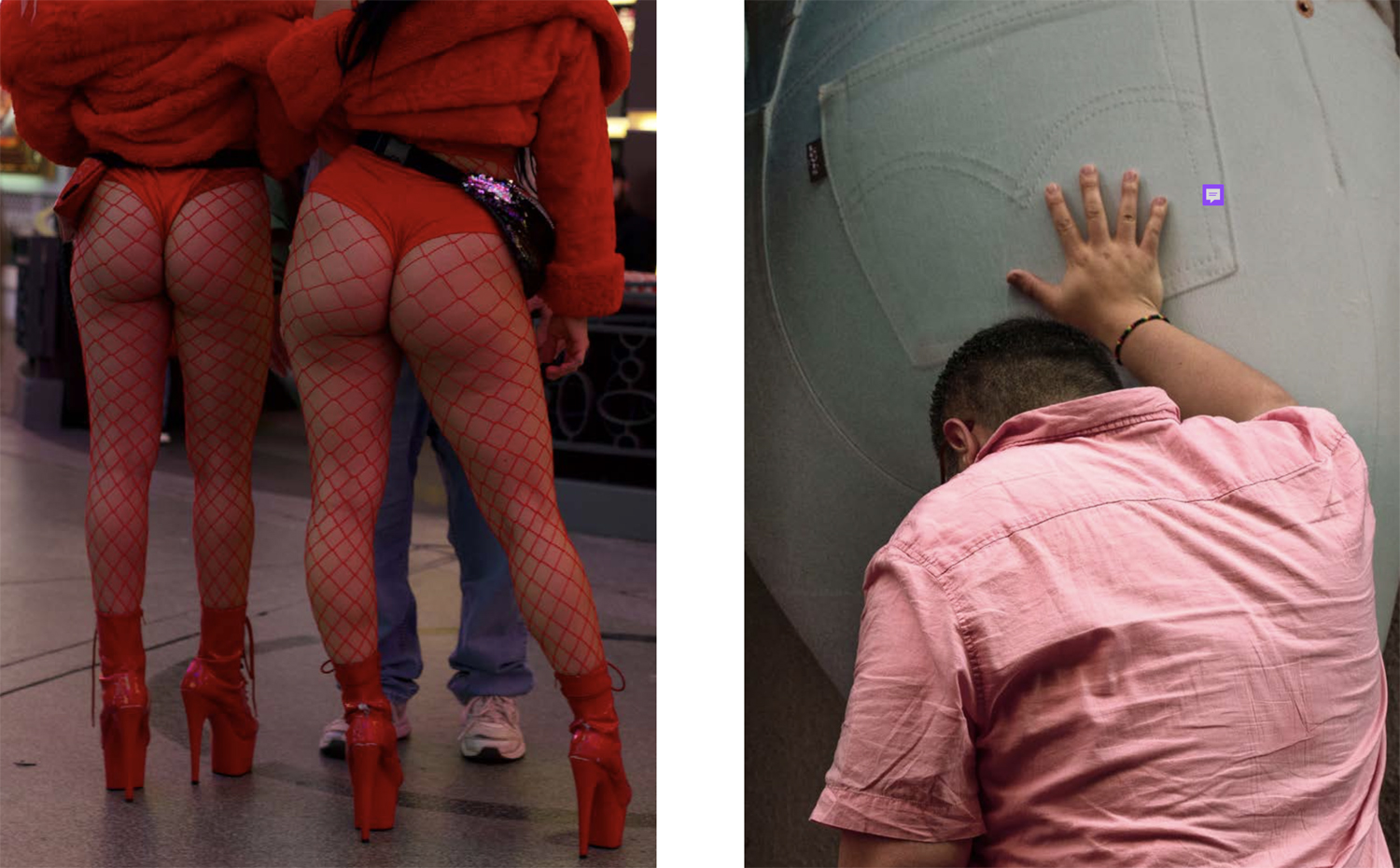
In essence, Ambrosini, through Captured, invites viewers to perceive the world as an expansive canvas for street photography, a global stage where diverse scenes, though not always identical, are undeniably linked. This revelation, she suggests, requires only a more mindful and attentive gaze. The book is more than a collection of photographs; it is an invitation to a deeper understanding of our shared humanity, a testament to the fact that even in the most mundane of moments, profound connections can be found.
The release of Captured, Between the Streets follows a significant period of artistic development for Ambrosini. Her prior engagement with street photography, as noted six years ago, was characterized by a deep exploration of New York City’s urban fabric and the psychological narratives embedded within its streets. This earlier work, which received critical acclaim and fostered a dedicated following, laid the groundwork for her current, more globally expansive project. The decision to broaden her scope reflects a maturation of her artistic vision, moving from an intense focus on a single, albeit rich, environment to a comparative study of human experience across diverse cultural landscapes. This expansion is not merely geographical but also conceptual, aiming to demonstrate universal truths through specific, relatable moments.
The methodology employed in Captured can be seen as a response to the increasing globalization of culture and experience. As the world becomes more interconnected, Ambrosini’s work resonates with a contemporary audience that is acutely aware of both local particularities and global commonalities. The book offers a visual counterpoint to the often-fragmented narratives of modern life, providing a cohesive and hopeful perspective on human solidarity. The careful selection of images, each imbued with its own distinct narrative, and their deliberate arrangement, highlights the subtle yet powerful ways in which human lives intersect and reflect one another, regardless of geographic or cultural boundaries. This approach underscores the idea that the street, in its infinite variations, serves as a universal stage for the human drama.
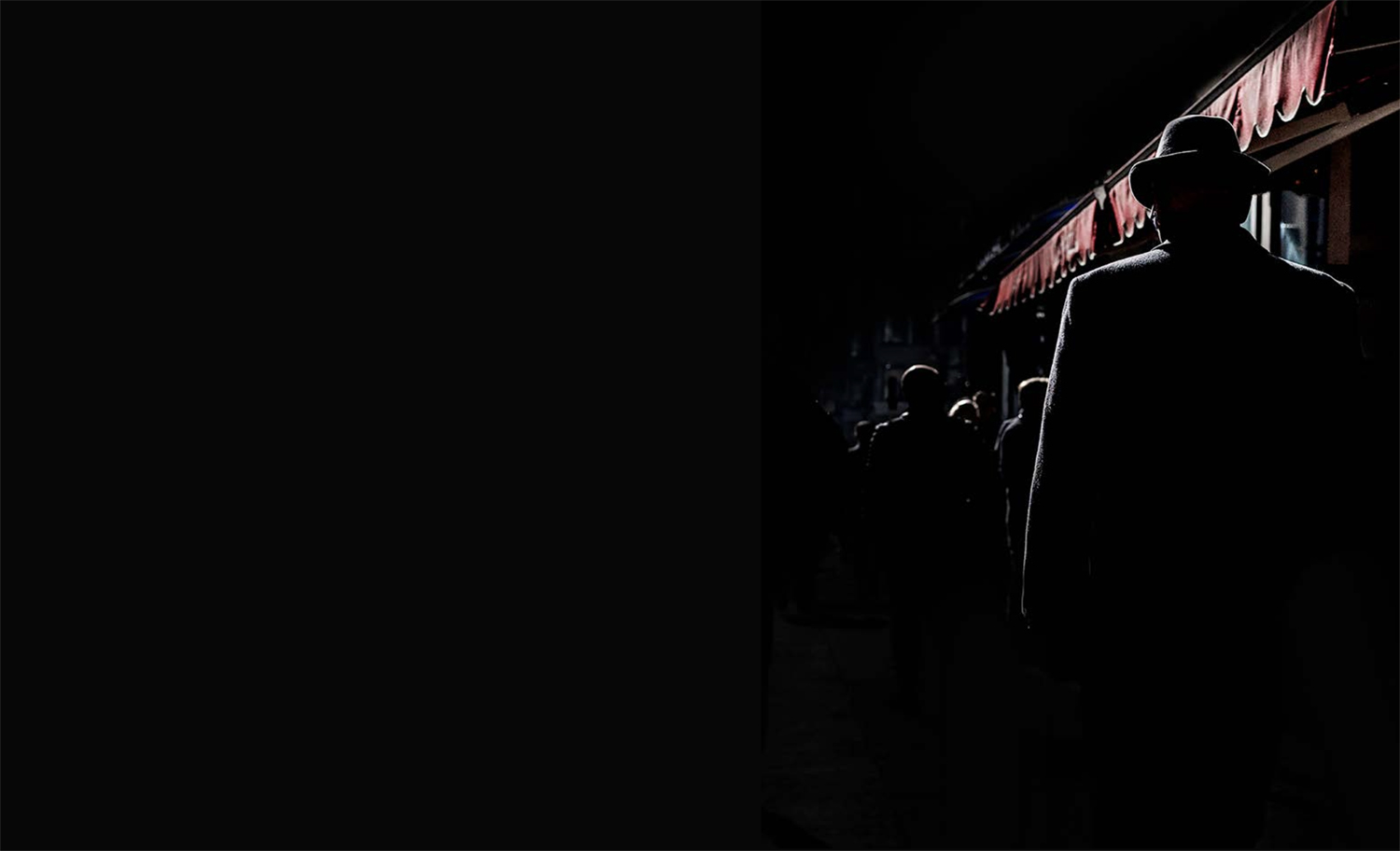
Further analysis of Ambrosini’s technique reveals a keen understanding of visual grammar. Her ability to discern and capture the "Decisive Moment," as she reinterprets it, is not about a single, perfect instant but rather the harmonious convergence of multiple visual elements. This includes the ephemeral quality of light, the dynamic nature of movement, the subtle eloquence of human expression, and the contextual significance of the environment. The success of her photographs, therefore, lies not only in her technical skill but also in her profound empathy and her capacity to perceive the emotional resonance within seemingly ordinary occurrences. This empathetic gaze allows her to transcend mere documentation and delve into the realm of emotional truth, forging a connection between the viewer and the subjects of her photographs.
The implications of Captured, Between the Streets extend beyond the realm of art photography. In an era often marked by division and perceived isolation, Ambrosini’s work offers a powerful reminder of our shared humanity. By showcasing the common threads that weave through diverse cultures and societies, the book encourages a more inclusive and understanding perspective on the world. It suggests that by looking closely at the lives of others, we can gain a deeper appreciation for our own experiences and recognize the fundamental similarities that bind us. This message of unity and connection is particularly relevant in today’s socio-political climate, where narratives of difference can often overshadow those of commonality. The book serves as a visual manifesto for empathy, urging readers to engage with the world around them with greater awareness and compassion.
The visual impact of the book is further amplified by its high-quality production values, ensuring that each photograph is presented with the clarity and detail that Ambrosini’s work demands. The choice of paper, the layout, and the overall design are all integral to the reading experience, enhancing the narrative flow and the emotional resonance of the images. This meticulous attention to detail in the physical presentation of the book reflects the same care and intentionality that Ambrosini brings to her photographic practice, further solidifying Captured, Between the Streets as a significant contribution to contemporary photography.
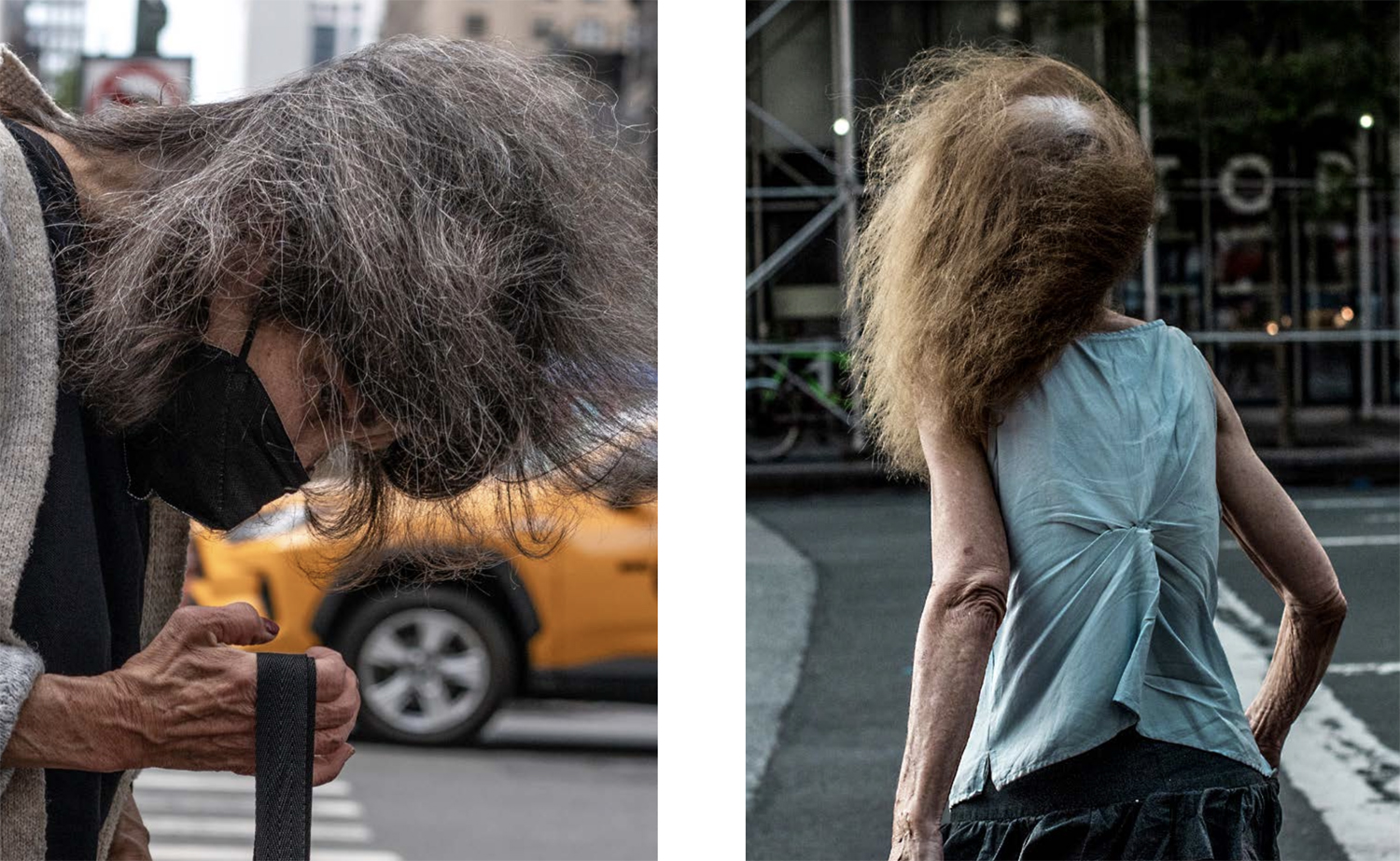
In conclusion, Angela Ambrosini’s Captured, Between the Streets is a testament to the enduring power of street photography to reveal the hidden connections that shape our shared human experience. Through her keen eye, empathetic spirit, and masterful storytelling, Ambrosini invites us to look beyond the surface, to find the universal in the particular, and to recognize the profound interconnectedness that binds us all, one captured moment at a time.
For those interested in exploring more of Angela Ambrosini’s captivating street photography, her official website at http://www.angelaambrosini.com/pixs/index.html offers a comprehensive portfolio. She can also be followed on Instagram at @angelambro_pixs for regular updates and insights into her ongoing work. Copies of her critically acclaimed book, Captured, Between the Streets, are available for purchase through Snap Collective, providing an opportunity for readers to experience the full scope of her vision.