Sony has officially unveiled its new FE 100mm f/2.8 Macro GM lens, a significant addition to its esteemed G Master series, poised to redefine expectations for macro photography. This lens, which was initially introduced to select industry professionals under a non-disclosure agreement, has quickly garnered attention for its innovative design, exceptional optical performance, and unprecedented autofocus capabilities in the macro segment. Its release marks a pivotal moment for photographers seeking unparalleled detail and precision, pushing the boundaries of what is achievable with a dedicated macro optic.
The anticipation surrounding this new G Master lens was palpable among those with insider knowledge, particularly given Sony’s strategic focus on expanding its E-mount ecosystem with high-performance optics. Professional photographers with extensive experience in macro photography, such as one reviewer with a decade of consistent macro lens usage across multiple platforms, quickly surmised the nature of the unannounced lens upon receiving the NDA request. This pre-release engagement strategy allowed Sony to gather crucial feedback from seasoned experts, ensuring the lens met the rigorous demands of the professional market.
The Enduring Significance of Macro Lenses
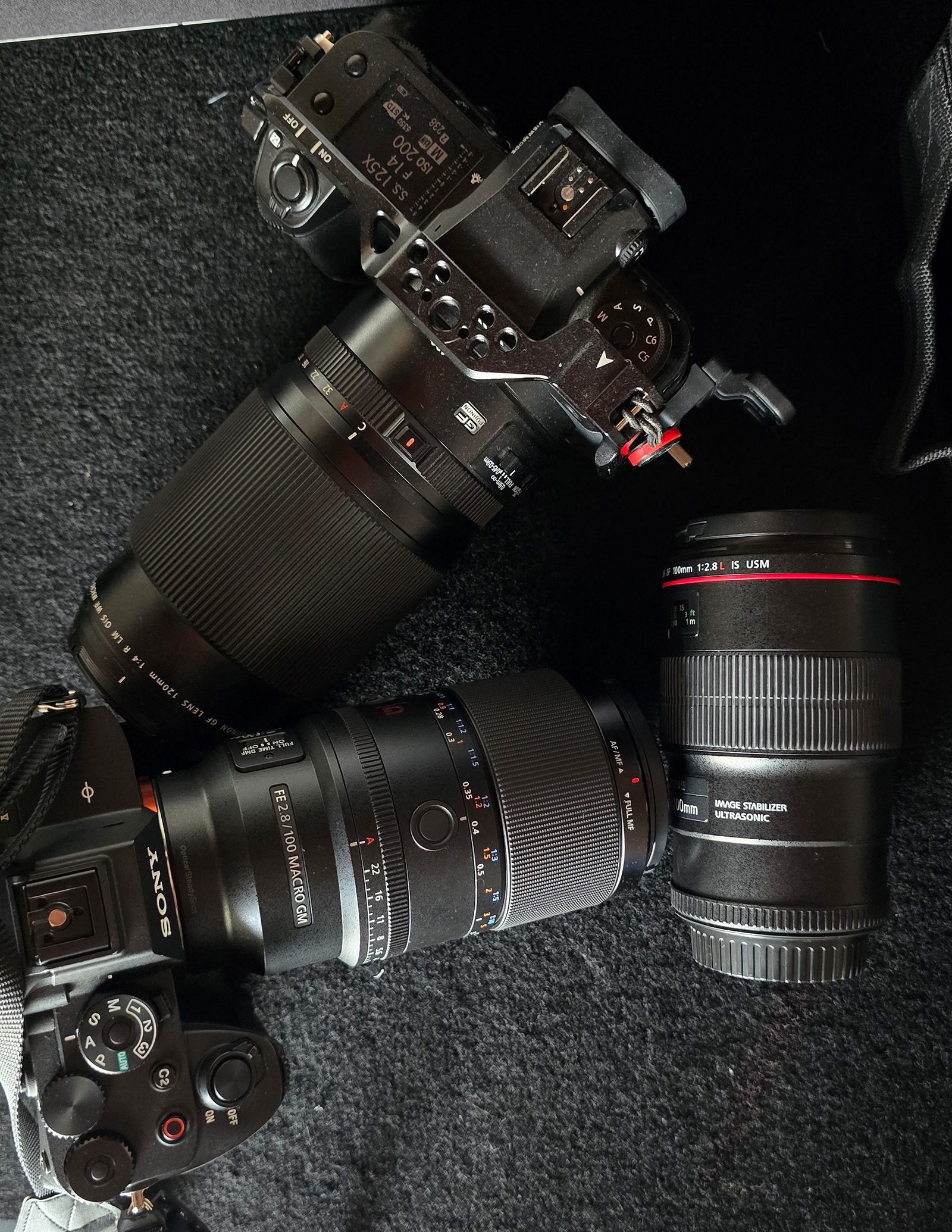
For the casual observer, the introduction of another ~100mm f/2.8 macro lens might appear to be a routine product cycle. The market has indeed seen a proliferation of such lenses, often featuring similar focal lengths, wide f/2.8 apertures, and built-in image stabilization. However, discerning photographers understand that macro lenses are a unique category, often representing the pinnacle of optical engineering within a manufacturer’s lineup. Historically, macro lenses are celebrated for their extraordinary sharpness, precise autofocus, and robust construction. Their design prioritizes resolving intricate details at extremely close focusing distances, a demanding task that requires meticulous optical correction. While often associated with capturing hyper-detailed images of insects, flowers, or eyeballs, their inherent qualities—exceptional resolving power, minimal distortion, and often beautiful bokeh—make them highly versatile tools for a variety of photographic disciplines, including portraiture, product photography, and fine art. The perceived trade-off has traditionally been in autofocus speed, a characteristic often sacrificed for accuracy in close-up scenarios.
Sony’s Groundbreaking Innovations: What Sets the FE 100mm f/2.8 Macro GM Apart
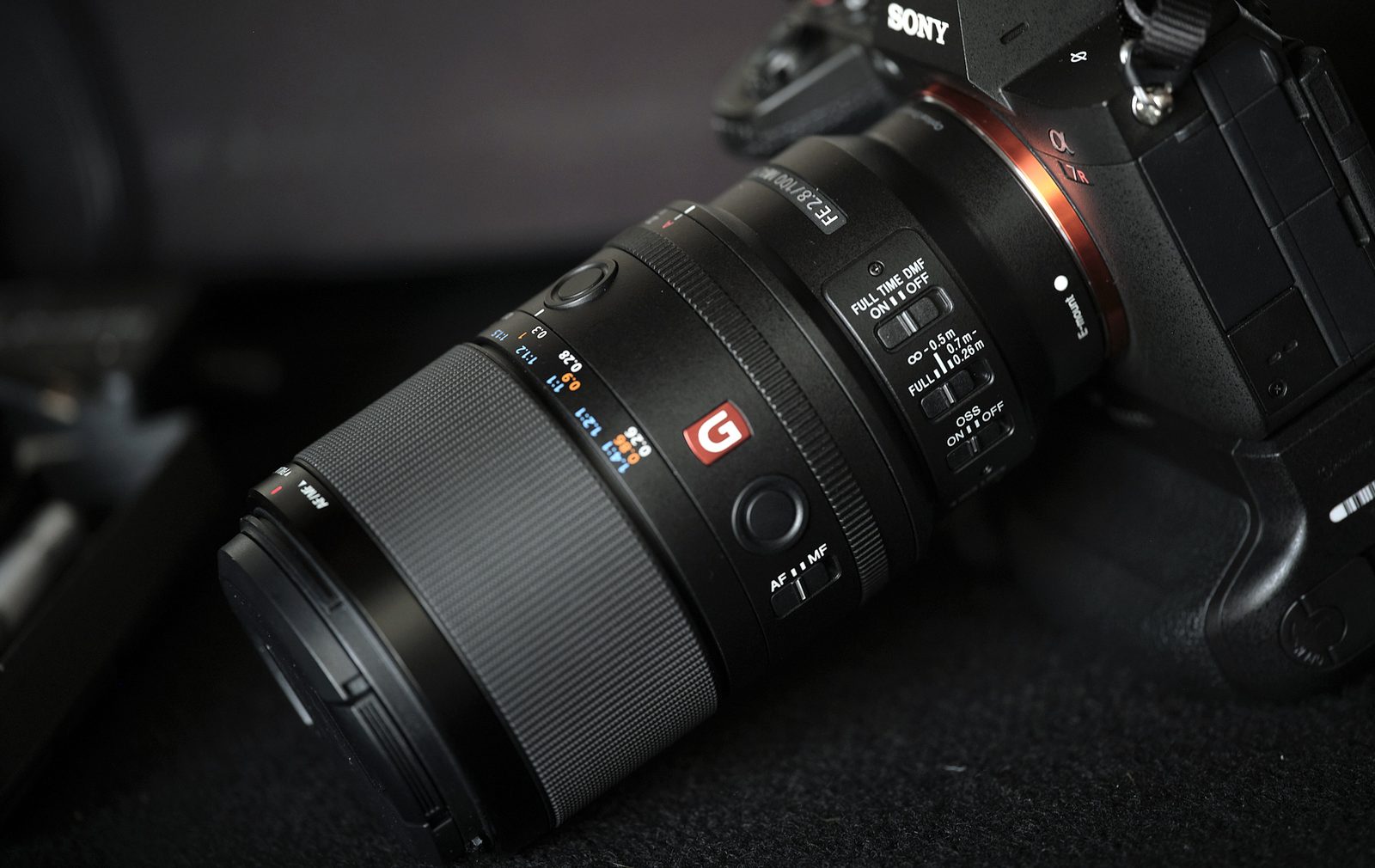
The Sony FE 100mm f/2.8 Macro GM distinguishes itself through several key technological advancements that elevate it beyond its competitors. At first glance, it shares a familiar form factor, yet its internal architecture and performance metrics are engineered for superior results.
One of the most striking features is its 1.4x magnification ratio, surpassing the industry-standard 1:1 (or 1x) magnification offered by many contemporary macro lenses. The 1:1 ratio means that the subject is projected onto the camera sensor at its real-life size. A 1.4x magnification, therefore, allows the subject to be reproduced 1.4 times larger on the sensor, revealing even finer details and providing a more immersive close-up experience without the need for additional extension tubes or close-up filters. This increased magnification directly translates to capturing more intricate textures and subtle nuances, which is invaluable for scientific, artistic, and commercial macro applications.
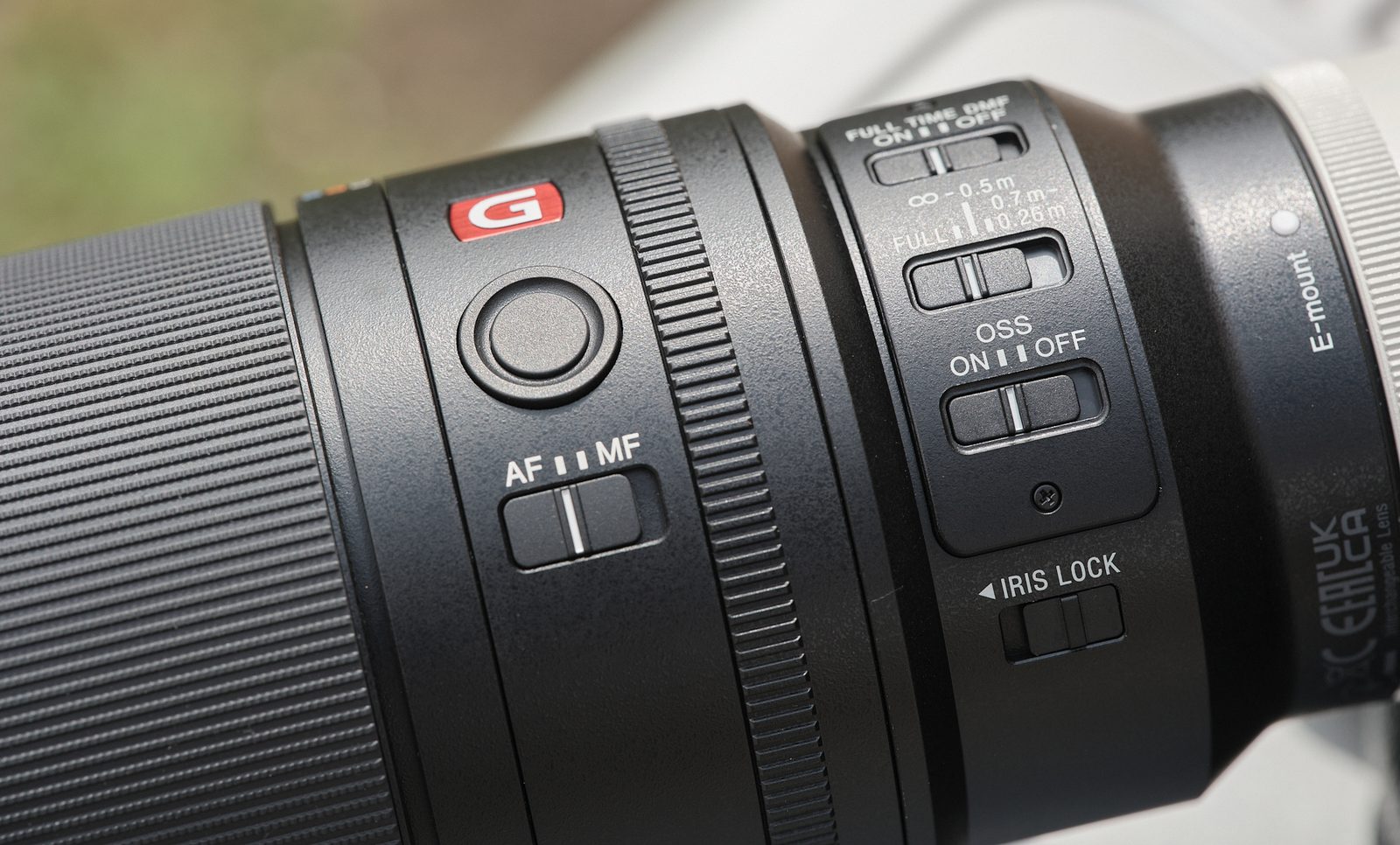
The optical prowess of the lens is underpinned by its sophisticated 17-element, 13-group optical design. While specific element types (such as aspherical, ED, or Super ED glass) are typically detailed in Sony’s G Master lenses to combat chromatic aberration, spherical aberration, and distortion, the sheer complexity of this configuration points to a design meticulously optimized for extreme sharpness and contrast across the entire frame, from the center to the periphery, even at wide apertures. Furthermore, the inclusion of Nano AR coating is critical. This advanced anti-reflective coating effectively suppresses flares and ghosting, common issues in complex lighting conditions, ensuring superior clarity and contrast in images, particularly when shooting into bright light sources or with intricate subjects that reflect light in unpredictable ways. This level of optical refinement is a hallmark of the G Master series, promising exceptional image fidelity.
Perhaps the most revolutionary aspect of the Sony FE 100mm f/2.8 Macro GM is its autofocus system. Sony has equipped this lens with four XD (extreme dynamic) linear motors, a significant departure from the slower, more traditional autofocus mechanisms often found in macro lenses. XD linear motors are renowned for their high thrust, speed, and precision, delivering incredibly fast and accurate focusing performance. This addresses the long-standing compromise in macro lens design, where accuracy was prioritized over speed. With the FE 100mm f/2.8 Macro GM, photographers can now achieve rapid and reliable autofocus, even on moving subjects, a capability that dramatically expands the creative possibilities for dynamic macro photography, such as capturing fast-moving insects or fleeting moments in nature. This speed also makes the lens highly adaptable for non-macro uses, such as portraiture or event photography, where quick and precise focusing is paramount.

Unlocking Further Potential: Teleconverter Compatibility
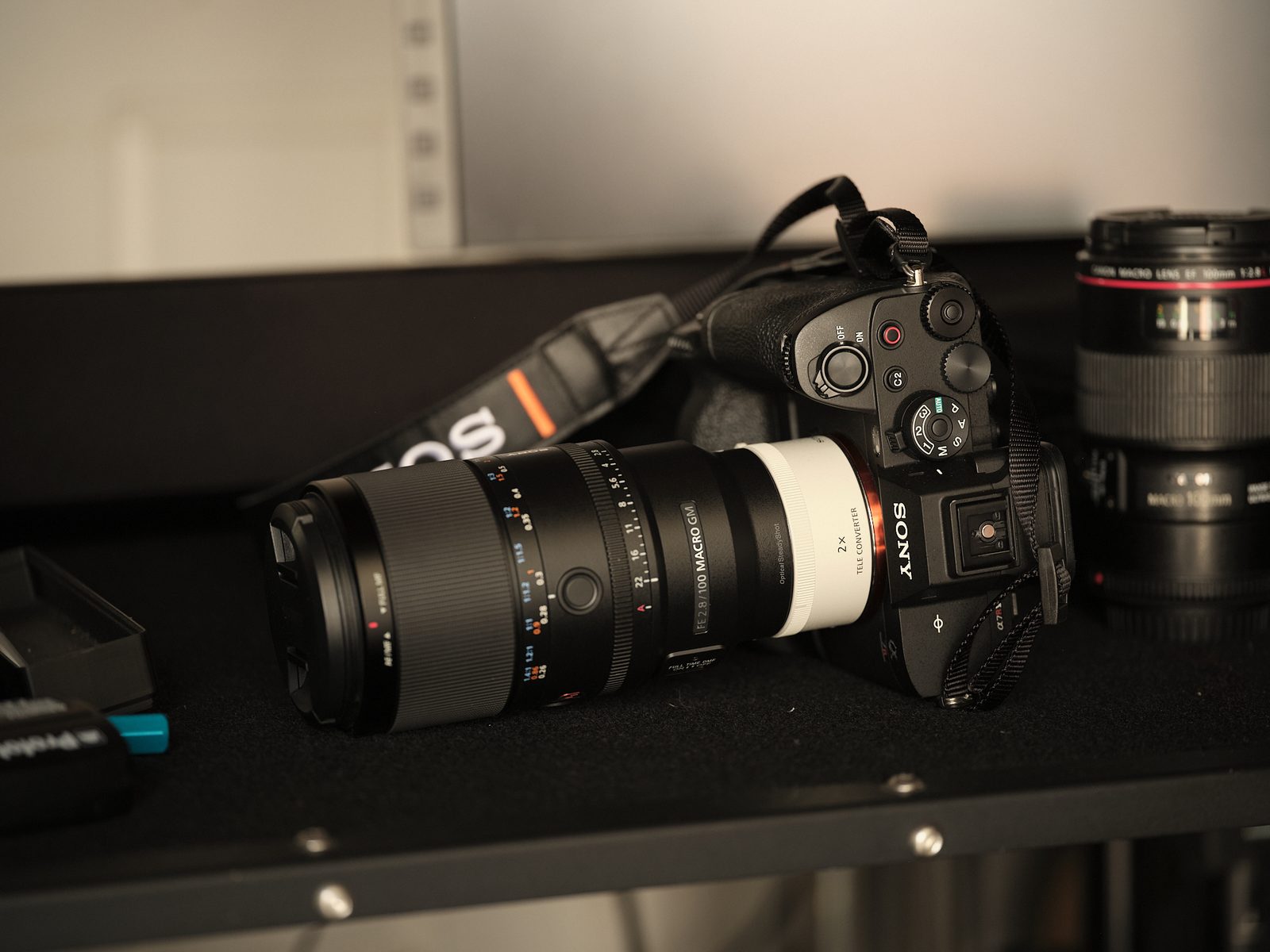
A feature that has particularly excited professional photographers is the lens’s compatibility with the Sony FE 2.0x teleconverter. When paired, this teleconverter effectively doubles the focal length of the lens to 200mm and, crucially, amplifies the magnification level to an astounding 2.8x. This capability is a game-changer for specialized macro work, especially in fields like beauty macro photography, where photographers often struggle to achieve sufficient magnification while maintaining an appropriate working distance to avoid obstructing light or casting shadows. The increased focal length and magnification allow photographers to capture incredibly tight, detailed shots from a greater distance, offering enhanced creative control and practical convenience. This combination pushes the lens into a realm of super-macro photography typically reserved for highly specialized and often more cumbersome setups.

The lens also boasts a robust five-stop image stabilization system, an essential feature for handheld macro shooting where even the slightest camera movement can lead to blur due to the extreme magnifications involved. This stabilization, combined with the fast autofocus, makes the FE 100mm f/2.8 Macro GM an exceptionally versatile and user-friendly tool, even in challenging field conditions. Its minimum focusing distance of 0.26m further complements its macro capabilities, allowing photographers to get exceptionally close to their subjects.
Initial Field Impressions: A Benchmark Redefined

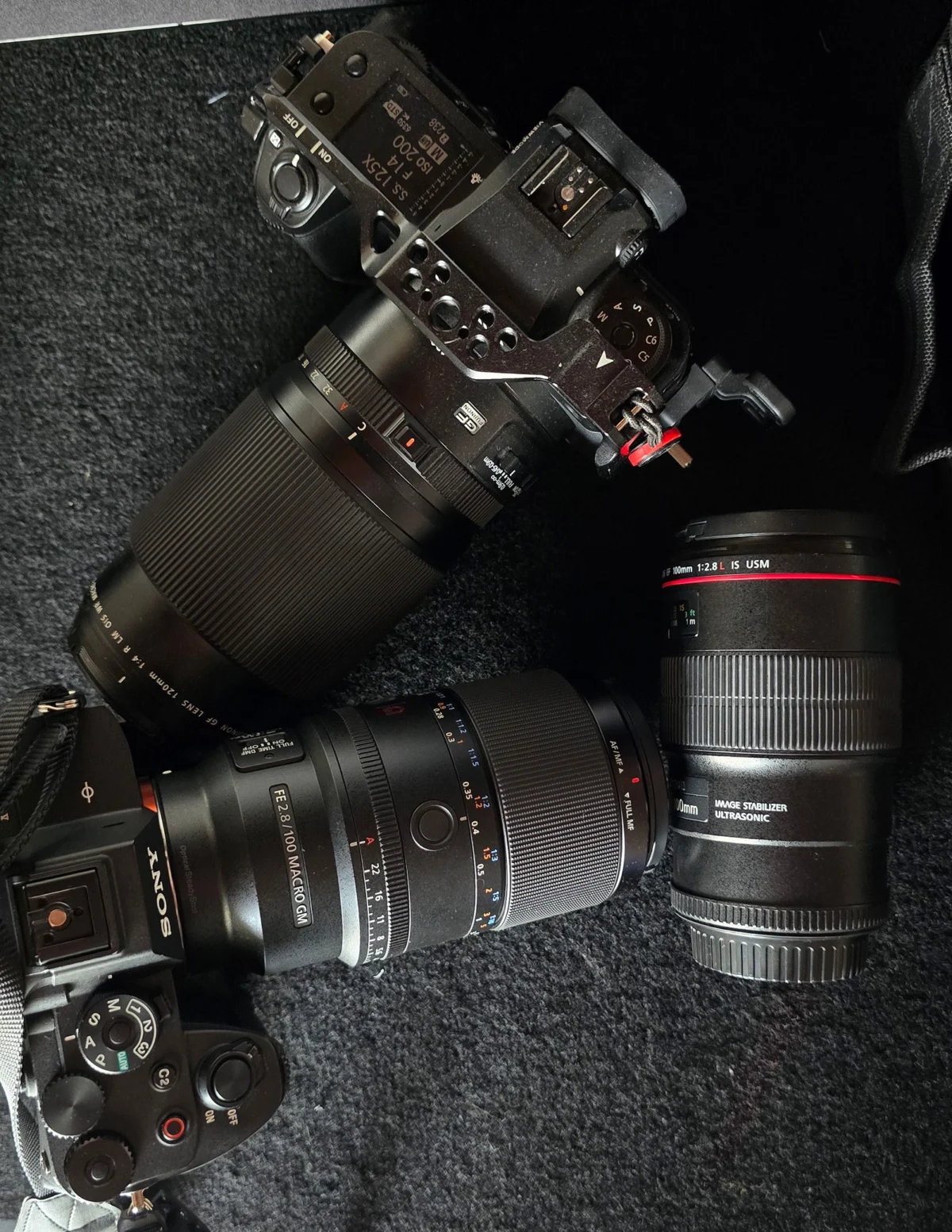
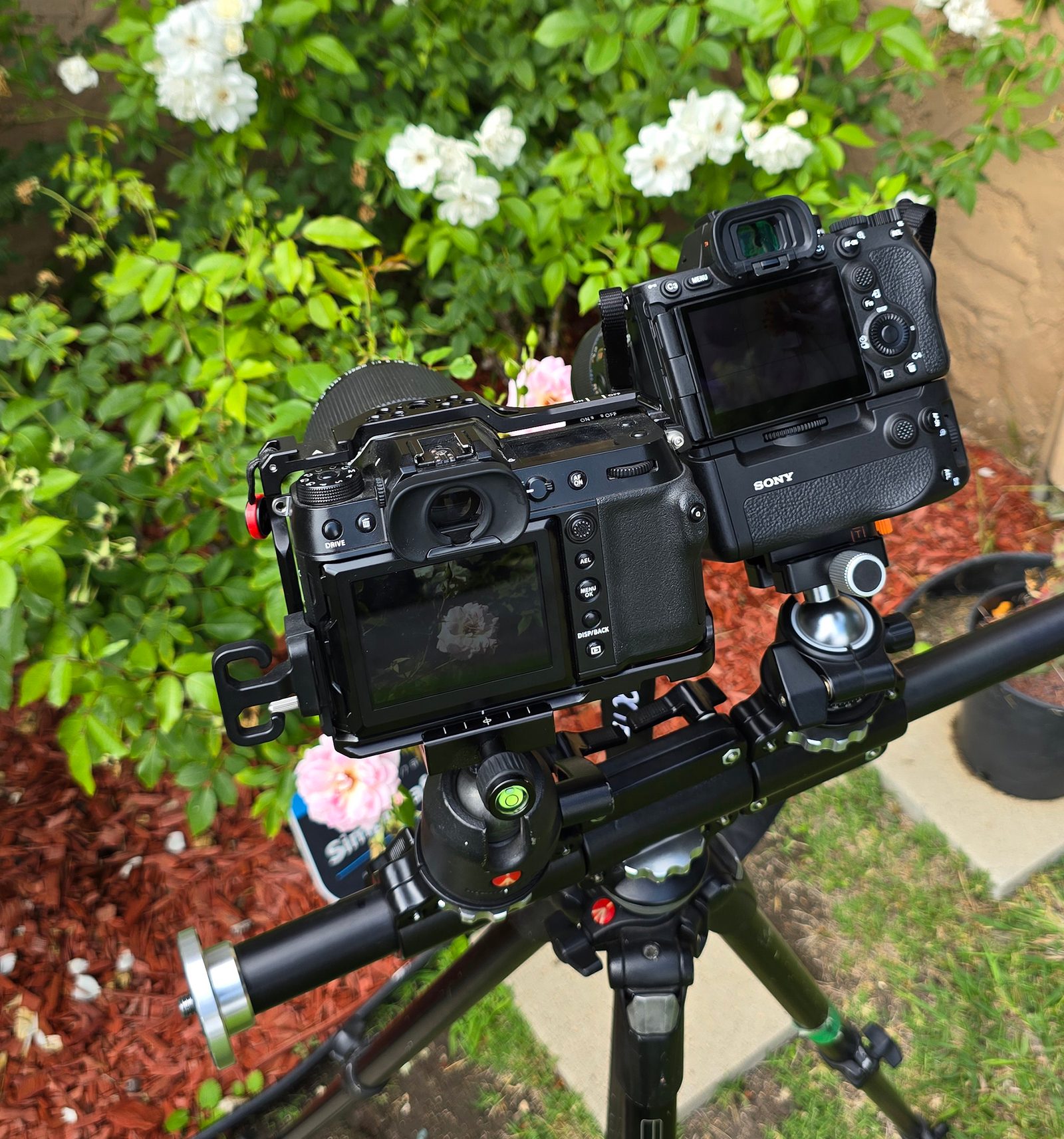
Early access to the Sony FE 100mm f/2.8 Macro GM allowed a professional reviewer to put the lens through its paces in a studio environment, directly comparing its performance against established high-end systems. The reviewer, known for a critical and often skeptical approach to new gear, expressed profound astonishment at the lens’s capabilities. For years, their go-to setup for demanding macro work involved the Fujifilm GFX 100s medium format camera paired with the Fujifilm GF 120mm f/4 Macro lens. This medium-format combination is celebrated for its exceptional image quality and resolution, making it a formidable benchmark.
However, when the Sony FE 100mm f/2.8 GM was mounted on a Sony a7R V, the results were unequivocal. The Sony system not only focused significantly faster but also produced demonstrably sharper images, all while delivering a superior magnification level. This outcome is particularly remarkable given that the Fujifilm GFX 100s system, with its larger sensor and higher megapixel count, generally offers a resolution advantage. The reviewer’s finding that the full-frame Sony setup, especially with the 2x teleconverter, surpassed the medium-format kit in key macro performance areas—sharpness, autofocus speed, and magnification—highlights the truly groundbreaking nature of the new Sony lens. The comparison images provided illustrate this point vividly, with the Sony system exhibiting remarkable detail and clarity in its 100% crops, even against the high-resolution Fujifilm medium format output.

Competitive Analysis: A New Leader Emerges
The introduction of the Sony FE 100mm f/2.8 Macro GM inevitably invites comparison with its closest rivals in the premium macro lens market. The following table provides a snapshot of its standing against key competitors:
| Feature | Sony FE 100mm f/2.8 GM | Fujifilm GF 120mm f/4 | Canon EF 100mm f/2.8L IS | Canon RF 100mm f/2.8L IS |
|---|---|---|---|---|
| Lens Design | 17 Elements in 13 Groups | 14 Elements in 9 Groups | 15 Elements in 12 Groups | 17 Elements in 13 Groups |
| Stabilization | Yes, five-stop | Yes, five-stop | Yes, two-stop | Yes, five-stop |
| Magnification Level | 1.4x Magnification | 0.5x Magnification | 1x Magnification | 1.4x Magnification |
| Minimum Focus Distance | 0.26m | 0.45m | 0.30m | 0.26m |
| Size Dimensions (Diameter x Length) | 81.4 x 147.6 mm | 89.2 x 152.5 mm | 77.7 x 123 mm | 81.5 x 148 mm |
| Weight | 646 g | 980 g | 625 g | 730 g |
| Price (Approx. USD) | $1399 – $1,699 (TBD) | $3,099 | $1,399 | $1,199 |
Analyzing this comparison reveals the Sony FE 100mm f/2.8 GM’s compelling position. While the Fujifilm GF 120mm f/4 Macro operates on a medium format system with inherent sensor advantages, its 0.5x magnification is significantly lower than Sony’s 1.4x (or 2.8x with teleconverter), and its price point is considerably higher. The Canon EF 100mm f/2.8L IS, an older DSLR design, offers only 1x magnification and two-stop stabilization, placing it at a disadvantage. The Canon RF 100mm f/2.8L IS, a more direct mirrorless competitor, matches Sony’s 1.4x magnification and five-stop stabilization. However, Sony’s use of four XD linear motors likely gives it an edge in autofocus speed, and its compatibility with the 2x teleconverter for 2.8x magnification provides a unique and powerful advantage that no other mainstream macro lens currently offers. Furthermore, the Sony lens manages to achieve its advanced features while maintaining a competitive weight and size.
The anticipated price range of $1,399 – $1,699 positions the Sony FE 100mm f/2.8 Macro GM competitively within the premium macro lens segment, especially considering its cutting-edge features and G Master designation. This makes it an attractive proposition for both professional and enthusiast photographers looking for a top-tier macro solution without the significantly higher investment required for medium format systems.

Implications and Future Outlook
The Sony FE 100mm f/2.8 Macro GM is more than just another lens; it represents a significant leap forward in macro photography technology. By addressing the long-standing compromises between magnification, sharpness, and autofocus speed, Sony has created a tool that empowers photographers to capture details previously thought impossible or highly challenging. Its high magnification, combined with the teleconverter compatibility, opens up new avenues for scientific research, specialized commercial photography, and extreme artistic expression.

For Sony, this lens further solidifies its position as an innovator in the mirrorless market and strengthens its E-mount ecosystem, making it an even more compelling choice for professionals. The FE 100mm f/2.8 Macro GM is not merely a specialized tool but also a versatile prime lens, capable of delivering exceptional results across a range of photographic genres due to its outstanding sharpness, wide aperture, and rapid autofocus.
The Sony FE 100mm f/2.8 Macro GM is now available for preorder, with an expected release in the coming weeks. Its debut is set to invigorate the macro photography community and inspire a new generation of photographers to explore the hidden worlds around them with unprecedented clarity and detail. This lens promises to be a benchmark for optical excellence and technological innovation for years to come.