The Evolution of the Visual Economy: 2022 to 2026
To understand the current necessity of premium stock libraries, one must look at the trajectory of social media content over the last four years. In the early 2020s, "authentic" or low-fidelity content was the prevailing trend, often allowing brands to get by with smartphone photography and basic filters. However, as of 2026, the "visual-first" battleground has matured. The rise of high-refresh-rate mobile displays and the ubiquity of 5G connectivity have made 4K video and high-resolution imagery the baseline expectation for users.
Marketing data from the first quarter of 2026 suggests that posts featuring high-definition, professionally curated visuals see a 35% higher "stop-the-scroll" rate compared to assets sourced from overused free repositories. The "generic trap"—a phenomenon where multiple brands use the same free images—has led to brand dilution and a decrease in consumer trust. Consequently, the shift toward premium libraries like Shutterstock is driven by a need for exclusivity, technical superiority, and a broader range of diverse, inclusive content that reflects a global audience.

The Technological Edge: Shutterstock’s AI Video Generator
Perhaps the most compelling argument for a Shutterstock subscription in 2026 is the integration of advanced artificial intelligence into the creative workflow. The Shutterstock AI Video Generator has emerged as a disruptive tool for social media managers who must produce a high volume of content across multiple formats. This tool allows users to input text prompts to generate unique, high-quality video clips that are aesthetically consistent with their brand identity.
This technology addresses the three primary pain points of modern video marketing: time, cost, and technical skill. Traditionally, producing a 15-second high-quality clip for a TikTok ad or an Instagram Reel required a film crew, lighting, and professional editing. With the AI Video Generator, these assets can be produced in minutes. Furthermore, the AI is trained on Shutterstock’s own massive library, ensuring that the generated content is not only high-quality but also ethically sourced and legally "clean"—a critical factor in an era of increasing scrutiny over AI training data.
Comparative Analysis: Premium Subscriptions vs. Free Alternatives
The decision to move from free stock sites to a paid Shutterstock subscription often hinges on a cost-benefit analysis of several key factors: asset variety, legal indemnity, and technical specifications.

Asset Variety and Exclusivity
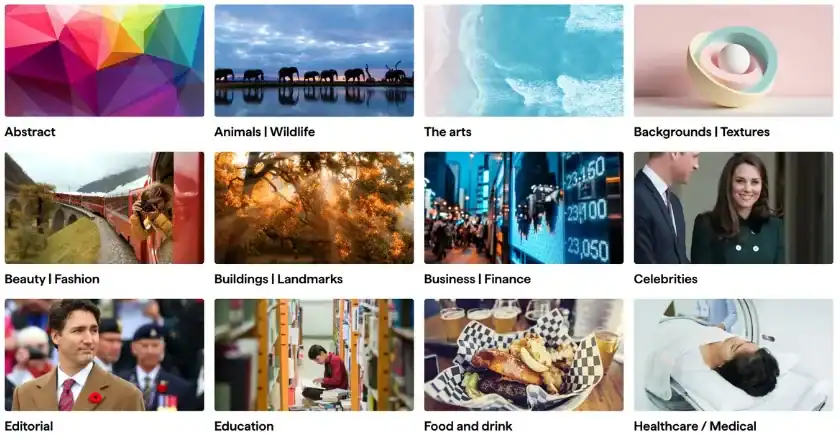
Shutterstock currently hosts over 400 million assets, including photos, vectors, illustrations, 3D models, and music tracks. Free sites, while useful for hobbyists, often suffer from a "limited loop" of content. For a brand trying to maintain a unique identity, using a photo that has already been featured in thousands of other campaigns is counterproductive. Shutterstock’s vast library ensures a higher degree of uniqueness and provides access to niche categories that free sites simply do not cover.
Technical Specifications for 2026 Platforms
Modern social media platforms have strict and evolving technical requirements. While free sites often provide 1080p video, Shutterstock offers a massive selection of 4K and even 8K assets, many of which are natively optimized for vertical viewing (9:16 aspect ratio). This optimization is essential for high-performance Reels, Shorts, and TikTok content, where pixelation or improper framing can lead to immediate user bounce.
Legal Safety and Commercial Indemnity
In 2026, the legal landscape surrounding digital copyright is more litigious than ever. Free stock sites often operate under licenses that are poorly defined or lack the backing of a major corporation. Using an image from a free site that was uploaded without the proper model or property releases can result in five-figure legal settlements. Shutterstock provides full commercial coverage and legal indemnity, offering peace of mind for businesses that cannot afford the reputational or financial risk of copyright infringement.

High-Performance Assets: The Role of Music and Motion
Static imagery is only one component of a successful 2026 social media strategy. The dominance of short-form video has made high-quality audio and motion graphics equally important. Shutterstock’s library includes an expansive collection of royalty-free music and sound effects, specifically curated to match trending moods and genres.
For creators on TikTok and YouTube Shorts, the ability to source high-end audio that won’t be flagged for copyright strikes is invaluable. Additionally, the availability of motion graphics templates allows social media managers to add professional-grade transitions and overlays to their videos without needing to master complex software like Adobe After Effects.
Pricing and Accessibility: Strategic Investment Opportunities
Recognizing the diverse needs of the market, Shutterstock has structured its pricing to accommodate both high-volume agencies and small-scale influencers. In a move to capture more of the small-to-medium enterprise (SME) market, the platform has introduced exclusive discount structures.

Currently, marketing professionals can leverage a 25% discount on image packs specifically for 25 images, providing a cost-effective entry point for those who need a consistent stream of high-quality assets but are not yet ready for a full enterprise subscription. For those seeking broader access, a 15% discount is available across various image products, including standard subscriptions. These incentives lower the barrier to entry, allowing brands to test the ROI of premium content without a massive upfront capital outlay.
Industry Reactions and Expert Sentiment
Leading digital marketing agencies have largely moved toward a "premium-first" model. Sarah Jenkins, a senior strategist at a top-tier New York agency, notes, "In 2026, the algorithm favors quality over quantity. We’ve found that one high-quality, licensed asset from Shutterstock performs better than five mediocre posts using free stock. The integration of AI tools within the library has also cut our production time by nearly 40%."
Similarly, legal experts emphasize the importance of the "paper trail" provided by premium agencies. "The digital fingerprinting of assets is now a standard practice," says intellectual property attorney Marcus Thorne. "If you cannot prove a clear chain of licensing, you are an easy target for copyright trolls. Shutterstock’s licensing model is the industry’s gold standard for protection."

The Verdict: Assessing the Return on Investment
Is Shutterstock worth it for social media marketing in 2026? The data points toward a resounding "yes" for any entity that treats social media as a professional revenue-driving channel. While hobbyists may still find utility in free tools, the professional demands of modern marketing require a higher level of service.
The time saved through integrated AI editing tools, the safety provided by robust legal indemnity, and the increased engagement driven by 4K visuals create a clear path to a positive ROI. In a landscape where the difference between a conversion and a "scroll-past" is measured in milliseconds, the quality of your visual assets is your most important currency.
Your brand’s digital presence is often the first point of contact for potential customers. By investing in a premium library like Shutterstock, businesses are not just buying images; they are investing in brand authority, creative efficiency, and long-term legal security. For those looking to transform their social media feed into a high-conversion engine, the move to a premium, AI-powered library is no longer optional—it is a strategic necessity.