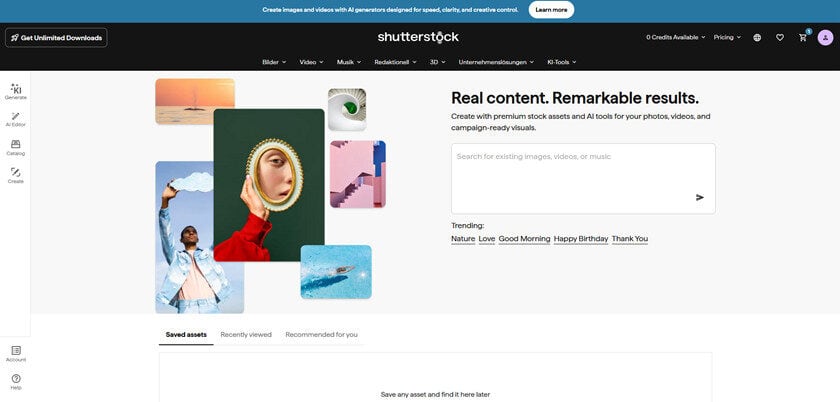
The global landscape of digital content creation has reached a pivotal turning point as Shutterstock, a long-standing leader in the stock media industry, officially transitions from a traditional asset repository into a comprehensive, human-led, AI-powered creative platform. This strategic evolution represents a fundamental shift in how businesses, marketing agencies, and independent creators interact with visual media, moving away from a simple "search and download" model toward an integrated ecosystem of discovery, generation, and refinement. By combining a massive library of high-quality, contributor-driven content with sophisticated generative artificial intelligence (AI) tools, Shutterstock aims to streamline the creative lifecycle while maintaining the legal and ethical standards required for commercial use.
The move addresses a critical friction point in the modern creative workflow: the need for rapid content production without sacrificing brand authenticity or legal security. In an era where digital marketing demands high volumes of personalized content across multiple platforms, the traditional method of sourcing stock photos and then moving them into external editing software has become increasingly inefficient. Shutterstock’s new platform architecture centralizes these processes, allowing users to find a base image, modify it using AI-driven tools, and license the final product—all within a single, unified environment.
The Foundation of Human Creativity in an AI Era
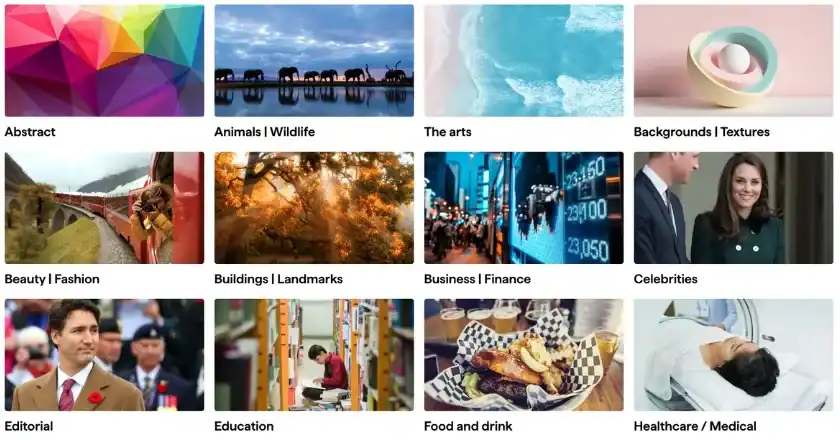
Central to Shutterstock’s evolution is the philosophy that AI should serve as an accelerator rather than a replacement for human creativity. The platform is built upon a foundation of hundreds of millions of licensable images, videos, and music tracks created by a global network of real-world contributors. This human-centric data set serves two primary purposes: it provides users with high-quality "starting points" for their projects, and it serves as the ethically sourced training data for the platform’s generative AI models.
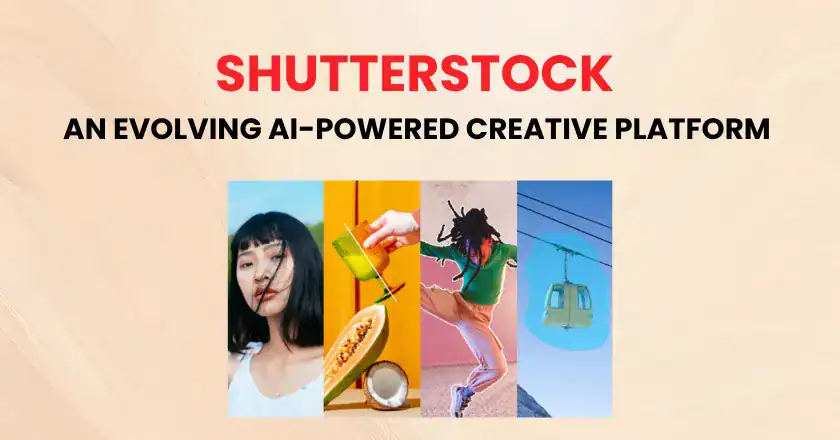
When a user engages with the platform, they are no longer restricted to the exact parameters of a pre-existing photo. Instead, they can utilize integrated AI capabilities to adapt and personalize assets. For instance, a marketer might find a high-quality photo of a kitchen but use AI tools to change the lighting, swap out background elements, or adjust the color palette to match a specific brand identity. This "human-plus-AI" approach ensures that the final output retains a level of realism and professional polish that purely synthetic AI often struggles to achieve.
Technical Innovation: Model Match and Conversational Search
To facilitate this new workflow, Shutterstock has introduced several proprietary technologies designed to lower the barrier to entry for advanced content creation. One of the most significant additions is Model Match technology. In the current AI landscape, users are often overwhelmed by the variety of AI models available, each with different strengths and weaknesses. Model Match automatically pairs a user’s specific creative prompt with the AI model best suited for the task. This backend optimization ensures that whether a user is looking for a photorealistic landscape or a stylized 3D render, the system utilizes the most effective engine to produce the result.
Furthermore, the platform has integrated conversational AI search. Traditional stock photo searches rely heavily on keywords and metadata, which can sometimes fail to capture the nuance of a creative vision. Conversational search allows users to describe their needs in natural language, refining results through a dialogue-like interface. This allows for more intuitive discovery, where a user can say, "Show me images of people working in a modern office, but with a warmer color temperature and more natural sunlight," and receive highly targeted results.
The Integration of AI Video Generation and Inline Editing
The evolution extends beyond static imagery into the realm of motion graphics and video. Shutterstock’s updated platform now features AI-powered video generation tools, which are becoming essential for social media marketing and digital advertising. These tools allow users to generate short-form video content from text prompts or to extend existing video clips using "first frame reference" technology. This ensures that generated video sequences maintain visual consistency with the initial source material, a common challenge in AI video production.

Inline editing capabilities have also been expanded, allowing for real-time modifications of licensed assets. Features such as generative expand (which adds content to the edges of an image), object removal, and background replacement are now standard components of the workflow. By keeping these tools within the licensing platform, Shutterstock eliminates the need for users to export files to third-party software for basic adjustments, significantly reducing the time from ideation to final deployment.
A Chronology of Strategic AI Integration
Shutterstock’s transition to an AI-powered platform is the culmination of a multi-year strategy aimed at leading the ethical integration of generative technology. The timeline of this evolution highlights the company’s proactive stance:
- October 2022: Shutterstock announced a landmark partnership with OpenAI to integrate DALL-E 2 directly into its platform, becoming one of the first major stock agencies to embrace generative AI.
- Early 2023: The company launched its Contributor Fund, a pioneering initiative designed to compensate artists, photographers, and videographers whose work is used to train the company’s AI models.
- July 2023: Shutterstock expanded its partnership with NVIDIA to develop 3D scene generation tools, targeting the gaming and industrial design sectors.
- 2024: The platform introduced "G3," a new generation of AI tools focused on higher resolution and better adherence to complex prompts, alongside the integration of a dedicated Shutterstock app within the ChatGPT ecosystem.
- Present: The full rebranding and structural shift to a "Creative Platform" marks the final stage of this transition, moving AI from an experimental feature to the core of the user experience.
Commercial Confidence and Legal Protections
One of the primary deterrents to the corporate adoption of generative AI has been the "black box" nature of many AI models, which often utilize scraped internet data without clear copyright provenance. This creates significant legal risks regarding copyright infringement and brand safety. Shutterstock has positioned its platform as a solution to this problem by offering "commercial-ready" AI.
The platform provides full indemnification for AI-generated content, meaning that Shutterstock stands behind the legal safety of the images produced on its site. This is made possible because the AI models are trained exclusively on Shutterstock’s own library of licensed content. Additionally, the platform incorporates a layer of human review for certain AI outputs to ensure they meet quality standards and do not violate ethical guidelines. For enterprise-level clients, this legal and commercial confidence is a decisive factor in moving AI tools from the testing phase into live marketing campaigns.
Supporting the Contributor Ecosystem
A major concern within the creative community is the potential for AI to devalue the work of human artists. Shutterstock has addressed this by maintaining contributors at the center of its business model. The platform’s royalty structure has been updated to reflect the new ways content is consumed. When a contributor’s image is used as a reference point for an AI-modified output, or when their data contributes to the training of a licensed model, they continue to earn royalties.
This creates a symbiotic relationship: contributors provide the high-fidelity data necessary for high-quality AI, and in return, the AI tools increase the utility and reach of the contributors’ original assets. By fostering this environment, Shutterstock seeks to prevent the "creative drain" seen on other platforms where artists have removed their portfolios in protest of AI training.
Broader Implications for the Data Licensing Market
Beyond the creative tools provided to designers and marketers, Shutterstock’s evolution has significant implications for the broader technology sector. The company has emerged as a major player in the "Data Licensing & AI Services" market. As tech giants and AI startups race to build more powerful Large Language Models (LLMs) and visual generators, the demand for high-quality, rights-cleared training data has skyrocketed.
Shutterstock now serves as a primary supplier for these companies, providing not just raw data, but also model evaluation, fine-tuning, and "human-in-the-loop" workflows. This diversification of revenue streams ensures that the company remains financially robust even as the traditional stock photo market undergoes disruption. According to industry analysts, the market for AI training data is expected to grow at a compound annual growth rate (CAGR) of over 20% through 2030, placing Shutterstock in a strategic position to capitalize on the infrastructure needs of the AI revolution.

Analysis: The Future of Visual Production
The transformation of Shutterstock into a connected creative platform signals a broader trend in the digital economy: the "platformization" of creative services. In the past, the creative process was fragmented across different vendors and software packages. Today, the expectation is for a seamless, end-to-end solution.
By integrating AI directly into the content library, Shutterstock is effectively commoditizing high-end editing and generation. This democratization of creative tools allows smaller businesses with limited budgets to produce professional-grade visuals that were previously only attainable by large agencies. However, it also raises the bar for professional creators, who must now move beyond basic execution and focus more on high-level creative direction and strategic brand storytelling.
In conclusion, Shutterstock’s evolution is more than a technological upgrade; it is a fundamental reimagining of the relationship between human creators, digital assets, and artificial intelligence. By prioritizing commercial safety, contributor compensation, and intuitive workflows, the platform provides a blueprint for how legacy media companies can navigate the complexities of the AI era. As the platform continues to iterate, it will likely set the standard for the next generation of visual production, where the line between "found" content and "created" content becomes increasingly blurred.