In an era where digital content reigns supreme and live events demand increasingly sophisticated media coverage, videographers are frequently challenged to adapt on the fly to evolving client briefs. A recent case at a major industry convention exemplified this dynamic, showcasing a production team’s ability to pivot rapidly from capturing high-speed cinematic "Glambot-style" footage to conducting spontaneous person-on-the-street interviews with attendees, all within a tight operational window and budget. This swift transition underscores the critical importance of technical acumen, versatile equipment, and strategic planning in contemporary event videography.
The Evolving Landscape of Event Content
Modern conventions, trade shows, and corporate gatherings are no longer merely platforms for networking and presentations; they are significant content generation hubs. Clients now seek diverse media assets to amplify their presence across social media, marketing campaigns, and post-event recaps. This demand often includes visually striking, shareable moments, alongside authentic testimonials and vox populi insights. The global market for event management software alone is projected to reach nearly $15 billion by 2027, indicating a robust and growing industry where high-quality content plays a pivotal role in brand differentiation and audience engagement.
During a mid-convention shoot, the videography team received an unexpected request from their client: integrate both high-speed, stylized shots reminiscent of the famed "Glambot" – a robotic camera system often seen at prestigious awards ceremonies – and quick, candid interviews with convention-goers. These two distinct visual styles presented significant technical and logistical hurdles, demanding immediate problem-solving and a profound understanding of available resources. The ability to seamlessly execute such disparate requests, back-to-back, highlights a growing trend in the production industry where agility and resourcefulness are as valued as high-end equipment.
Mimicking Cinematic Precision: The "Glambot" Challenge
The initial request for "Glambot-style" shots posed a formidable challenge. A true Glambot system, developed by brands like Bolt or Mark Roberts Motion Control, involves a high-speed camera mounted on a sophisticated robotic arm capable of executing precise, repeatable movements at incredibly rapid speeds. These systems are renowned for their ability to create stunning slow-motion footage, often used for dramatic celebrity close-ups, with pre-programmed focus pulling integrated directly into their motion paths. Renting such a specialized, high-cost piece of equipment was not feasible within the existing budget or timeline of the convention shoot.
The production team, led by an experienced videographer, had to devise a practical, on-site alternative that could deliver a similar aesthetic without the prohibitive cost and complexity of a robotic arm. The solution hinged on combining a high-performance camera with a robust gimbal system and an abundance of controlled light.
Technical Execution: High-Speed and Focus Mastery
Achieving cinematic slow-motion footage requires meticulous attention to several technical parameters, primarily shutter speed, frame rate, and lighting. For this improvised "Glambot" setup, the team utilized a Sony FX3 camera, renowned for its low-light capabilities and high frame rate options, shooting at 120 frames per second (fps) in 4K resolution.
A fundamental rule in high-speed videography is that the shutter speed should be at least double the frame rate to minimize motion blur and ensure natural-looking slow motion when played back at standard rates (e.g., 24 fps). For 120 fps, this necessitated a shutter speed of 1/240th of a second. This rapid shutter speed, while crucial for crisp slow-motion, significantly reduces the amount of light reaching the sensor, thereby creating an immediate demand for exceptionally powerful lighting.
The challenge of maintaining critical focus without a dedicated focus puller or the pre-programmed precision of a robotic arm was addressed by employing a strategic aperture setting. Shooting at approximately f/8 provided a sufficiently deep depth of field to keep the subject sharp as the camera moved dynamically towards them. This wider depth of field compensated for the lack of automated focus tracking, ensuring the desired visual impact of the close-up. However, stopping down the aperture to f/8 further exacerbated the lighting requirement, as it restricts even more light from entering the lens.
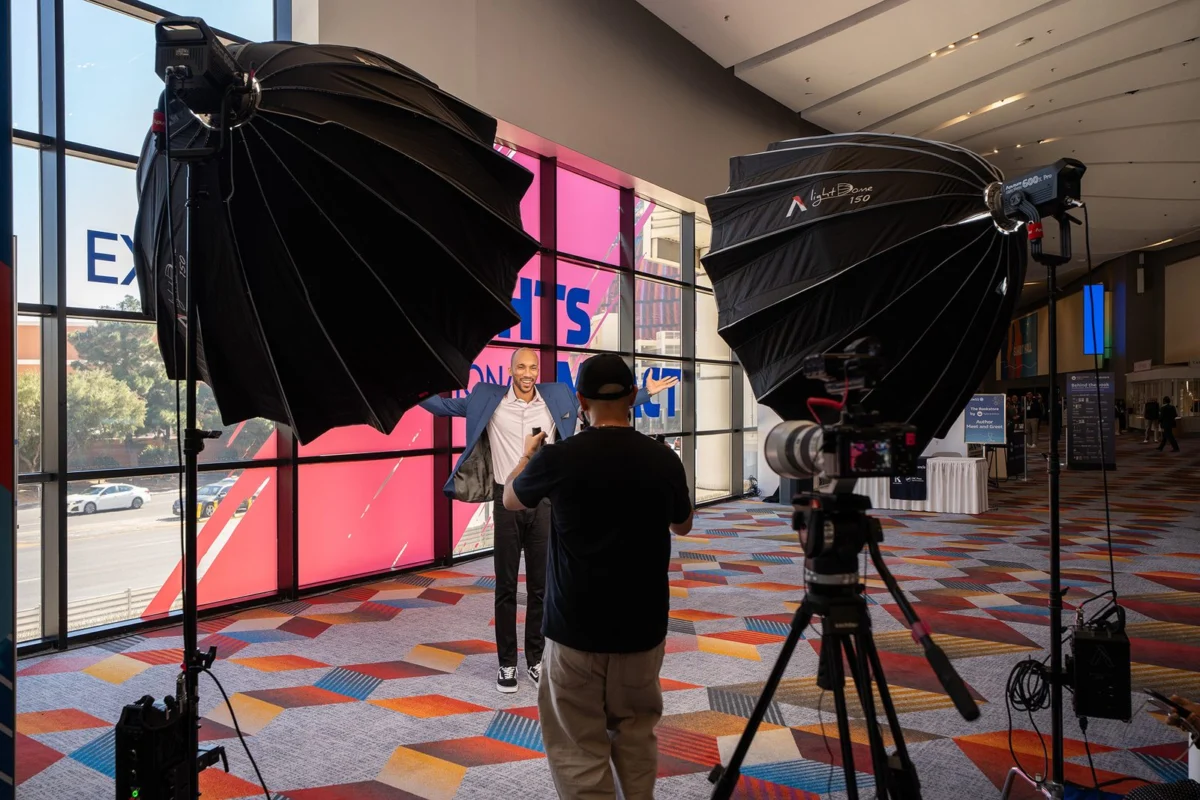
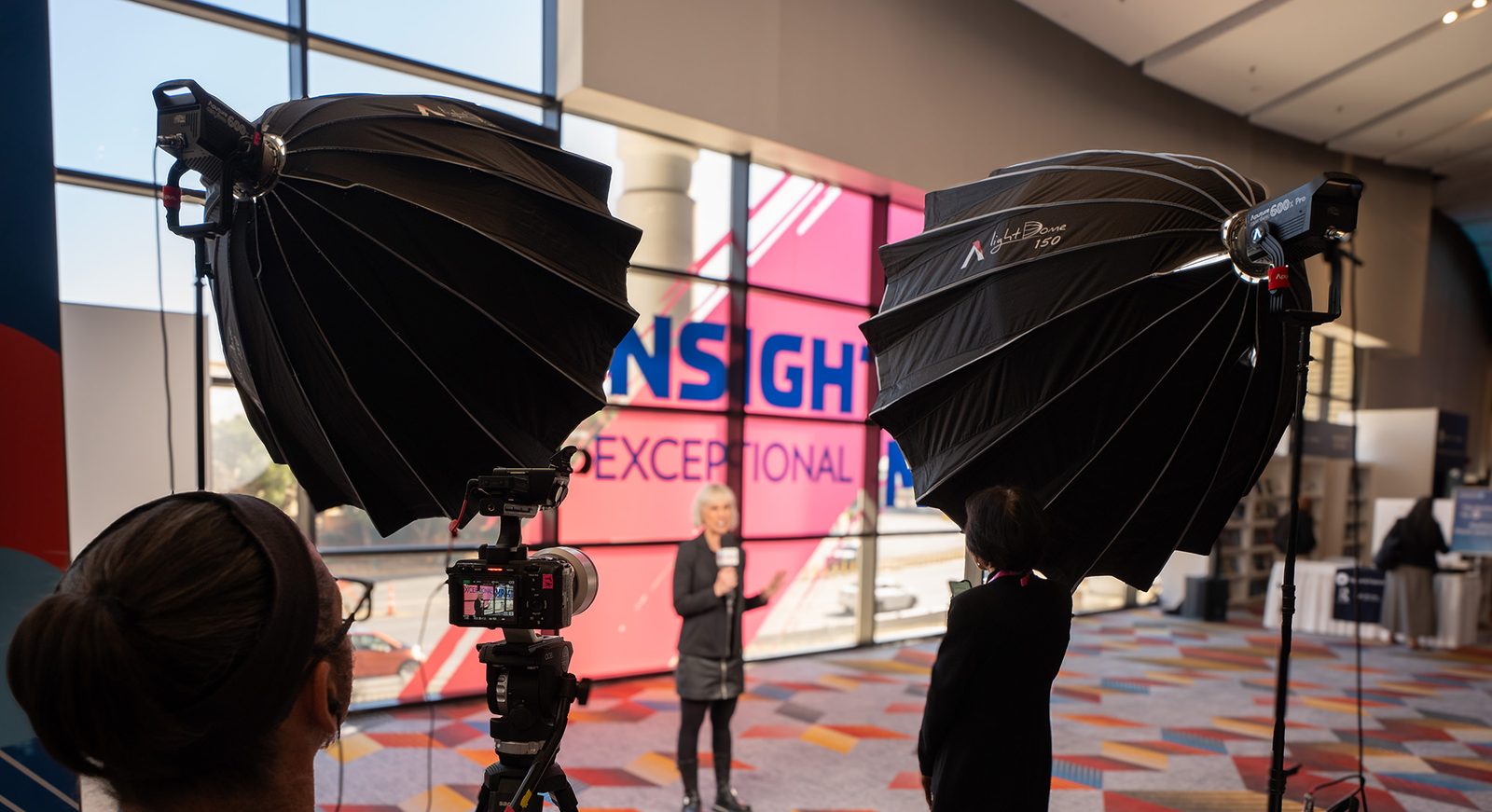
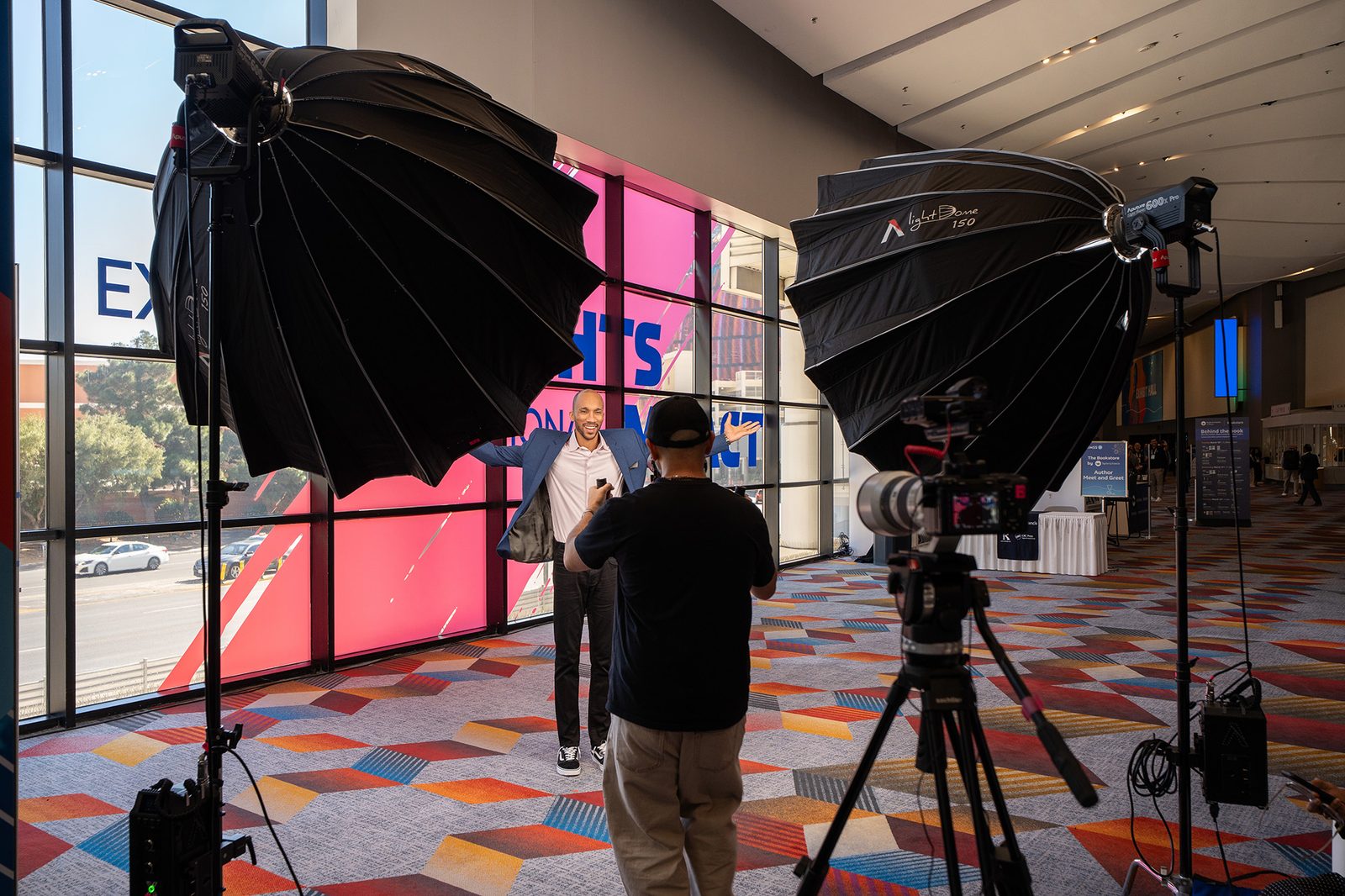
To compensate for these stringent light demands, the team deployed two Aputure LS 600x Pro bi-color LED lights, each paired with a substantial 60-inch Light Dome 150 softbox. These powerful lights, known for their high output and versatility, proved indispensable in flooding the subject with enough illumination to achieve the correct exposure at 1/240th of a second and f/8. The large softboxes ensured the light was soft and flattering, essential for the "glamorous" aesthetic of the shots.
The camera, a Sony FX3, was mounted on a DJI Ronin RS4 Pro gimbal, augmented with Tilta dual handles. The dual-handle setup was critical for stability and control. A single-handed push-in motion towards a subject, especially at the speeds required for high-speed capture, can easily introduce unwanted shakiness. The added leverage and control offered by the dual handles allowed the operator to execute smooth, intentional movements, mimicking the fluid, precise motion of a robotic arm without appearing rushed or amateurish. After a few crucial practice runs, the team successfully captured footage that, on screen, convincingly replicated the energy and visual appeal of actual Glambot productions.
Transitioning to Candid Interviews: Capturing Authentic Voices
Immediately following the stylized high-speed shots, the production seamlessly transitioned to the second client request: person-on-the-street interviews with convention attendees. This pivot required a complete re-evaluation of equipment setup, prioritizing speed, audio quality, and subject comfort over elaborate visual effects.
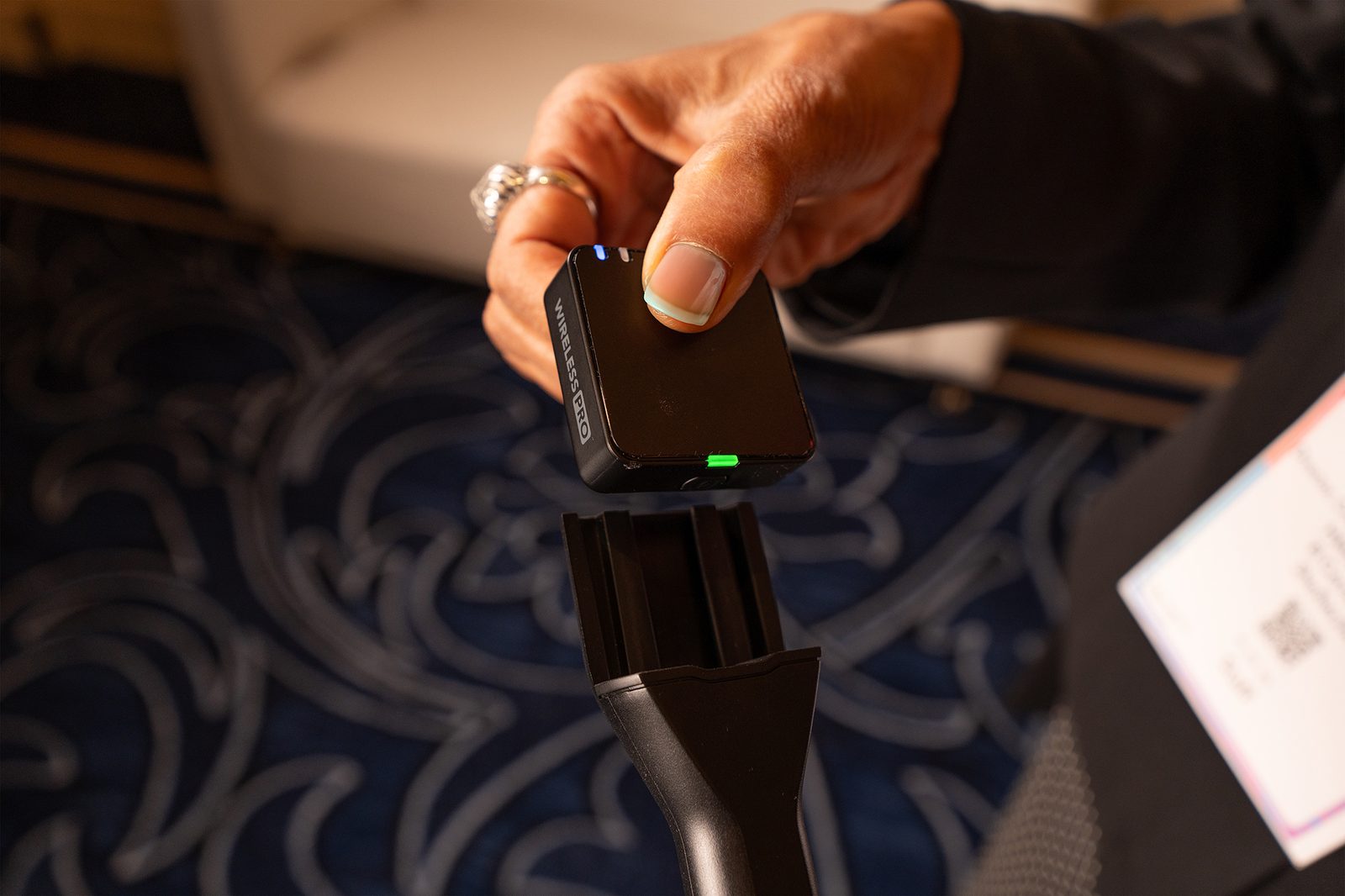
A second Sony FX3 camera was quickly mounted on a tripod, serving as the static interview camera. For audio, a Rode Wireless Pro 2-person lav mic system was integrated. Crucially, the team utilized a Rode Interview GO Handheld Mic Adapter. This accessory allowed a transmitter from the wireless system to be snapped onto a handheld microphone, which could then be directly handed to interview subjects. This streamlined audio solution eliminated the need for awkward clipping of lavalier microphones onto unfamiliar clothing or managing cumbersome cables, a critical factor when dealing with non-professional subjects under time constraints (approximately five minutes per attendee). The result was clean, professional audio captured efficiently, allowing for a natural flow of conversation.
The choice of lens for the interviews was equally strategic. The team opted for a Sony 70-200mm f/4 G OSS lens. While a longer focal length might typically be chosen for aesthetic reasons like background compression, its primary benefit in this context was psychological. Many convention attendees are unaccustomed to being on camera and can become visibly tense when a wide-angle lens, often perceived as "in their face," is pointed at them. By using a telephoto lens, the videographer could maintain a greater physical distance from the interviewee, creating a more relaxed and less intimidating environment. This subtle psychological tactic allowed subjects to loosen up, fostering more genuine and engaging responses, which ultimately yielded richer conversational content for the client.
Implications and Broader Impact
This case study vividly illustrates several key trends and implications within the professional videography and event production industries:
- The Rise of Agile Production: The demand for varied content, often with rapid turnaround, necessitates production teams that are not only technically proficient but also highly adaptable and capable of quick problem-solving. The ability to pivot from a complex, stylized setup to a run-and-gun interview format underscores the evolving skill set required of modern videographers.
- Strategic Equipment Utilization: Maximizing the potential of existing or readily rentable equipment is paramount. The successful mimicry of a high-end robotic system using a gimbal, a capable camera, and ample lighting demonstrates that creative application of standard tools can often achieve results comparable to specialized, expensive gear.
- The Role of Rental Services: Services like Lensrentals.com played a critical role in facilitating this adaptability. The ability to quickly procure specific, high-performance equipment (such as the Aputure lights, Sony FX3 cameras, and Rode audio gear) and have it delivered directly to the event location streamlines logistical challenges and enables producers to meet diverse client needs without the substantial capital investment of owning every piece of specialized equipment. This "just-in-time" equipment access is increasingly vital for project-based creative industries.
- Beyond Technical Skills: Human-Centric Production: The strategic lens choice for interviews highlights that effective videography extends beyond mere technical proficiency. Understanding human psychology and employing techniques that put subjects at ease can significantly impact the quality and authenticity of captured content, particularly in documentary or interview-style formats.
- Cost-Effectiveness and Client Value: By providing high-quality, diverse content through resourceful means, the production team delivered significant value to the client. They achieved the desired visual aesthetics and authentic narratives without incurring the prohibitive costs associated with specialized robotic equipment or extensive pre-planning for two drastically different production styles. This approach aligns with broader industry trends focusing on delivering maximum impact within practical budgetary constraints.
Ultimately, the success of this convention shoot was not predicated on deploying the most expensive technology or a massive crew. Instead, it was a testament to meticulous preparation, profound technical knowledge, and an unwavering commitment to adaptability. From crafting high-fashion flair with a gimbal and lights to engaging in run-and-gun journalism with a strategically chosen lens and portable audio, the overarching goal remained consistent: to capture the dynamic energy of the event without allowing the gear or logistical hurdles to impede the creative process. This project serves as a compelling reminder that in the fast-paced world of event videography, being prepared for the unexpected curveballs often yields the most impressive and client-satisfying results.