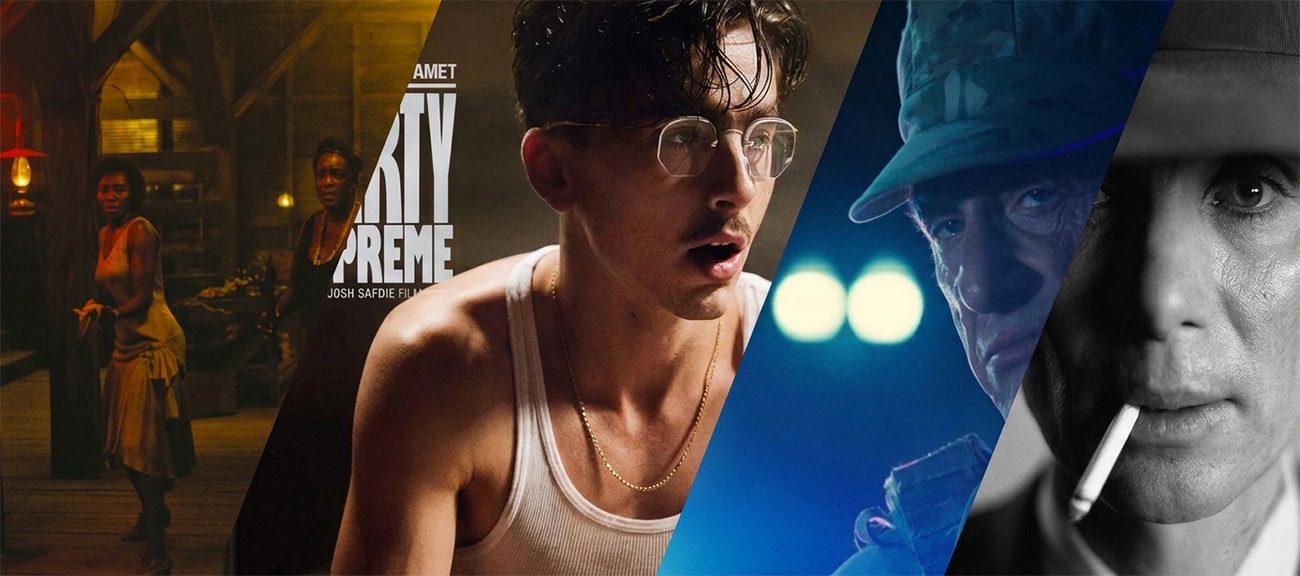
Following our recent exploration into the cameras behind this year’s Oscar-nominated films, it becomes clear that while cutting-edge photographic equipment is foundational, it represents only a fraction of the intricate ecosystem required to elevate a motion picture to cinematic greatness. The true magic, often unseen and meticulously crafted, frequently lies in the masterful manipulation of light. This article shifts focus to dissecting the sophisticated lighting techniques and tools employed by top cinematographers to create the iconic, emotionally resonant scenes witnessed in contemporary film and television productions, encouraging a deeper, more analytical appreciation for the visual storytelling craft.
The Unseen Architects: Why Lighting Matters in Cinema
Lighting in filmmaking is far more than mere illumination; it is a profound narrative device, a psychological tool, and an aesthetic cornerstone. Directors of Photography (DPs) and their lighting crews, often considered the unsung heroes of a production, meticulously sculpt light to define mood, highlight character, guide the viewer’s gaze, and underscore thematic elements. A high-key lighting setup might evoke optimism or innocence, while low-key lighting can suggest mystery, tension, or despair. The quality of light—hard or soft—impacts texture and shadow, influencing how an audience perceives a character’s vulnerability or strength. Color temperature, too, plays a critical role, with warm tones often conveying comfort or nostalgia, and cool tones evoking detachment or starkness. These deliberate choices transform a scene from a flat recording of reality into a three-dimensional tapestry of emotion and meaning. Industry experts often highlight that while a camera captures the image, it is the mastery of light that truly sculpts the visual narrative, transforming mere footage into compelling cinema.
A Historical Glimpse: Evolution of Cinematic Illumination
The art of cinematic lighting has a rich and dynamic history, evolving from the rudimentary reliance on natural sunlight in early cinema to today’s complex digital setups. In the nascent days of filmmaking, studios were often constructed with glass roofs to maximize natural light, leading to the moniker "glass houses." The advent of artificial lighting, particularly arc lamps and incandescent bulbs, revolutionized the possibilities, allowing filmmakers to control illumination regardless of weather or time of day. This shift gave rise to fundamental techniques like three-point lighting (key, fill, and backlight), which became a staple for creating dimensionality and separation.
The German Expressionist movement of the 1920s pushed the boundaries, using stark contrasts, exaggerated shadows, and unconventional angles to reflect psychological states, laying groundwork for the dramatic lighting characteristic of Film Noir in the 1940s and 50s. Innovators like Gregg Toland, DP for "Citizen Kane," experimented with deep focus and extensive practical lights to create unique visual depth. The latter half of the 20th century saw the introduction of more sophisticated HMI (Hydrargyrum Medium-arc Iodide) lights, fluorescent tubes, and eventually, the transformative power of LED technology, offering unprecedented control over color, intensity, and versatility. Digital tools for pre-visualization and lighting design have further empowered DPs, allowing for meticulous planning before a single light is set on location. This continuous evolution underscores the enduring quest to harness light as an essential storytelling element.
Deconstructing Masterpieces: An Analytical Approach to Film Lighting
While discerning the specific camera used for a film is often straightforward through production notes or industry databases, unraveling the intricate lighting blueprints for individual scenes presents a significantly greater challenge. Professional lighting diagrams and detailed breakdowns are proprietary, part of the intellectual property of the highly compensated cinematographers and gaffers who craft them. However, for aspiring filmmakers and enthusiasts, the exercise of reverse-engineering these setups from still images offers an invaluable educational pathway.
Utilizing specialized software like set.a.light 3d, which offers a robust platform for 3D modeling and lighting diagram creation, provides a practical means to engage in this analytical process. This tool allows users to virtually place lights, subjects, and environmental elements, experimenting with various light qualities, modifiers, and positions to replicate the visual effects observed in professional stills. This hands-on approach demystifies complex scenes, making the abstract principles of lighting tangible and understandable. It fosters a critical eye, training one to observe specular highlights, shadow fall-off, catchlights, and color temperatures as clues to the lighting scheme. The following analyses, created through such an exercise, aim to illuminate the ingenious choices made by cinematographers in several popular productions. It’s important to note these are interpretative breakdowns, intended for educational insight rather than definitive claims of the exact equipment or placement used on set.
Case Study 1: "Marty Supreme" – The Power of Hard Light
Image: Marty Supreme – Key Advert Image
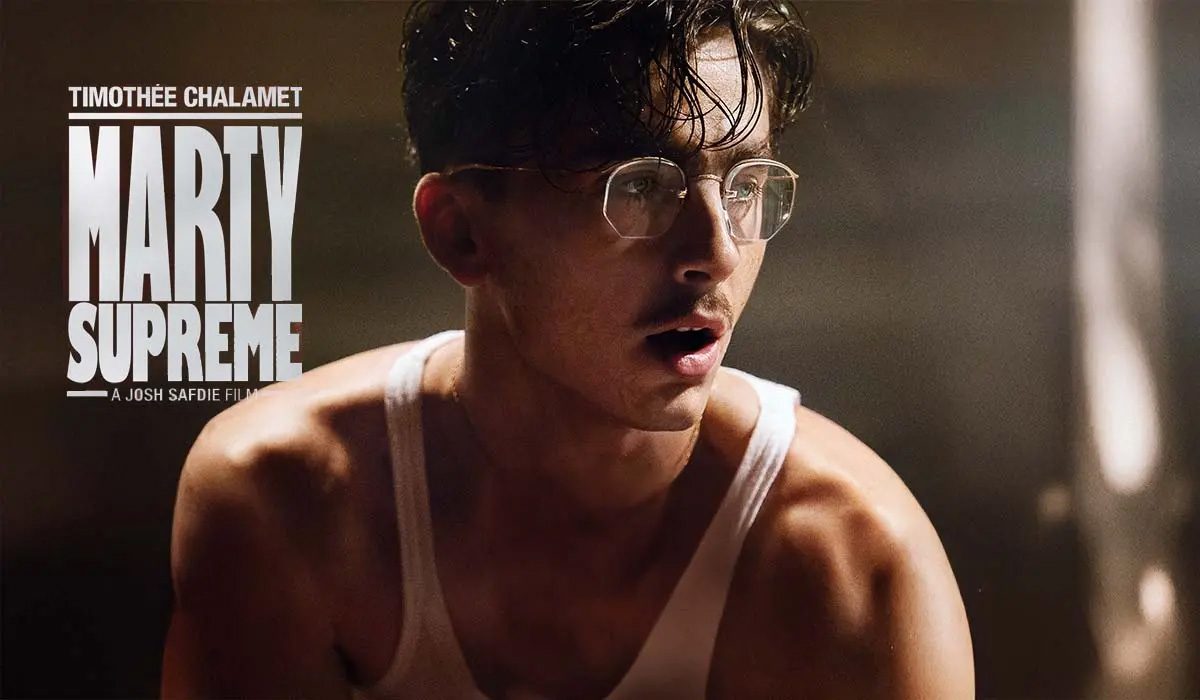
The promotional image for "Marty Supreme," a fictional film often characterized by its intense psychological drama, strikingly utilizes hard light to define its subject. The sharp, well-defined specular highlights and the pronounced, distinct shadows—particularly those cast by the subject’s nose and glasses—are unmistakable indicators of un-diffused, direct light sources. This choice is deliberate, contributing significantly to a sense of starkness and high contrast, which often mirrors the internal conflict or uncompromising nature of a character.
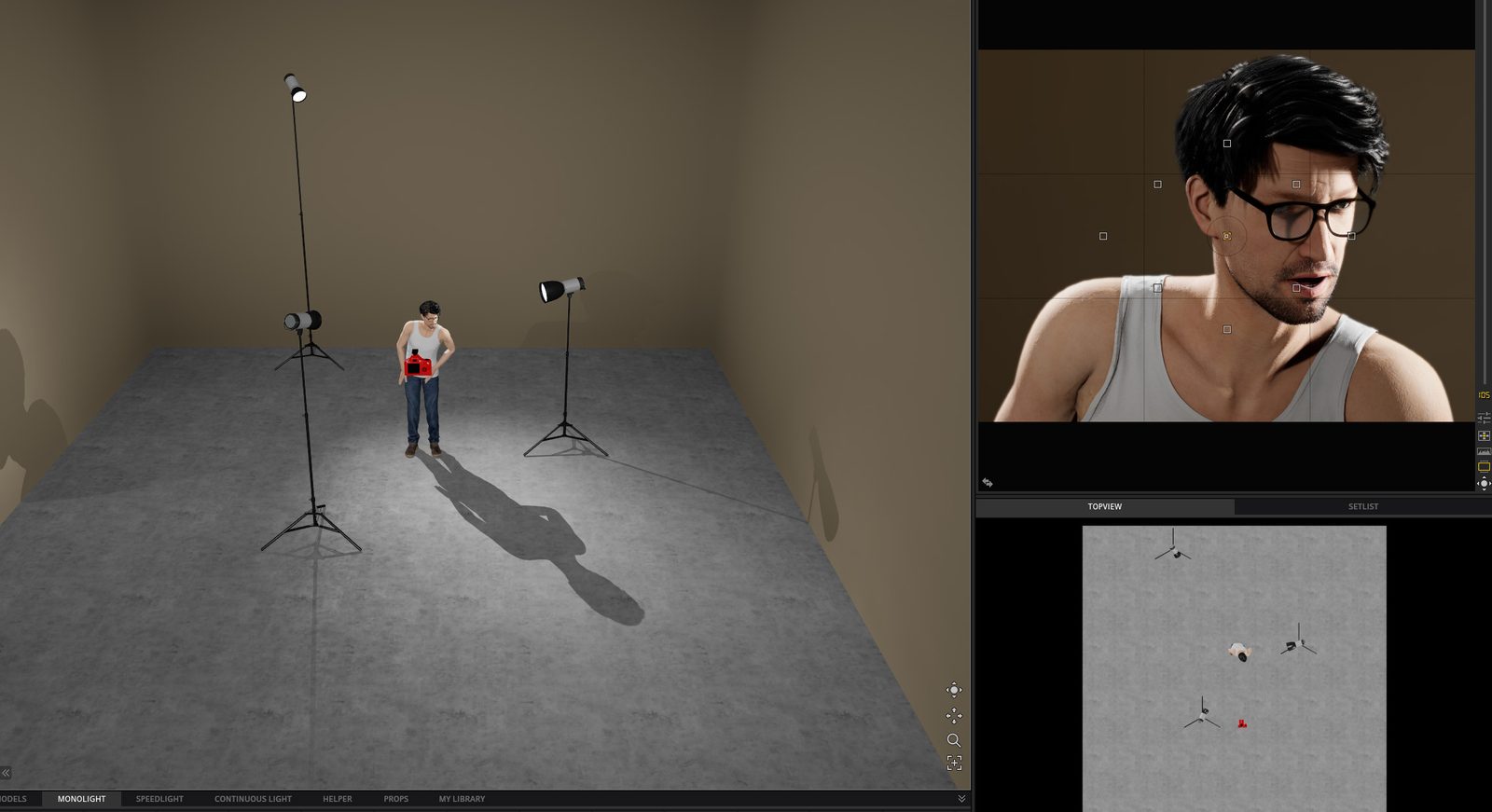
To replicate this visually impactful aesthetic, a three-light setup without diffusion was employed. A primary rim light was positioned camera-right, equipped with a grid to precisely control the light spill, ensuring a focused highlight on the shoulder and a distinct separation on the side of the face. A similar, equally undiffused light was placed on the opposite side, providing a complementary rim effect that further enhances the subject’s silhouette and often symbolizes a character caught between forces. Finally, a fill light, positioned camera-left, was introduced. This fill was carefully balanced to lift the deepest shadows just enough to reveal detail on the shadow side of the face without sacrificing the overall dramatic contrast. The result is a portrait that is both arresting and emotionally charged, a testament to how the quality and placement of light can sculpt a character’s presence.
Image: Marty Supreme – Lighting Diagram
Case Study 2: "Sinners" – Crafting Mood with Multi-Colored Sources
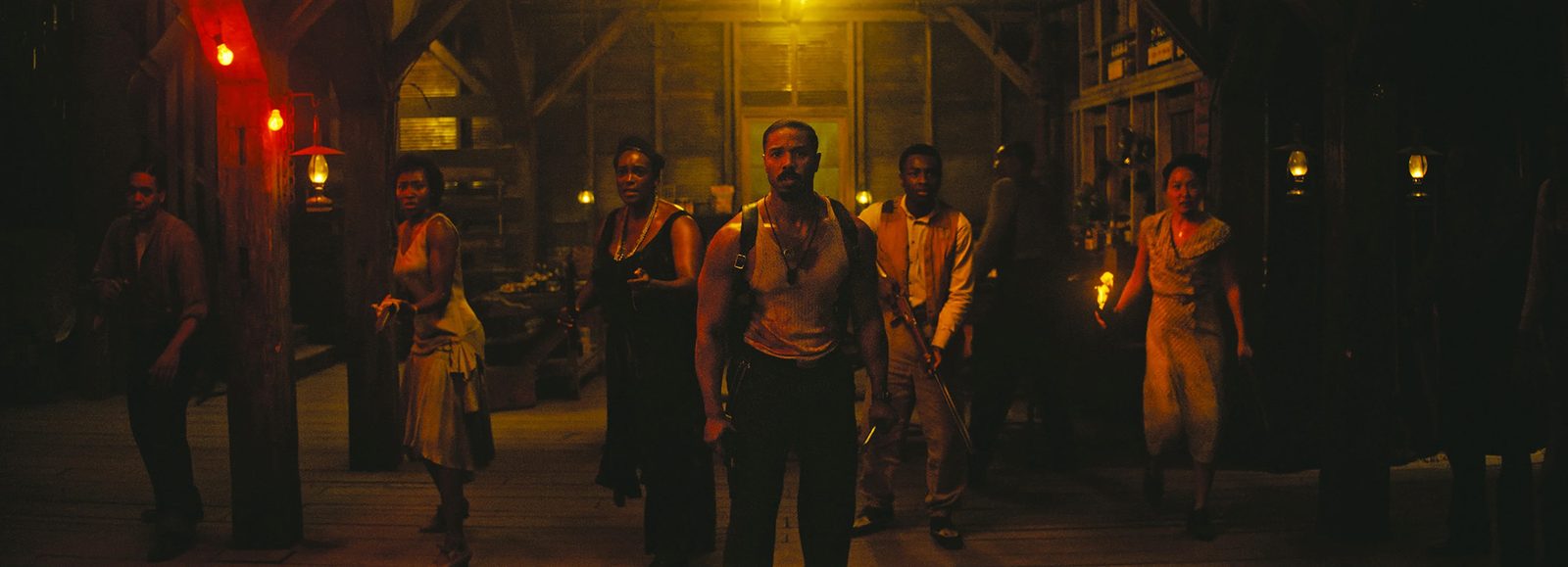
Image: Sinners – Key Group Scene
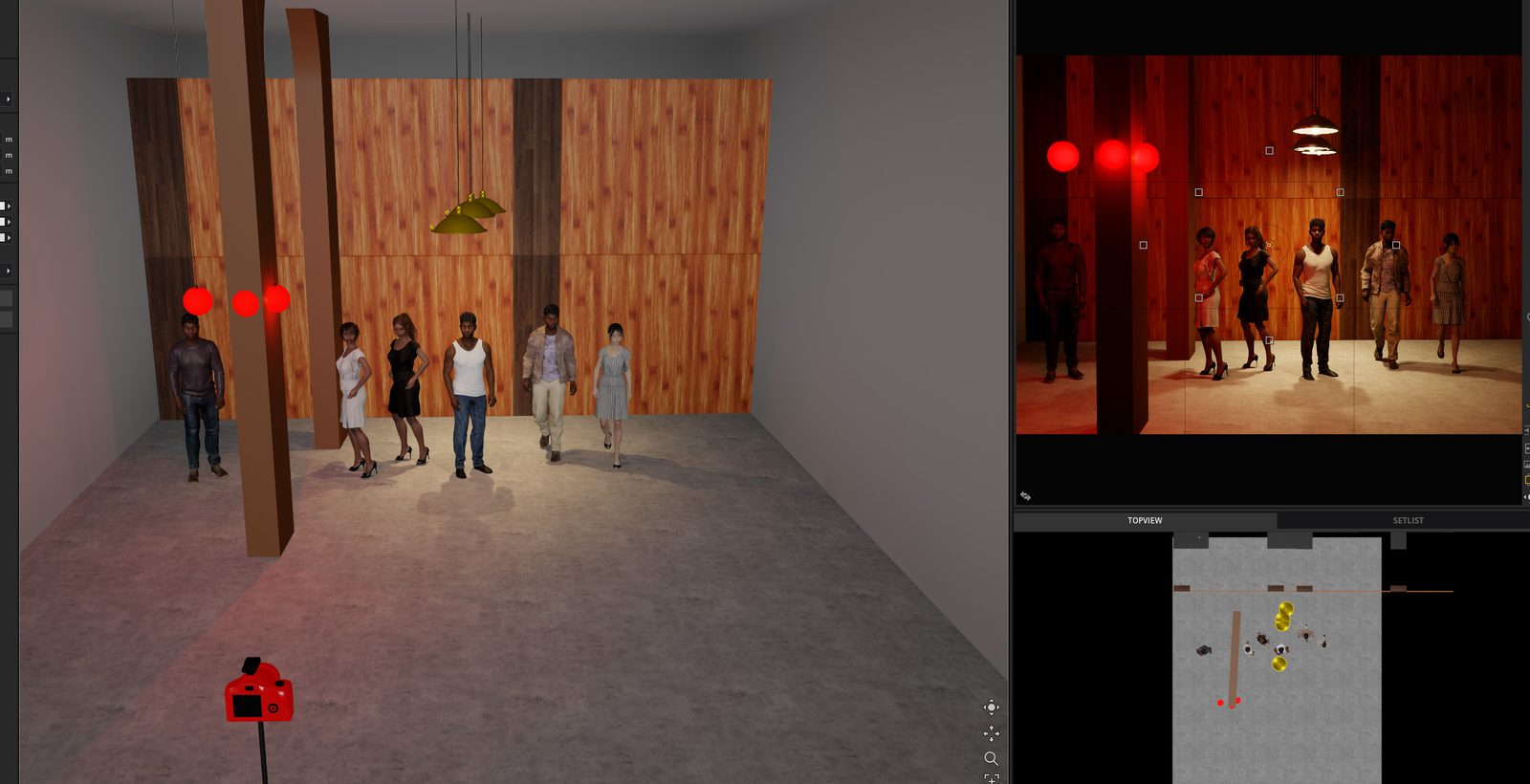
In "Sinners," a pivotal group scene masterfully blends various light sources, including practical fires and colored bulbs, to forge an atmosphere steeped in tension and mystique. The scene is an exemplary demonstration of using a multi-colored lighting palette to evoke a strong mood and narrative context within an interior setting. The interplay of warm, flickering firelight with cooler, static red and orange artificial hues creates a visually rich and complex tableau.
The initial step in deconstructing this scene involved constructing a basic architectural model of the interior space. The environment itself plays a crucial role in framing the subjects and adding depth, with light interacting with walls and surfaces to create reflections and ambient glows. Figures were then strategically placed in a staggered pattern, ensuring a dynamic composition where light and shadow could create contrast and visual interest across their forms and faces. Light sources, referencing the visible elements within the original frame (such as flickering fire effects and ambient colored glows), were then introduced. For the artificial colored lights, fixtures akin to the Aputure B7c—known for their RGBWW capabilities and versatility in matching specific color spectra—were simulated. The challenge lay in balancing the intensity and color of each source to achieve the nuanced interplay seen in the original, adjusting power levels until the desired atmospheric and dramatic effect was achieved, underscoring the cinematic potential of mixed lighting temperatures and colors.
Image: Sinners – Lighting Diagram
Case Study 3: "Oppenheimer" – Illuminating Character with Contrast
Image: Oppenheimer – Hero Shot
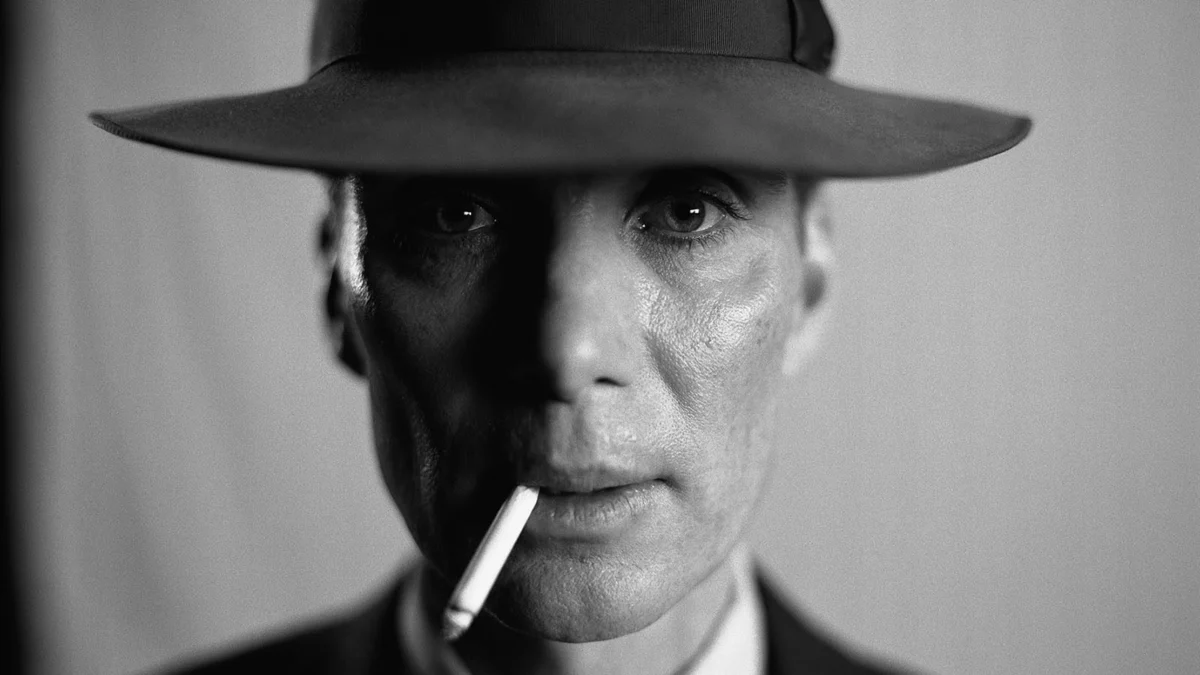
The "hero shot" of Cillian Murphy as J. Robert Oppenheimer, widely used in the film’s promotional campaign, is a study in profound character illumination through high contrast and dramatic split lighting. The image powerfully conveys intellectual intensity and perhaps a burden of thought, characteristics central to the protagonist. The striking interplay between stark highlights and deep shadows creates a palpable sense of drama, while the subtle yet impactful catchlights in the eyes imbue the shot with emotion and psychological depth, drawing the viewer into Oppenheimer’s contemplative state.
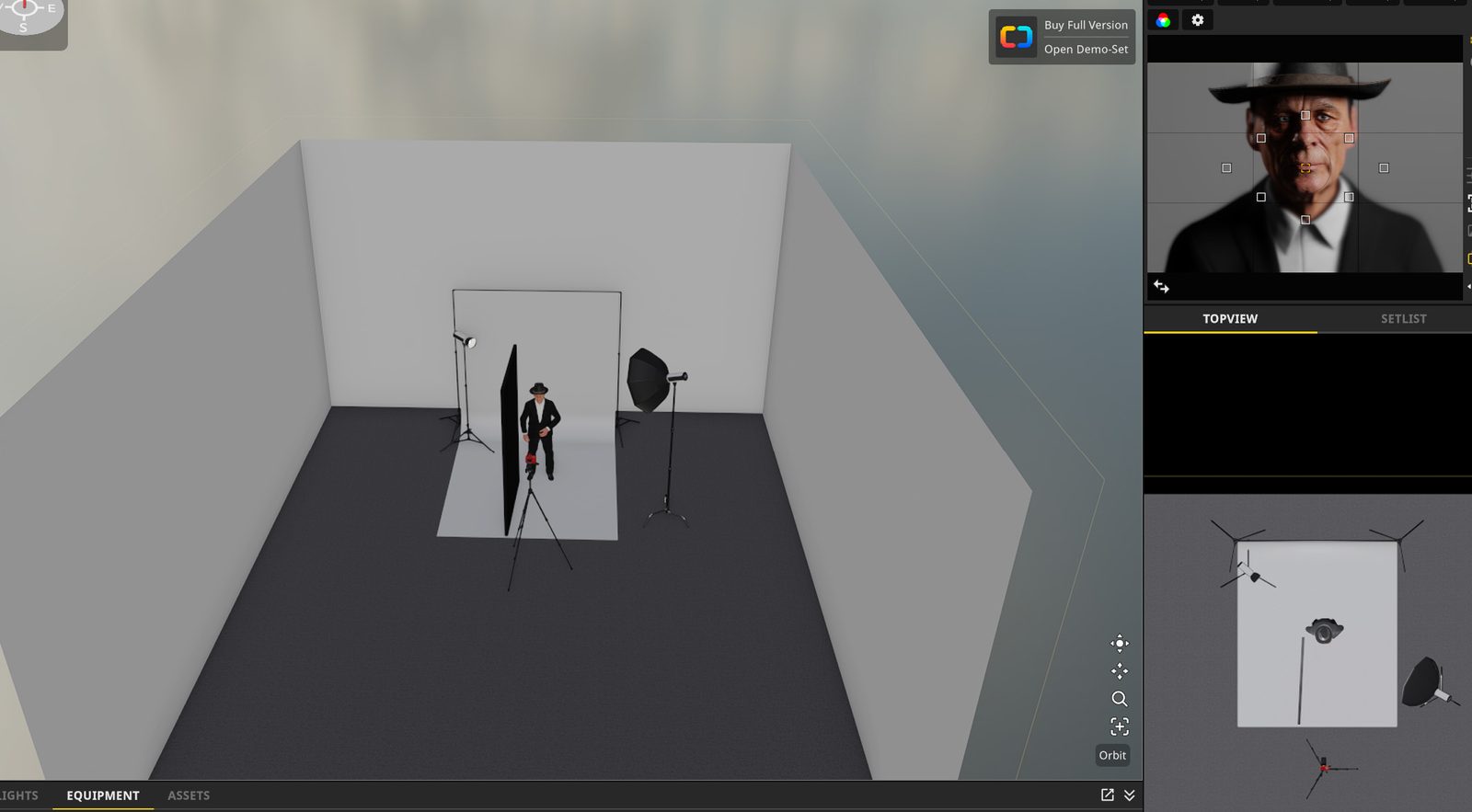
To recreate this iconic look, the primary light source was a relatively small, gridded Octobox positioned camera-right. The grid is crucial here, serving to precisely control the light spill and prevent it from diffusing too broadly, thus maintaining the desired hard light quality and sharp shadow lines. The choice of an Octobox, even a smaller one, is significant for the catchlight it produces—its octagonal shape creating a slightly larger, more nuanced reflection in the eyes, which is vital for conveying the character’s profound emotional state. To further enhance the contrast and sculpt the shadows, a black blocking board was placed in close proximity to the subject, camera-left. This technique effectively absorbs ambient light, deepening the shadows and creating a more pronounced separation between the illuminated and unlit sides of the face. Completing the setup, a bare light was introduced from behind and slightly to the left, serving as a subtle rim light to further define the subject’s profile and add a touch of separation from the background, solidifying the dramatic impact of the image.
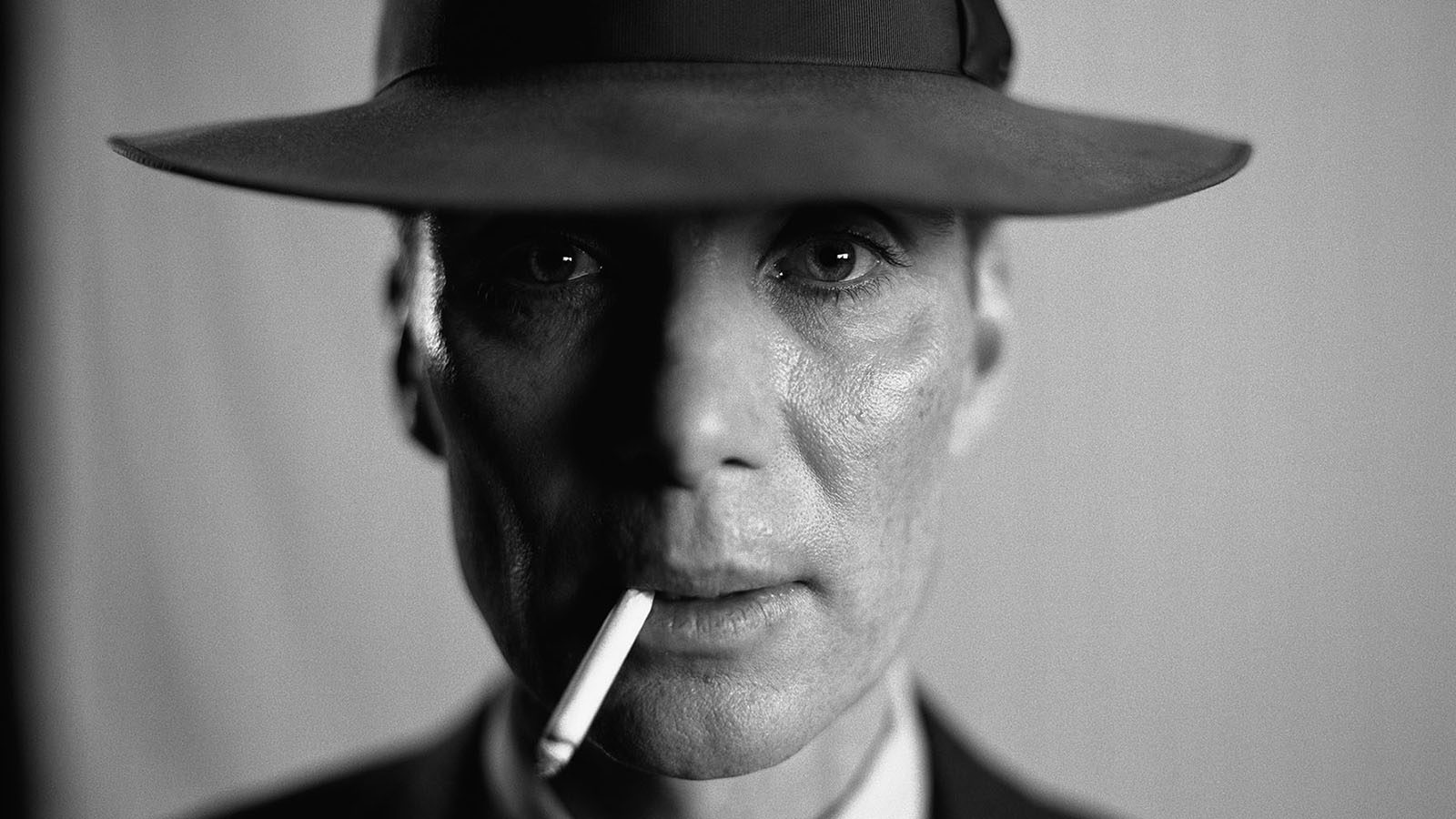
Image: Oppenheimer – Lighting Diagram
Case Study 4: "One Battle After Another" – Narrative Through Dynamic Lighting
Image: One Battle After Another – Lockjaw Scene
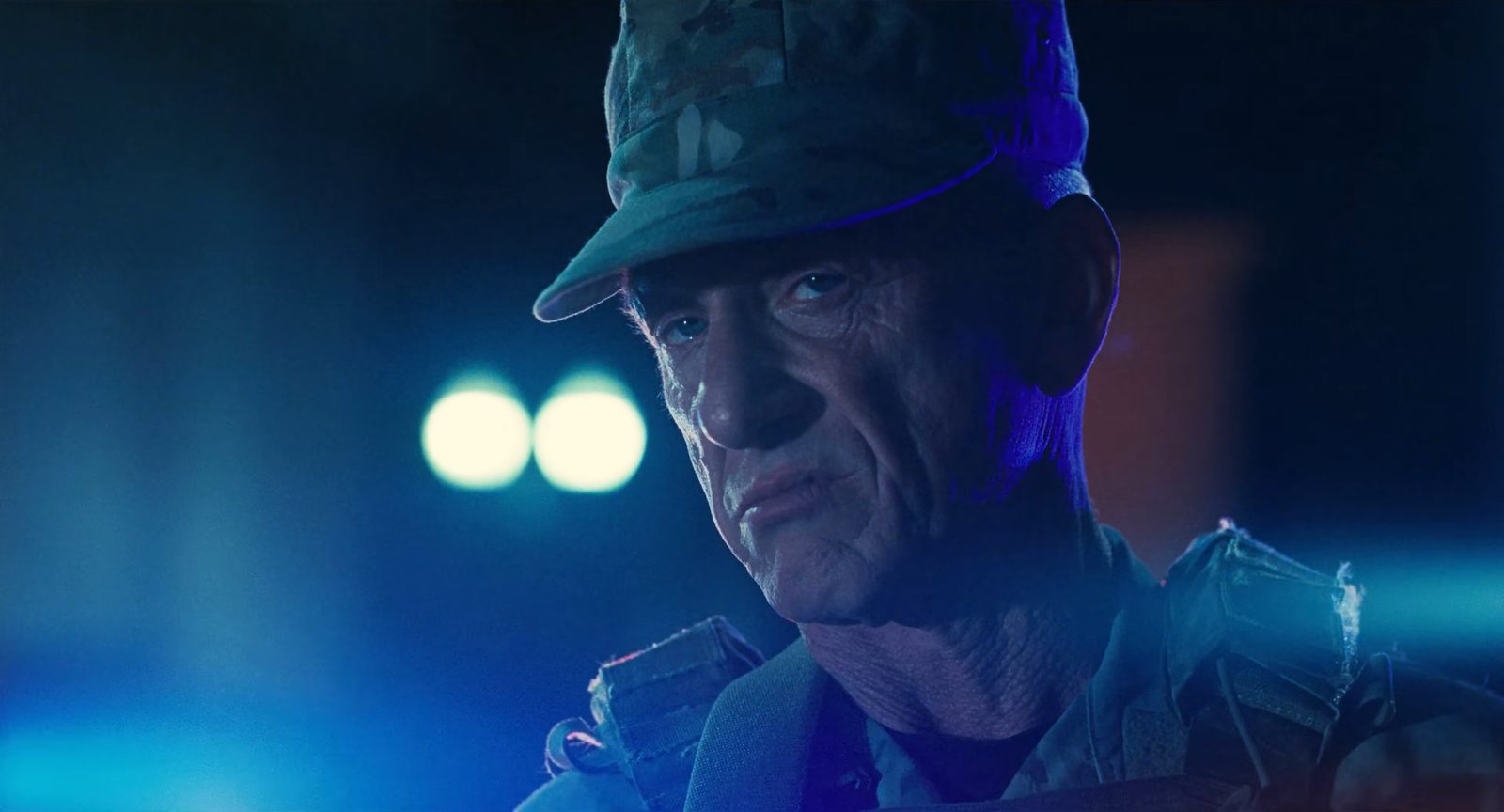
"One Battle After Another," a critical and commercial success that garnered Best Picture at this year’s Academy Awards, was lauded for its exceptional cinematography and gripping narrative. While much of the film benefited from authentic on-location shooting and natural light, its night scenes, particularly those featuring Sean Penn’s antagonist, Lockjaw, were meticulously crafted to enhance tension and character. The "Lockjaw Scene" stands out as a prime example of using hard light to convey menace and a dynamic environment.
The pronounced shadows on Sean Penn’s face immediately signal the use of hard light sources, which create a gritty, unforgiving aesthetic suitable for the antagonist’s persona. The recreation began by establishing two harsh rim lights on either side of the subject. Crucially, one of these was colored blue, specifically to mimic the pulsating, transient illumination of police car lights in the background, subtly integrating environmental cues into the character’s lighting. After establishing these strong rim lights, a bare light was positioned at the front, its power significantly dialed down, to act as a subtle fill. This fill light softens the darkest facial shadows just enough to reveal key details without compromising the overall high-contrast, dramatic tone. A final observation from the original scene was the distinctive horizontal lens flare on the right side of the frame, a tell-tale sign of an anamorphic lens. This choice adds a cinematic flourish, enhancing the film’s visual identity and often indicating a broader scope or heightened drama. The combined effect of these lighting and lens choices creates a scene that is both visually arresting and narratively potent, cementing Lockjaw’s intimidating presence.
Image: One Battle After Another – Lighting Diagram
The Future of Visual Storytelling: Learning from the Masters
The meticulous analysis of film lighting, whether through professional study or personal exercises with tools like set.a.light 3d, offers invaluable insights into the craft of cinematography. Dr. Elara Vance, a prominent film theorist, notes that "the meticulous deconstruction of lighting setups, even hypothetical ones, is invaluable for cultivating a deeper appreciation of the craft and for training the next generation of visual storytellers." These exercises demystify the choices made by master DPs, making the complex art of lighting accessible to a broader audience and aspiring filmmakers.
As technology continues to advance, offering ever more precise and versatile lighting equipment, the fundamental principles of light remain timeless. The ability to observe, analyze, and recreate these intricate setups is a crucial skill for anyone serious about visual storytelling. This analytical approach not only deepens one’s understanding of acclaimed films but also provides a practical framework for approaching one’s own creative projects. The ongoing dialogue between artistic vision and technological innovation will continue to shape the future of cinematic illumination, but the lessons embedded in these breakdowns will forever be relevant. We encourage readers to engage in similar analyses when consuming film and television, fostering a more informed and appreciative eye. For those inspired to experiment with lighting their own scenes, a vast array of professional lighting equipment is available for rental, providing the tools to translate theoretical understanding into practical application.