As Lensrentals.com marks another year of operation, the occasion has prompted a comprehensive retrospective on the evolution of photographic technology and trends. Following analyses of the most popular rentals over the past 19 years and a detailed examination of groundbreaking gear, the focus now shifts to five distinct photography products and trends that the industry could benefit from seeing re-emerge, blending nostalgia with potential future innovation.
The Enduring Allure of Classic Digital Color Palettes
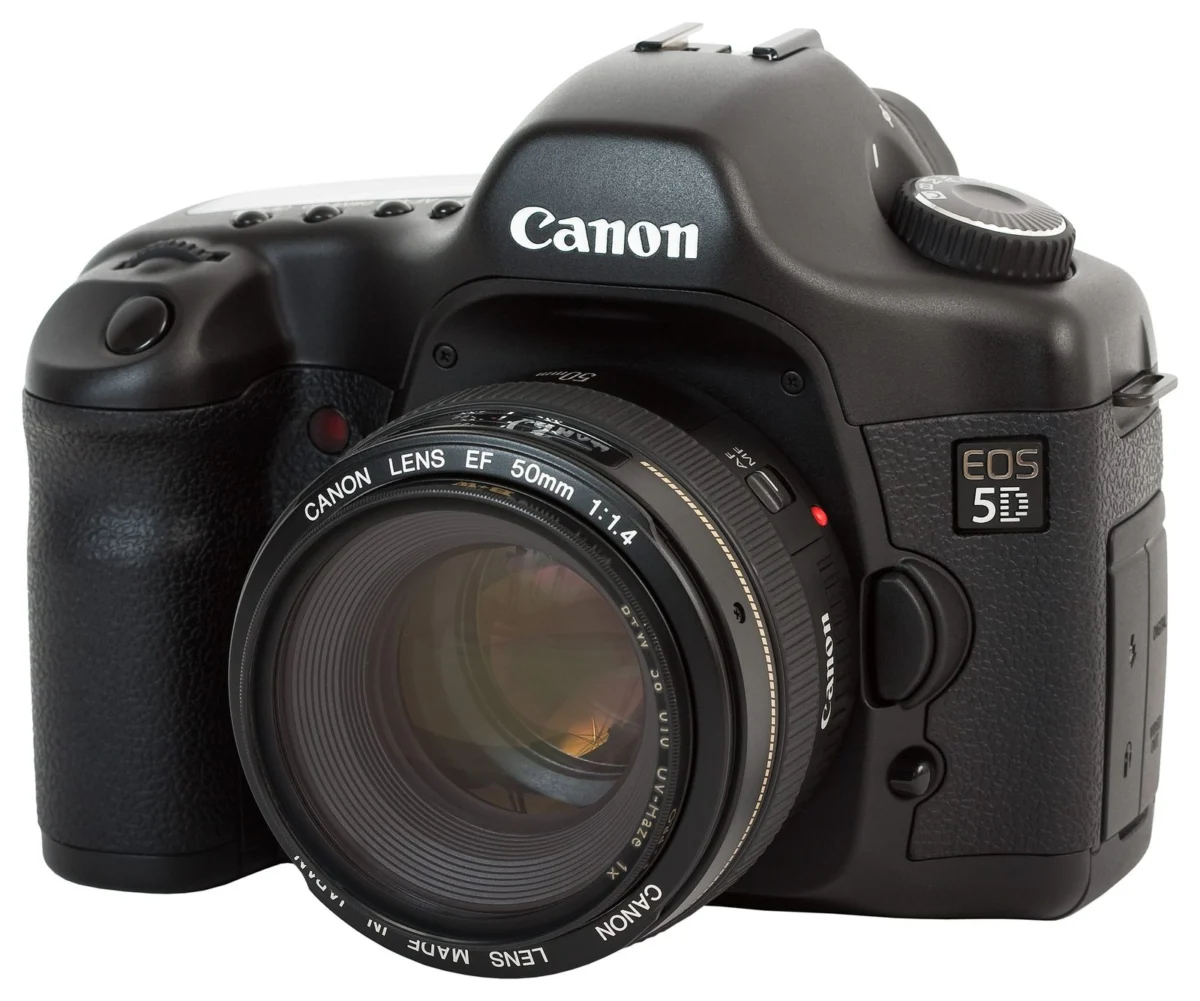
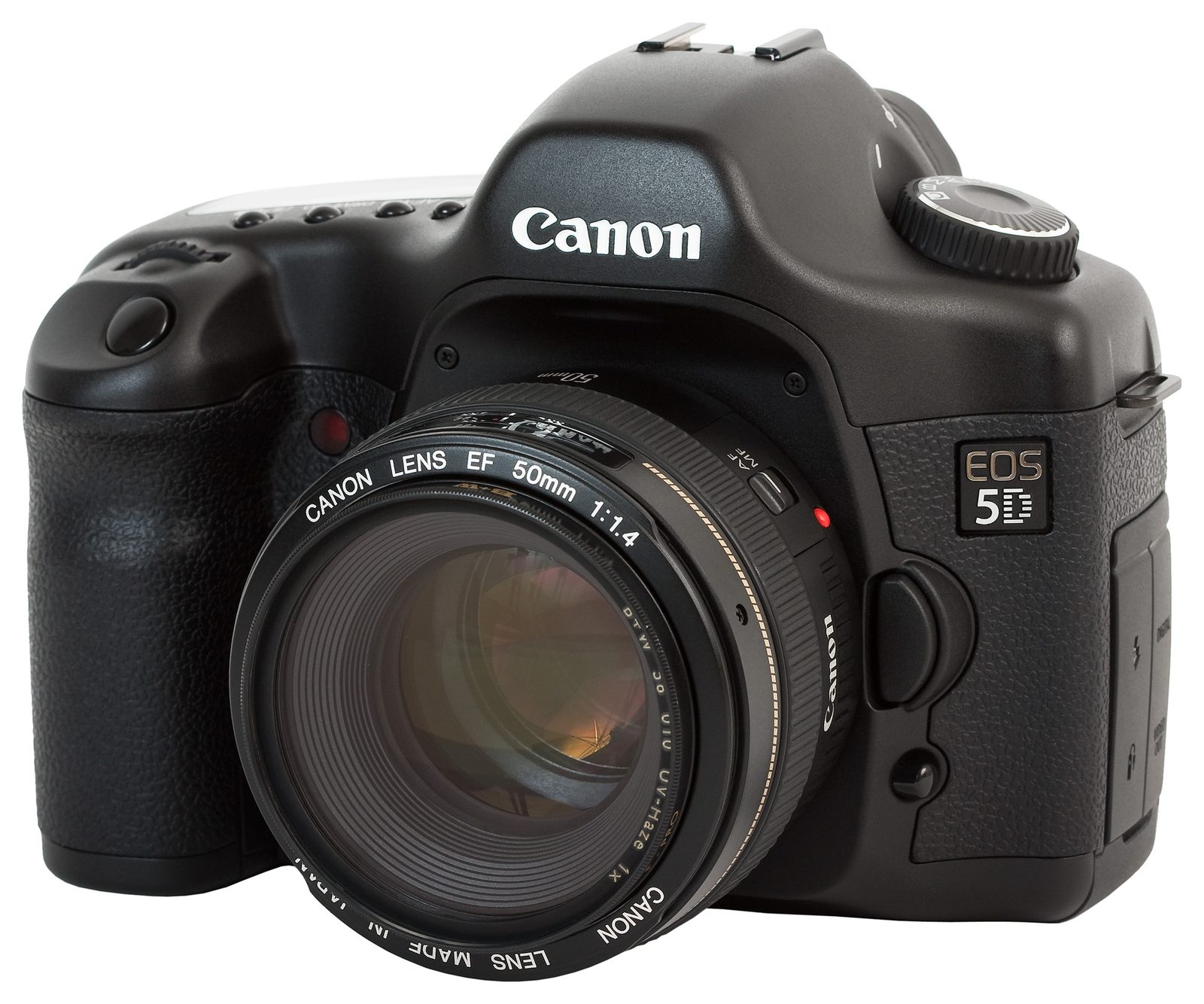
Among the most discussed aspects of digital photography’s early era is the distinctive color science of certain cameras, particularly the original Canon EOS 5D and its successor, the 5D Mark II. Launched in 2005, the Canon 5D quickly became a landmark full-frame DSLR, celebrated not just for its imaging capabilities but for a specific aesthetic quality that continues to captivate photographers. Online forums, photography blogs, and social media platforms frequently feature discussions attempting to replicate the unique color rendition of these cameras.
This distinctive look is often attributed to the technological limitations of early digital sensors. Unlike modern cameras that boast incredible color bit depth and dynamic range, sensors from the mid-2000s produced images with a slightly more muted, less saturated palette directly out of the camera. While contemporary sensors strive for vibrant, true-to-life colors, the Canon 5D and 5D Mark II rendered hues with a subtle understated quality that many found inherently artistic. Specifically, these cameras were noted for their adeptness in rendering blues while presenting reds with a slightly subdued tone, creating a unique visual signature.

Replicating this look in post-production is not a straightforward task of simply adjusting saturation. It often requires meticulous, photo-by-photo manipulation of individual color channels, making a consistent aesthetic challenging to achieve. This demand highlights a significant opportunity for manufacturers. Inspired by Fujifilm’s highly successful film simulations, which accurately emulate iconic film stocks, Canon could introduce "classic camera simulations." These digital presets would aim to replicate the unique characteristics of their seminal cameras, including their specific color palettes and even subtle digital noise, while retaining the sharpness and resolution capabilities of modern hardware. Such a feature could offer photographers a distinct creative tool, bridging the gap between historical aesthetics and contemporary technology. Industry analysts suggest that integrating such historical color profiles could differentiate brands in a competitive market, appealing to both seasoned professionals nostalgic for past eras and new photographers seeking unique visual styles beyond generic "clean" digital looks. This move would acknowledge the artistic value of past sensor characteristics, transforming perceived limitations into desirable creative features.
The Resurgence of Pocketable Point-and-Shoot Cameras
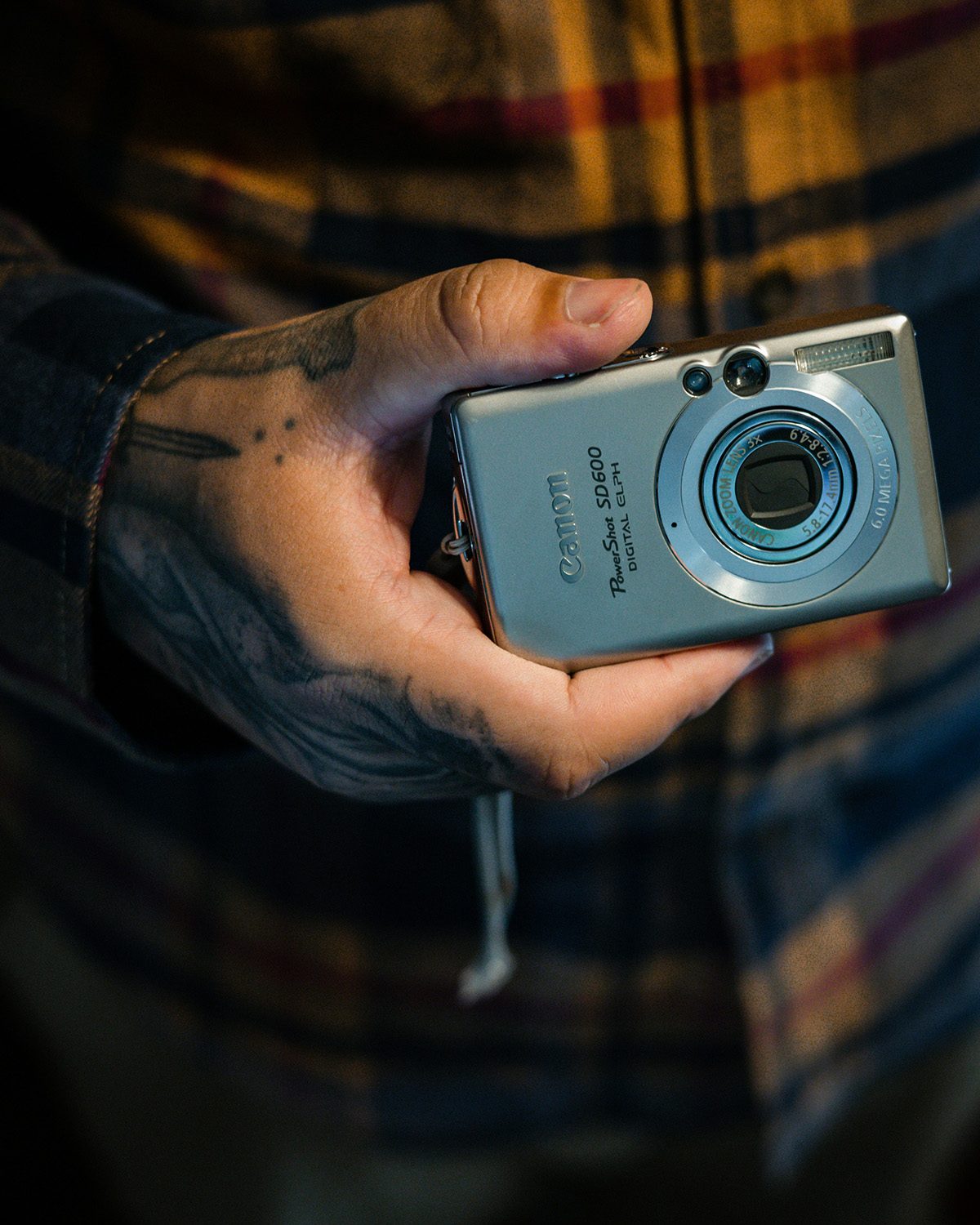
The photographic landscape has witnessed an unexpected resurgence in the popularity of vintage point-and-shoot cameras, particularly among younger demographics under 25. This trend bypasses high-end modern compacts like the Sony RX1R III or RX100 VII, instead favoring models from over a decade ago, such as early 2000s Canon PowerShots or Nikon CoolPix systems. Several factors contribute to this phenomenon, including a desire for nostalgic color palettes, the charming imperfections of less sophisticated light metering, and, crucially, their superior portability compared to most contemporary cameras.
The decline of traditional point-and-shoot cameras began in the late 2000s and accelerated through the 2010s with the rapid advancement of smartphone cameras. As phone cameras became increasingly capable and ubiquitous, they effectively absorbed the casual photography market. In response, camera manufacturers largely pivoted their compact camera strategies towards the "prosumer" segment, developing feature-rich models with larger sensors and manual controls designed for enthusiasts willing to invest more. While these cameras offer excellent image quality and versatility, they often come with higher price tags and larger form factors, diminishing their "pocketability."
The current trend reflects a counter-movement driven by what some cultural commentators term "internet exhaustion." As individuals seek respite from the constant bombardment of digital notifications and curated online personas, there’s a growing appetite for simpler, more intentional experiences. Vintage point-and-shoots offer a tangible, dedicated photographic tool that encourages a focus on the moment rather than immediate sharing or endless editing. Their relatively unsophisticated sensors and fixed lenses often produce images with a distinct, often lo-fi, aesthetic that contrasts sharply with the hyper-perfected imagery common on social media. This "imperfect" quality is seen not as a flaw but as a feature, lending authenticity and character to photographs.
For major brands like Canon and Nikon, this presents an opportunity to re-evaluate their entry-level offerings. Instead of competing directly with smartphones on technical specifications, they could embrace the nostalgic demand by developing new, genuinely pocketable point-and-shoot cameras priced accessibly—ideally well below the $800 mark of premium compacts. These new models could deliberately incorporate elements of vintage aesthetics in their image processing, alongside the convenience and robust build quality of modern manufacturing. Such a move would cater to a market segment currently served by second-hand, often unreliable, vintage equipment, providing a reliable, modern alternative that captures the desired retro vibe without the inherent limitations of aging electronics. The implications could include revitalizing a neglected product category and attracting a new generation of photographers to dedicated camera systems, potentially fostering long-term brand loyalty.
The Enduring Charm and Practicality of Disposable Cameras
Extending the theme of accessible and nostalgic photography, a compelling case can be made for the resurgence of disposable cameras. These simple, often plastic, single-use film cameras, once a ubiquitous presence at grocery store checkout lines, offered an unparalleled blend of convenience and low-stakes photography. For many families growing up without a dedicated camera, disposables served as the primary means of capturing memories during vacations, parties, or everyday events. Their straightforward operation—point and shoot—made photography accessible to everyone, regardless of technical skill.
The peak popularity of disposable cameras spanned the 1980s and 1990s, before the widespread adoption of digital cameras in the early 2000s and subsequently, smartphones. Their decline was rapid as digital photography offered instant gratification, unlimited shots, and easy sharing. However, the current wave of nostalgia, particularly for "imperfect" aesthetics over clinical sharpness and precise color rendering, positions disposable cameras for a potential comeback. Few photographic tools evoke such a strong sense of unpretentious memory-making. The inherent limitations—fixed focus, often rudimentary flash, and the surprise element of developing film—contribute to their unique charm.
While the widespread availability of affordable one-hour photo development services is largely a relic of the past, the underlying appeal of disposable cameras remains. Modern iterations could address some of these challenges. For instance, manufacturers like Kodak and Ilford continue to produce disposable cameras, signaling a sustained niche market. A broader resurgence could involve partnerships with specialized labs or integrated mail-in development services to simplify the post-capture process for consumers. Furthermore, considering environmental concerns, a renewed interest could spur the development of more sustainable disposable models, perhaps incorporating recycled plastics or a take-back program for recycling.
The implications of a disposable camera comeback extend beyond mere nostalgia. They could serve as an excellent entry point into the world of film photography, offering a low-cost, low-commitment way for new users to experience the tactile process of film without investing in expensive gear. They could also appeal to those seeking a "digital detox" experience, forcing a more deliberate approach to photography where each shot counts, and the anticipation of seeing the developed images becomes part of the joy. Such cameras would carve out a distinct space from smartphone photography, offering a unique blend of analogue charm and simple utility for capturing ephemeral moments.
Pushing Optical Limits: The Call for Ultrafast Prime Lenses (<f/1.2)
Before the megapixel race dominated camera development in the early 2000s, another, arguably more artistic, competition unfolded within the optics industry: the quest for the fastest possible lens. This pursuit aimed to achieve apertures significantly wider than f/1.4, venturing into f/1.2, f/1.0, and even wider, delivering unparalleled light-gathering capabilities and exquisitely shallow depth of field. A prime example of this engineering marvel is the Leica Noctilux-M 50mm f/0.95 ASPH, which debuted in 2008, pushing the boundaries of what was considered optically feasible for a commercially available lens.
Canon also played a significant role in this "fast lens race." The Canon EF 50mm f/1.0L, released in 1989, was a testament to optical ambition, offering an f/1.0 aperture within their EF system. While renowned for its extreme speed and the dreamy bokeh it produced, it was also acknowledged for its challenging sharpness characteristics, especially wide open. Another legendary optic from Canon, the EF 200mm f/1.8L, launched in 1988, represented an even more formidable achievement. This large and heavy telephoto prime, despite its considerable size and weight, delivered astonishingly sharp results at f/1.8, creating an incredibly narrow plane of focus that made it highly sought after for portraiture and low-light sports photography.
The advent of mirrorless camera platforms, characterized by their shorter flange focal distance, has reignited discussions about the theoretical limits of lens design. The reduced distance between the lens mount and the sensor offers lens designers greater freedom to create optically superior lenses, potentially making previously challenging designs more feasible. While modern lens development often prioritizes absolute sharpness across the frame and advanced autofocus capabilities, there is a distinct segment of photographers who value the unique aesthetic qualities afforded by ultra-wide apertures—the extreme background separation, the ethereal glow in low light, and the distinct rendering of out-of-focus areas.

A renewed commitment from major manufacturers to develop more accessible ultrafast prime lenses (e.g., f/1.2 or wider) would represent a significant step forward for creative photography. While lenses like the Canon RF 50mm f/1.2L already exist, pushing these boundaries further, perhaps with more diverse focal lengths, could inspire a new wave of photographic expression. This would involve confronting engineering challenges related to chromatic aberration, coma, and ensuring acceptable sharpness, but the artistic rewards could be substantial. Industry experts suggest that the mirrorless era offers an ideal canvas for this optical renaissance, allowing designers to experiment with elements like aspherical and low-dispersion glass more effectively. Such lenses, while potentially niche and premium, would signify a manufacturer’s dedication to optical innovation and artistic vision, appealing to professionals and enthusiasts who prioritize unique visual signatures over purely technical perfection.
The Imperative for Nikon’s Resurgence in the Camera Market
Historically, Nikon stood shoulder-to-shoulder with Canon as one of the two dominant forces in the camera industry, pioneering numerous innovations that shaped photographic technology. However, over the past decade, Nikon has faced significant challenges, leading to a decline in its market standing, with brands like Sony and Fujifilm increasingly filling the void. This period has been marked by several hurdles, including consistent camera recalls that, at times, cast doubts on product reliability, a perceived slower transition and development within the nascent mirrorless market, and persistent financial concerns, occasionally prompting questions about the company’s long-term working capital and viability, as noted in various financial reports.
Nikon’s journey through the 2010s saw them grappling with the shift from their highly successful DSLR ecosystem to mirrorless technology. While they eventually introduced the Z-mount system with promising bodies like the Z6, Z7, and more recently, the Z9, the initial rollout and lens roadmap were perceived by some as less aggressive or comprehensive compared to competitors. This allowed rivals, particularly Sony, to gain significant traction in the professional and enthusiast mirrorless segments. The camera market is intensely competitive, and any perceived stumble can have lasting effects on market share and brand perception.
A robust and innovative Nikon is crucial for the overall health of the photography industry. Competition fosters innovation, pushing all manufacturers to develop better, more feature-rich, and user-friendly products. When Nikon was at its peak, its rivalry with Canon spurred advancements in autofocus, sensor technology, and lens design that benefited all photographers. Their unique approach to ergonomics, their distinctive color science (particularly praised in certain DSLR generations), and their iconic lens lineup (e.g., Nikkor primes) contributed significantly to the diverse photographic ecosystem.

While Nikon is far from "gone," continuing to release commendable cameras and lenses for their Z-mount system, the industry acknowledges a period of vulnerability. A resurgence for Nikon would involve not just consistent product releases, but a renewed emphasis on groundbreaking innovation, regaining consumer trust through impeccable quality control, and aggressively expanding their mirrorless ecosystem to rival the breadth and depth of their competitors. Such a comeback would inject renewed dynamism into the camera market, offering consumers more choices, fostering greater technological advancements across the board, and ensuring that the photographic landscape remains vibrant and competitive for decades to come.
These five considerations – from the nuanced color science of classic digital sensors and the charming simplicity of pocketable point-and-shoots and disposables, to the cutting-edge optical engineering of ultrafast primes and the strategic imperative for Nikon’s renewed vigor – collectively highlight a desire within the industry to revisit and reimagine elements of its past. This isn’t merely a nostalgic gaze but a forward-thinking exploration of how cherished aesthetics and functionalities can be integrated with modern technology to enrich the photographic experience for a new generation of creators.