Following a recent examination of the cameras that captured some of this year’s Oscar-nominated films, attention now turns to another equally critical, yet often less discussed, element of cinematic mastery: lighting. While the choice of camera equipment provides a foundational technical framework, it is the sophisticated application of lighting techniques and tools that truly transforms raw footage into the compelling, emotionally resonant scenes celebrated as the best in film and television. This article undertakes an analytical exercise, aiming to illuminate the intricate lighting strategies employed by master cinematographers to craft the visual narratives that captivate audiences worldwide, encouraging a deeper appreciation for this often-overlooked aspect of filmmaking.
The Unsung Heroes: Cinematographers and Their Vision
The ability to manipulate light is the hallmark of a skilled cinematographer, often referred to as a Director of Photography (DP). Their craft extends far beyond merely illuminating a scene; it involves shaping mood, guiding audience attention, defining character, and establishing the overall visual tone of a production. While finding information on the specific cameras used in major motion pictures is relatively straightforward through industry databases and production notes, detailed lighting breakdowns for individual scenes remain elusive. This scarcity underscores the proprietary knowledge and immense value that top cinematographers bring to a project, commanding significant remuneration for their unique blend of technical expertise and artistic vision. Their work is a delicate balance of science and art, requiring an understanding of optics, color theory, electrical engineering, and psychology, all in service of the director’s overarching vision.
For instance, Hoyte van Hoytema, the acclaimed cinematographer behind Oppenheimer, which garnered multiple Academy Awards including Best Picture and Best Cinematography, is renowned for his innovative use of natural light and practical sources, often pushing the boundaries of what is technically achievable. His philosophy often involves stripping back artificiality to create a sense of authenticity and raw drama, even in meticulously controlled studio environments. Similarly, other DPs utilize elaborate multi-light setups, specialized modifiers, and precise color temperatures to evoke specific emotions, genre conventions, or historical periods. This nuanced control over light is what distinguishes a truly cinematic image from mere documentation, making the analysis of their techniques a valuable educational endeavor for aspiring filmmakers and enthusiasts alike.
Demystifying the Glow: Tools and Techniques for Lighting Analysis
To bridge the gap between observation and understanding, modern software tools offer unprecedented capabilities for analyzing and deconstructing complex lighting setups. This analysis utilizes set.a.light 3d, a specialized 3D modeling software designed for precisely this purpose. It allows users to recreate environments, place virtual light sources, and simulate their effects, thereby reverse-engineering the lighting schemes observed in professional productions. This platform, while not a sponsored product for this publication, serves as an exemplary tool for deducing intricate lighting diagrams for both still photography and video, offering a practical pathway for students and professionals to study the nuances of cinematic illumination.
The process typically involves scrutinizing still images from popular films and television shows, identifying key indicators such as specular highlights, shadow characteristics (softness, direction, intensity), catchlights in eyes, and overall mood created by color and contrast. By meticulously observing these elements, one can infer the number, type, placement, and intensity of light sources, as well as the use of modifiers like diffusers, grids, or flags. While such recreations are interpretive and do not claim exact replication of the specific gear or precise settings used on set, they offer highly accurate representations of the effect achieved, providing invaluable insights into the decision-making process of professional cinematographers. This exercise aims to demonstrate the feasibility of such analysis, transforming passive viewing into an active learning experience.
Case Studies in Cinematic Illumination
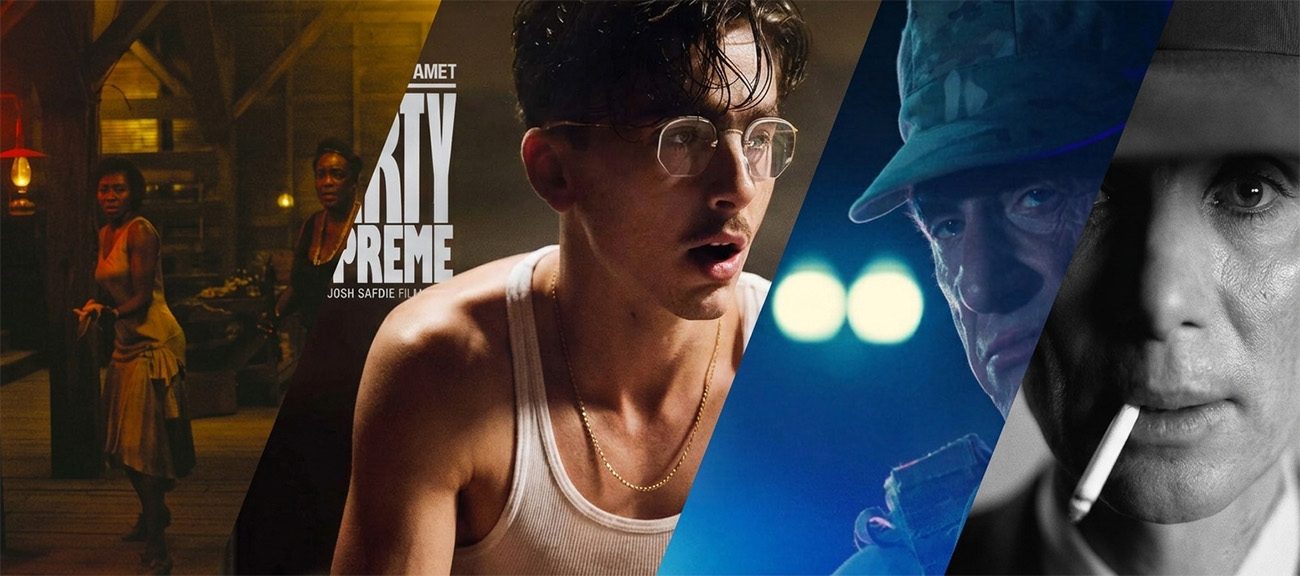
To illustrate these principles, several key images from recent popular films and TV shows have been selected for deconstruction. Each example offers a unique challenge and reveals distinct lighting philosophies.
Marty Supreme – The Power of Hard Light
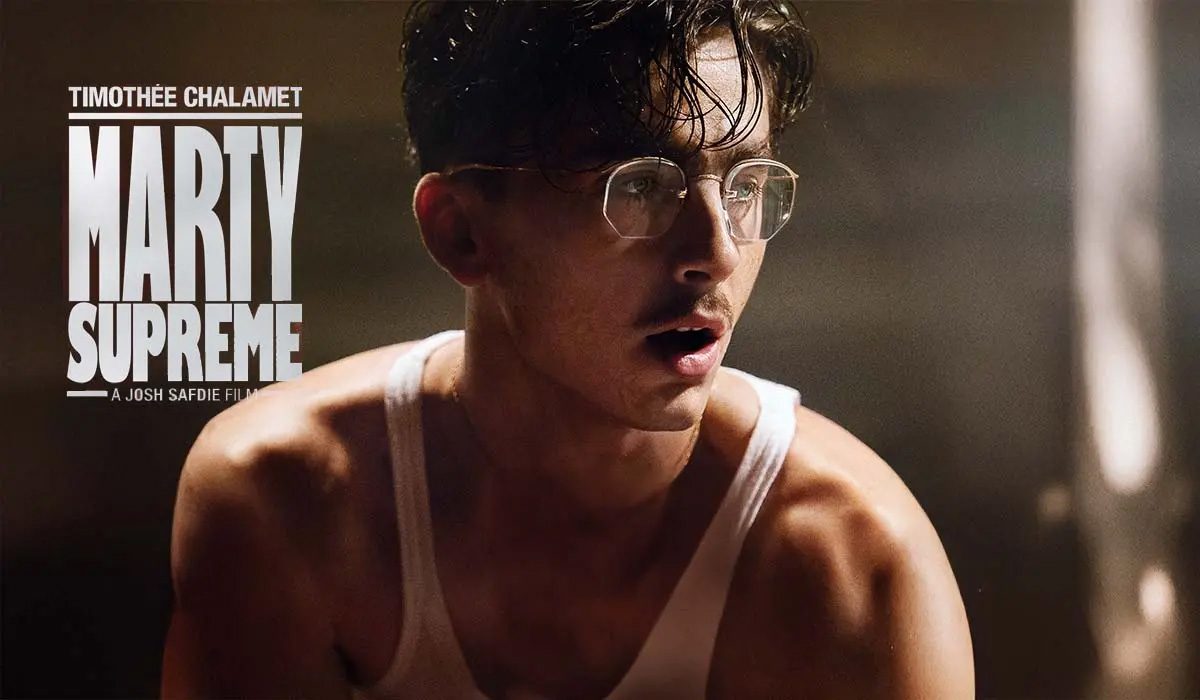
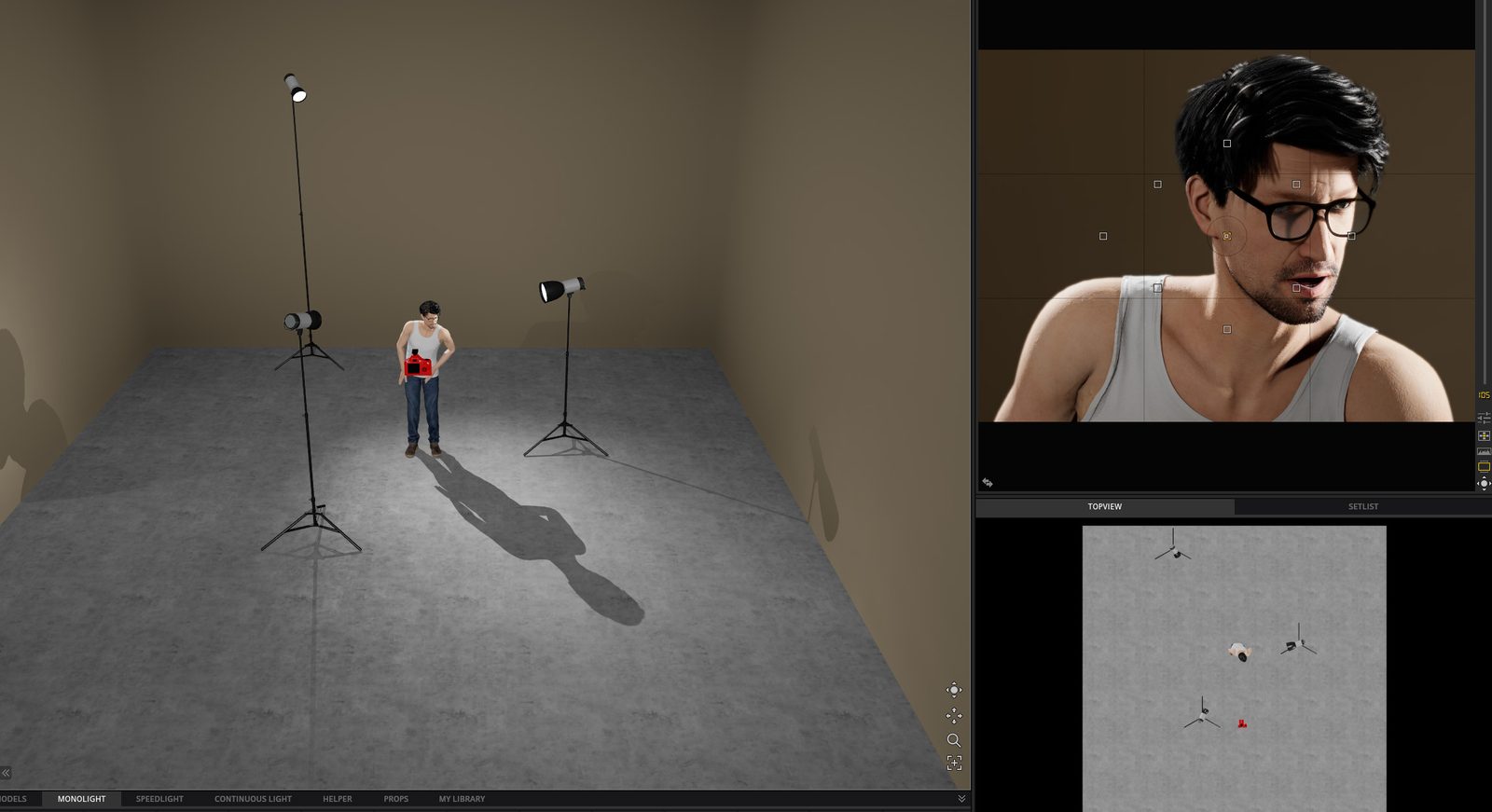
The key advert image for "Marty Supreme" presents a striking portrait characterized by high contrast and sharp definition. The presence of distinct specular highlights and crisp, well-defined shadows, particularly on the shadow side of the subject’s nose and those cast by his glasses, strongly indicates the predominant use of hard light sources without significant diffusion. This choice of hard lighting often conveys a sense of intensity, drama, or realism, stripping away softness to reveal stark truths or emphasize ruggedness.
To recreate this aesthetic, a three-light setup was employed, with all lights operating without diffusion. A gridded light positioned camera right served as a primary rim light, precisely focusing illumination on the subject’s shoulders and the contours of his face. Grids are crucial for controlling spill and concentrating light, enhancing the definition of the rim. A similar light was placed on the opposite side, contributing to the stark backlighting that is a visual motif throughout the film. Finally, a fill light positioned camera left was introduced. While also a hard light, its power was carefully adjusted to subtly lift the shadows on the subject’s face, preventing them from becoming overly harsh or completely devoid of detail, thus ensuring sufficient exposure while maintaining the desired dramatic contrast. This setup effectively mimics the original image’s bold and unforgiving visual language.
Sinners – Crafting Mood with Color and Contrast
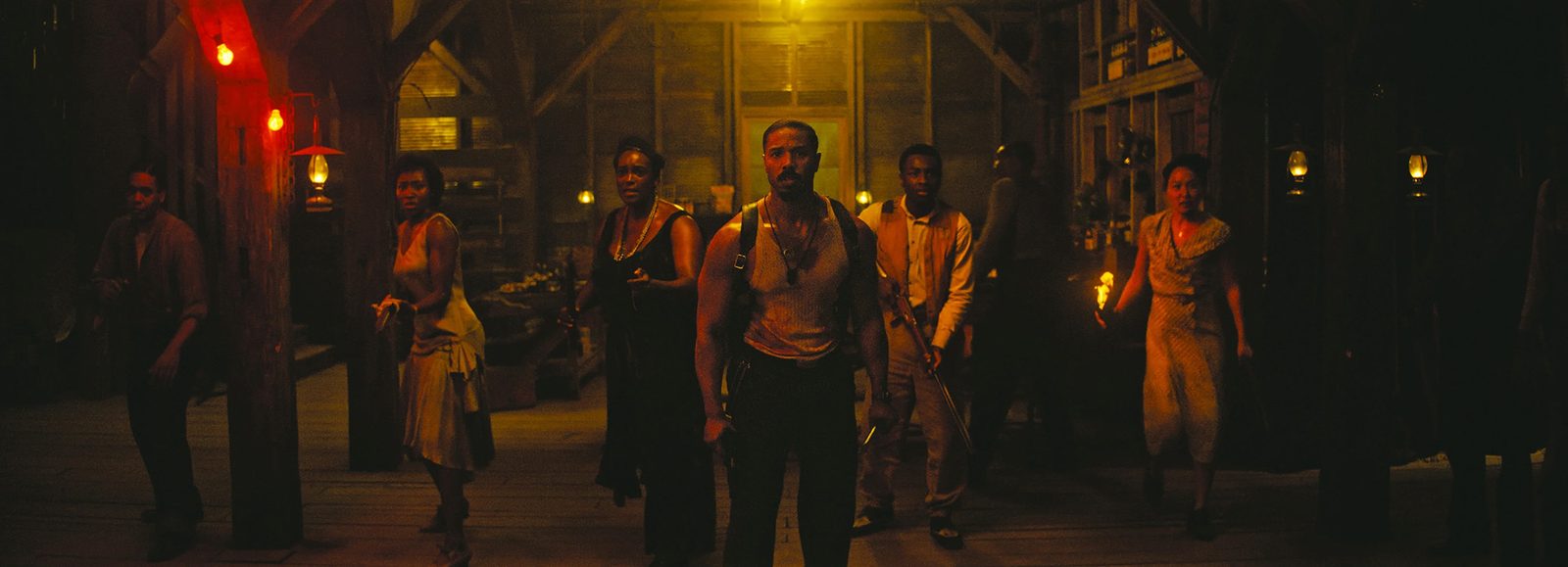
The "Sinners" key group scene captures a pivotal and highly cinematic moment, expertly utilizing multicolored lights to forge a palpable atmosphere. The scene is predominantly lit by various fire sources, augmented by red and orange bulbs, creating a masterclass in atmospheric lighting design. The warm, flickering tones evoke a sense of danger, passion, or ritual, effectively underscoring the narrative weight of the scene. The choice of rich, saturated colors is not merely aesthetic; it’s a powerful narrative tool that can influence audience perception and emotional response.
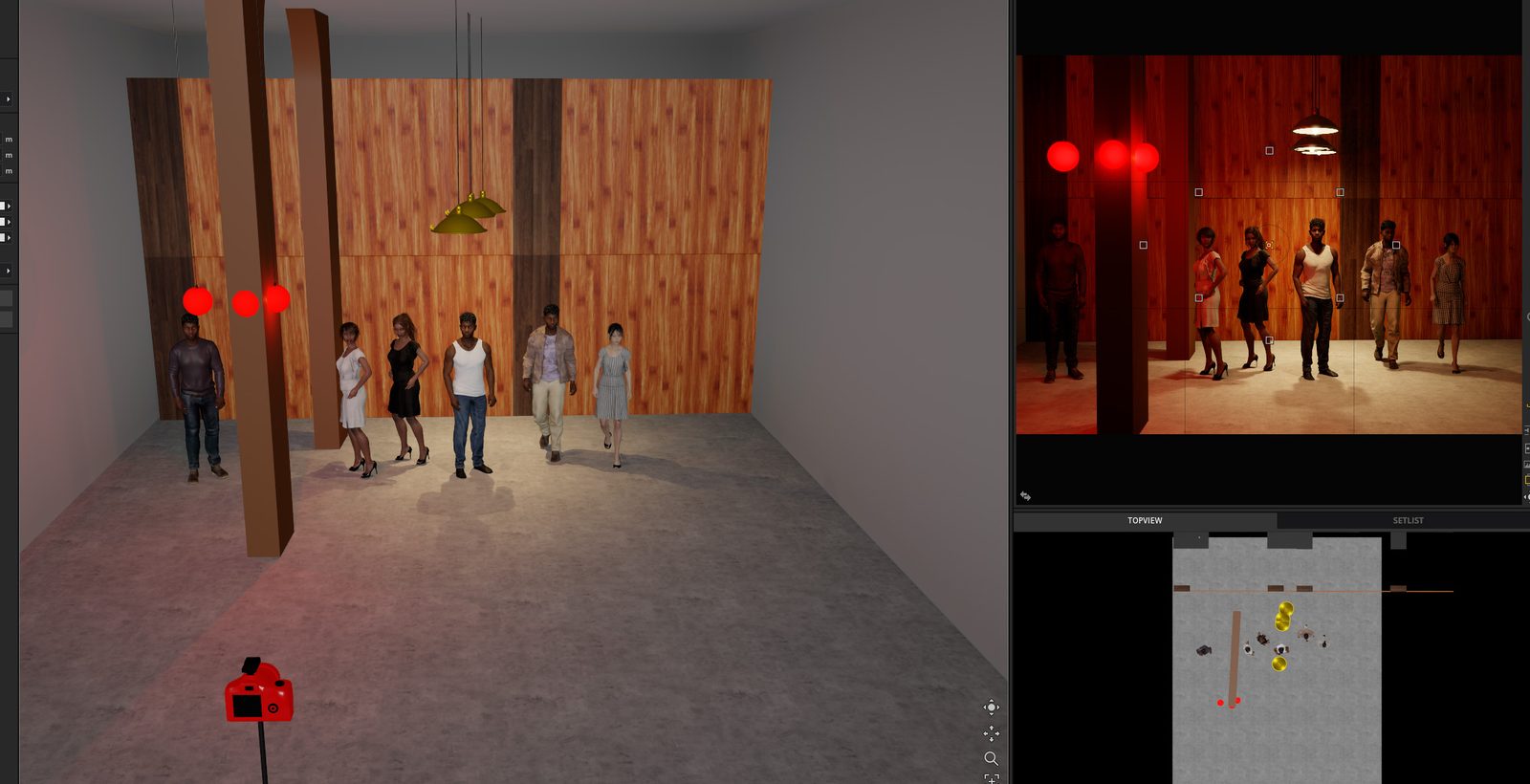
Given that this was an interior shot, the analytical process began with constructing a basic 3D model of the architectural space. The building’s structure plays a significant role in framing the shot and adding depth, influencing how light interacts with the environment. Subsequently, subjects were placed in a staggered pattern within the model to create visual interest and dynamic contrast among their bodies and faces. The various light sources visible in the original frame—from simulated fires to colored bulbs—were then added, referencing their apparent placement relative to the subjects. For the colored lights, modern LED fixtures like Aputure B7cs or similar RGBWW (Red, Green, Blue, Warm White) bulbs would likely have been used on a professional set, capable of precisely matching the desired color spectra and intensity. After establishing the basic placement, meticulous adjustments to light power and color temperature were made to achieve the nuanced, mood-drenched final result seen in the film. This complex interplay of practical and artificial colored lights is a testament to the detailed planning required for such a visually impactful scene.
Oppenheimer – Sculpting Character Through Shadow and Highlight
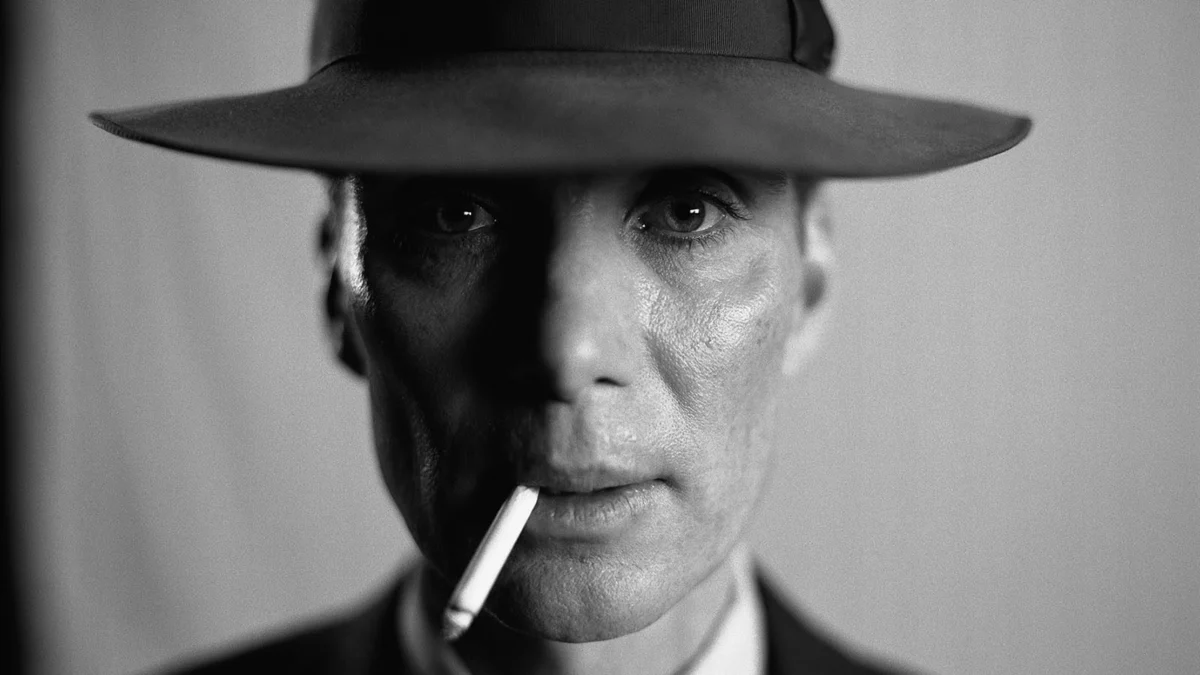
The iconic hero shot of Cillian Murphy as J. Robert Oppenheimer, widely used in the film’s promotional campaign, is a masterful study in dramatic lighting. The image’s intensity stems from the pronounced high contrast between pronounced rim lighting and deep split lighting shadows, which together imbue the portrait with immense drama. Crucially, the carefully placed catchlights in Murphy’s eyes add layers of emotion and character, drawing the viewer into the subject’s internal world. This specific lighting choice reflects the complex, often tormented, personality of Oppenheimer and the profound implications of his work.
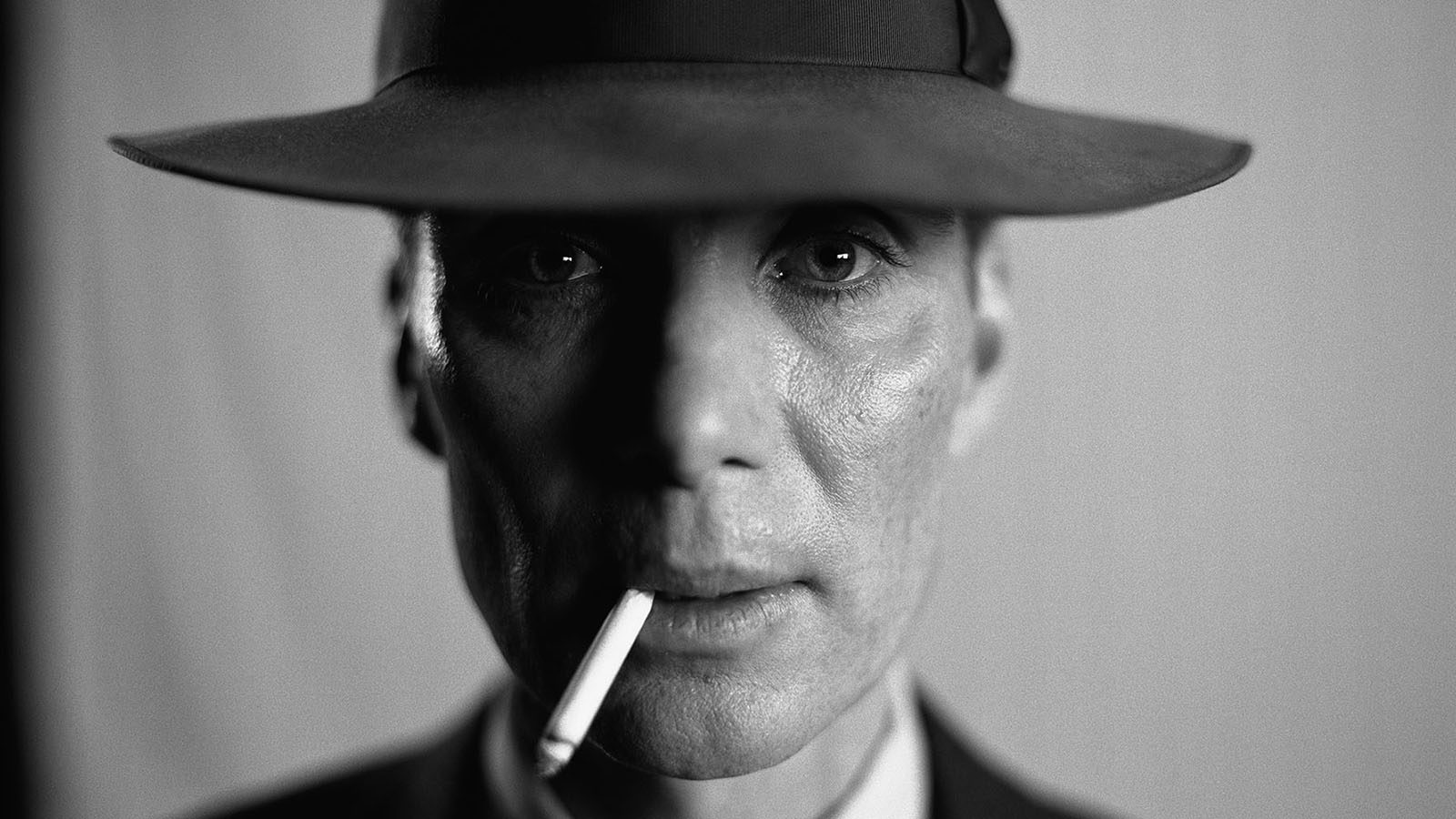
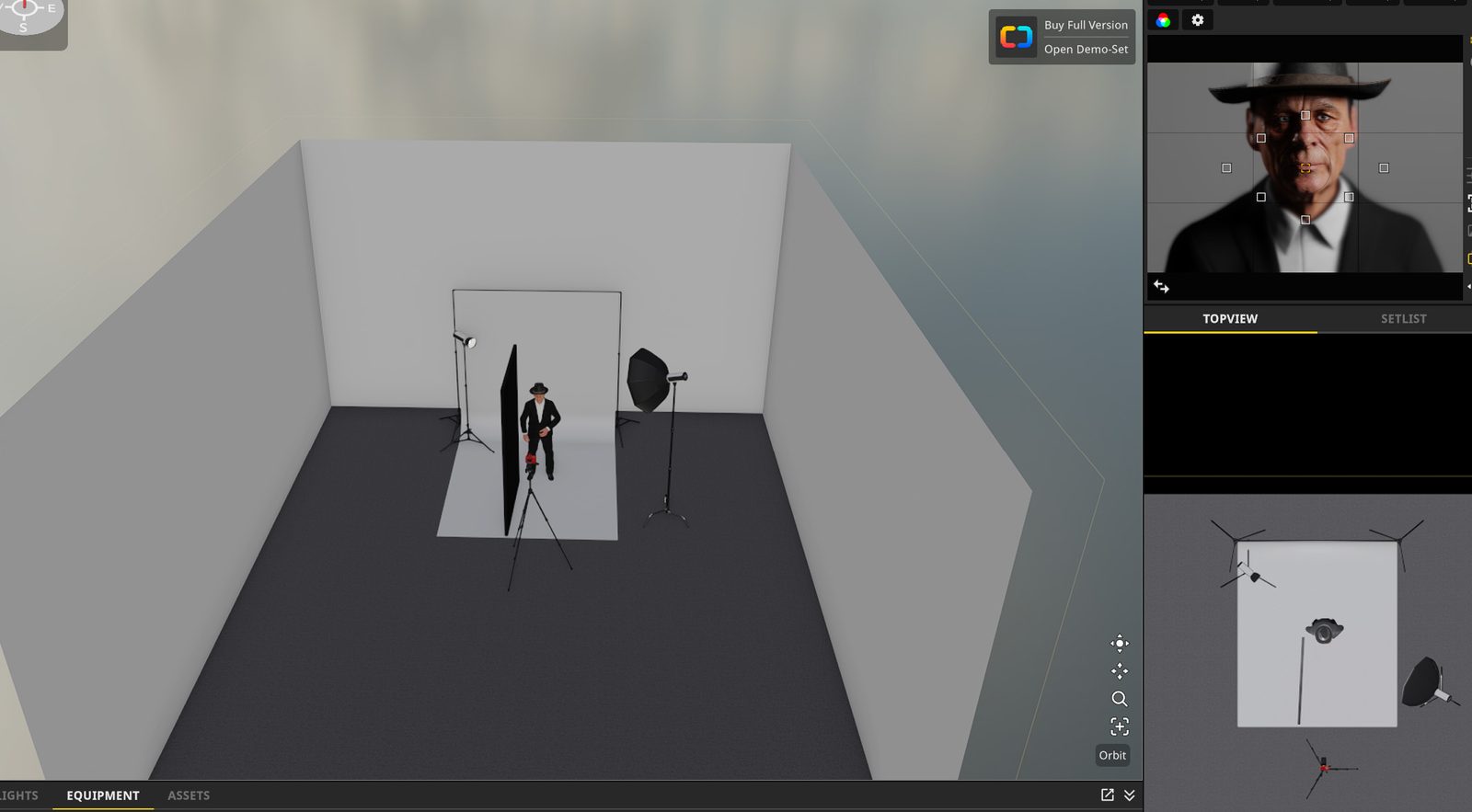
The deconstruction of this shot suggests a relatively small, gridded Octobox positioned camera right as the primary light source. An Octobox, known for producing a soft, yet directional light, would create a slightly larger and more appealing catchlight, vital for conveying emotion in the eyes. The grid attached to it would effectively control light spill, ensuring the illumination remains focused on the subject and maintains the desired dramatic fall-off. To further enhance contrast and sculpt the shadows, a black blocking board was placed close to the subject on camera left. This negative fill technique absorbs light rather than reflecting it, deepening the shadows and accentuating the highlights. Finally, a bare light source was positioned behind and to the left of the subject. This back light, without diffusion, contributes a crisp rim light, separating Oppenheimer from the background and adding a subtle halo effect that amplifies the shot’s heroic yet melancholic tone. This sophisticated arrangement of lights and modifiers underscores the film’s visual narrative, emphasizing the weight and gravity of its central figure.
One Battle After Another – Narrative Through Dynamic Lighting
"One Battle After Another," celebrated as a masterclass in cinematography and storytelling, deservedly earned the Best Picture award this past year. While much of the film skillfully utilized natural light in its on-location shoots, its night scenes, particularly those featuring Sean Penn’s antagonist, Lockjaw, are visually arresting and highly memorable. The chosen scene for analysis exemplifies the film’s bold lighting choices, contributing significantly to the character’s menacing presence.
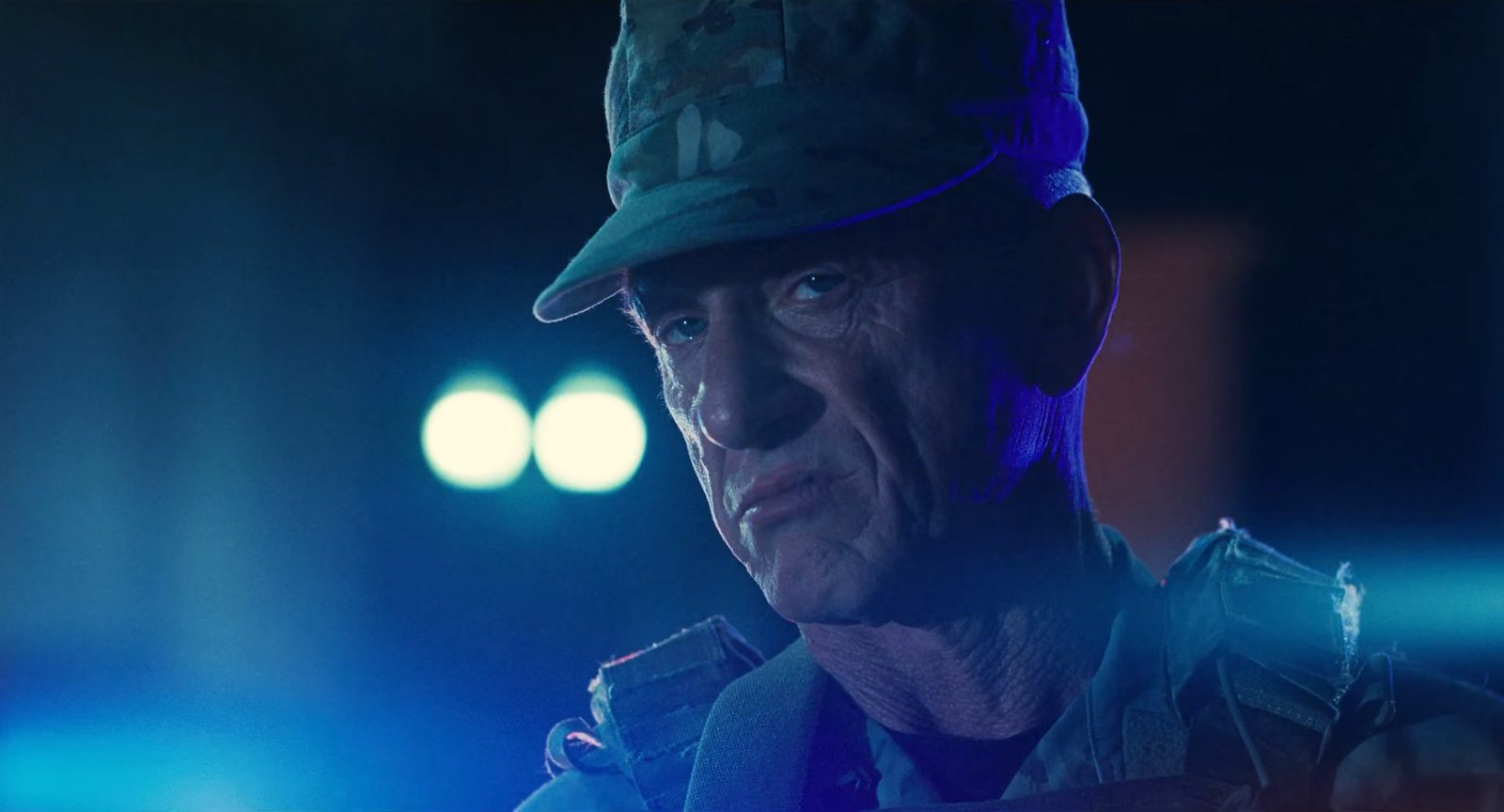
The distinct, hard-edged shadows cast on Sean Penn’s face immediately signal the pervasive use of hard light sources throughout this shot. This aggressive lighting choice aligns perfectly with the antagonist’s brutal persona and the tense narrative. The analytical recreation began by establishing harsh rim lights on each side of the subject. One of these rim lights was given a distinct blue hue, cleverly signifying the presence of police car lights in the background, subtly adding context and tension to the frame without explicitly showing the vehicle. After establishing these crucial rim lights, a less powerful, bare light was introduced from the front. This served as a subtle fill, preventing the shadows from becoming absolute black and ensuring that Lockjaw’s facial features remained discernible, albeit dramatically shadowed. A notable characteristic of this scene, and indeed much of the film, is the horizontal lens flare visible on the right side of the frame. This distinctive aesthetic is typically achieved through the use of anamorphic lenses, which compress the image horizontally during capture and stretch it back during projection, creating the characteristic oval bokeh and elongated flares that cinematographers often choose for a more epic, widescreen feel and added visual flair. The combination of hard, colored lights and anamorphic lens characteristics creates a visually potent and narratively charged sequence.
The Broader Implications: Education, Craft, and Innovation
This exercise in deconstructing cinematic lighting serves multiple important functions. Firstly, it provides an invaluable educational resource for aspiring cinematographers, filmmakers, and photographers. By reverse-engineering the work of masters, students can develop a keener eye for light, shadow, and color, fostering a deeper understanding of how these elements contribute to storytelling. Secondly, it highlights the continuous evolution of cinematic craft. While fundamental lighting principles remain constant, technological advancements in LED lighting, advanced modifiers, and sophisticated pre-visualization software like set.a.light 3d empower filmmakers to achieve complex visual effects with greater precision and efficiency.
The democratization of such analytical tools also encourages a broader audience to engage with film on a more technical and artistic level, moving beyond passive consumption to active appreciation of the craft involved. While no software can fully replicate the on-set intuition, experience, and collaborative problem-solving that define professional cinematography, these tools offer an accessible gateway to understanding the technical underpinnings of great visual art. Ultimately, the ability to analyze and replicate lighting schemes, even virtually, underscores the enduring importance of practical experience and access to high-quality equipment. For those inspired to experiment with lighting their own scenes, a wide array of professional lighting equipment is available for rental, offering the physical tools to translate theoretical understanding into tangible cinematic results. The continuous dialogue between artistic vision, technical execution, and analytical deconstruction remains vital for the ongoing innovation and excellence within the world of film and television.