Lensrentals, a prominent equipment rental service, recently marked its 19th anniversary with a detailed technical teardown of a Sony PTZ (Pan-Tilt-Zoom) camera. This forensic examination aimed to uncover the root causes of common operational issues and a particularly costly structural failure, providing invaluable insights for both the company’s maintenance strategies and the wider professional imaging community. The event also marked a notable return to public technical analysis for Roger Cicala, a key figure at Lensrentals, following a period of significant corporate expansion and personal health challenges.
Lensrentals’ Evolution and a Return to Core Analysis
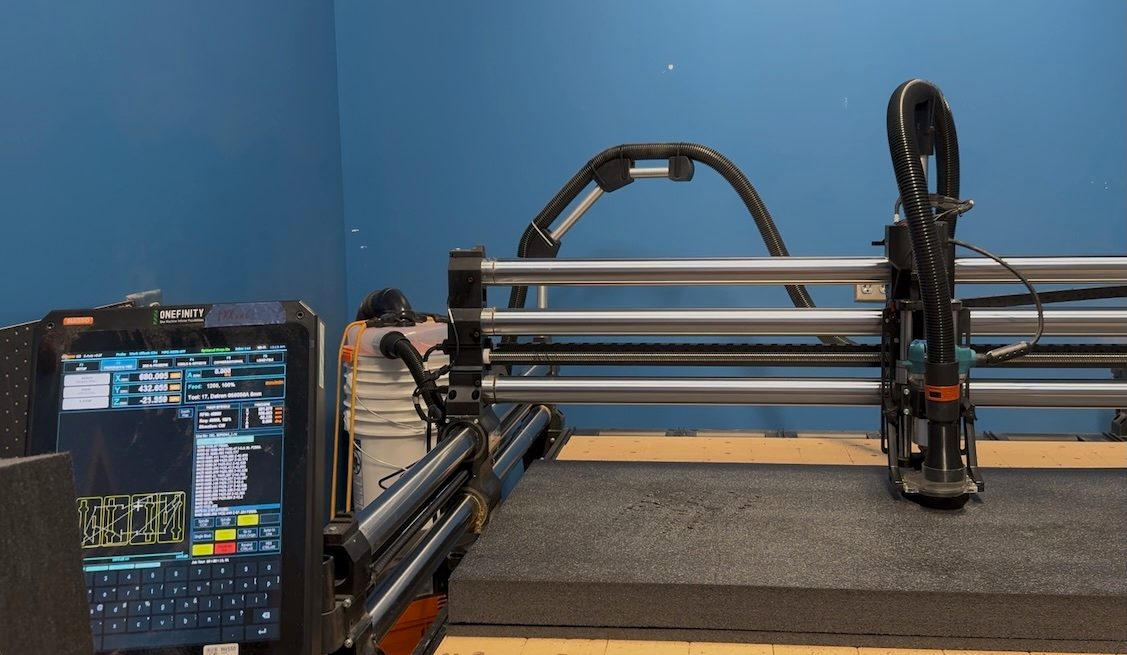
The past few years have been a period of dynamic transformation for Lensrentals. The company navigated the unprecedented challenges posed by the global COVID-19 pandemic, which brought many industries, including equipment rentals, to a near standstill. The viability of operations was a central concern for much of a year, requiring strategic adaptation and resilience. Simultaneously, the company experienced exponential growth, necessitating its 13th facility expansion. This included the renovation of a sprawling new building, a significant investment in infrastructure featuring four miles of computerized conveyor systems, 62 advanced workstations, and a vast 10,000-square-foot climate-controlled vault capable of housing 50,000 high-value items. This expansion underscores Lensrentals’ commitment to scaling its operations to meet surging demand for professional imaging equipment, which includes millions of dollars in inventory supporting hundreds of thousands of rental days annually.
Amidst these corporate milestones, Roger Cicala, known for his insightful teardown analyses, stepped back from regular blogging due to personal health issues, specifically severe vision impairment requiring multiple cataract surgeries and subsequent complications. His temporary absence from this unique form of technical commentary was keenly felt by a dedicated readership who valued his candid and in-depth explorations of camera and lens mechanics. The decision to undertake this latest teardown, coinciding with Lensrentals’ 19th birthday, signifies a return to this foundational practice, leveraging the combined expertise of Cicala and senior repair technician Aaron Closz. The collaborative nature of these teardowns, with Cicala observing and offering "helpful comments" while Closz performs the intricate mechanical work, has become a signature style, blending technical rigor with accessible explanation.
Targeting a Persistent Problem: The Sony PTZ Camera
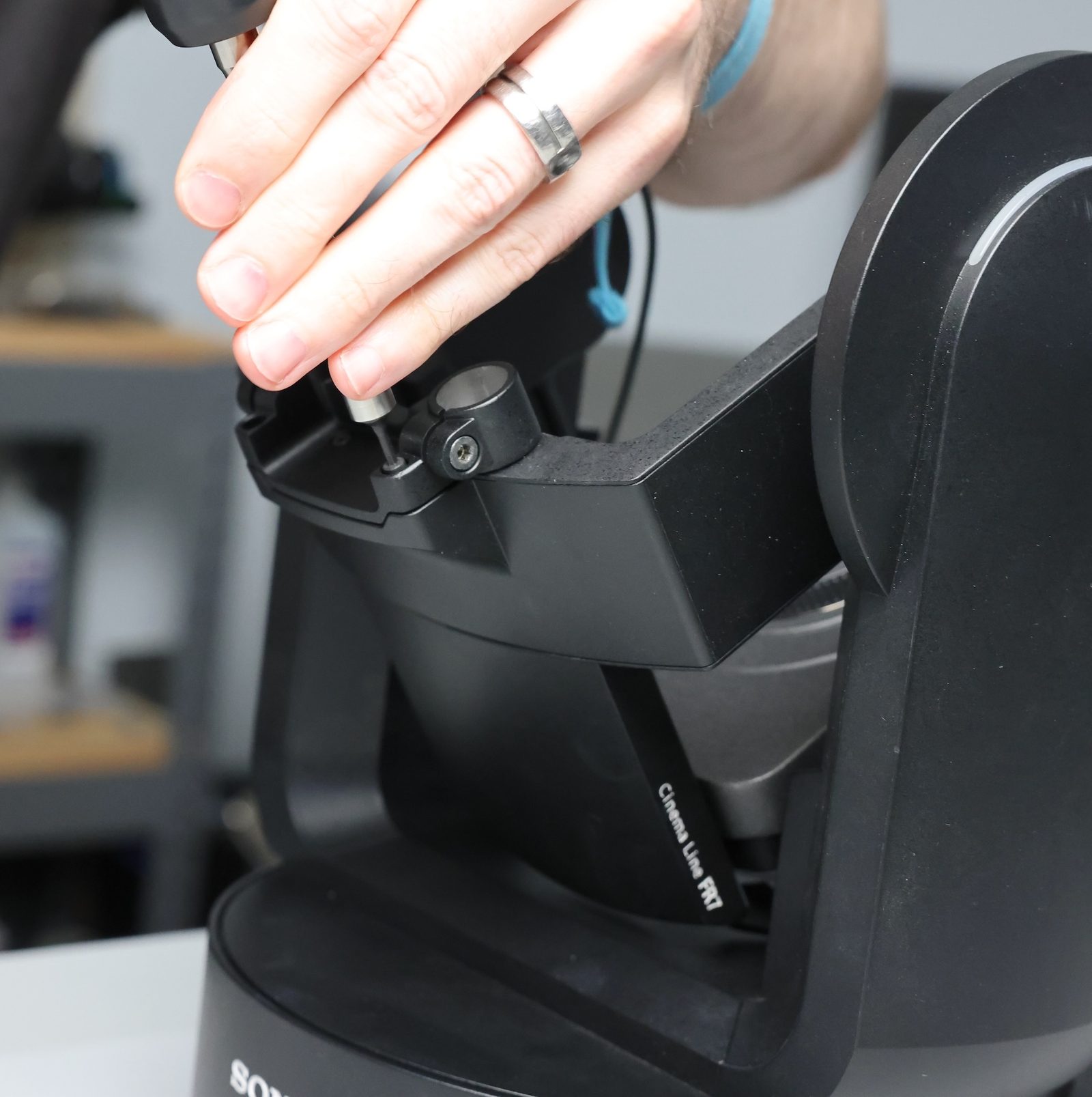
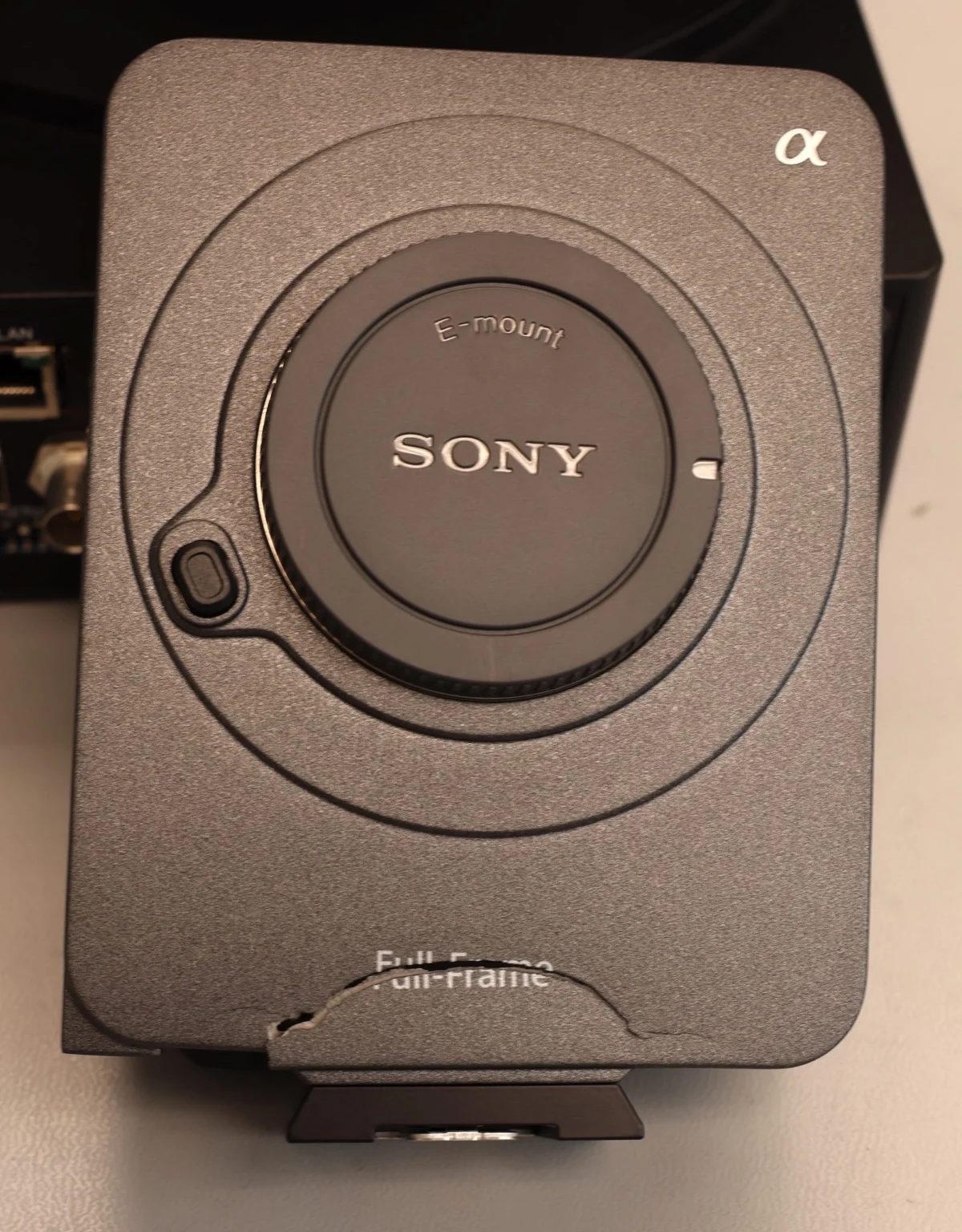
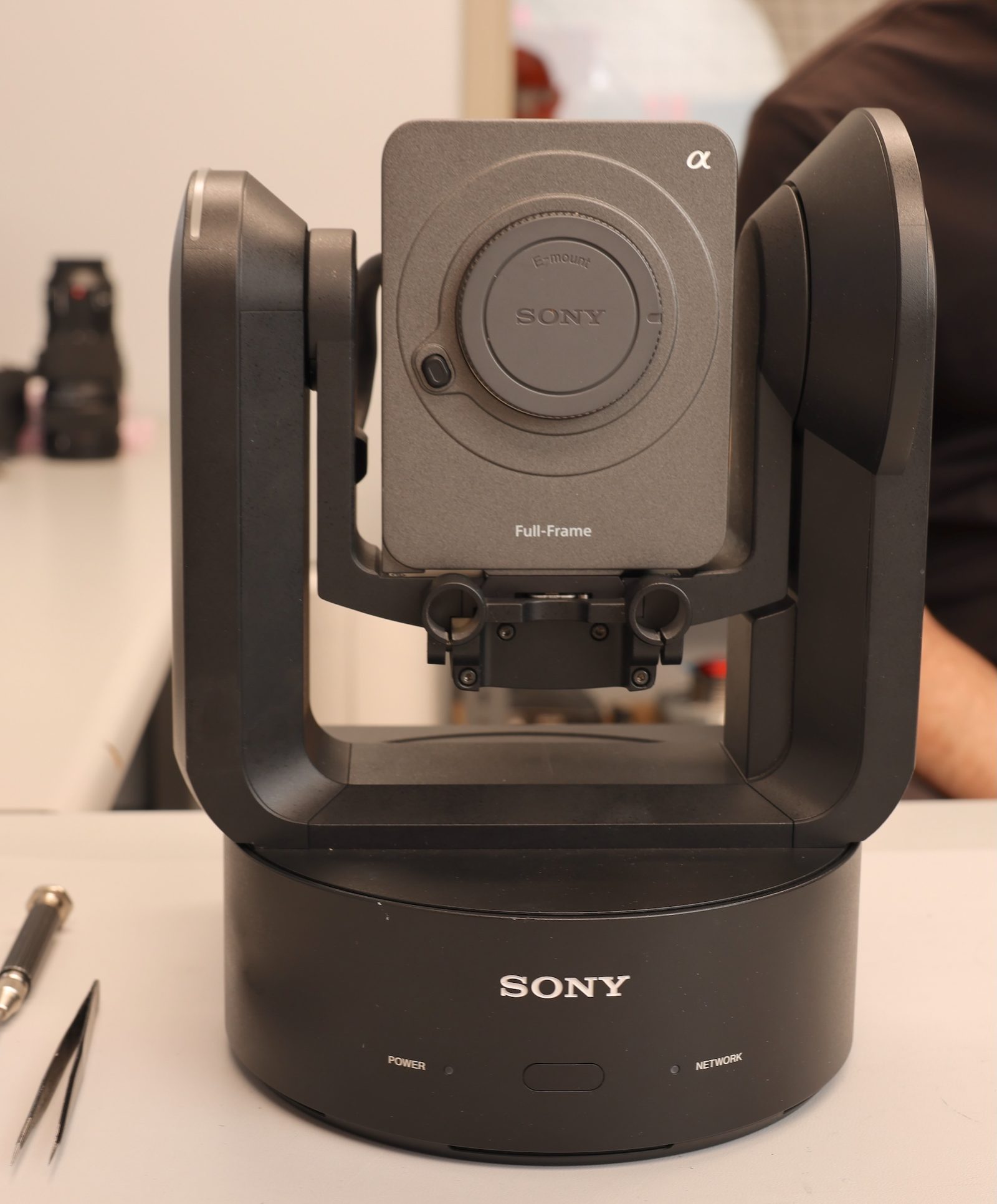
The subject of this anniversary teardown was a Sony PTZ camera, a model that has become exceptionally popular in the rental market. These cameras offer advanced capabilities, including remote control of pan, tilt, and zoom functions, making them ideal for a wide range of applications from live events and broadcast to corporate installations and virtual productions. Their high cost of ownership often makes renting a more economically sensible option for many productions, contributing to their high demand at Lensrentals. However, this popularity has been accompanied by a disproportionately high frequency of repairs, posing a significant operational challenge for the rental house.
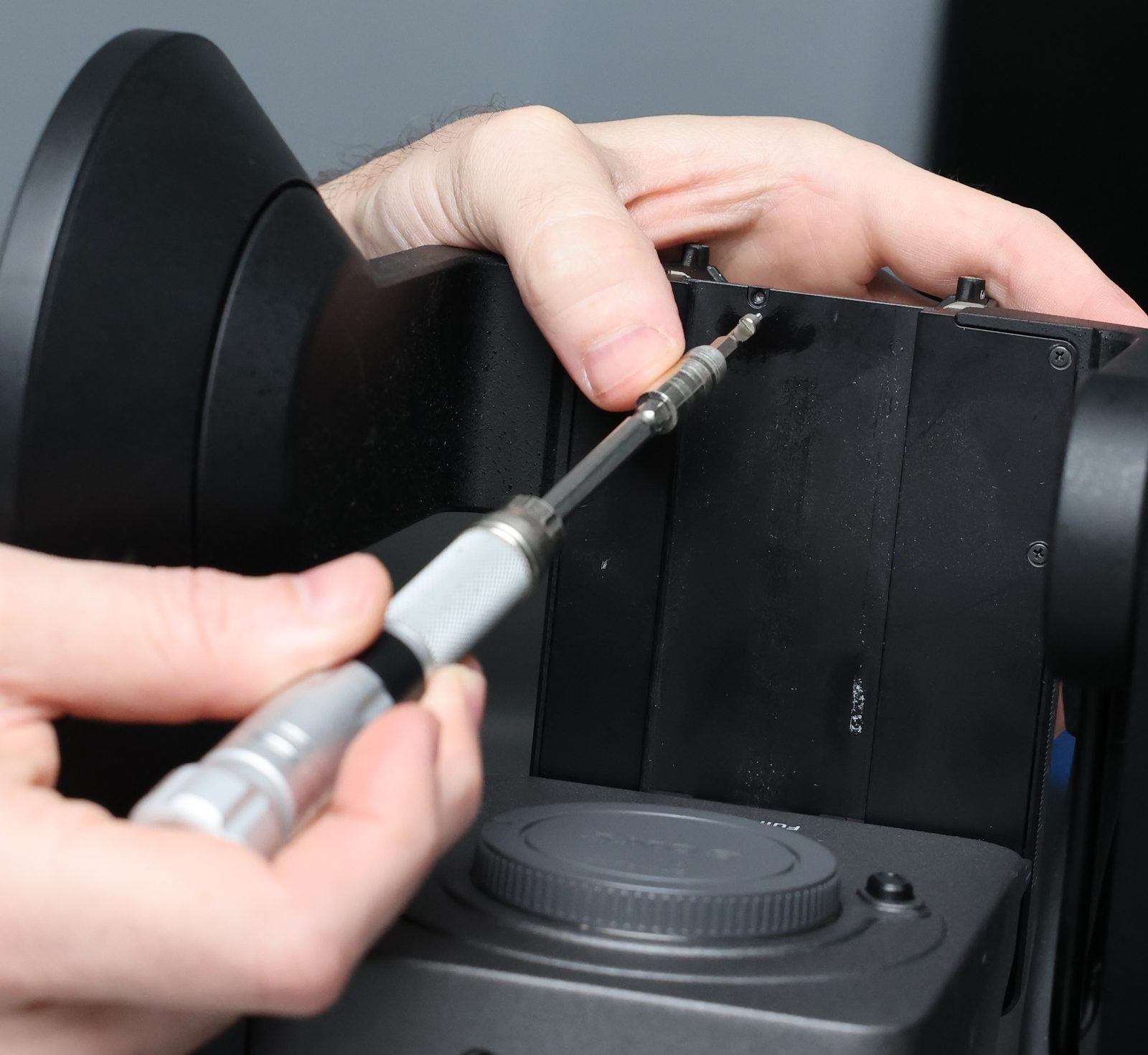
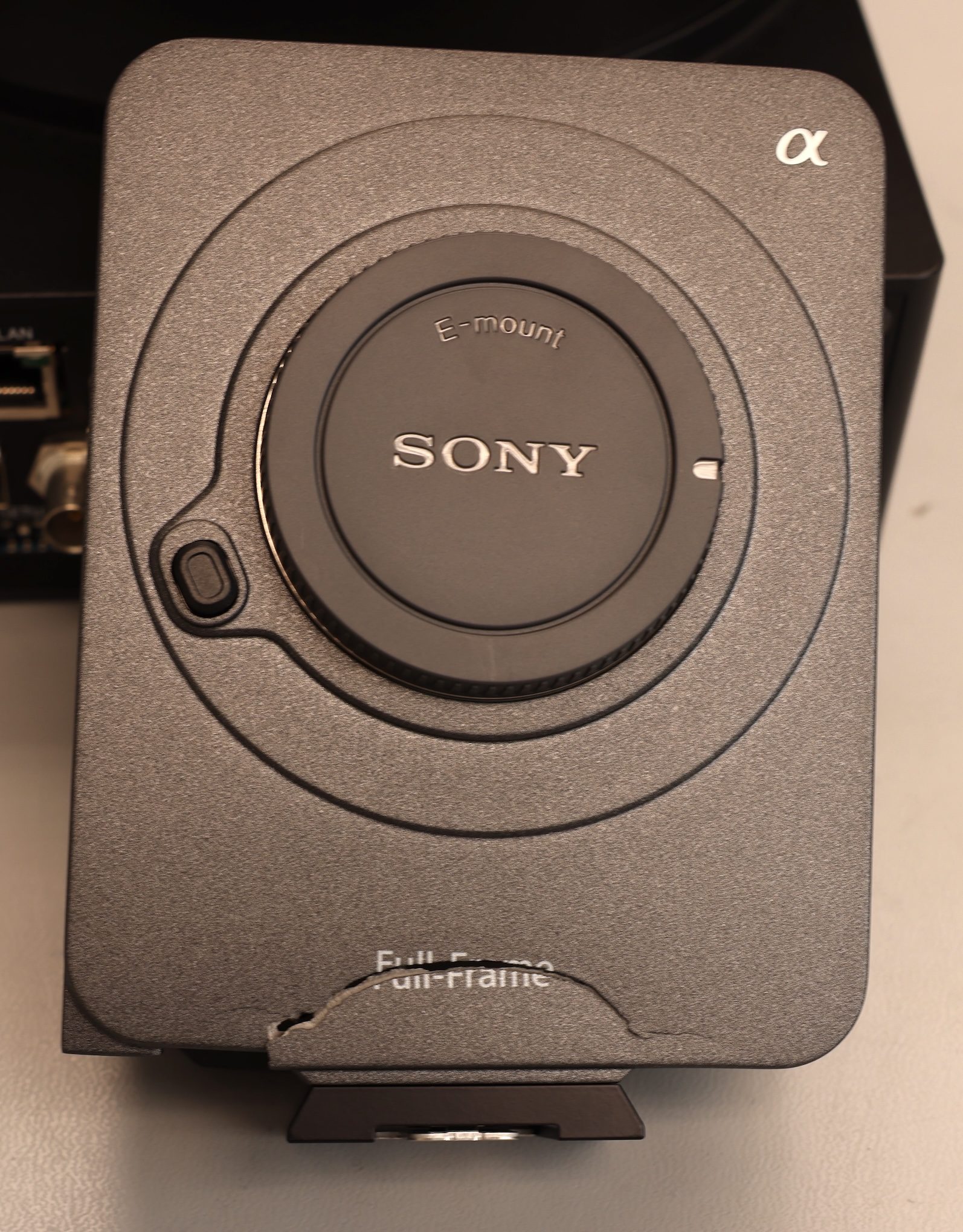
The specific unit examined in this teardown exhibited two common, albeit minor, issues: sticky and grinding tilt-shift gears, and a noticeable looseness in the camera’s mounting to the tilt-shift gimbal. While these issues were known to be repairable by Lensrentals’ in-house technicians, the teardown aimed to provide a detailed visual guide to these fixes, benefiting both internal staff training and potentially, knowledgeable end-users. More critically, the teardown sought to investigate a more devastating, though less frequent, problem: a fracture of the camera body at its mount. This particular failure carries a factory repair cost of approximately $6,000, effectively necessitating the replacement of the entire camera unit.
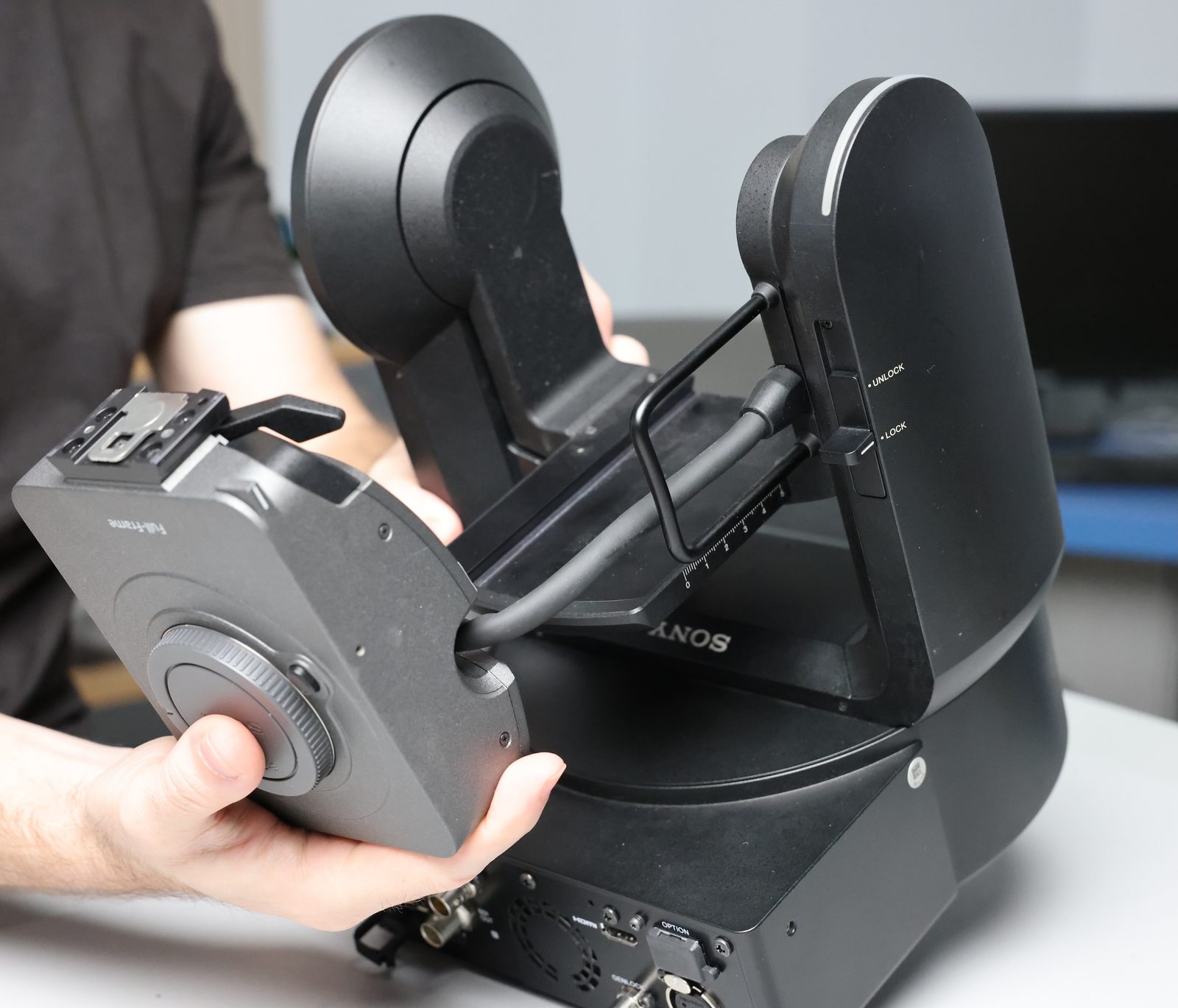
Lensrentals’ extensive experience with equipment logistics includes a dedicated department for designing and manufacturing custom, rigorously tested packaging solutions. Their internal standards include a stringent 5-foot drop test, making shipping damage a rare occurrence for most equipment. The recurrent body fracture of the Sony PTZ camera, even within these robust packaging protocols, indicated a potential inherent design vulnerability that required deeper investigation. The primary objective of disassembling the camera body was therefore to identify structural weaknesses that could be mitigated through improved packaging design or, ideally, inform manufacturers of potential areas for future product reinforcement.
Disassembly Unveils Internal Engineering and Vulnerabilities
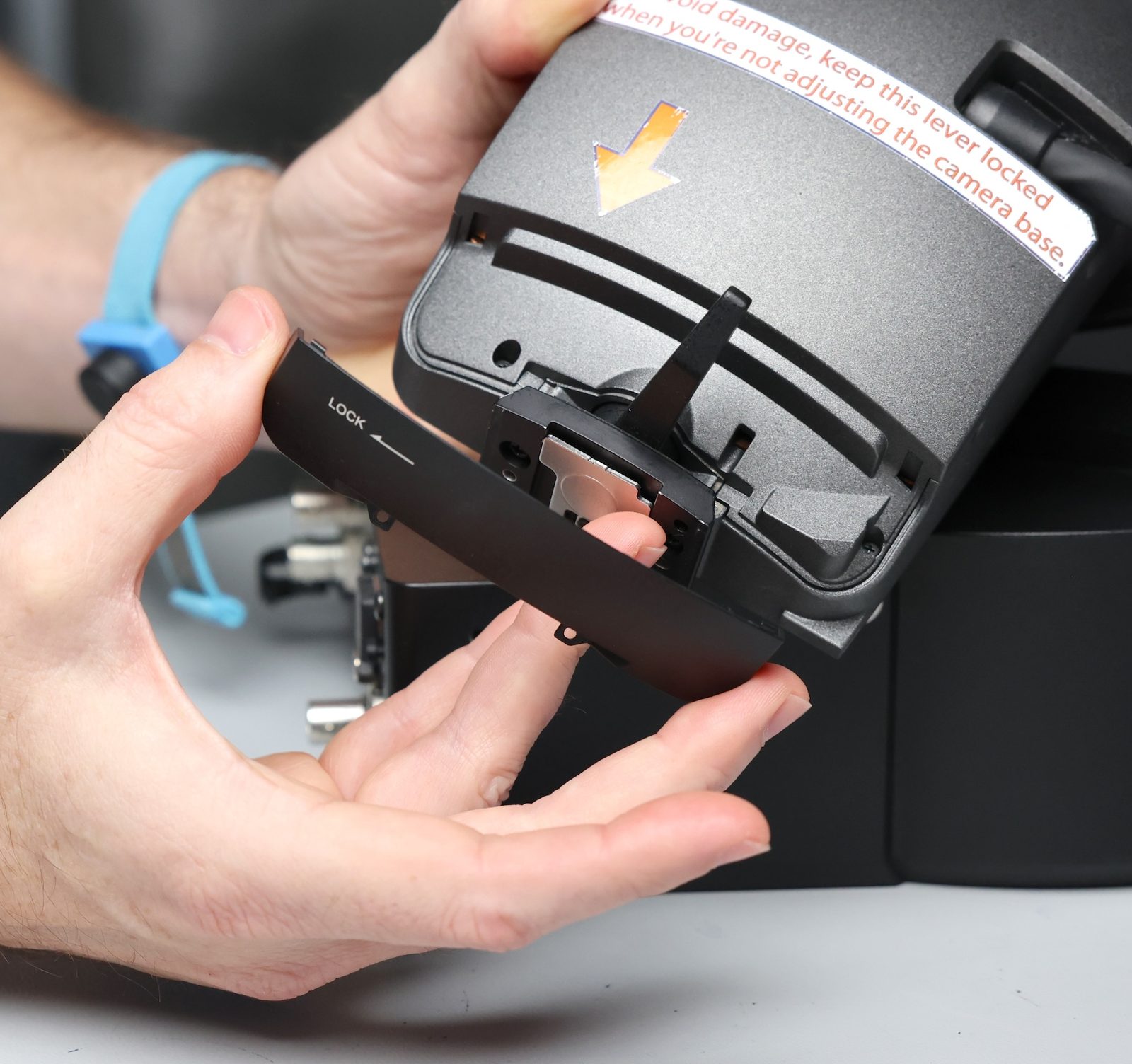
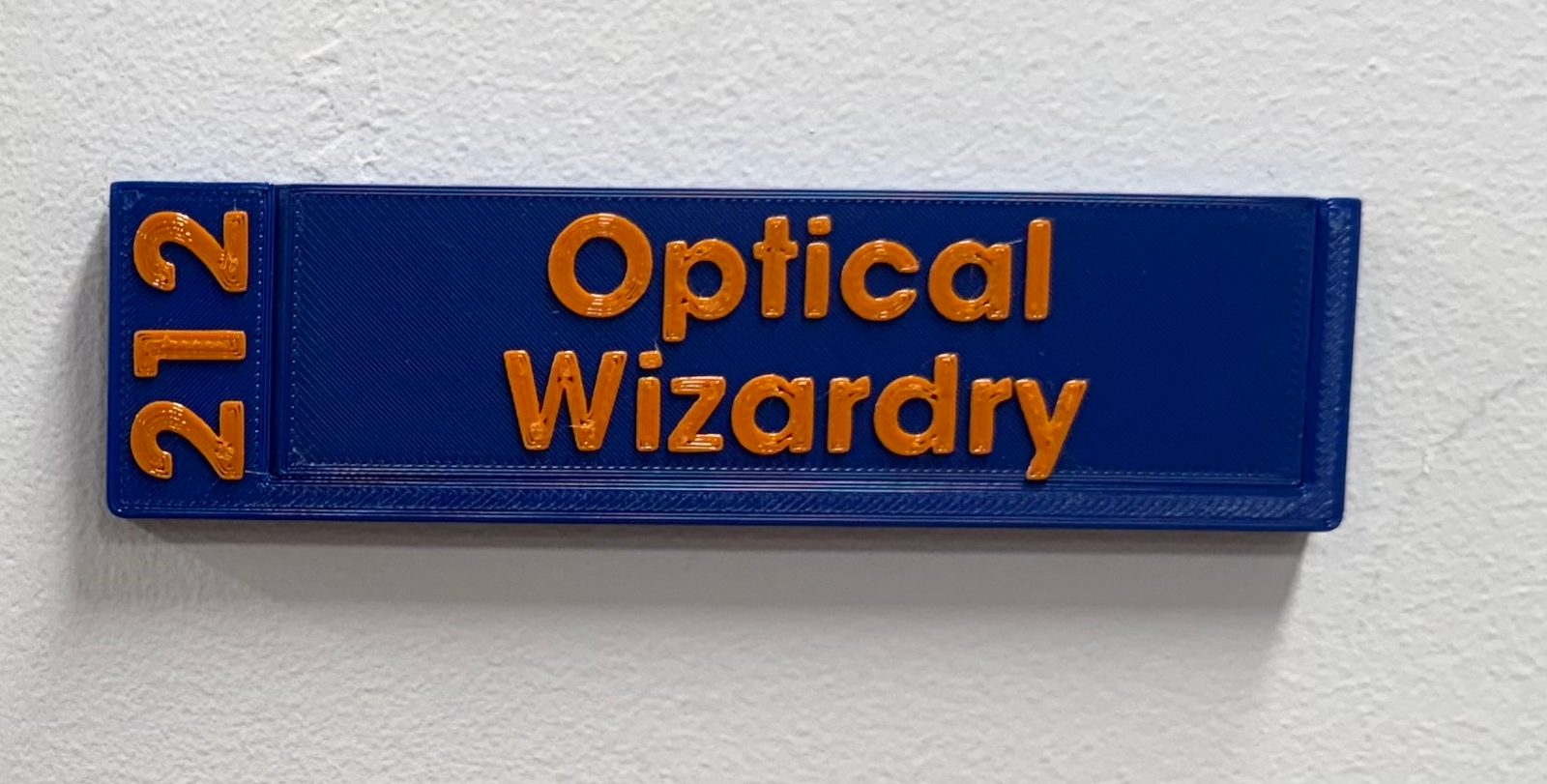
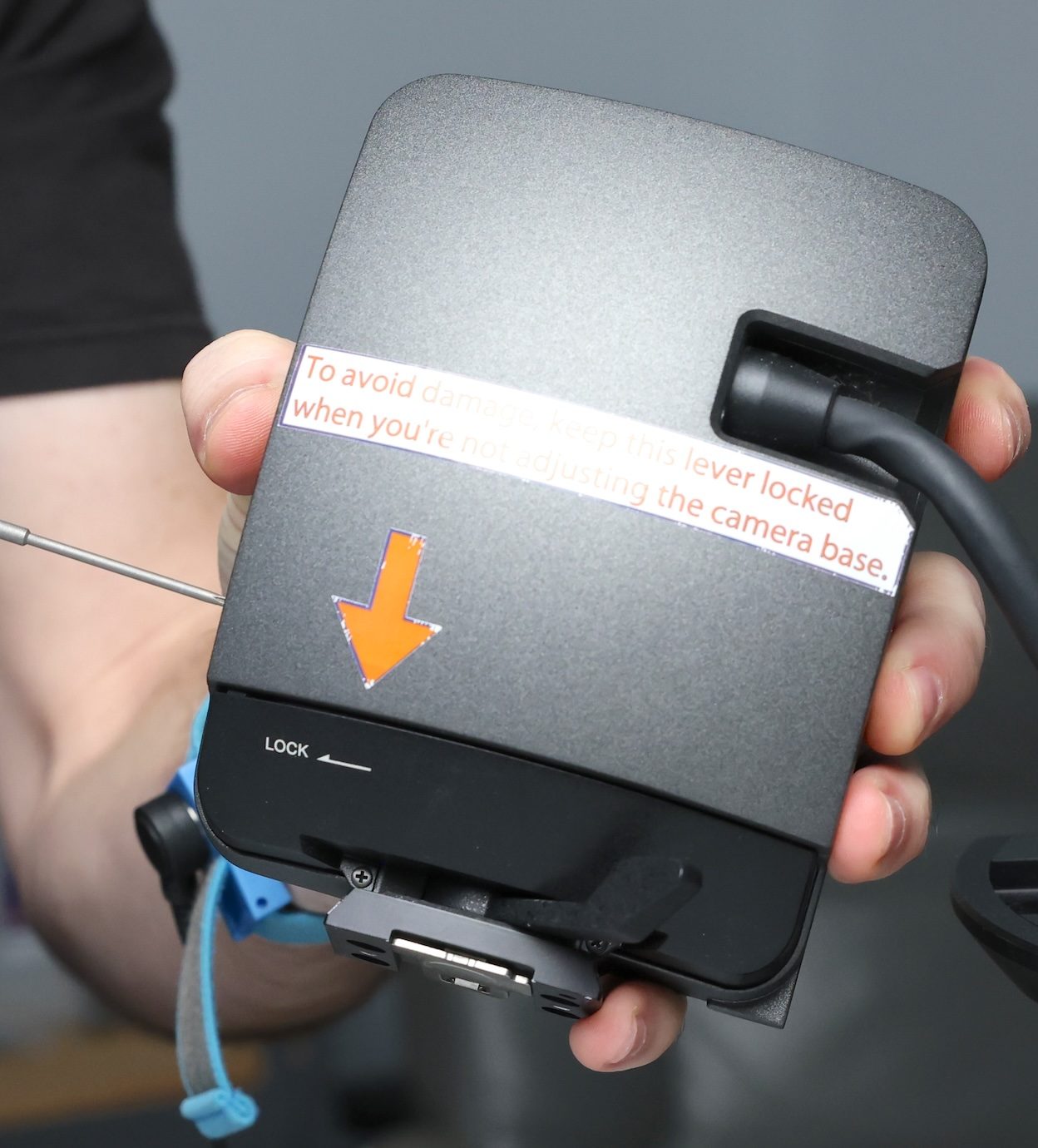
The teardown commenced at the "Group W Bench in Room 212" at Lensrentals HQ, a nod to the company’s unique culture. The initial steps involved carefully detaching the camera from its PTZ mount by removing the rod lock and camera stop. This stage highlighted the importance of handling the integrated "Cable of Immense Cost" (CIC) with extreme care, an $800 component whose fragility is a known repair concern.
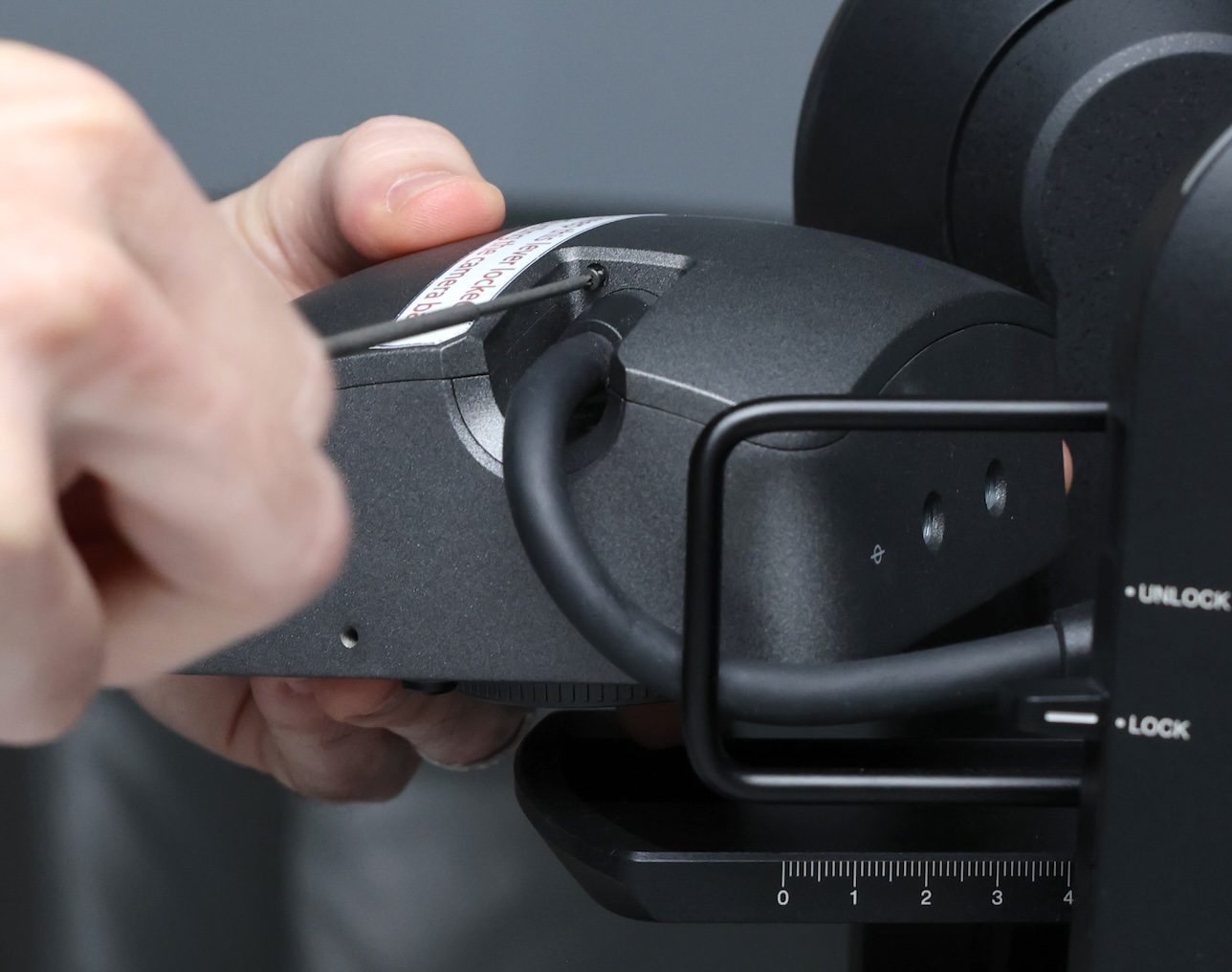
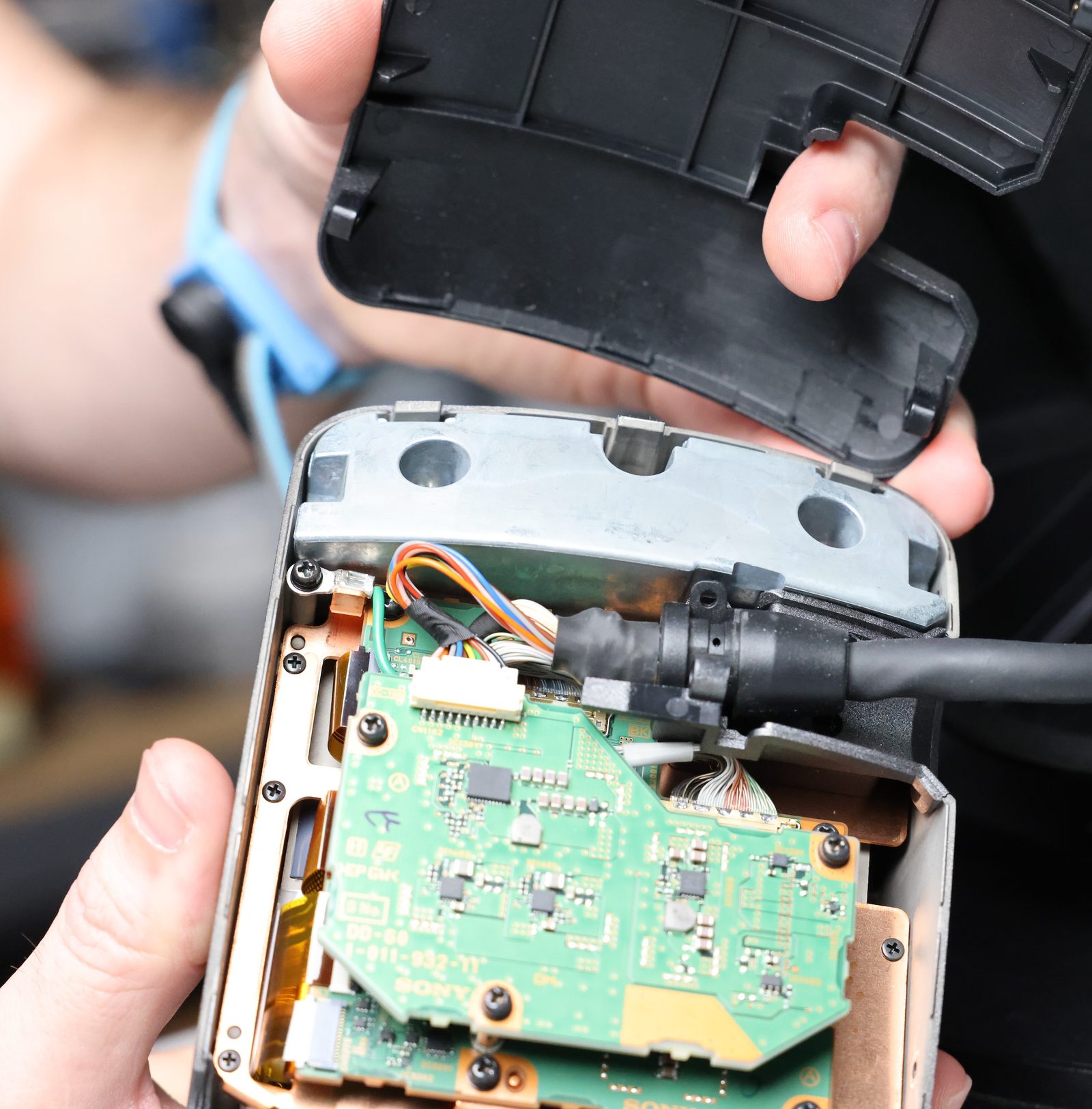
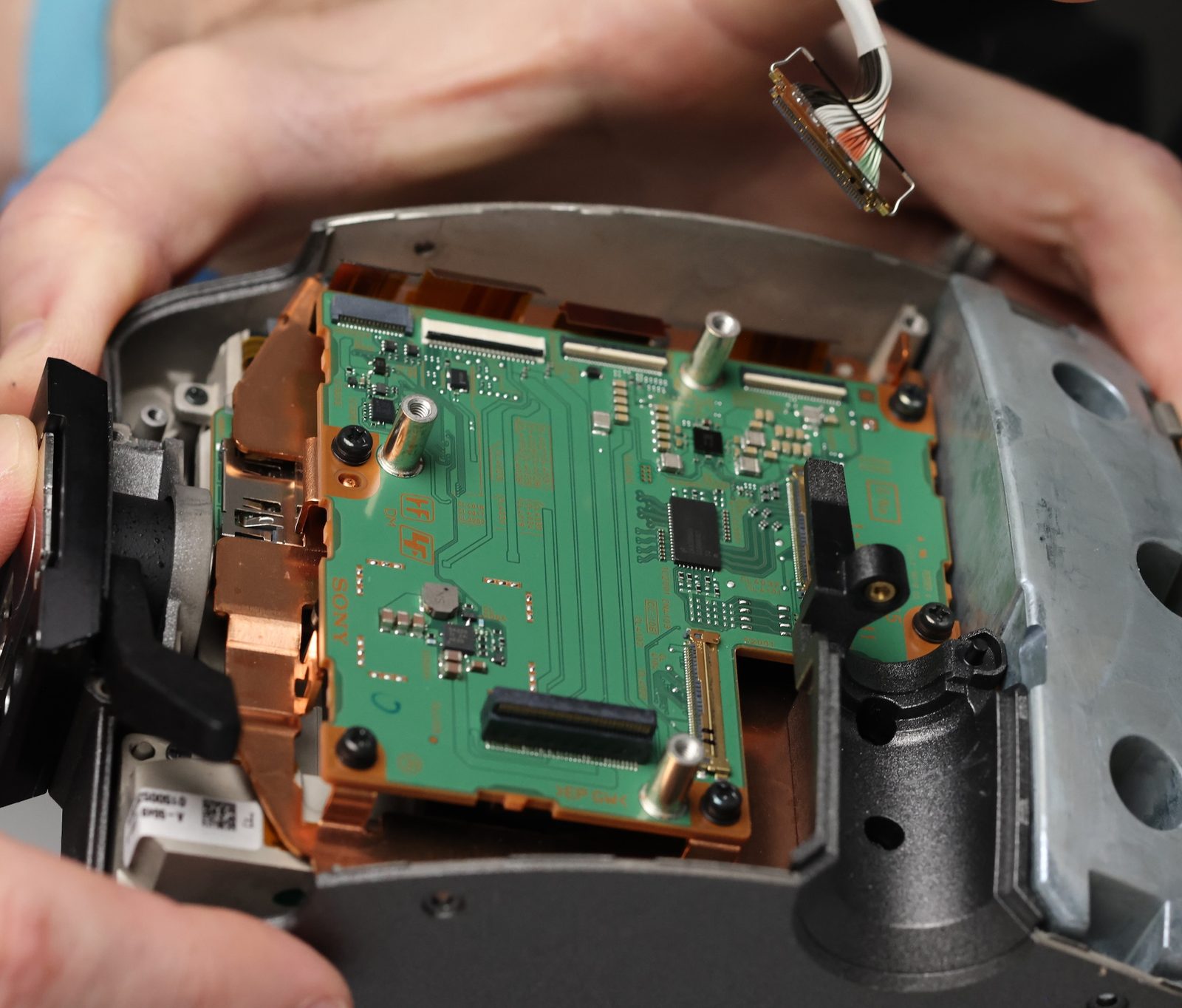
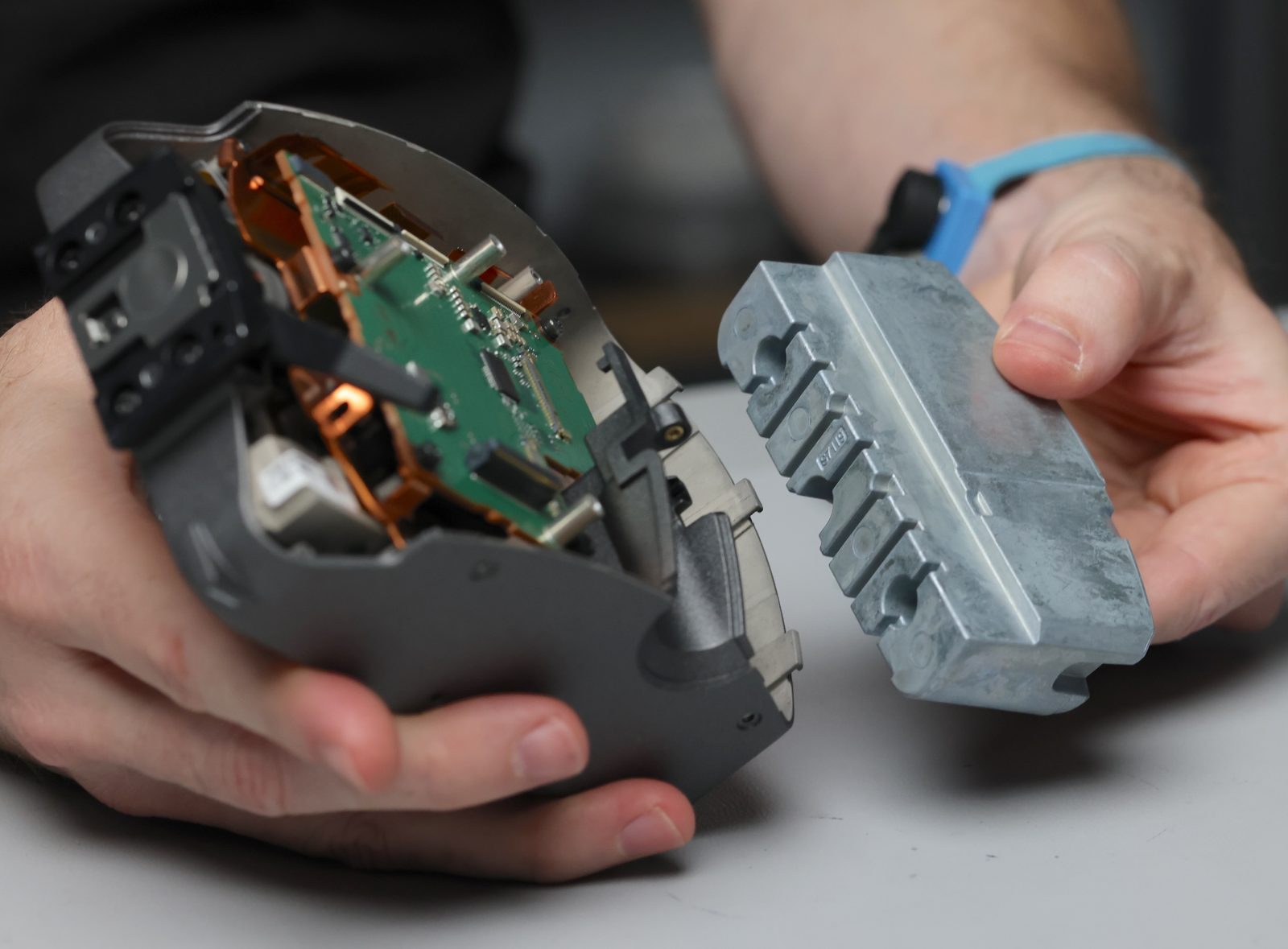
Opening the camera body involved systematically removing screws, including a "traditional, somewhat hidden" fastener, revealing the intricate internal layout of circuit boards. The presence of stacked PCBs required the careful unclipping of I-PEX connectors before boards could be removed, exposing the main sensor assembly. A significant discovery was a heavy counterweight, weighing 0.6 kg (1.35 pounds) – heavier than the remaining 0.5 kg camera body – strategically positioned to balance the tilt axis. This counterweight, along with accessory mounting points on the camera’s top, suggested that while providing stability, it also introduced considerable leverage forces on the camera’s structure, especially when additional accessories were mounted.
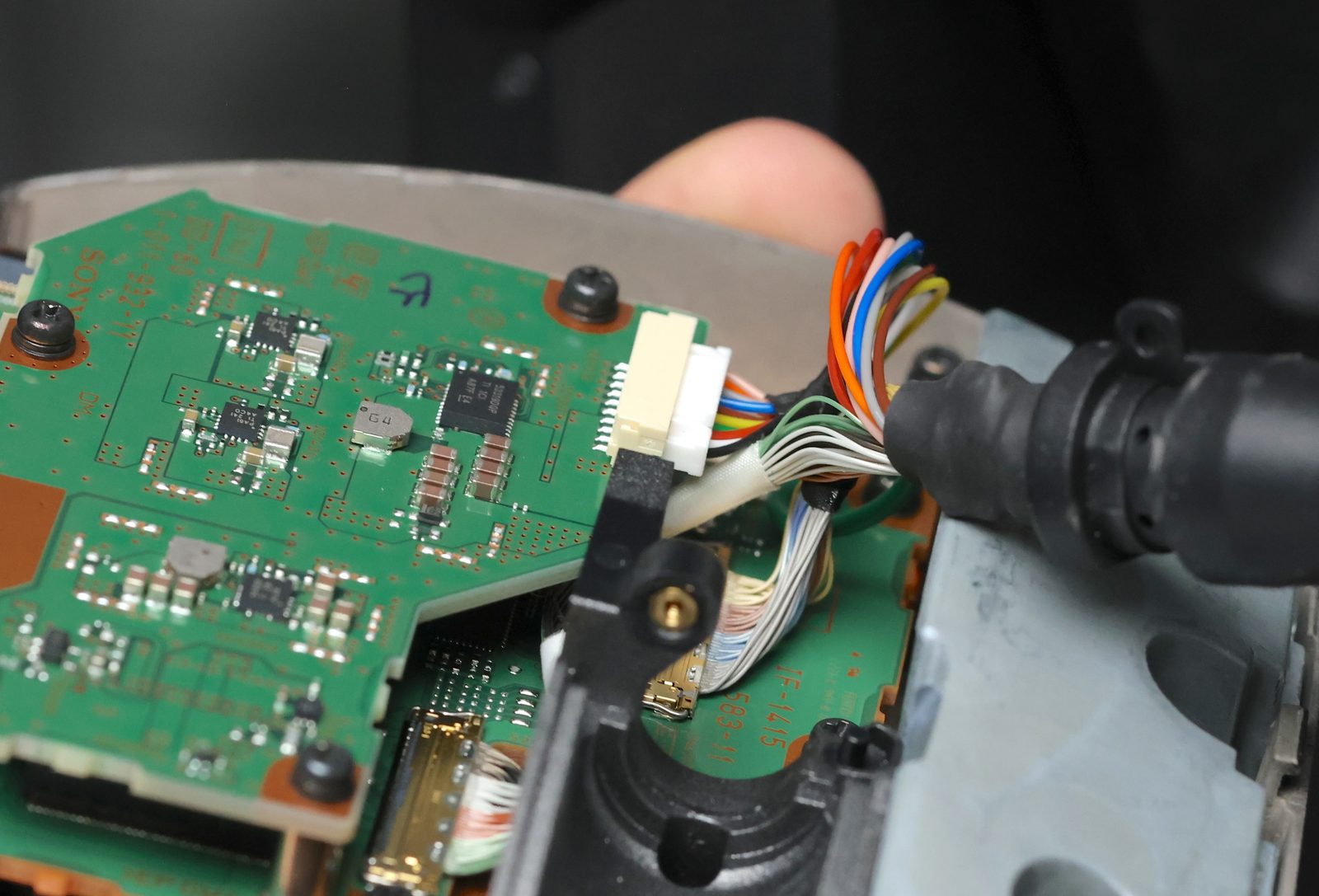
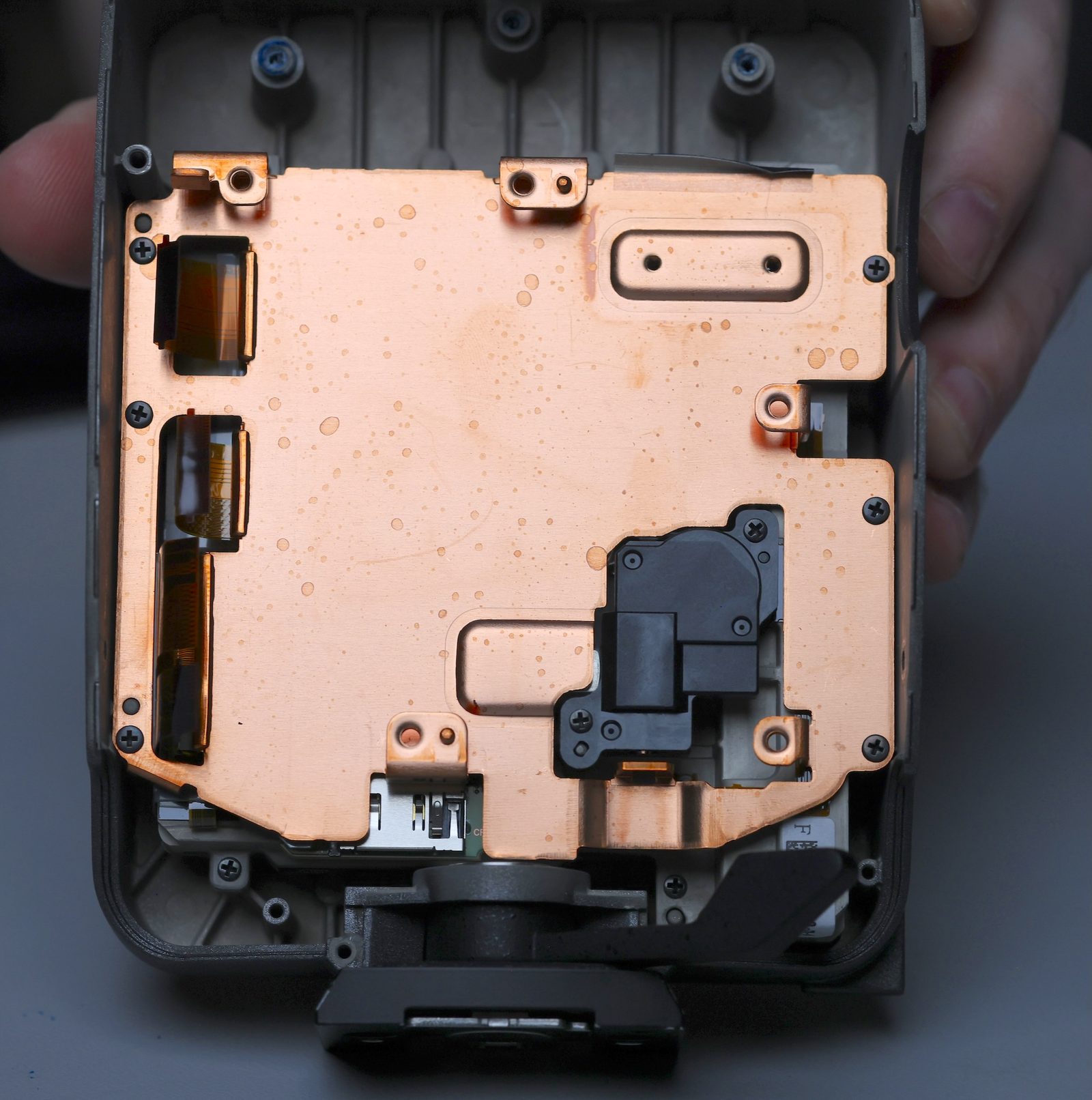
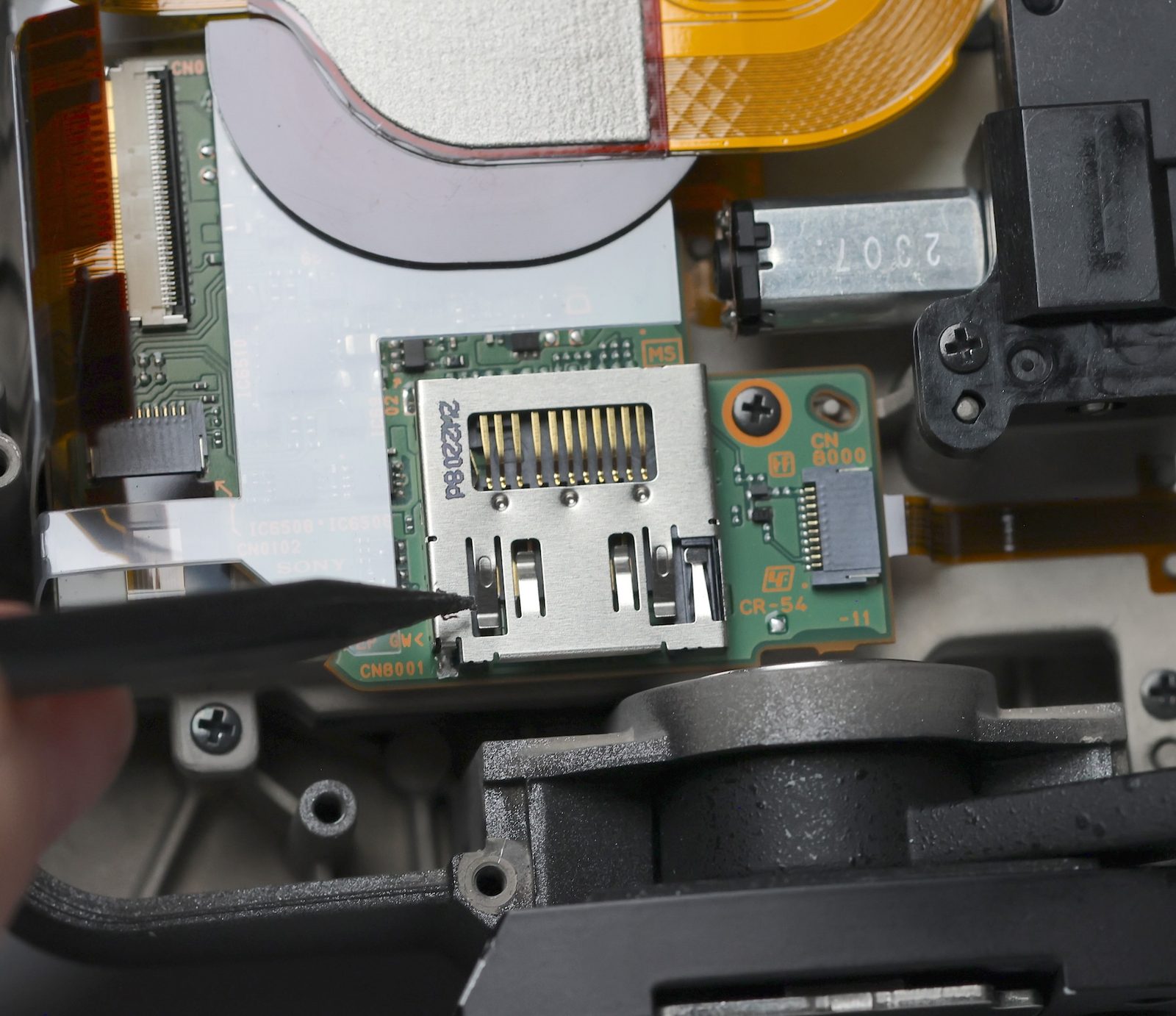
Further into the disassembly, a copper plate, likely serving as a heat sink or electromagnetic shield, was removed, exposing the sensor assembly. An intriguing feature was a "card reader"-like port, accessible only from within the camera. This port was hypothesized to be a factory-level tool for pixel mapping or sensor adjustment, explaining why full camera replacement is the manufacturer’s standard repair for sensor-related issues, as specialized re-calibration equipment would likely only be present at the manufacturing facility, not at standard repair centers.
Analysis of the $6,000 Repair and Structural Weakness
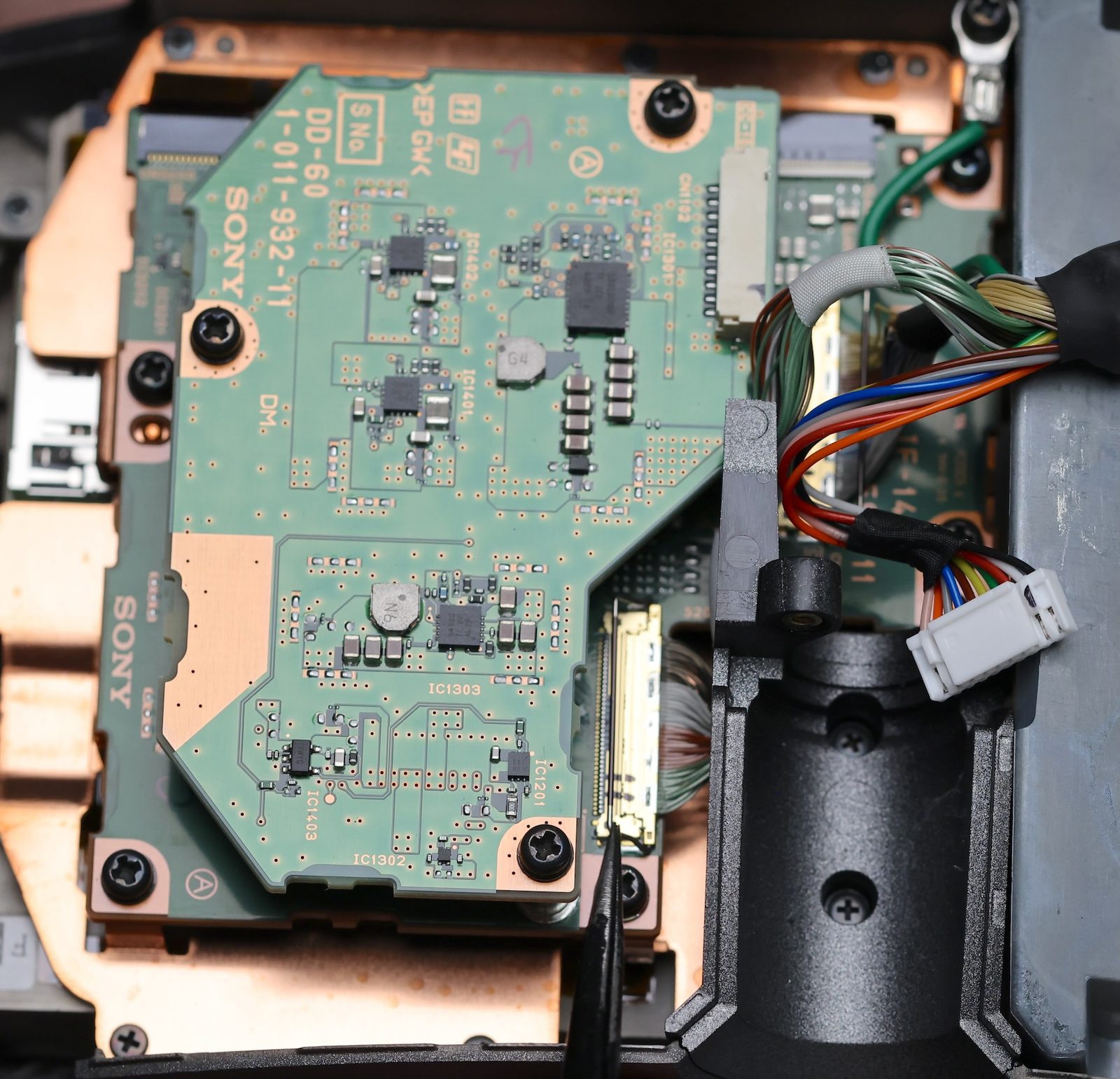
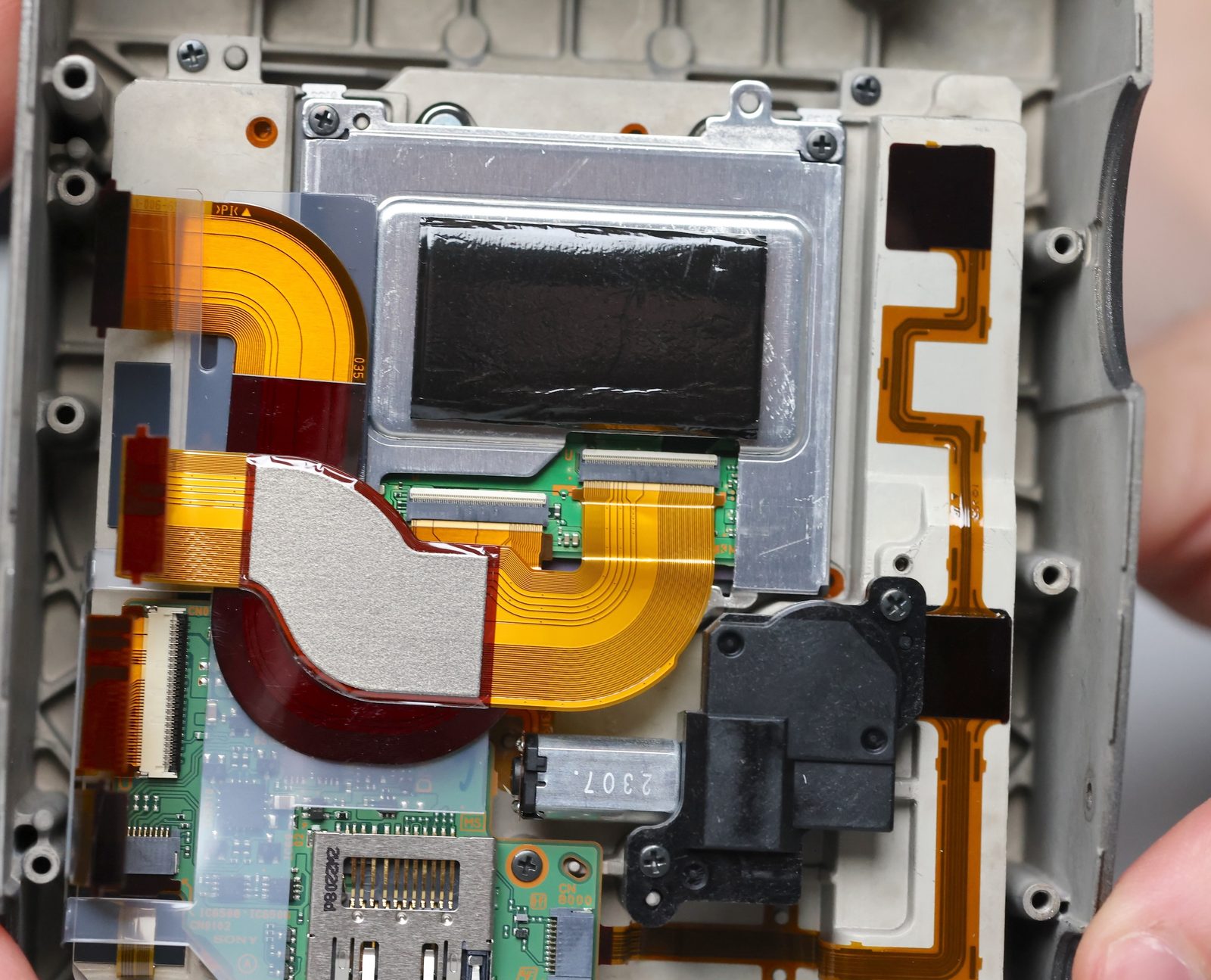
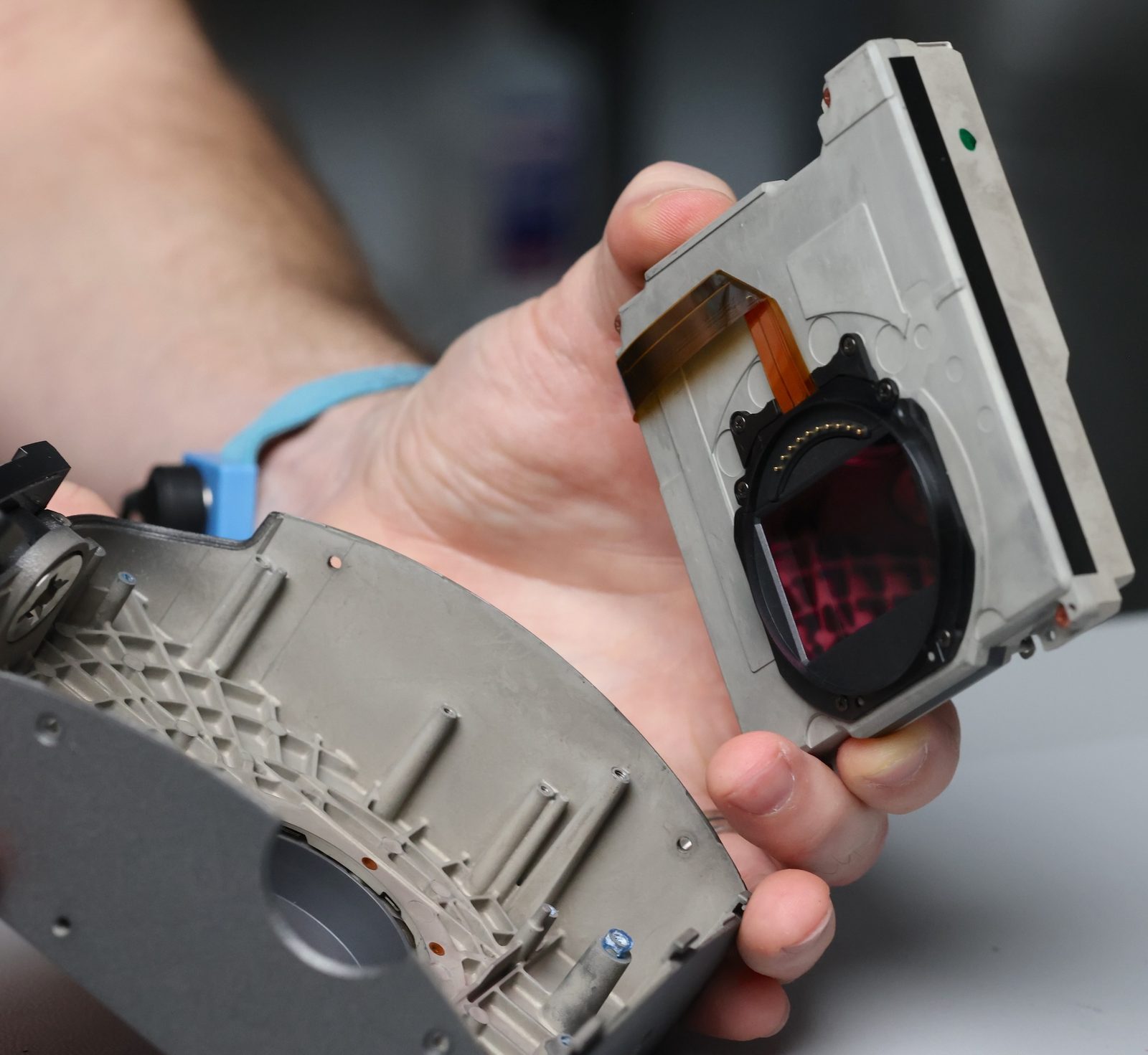
The teardown provided a clear answer to why a broken camera case necessitates a $6,000 replacement. Examination revealed that the sensor assembly is precisely shimmed to account for minute variations in the lens mount and the camera case. This precision calibration ensures optimal optical performance. Consequently, replacing the camera case would require a complete re-shimming of the sensor assembly, a complex procedure demanding specialized, factory-exclusive equipment. Without this equipment, repair centers are left with no option but to replace the entire camera unit, justifying the high cost.
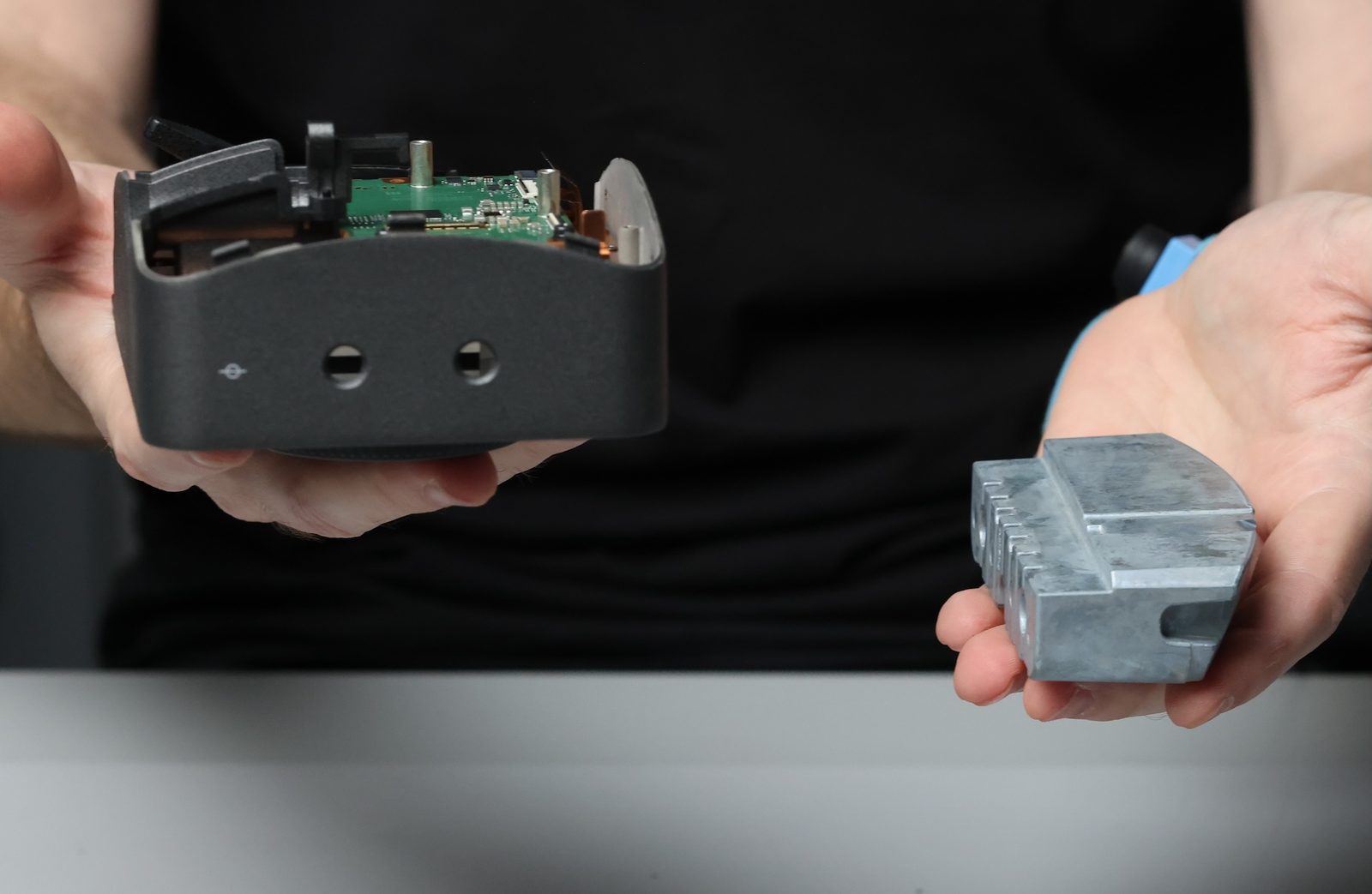
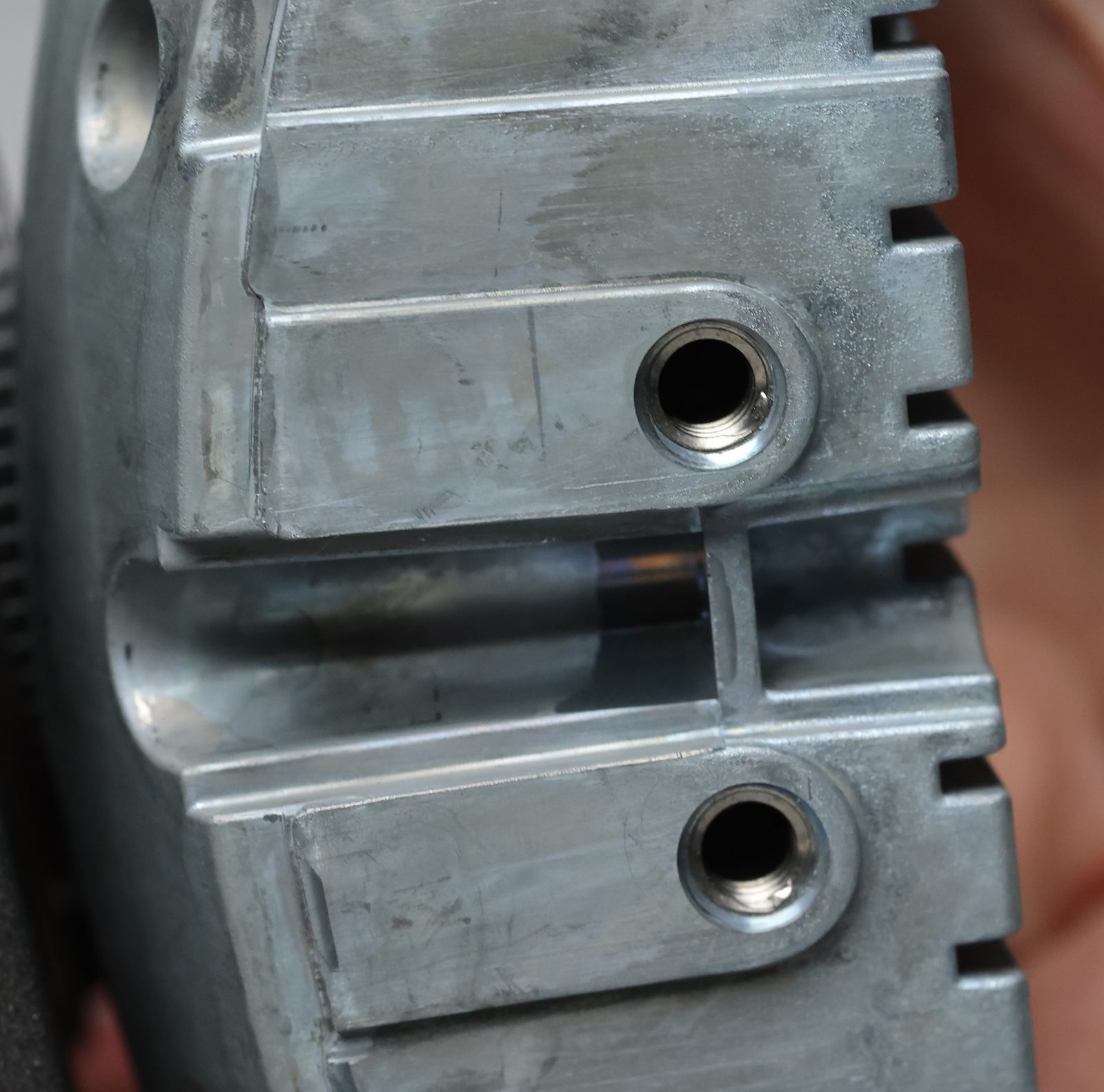
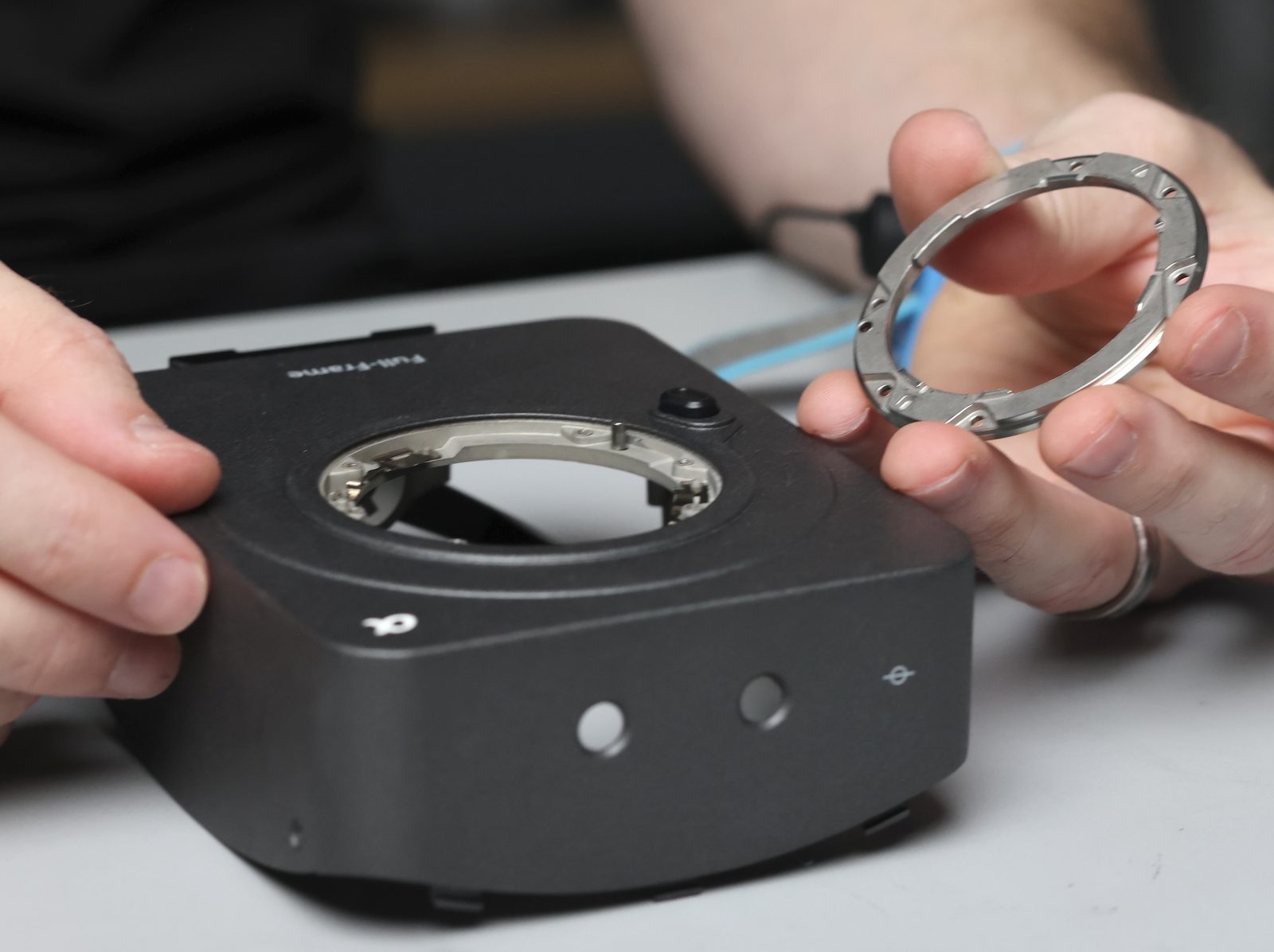
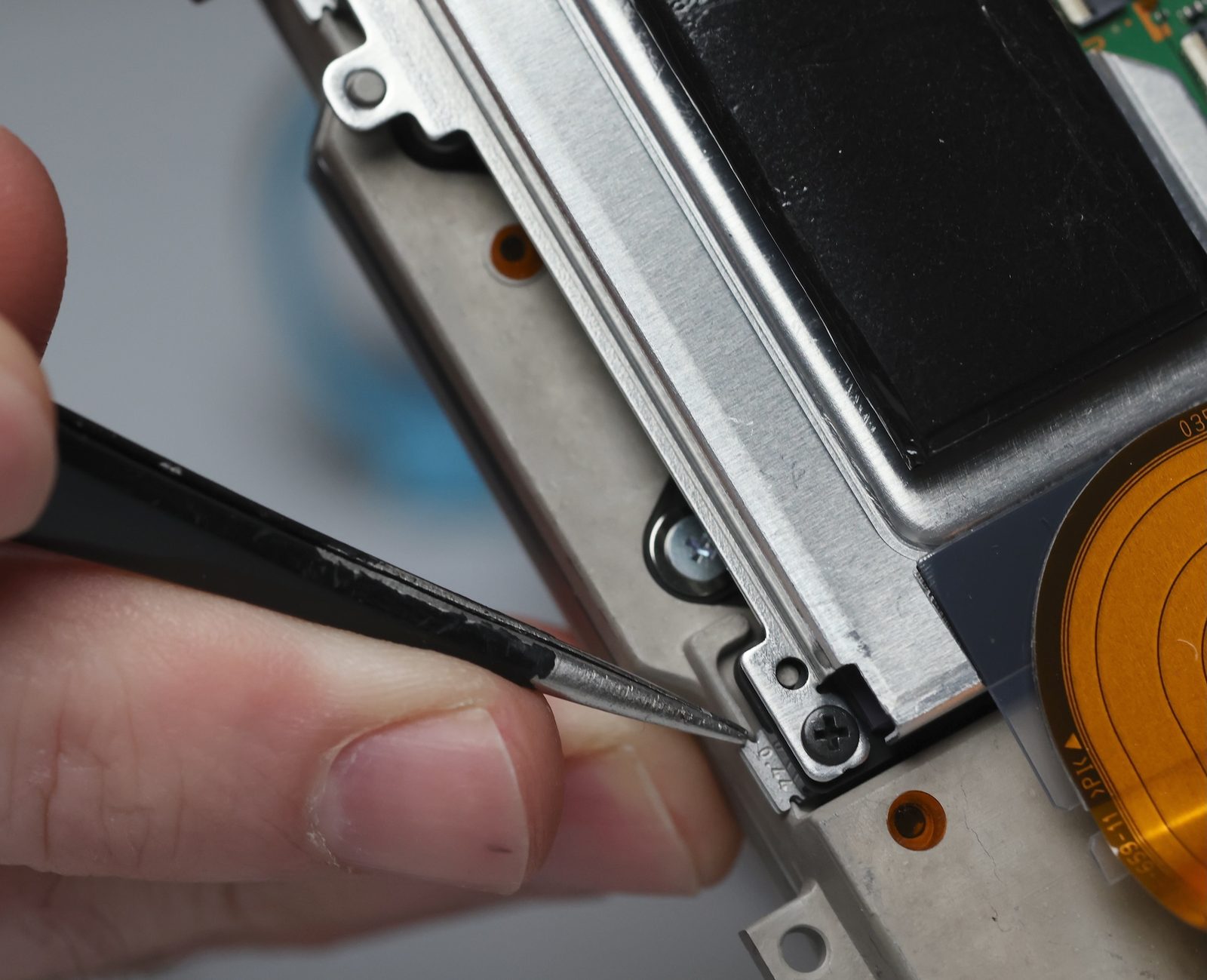
The cause of the case fracture became evident upon inspecting the mounting mechanism. The camera is secured to the PTZ assembly’s rail by a robust clamp. While the clamp itself is exceptionally strong, the point of failure lies in the connection between this clamp and the camera’s shell, which is constructed from a composite material less than 2mm thick. The combination of the camera’s 2.5-pound weight, with a significant portion (1.35 pounds) acting as a lever arm due to the counterweight’s position, and the potential addition of heavy accessories mounted on top, creates substantial torque. This torque, when subjected to shock or drop forces – particularly during shipping – is transmitted directly to the thin, vulnerable shell, leading to the observed fractures. The robust clamp simply transfers the destructive force to the weakest link, rather than absorbing it.
The analysis strongly suggested that significant drop or shock forces are the primary culprits for these fractures, even within Lensrentals’ robust packaging. This finding highlights a critical design consideration for manufacturers: while individual components may be strong, the overall structural integrity is dictated by the weakest point under stress. The teardown also briefly explored the camera’s neutral density (ND) filter mechanism, confirming it to be a mechanical, geared system, which, despite its "pricy" camera host, has proven reliable in Lensrentals’ experience.
Operational Fixes and Future Implications
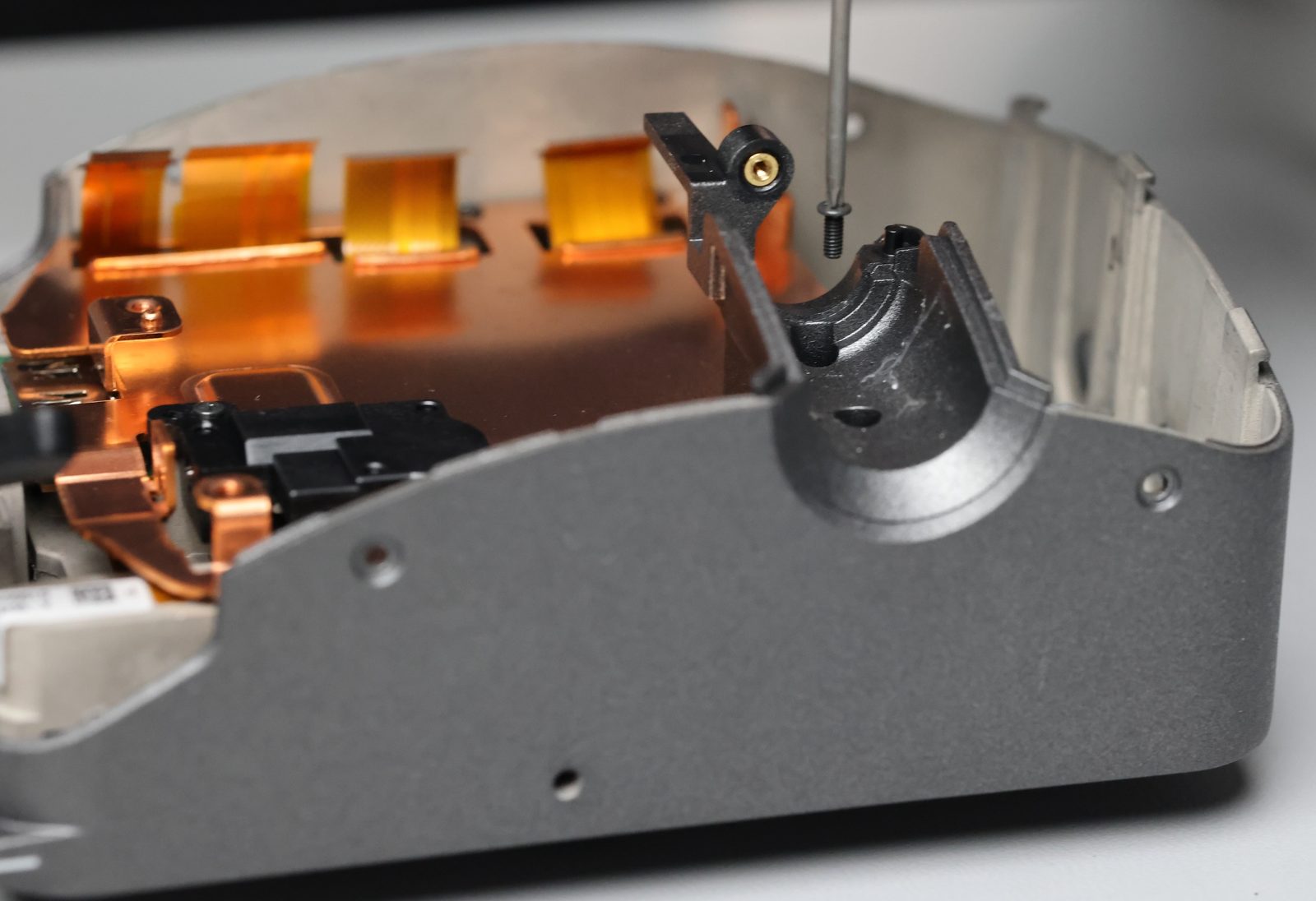
Beyond the catastrophic body fracture, the teardown offered practical solutions for the more common operational issues. The looseness in the gimbal mount, causing the locking mechanism to be less effective, was traced to a broken "Tilt Shaft Stopper" – a small plastic tab. This part’s replacement is a straightforward, 10-minute repair. Lensrentals is considering 3D printing these parts in-house, demonstrating an agile approach to sourcing and manufacturing proprietary components for repair.
The grinding noise and stickiness in the tilt gear mechanism were attributed to a dislodged plastic stop within a scissor gear assembly. Scissor gears, designed with spring tension to maintain tight mesh and eliminate gear noise, malfunction when this stop pops out, causing the gears to separate and scrape against the housing. Re-seating the plastic stop effectively resolves the issue, indicating that this common problem does not require replacement parts but rather a precise reassembly. The technicians suspect that overloading the gear train with an oversized lens or improper camera centering could lead to this dislodgement.
Aaron Closz’s successful, rapid removal of the "Cable of Immense Cost" from the camera’s arm and base, despite initial skepticism about its complexity, demonstrated that replacement of this expensive component, if necessary, is a manageable in-house repair. This adds another layer of self-sufficiency to Lensrentals’ repair capabilities.
Broader Impact and Forward Outlook
The insights gleaned from this birthday teardown carry significant implications across several fronts. For camera owners and users, the detailed analysis provides valuable information for troubleshooting and potentially even performing basic, non-parts-intensive repairs for common issues like noisy tilt mechanisms or loose gimbal mounts. It also serves as a cautionary tale regarding the potential risks of mounting excessively large or heavy lenses and accessories, which can exert undue leverage on the camera’s fragile mounting points.
For Lensrentals, the teardown has initiated immediate strategic discussions regarding packaging design. The understanding of the camera body’s structural weakness under specific stress points will inform the development of alternative packaging inserts, aiming to provide enhanced support and prevent the $6,000 catastrophic shipping damage. The company is also weighing the logistical challenges of shipping the camera unmounted from its PTZ base – a measure that would significantly reduce breakage risk but would shift assembly responsibility to the user. The internal capability to 3D print small replacement parts, like the Tilt Shaft Stopper, further enhances the company’s operational efficiency and cost control.
While no direct statement from Sony was part of this analysis, the teardown implicitly highlights areas for potential manufacturer consideration. Strengthening the camera’s case base at critical stress points, or developing modular repair solutions that do not necessitate full camera replacement for structural damage, could significantly enhance product longevity and reduce repair costs for end-users and rental houses alike. The reliance on factory-specific calibration equipment for sensor shimming also points to a broader industry challenge where specialized tools are not readily available to authorized repair centers, driving up repair expenses.
Ultimately, this anniversary teardown reinforces Lensrentals’ commitment to not only providing high-quality rental equipment but also to understanding the intricacies of its operation, maintenance, and longevity. Roger Cicala’s renewed engagement in these analyses signals a continued dedication to sharing valuable technical knowledge, benefiting the entire professional imaging ecosystem. The prospect of "one or two" more teardowns promises further deep dives into equipment mechanics, continuing to empower users and inform industry best practices.