The profound connection between humanity and the natural world is a theme that resonates deeply within the human experience, often finding expression through art and exploration. For photographer Paul Nicklen, this connection is not merely an abstract concept but a lived reality, shaped by a childhood transplanted from the prairies of Saskatchewan to the stark beauty of the Arctic. His journey, as chronicled in his reflections, underscores a fundamental truth: that embracing the wild can yield a wealth of enduring strength and profound understanding, far exceeding the comforts of a conventional life. This narrative explores Nicklen’s evolution from a child of farmers to a celebrated wildlife photographer, focusing on his transformative encounters with Earth’s most magnificent creatures, particularly the enigmatic giants of the ocean – whales.
From Heartland Roots to Arctic Horizons
Born into a family with deep agricultural roots in Saskatchewan, Nicklen’s early life was characterized by the predictable rhythms of farming and the proximity of a close-knit community. This familiar landscape offered simple pleasures: the ease of access to family, the gentle transition of mild summer evenings, and the reassuring cycle of the seasons. However, his parents’ ambitious decision to relocate their young family to the remote Arctic marked a pivotal turning point, ushering in an era of profound adventure and a significant departure from their established comforts. This move, while demanding an embrace of the unknown, ultimately revealed the immense benefits of living in closer communion with nature.
The seeds of Nicklen’s lifelong passion for the natural world were sown during these formative years. His upbringing in the Arctic exposed him to a different kind of wild, one that instilled a deep respect for the resilience and majesty of its inhabitants. This early immersion in an untamed environment laid the groundwork for his future career, where he would dedicate himself to capturing the essence of wildlife through the lens of his camera.
A Lens on the Wild: Documenting Earth’s Biodiversity
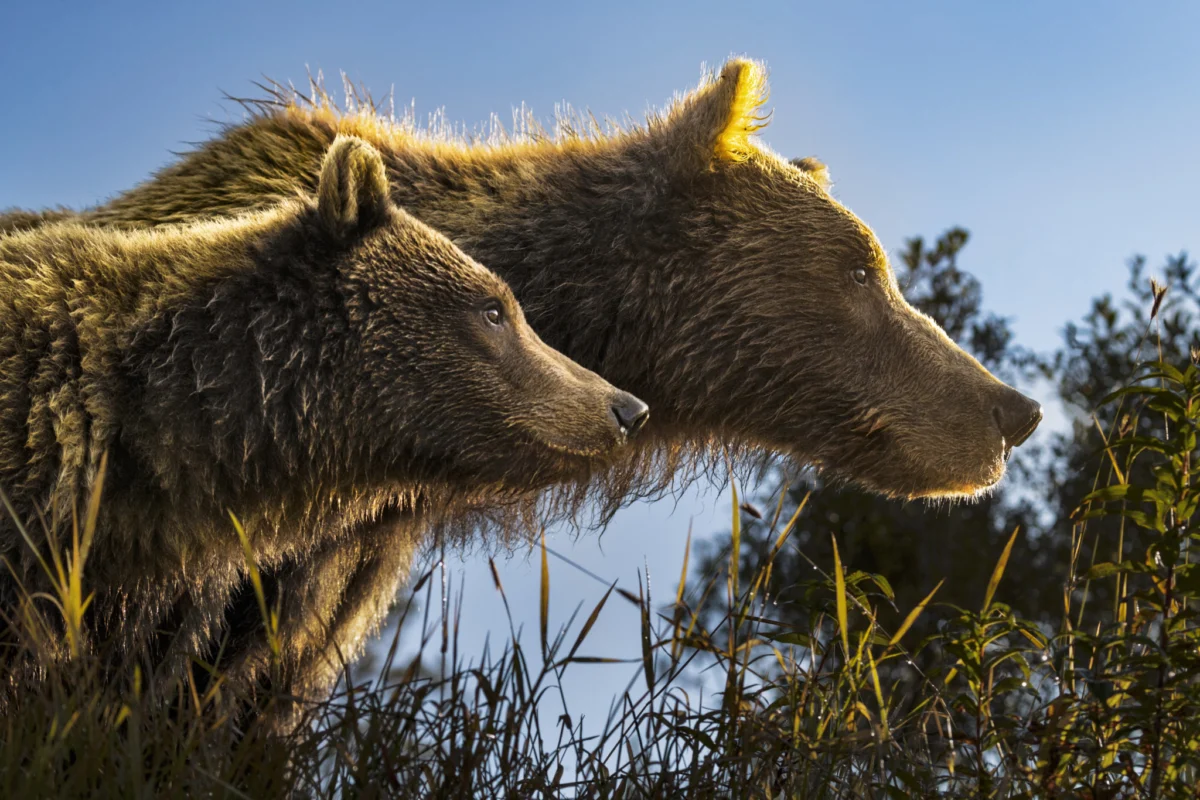
Upon embarking on his career as a photographer, Nicklen instinctively turned his camera towards the planet’s diverse and often elusive wildlife. His portfolio showcases an impressive array of subjects, from the iconic wolves and polar bears of his childhood haunts to the graceful penguins of the Antarctic, the formidable lynx, the apex predator sharks, and the ethereal spirit bears of the Pacific Northwest. This consistent engagement with the animal kingdom has solidified his perspective: that the greatest privilege of existence lies in inhabiting a planet teeming with an unimaginable diversity of species and an inexhaustible wellspring of beauty.
Nicklen’s photographic endeavors are not merely about documentation; they are about fostering a deeper understanding and appreciation for the intricate web of life that sustains our planet. His work consistently aims to bridge the gap between human observation and the wild realities of animal existence, often challenging preconceived notions and shedding light on the often-unseen aspects of their lives.
The Gentle Giants: Encounters with Whales
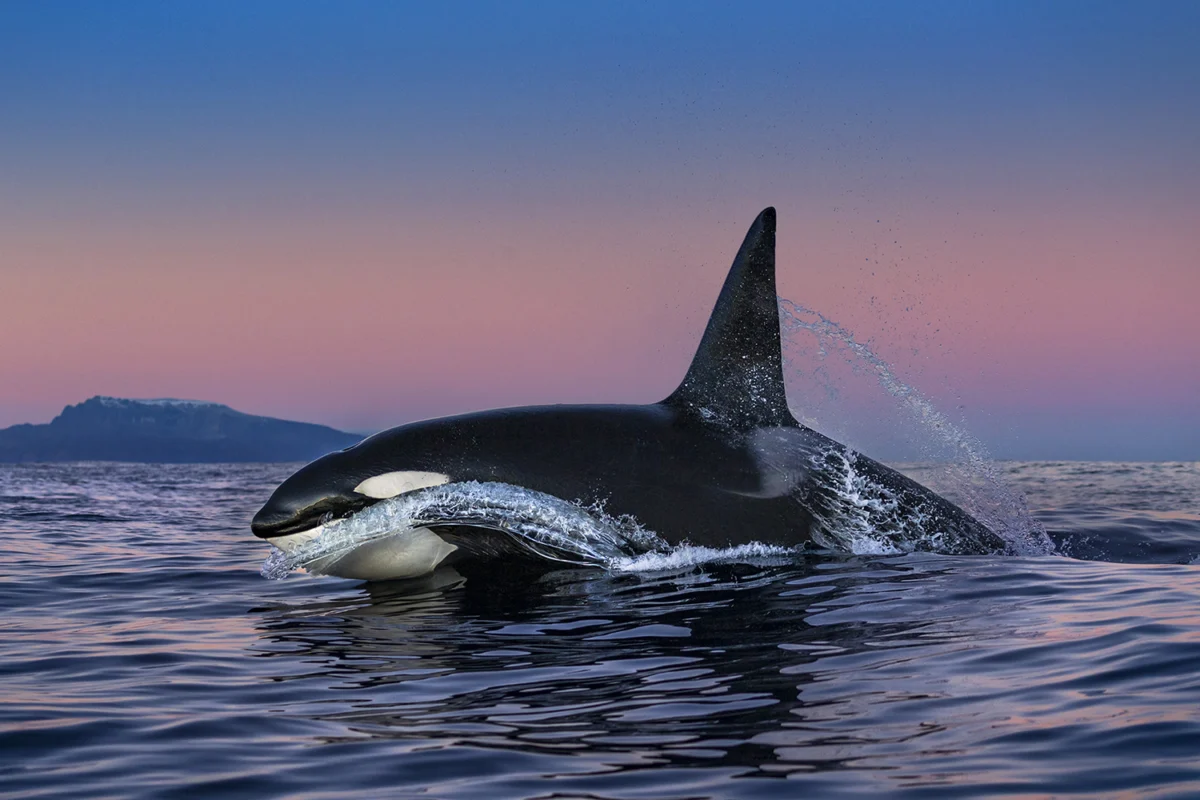
Among the myriad of species Nicklen has encountered, his experiences with whales, often referred to as the true giants of Earth, stand out as particularly significant gifts. These colossal marine mammals, much like the Arctic wildlife he grew up with, inspire a complex mixture of awe and trepidation in the human psyche. Despite their immense size and their position as some of the ocean’s most proficient hunters, there is a notable absence of documented instances where orcas (killer whales) or sperm whales have been responsible for the death of a human being. Nicklen’s personal encounters, in fact, have consistently revealed a gentle intelligence and a surprising serenity, facets that often remain obscured by popular myths and misconceptions.
Sperm whales, in particular, have been subject to a potent blend of fascination and fear, partly due to their portrayal in literature and folklore, most famously in Herman Melville’s "Moby Dick." However, Nicklen’s direct interactions have painted a far more nuanced and benevolent picture of these magnificent creatures.
The Dominica Encounter: A Calf’s Curious Embrace
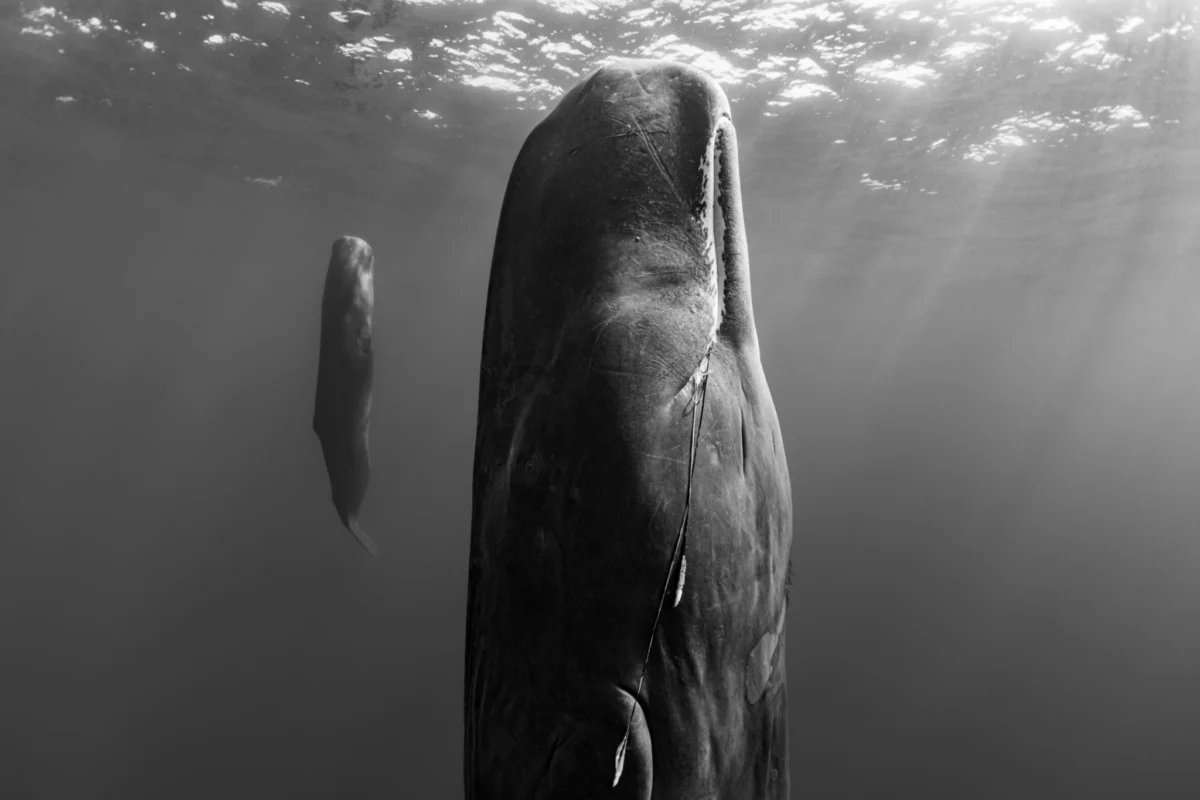
One of the most profound and eye-opening experiences in Nicklen’s career occurred while free-diving with a snorkel off the coast of Dominica, an island nation renowned for its rich marine biodiversity and its resident sperm whale populations. Here, he had the opportunity to observe a pod of sperm whales resting vertically in the water column. Sperm whales typically spend the majority of their time in the deep ocean, ascending to the surface primarily for respiration and rest, a behavior characterized by their heads pointed skyward.
During this particular encounter, the matriarch and her pod were aware of Nicklen’s presence and exhibited a remarkable degree of comfort and acceptance. As Nicklen ascended to catch his breath, his attention was drawn to the youngest member of the group, a calf affectionately nicknamed "Ariel" by the local community. Clearly intrigued by the human presence and perhaps less inclined to nap than her elders, Ariel, a juvenile whale measuring approximately twenty feet in length, made a direct and swift approach.
Nicklen braced himself, anticipating the encounter. To his surprise, Ariel, who possesses no teeth at this stage of her development, opened her mouth and began playfully gumming his camera housing, an action Nicklen described as akin to an "overgrown toddler." His years of experience navigating interactions with large, unpredictable wildlife allowed him to maintain his composure and calmly retreat to a safe distance. This whimsical interaction stood in stark contrast to the monstrous leviathans of fictional lore, revealing Ariel as a lively, curious, and remarkably gentle young whale.

The Enduring Gifts of Nature
Reflecting on his life’s journey, Nicklen attributes his deep connection to Earth’s wild creatures to his early experiences, which provided him with the foundational understanding and respect necessary to engage with even the most formidable species, like Ariel and her pod. His narrative emphasizes a powerful correlation: the more time individuals spend immersed in natural environments, the more the world reveals itself, offering novel experiences and profound insights.
Beyond the material comforts and conveniences offered by modern society, nature, Nicklen argues, provides something far more valuable: authentic connection. This connection is not merely superficial; it is a deeply ingrained sense of belonging to something larger than oneself, an understanding of our interconnectedness with all living things. This realization, forged through countless hours spent in the field, observing, and documenting the natural world, is what Nicklen identifies as the ultimate and most enduring gift.
Implications and Broader Impact
Nicklen’s personal narrative carries significant implications for how society perceives and interacts with the natural world. His experiences directly challenge anthropocentric views that often prioritize human interests above all else, highlighting the inherent value and complexity of non-human life. The documented gentleness and intelligence of species like sperm whales, often feared due to their imposing size, serve as a powerful reminder of the importance of evidence-based understanding over sensationalized myths.
Supporting Data and Scientific Context:
- Sperm Whale Behavior: Sperm whales ( Physeter macrocephalus) are the largest toothed whales and possess the largest brains of any animal on Earth. They are known for their deep-diving capabilities, reaching depths of over 2,000 meters (6,500 feet) in search of their primary prey, giant squid. Their resting behavior, known as "logging," involves vertical suspension near the surface, which is crucial for their physiological recovery.
- Orca Intelligence and Social Structure: Orcas are highly intelligent social predators with complex communication systems and sophisticated hunting strategies that vary by ecotype. While they are at the top of the marine food chain and have been known to interact with humans, particularly in research or rescue scenarios, there are no verified accounts of wild orcas intentionally killing humans. Their diet primarily consists of fish, seals, and other marine mammals.
- Biodiversity Statistics: The Earth is estimated to host between 8.7 million and 1 trillion species, with a vast majority yet to be discovered and described. This staggering biodiversity is under increasing threat from human activities, including habitat destruction, climate change, and pollution. Organizations like the Intergovernmental Science-Policy Platform on Biodiversity and Ecosystem Services (IPBES) report that approximately 1 million animal and plant species are now threatened with extinction.
Background and Chronology of Nicklen’s Work:
While the article focuses on a specific encounter in Dominica, Nicklen’s career spans decades of dedicated wildlife photography and conservation advocacy. His early experiences in the Arctic (timeline not specified in the original text but implied to be his childhood and formative years) provided a foundational understanding of Arctic ecosystems. His subsequent work has taken him to polar regions, tropical waters, and diverse terrestrial habitats. His involvement with organizations such as National Geographic has brought his powerful imagery and conservation messages to a global audience. The Dominica encounter with "Ariel" likely occurred within the last decade, given the reference to the photograph’s publication date in September 2022.
Analysis of Implications:
Nicklen’s work contributes to a broader conservation narrative by humanizing wildlife and fostering empathy. By showcasing the intelligence and gentleness of creatures often perceived as monstrous, he encourages a shift in perspective from fear to respect and a desire for protection. This aligns with scientific consensus on the importance of maintaining healthy marine ecosystems, which are vital for regulating climate, supporting global fisheries, and contributing to the planet’s overall health. The economic benefits of ecotourism, such as whale watching in Dominica, also underscore the financial imperative of conservation. However, such tourism must be managed responsibly to avoid disturbing wildlife and their habitats.
Broader Impact and Future Directions:
The challenges facing wildlife are significant, with species extinction rates far exceeding natural levels. Nicklen’s photographic storytelling serves as a vital tool in raising public awareness and mobilizing support for conservation efforts. His emphasis on the "true connection" offered by nature suggests a pathway towards a more sustainable and harmonious relationship between humans and the environment. This involves not only protecting habitats but also fostering a deeper ethical consideration for all living beings. Future initiatives stemming from such work could include increased investment in marine protected areas, stricter regulations on commercial fishing and pollution, and educational programs that promote environmental stewardship from an early age. The ongoing scientific exploration of whale behavior and intelligence will continue to inform conservation strategies and challenge our understanding of these magnificent marine mammals.