Southwestern Alaska’s rugged coastline and glacier-carved valleys transform annually into a breathtaking arena of nature’s raw power and intricate survival strategies. From late May through mid-October, the region plays host to one of the planet’s most significant and visually stunning wildlife spectacles: the annual salmon run. This colossal migration, involving an estimated 30 million salmon battling their way upstream to their ancestral spawning grounds, draws a formidable audience of brown bears, a cornerstone species in this delicate ecosystem. The convergence of these ancient forces creates an unforgettable tableau of life, death, and the relentless pursuit of sustenance.
The Salmon’s Epic Journey and the Bears’ Feast
The salmon run is not a monolithic event but a carefully orchestrated sequence of species. The sockeye salmon are the vanguard, their crimson bodies a stark contrast against the icy waters, followed by the smaller pink salmon, then the resilient coho, the robust chum, and finally, the colossal chinook. This five-month-long procession represents a critical period for Alaska’s brown bear population. As winter’s icy grip tightens, these apex predators must accumulate substantial fat reserves and vital nutrients to endure the lean months ahead. This period of intense feeding, known as hyperphagia, compels bears to consume hundreds of thousands of calories daily, transforming them into formidable figures of bulk and voracious appetite.
The sheer scale of the salmon migration provides an abundant, albeit temporary, food source. Scientists estimate that a single brown bear can consume up to 100 pounds of salmon per day during the peak of the run, significantly impacting their body mass and overall health. This dietary windfall is crucial for their survival, with females needing to build reserves not only for their own hibernation but also to support the development of their cubs.
Navigating the Hierarchy: Bear Behavior During the Run
Within the dynamic environment of the salmon run, a distinct social hierarchy governs the bears’ feeding behaviors. The alpha males, often weighing upwards of 1,500 pounds, are the first to assert dominance, claiming the most advantageous fishing spots along the rivers. Their immense size and strength allow them to stand firm against powerful currents, ambushing fish with remarkable efficiency. This established pecking order ensures that the largest and most dominant individuals secure the lion’s share of the available resources.
Subordinate bears, including younger males and females, adopt a more cautious approach. While not always possessing the same physical prowess as the alphas, they exhibit a keen understanding of the risks involved. They often strategically position themselves in less contested areas or rely on agility to snatch fish that might escape the larger bears. This adaptive behavior is crucial for their survival, allowing them to glean sustenance without engaging in potentially dangerous confrontations.
The Maternal Imperative: Mothers and Cubs in a Perilous Landscape
Perhaps the most poignant aspect of the salmon run is the role of mother bears and their cubs. These maternal units navigate the treacherous waters with a heightened sense of vigilance. The cubs, often only five to six months old and still nursing, are incredibly vulnerable. Their survival hinges entirely on their mother’s unwavering attentiveness and her ability to protect them from both environmental hazards and the inherent dangers within the bear community.
Bringing cubs to the river’s edge is an act fraught with peril. The abundance of food and the presence of numerous bears can create a chaotic environment where the safety of the young is constantly at risk. Mother bears must remain hyper-aware, constantly scanning for threats while simultaneously guiding their offspring through the feeding frenzy. Their protective instincts are paramount, as they must provide for their family while ensuring their continued existence.
The Shadow of Infanticide: A Harsh Reality of the Wild
A stark and brutal reality of the wild that mother bears must confront is infanticide. This grim phenomenon, where male bears—sometimes even their own offspring—kill cubs, is a complex aspect of brown bear ecology. While the exact motivations remain a subject of ongoing scientific research and observation, several theories have emerged. These range from reducing competition for scarce food resources, a survival mechanism in a resource-limited environment, to sexual selection, where males eliminate cubs sired by rivals to increase their own reproductive success. In some instances, cubs may even be consumed as a food source, highlighting the stark realities of predator-prey dynamics.
Regardless of the underlying reasons, the threat posed by larger, dominant males is a constant concern for mothers. Their primary responsibility becomes a relentless effort to shield their young from such dangers, a task that demands constant vigilance and strategic maneuvering. This inherent risk underscores the immense pressure placed upon mother bears during the salmon run, a testament to their resilience and dedication.

A Photographer’s Encounter: Witnessing Nature’s Intimacy
The raw beauty and profound ecological significance of the salmon run have captivated observers for generations. Renowned wildlife photographer Paul Nicklen recounts a particularly resonant experience during one such run in late August. Standing on a tranquil stretch of riverbank, enveloped by the sounds of splashing salmon and the quiet grandeur of the Alaskan wilderness, he sensed a subtle shift in his surroundings.
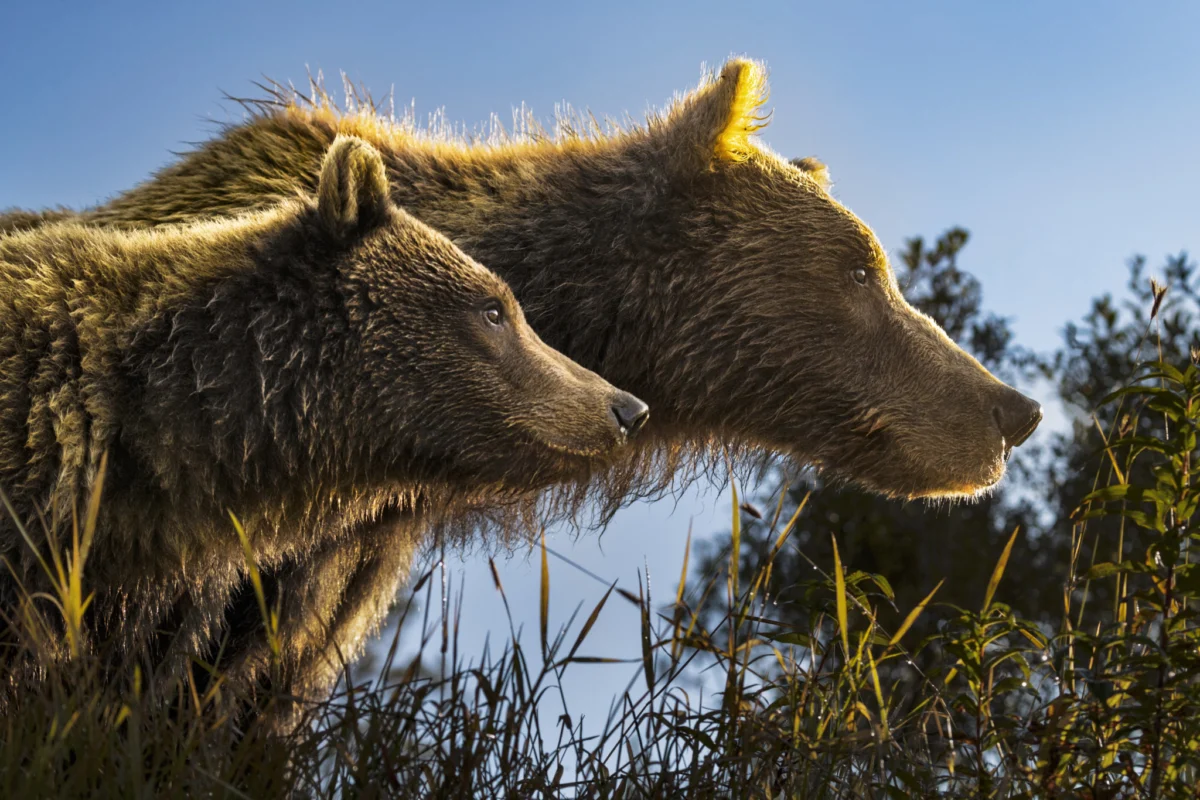
"And then, suddenly, I sense it—something in the underbrush just above me, about eight feet away," Nicklen describes. His account details a moment of profound connection and respect for the wild. As a mother bear and her cub emerged from the foliage, Nicklen instinctively adopted a posture of humility and non-aggression. He slowed his breathing, avoided direct eye contact, and moved with a deliberate gentleness, a practice he emphasizes for all his field assistants.
The mother bear, acutely aware of her surroundings, focused her attention on a large male bear fishing upstream. Nicklen’s presence, and that of her cub, seemed to register but not as an immediate threat. This dynamic underscores the complex social interactions at play, where the immediate danger of infanticide overshadows other potential concerns.
Nicklen’s photographic approach during this encounter was characterized by an almost meditative calm. "Everything slows down in moments like that. You calm your nerves, steady your hands as much as you can, and move very, very slowly and gently," he reflects. This deliberate pace, akin to the movements of Tai Chi, is crucial for minimizing disturbance and fostering a sense of trust, however fleeting.
With a wide-angle lens, Nicklen managed two rapid captures, not expecting the profound impact they would later have. "As it happened, one of those two captures has become one of the most pleasing images I have ever taken. I love it," he states, underscoring the emotional resonance of the captured moment. The image encapsulates a rare instance where an animal, in its natural environment, seemingly accepts the presence of a human observer, dictating the terms of engagement.
Broader Implications: Conservation and the Interconnectedness of Ecosystems
The annual salmon run is more than just a visually arresting wildlife event; it is a critical ecological engine. The health of salmon populations directly influences the vitality of numerous species, including bears, eagles, seals, and marine mammals. The salmon’s journey upstream not only fuels the terrestrial food web but also represents a crucial link between the marine and freshwater ecosystems.
The ocean waters that Paul Nicklen works to protect are intrinsically tied to this cycle. The health of the ocean directly impacts the abundance and vitality of salmon, which in turn sustains the terrestrial wildlife that relies on them. This interconnectedness highlights the importance of comprehensive conservation efforts that address both marine and freshwater environments.
Challenges such as climate change, habitat degradation, and overfishing pose significant threats to salmon populations. Declining salmon numbers can have cascading effects throughout the ecosystem, impacting bear populations, traditional indigenous livelihoods, and the overall biodiversity of the region. Understanding and preserving the delicate balance of the salmon run is therefore paramount for the long-term health of southwestern Alaska and its iconic wildlife.
The image captured by Nicklen serves as a powerful reminder of the raw beauty and profound resilience of nature. It also underscores the ethical responsibilities of those who venture into these wild spaces, emphasizing the need for respect, patience, and a deep understanding of the intricate web of life. The annual salmon run, with its dramatic displays of survival and the enduring maternal bonds, continues to be a vital testament to the wild heart of Alaska.