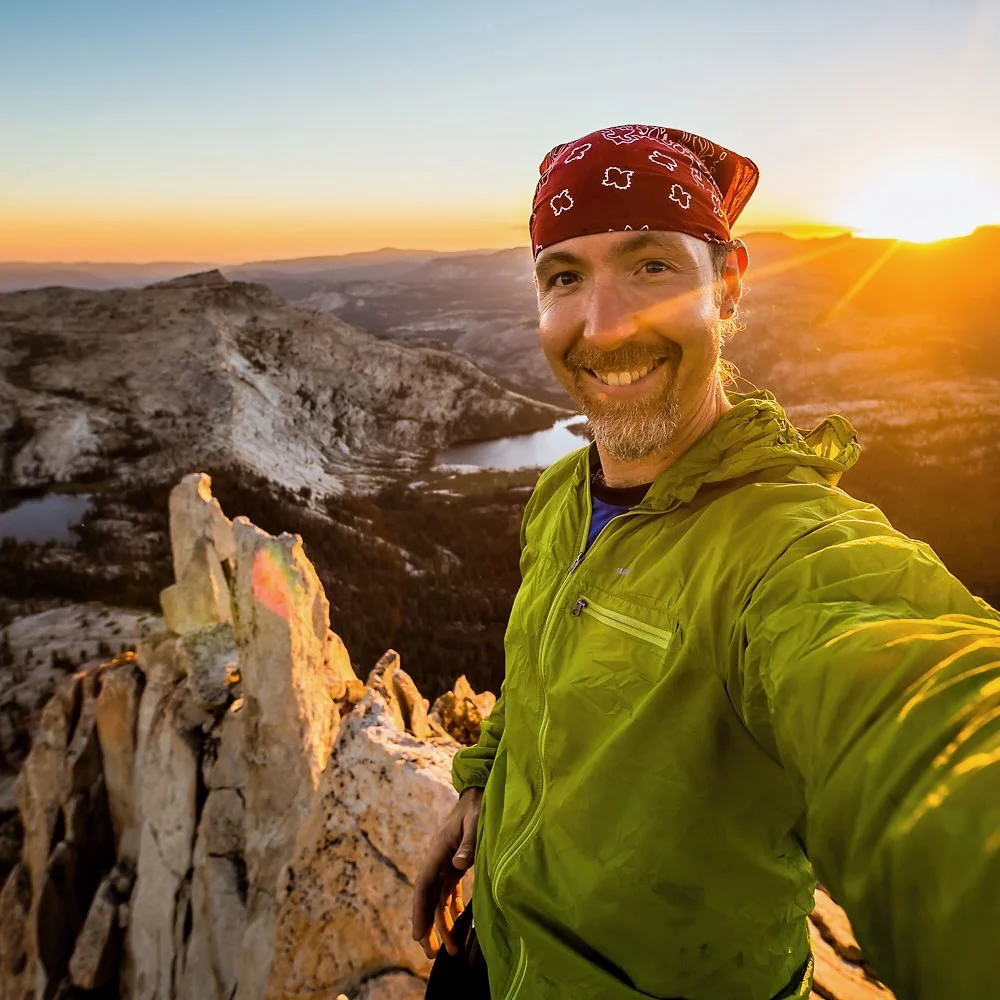
Funeral photography, a practice that once held a significant place in Victorian society, has largely receded into the shadows of modern commemoration, often perceived as a taboo subject. However, photographer Duane Knight, founder of Your Legacy Photography, is spearheading a movement to reintroduce and validate this art form, asserting its crucial role in the grieving process. Knight, who has identified fewer than fifty professional funeral photographers globally, is dedicated to educating fellow artists on how to integrate this specialized genre into their services, thereby offering solace and preserved memories to families navigating loss.

A Historical Perspective: From Victorian Norm to Modern Hesitation
The practice of funeral photography dates back to the Victorian era, a period characterized by elaborate mourning rituals and a profound fascination with death and remembrance. During this time, post-mortem photography was common, often serving as the only visual record of a departed loved one, especially for families who could not afford painted portraits. These photographs, while sometimes perceived as morbid by today’s standards, were deeply cherished as a tangible connection to those who had passed. As societal attitudes evolved and photography became more accessible, the emphasis shifted from preserving the image of the deceased to capturing the living. The advent of more candid and celebratory forms of photography, coupled with a cultural tendency to shy away from overt expressions of grief, led to funeral photography becoming increasingly marginalized, often associated with intrusion rather than support.
The Healing Power of Captured Moments: Duane Knight’s Vision
Knight’s conviction in the value of funeral photography stems from his personal experiences and his observations of grieving families. He notes that many photographers have received feedback from clients expressing the profound significance of a portrait of a deceased loved one, often being the sole acceptable image for display during memorial services. This realization prompted Knight to consider the broader implications of documenting the funeral itself.

"Funerals are often a convergence of family and friends from far and wide," Knight explains. "People travel from across the country, and sometimes from around the globe, to honor and celebrate the life of someone they loved. In the midst of such an emotionally charged event, the details can blur. Who was there? What was said? What did that moment feel like?"
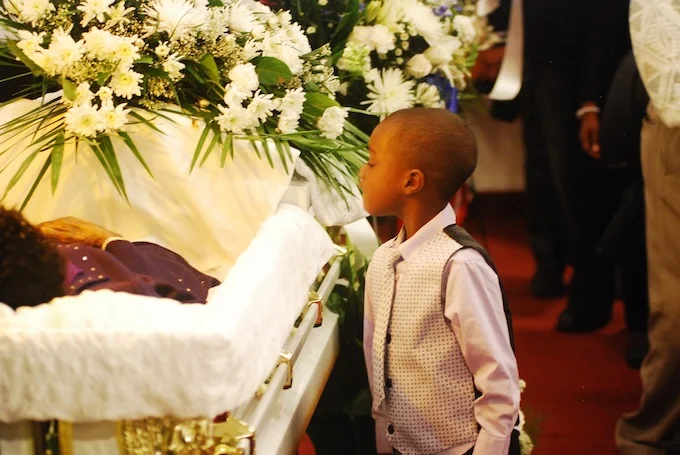
Knight’s work, particularly his "Legacy Funeral Albums," aims to provide a comprehensive visual narrative of these gatherings. Over the past decade, he has delivered approximately 150 such albums, each a meticulously crafted testament to the life mourned and the community that mourns. These albums serve not only as a memento of the departed but also as a record of the collective presence and support offered during a time of immense vulnerability. For those unable to attend, receiving a Legacy Funeral Album can bridge the geographical and emotional distance, offering a sense of inclusion and shared experience.

Addressing the Taboo: Cultural Sensitivity and Acceptance
Knight acknowledges that the acceptance of funeral photography is deeply intertwined with cultural norms and individual preferences. "It’s a cultural thing," he states. "Some cultures are completely against any form of photography at funerals, and for them, it’s a definite taboo. Even within a single group, you might find only a few individuals who are comfortable with the idea."
Despite these challenges, Knight is committed to ensuring that those who desire funeral photography have access to it. His mission is rooted in the belief that preserving these memories is a vital aspect of the healing process, and he advocates for the right of families to choose this form of remembrance. He emphasizes that his approach is always sensitive and unobtrusive, focusing on capturing authentic moments of love, support, and shared sorrow. The goal is not to intrude upon private grief but to document the communal experience of loss and remembrance in a way that can be revisited and cherished in the years to come.

The Art of Funeral Photography: Education and Outreach
To foster greater understanding and adoption of funeral photography, Knight is actively engaged in educating other photographers. He has participated in numerous photography conferences, including WPPI (Wedding & Portrait Photographers International) in Las Vegas, to share his expertise and advocate for the genre. His initiative aims to equip photographers with the technical skills, ethical considerations, and emotional intelligence required to practice funeral photography with sensitivity and professionalism.
Knight’s distinctive presence at these events, often marked by a hat that reads "I Love Funeral Photography" and a vest emblazoned with "Ask Me about the Art of Funeral Photography," serves as a conversation starter. He believes that by demystifying the practice and highlighting its therapeutic benefits, he can encourage more photographers to consider offering these services. The long-term vision is to create a network of skilled funeral photographers who can meet the growing demand for this specialized form of documentation.

Data and Implications: The Evolving Landscape of Grief Documentation
The decline in funeral photography mirrors broader societal shifts in how grief is managed and expressed. While traditional mourning periods and public displays of sorrow were more common in previous centuries, contemporary Western cultures often encourage a swift return to normalcy, with grief being a more private affair. This can leave grieving individuals feeling isolated and without adequate support systems.
The rise of social media has also altered how memories are preserved and shared, yet it often focuses on curated moments of happiness, potentially overlooking the profound and necessary experiences of loss. In this context, professional funeral photography offers a tangible and enduring record that can supplement digital memories and provide a more comprehensive account of a life and its impact.

The implications of Knight’s work extend beyond individual families. By legitimizing and promoting funeral photography, he is contributing to a larger conversation about the importance of acknowledging and processing grief in healthy ways. The availability of skilled funeral photographers can help normalize the expression of sorrow and provide a visual anchor for memories that might otherwise fade. Furthermore, the documentation of diverse cultural mourning practices through photography can foster greater intercultural understanding and respect.
The Future of Funeral Photography: A Growing Need
As the demographic landscape shifts and individuals increasingly seek personalized and meaningful ways to commemorate their loved ones, the demand for specialized photography services like funeral photography is likely to grow. Knight’s efforts to train and support new practitioners are timely and essential. His commitment to educating the next generation of funeral photographers ensures that this art form, with its deep roots in historical remembrance and its profound capacity for emotional healing, will continue to be available for those who need it most. His mission is not merely about taking pictures; it is about offering a unique and invaluable service that helps families navigate the complexities of grief, preserve precious memories, and honor the enduring legacy of those they have lost.

Knight’s dedication to this often-misunderstood genre underscores a fundamental human need: to remember, to connect, and to heal. By bringing funeral photography back into the light, he is providing a vital service that allows individuals to hold onto the essence of their loved ones and the shared experience of their farewell, creating a lasting testament to love and remembrance in the face of loss. His work is a poignant reminder that even in the darkest of times, art can serve as a powerful beacon of comfort and a pathway toward healing.