At Qualcomm’s highly anticipated Snapdragon Summit, a pivotal event for mobile technology innovations, Motorola officially unveiled its latest flagship smartphone, the Signature 27. Touted as the company’s most advanced and powerful device to date, the Signature 27 is positioned to redefine mobile imaging capabilities, leveraging the newly introduced Snapdragon 8 Elite Extreme Gen 6 Mobile Platform. This strategic launch underscores Motorola’s aggressive pursuit of the premium smartphone segment, integrating cutting-edge silicon with sophisticated camera hardware and intelligent software enhancements.
The Snapdragon Summit, an annual gathering of industry leaders, developers, and media, serves as Qualcomm’s primary platform for showcasing its next-generation mobile processors. The introduction of the Snapdragon 8 Elite Extreme Gen 6, which promises unprecedented performance benchmarks, faster and more productive AI technologies, and significant advancements in imaging capabilities, set the stage for Motorola’s announcement. The Signature 27’s design and feature set are intrinsically linked to the capabilities unlocked by this powerful new chipset, signaling a concerted effort by Motorola to harness Qualcomm’s innovations for a truly premium user experience.
Technological Core: The Snapdragon 8 Elite Extreme Gen 6
The bedrock of the Motorola Signature 27’s performance is the Snapdragon 8 Elite Extreme Gen 6 Mobile Platform. This latest iteration from Qualcomm represents a substantial leap forward in mobile processing power, AI acceleration, and multimedia handling. While specific clock speeds and core configurations were detailed by Qualcomm during the summit, the overarching theme is a focus on extreme efficiency combined with raw power, enabling complex computational tasks directly on the device. For imaging, this translates into faster image processing, more sophisticated real-time AI enhancements for photos and videos, and support for high-bandwidth data streams necessary for advanced camera sensors. A highlight of the new Snapdragon platform is its capacity to finally bring 8Kp60 video recording to smartphones, a feature that significantly elevates the potential for professional-grade mobile videography. This capability, alongside enhanced ISP (Image Signal Processor) performance, allows the Signature 27 to capture video with unprecedented detail, fluidity, and dynamic range, positioning it at the forefront of mobile video capture.

Beyond raw processing, the AI engine within the Snapdragon 8 Elite Extreme Gen 6 is crucial. It underpins features like intelligent scene recognition, advanced noise reduction, sophisticated object tracking for video, and personalized user experiences. Motorola’s integration of this AI prowess aims to automate and optimize photographic and videographic processes, allowing users to achieve professional-looking results with minimal effort. This represents a paradigm shift, moving beyond mere pixel pushing to an intelligent interpretation and enhancement of captured visual data.
Revolutionizing Mobile Photography: The Camera System Deep Dive
Motorola’s Head of Global Marketing, Nicole Hagen, confidently described the Signature 27’s camera system as "industry-leading" during her presentation at the Snapdragon Summit. While many specifications remain under wraps, the company has revealed crucial details that paint a picture of a truly ambitious imaging setup. At the heart of the main camera is Sony’s latest Lytia-series sensor, the 50-megapixel Lytia 910 LOFIC image sensor. This Type 1/1.28 sensor represents a significant hardware investment, promising exceptional image quality.
The Lytia 910 LOFIC (Low-Noise Implicit Frame Integration Capture) technology is particularly noteworthy. LOFIC sensors are designed to achieve an extraordinarily wide dynamic range by capturing multiple exposures within a single frame and then intelligently merging them. This technology addresses one of the most persistent challenges in mobile photography: maintaining detail in both bright highlights and deep shadows simultaneously. For users, this means capturing scenes with dramatic contrasts, such as sunsets or backlit subjects, without sacrificing detail or introducing excessive noise. The Type 1/1.28 sensor size is also critical; larger sensors gather more light, leading to improved low-light performance, reduced noise, and a more natural shallow depth of field, akin to dedicated cameras. The 50-megapixel resolution strikes a balance, offering ample detail for cropping and large prints while managing file sizes and processing demands effectively.
Complementing the main camera is an equally impressive telephoto imager, also powered by a Sony Lytia chip. This is the 200-megapixel Type 1/1.12 Lytia 901 sensor, which was initially announced by Sony last year. The inclusion of such a high-resolution, large-format sensor specifically for telephoto duties is a bold move, distinguishing the Signature 27 in a competitive market. The 200-megapixel count, while seemingly excessive for a telephoto, offers incredible flexibility for digital zoom and extensive cropping without significant loss of detail. Combined with its substantial Type 1/1.12 size, this telephoto lens promises exceptional light-gathering capabilities for zoomed shots, crucial for maintaining image quality at longer focal lengths, especially in challenging lighting conditions. This suggests that Motorola is not merely adding a telephoto lens but is aiming for a truly versatile and high-performance zoom experience.

Despite these exciting revelations, a notable gap in the announced specifications is details regarding an ultra-wide camera. High-end smartphones typically feature a comprehensive triple or quadruple camera array, including a robust ultra-wide lens for landscape, architectural, and creative wide-angle shots. The presence of clearly more than two rear cameras on the device, as observed in promotional images, strongly implies the existence of an ultra-wide sensor, which Motorola is likely to reveal in due course, possibly closer to the full product launch. Given the premium positioning and the caliber of the main and telephoto sensors, expectations for the ultra-wide’s performance will undoubtedly be high.
Beyond Hardware: AI-Powered Imaging and Stabilization
Motorola emphasizes that the Signature 27’s imaging prowess extends beyond raw hardware specifications, heavily relying on intelligent software. The phone incorporates Motorola’s proprietary Video Enhancement Engine, an AI-powered tool designed to create a real-time "intelligence layer" during video recording. This engine is capable of automatically adjusting color tones and other parameters as the user captures footage, ensuring optimal visual fidelity. Motorola asserts that this technology enables users to capture moments "exactly as they remember them," whether at a vibrant concert, filming after dark, or documenting a picturesque sunset. The promise is footage that appears professional, remains sharp in low light, and delivers natural, true-to-life colors without manual intervention.
This sophisticated video processing is undeniably a direct beneficiary of the Snapdragon 8 Elite Extreme Gen 6 chip’s advanced AI capabilities. The real-time computational demands of such a system require significant on-device processing power, which the new Qualcomm platform provides. Furthermore, stabilization is another critical area where hardware and software converge. The Signature 27 integrates Qualcomm’s advanced image stabilization technology with optical image stabilization (OIS) hardware. OIS physically moves lens elements or the sensor to counteract camera shake, while Qualcomm’s digital stabilization, often AI-enhanced, analyzes motion and digitally corrects footage. The combination of both methods ensures exceptionally stable video, even when shooting handheld or in dynamic environments, a crucial feature for any device aiming for professional-grade video capture.
Aesthetic and Audio Excellence: Crafting a Premium Experience
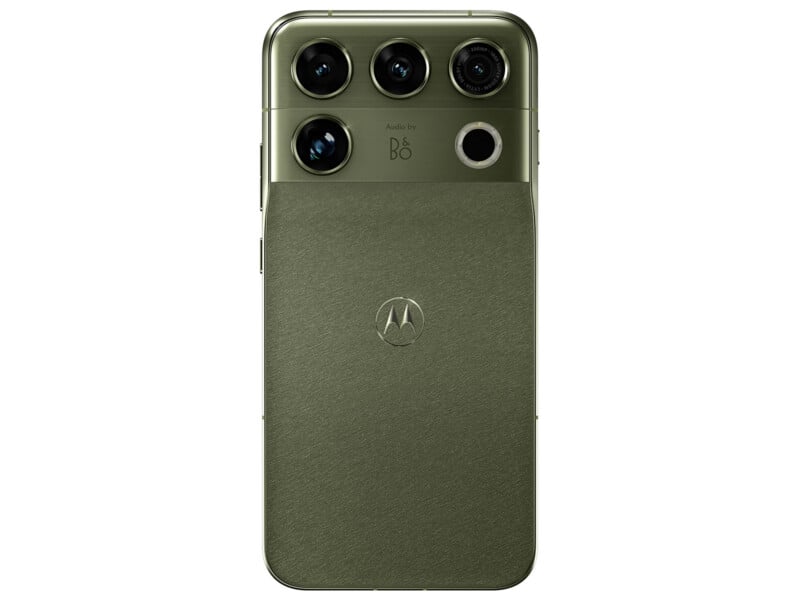
The Motorola Signature 27 is not just about internal technology; its exterior design and audio experience are also integral to its premium positioning. Motorola has clearly targeted a discerning demographic, opting for carefully curated materials and a collaboration with Bang & Olufsen for its audio system. This multi-year partnership with the Danish luxury audio brand, announced just prior to the Snapdragon Summit, signifies Motorola’s commitment to delivering an unparalleled sound experience. Bang & Olufsen’s expertise in acoustic engineering and high-fidelity audio is expected to elevate the Signature 27’s sound output, whether through its integrated speakers or via connected headphones, providing rich, immersive, and clear audio for media consumption, gaming, and communication. This partnership aims to differentiate the Signature 27 in a market where audio quality is often secondary to visual features.
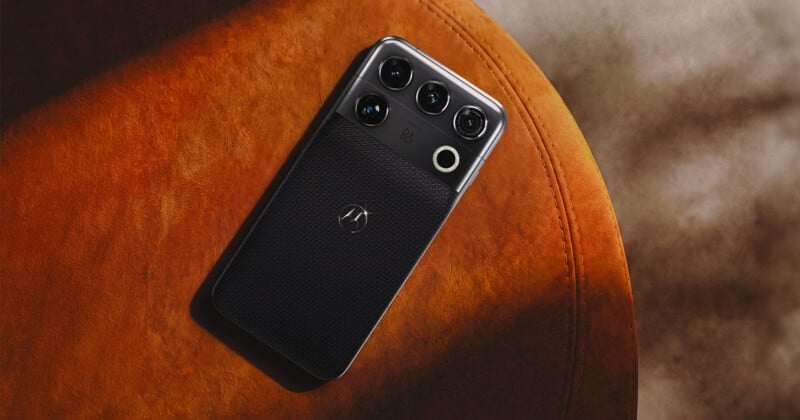
Aesthetically, the phone is designed to be "admired, held, and deeply chosen," a philosophy that translates into a sleek aluminum chassis. The device features a relatively distinct camera housing design, contributing to its unique visual identity. Motorola is offering the phone in two distinct finishes: a "coal smoke" variant with a "tactical weave" texture, and a striking "Capulet olive" with a brushed, textile finish. The olive variant, showcased at the Snapdragon Summit, garnered particular attention for its sophisticated and tactile appeal, moving beyond typical glass and metal designs to offer a more bespoke feel. These material choices and finishes underscore Motorola’s intent to create a device that not only performs at the highest level but also feels luxurious and exclusive in hand.
Market Implications and Competitive Landscape
The launch of the Motorola Signature 27 signals Motorola’s renewed and aggressive commitment to challenging established players in the ultra-premium smartphone segment. By integrating the latest Snapdragon silicon with advanced Sony Lytia sensors and a focus on AI-driven imaging and premium audio, Motorola is directly targeting competitors like Apple’s iPhone Pro Max series, Samsung’s Galaxy S Ultra line, and Google’s Pixel Pro models, as well as high-end offerings from Chinese manufacturers such as Xiaomi and Oppo.
The emphasis on "industry-leading" camera technology, particularly the combination of a large 50MP main sensor with LOFIC and a groundbreaking 200MP telephoto sensor, could give Motorola a distinct advantage in specific photographic niches, especially for users prioritizing dynamic range, low-light performance, and zoom capabilities. The 8Kp60 video recording and the AI-powered Video Enhancement Engine further position it as a formidable tool for content creators.
However, success in the premium market requires more than just specifications. It demands seamless hardware-software integration, consistent performance, robust ecosystem support, and effective marketing. Motorola’s strategy appears to hinge on a combination of raw power, differentiated camera hardware, intelligent software enhancements, and a refined aesthetic/audio experience to carve out its niche. The partnership with Bang & Olufsen is a clear example of this differentiation strategy, appealing to consumers who value an holistic premium experience.
Looking Ahead: The Full Reveal
While the Snapdragon Summit provided an exciting preview, Motorola has confirmed that the full details of the Signature 27, including all specifications, pricing, and availability, will be revealed later this year, ahead of its global release. This staged unveiling allows Motorola to build anticipation and strategically release information, maintaining buzz leading up to the device’s market debut. The early insights suggest that the Motorola Signature 27 is poised to be a significant contender, embodying Motorola’s "continued commitment to push the boundaries of smartphone photography" and deliver a truly premium mobile experience. The industry and consumers alike will keenly await the complete picture of this ambitious new flagship.