In the vast and intricate world of visual arts, lighting in photography stands as arguably the most vital element, capable of transforming a mere capture into a compelling visual narrative. It is the fundamental force that shapes perception, evokes emotion, and dictates the very success of an image, making the crucial difference between a competent photograph and one that is truly spectacular. This principle holds true across all genres, from the sweeping vistas of landscape photography to the intricate details of macro subjects and the challenging depths of underwater environments.
The Historical Trajectory and Enduring Significance of Light

The profound importance of light in image-making is not a modern revelation but a cornerstone that dates back to the very origins of photography. Early pioneers like Nicéphore Niépce and Louis Daguerre were acutely aware of light’s power, relying entirely on its natural presence to etch images onto their sensitive plates. Photography, literally meaning "drawing with light," has always been intrinsically linked to this ephemeral medium. Historically, artists across disciplines, from Renaissance painters to Impressionist masters, meticulously studied and manipulated light to create depth, mood, and focus in their works. When photography emerged in the 19th century, it inherited this profound artistic legacy, albeit with new technical challenges and opportunities. The evolution from direct sunlight exposures to the advent of flash photography in the late 19th and early 20th centuries, and subsequently to sophisticated studio strobes and continuous LED lighting, marks a continuous chronological development driven by the desire for greater control over this primary artistic tool. Each technological leap has provided photographers with more refined instruments to harness light, allowing for unprecedented creative expression and technical precision.
The Science and Art of Illumination: Decoding Light’s Qualities
Beyond its mere presence, understanding the multifaceted qualities of light is what empowers a photographer. Light possesses attributes such as direction, intensity, quality (hard or soft), and color temperature. Each of these elements can be meticulously controlled and manipulated to achieve specific artistic outcomes. For instance, the soft, diffused light of an overcast day can create even illumination and muted shadows, ideal for capturing delicate textures or portraits. Conversely, the harsh, direct light of midday sun produces strong contrasts and defined shadows, which, while challenging, can be creatively employed for dramatic effect or to emphasize form. The "golden hour," the period shortly after sunrise or before sunset, is coveted for its warm, soft, and directional light, known for enhancing colors and adding a magical glow to subjects. Similarly, the "blue hour," the twilight period, offers a cool, ethereal quality that imbues scenes with a sense of calm and mystery. Mastering these nuances allows photographers to paint with light, sculpting their subjects and environments to convey specific moods and messages. According to a 2023 survey by the Professional Photographers of America (PPA), over 85% of professional photographers identified "mastery of light" as the single most critical skill distinguishing top-tier work from amateur efforts, underscoring its quantifiable impact on photographic excellence.

Expert Perspectives: The Consensus on Light’s Supremacy
Leading figures in the photographic community consistently echo the sentiment regarding light’s paramount role. "Light is not just about illumination; it’s about emotion, narrative, and connection," states acclaimed nature photographer, Dr. Evelyn Reed, in a recent online seminar. "A technically perfect shot without compelling light often falls flat. It’s the light that breathes life into the frame, guiding the viewer’s eye and imbuing the subject with presence." Her perspective is widely shared, with many educators emphasizing that while gear and post-processing are important, they are ultimately secondary to a fundamental understanding of how light interacts with a scene. Industry veteran Marcus Thorne, founder of the Academy of Photographic Arts, often advises his students, "Forget your lens for a moment. Look at the light. Where is it coming from? How is it falling? What story is it telling? Answer these questions, and your photography will immediately improve." These statements highlight a collective understanding within the industry that light isn’t merely a technical setting but an artistic language that must be learned and mastered.
Genre-Specific Mastery: Tailoring Light to Subject

The application of lighting principles varies significantly across different photographic genres, each presenting unique challenges and opportunities.
Lighting in Wildlife Photography
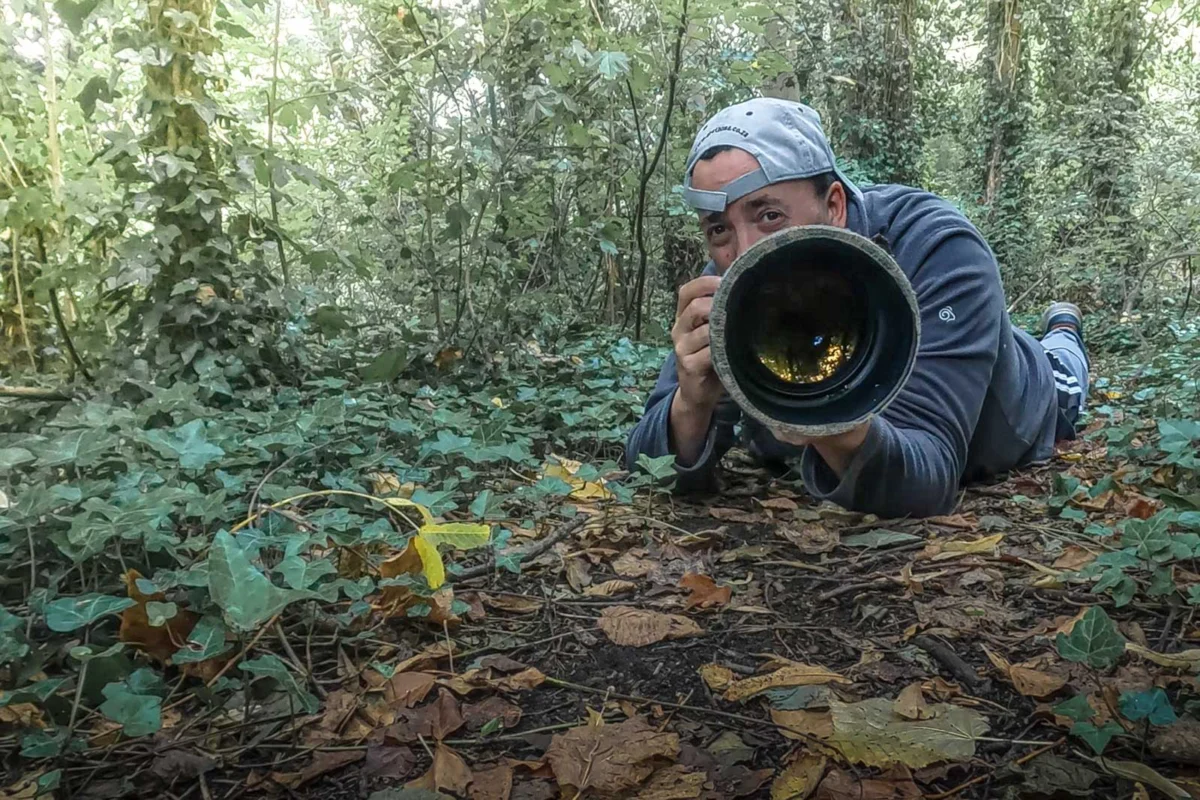
For wildlife photographers, harnessing light effectively is paramount to creating images that truly stand out. It goes beyond merely exposing correctly; it’s about understanding how light interacts with fur, feathers, and scales, revealing texture, depth, and the very essence of the animal. Backlighting, for instance, can create a stunning rim-light effect, separating the subject from the background and adding a dramatic glow, particularly effective during sunrise or sunset. Front lighting, while sometimes flat, can be crucial for capturing intricate details and true colors, especially in dense environments. Side lighting is excellent for emphasizing contours and textures, adding a three-dimensional quality to the animal. The challenge often lies in the unpredictable nature of wildlife and their environments; photographers must rapidly assess and adapt to changing conditions, often operating with limited control over their subjects’ positioning relative to the light source. Mastery here means anticipating animal movement and positioning oneself to utilize available light to its maximum potential, transforming an ordinary sighting into an extraordinary photograph.
Lighting in Landscape Photography
In landscape photography, light is not merely an illuminator; it is the primary sculptor of the scene. Understanding how light shapes terrain, creates dramatic shadows, and influences the mood of an environment is a non-negotiable skill. This mastery extends beyond simply understanding exposure settings; it involves the ability to identify, plan for, and adapt to the constantly evolving natural light. The soft, diffuse light of an overcast day can lend a serene, moody atmosphere, while the dramatic, directional light of a stormy sky can inject tension and grandeur. The "golden hour" remains a perennial favorite, its warm, low-angle light accentuating textures and contours, casting long, compelling shadows that add depth and narrative. Conversely, photographers learn to mitigate harsh midday light through techniques like seeking shade, using diffusers, or embracing high-contrast scenes for graphic compositions. The interplay of light with atmospheric conditions—mist, fog, rain—can profoundly alter a landscape, demanding adaptability and a keen eye to capture fleeting moments of unique illumination.

Lighting in Underwater Photography
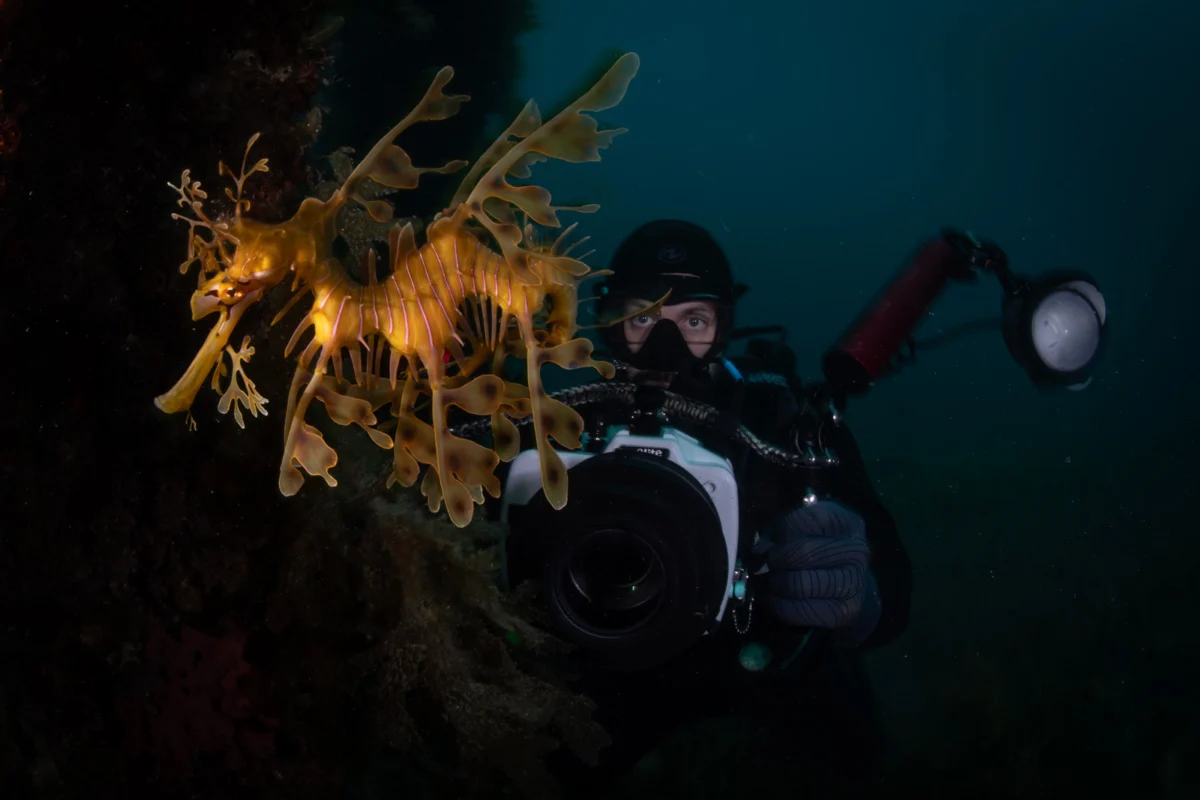
Underwater photography presents a unique and formidable set of lighting challenges. As light penetrates water, it undergoes significant attenuation and color shift, with red wavelengths being absorbed first. This means that at even shallow depths, natural light alone often results in monochromatic, blue-green images. Consequently, learning to find, create, and effectively use artificial light sources becomes one of the most essential skills for an underwater photographer. Strobes (underwater flashes) are indispensable for restoring color, adding contrast, and highlighting subjects. The technique involves carefully positioning strobes to illuminate the subject without causing backscatter—the reflection of light off suspended particles in the water, which can obscure the image. Whether photographing vibrant coral reefs with a mix of ambient and artificial light or venturing into deeper, darker realms where artificial illumination is the sole light source, mastering strobe angles, power settings, and the delicate balance between artificial and ambient light is critical to achieving images that pop with color and clarity. For specialized techniques like blackwater photography, where minuscule marine life is captured in the open ocean at night, artificial light is the only means of revealing subjects from the vast darkness.
Lighting for Macro Photography
In the intricate world of macro photography, where tiny subjects are magnified to reveal breathtaking detail, lighting remains an absolutely critical element. The extreme magnification inherent in macro work means that even subtle changes in light direction or quality can have a profound impact on the final image. Soft, diffused light is often preferred to evenly illuminate tiny subjects, preventing harsh shadows and highlighting delicate textures. Ring flashes, specialized diffusers, and small LED panels are commonly employed to achieve this. The challenge often lies in the shallow depth of field inherent in macro photography; precise lighting can help to separate the subject from the background and guide the viewer’s eye to the most important details. Whether capturing the iridescent wing of an insect, the intricate structure of a fern, or the delicate bloom of a tiny flower, careful control over light is essential to reveal the hidden beauty of the micro-world, ensuring that every detail is rendered with clarity and artistic intent.
Broader Implications: Elevating Craft and Career

The mastery of lighting has far-reaching implications for a photographer’s craft and career. For aspiring professionals, a portfolio demonstrating sophisticated lighting skills is a powerful differentiator in a competitive market. Clients, whether in editorial, commercial, or fine art domains, seek photographers who can consistently produce high-quality, impactful images, and compelling light is a cornerstone of that consistency. For hobbyists, the journey of understanding and manipulating light transforms photography from a technical exercise into a deeply rewarding artistic pursuit. It fosters a keener observation of the world, teaching one to see light not just as a means to an end, but as a subject in itself, brimming with creative potential. This continuous learning curve ensures that photography remains a dynamic and endlessly fascinating discipline.
In Conclusion
Regardless of the chosen subject or photographic genre, lighting undeniably stands as the most crucial element to master for creating memorable, impactful, and standout images. From the expansive grandeur of a landscape bathed in golden hour glow to the intricate world of a dew-kissed insect, the discerning use of light elevates photography from documentation to art. The tutorials and principles discussed herein serve as a comprehensive foundation, guiding photographers to harness the power of light and propel their work to unprecedented levels of excellence. The journey of mastering light is an ongoing exploration, one that promises continuous discovery and artistic growth, ultimately enriching both the photographer’s experience and the viewer’s perception.