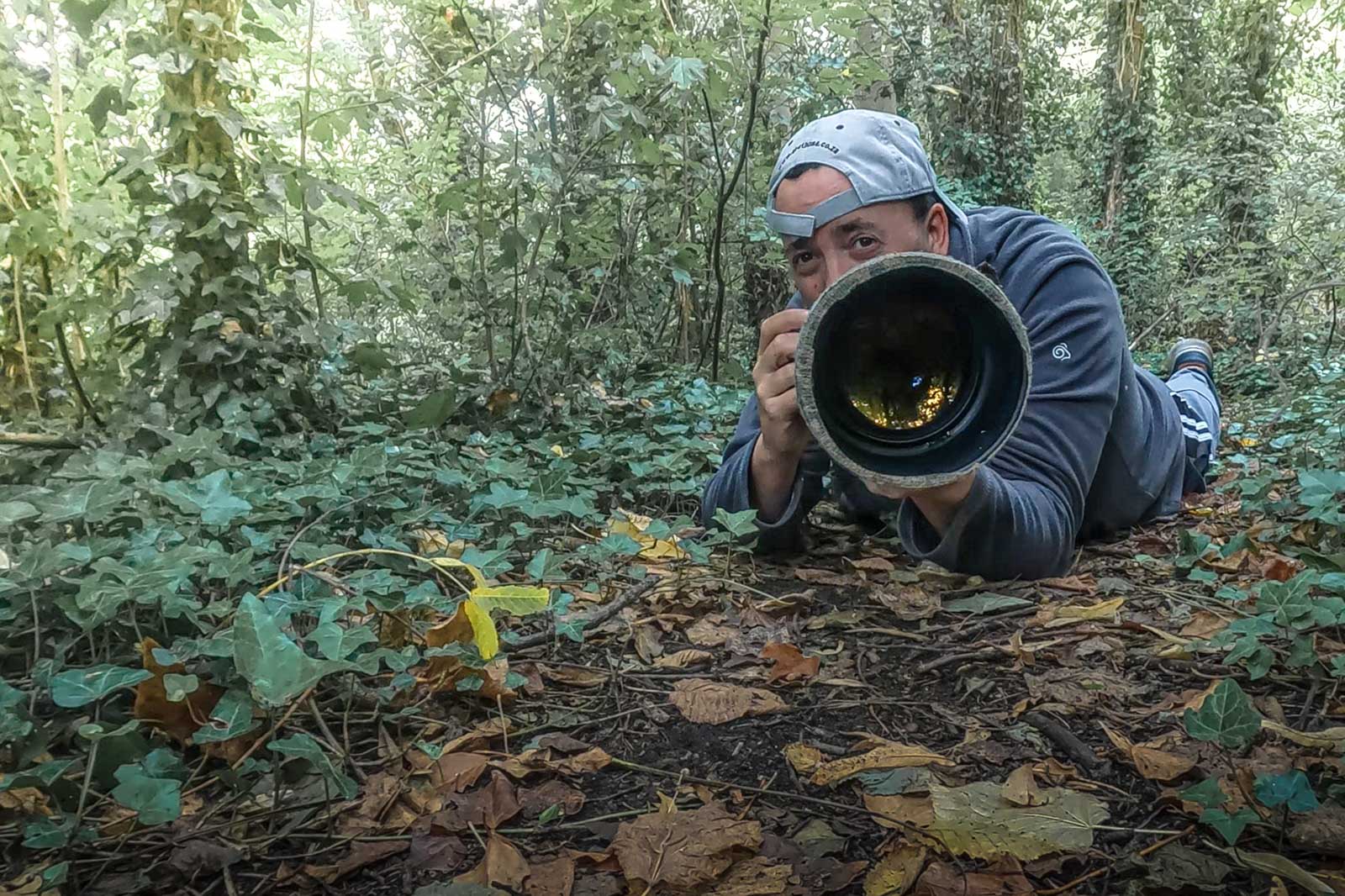
NatureTTL’s ongoing interview series, "From Amateur to Professional," delves into the transformative journeys of established nature photographers, charting their evolution from nascent enthusiasts to accomplished practitioners. This installment features Victor Soares, a South African-born wildlife photographer whose nearly two-decade dedication culminated in a full-time professional career in early 2024. Soares, now based in the UK, is celebrated for his profound connection to nature, his widely recognized and awarded work, and his role in leading photographic tours across Europe and Africa. His story offers a compelling narrative of passion, perseverance, and the pivotal moments that define a photographic career.
The Genesis of a Passion: South Africa’s Wild Call
Victor Soares’ intrinsic love for nature and wildlife was nurtured from his earliest days in South Africa, a land teeming with diverse ecosystems. He describes the natural world as his "escape from a dramatic world," recalling countless hours spent observing birds, a particular fascination due to the country’s rich avian diversity. This deep-seated appreciation for wildlife, however, did not immediately translate into photography. His entry into the field was, by his own account, almost a "chance encounter," catalyzed by the advent of digital photography.
In 2004, Soares purchased his first DSLR, a Canon 300D, primarily to document holiday memories. This camera, noted for being one of the more affordable yet technically advanced options at the time, accompanied him on a trip to Kruger National Park. The park, renowned globally for its exceptional wildlife viewing opportunities, often serves as an initial spark for many aspiring wildlife photographers. Upon returning, a visit to a local photo lab to print his holiday pictures proved to be the unexpected turning point. The lab owner, Johan Combrink, a wildlife photography enthusiast himself, had his shop adorned with striking images of various species. It was a photograph of a Cattle Egret that ignited a profound desire in Soares, leading him to blurt out his aspiration to take "photos like that." Combrink’s immediate and generous offer to teach him marked the true beginning of Soares’ photographic journey.
Mentorship, Early Images, and the Path to Improvement

The mentorship provided by Johan Combrink was instrumental in shaping Soares’ early development. For countless days, Soares frequented Combrink’s shop, receiving invaluable guidance on camera techniques and post-processing. Beyond technical instruction, Combrink also served as a "motivational coach," helping Soares navigate the "dark times" inherent in any learning curve, particularly when faced with initial disappointing results. This self-less guidance, offered without charge, laid a robust foundation for Soares’ burgeoning skills and enduring passion.
Soares vividly recalls his very first image with the Canon 300D: a blurry, distant shot of a Cormorant in terrible light – an ambitious but unsuccessful attempt. This image, which spurred his conversation with Combrink, no longer exists, having been discarded when he decided to "start fresh" in 2007. This decision coincided with receiving a Canon Rebel XT as a Christmas gift in late 2006. His first noteworthy image with the new camera, taken during a New Year’s visit to Kruger Park with his then-girlfriend (now wife), was of a Steenbok.

Reflecting on the Steenbok photograph, Soares acknowledges his initial fondness for the image, primarily for capturing the animal in focus and in decent light. However, with the wisdom of hindsight and advanced skill, he critically assesses its shortcomings: cropped feet, an unoptimally wide aperture of f/8, and shooting in Aperture Priority (Av) mode rather than the manual mode he now predominantly uses. The constraints of early digital photography also meant a cautious approach to ISO, rarely exceeding 400 to minimize noise, a stark contrast to today’s high-ISO capabilities. Despite these technical imperfections, the image served as a crucial source of motivation, affirming his progress and fueling his continued interest. This period highlights a common phase for many photographers: the initial excitement of capturing a subject, followed by a deeper understanding of technical nuance and artistic composition.
The Maturation of a Vision: Crafting Emotion and Story

Soares’ photographic journey is marked by a continuous evolution in technique and artistic vision. His move to the UK in 2016, settling in London by 2018, introduced him to new subjects, notably the European red fox. Having only encountered these animals in "fairytales" during his South African upbringing, the opportunity to photograph them in real life became a "childhood fantasy" come true.
Among his most cherished works is a striking portrait of a yawning fox, captured in a small park in Sutton, London. This image encapsulates many elements Soares now strives for: compelling subject behavior, exquisite detail (the visible cold breath, the teeth), glorious autumn colors, and a beautifully rendered shallow depth of field that isolates the subject from a "thrown-out background." The moment, occurring just as he positioned himself, underscores the blend of patience, anticipation, and luck inherent in wildlife photography. This photograph, more than just a technical achievement, brought to life a long-held fascination, making it profoundly meaningful to him.

Soares’ approach to revisiting species and locations also reflects his evolving mastery. While living in South Africa, he frequently explored game parks, honing his skills in shooting from a vehicle, anticipating animal behavior, and understanding the nuances of the environment. Now, with less frequent visits from the UK, each safari is cherished more deeply. His current approach is far more deliberate, with heightened awareness of directional sunlight, light quality, background and foreground elements, and optimal shooting angles. He emphasizes the critical role of understanding animal behavior – interpreting actions and their ripple effects on other creatures – underscoring that every safari offers new lessons.
Similarly, the annual deer rut in the UK has become a subject of ongoing study and artistic pursuit. Where he once simply enjoyed the spectacle of bellowing stags and occasional fights, he now seeks more nuanced moments: the "bellow steam" on cold mornings, the interplay of autumn light through trees, or subtle interactions between females. He has also broadened his focus to include less-favored species like fallow deer, recognizing the intensity of their fights as opportunities for "epic photography." This demonstrates a shift from broad observation to a refined search for specific, evocative narratives within familiar environments.

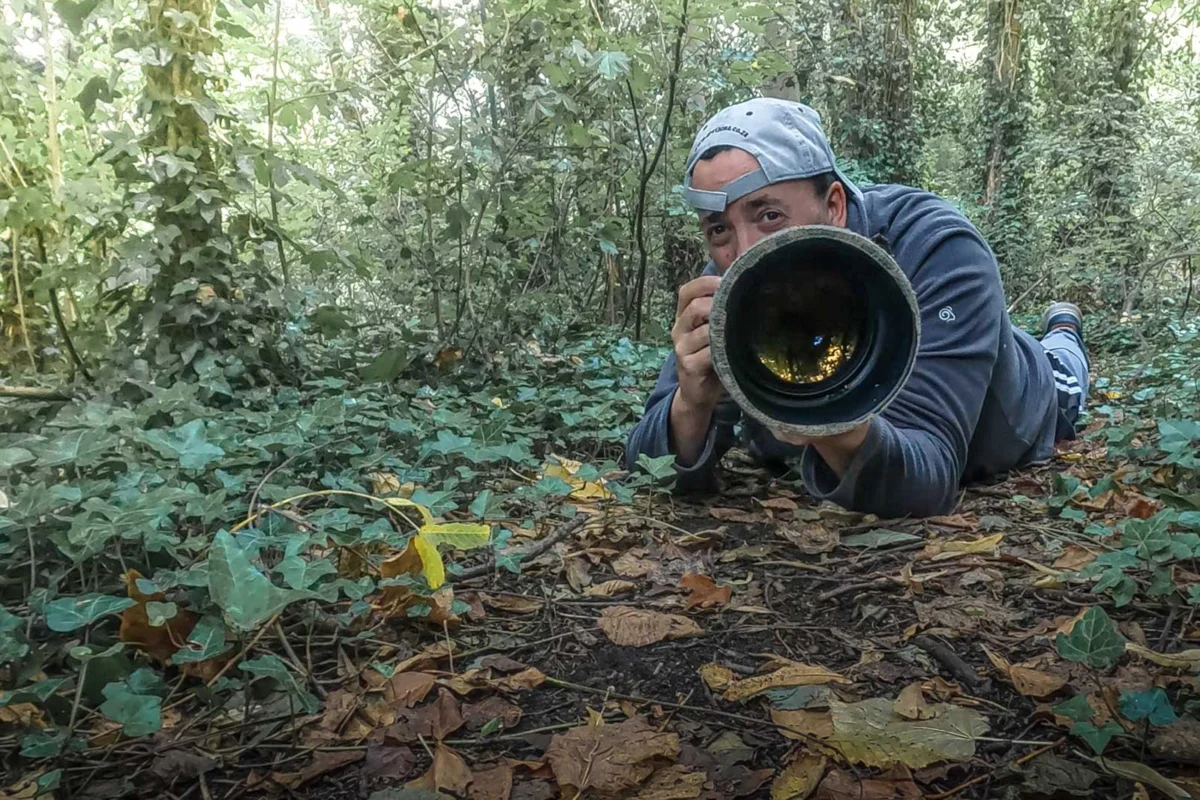
The evolution of Soares’ photographic process includes a distinct stylistic preference. He particularly enjoys "low-down photography" with a very shallow depth of field, often achieved with high-quality, expensive lenses like his favored 300 f/2.8, which he considers a "worthwhile investment." This technique allows the point of interest to stand out sharply against a blurred background, drawing the viewer’s eye directly to the subject. Furthermore, Soares prioritizes conveying animal emotion—calm, anger, fear, cunning, eagerness, desperation, resolve—believing it adds "a certain element of reality" to his images, transforming them from mere documentation into compelling visual stories. This artistic philosophy marks a significant progression from simply capturing an animal in focus to imbuing it with narrative depth.
The Leap to Professionalism: An Unexpected Opportunity

The aspiration to become a professional photographer had been a long-standing consideration for Soares, "brewing in [his] subconscious for many years." However, the practical realities of the profession, particularly the often modest earnings compared to his engineering salary, kept him from making the "jump." The conventional wisdom that "most photographers don’t earn a great living, often doing it professionally as an extension of a hobby" resonated with his experience as an engineer. Despite entering competitions with varying success and dabbling in teaching photography and leading trips in his spare time in 2023, the financial security of his engineering career remained paramount.
The pivotal moment arrived unexpectedly in early 2024. A company-wide decision to reduce staff led to Soares’ position being made redundant. While initially a "shock," this unforeseen circumstance presented a unique opportunity to fully commit to his passion. With the unwavering support of his wife, whom he credits as "instrumental" and his "biggest fan and strongest supporter," Soares embraced the transition. Thus, in 2024, he officially embarked on his journey as a full-time professional wildlife photographer, transforming a long-held dream into his daily reality. This transition underscores how external events, combined with personal ambition and a strong support system, can catalyze significant career shifts.

Milestones and "Eureka" Moments: Validating the Artistic Path
While Soares doesn’t pinpoint a single "eureka moment," his journey is dotted with significant turning points that validated his growing skill and encouraged his pursuit. His upbringing in South Africa, a land rich in wildlife, provided an unparalleled advantage, offering constant opportunities to interact with and photograph animals that many in Europe might never encounter. The thrill of photographing a leopard, for instance, remains a magical experience for him.

A particularly impactful milestone occurred in 2012 when one of his images reached the final round of the Natural History Museum’s Photography Awards, then known as the Veolia Environmental Awards. Out of over 48,000 entries, this achievement served as a powerful affirmation, making him feel, "Maybe I am good enough… maybe." Despite the image not progressing further or being displayed at the NHM, it remains one of his "proudest turning points" and a moment he recalls with fondness. The email confirming his finalist status, followed by his excited yet frantic query to the organizers, highlights the profound emotional impact of such recognition on an aspiring artist. This event provided a crucial boost to his confidence, fueling his commitment to photography.
Confronting Challenges: Motivation, Patience, and Continuous Learning

Soares identifies his biggest challenge, particularly in the early stages, as maintaining motivation amidst the overwhelming talent of others. The constant exposure to "impressive work" from heroes and role models often led to feelings of inadequacy, making it "hard to be surrounded by such impressive work from others and feel that you are simply not good enough." He acknowledges the universal struggle of comparing oneself to those on a pedestal, and the perpetual striving towards an ideal that may always seem just out of reach. His current challenge remains intertwined with this: perseverance and learning from criticism in a field that demands constant growth.
His advice to his younger self, "be patient," encapsulates a fundamental lesson learned over two decades. He reflects on the modern tendency for immediate results and the distraction of new technology. He admits to once measuring his progress by new camera features – a higher frames-per-second rate equating to quicker shooting, or more focus points implying better focus. However, he now understands that technological advancements are only truly beneficial when underpinned by strong foundational skills. "That’s not true unless I already had the skills to be quick and focus accurately and hence take full advantage of the camera feature," he notes.

Soares emphasizes the enduring value of mastering the "art and basics of photography," which he believes will "endure much more than any feature ever will." This sentiment highlights a crucial aspect of artistic development: technology is a tool, but mastery comes from understanding principles. Furthermore, patience is paramount in wildlife photography itself. Many of the most impactful images are the result of hours of observation and waiting for the decisive moment. He stresses that "being patient and waiting for the best moments is essential."
Soares’ commitment to continuous learning remains steadfast. Even after nearly 20 years, he learns something new "almost every day." He actively engages with the photographic community, participating in a camera club, reading industry articles and magazines, and collaborating with other photographers. This ongoing interaction provides fresh perspectives, techniques, and motivation. His ultimate advice to aspiring photographers is to "put yourself out there," to showcase one’s work, and to embrace both positive and negative feedback as equal opportunities for reflection, growth, and development. This open approach to learning and critique is a hallmark of his journey and a key to his sustained success.