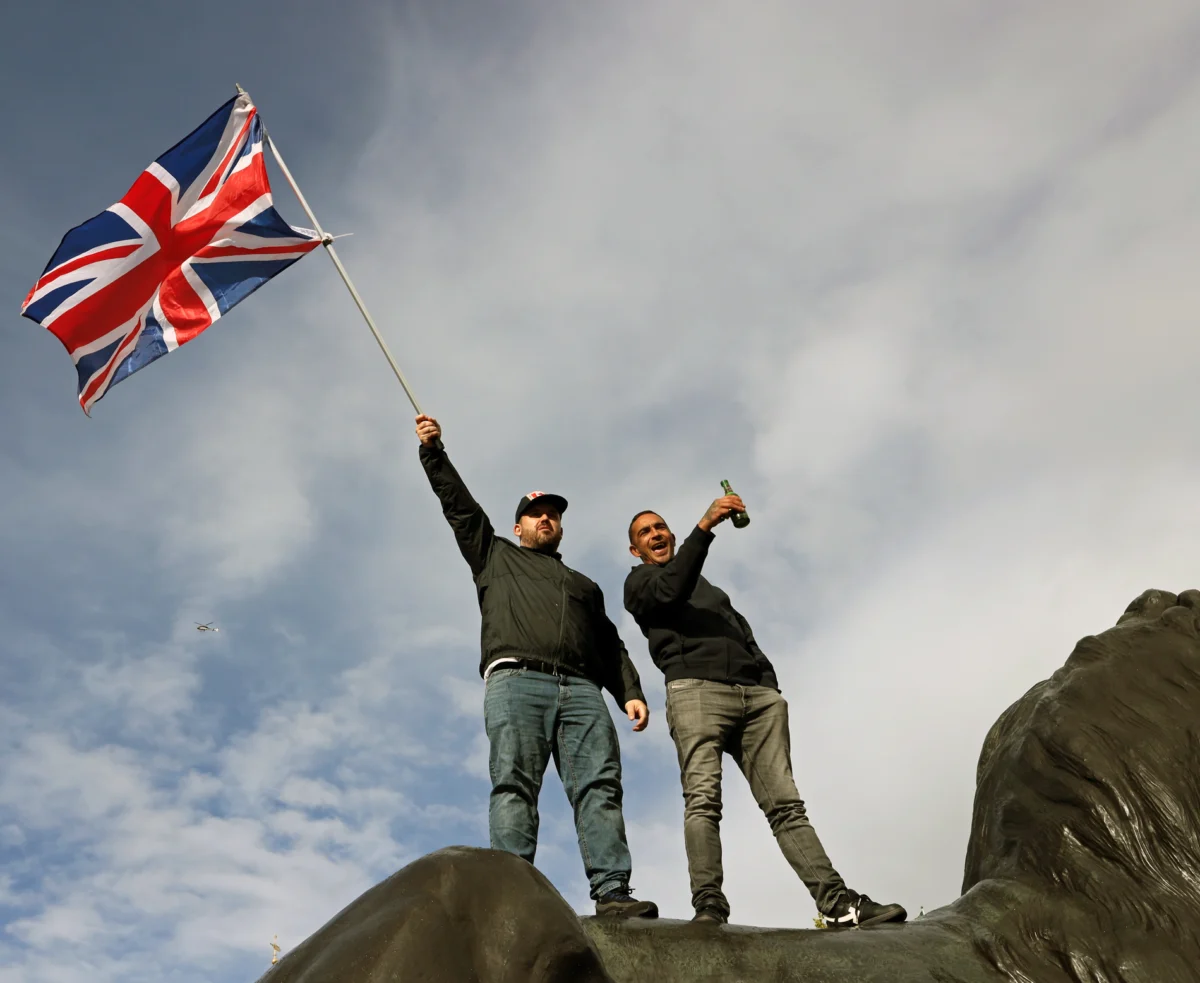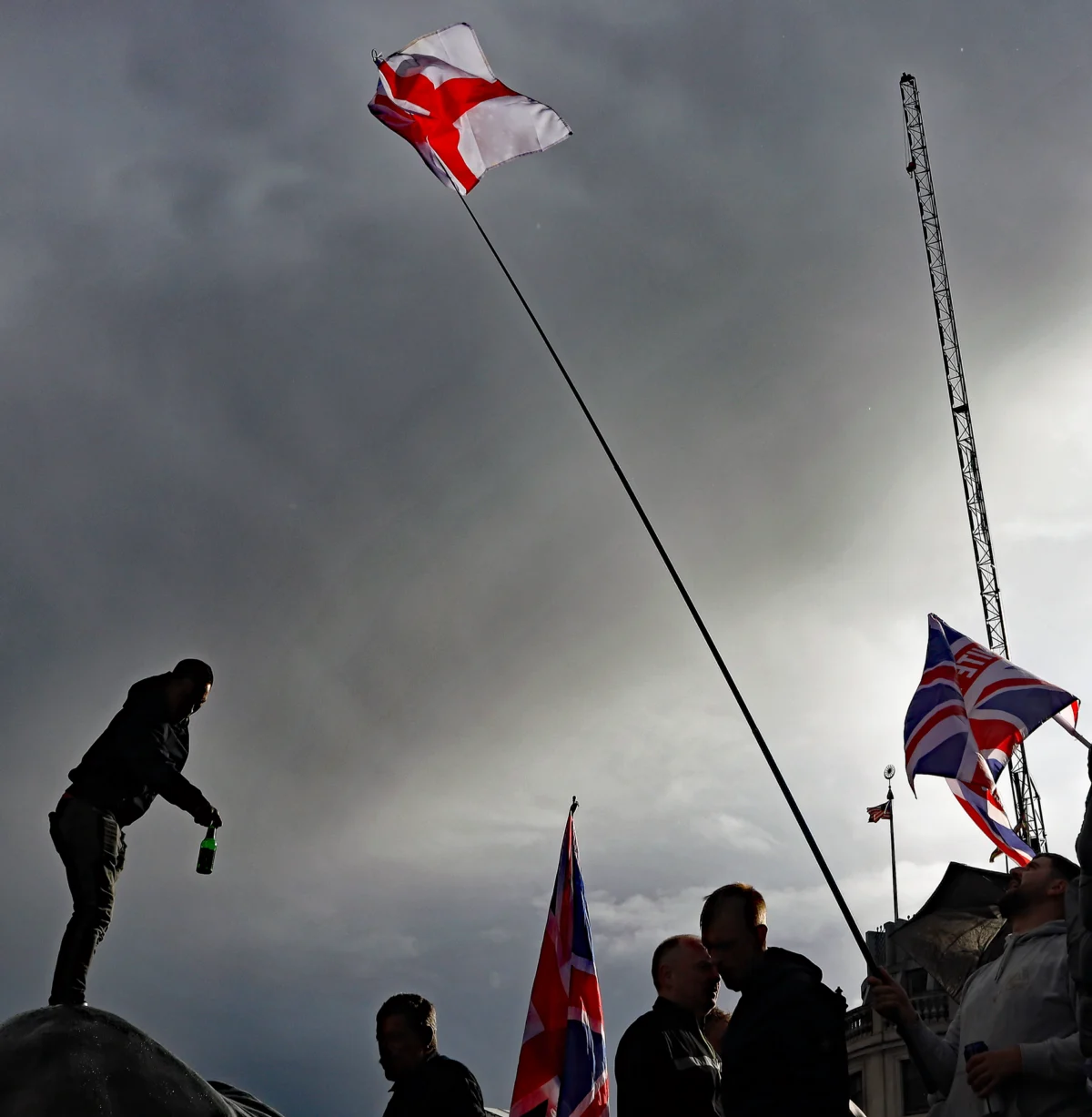
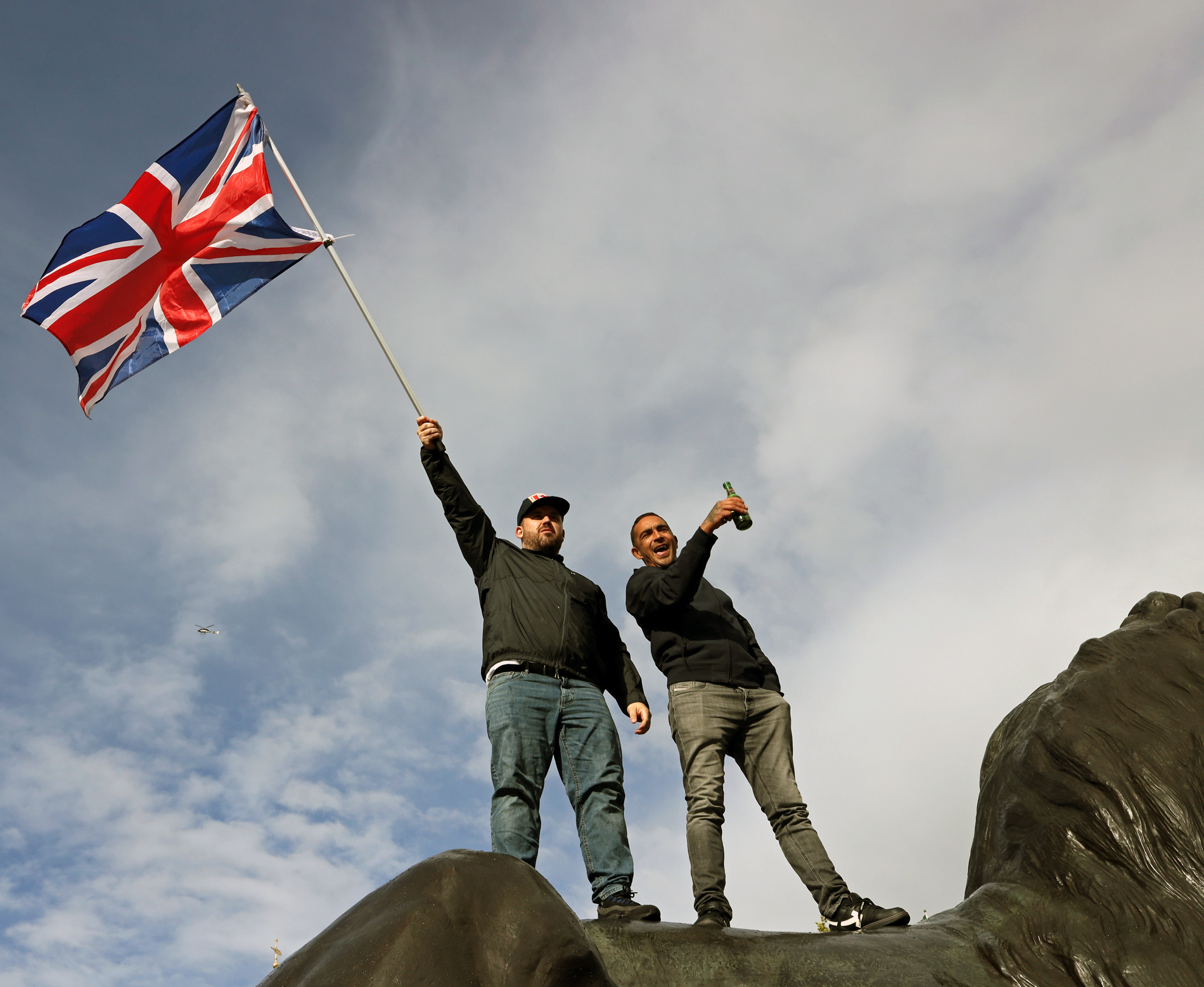
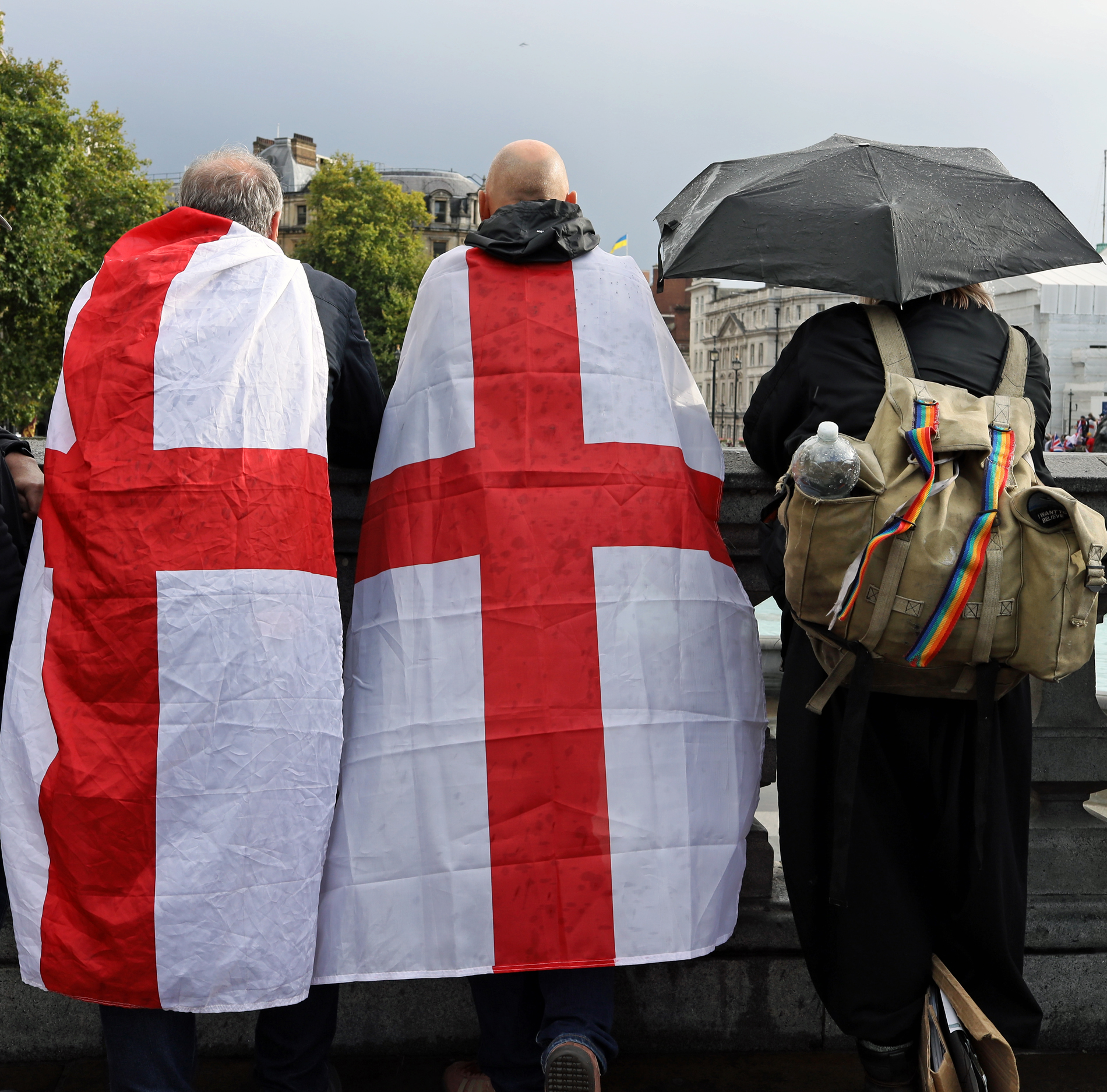
The Unite The Kingdom rally, held in London on September 13th, 2025, served as a focal point for a diverse array of individuals expressing their perspectives on national identity, freedom, and the future of the United Kingdom. Captured through the lens of street photographer Johnny Mobasher, the images offer a compelling visual narrative of a nation grappling with its evolving self-perception. The rally, characterized by a potent display of national symbolism, including the prominent use of the Union Jack and St. George’s Cross, attracted a spectrum of participants, each carrying their unique interpretations of what it means to be British in the contemporary era.
The Genesis of Unite The Kingdom
The Unite The Kingdom movement emerged in the wake of significant political and social shifts within the UK. While the precise origins and founding individuals are often multifaceted, the group’s public presence has frequently been linked to a desire to foster a stronger sense of national unity and pride. Proponents of the movement often articulate concerns about what they perceive as a dilution of traditional British values and a need for greater emphasis on national sovereignty and cultural heritage. Conversely, critics have sometimes viewed such gatherings with apprehension, questioning the inclusivity of the messaging and potential for divisive rhetoric. Understanding the context of the rally requires acknowledging the broader national discourse surrounding Brexit, regional identities within the UK, and evolving social norms.
A Chronology of the September 13th, 2025 Event
The rally on September 13th, 2025, was reportedly planned for several weeks, with announcements disseminated through various social media platforms and community groups. As is common with such public gatherings, law enforcement agencies would have been engaged in pre-event planning to ensure public safety and manage potential disruptions. On the day of the rally, participants began converging on designated meeting points in central London, typically accompanied by a significant police presence. The atmosphere, as captured in Mobasher’s photography, suggests a mix of fervent energy and, in some instances, a more somber contemplation. The visual elements—flags held aloft, diverse individuals engaging with the public space, and the iconic London backdrop—paint a picture of a civic event intended to make a statement.
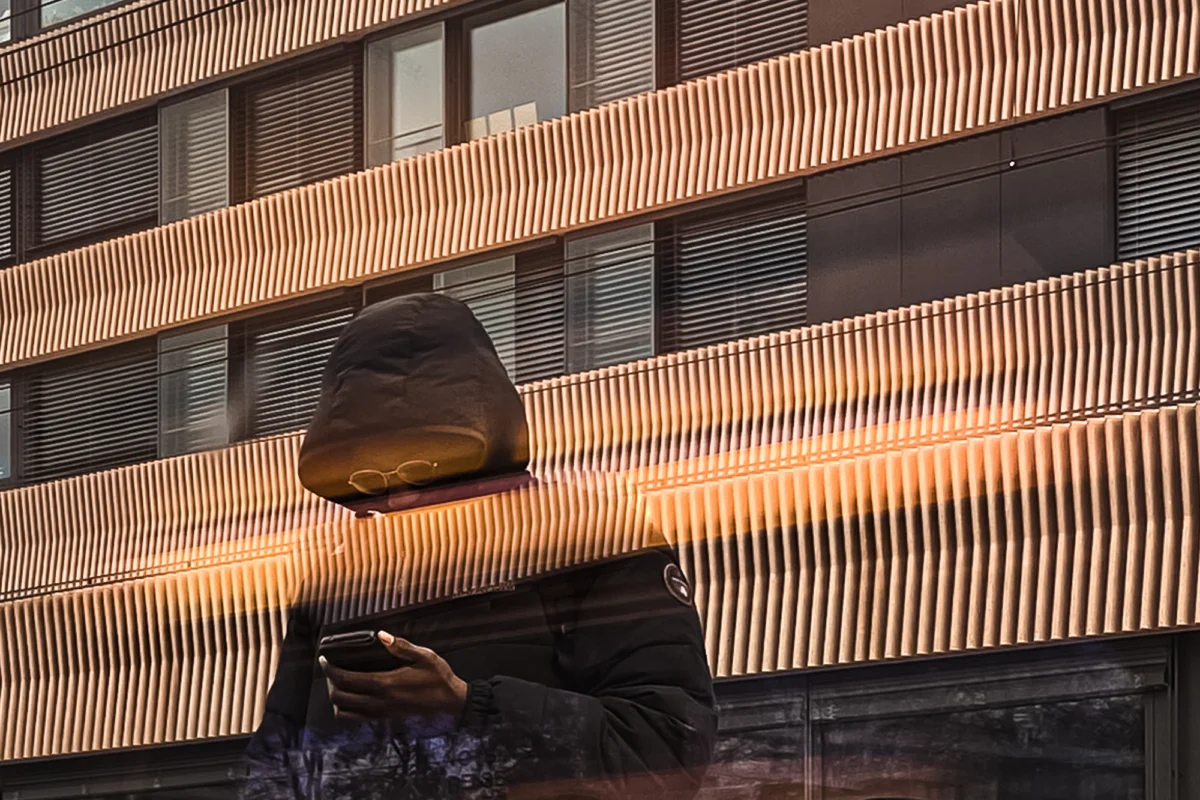
The duration of the rally would typically involve speeches, marches, and interactions with the public. The nature of these interactions can vary significantly, ranging from peaceful engagement to potential confrontations with counter-protesters or members of the public. Mobasher’s photographs, by focusing on individual moments and symbolic imagery, offer a curated glimpse into the visual tapestry of the event, highlighting the participants’ expressions and the potent symbolism they employed. The images, taken on this specific date, serve as primary source material for understanding the visual language and emotional tenor of the rally.
Symbolism and Narrative in Street Photography
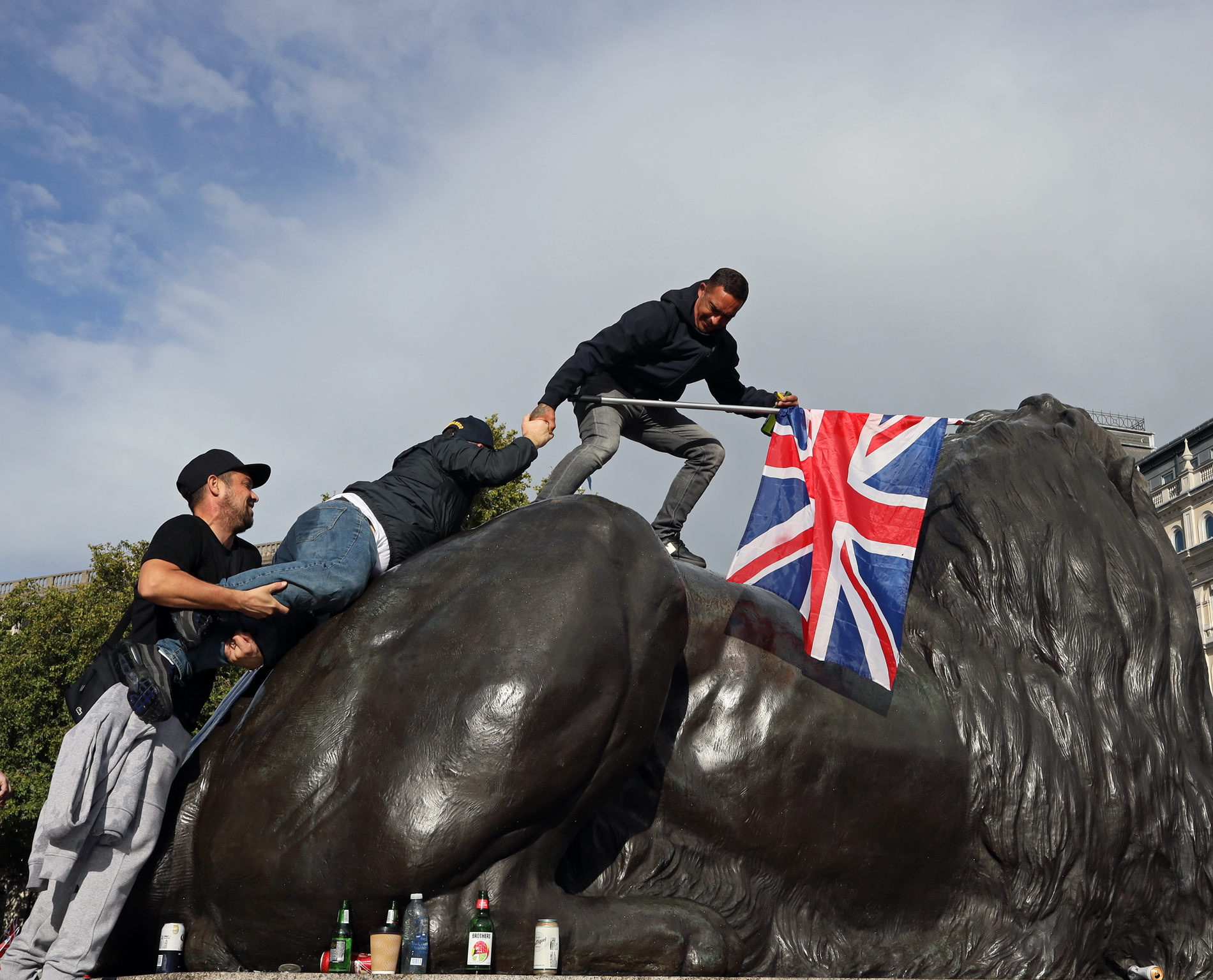
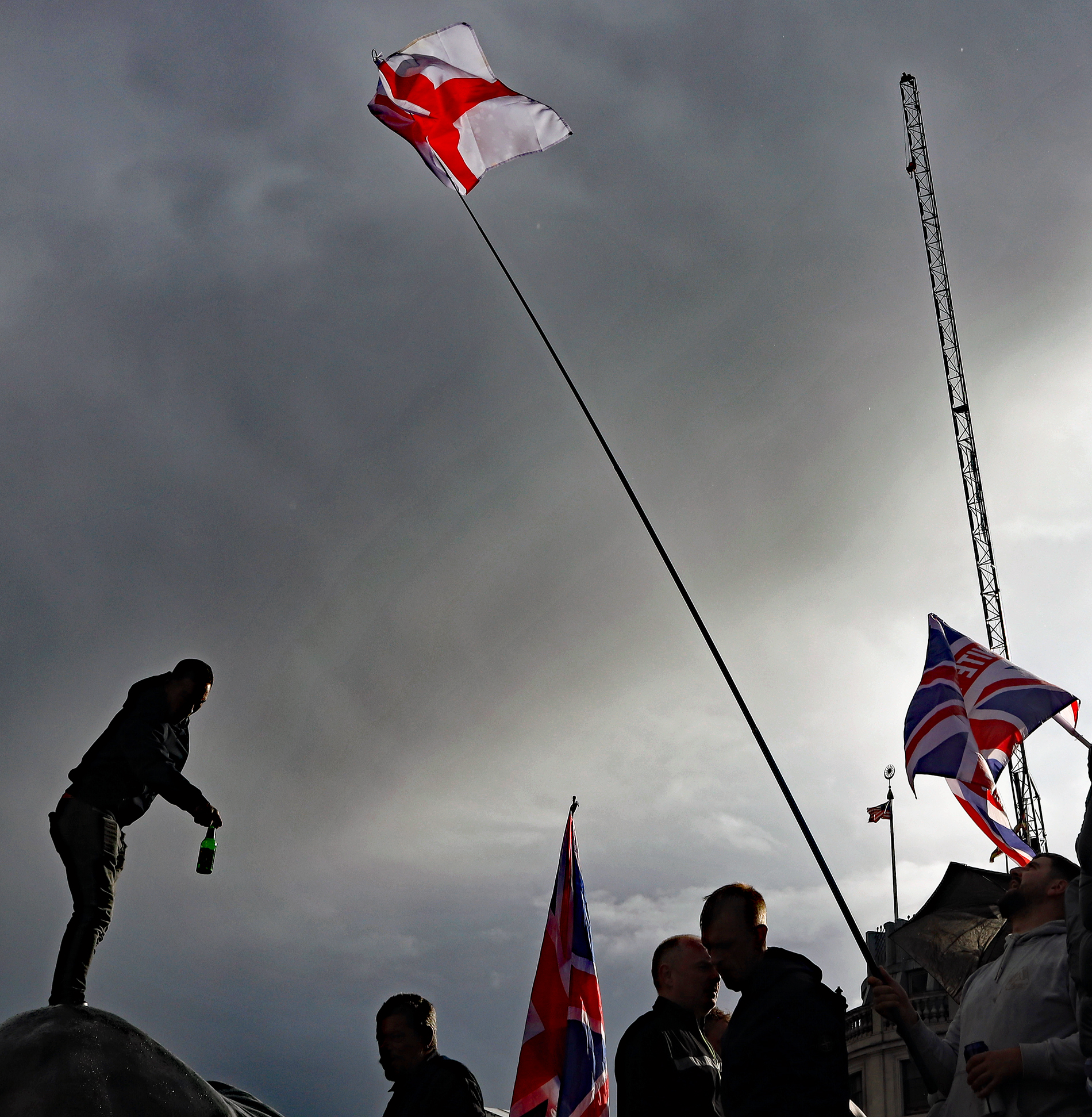
Johnny Mobasher’s photographic collection from the Unite The Kingdom rally is rich with symbolic resonance. The Union Jack, a ubiquitous emblem of the United Kingdom, appears in various forms, from large, unfurled flags to smaller hand-held versions. Its presence signifies a powerful assertion of national identity, often linked to historical narratives of empire, tradition, and sovereignty. The St. George’s Cross, representing England, also features prominently, underscoring a specific regional and national identity that is central to the rally’s discourse.
The inclusion of the LGBTQ+ flag in one of Mobasher’s images, "Freedon_UK_St_George_LGBTQ_STreet_Photography," is particularly noteworthy. This juxtaposition suggests a complex and potentially evolving understanding of national identity within the movement itself, or perhaps an attempt by some participants to signal inclusivity or to counter narratives that might associate nationalistic sentiment with exclusion. This visual element invites deeper analysis of how diverse groups are attempting to reconcile their identities within a broader national framework. The term "Freedom" emblazoned in some of the photographs further indicates a core tenet of the participants’ message, implying a perceived need to reclaim or defend liberties they feel are under threat.
Supporting Data and Broader Context
To fully appreciate the significance of the Unite The Kingdom rally, it is essential to consider broader demographic and attitudinal data within the UK. Public opinion surveys conducted in the years leading up to and following 2025 would likely reveal trends in national sentiment, views on sovereignty, and perceptions of cultural change. For instance, polling data from organizations like YouGov or Ipsos MORI might indicate shifts in public attitudes towards the monarchy, national symbols, and the concept of Britishness.
The political landscape of the period would also provide crucial context. Debates surrounding national security, immigration, economic policies, and international relations all contribute to the undercurrents that might fuel such rallies. The legacy of Brexit, for example, continues to shape discussions about national identity and the UK’s place in the world. Furthermore, the rise of online platforms has facilitated the organization and dissemination of messages by groups like Unite The Kingdom, allowing them to mobilize supporters and amplify their voices. The demographic makeup of attendees at such rallies can also offer insights; analyses of participation by age, region, and socioeconomic background can help to identify the specific segments of society that are most engaged with the movement’s message.
Potential Implications and Official Responses
Rallies like Unite The Kingdom, by their very nature, generate public discourse and can elicit responses from various stakeholders. While direct official statements from government bodies in response to specific rallies are not always immediate or universally reported, the broader themes addressed by such events are typically part of ongoing political dialogue. Political parties may engage with the concerns raised by rally participants, either by seeking to incorporate them into their platforms or by issuing counter-arguments.
Law enforcement agencies, as mentioned, are primarily concerned with maintaining public order and ensuring the safety of all individuals involved. Their presence at rallies is a standard procedure designed to de-escalate potential conflicts and manage crowd dynamics. Academics and commentators specializing in political sociology, cultural studies, and British history may offer analyses of the rally’s significance, placing it within broader trends of national identity formation and political expression. These expert opinions, while not official responses, contribute to a deeper understanding of the event’s implications.
The visual evidence provided by Mobasher’s photography, depicting a segment of the population actively engaging with symbols of national identity, suggests that the themes of unity, freedom, and Britishness remain potent and contested in the public sphere. The rally serves as a visual marker of these ongoing conversations, highlighting the diverse and sometimes conflicting ways in which British identity is understood and expressed. The long-term implications of such rallies can include shifts in public discourse, increased political engagement from specific demographics, and ongoing debates about the future direction of the United Kingdom. The images themselves become a part of the historical record, offering a tangible representation of a moment in time when these complex issues were brought to the forefront of public attention.