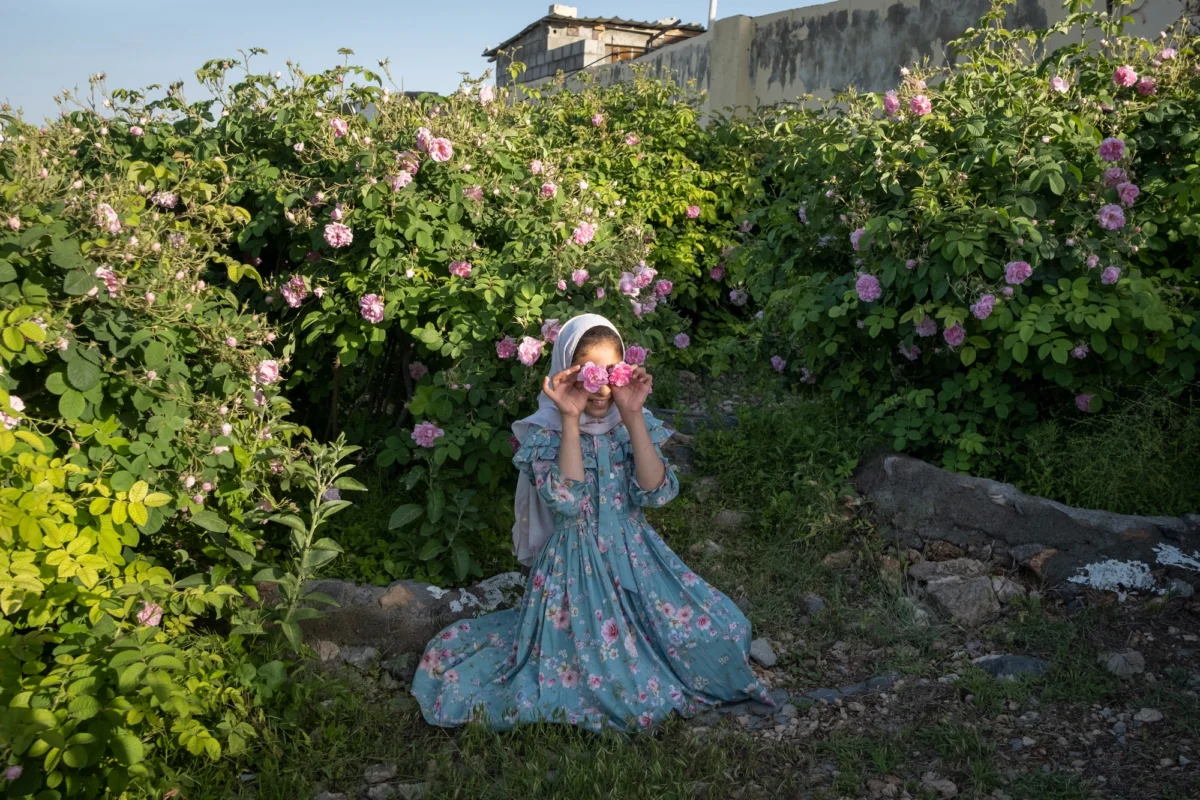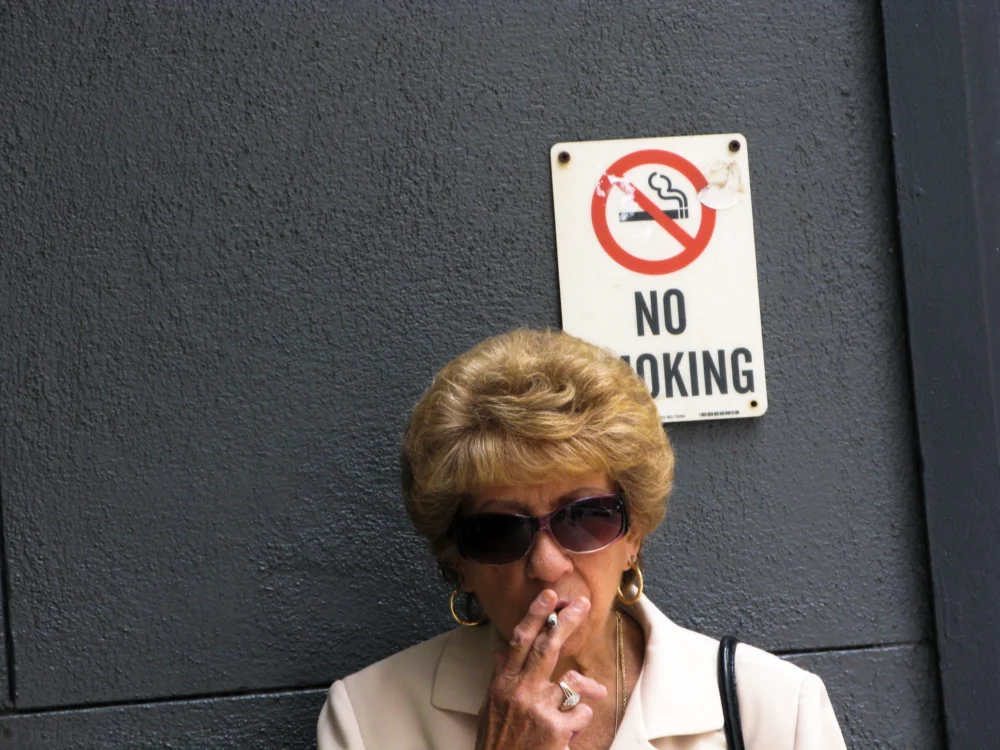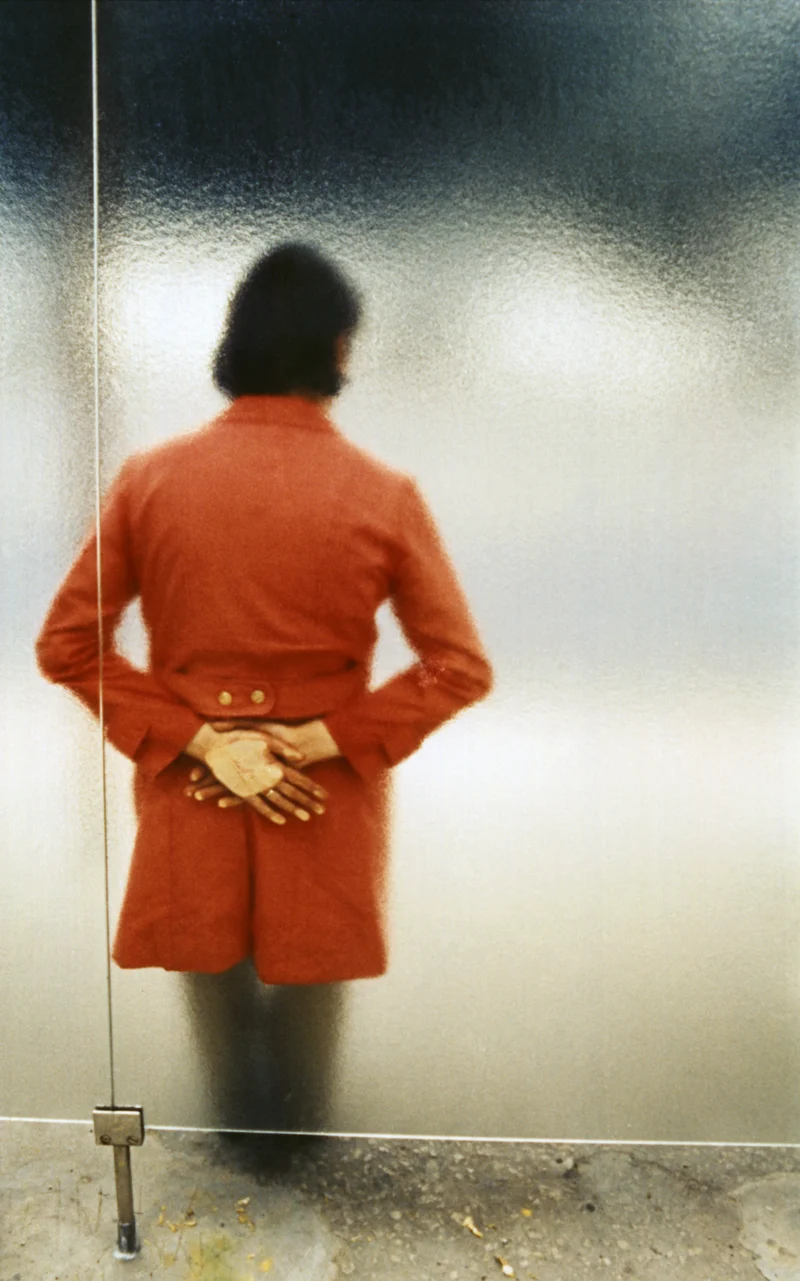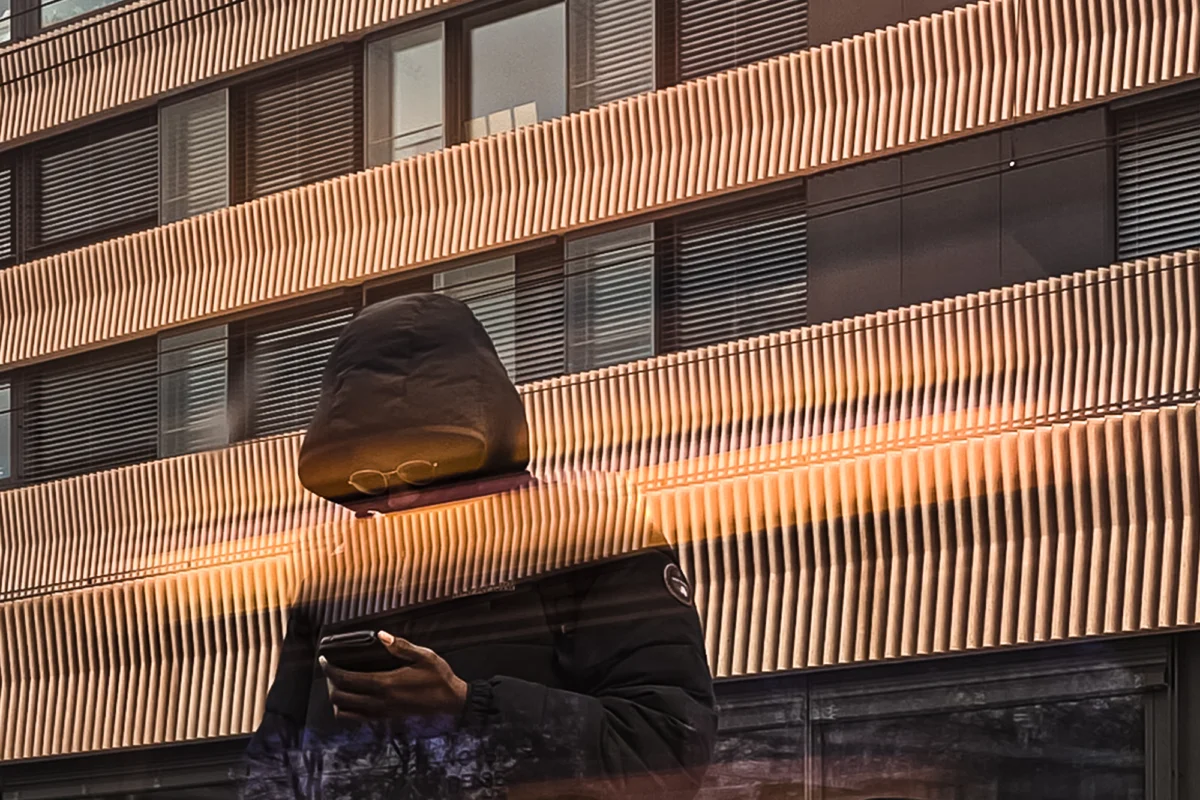
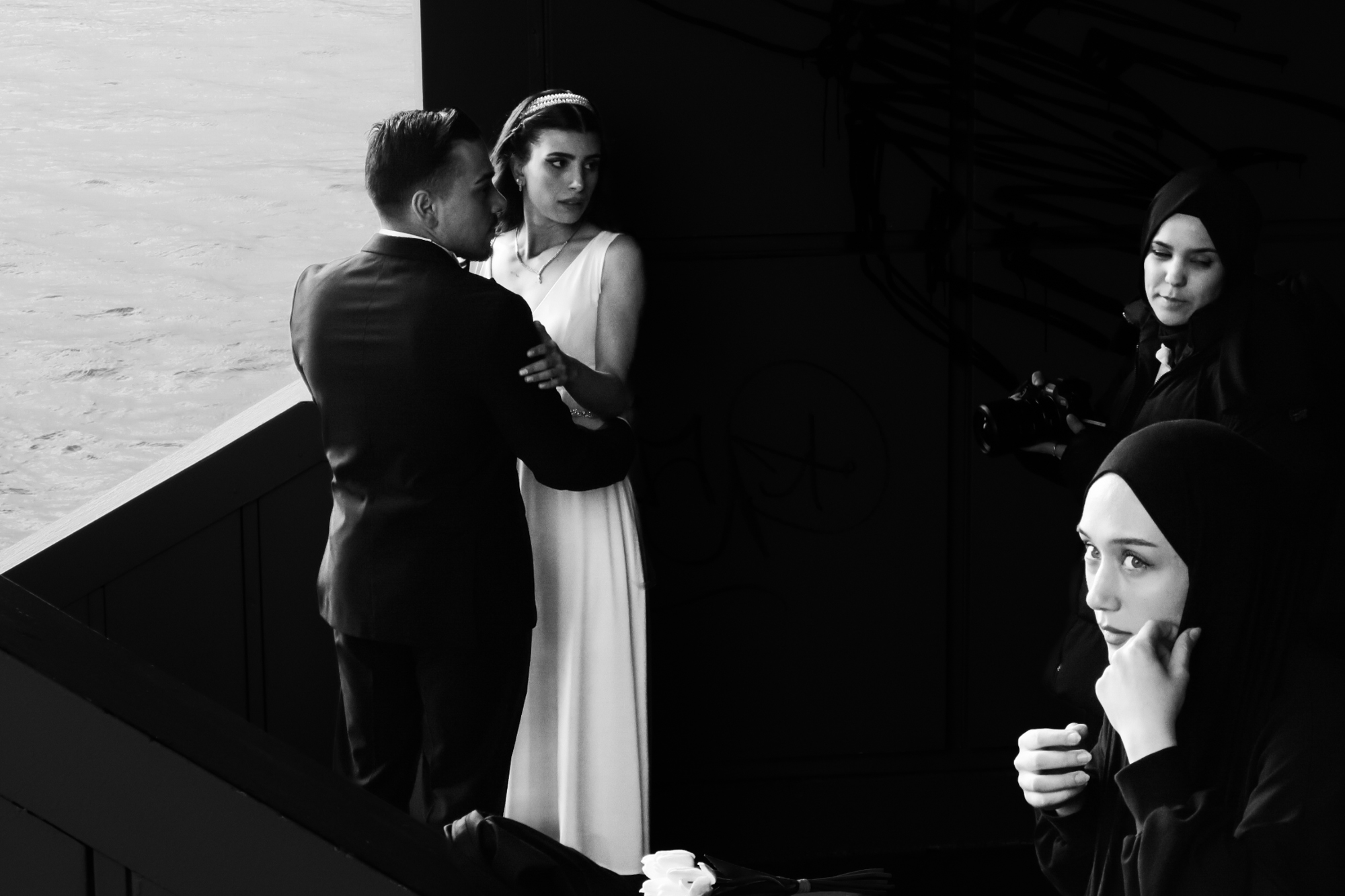
Istanbul-based street photographer Gül Kanık has carved a distinctive niche in the genre by infusing her work with a deliberate artistic sensibility, moving beyond candid documentation to explore the emotional and psychological dimensions of urban life. Her approach is characterized by a meticulous use of composition, light, and shadow, employing techniques such as silhouettes, reflections, and framing to imbue ordinary scenes with layers of meaning. This intentionality, Kanık explains, developed organically from her early photographic explorations, transforming a personal coping mechanism into a sophisticated artistic practice.
The Genesis of a Vision: From Grief to Artistry
Kanık’s journey into street photography began as a deeply personal endeavor following the loss of her mother. "At the beginning, I was just taking photos without thinking too much about technique," she recalls. "Over time, I became more aware of light and composition. So these approaches developed naturally as I practiced more." This initial impulse to "fill a space – a kind of emptiness her absence left in my life" evolved into a profound realization that would shape her creative output: "We don’t just see the world as it is – we see it as we are." This philosophical underpinning informs her belief that photography is not merely a reflection of external reality, but a projection of the photographer’s internal state.
The Art of Connection: Finding the Extraordinary in the Ordinary
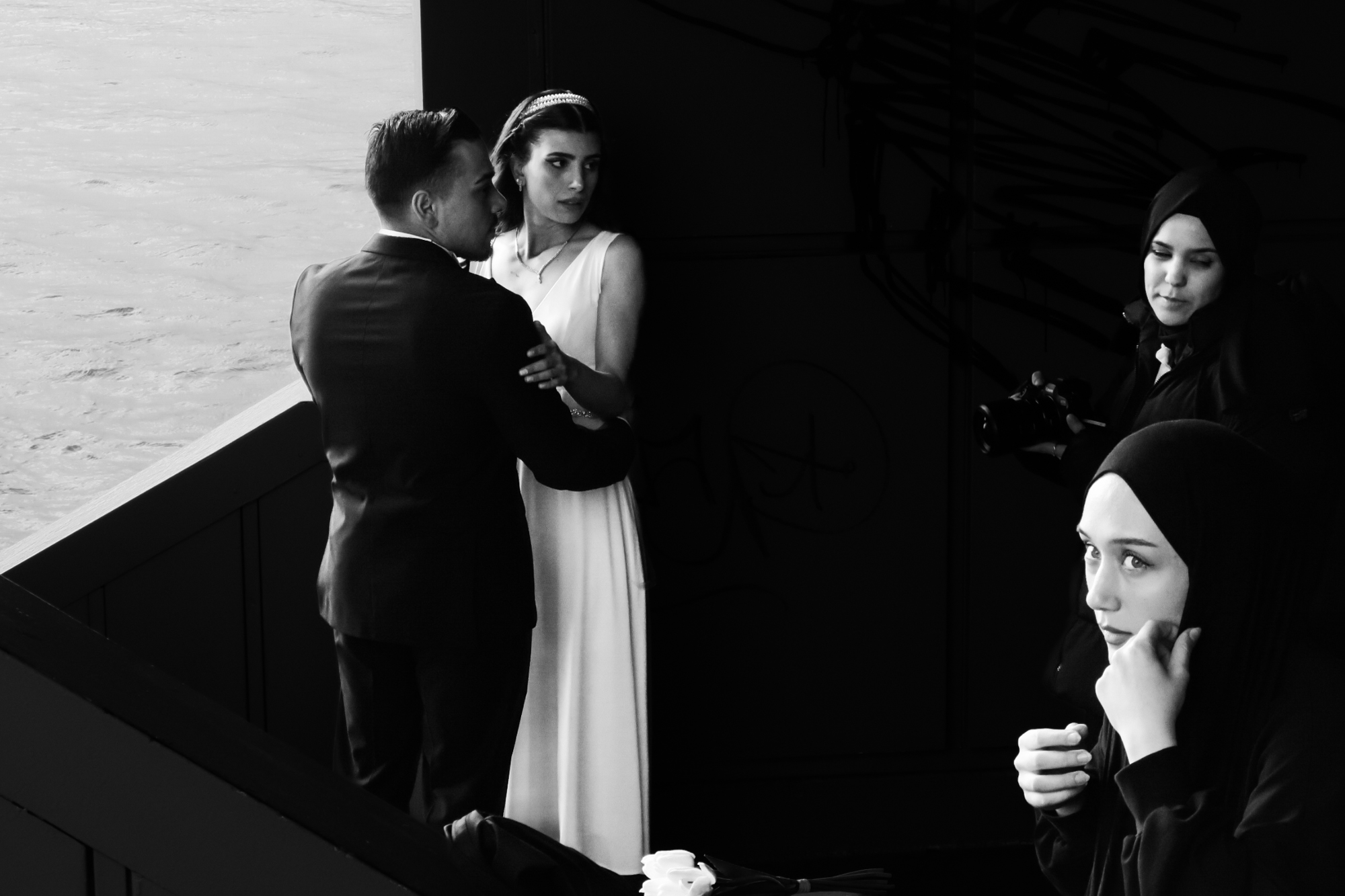
Kanık’s street photography is not dictated by rigid schedules or a relentless pursuit of fleeting moments. Instead, it is driven by a visceral connection to her environment, a connection that often materializes when the interplay of light and shadow, or the juxtaposition of contrasting elements like calm and chaos, captures her attention. "Usually, I find myself taking photos when the light is interesting or when there is a contrast – like calm vs chaos, light vs shadow, or people lost in their own world. These moments pull me in," she states. This intuitive engagement with the urban landscape is further refined by a patient and present approach. Rather than attempting to orchestrate scenes, Kanık seeks to anticipate moments, allowing the narrative to unfold organically. "What helps me the most is patience and being present. I don’t try to control the scene; I try to align to it," she explains.
Intentionality as a Creative Force: Mastering Light, Shadow, and Form
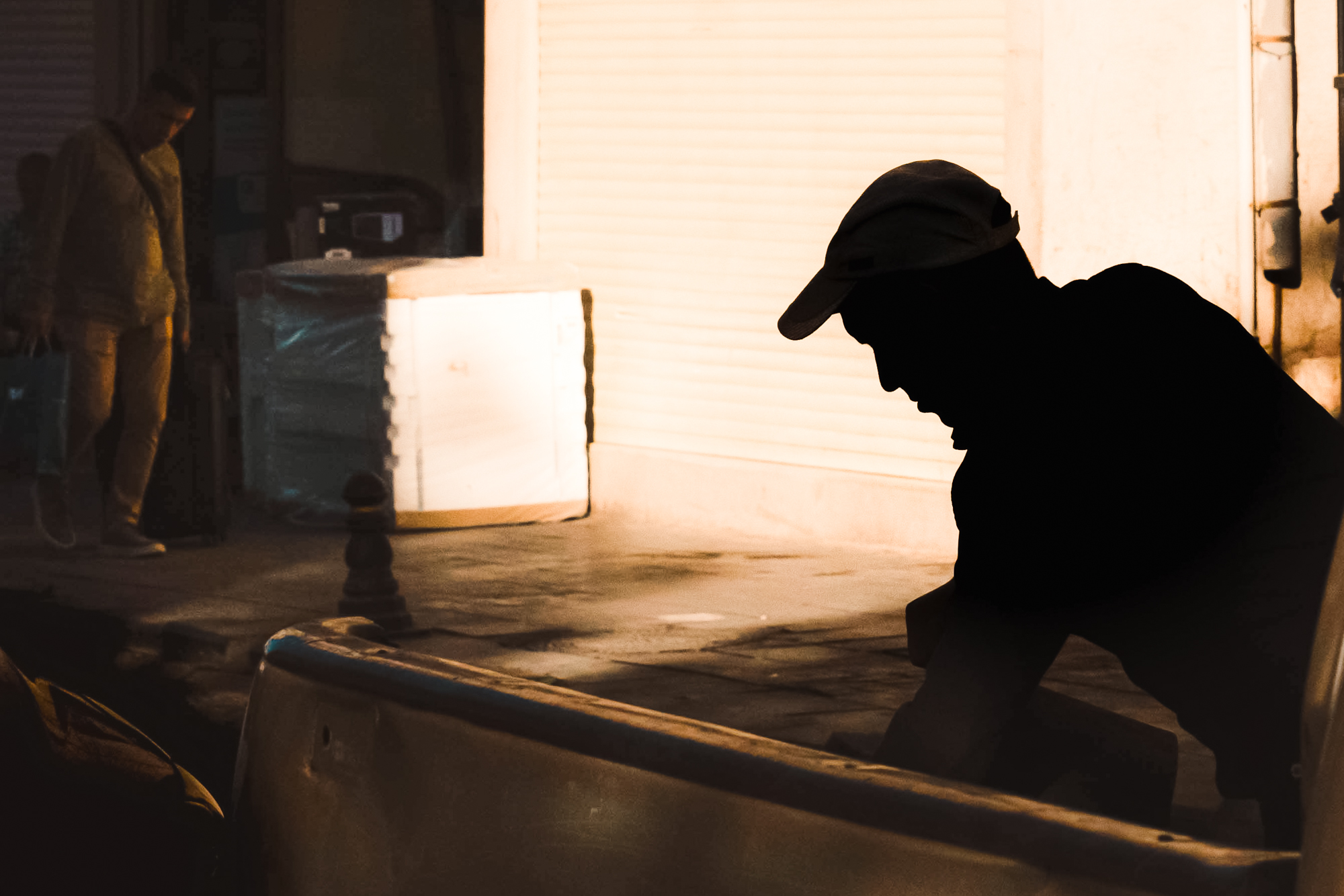
The sophisticated visual language employed by Kanık – the carefully composed silhouettes, the clever use of reflections, and the unexpected framing devices – distinguishes her work from more conventional street photography. These techniques are not mere stylistic flourishes; they are deliberate tools used to distill the essence of a scene and guide the viewer’s perception. "Shadows can create mystery, silhouettes can make a scene more universal, and framing helps guide the viewer’s eye," Kanık elaborates. Her preference leans towards a minimalist aesthetic, believing that "less is more" to prevent distracting from the core subject. This philosophy aligns with her aspiration to imbue her photographs with emotion, transforming everyday observations into compelling visual narratives. By employing these artistic devices, she invites viewers to perceive the city not just as a physical space, but as a dynamic canvas of unnoticed art.
The Influence of Masters: Shaping a Unique Photographic Voice
Kanık’s artistic development has been significantly influenced by the works of renowned street photographers, each contributing a distinct element to her evolving vision. From Alex Webb, she draws inspiration for his ability to construct complex, multi-layered frames rich with color and interaction, demonstrating how a single image can convey multiple stories simultaneously. The emotional resonance of Saul Leiter’s work, particularly his masterful use of color, reflections, and minimalist compositions to evoke a quiet, poetic atmosphere, has heightened Kanık’s awareness of subtle details and the power of simplicity. Vivian Maier’s legacy, with its unvarnished authenticity and keen observational prowess, provides a benchmark for capturing genuine, unfiltered human moments, a quality Kanık deeply admires and strives to emulate.
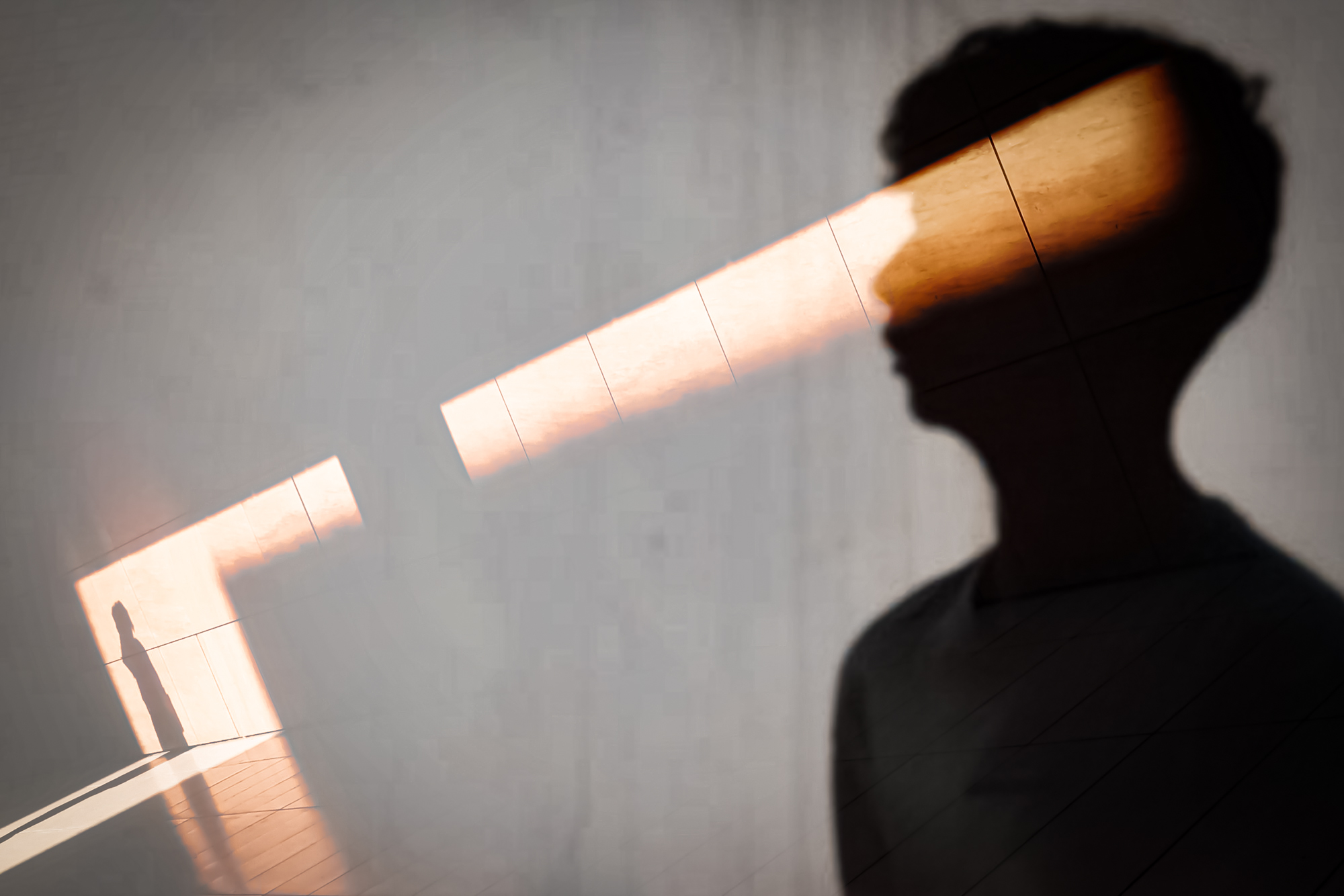
The common thread connecting these influential figures, in Kanık’s view, is their extraordinary ability to discover and capture the unique within the mundane. This principle serves as a guiding force in her own photographic practice, fueling her constant search for narratives and emotions to convey in her street captures. "I’m always searching for the ‘non-standard within the standard,’ trying to reveal something unexpected in everyday life," she asserts.
The Pursuit of Authenticity: Navigating the Challenges of Street Photography
The quest for authenticity and unfiltered moments is a hallmark of street photography, yet it presents significant challenges. Kanık acknowledges the inherent difficulty of capturing genuine interactions when the presence of a camera can alter behavior. "Sometimes, people notice the camera and the moment changes," she observes, highlighting how a simple disturbance can disrupt the photographic opportunity. Furthermore, she recognizes that not every outing yields a successful photograph. "Also, not everyday is inspiring – some days nothing works," she admits. Her strategy for navigating these inevitable ebbs and flows is rooted in patience and acceptance. "To deal with this, I stay patient and accept that not every walk will result in a great photo."

A Transformative Moment: The Nepal Sunset and the Power of Intentionality
A particularly poignant example of Kanık’s intentional approach is the story behind one of her most cherished photographs, taken during a trip to Nepal in April 2019. While the scene itself—a breathtaking sunset viewed from Nagarkot, with Mount Everest visible in the distance—was inherently spectacular, Kanık felt something was missing. "It felt too empty," she recalls. Drawing on advice from her photography mentor, Cenk Gençdi, who had emphasized the importance of framing, Kanık shifted her focus from capturing the grand vista to seeking a subtle element that could elevate the image. Her gaze fell upon a simple lamp hanging within the balcony structure. By incorporating this seemingly minor detail into her frame, the photograph underwent a profound transformation. "It gave the frame depth, balance, and a stronger story. Suddenly, it was no longer just a landscape – it became something more personal and intentional."
This experience solidified Kanık’s understanding of her own artistic philosophy. "When I showed the photo to Cenk, he really liked it as well. But for me, what made it special was the realization behind it. It was the moment I understood that I’m not just capturing what is in front of me – I’m always searching for the ‘non-standard within the standard.’ Even in the most perfect view, I’m drawn to the small detail that changes everything." This anecdote underscores her commitment to imbuing her work with personal meaning and intentionality, transcending mere documentation.
Broader Implications and the Future of Street Photography
Kanık’s internal and intentional approach to street photography suggests a broader trend within the genre, moving towards a more introspective and artistically driven practice. By integrating personal emotions, perspectives, and inner worlds into each frame, she exemplifies a generation of photographers who see their work as an extension of their identity. "So for me, street photography is not just about walking around the city and capturing random moments," she muses. "The city is just the surface – what I’m really capturing is something much more personal. I don’t try to show something extraordinary. Instead, I try to reveal the hidden uniqueness within the familiar, and show that even the most standard scenes can hold something deeply personal and unexpected."
This philosophy has significant implications for how street photography is perceived and appreciated. It challenges the notion that the genre is solely about spontaneous, objective reportage, instead highlighting its potential for profound personal expression and emotional resonance. As urban environments continue to evolve and become increasingly complex, photographers like Kanık offer a vital lens through which to understand not only the physical spaces we inhabit but also the internal landscapes we navigate. Her work serves as a testament to the idea that the most compelling stories are often found in the subtle details, the quiet observations, and the intentional framing of the ordinary.
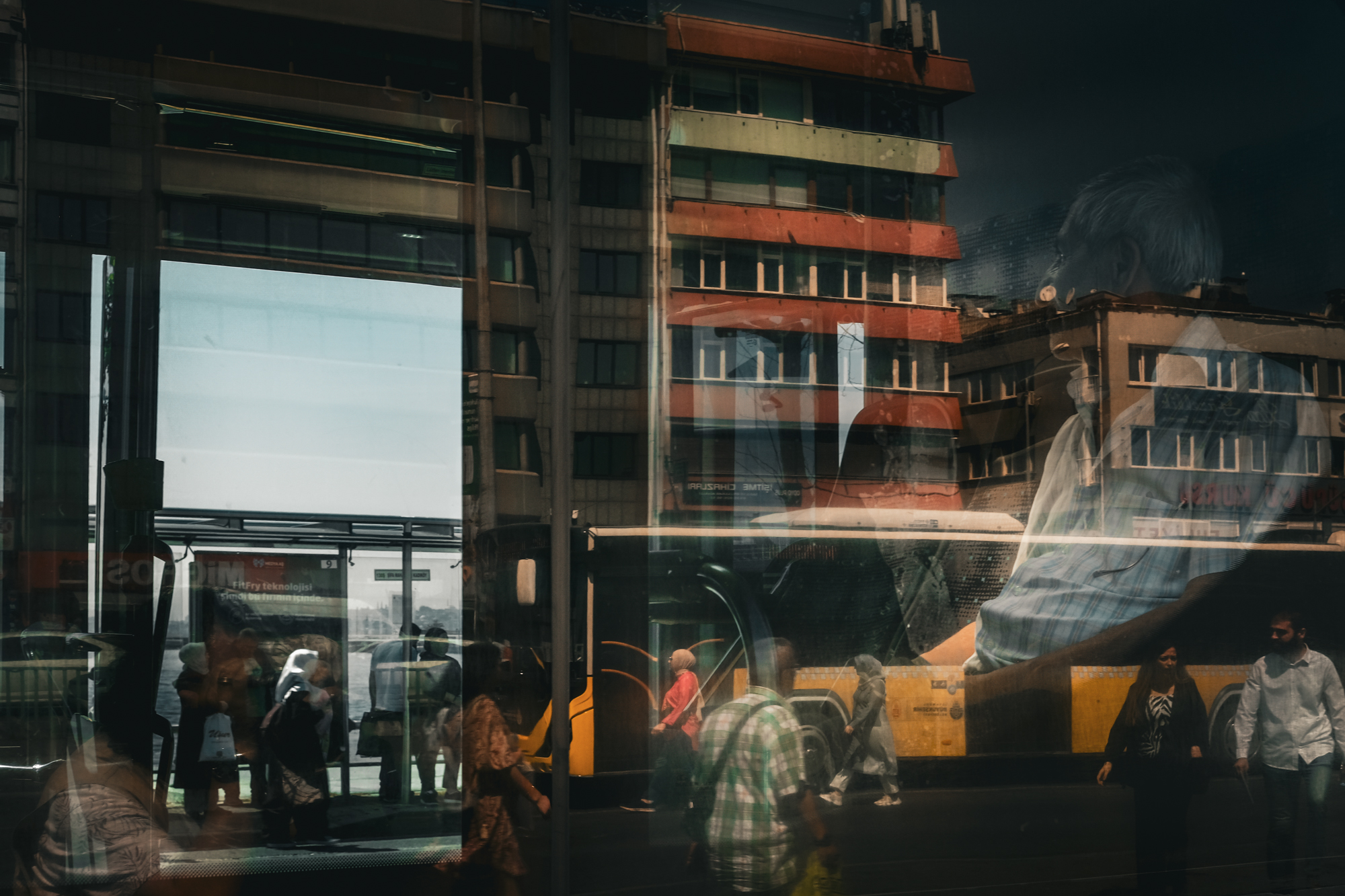
Gül Kanık’s contributions to street photography underscore a growing appreciation for intentionality and emotional depth within the genre. Her ability to transform the familiar into the profoundly personal, guided by a keen artistic eye and a deep understanding of light, composition, and narrative, positions her as a significant voice in contemporary urban photography. Her continued exploration of the "non-standard within the standard" promises to reveal further insights into the human experience within the ever-changing tapestry of city life.
Follow Gül Kanık on Instagram at http://instagram.com/kaniklaringul to view more of her compelling street photography.