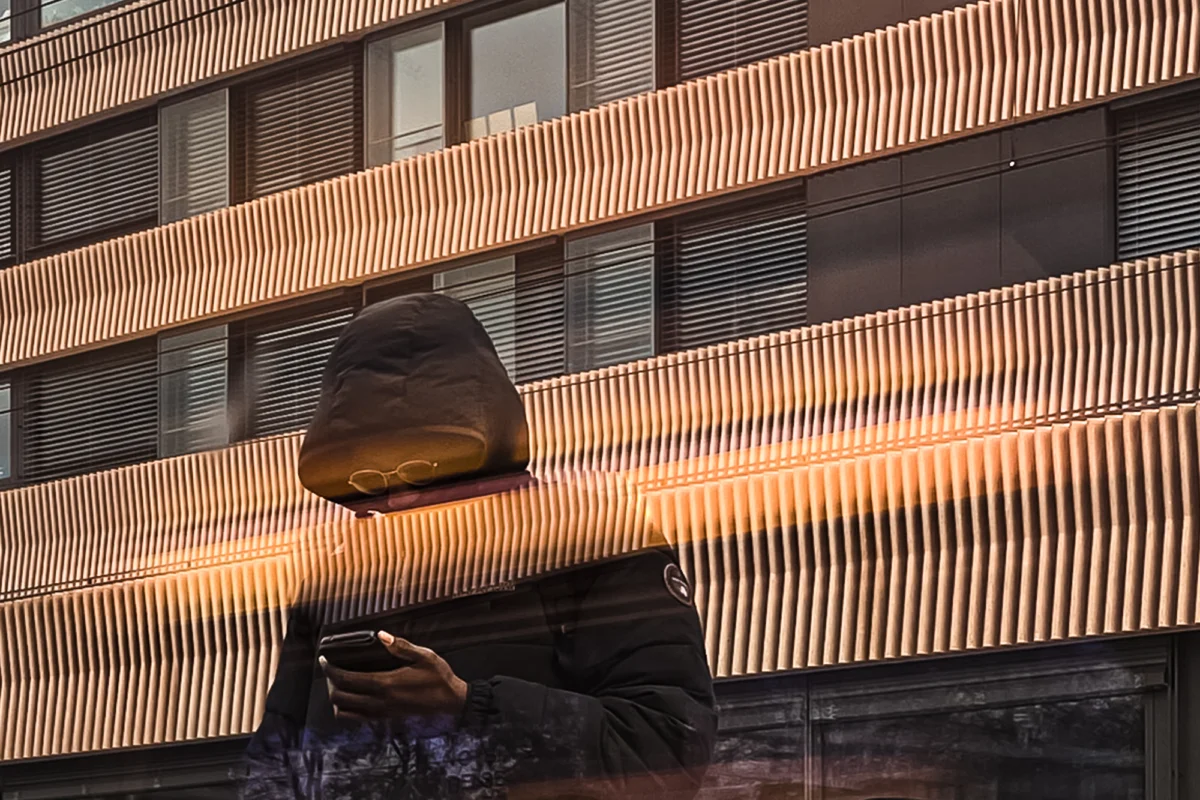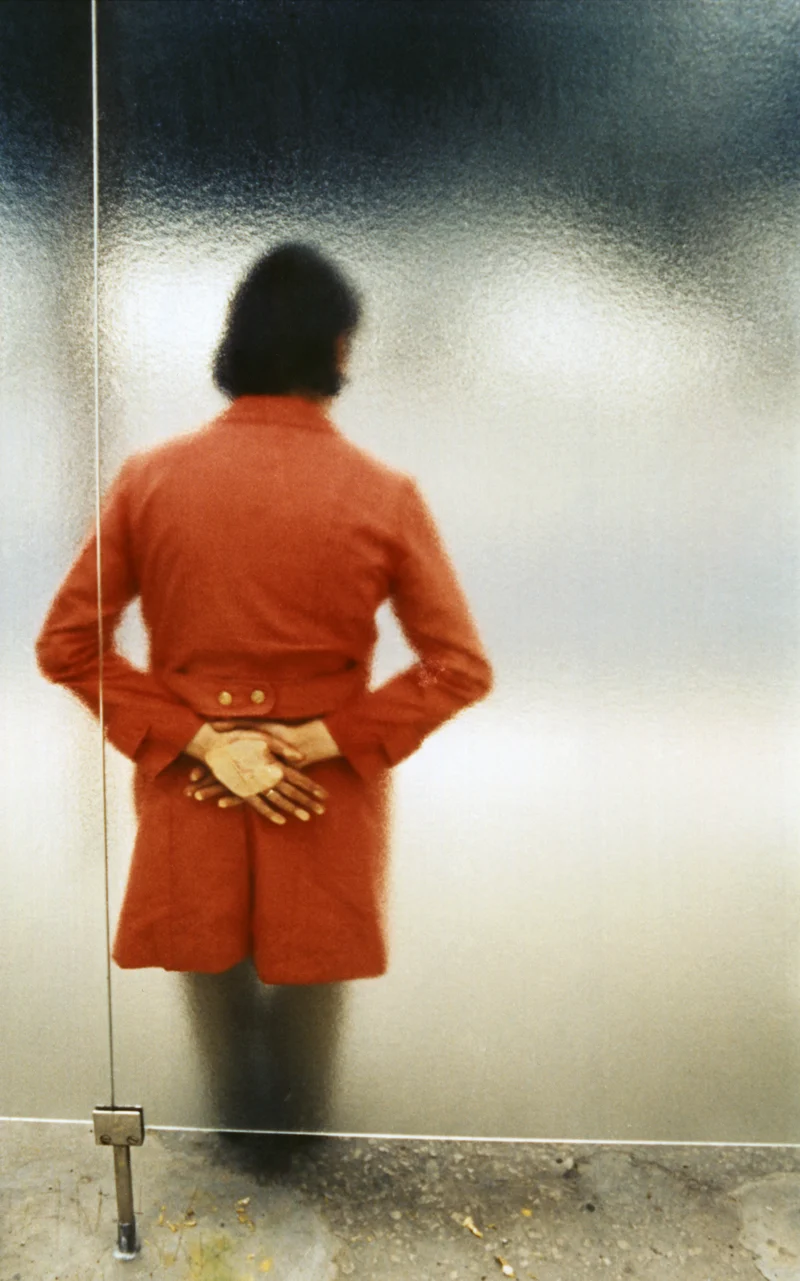
The intersection of Impressionist painting and early street photography reveals a shared visual language, born from technological innovation, a departure from academic tradition, and a revolutionary approach to subject matter and the depiction of light. This exploration, initiated by street photographer Michiel van Mens, draws parallels between the groundbreaking movements of the 19th century and the nascent genre of street photography, demonstrating how advancements in tools and a shift in perspective fundamentally altered artistic representation.
The Genesis of Innovation: Paint Tubes and Film
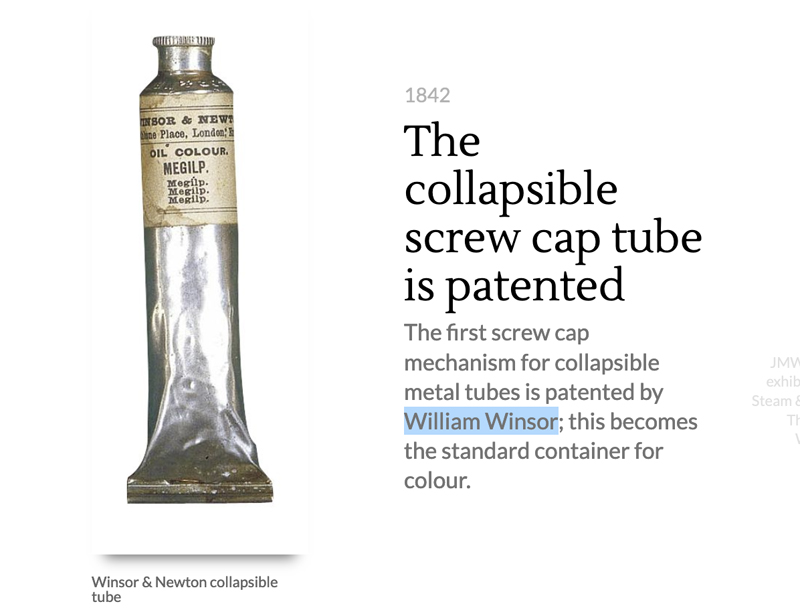
The trajectory of both Impressionism and street photography is inextricably linked to technological advancements that democratized and liberated artistic practice. For painters, the invention of the collapsible paint tube in 1841 by John Goffe Rand proved to be a pivotal moment. Prior to this, artists were tethered to their studios, laboriously mixing their own oil paints from raw pigments. This process was time-consuming and limited by the availability and stability of pigments. The paint tube, however, allowed for the mass production of ready-made paints by companies like Winsor & Newton and Lefranc & Bourgeois. This not only expanded the available palette but, crucially, enabled artists to venture outdoors. This portability directly fueled the Impressionist movement, allowing painters to capture the fleeting effects of natural light and atmospheric conditions en plein air. Artists like Claude Monet, Camille Pissarro, and Pierre-Auguste Renoir could now directly engage with the transient beauty of landscapes, urban scenes, and everyday life as it unfolded before them.
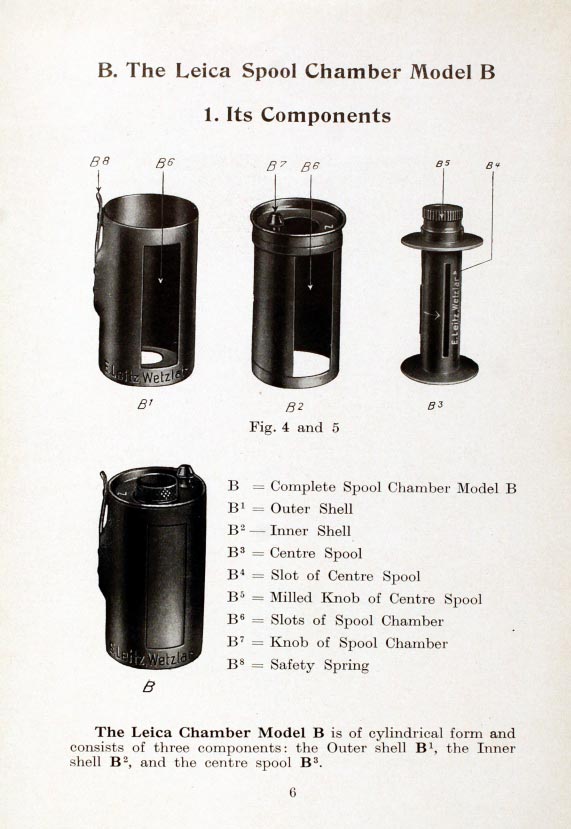
A parallel revolution occurred in the nascent field of photography. Early photographic processes, such as the wet plate collodion technique, were cumbersome and required photographers to have a darkroom in close proximity to their subject. This meant that capturing spontaneous moments in diverse locations was exceptionally challenging. The development of ready-made dry plates and, subsequently, flexible celluloid film, mirrored the liberation brought by the paint tube. Photographers were no longer bound to studio environments or the immediate vicinity of a darkroom. The true game-changer for street photography, however, arrived in 1924 with Leitz’s introduction of the reloadable film cassette and the first practical 35mm camera. This compact and efficient system made photography significantly more accessible, portable, and efficient, laying the groundwork for photographers to move freely through urban environments and document life as it happened. Data from the early 20th century indicates a steady increase in the production of photographic equipment, signaling a growing demand for more accessible and portable cameras.
Breaking Free from Tradition: The Unacademic Artist
A striking commonality between the pioneers of Impressionism and street photography is their collective departure from rigid academic training. While many Impressionists received some form of artistic instruction, they often consciously distanced themselves from the strictures and conventions of established art academies. Figures like Monet and Pissarro, while skilled, developed their revolutionary style through experimentation and a shared commitment to capturing a new vision of reality, rather than adhering to classical prescriptions. Edgar Degas, the most academically trained among the prominent Impressionists, was the exception rather than the rule, underscoring the movement’s embrace of individuality and innovation outside formal institutions.
Similarly, the first generation of influential street photographers, including Henri Cartier-Bresson, Helen Levitt, William Klein, and Garry Winogrand, were largely self-taught or honed their craft through practical experience and mentorship, rather than formal photographic education. Michiel van Mens’ research into the "Photographic Signature of the Street Photographer" found that only a small percentage of renowned street photographers completed formal photography programs. For example, Ed van der Elsken, a pivotal figure in Dutch photography, received varied training but never a formal diploma, instead learning through practice and exposure to masters. This pattern suggests that the development of a unique artistic voice and a fresh perspective often flourishes when artists are empowered to forge their own paths, unburdened by established dogma. The independent spirit fostered by this lack of formal constraint allowed for greater experimentation and the development of distinct visual languages.
Redefining Subject Matter: The Art of the Everyday
The Impressionists fundamentally altered the landscape of art by shifting their focus from grand historical narratives, mythological scenes, or commissioned portraits of the elite to the mundane realities of everyday life. Streets, cafés, theaters, parks, and the burgeoning modern city became their canvases. Their use of loose, rapid brushstrokes aimed to capture the ephemeral nature of moments, creating images that felt akin to visual snapshots of life in motion.
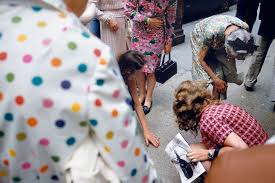
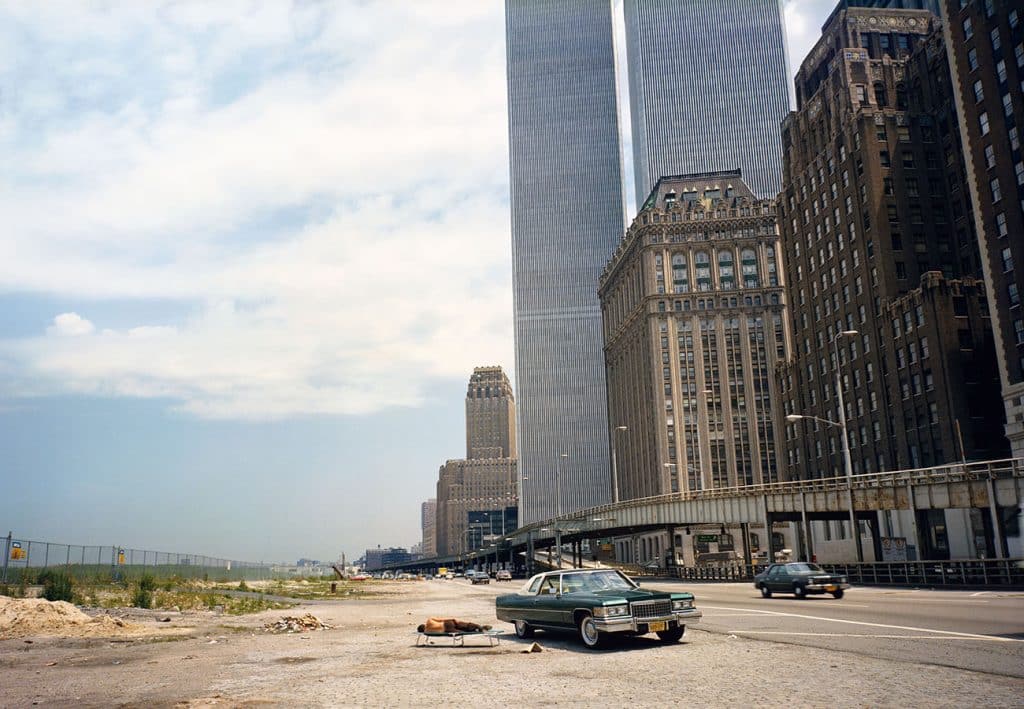
This revolutionary embrace of the ordinary found a profound echo in street photography. Photographers such as Helen Levitt, Fred Herzog, and Saul Leiter turned their lenses towards the rhythms of daily existence, capturing children at play, bustling street corners, shop windows, and the quiet moments between events. The work of Stephen Shore exemplified this shift, elevating the seemingly insignificant – hotel rooms, parking lots, meals – into compelling artistic subjects. By doing so, both Impressionists and street photographers demonstrated that profound beauty and artistic merit could be found not only in exceptional events but also in the overlooked details of common life. This democratization of subject matter expanded the very definition of what constituted worthy artistic material.
The Play of Light and Shadow: Capturing the Fleeting Moment
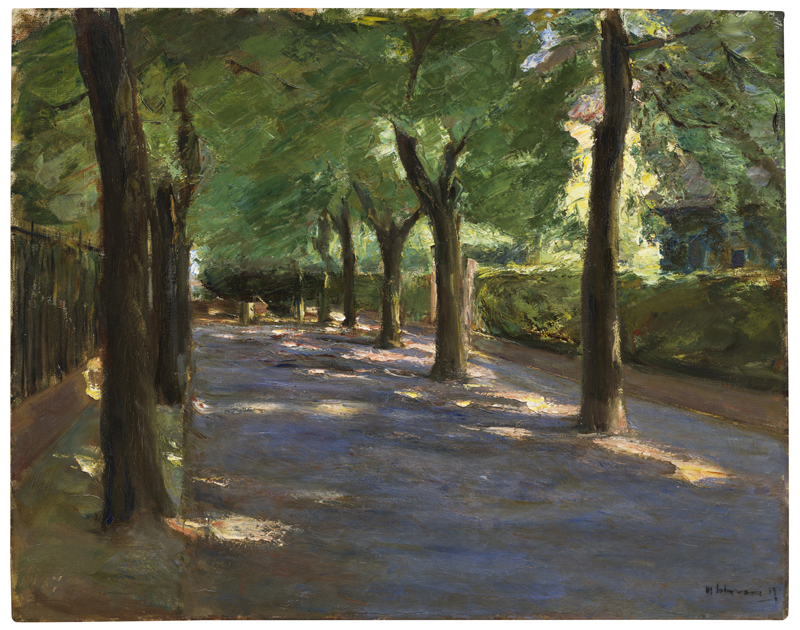
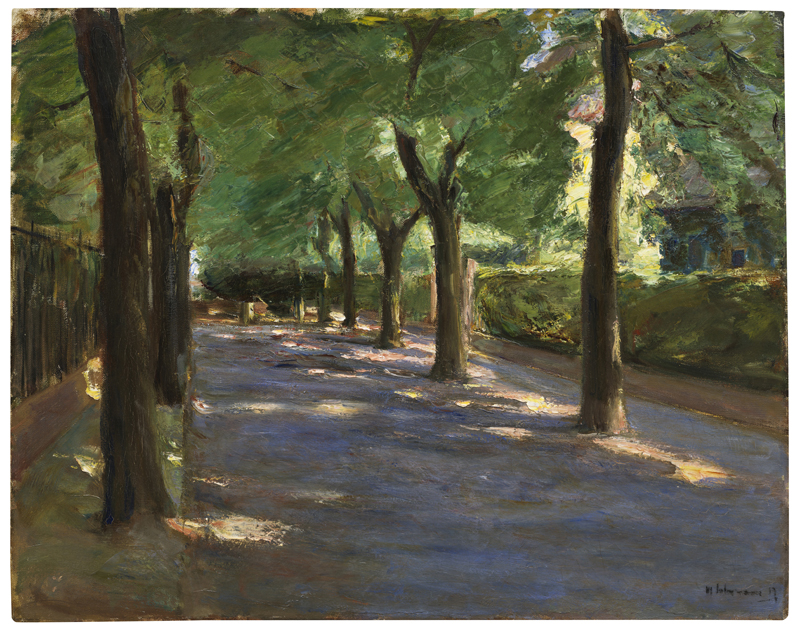
Perhaps the most profound shared characteristic between Impressionism and street photography lies in their fascination with light and its interplay with shadow. The Impressionists made light itself a primary subject. Max Liebermann’s painting "Die Colombierstraße in Wannsee" (1917) serves as a prime example. While depicting a seemingly ordinary country road, Liebermann’s subtle application of light brushstrokes to suggest sunlight filtering through leaves transforms the scene, drawing the viewer’s eye to the dynamic play of light. The painting is not merely about the road, but about the dancing sunlight.
This emphasis on light is mirrored in the work of street photographers. They understood that light, and its absence in shadow, creates atmosphere and emotional resonance. The contrast between light and dark is not merely a technical element but a fundamental tool for evoking mood and guiding the viewer’s perception. Photographers like William Eggleston, Saul Leiter, and Mitch Epstein, through their masterful use of color and contrast, captured the ephemeral qualities of light in urban environments. They recognized that a particular quality of light could imbue an otherwise unremarkable street scene with a compelling visual narrative. Data analysis of prominent street photography exhibitions often highlights the significant role of contrast and light in audience engagement, suggesting a subconscious appreciation for this visual dynamic.
Color as a Revolutionary Tool
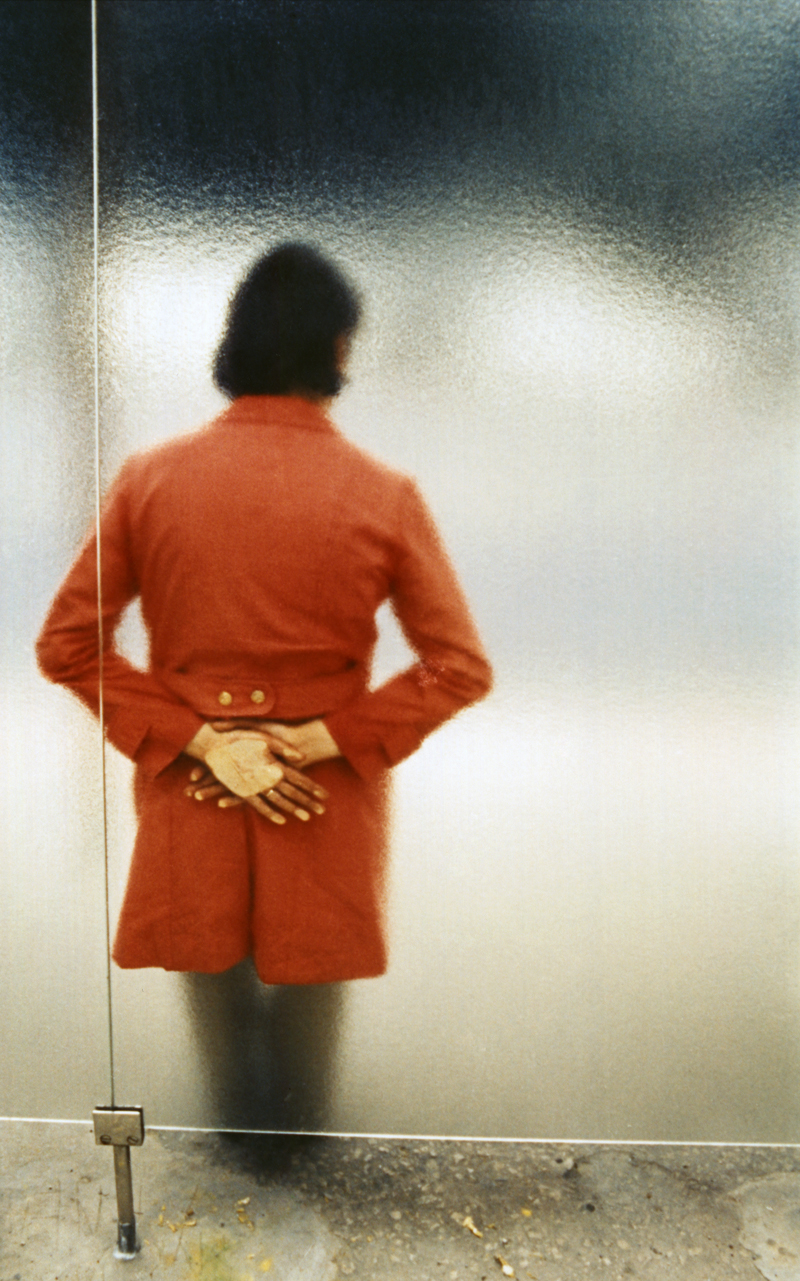
The evolution of pigment technology and the advent of color photography both played crucial roles in expanding artistic expression. For the Impressionists, the increased availability of pigments, particularly vibrant hues like violet, allowed them to move beyond literal representation and use color expressively. Violet, for instance, was employed not just as a color but as a sophisticated tool to depict light, atmosphere, and shadow, adding depth and luminosity to their works. They understood that color was a means of interpreting, not just describing, the world.
This mirrors the pioneering embrace of color photography by artists like Helen Levitt, Saul Leiter, and William Eggleston at a time when black-and-white photography was still considered the standard for serious art. Eggleston’s extensive experimentation with the dye-transfer process, which produced exceptionally rich and saturated colors, further pushed the boundaries of what was considered artistically viable. These photographers used color not merely descriptively but to shape mood, guide attention, and transform ordinary scenes into evocative visual experiences. This deliberate use of color, often in defiance of prevailing norms, parallels the Impressionists’ innovative use of newly available pigments to forge a new visual language. The commercial availability of color film increased by over 300% between 1960 and 1980, reflecting a growing demand and acceptance of color in visual media, though its artistic merit was debated for much of that period.
Embracing Criticism and Redefining "Snapshot"
Both Impressionism and street photography faced significant criticism upon their emergence. The term "Impressionist" was initially coined as a derogatory label by critic Louis Leroy, implying that the paintings were unfinished and merely fleeting impressions. However, the artists embraced the term, transforming it into a badge of honor.
Similarly, street photographers, particularly those working in color like William Eggleston, were often dismissed as producing mere "snapshots" – images taken casually without artistic intent. Eggleston’s 1976 solo exhibition at the Museum of Modern Art was met with considerable skepticism. This criticism, however, proved to be shortsighted. Just as the Impressionists’ "unfinished" sketches revolutionized painting, the perceived casualness of "snapshots" was, in fact, a deliberate strategy to capture the spontaneity and authenticity of street life. Over time, both terms evolved from dismissive labels to integral components of influential artistic movements, highlighting the subjective nature of critical reception and the eventual triumph of innovative artistic vision.
The Enduring Legacy and Contemporary Relevance
The technological innovations that empowered the Impressionists and the early street photographers continue to resonate today. Contemporary street photographers are, in essence, colorists of everyday life, deliberately employing color (or its absence) to shape viewer experience. The understanding that light becomes visible through shadow remains a critical compositional tool. Just as Impressionists experimented with new pigments, modern photographers leverage post-processing techniques – filters, color grading, and contrast adjustments – to enhance expressive power.
The influence of technology on art is a continuous thread throughout history. From the paint tube and the 35mm camera to digital software, algorithms, and artificial intelligence, new tools consistently expand creative possibilities and challenge existing artistic paradigms. As Michiel van Mens suggests, embracing these developments, rather than rejecting them, leads to artistic progress. Projects like Phil Toledano’s "Edward Trevor: Never Seen the Light" hint at the future evolution of street photography, demonstrating that curiosity meeting technology is often the catalyst for groundbreaking art. The enduring lesson from both Impressionism and street photography is that innovation arises when artists dare to see the familiar in unfamiliar ways, driven by curiosity and the transformative power of new tools.