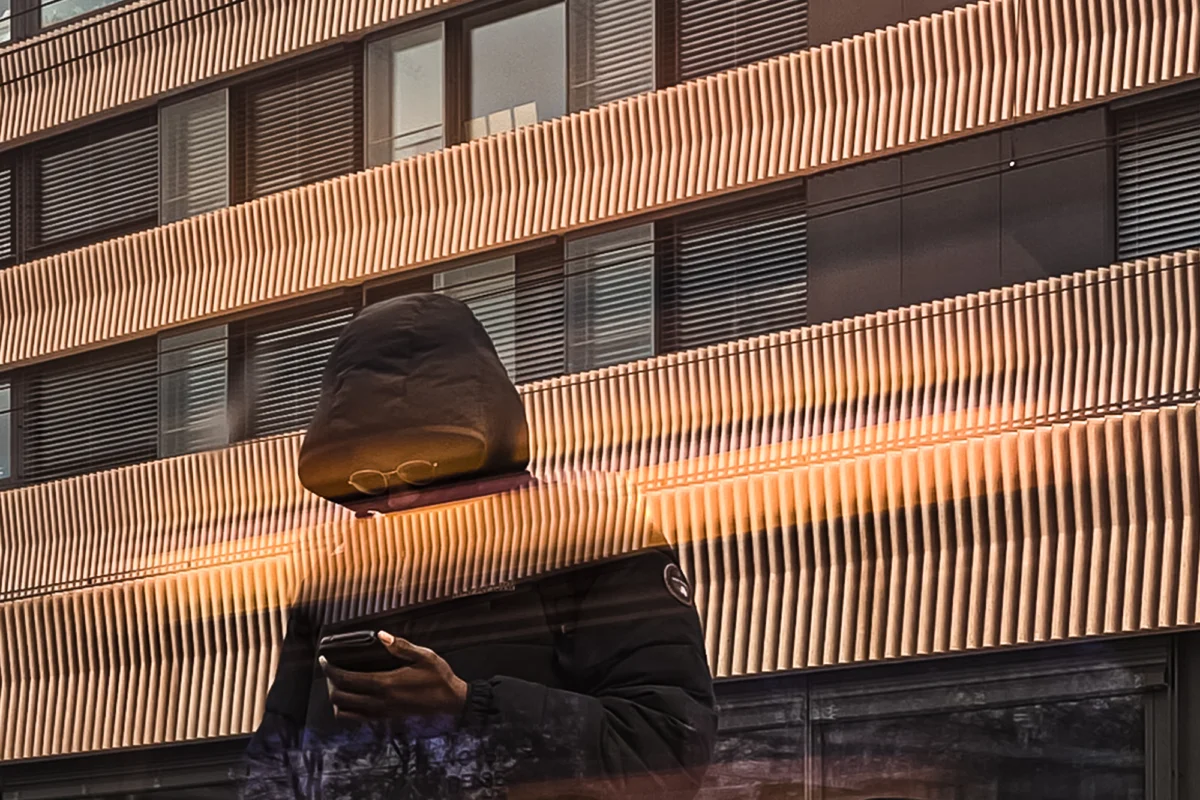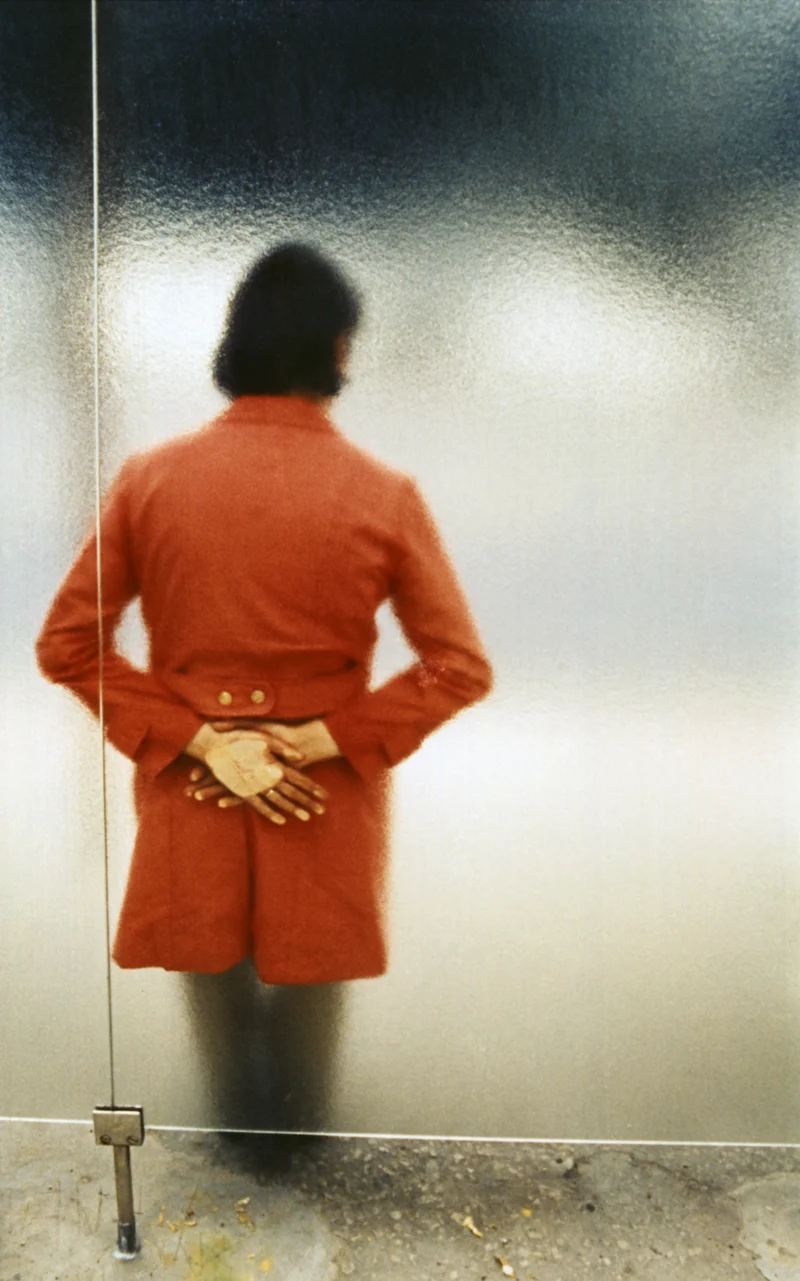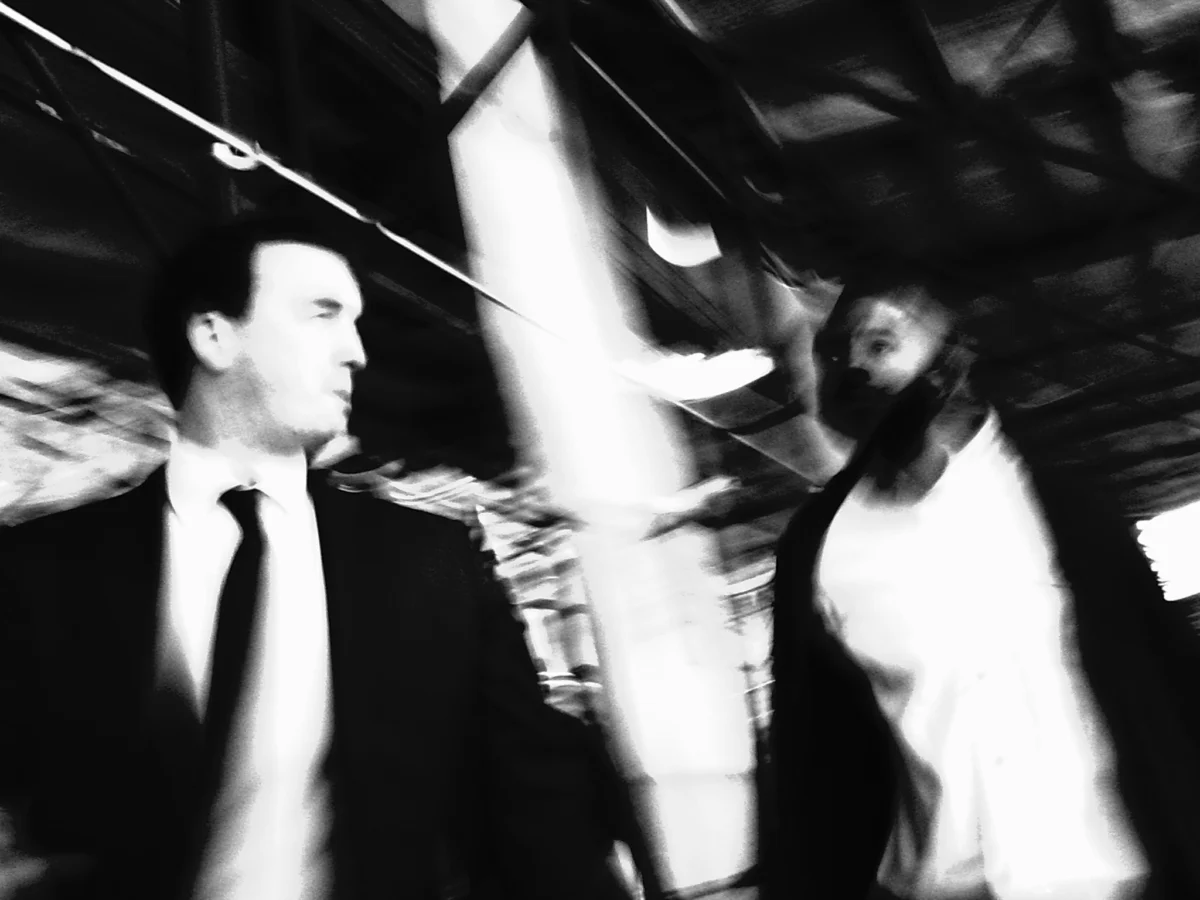
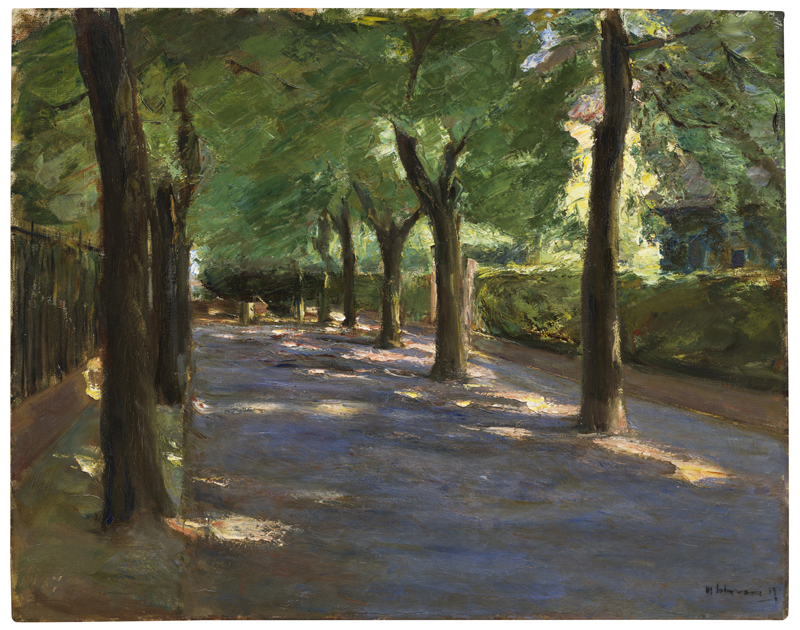
The profound parallels between the Impressionist art movement and the evolution of street photography reveal a shared visual language, driven by technological innovation, a redefinition of subject matter, and a revolutionary approach to light and color. This exploration, originating from an observation of Max Liebermann’s 1917 painting "Die Colomierstraße in Wannsee," uncovers how the pursuit of capturing fleeting moments and the essence of everyday life has resonated across different artistic disciplines and eras. The very act of making light visible through its contrast with shadow, a cornerstone of Impressionist theory, finds a powerful echo in the work of pioneering street photographers like William Eggleston, Helen Levitt, Fred Herzog, and Saul Leiter.
The Catalytic Power of Technological Innovation
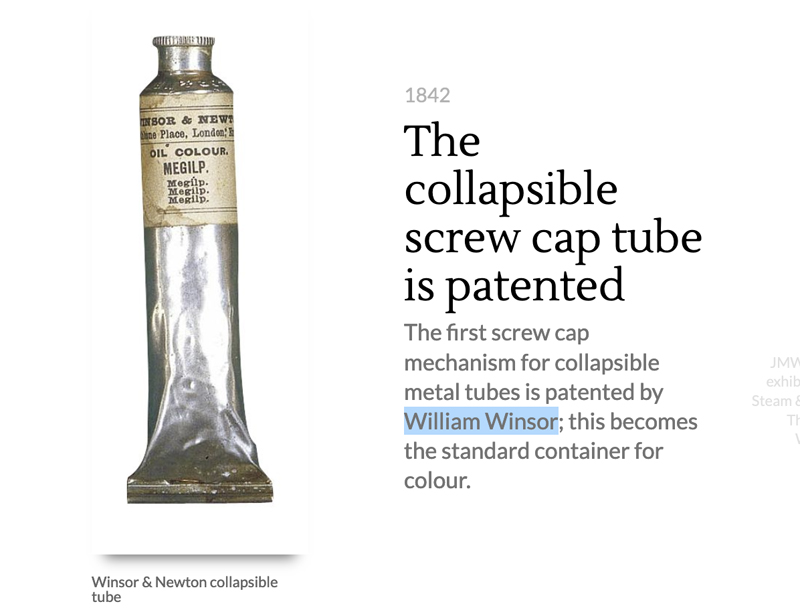
The genesis of both Impressionism and street photography is inextricably linked to groundbreaking technological advancements. For the Impressionists, the invention of the collapsible paint tube in 1841 by John Goffe Rand marked a pivotal shift. Prior to this, artists were tethered to their studios, meticulously grinding pigments and mixing their own oil paints. This process was not only labor-intensive but also limited by the availability of pigments. The paint tube, however, liberated artists from this constraint, paving the way for readily available, pre-mixed paints manufactured by companies like Winsor & Newton and Lefranc & Bourgeois. This industrialization of art supplies democratized color and freed artists to venture outdoors, a practice that would define the Impressionist movement. The ability to work "en plein air" allowed them to directly engage with the ephemeral qualities of natural light and atmospheric conditions.
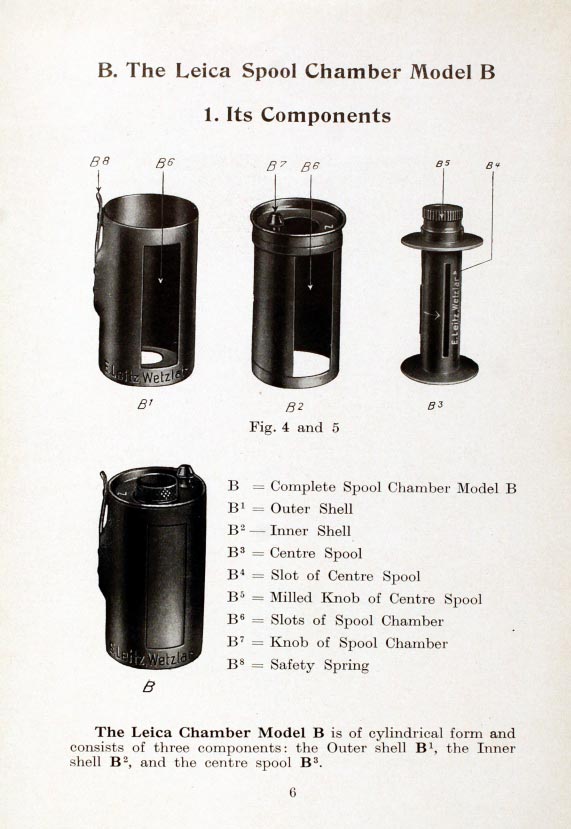
A comparable revolution occurred in the nascent field of photography. Early photographic processes, such as the wet plate collodion method, were cumbersome and demanded immediate preparation of light-sensitive chemicals on glass plates. This necessitated a portable darkroom and significantly restricted photographers’ mobility. The introduction of dry glass plates and, subsequently, flexible celluloid film, mirrored the impact of the paint tube. Photographers could now work more freely, unburdened by the immediate need for a darkroom. The true game-changer, however, arrived in 1924 with Leitz’s introduction of the reloadable film cassette and the first practical 35mm camera. This innovation rendered photography more portable, efficient, and accessible than ever before, laying the groundwork for the candid, on-the-go nature of street photography.
Mobility and the Redefinition of Subject Matter
These technological leaps fostered unprecedented mobility for both painters and photographers, enabling them to leave their studios and immerse themselves in the world. This freedom fundamentally altered their perception and choice of subject matter.
The Impressionist Revolution (circa 1860-1890):
The Impressionists, a group of artists active primarily in Paris, coalesced around a shared desire to depict contemporary life. They eschewed historical, mythological, and religious themes in favor of the mundane and the everyday. Streets, cafes, theaters, parks, and the burgeoning urban landscape became their canvas. Their revolutionary style, characterized by loose brushstrokes and an emphasis on capturing the fleeting impression of a moment, transformed scenes of ordinary life into compelling artistic statements. Key figures like Claude Monet, Pierre-Auguste Renoir, Edgar Degas, and Camille Pissarro, though often self-taught or educated outside strict academic confines, developed a visual language that prioritized light and atmosphere over precise detail. Their first independent exhibition in 1874 is widely regarded as the birth of Impressionism as a distinct movement.
The Pioneers of Street Photography (Early to Mid-20th Century):
The first generation of street photographers, including Henri Cartier-Bresson, Helen Levitt, William Klein, Joel Meyerowitz, Garry Winogrand, Lee Friedlander, Saul Leiter, Fred Herzog, William Eggleston, and Vivian Maier, did not form a cohesive, organized movement in the same vein as the Impressionists. They largely worked independently, often across different cultural contexts. However, from a historical perspective, their collective work laid the foundation for a new photographic genre. Like the Impressionists, they elevated everyday scenes—anonymous passersby, ordinary streets, fleeting gestures, and the rhythms of daily existence—to the status of serious artistic subjects. Photographers like Helen Levitt and Fred Herzog found profound beauty in the commonplace, capturing children at play, vibrant shop windows, and the subtle narratives unfolding on urban thoroughfares. Stephen Shore, in particular, pushed this boundary further, demonstrating that virtually anything, from hotel rooms to meals, could become a worthy subject, thus expanding the artistic purview of photography.
Education and the Rejection of Academic Rigidity
A striking parallel emerges in the educational backgrounds of the pioneers of both movements. Many of the most influential Impressionists, despite their profound impact on art history, did not adhere to traditional academic training. While they often received instruction in ateliers or studied under established artists, they consciously developed their distinctive styles outside the rigid rules imposed by art academies. This ethos of independent exploration extended to the realm of street photography. Many of its most impactful practitioners were largely self-taught. Ed van der Elsken, for instance, received varied training but never a formal diploma, instead learning through practical experience and mentorship.
Michiel van Mens’s extensive research into the "Photographic Signature of the Street Photographer" reveals that out of fifteen renowned street photographers studied, only two—Martin Parr and Philip-Lorca diCorcia—completed formal photographic education. Others, while attending art schools, did so with broader artistic aims rather than solely for photographic training. This shared characteristic underscores a fundamental truth: innovation in art often thrives outside established educational structures. The pioneers of both Impressionism and street photography learned through keen observation, relentless experimentation, and the forging of their own unique visual languages.
The Transformative Power of Color and Light
The Impressionists’ embrace of a broader palette, facilitated by technological advancements in pigment production, revolutionized their approach to color and light. They understood that color was not merely descriptive but interpretive.
Impressionist Color and Light:
The expanded range of pigments available to Impressionist painters allowed them to move beyond traditional, often muted, palettes. They explored the expressive potential of color, using it to convey mood, sensation, and their subjective perception of a scene. The use of violet, for instance, became a recurring motif, employed not just as a color but as a tool to depict light, atmosphere, and shadow with greater subtlety and luminosity. The Impressionists recognized that light itself could be the subject, as exemplified by Max Liebermann’s "Die Colomierstraße in Wannsee," where the filtering sunlight through foliage transforms an ordinary scene into something poetic. Paradoxically, they understood that light gains its intensity through the presence of shadow and darkness, creating a dynamic interplay that defines the visual experience.
Street Photography’s Embrace of Color:
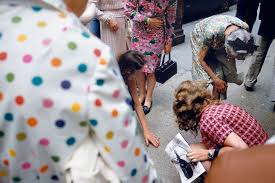
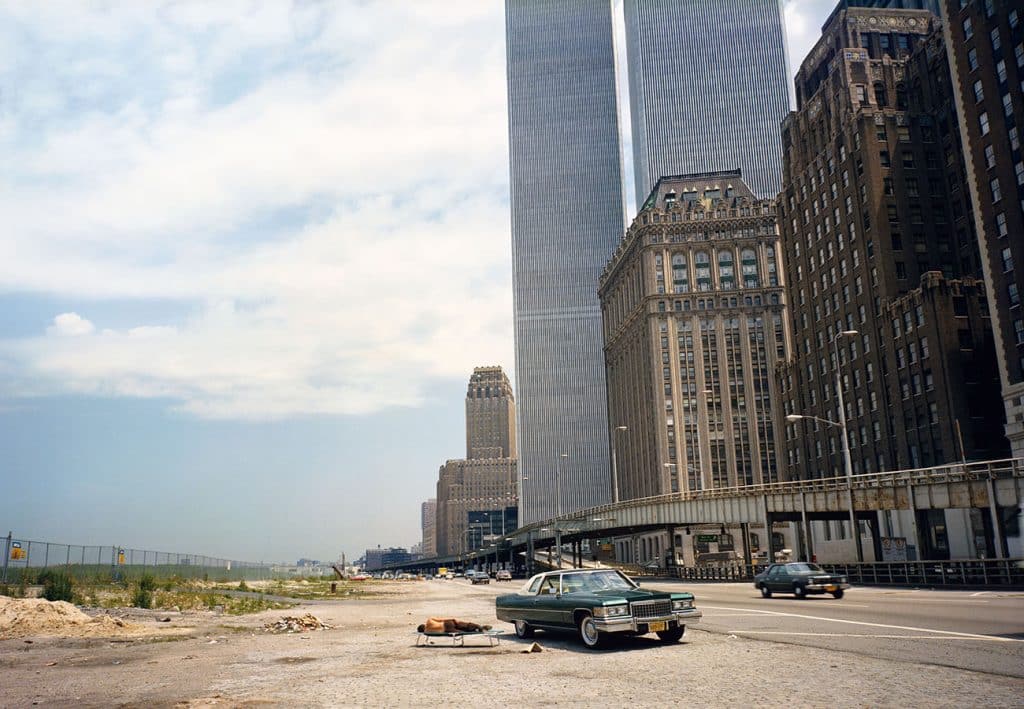
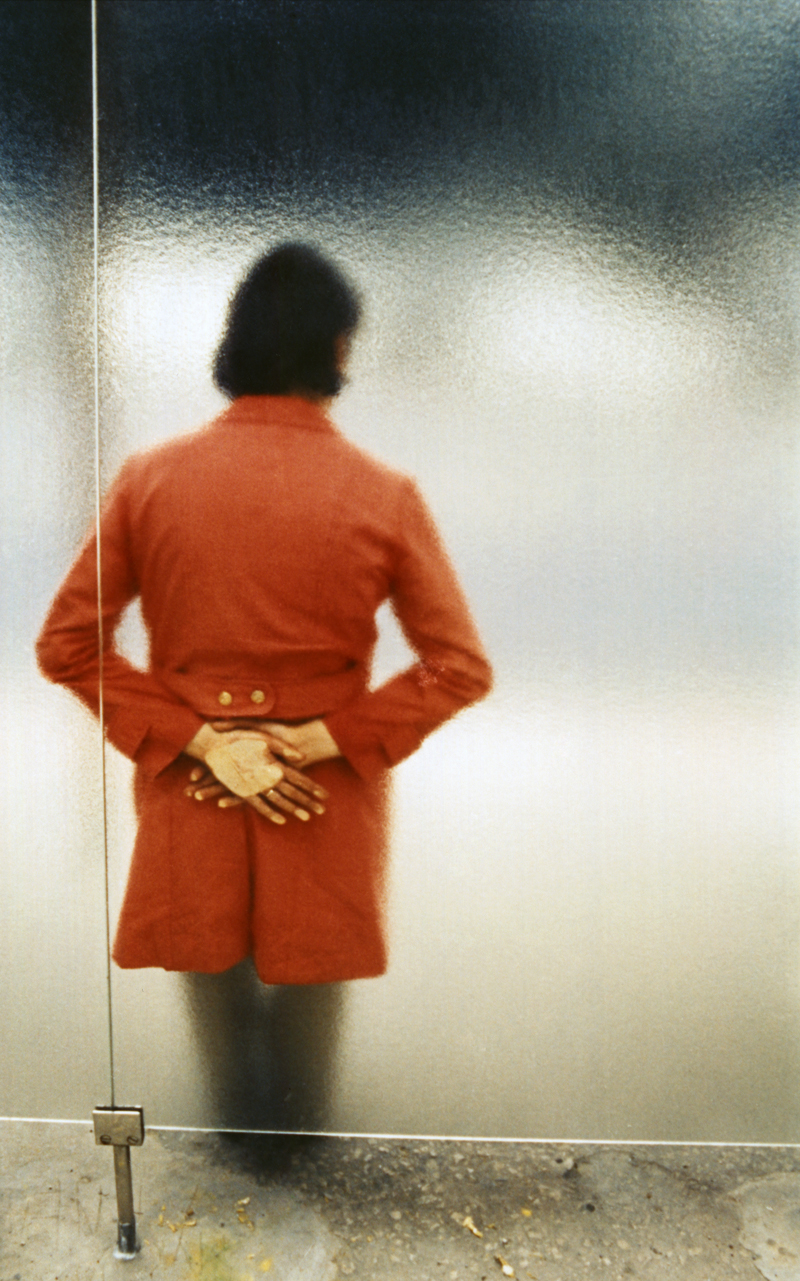
A similar narrative unfolded with the advent of color photography. While black-and-white photography was initially considered the only serious artistic medium, photographers like Helen Levitt, Saul Leiter, Mitch Epstein, William Eggleston, and Fred Herzog deliberately embraced color. They recognized its potential for expressive interpretation, moving beyond mere documentation. William Eggleston, through his extensive experimentation with the dye-transfer process, produced photographs with exceptionally rich and saturated colors, pushing the boundaries of what was considered artistically acceptable. This mirrors the Impressionists’ engagement with newly available pigments. Advances in photographic technology, from improved film stocks to sophisticated printing techniques, empowered photographers to use color not just to record reality but to shape mood, guide attention, and imbue ordinary scenes with compelling visual narratives. Their use of color was rarely purely objective; it was a deliberate choice to communicate a particular atmosphere and personal vision.
Criticism and the Embrace of the "Snapshot"
Both Impressionism and street photography faced significant criticism and misunderstanding during their formative years. The very terms that came to define these movements were initially used derisively.
The Impressionist Label:
The term "Impressionist" was coined by art critic Louis Leroy in 1874 as a dismissive label, suggesting that the artists’ works were unfinished and merely fleeting impressions. Ironically, the artists embraced this term, transforming a critique into a badge of honor. What was once seen as incomplete or amateurish is now recognized as a revolutionary approach to capturing visual experience.
The "Snapshot" Accusation:
A similar pattern of initial dismissal is evident in the history of street photography. When William Eggleston held a solo exhibition at the Museum of Modern Art in 1976, many critics reacted with disbelief, labeling his photographs as mere "snapshots"—implying a lack of artistic intent and careful composition. Photographers working in color, especially those focusing on everyday life, often struggled for exhibition opportunities and faced skepticism. However, as history has shown, these "snapshots" were meticulously composed, thoughtfully selected, and artistically constructed images, much like the Impressionists’ paintings were not simply unfinished sketches. The label "snapshot," intended to diminish, became associated with a significant artistic movement.
The Enduring Legacy of Light, Contrast, and Interpretation
The core of both Impressionism and street photography lies in their shared fascination with light, contrast, and the art of interpretation.
Light as Subject:
For the Impressionists, light was not merely a tool but often the central subject. Liebermann’s painting, as mentioned, exemplifies this, where sunlight filtering through leaves becomes the true focus. The contrast between light and shadow was crucial, giving form, atmosphere, and emotional resonance to their works. This understanding of how light reveals itself through darkness is a profound insight that directly informs compelling street photography.
Street Photography’s Visual Dialogue:
The first generation of color street photographers, including Levitt, Epstein, Leiter, Eggleston, and Herzog, similarly employed color, shadow, and light not just to document but to evoke emotion and create a specific mood. They understood that the quality of light itself could elevate an ordinary street corner into a captivating visual experience. Photographers like Stephen Shore and Alex Webb continued this tradition, making light a leading element in their compositions. For them, as for the Impressionists, light is a creative force that shapes perception and interpretation.
The Influence of Technology on Artistic Expression
The historical trajectory of both Impressionism and street photography demonstrates the profound and often contested influence of technology on artistic expression. The paint tube, dry plates, portable cameras, and advancements in color film and digital processing have consistently provided artists with new tools and expanded creative possibilities. While these innovations have often been met with resistance from established authorities, history consistently shows that artistic progress is fueled by a willingness to explore and experiment.
Contemporary street photographers, like the Impressionists before them, are essentially "colorists of everyday life." They utilize color—or a deliberate limited palette—and the interplay of light and shadow to shape viewers’ experiences. The post-processing capabilities available today, much like the Impressionists’ manipulation of pigments, allow for the enhancement of expressive power, the strengthening of light through contrast, and the deepening of shadows. As Michiel van Mens posits, the exploration of new technologies, whether digital software, algorithms, or artificial intelligence, offers contemporary artists novel avenues for self-expression. This spirit of embracing the new, of allowing curiosity to meet technology, has historically been the wellspring of artistic advancement. Projects like Phil Toledano’s "Edward Trevor: Never Seen the Light" hint at the evolving landscape of street photography, suggesting that future iterations will continue to be shaped by technological innovation and a fresh perspective on the familiar.
The enduring lesson from both Impressionism and street photography is that true artistic progress often lies in challenging conventions, embracing new possibilities, and finding novel ways to see and interpret the world around us. The visual language forged by these movements continues to resonate, reminding us that beauty and profound artistic meaning can be found in the most ordinary of moments, illuminated by extraordinary light.