The occasion of Lensrentals’ 19th anniversary was marked by a highly anticipated technical teardown, a tradition that has become a cornerstone of the company’s commitment to transparency and knowledge sharing within the professional photography and videography community. This recent analysis focused on the widely rented Sony PTZ (Pan-Tilt-Zoom) camera, revealing critical insights into its design, common failure points, and the often-exorbitant costs associated with manufacturer-mandated repairs. The findings have significant implications for both rental operations and end-users, underscoring the delicate balance between advanced technology and practical durability.
Background and Context: Lensrentals’ Journey and the PTZ Market
Lensrentals, a leading provider of camera, lens, and production equipment rentals, has navigated a dynamic landscape over nearly two decades. The company’s 19th year coincides with a period of remarkable growth and strategic adaptation. Founder Roger Cicala, who recently returned to public-facing technical analyses after a temporary hiatus, detailed the confluence of challenges that shaped the company’s recent trajectory. The initial slowdown due to the global COVID-19 pandemic presented existential questions regarding business viability, mirroring broader economic uncertainties across many industries. Simultaneously, Cicala faced personal health issues, undergoing multiple cataract surgeries and managing complications that temporarily limited his hands-on involvement.
Amidst these challenges, Lensrentals embarked on a monumental expansion, outgrowing its facilities for the thirteenth time. This necessitated the renovation of a substantial new building, integrating advanced logistical infrastructure including four miles of computerized conveyor systems, 62 specialized workstations, and a 10,000-square-foot climate-controlled vault capable of housing 50,000 unique items. This investment reflects the company’s robust market position and its foresight in scaling operations to meet growing demand for high-end equipment.
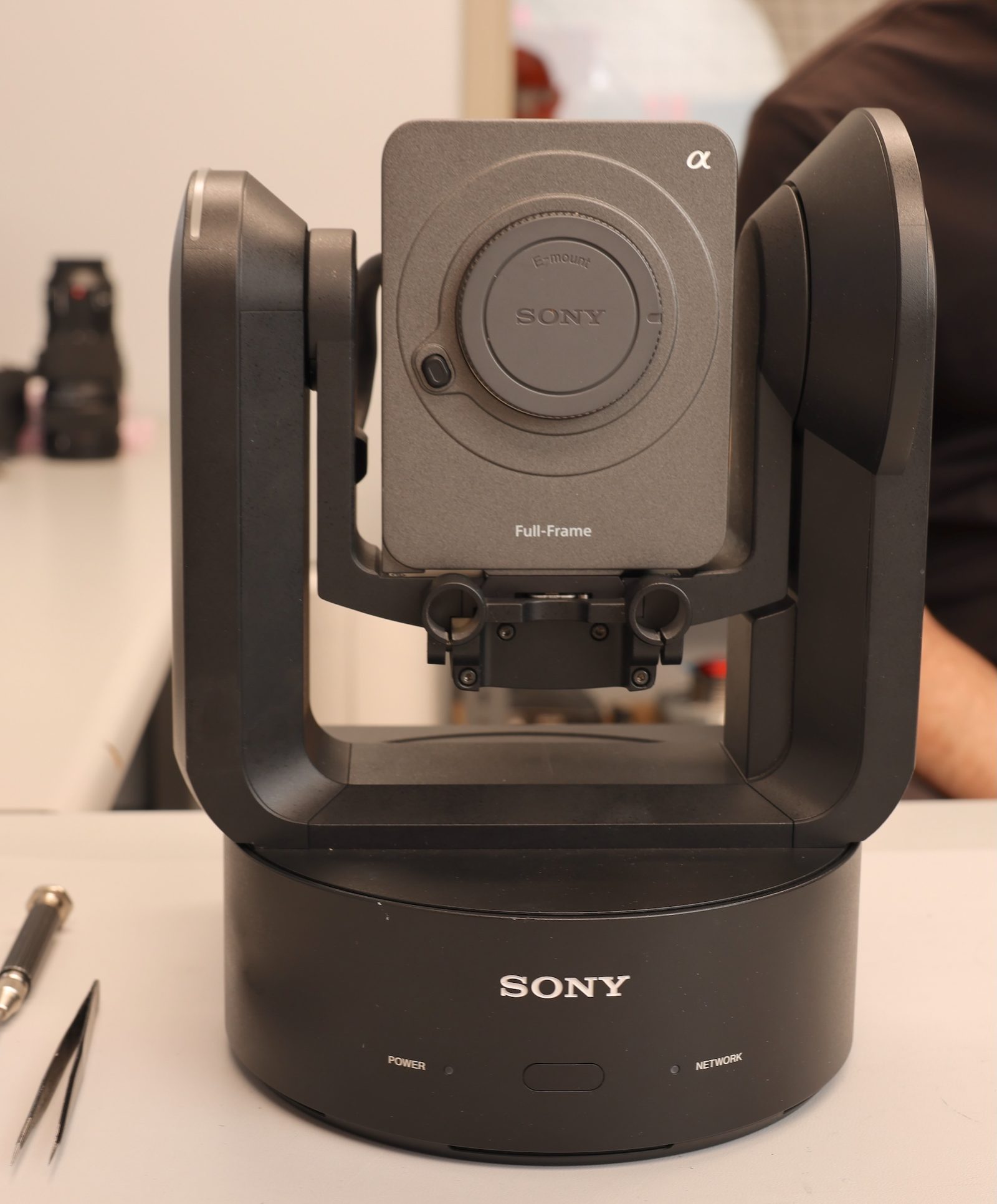
The chosen subject for this landmark teardown, Sony PTZ cameras, represents a burgeoning segment of the professional imaging market. These robotic cameras offer unparalleled flexibility and remote control, making them indispensable for live events, broadcast studios, corporate presentations, and houses of worship. Their ability to pan, tilt, and zoom precisely from a remote location provides significant operational advantages, reducing personnel requirements and expanding creative possibilities. Consequently, their popularity in the rental market has surged, driven by production companies seeking high-performance solutions without the substantial upfront capital investment. However, this popularity comes with a critical caveat: their complex mechanics and electronics make them prone to specific failure modes, posing ongoing challenges for equipment owners and rental providers alike.
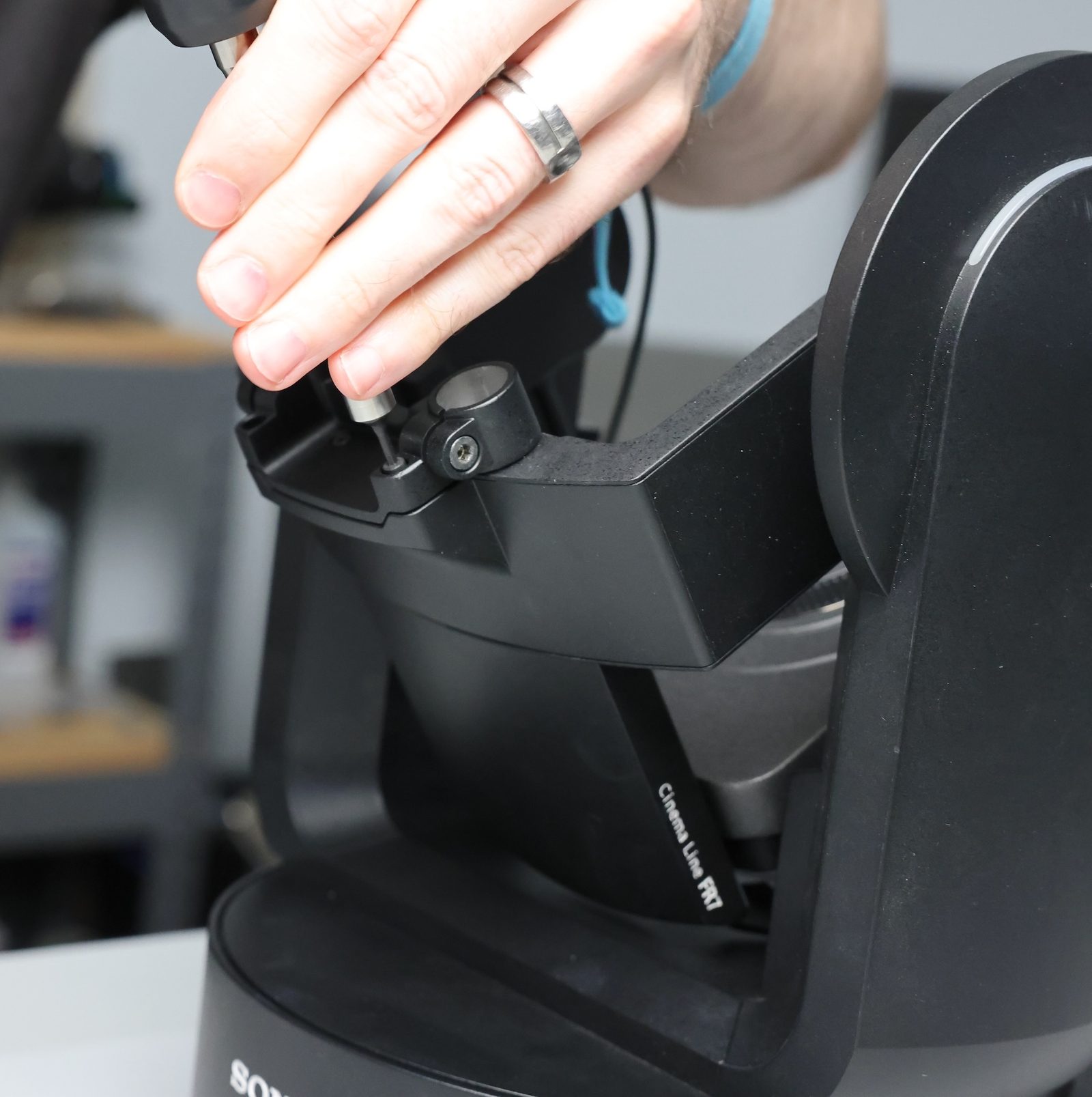
The Subject: Sony PTZ Camera – A Rental Workhorse with Weaknesses
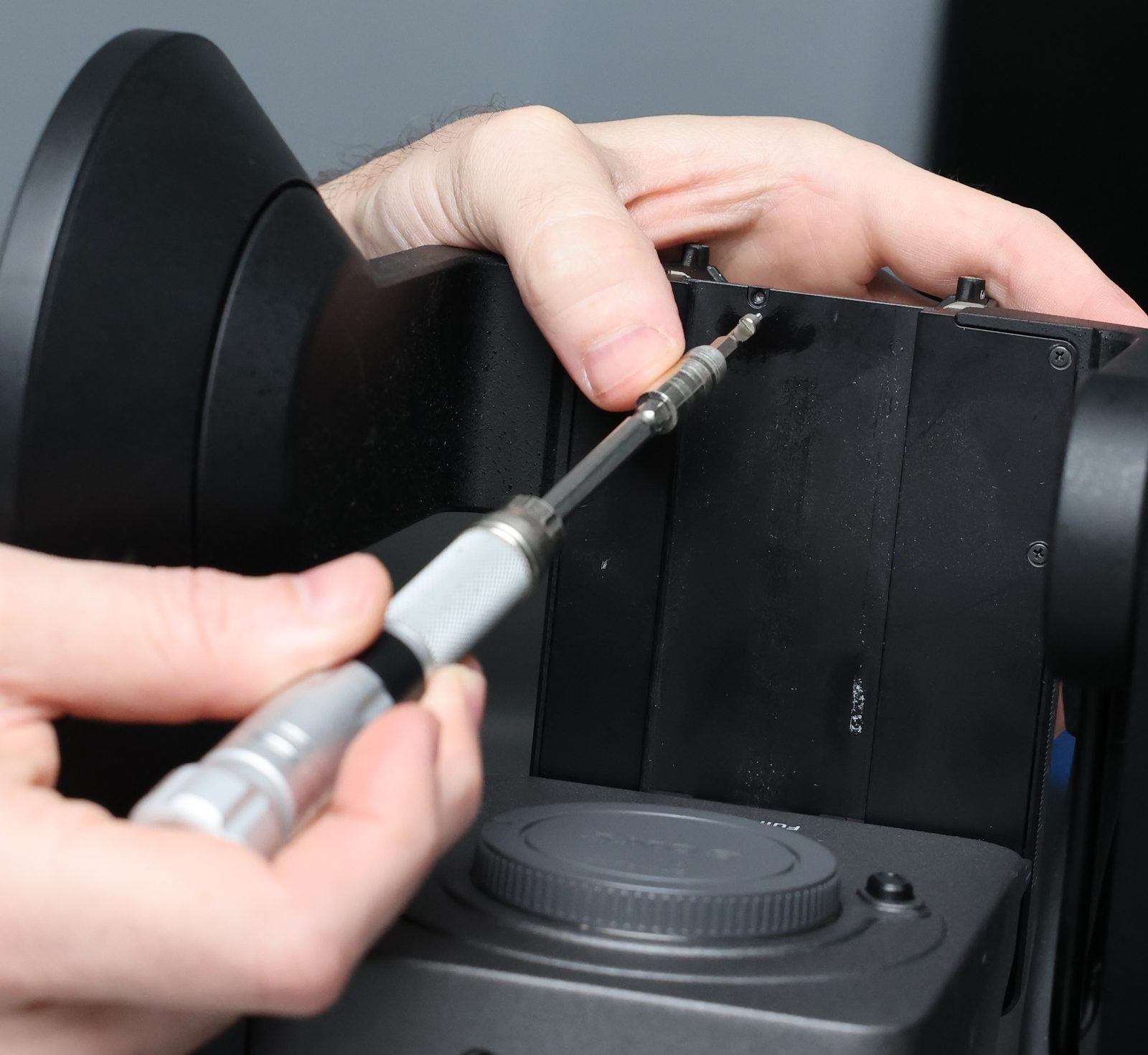
While Sony PTZ cameras deliver impressive capabilities, their frequent repair needs have made them a "problematic" item for Lensrentals. The current teardown addressed two common, relatively minor issues observed in a specific unit: sticky and grinding tilt-shift gears, and a noticeable looseness in the camera’s mounting to the tilt-shift gimbal. These issues, while disruptive, are often considered manageable with internal repair capabilities.
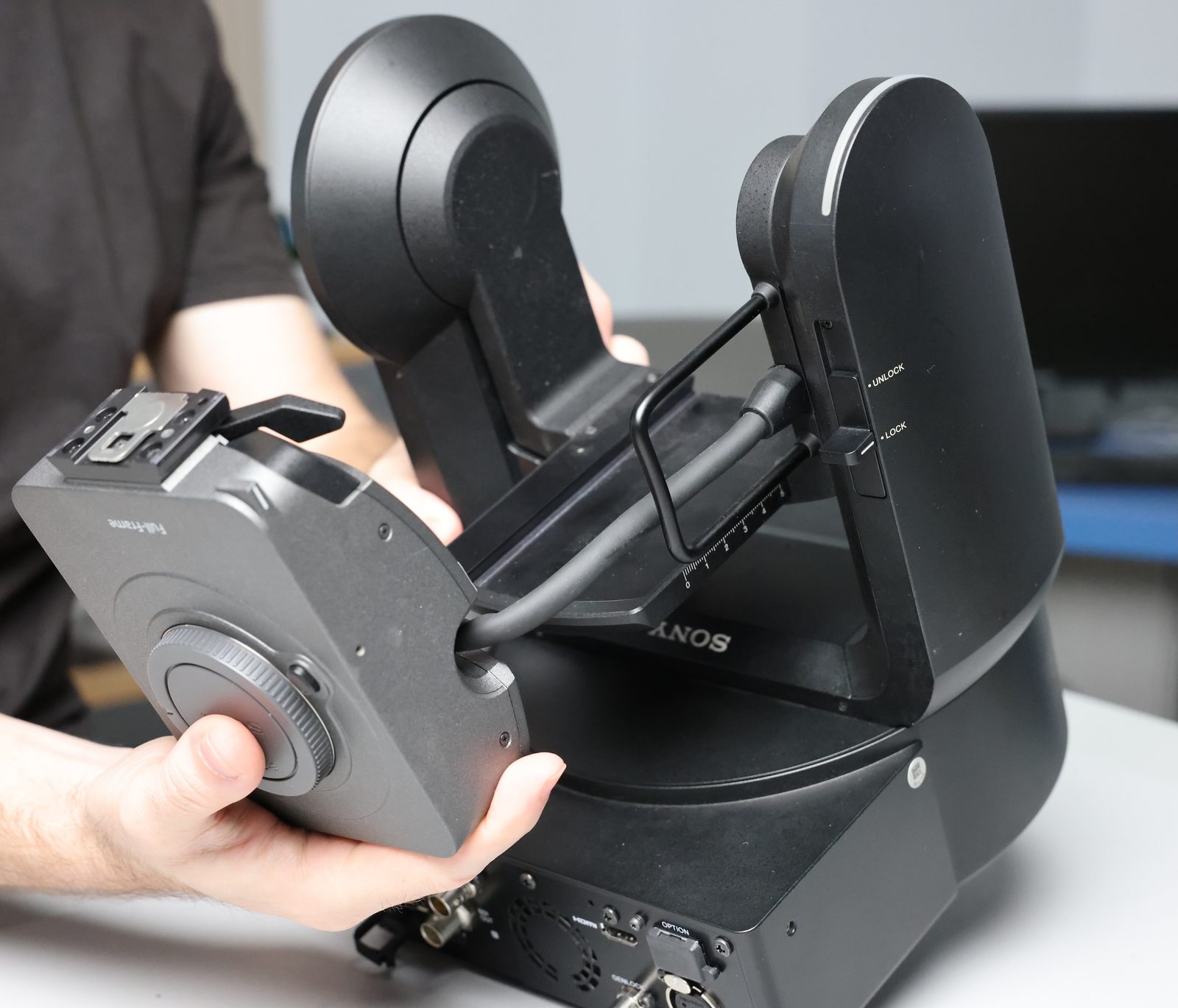
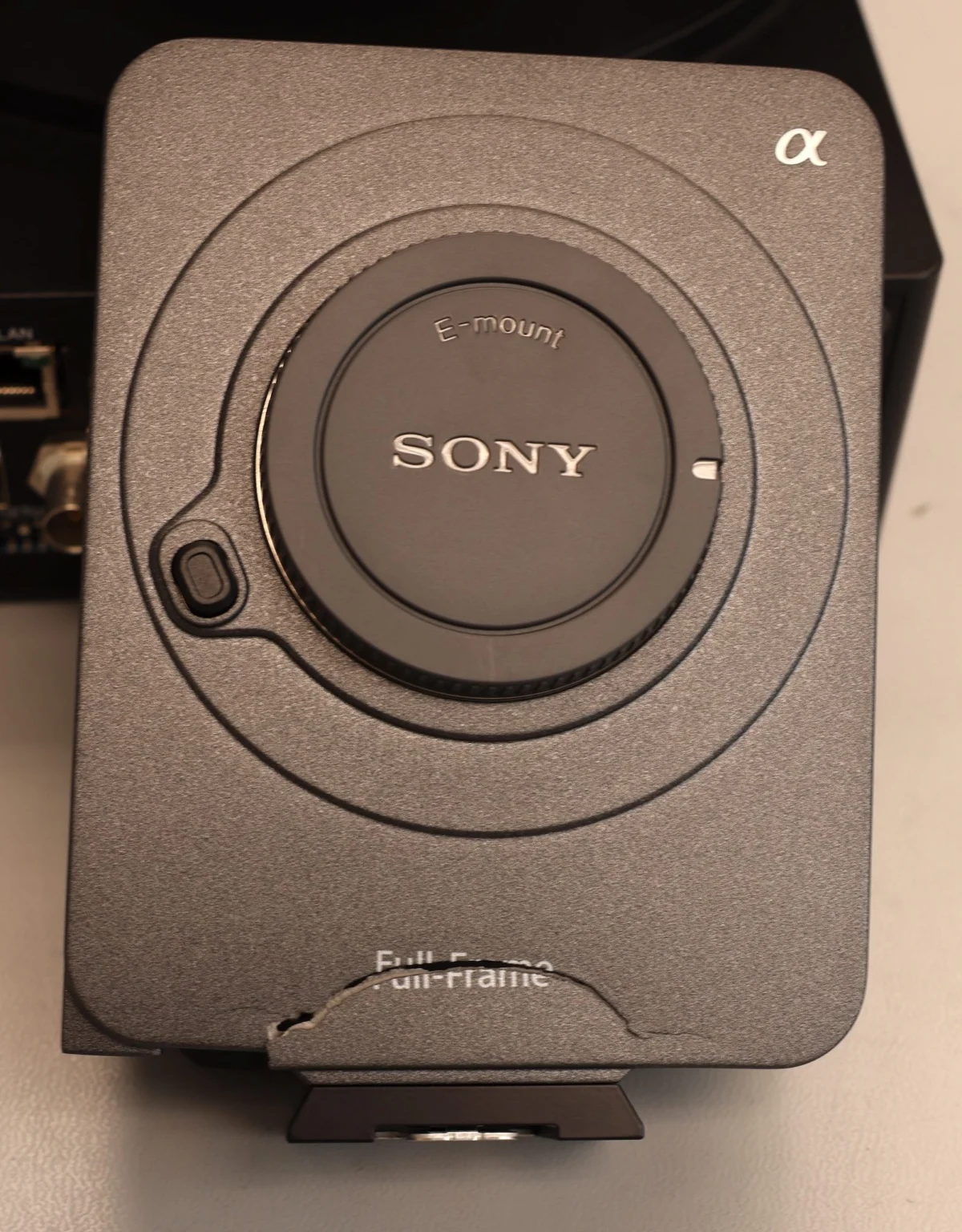
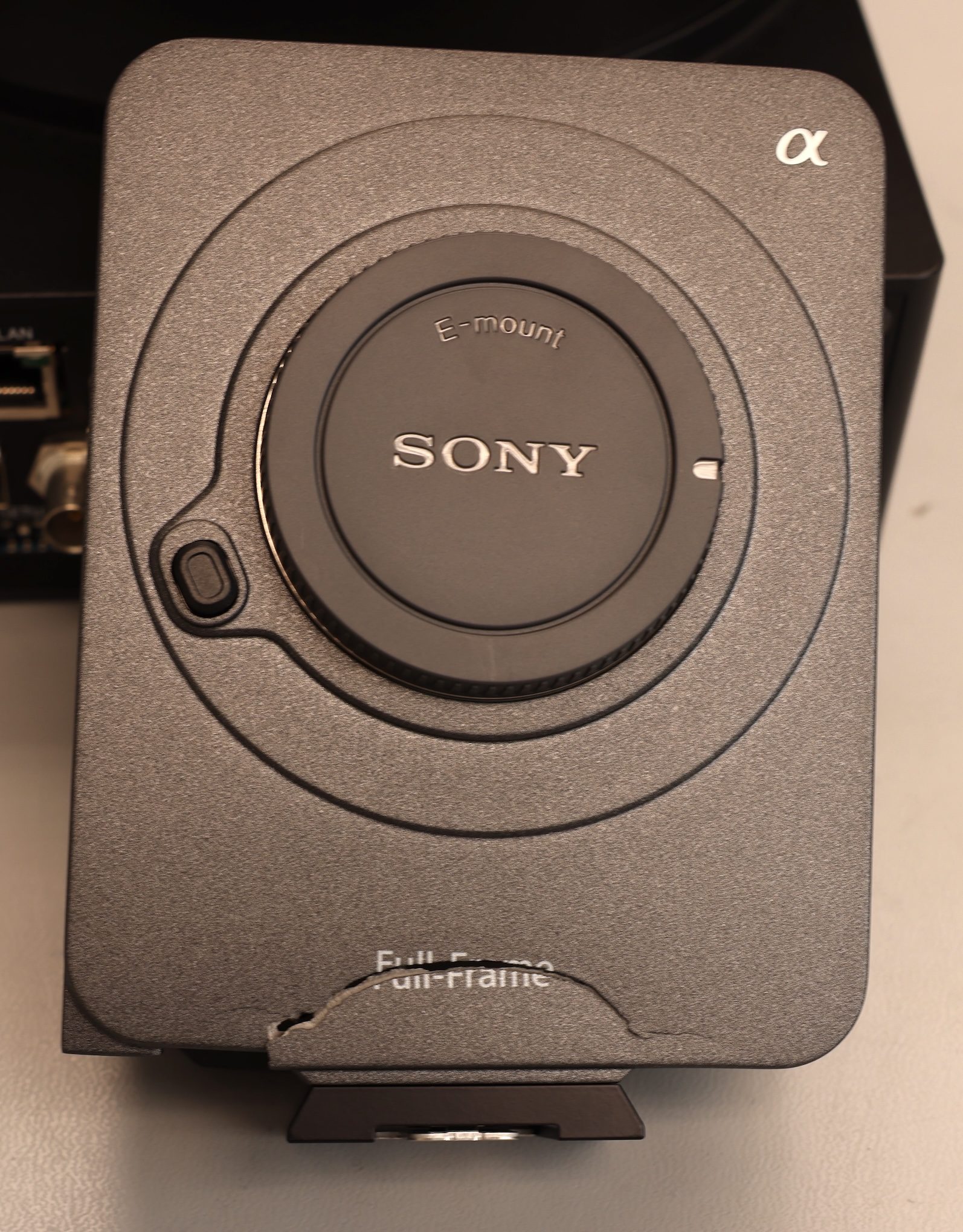
However, the teardown’s deeper purpose was to investigate a more severe, albeit less frequent, problem: catastrophic fracture of the camera body at its mount. This particular failure carries a breathtaking factory repair cost of approximately $6,000, which effectively translates to a full camera replacement from the manufacturer. This exorbitant repair cost highlights a critical economic vulnerability for rental companies and end-users, turning a structural failure into an entirely new equipment purchase.
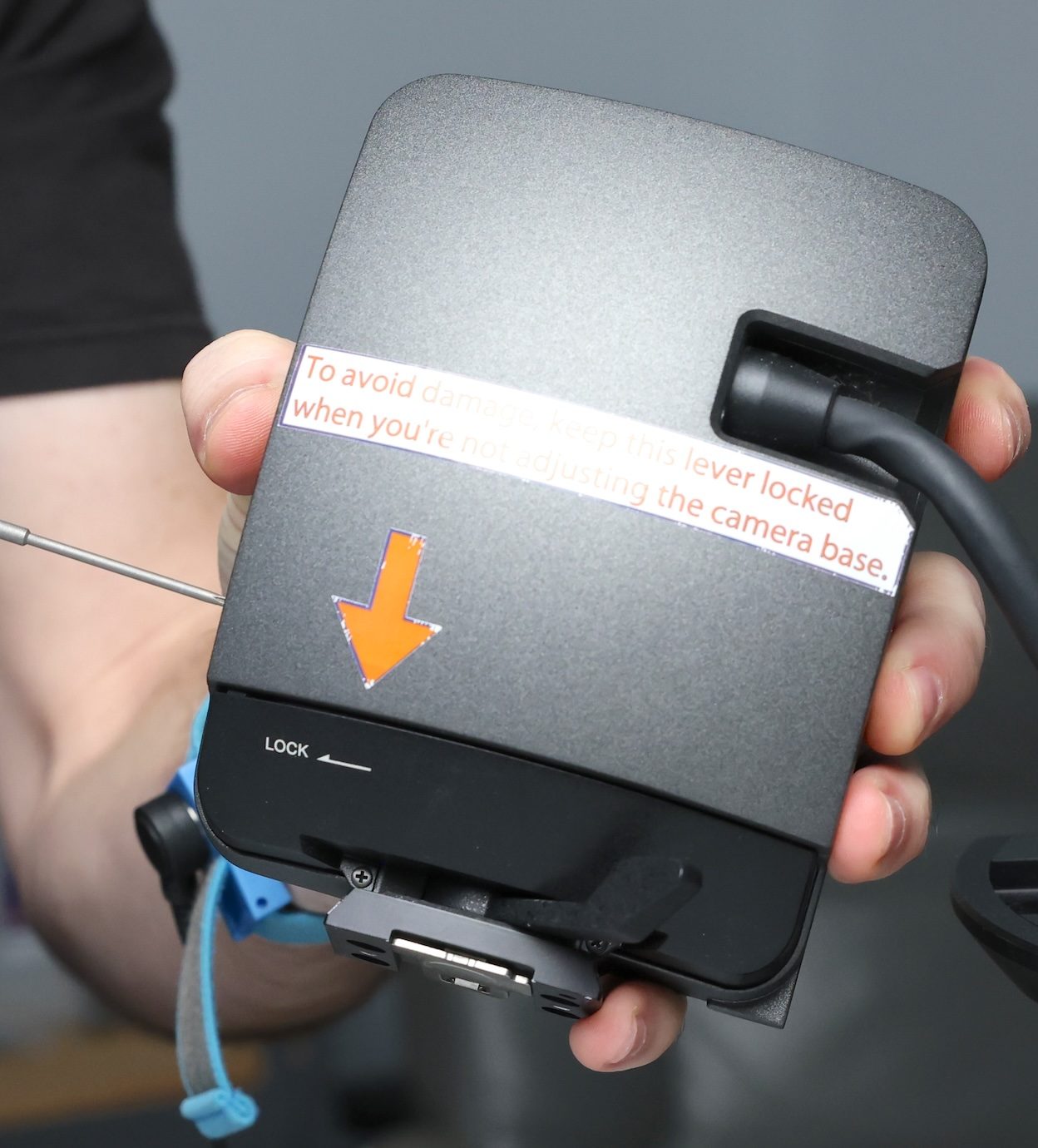
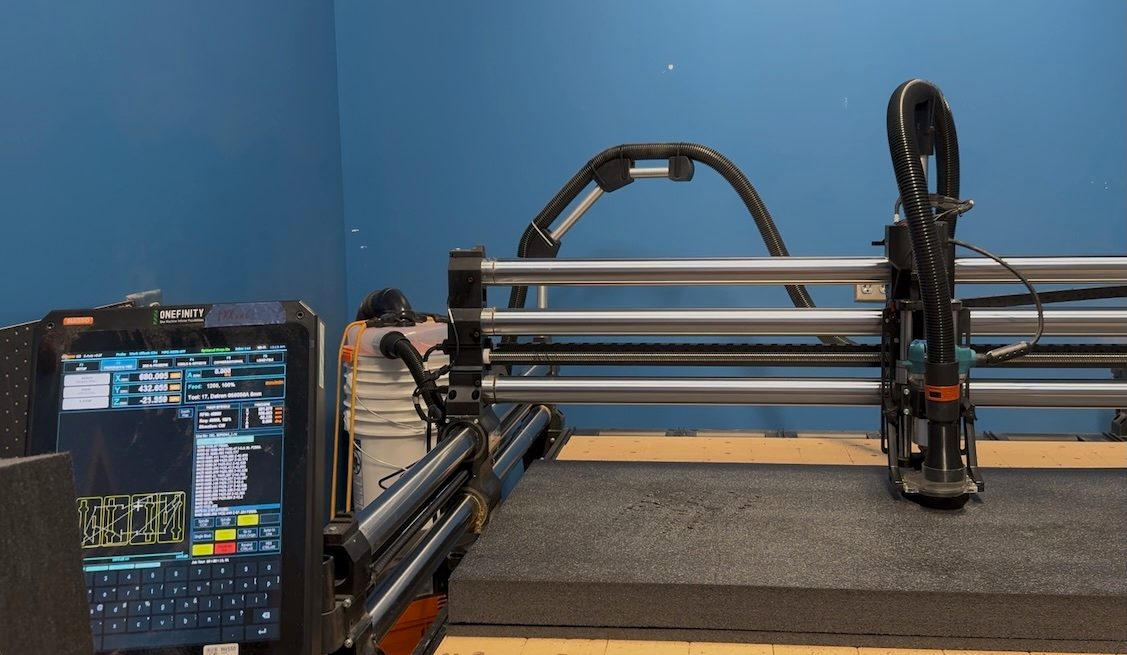
Lensrentals maintains a highly specialized department dedicated to designing and manufacturing custom packaging for its inventory, rigorously testing each solution, including a 5-foot drop test, to ensure equipment integrity during transit. Despite these stringent measures, the critical body fracture has occurred even during shipping, indicating a fundamental design weakness rather than solely external mishandling. The objective of this teardown was therefore twofold: to document and resolve the common minor issues, and more critically, to dissect the camera’s structural design in pursuit of a preventative solution for the devastating mount fracture.
Disassembly: A Deep Dive into the Mechanics and Electronics
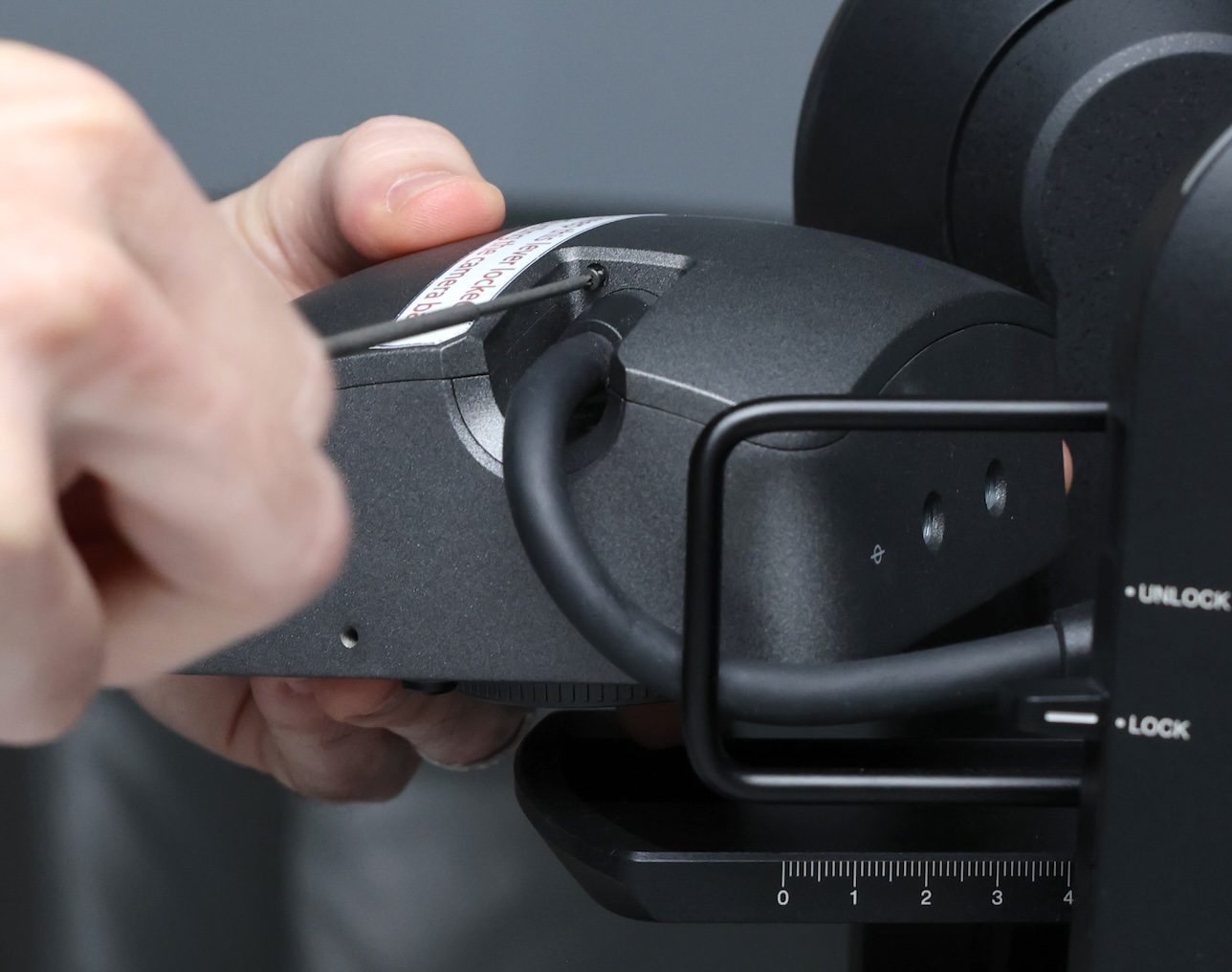
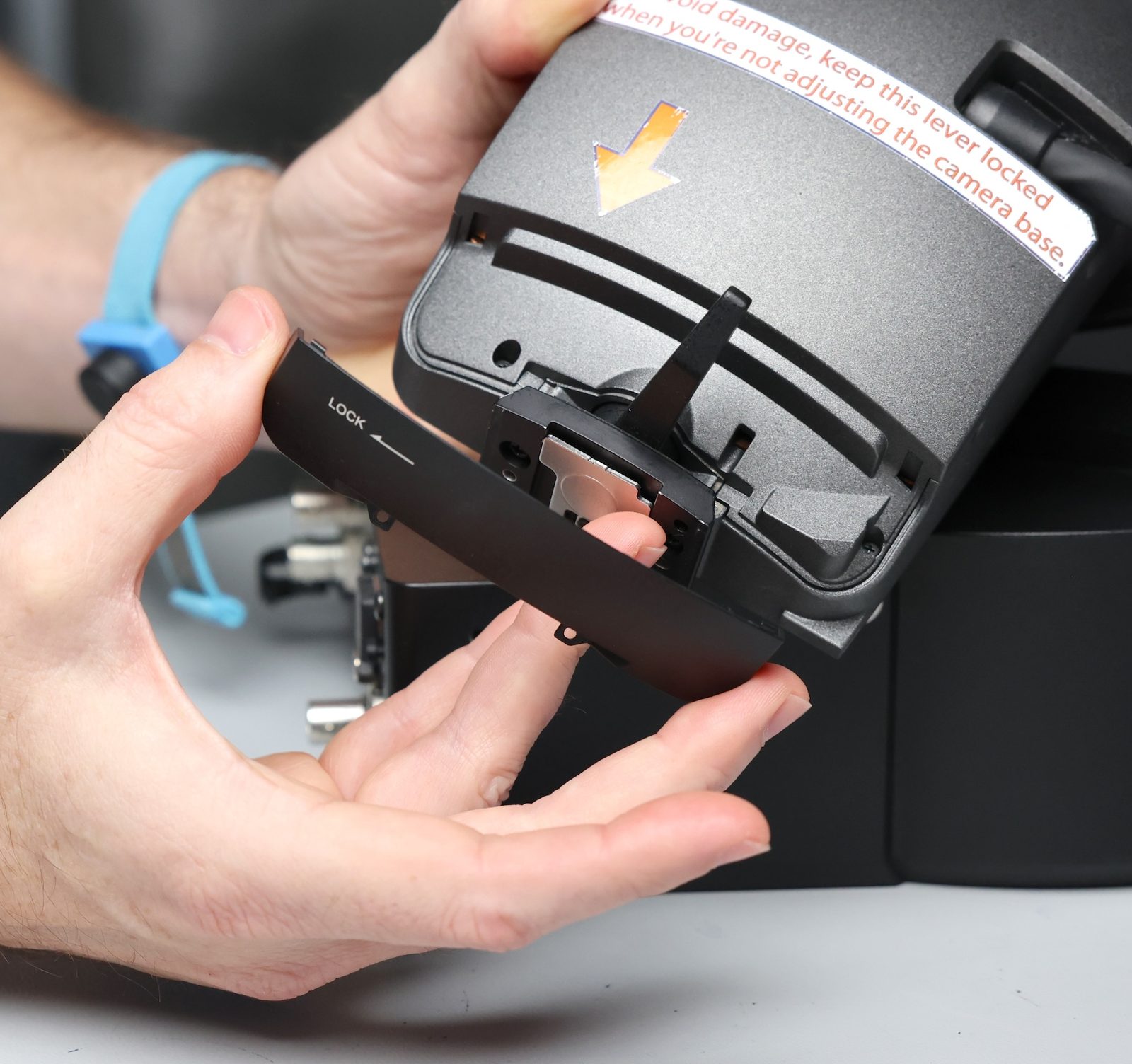
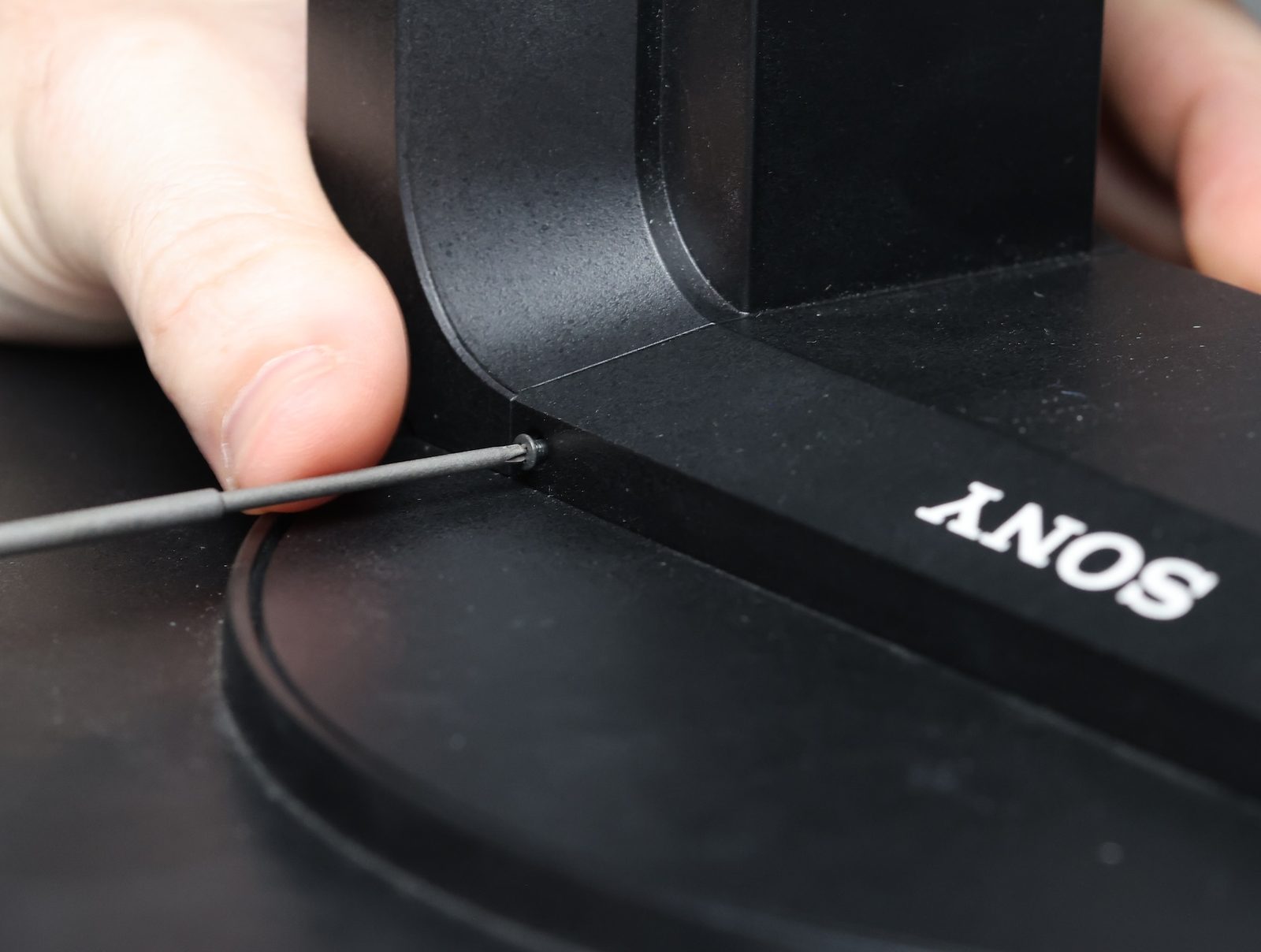
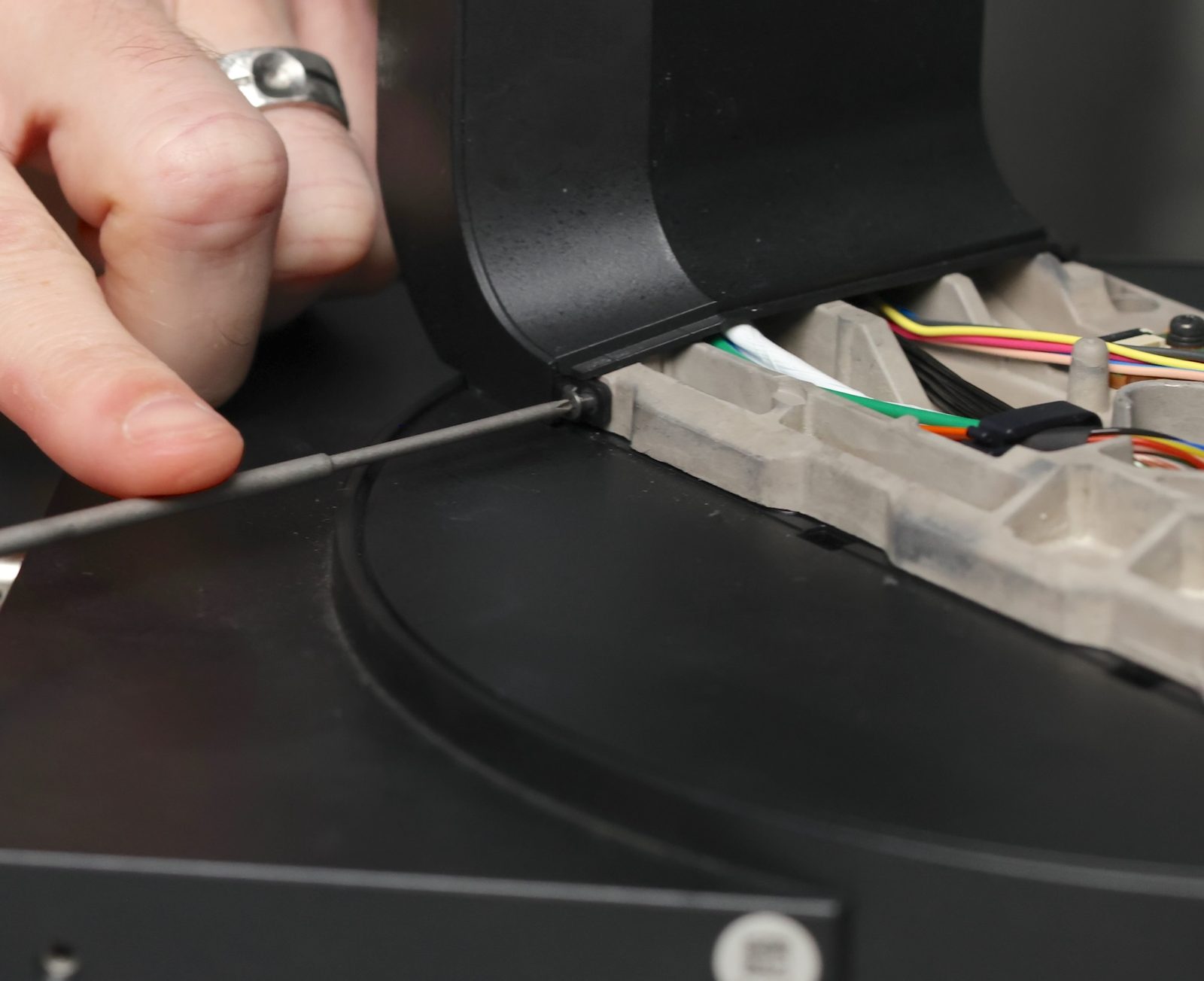
The teardown commenced at the Lensrentals HQ, with Roger Cicala providing observational commentary as lead technician Aaron Closz meticulously disassembled the unit. The initial steps involved carefully detaching the camera from its PTZ mount by removing the rod lock and camera stop mechanisms. A key point of caution during this stage was the camera’s internal data/power cable, humorously dubbed the "Cable of Immense Cost" due to its estimated $800 replacement value—a cost borne out of previous repair experiences.
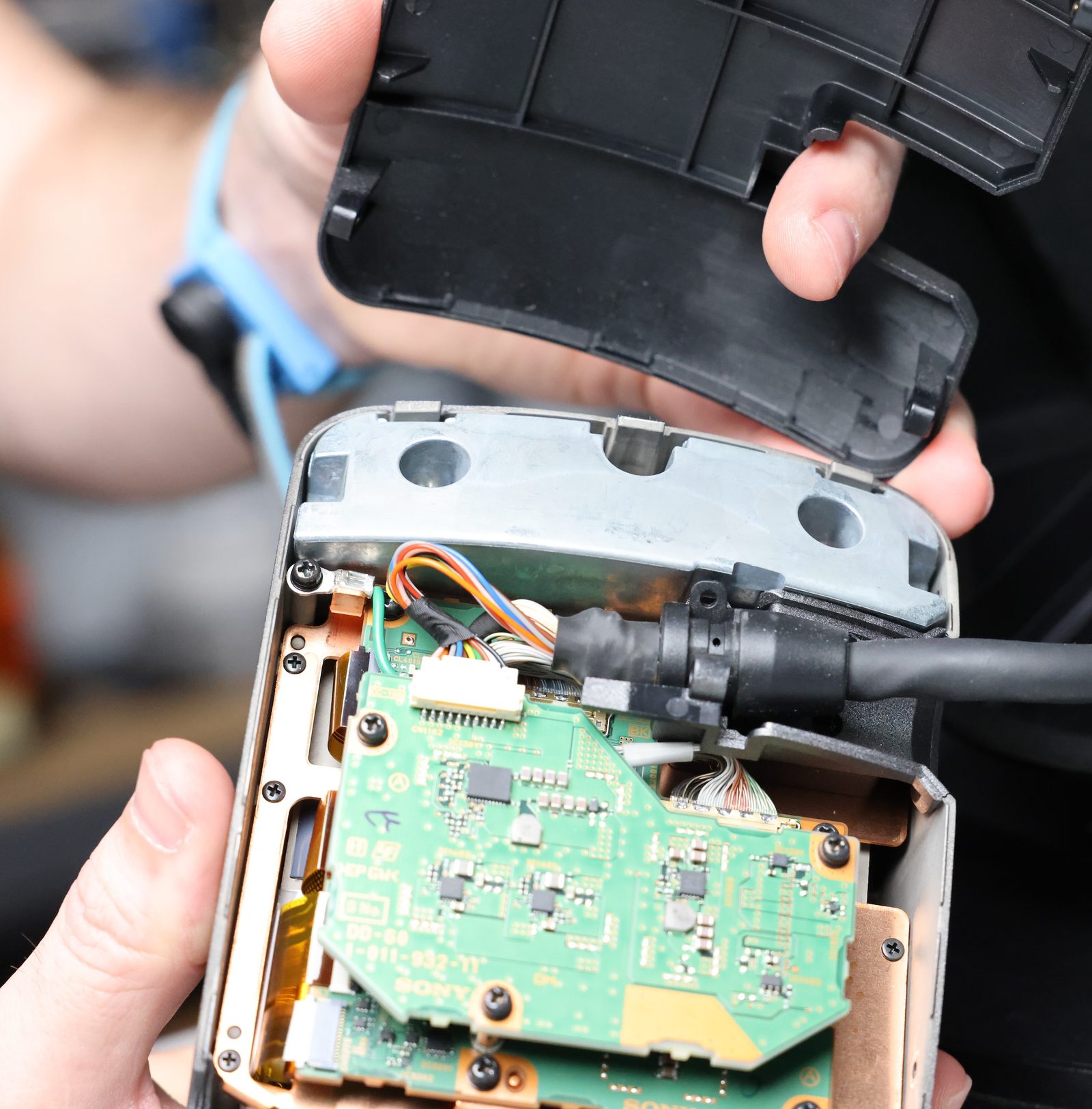
Accessing the camera’s internal components required removing the rear panel, secured by multiple screws, including one traditionally "hidden" screw often found in complex electronics. With the back removed, a dense array of circuit boards (PCBs) and the intricate wiring of the "Cable of Immense Cost" were exposed. A substantial, 0.6 kg (1.35 lbs) counterweight was also prominent, designed to balance the camera’s tilt axis, representing a significant portion of the camera’s overall 2.5 lbs mass. This counterweight, robustly secured, also serves as the mounting point for external accessories, foreshadowing potential stress points.
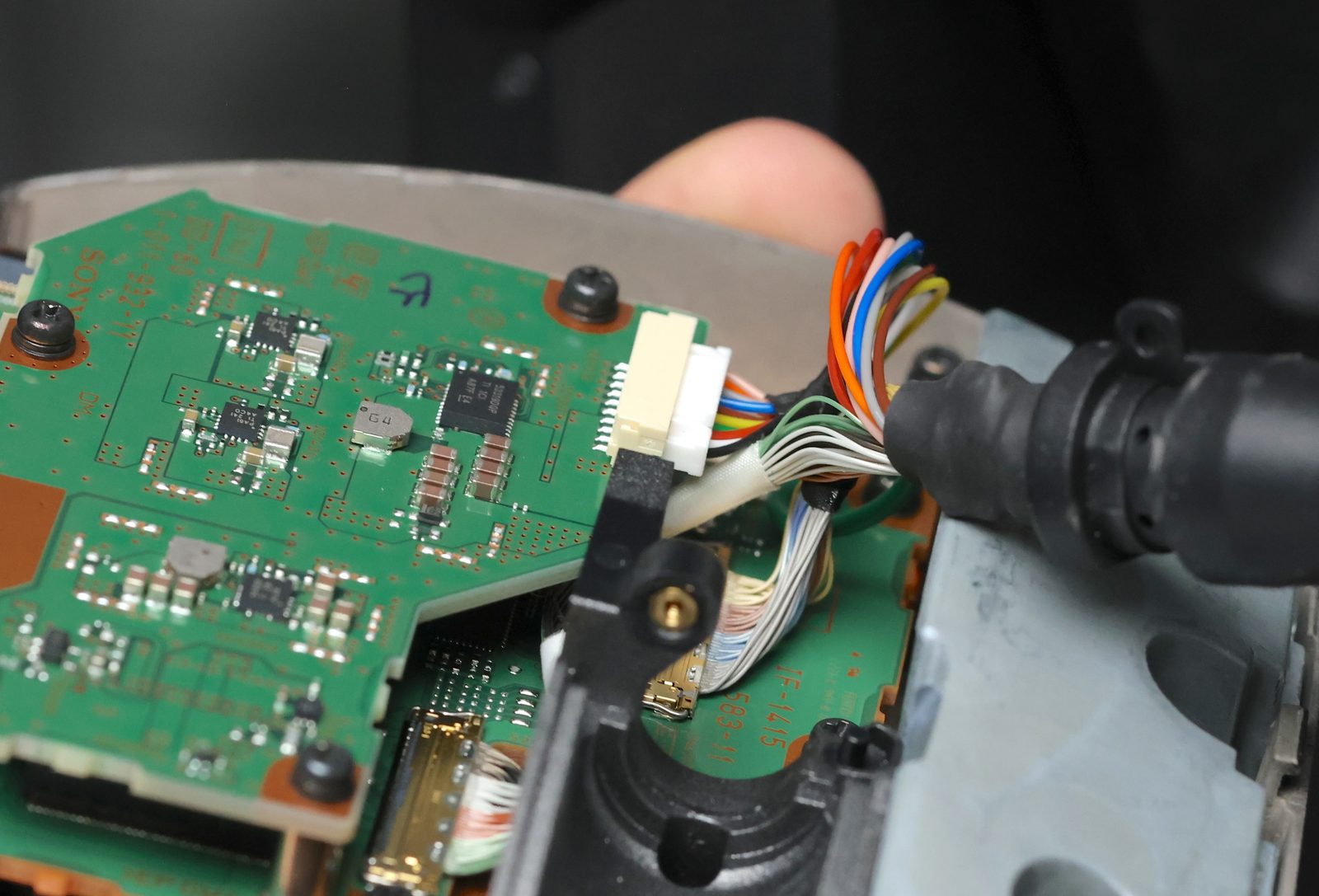
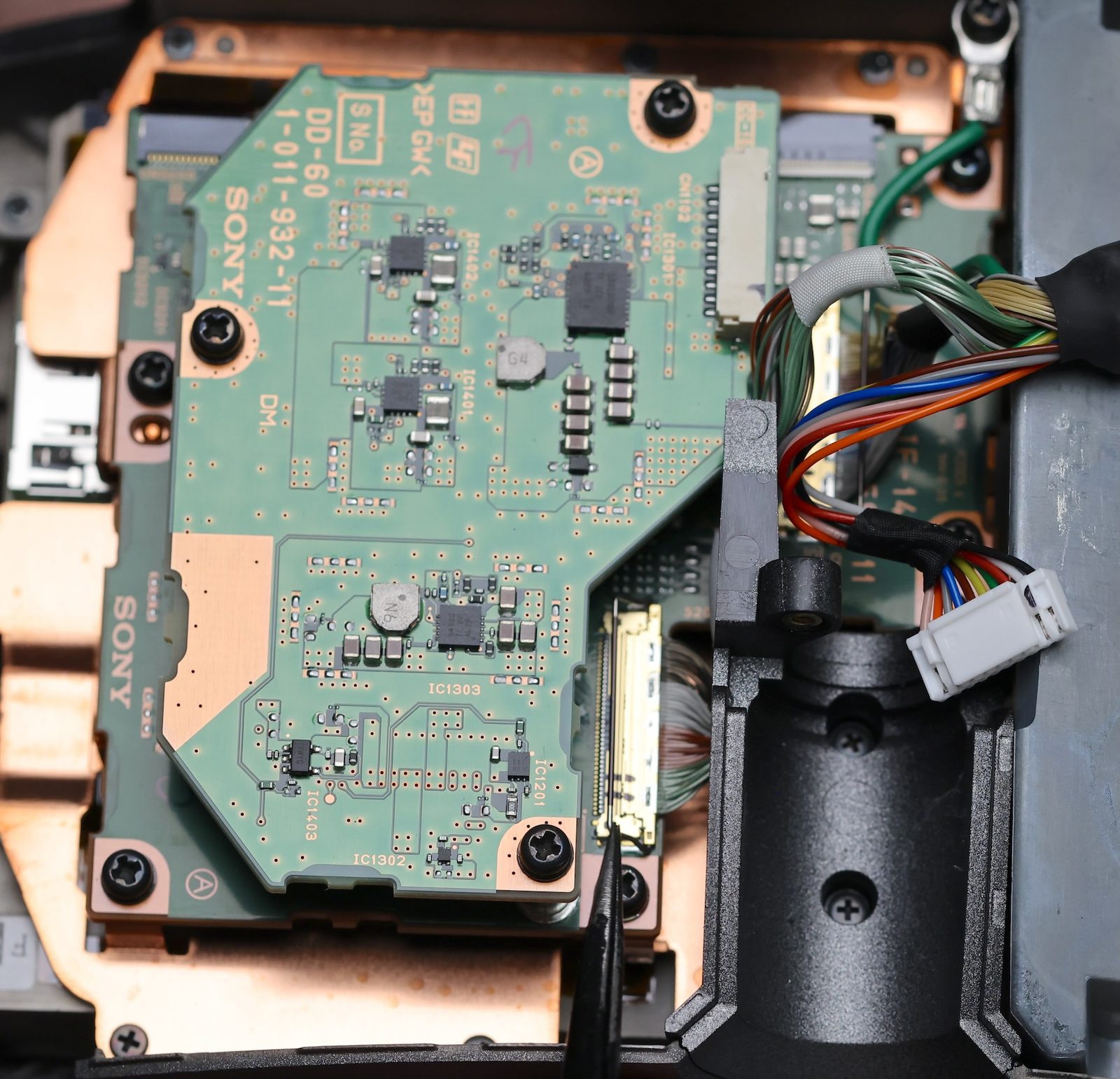
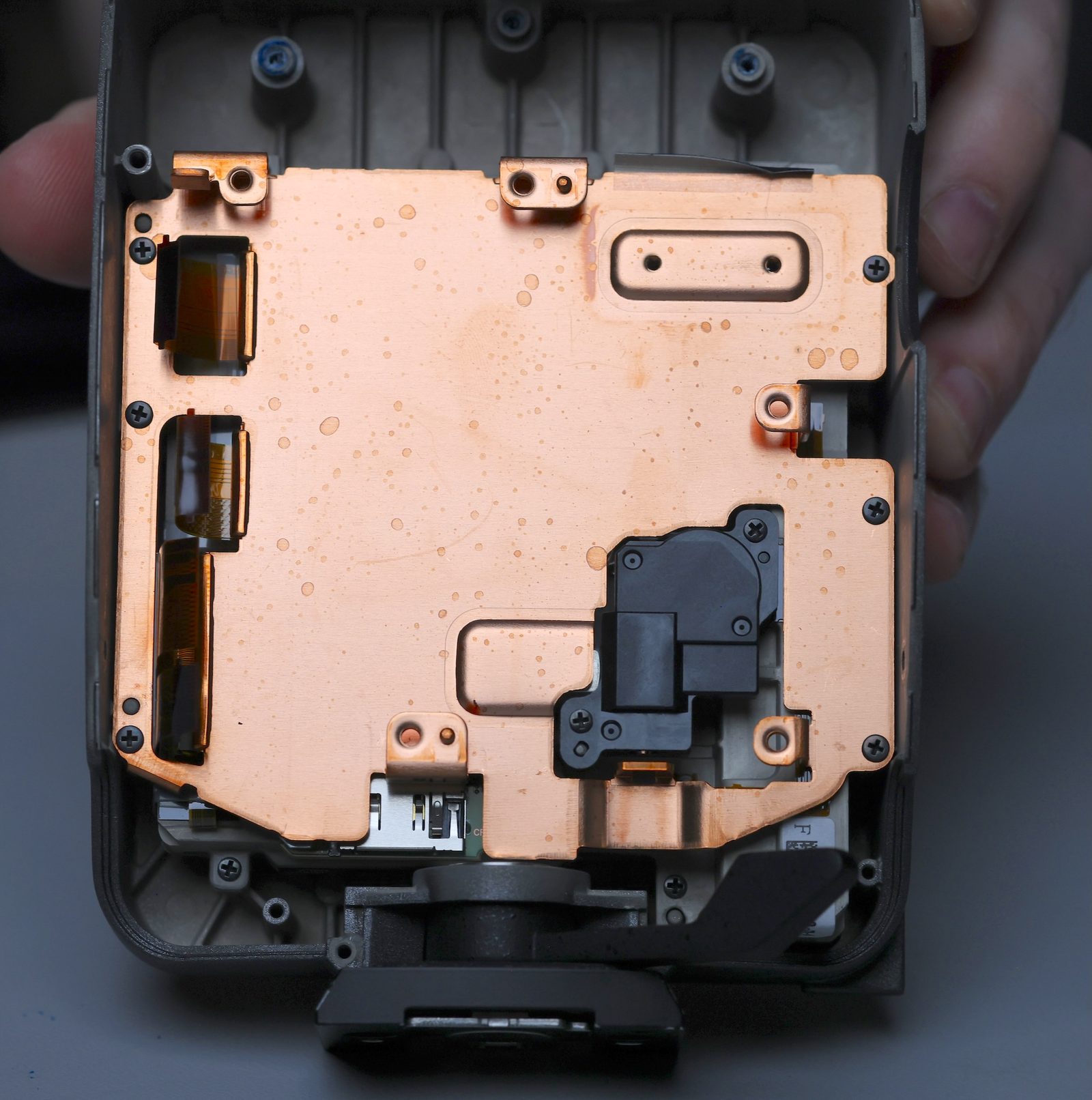
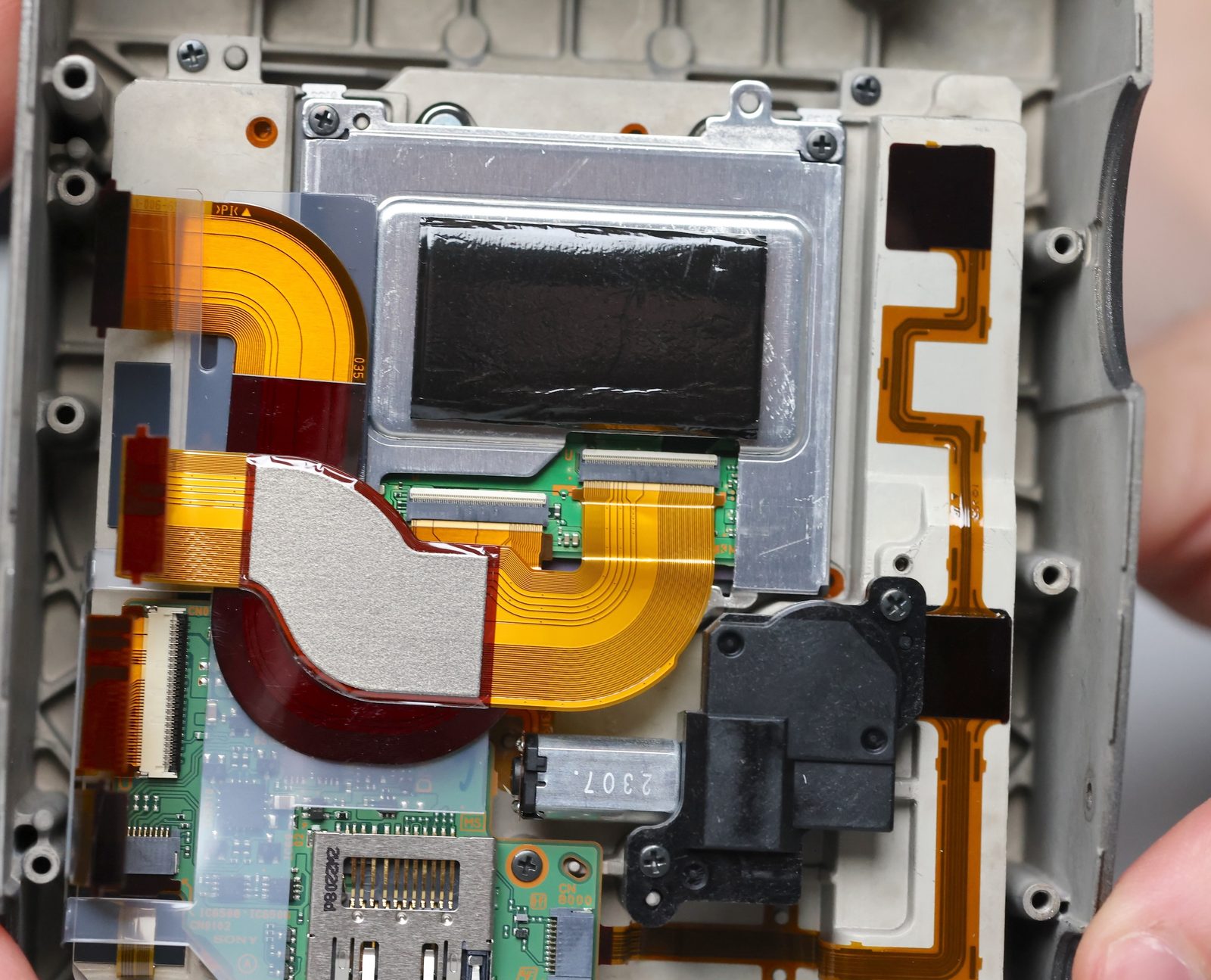
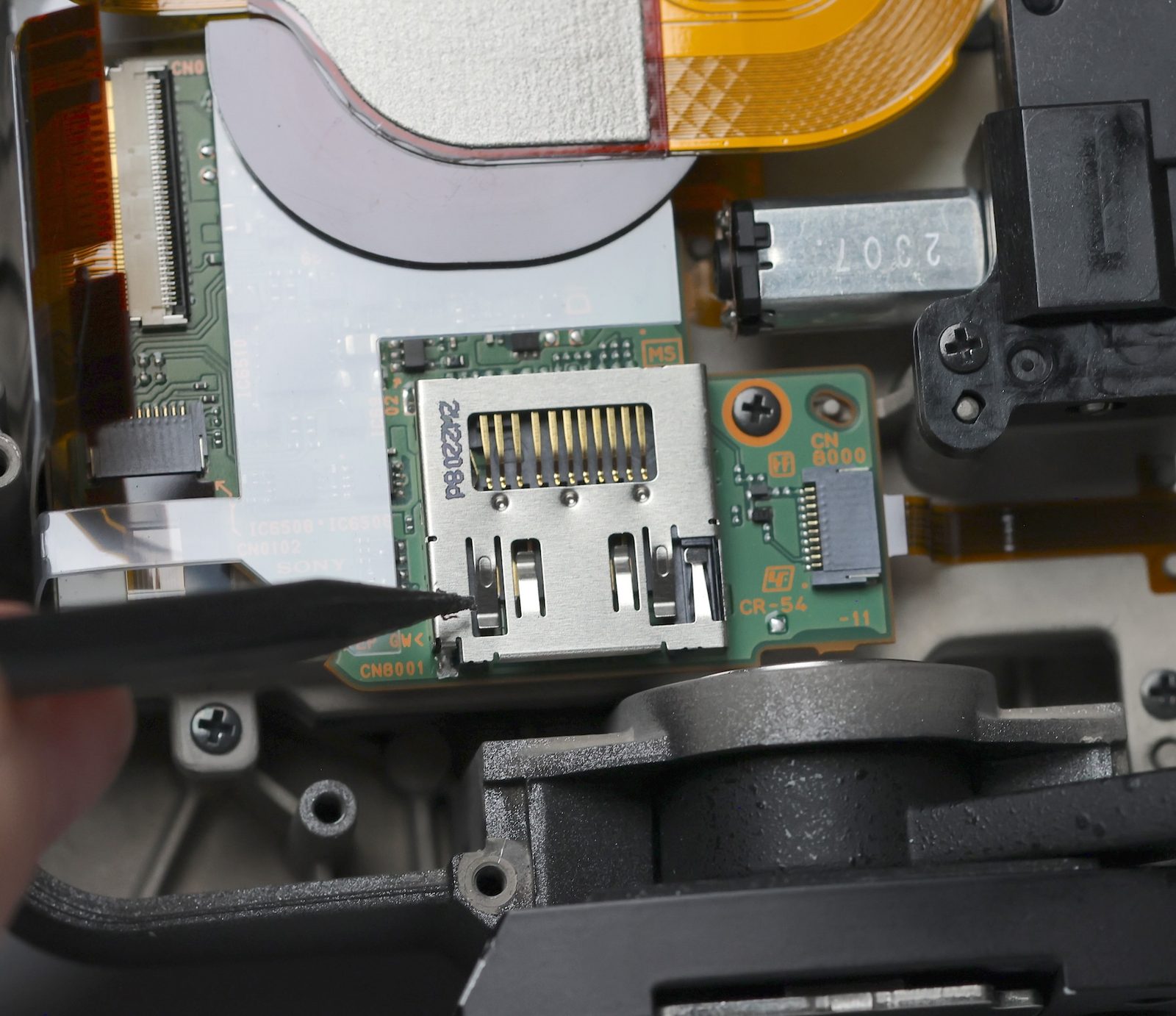
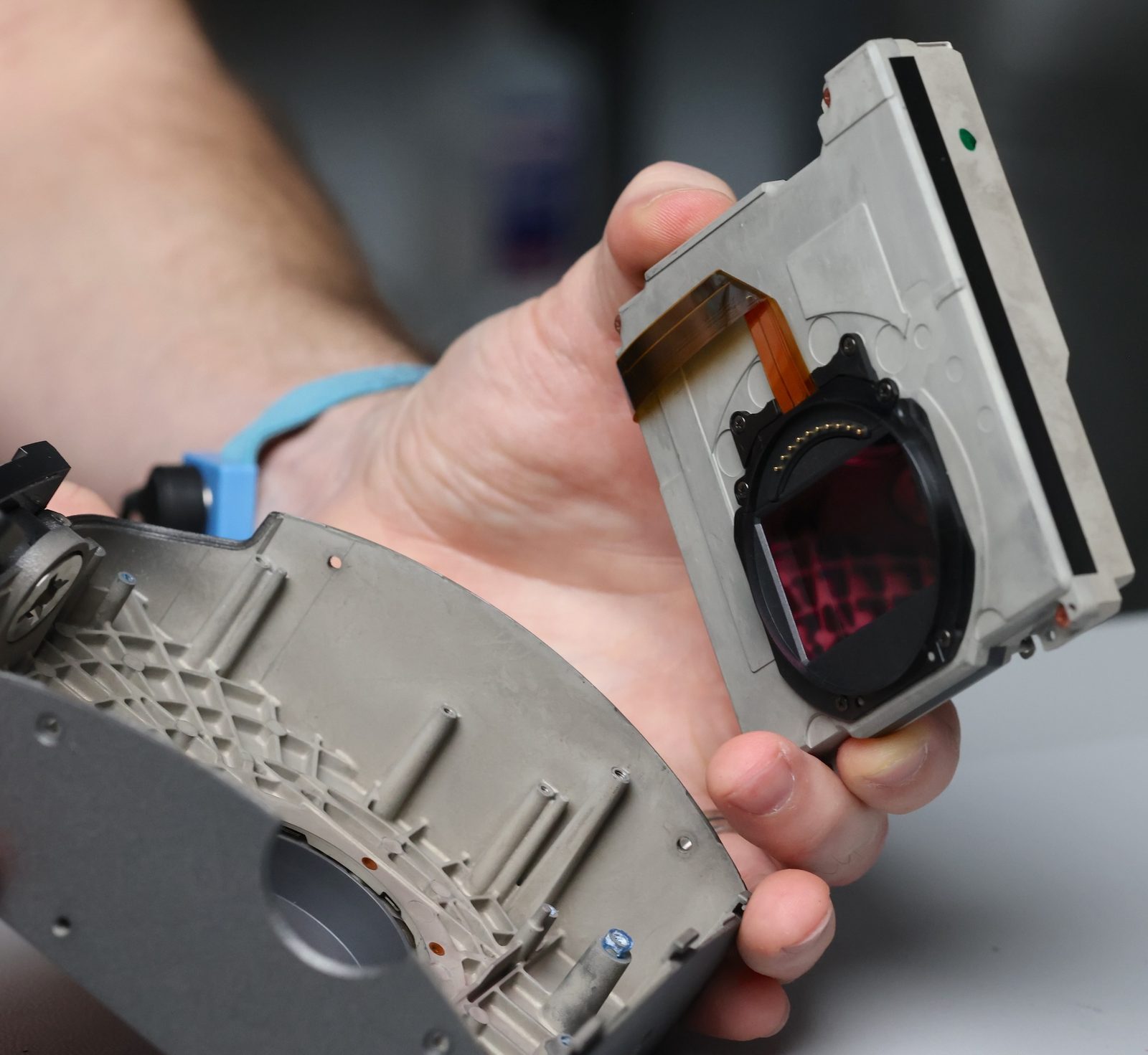
Further disassembly involved carefully unclipping I-PEX connectors and removing successive PCBs. Beneath these layers, a copper plate, likely functioning as a heat sink or electromagnetic shield, separated the main electronics from the camera’s sensor assembly. The removal of this plate revealed the sensor itself, along with a semi-clear plastic electrical shield and a notably large flex cable. Of particular interest was a component resembling a card reader, accessible only from within the camera. Experts speculate this internal port is utilized by the factory for precise pixel mapping and sensor calibration, a process essential for optical performance but beyond the capabilities of standard repair centers. This observation began to shed light on the manufacturer’s "replace, don’t repair" philosophy for certain critical failures. The sensor assembly ultimately detached as a single, self-contained unit.
Unveiling the $6,000 Mystery: Design Flaws and Repair Limitations
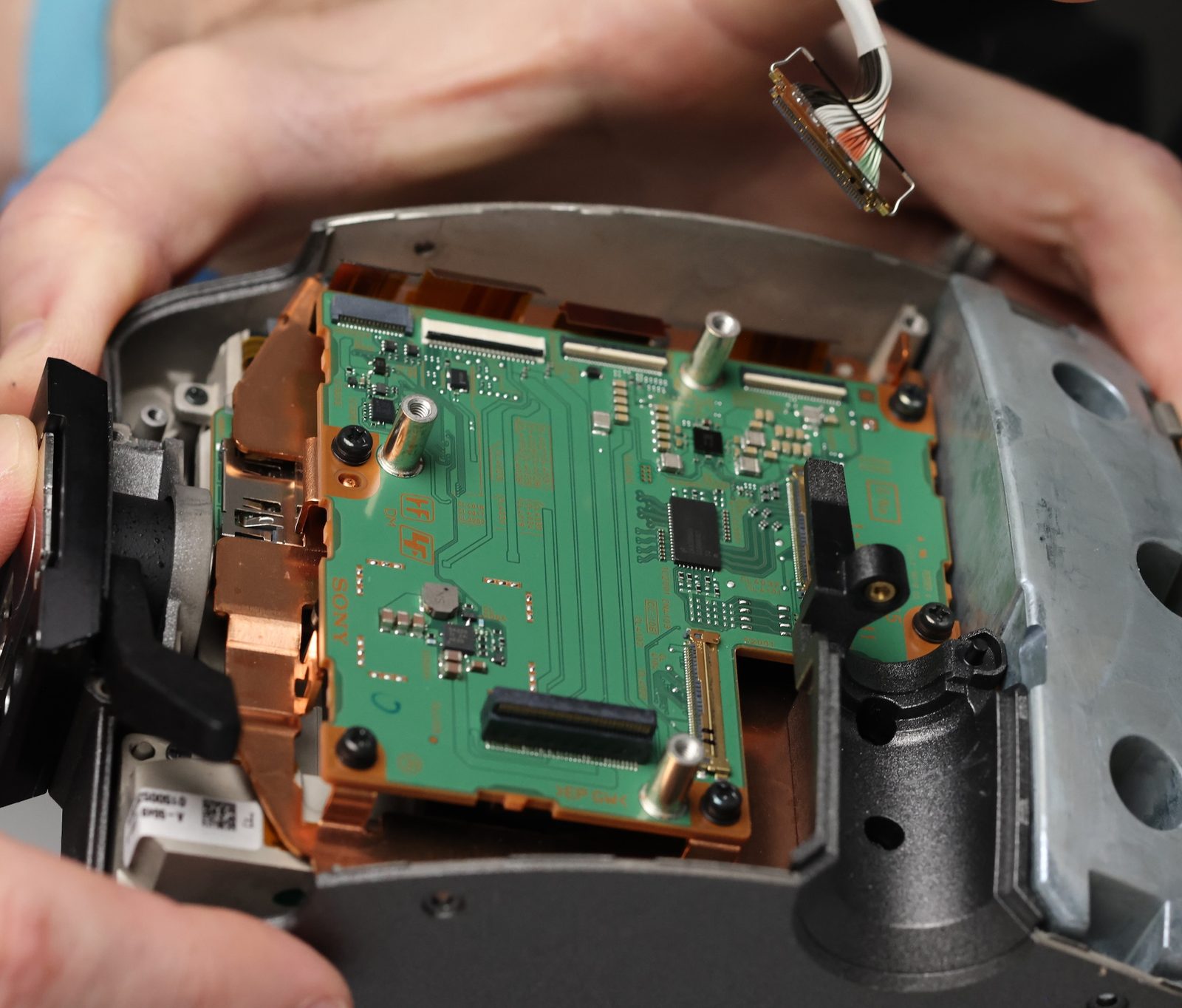
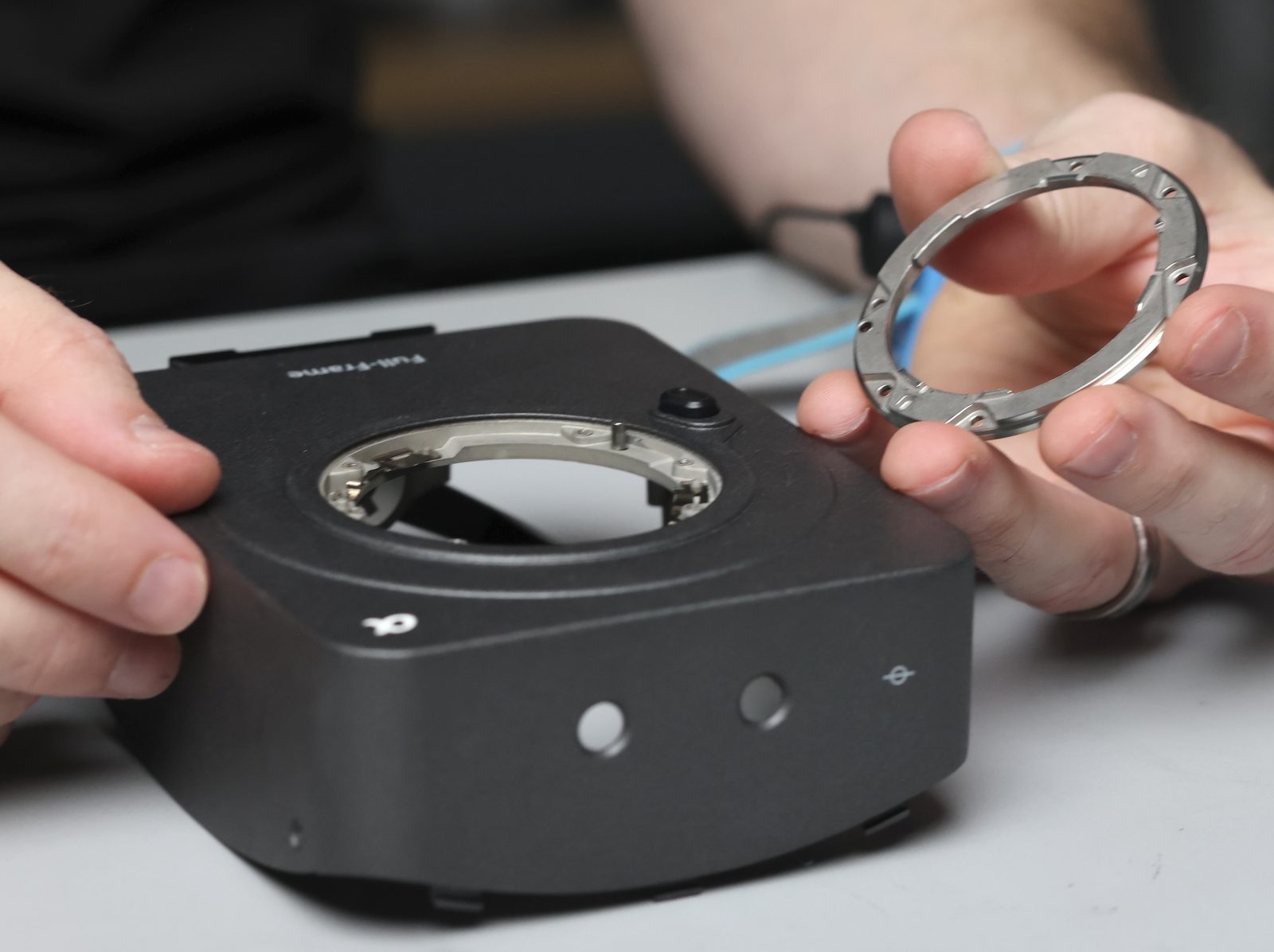
The core objective of the teardown—understanding the $6,000 repair cost for a fractured camera body—was addressed through a detailed examination of the camera’s structural and optical alignment mechanisms. The analysis revealed that the sensor assembly is precisely shimmed to account for minute variations in the lens mount and the camera’s external casing. This means that any replacement of the main camera case would necessitate a complete re-shimming of the sensor assembly. Such a procedure, requiring specialized optical alignment equipment, is typically only performed at the factory level, not at regional service centers. Consequently, when the case breaks, the only manufacturer-approved "repair" becomes the replacement of the entire camera unit, justifying the prohibitive $6,000 cost.
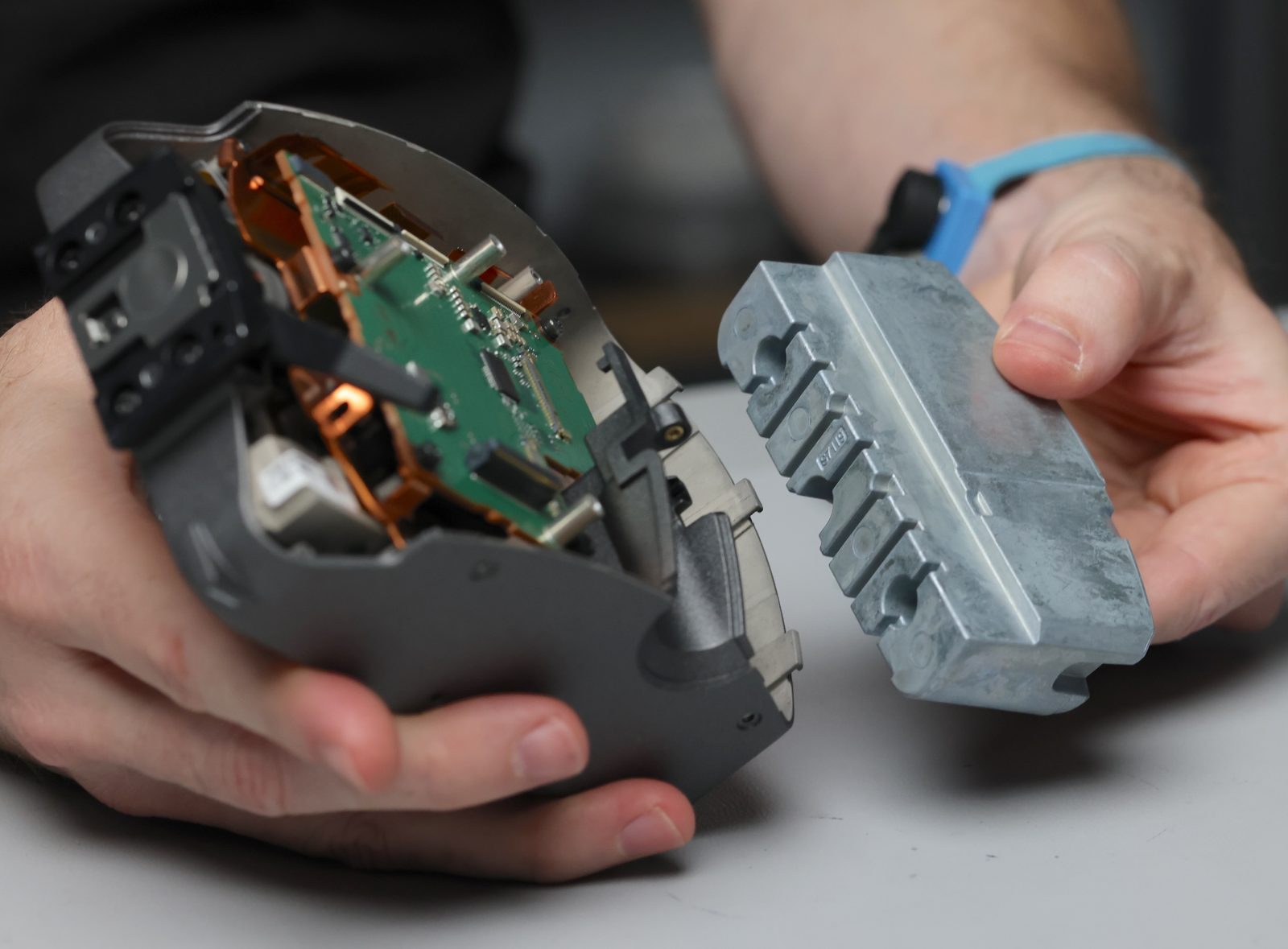
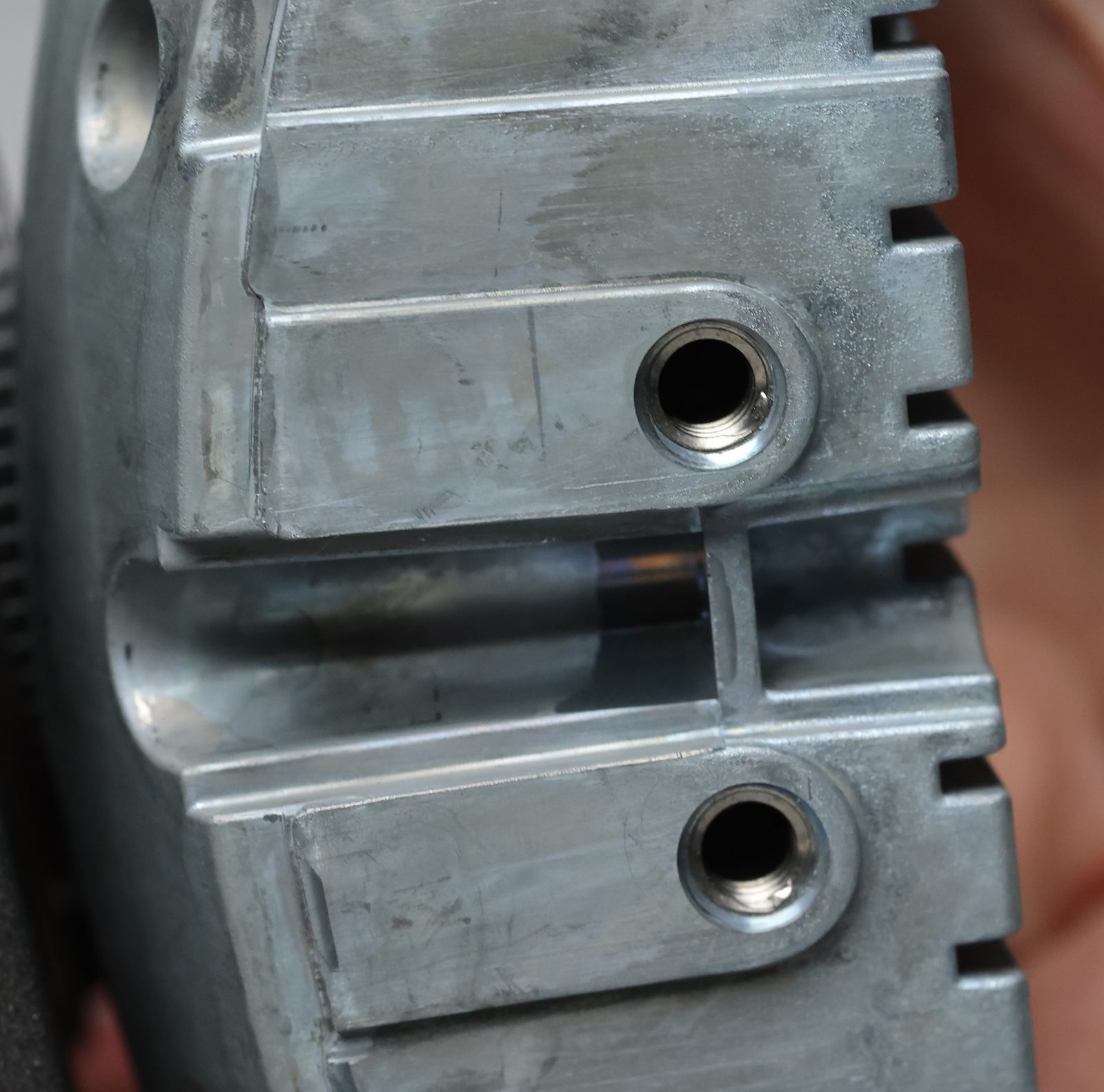
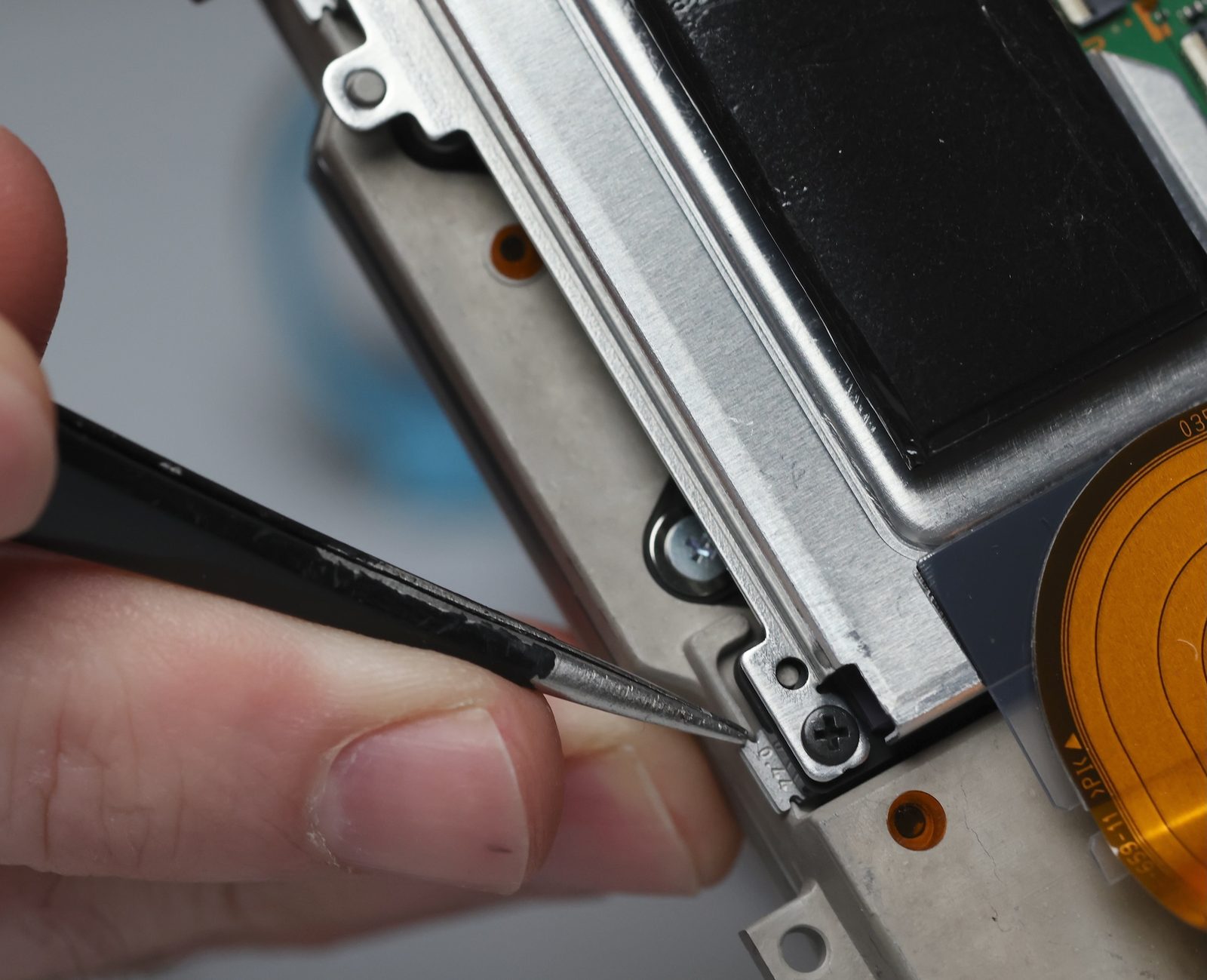
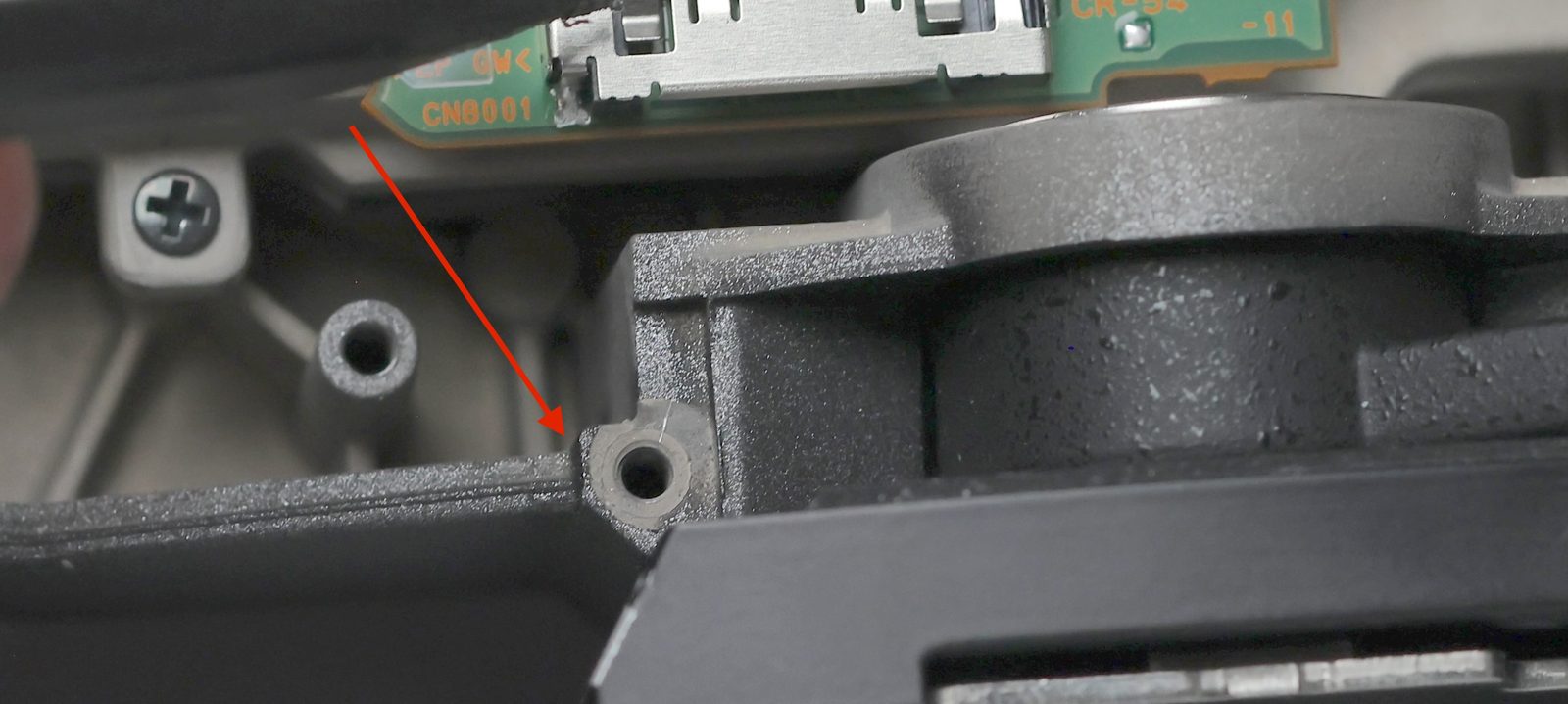
The structural vulnerability contributing to the fracture was equally apparent. The camera utilizes a robust clamping mechanism to secure it to the PTZ assembly’s rail. However, this strong clamp attaches to a thin composite shell, less than 2mm thick, at the camera’s base. This design creates a critical weak point. The camera’s weight (2.5 lbs), significantly influenced by the 0.6 kg counterweight positioned at a distance from the mount, combined with the potential for additional accessories mounted to the top, generates substantial lever-arm forces and torque. When external forces, such as drops or severe shocks during shipping, are applied, the rigid clamp transmits the full force directly to this thin, composite shell, which is unable to withstand the concentrated stress. The result is a clean fracture at the base, precisely where the robust mounting meets the fragile casing.
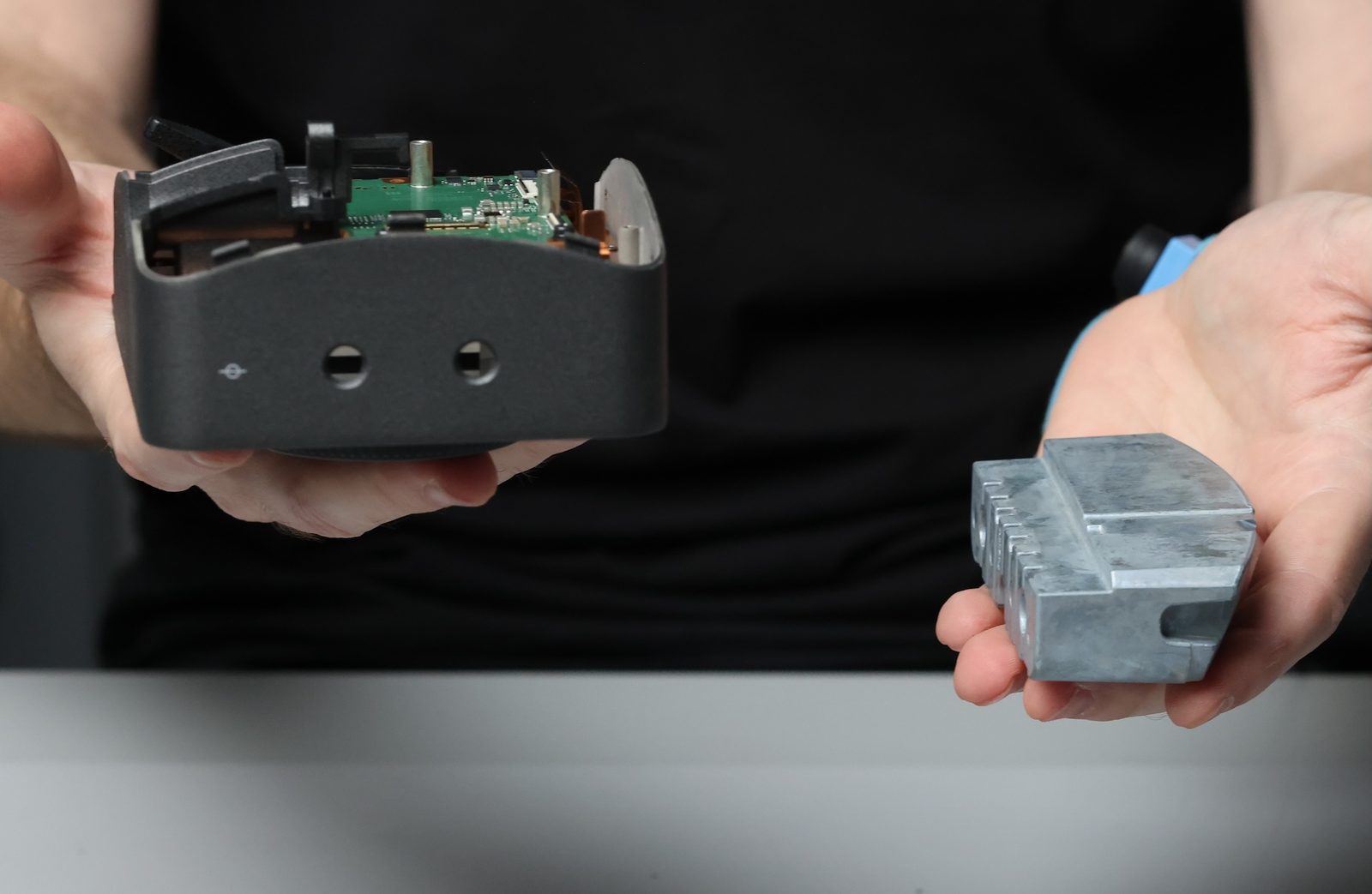
This engineering oversight suggests a trade-off between weight, cost, and durability. While lightweight materials are desirable for portability and reduced strain on PTZ mechanisms, compromising structural integrity at a primary stress point leads to catastrophic and expensive failures. Lensrentals’ analysis points to drops or sudden impacts, particularly during transit, as the most probable causes of this fracture, exacerbated by the camera being mounted to the rail during shipping. The findings highlight a critical need for manufacturers to consider real-world operational stresses, especially for equipment destined for demanding rental environments.
Addressing the Common Issues: Practical Fixes Revealed
Beyond the significant structural vulnerability, the teardown also provided practical solutions for the more common, minor issues.
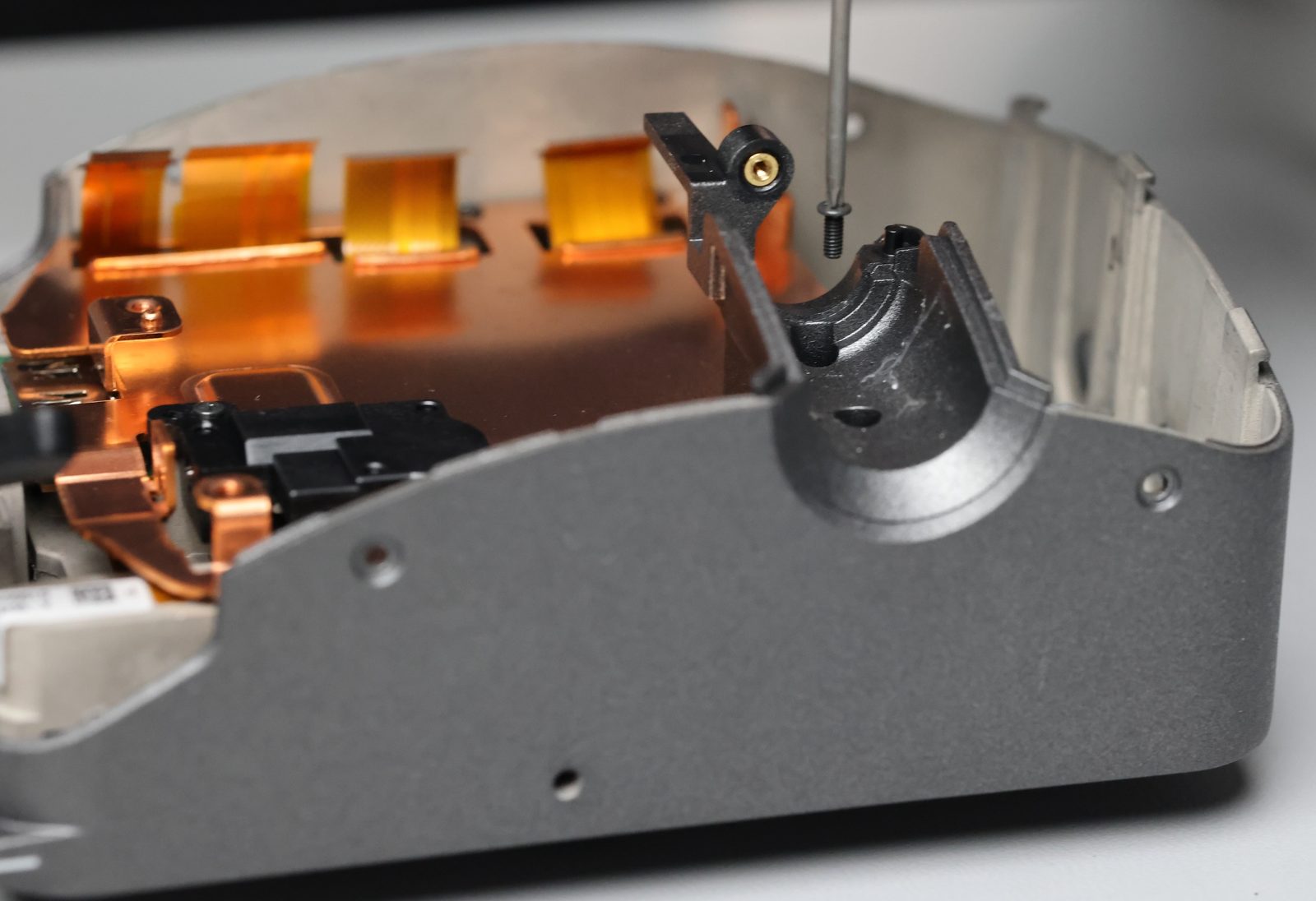
Tilt Arm Looseness: The problem of looseness between the camera hub and the gimbal, leading to a sloppy locking mechanism, was traced to a broken "Tilt Shaft Stopper"—a small plastic tab. This component, once identified, can be replaced in a mere 10 minutes by removing two screws. The ease of this fix suggests that such repairs could be undertaken in-house by skilled technicians, potentially saving weeks of downtime and shipping costs associated with sending the unit to a service center. Lensrentals is already exploring the feasibility of 3D printing this specific part, offering a sustainable and cost-effective solution for a commonly failing component.
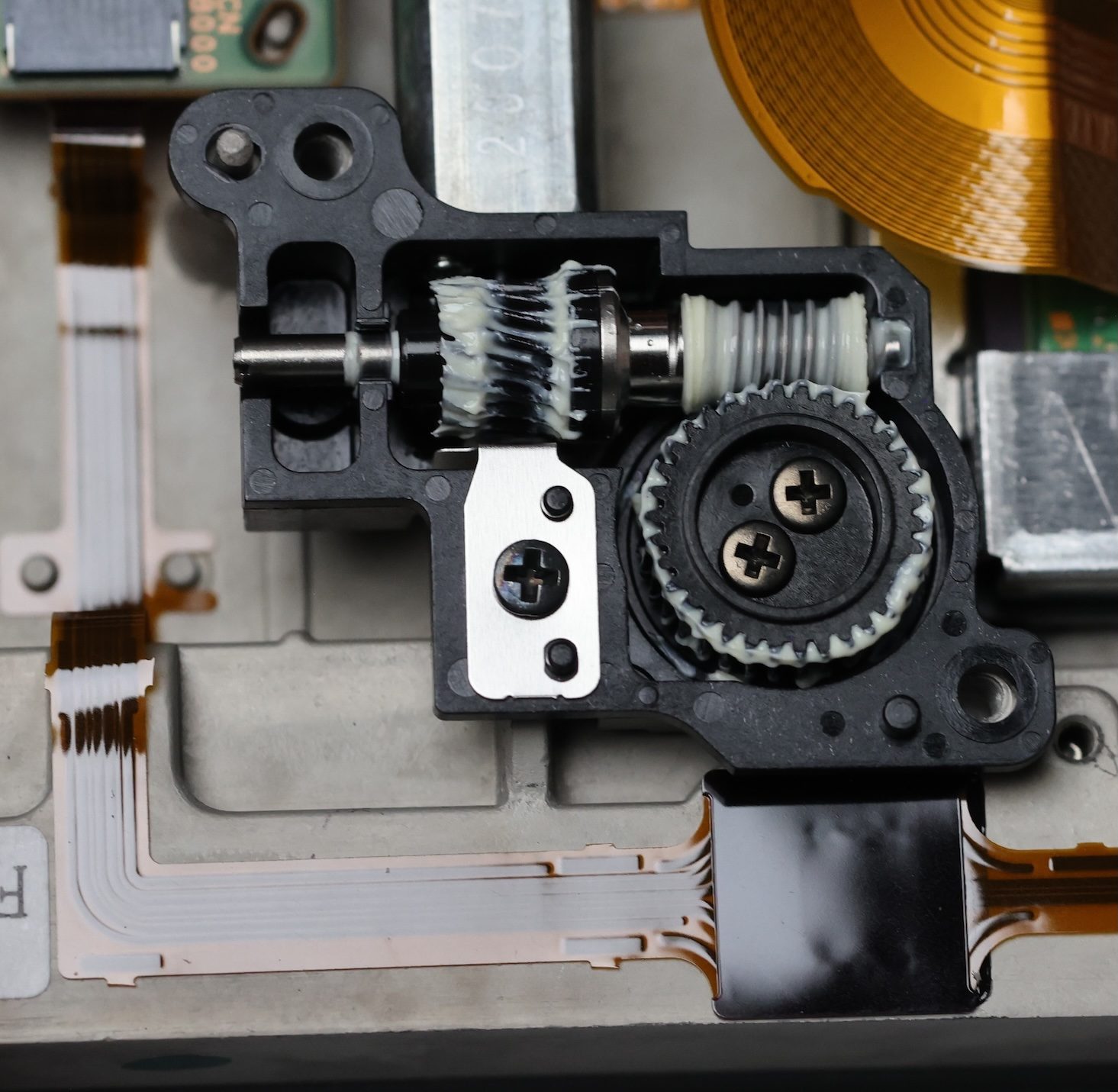
Grinding Tilt Gears: The grinding noise during tilting was attributed to the camera’s scissor gear mechanism. This design uses two gears held under spring tension, slightly offset, to ensure tight meshing with the driving gear and eliminate backlash and noise. The teardown revealed that a small plastic stop, designed to maintain this tension, had popped out of position. This allowed the gears to separate and grind against the housing, creating audible scraping marks. The solution involved simply re-seating the plastic stop, restoring proper tension and smooth, quiet operation. This repair requires minimal parts and can be quickly executed by a technician. The team speculates that this issue might arise from overloading the gear train with an oversized lens or improper centering of the camera on the tilt plate, leading to excessive strain.
The "Cable of Immense Cost": Although not directly related to a repair needed for this specific unit, Aaron Closz undertook the task of extracting the complex "Cable of Immense Cost" from the camera’s arm and base. This component, integral to the camera’s functionality and expensive to replace, threads through a complex route within the armature assembly and connects to multiple points on the main circuit board in the base. Despite initial apprehension about its complexity, Closz demonstrated that its removal, though delicate, was surprisingly straightforward, requiring the disconnection of several I-PEX connectors and the removal of various bracing points. This practical exercise dispelled concerns about the difficulty of replacing this cable, should it ever be necessary.
Implications and Recommendations
The findings from this detailed teardown carry substantial implications for various stakeholders:
For Users: The insights empower users with valuable knowledge regarding common operational issues. The ability to identify and potentially address the causes of tilt grinding or mount looseness without immediate recourse to professional service could save significant time and expense. A key takeaway is the caution against mounting excessively large lenses or heavy accessories that could exacerbate stress on the camera’s mounting points, particularly given the identified structural vulnerabilities.
For Rental Companies (Lensrentals): The analysis provides actionable data for mitigating future damages and optimizing repair workflows. The discovery of the camera body’s structural weakness, particularly its susceptibility to shipping damage, prompts Lensrentals to re-evaluate and potentially redesign its custom packaging inserts to provide enhanced support to the camera’s base. The company is also considering the logistical implications of shipping the camera unmounted, a measure that could significantly reduce the risk of catastrophic fracture but would require users to perform a simple re-assembly upon receipt. The ability to perform quick, in-house repairs for common issues like the tilt gear and shaft stopper will lead to substantial cost savings and reduced equipment downtime.
For Manufacturers (Sony): The teardown offers critical feedback on product design. The reliance on sensor shimming tied to the external case, leading to a $6,000 full-camera replacement policy for a case fracture, highlights a lack of modularity in repair. Strengthening the case base, particularly at the connection point to the robust mounting clamp, using more resilient materials or a thicker design, would significantly enhance the camera’s durability and reduce long-term ownership costs for professional users. This also raises broader questions about the "right to repair" and the balance between proprietary manufacturing processes and accessible maintenance.
Broader Industry Impact: The teardown underscores the ongoing tension between product miniaturization, technological complexity, and practical durability in high-value professional equipment. As devices become more integrated and precise, the feasibility of component-level repair diminishes, often leading to costly full-unit replacements for seemingly minor failures. This trend impacts not only rental companies but also individual professionals and the broader circular economy, where repairability is increasingly valued.
In conclusion, this 19th-anniversary teardown by Lensrentals serves as a compelling case study in applied engineering analysis. It not only provided practical solutions for common operational issues in Sony PTZ cameras but also peeled back the layers of complexity to expose fundamental design choices with significant financial ramifications. The dedication to understanding the internal workings of professional equipment remains invaluable, offering clarity to users, informing operational strategies for rental businesses, and providing critical feedback to manufacturers. Roger Cicala and Aaron Closz’s meticulous work continues to enrich the technical discourse, reinforcing the value of independent, in-depth investigations into the tools that power the creative industry.