Turning a beloved work into a live-action adaptation is always an ambitious undertaking, fraught with the immense pressure of fan expectations and the inherent challenges of translating fantastical elements into a tangible reality. So when Netflix announced they were making a live-action One Piece, a global phenomenon and one of the longest-running and most cherished anime and manga series in history, the industry and its vast fanbase were understandably stunned, if not outright skeptical. The scale of the original manga, which boasts over 500 million copies sold worldwide and a narrative spanning over a thousand chapters and episodes, presented an unprecedented challenge. Adapting it meant not only navigating a labyrinth of fan expectations but also orchestrating a colossal production involving a crew of 400 to 500 people and meticulously constructing a fantastical world that still had to feel believable and immersive.
The creative team behind Netflix’s One Piece confronted this monumental task by making a crucial strategic decision: prioritizing on-location filming and practical effects over extensive reliance on studio green screens and computer-generated imagery. This choice, while seemingly counter-intuitive in an era dominated by digital wizardry, proved to be a cornerstone of the series’ critical and commercial success. The commitment to realism translated into a seven-month production schedule in South Africa, the commissioning of custom anamorphic glass built by Hawk, and a meticulous filming schedule structured around the natural movement of the sun, reminiscent of classical filmmaking techniques. This approach aligns with a burgeoning sentiment observed across the creative landscape throughout the year, a trend that Lensrentals.com actively explored during its recent attendance at Dream Con.
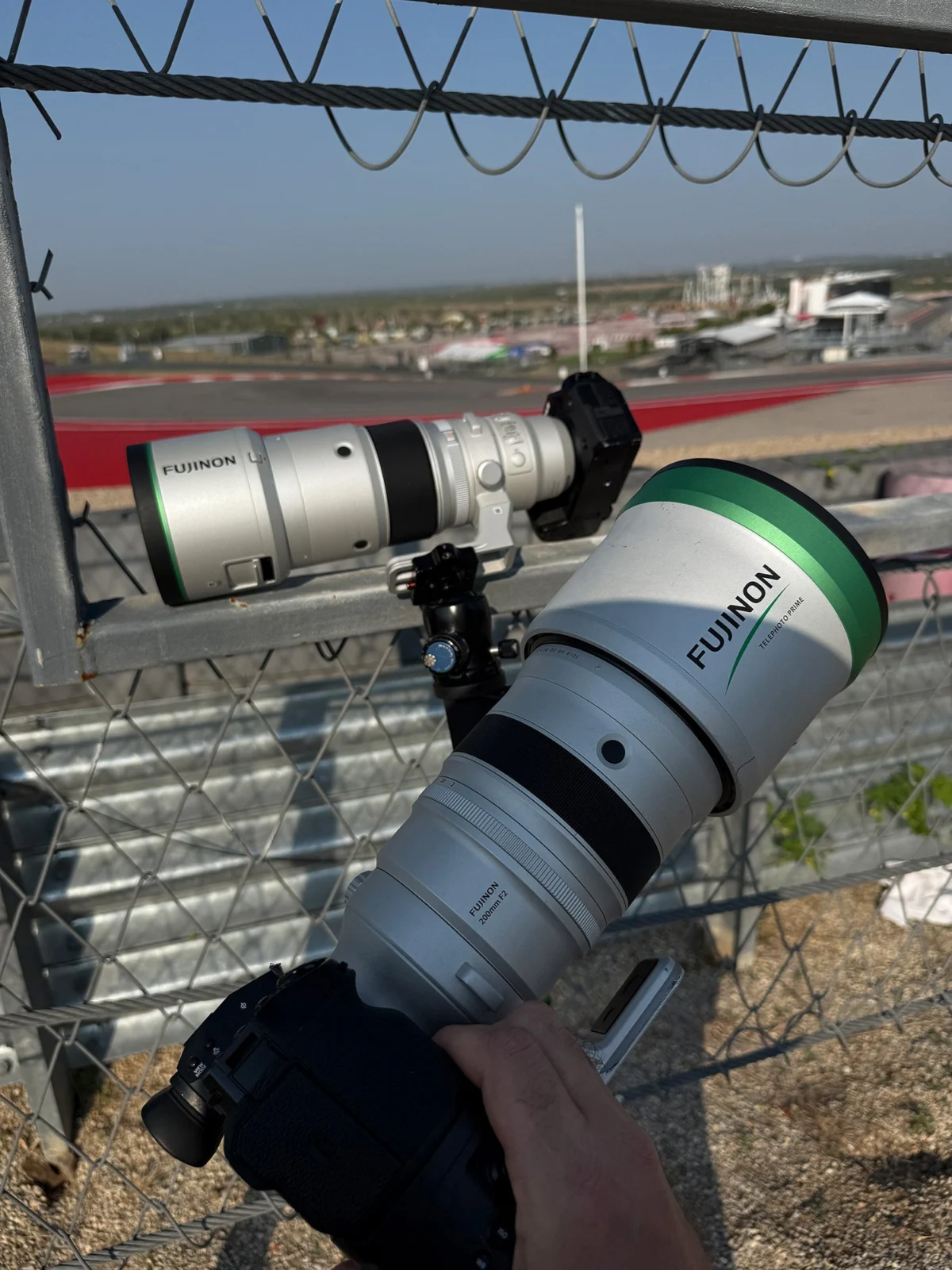
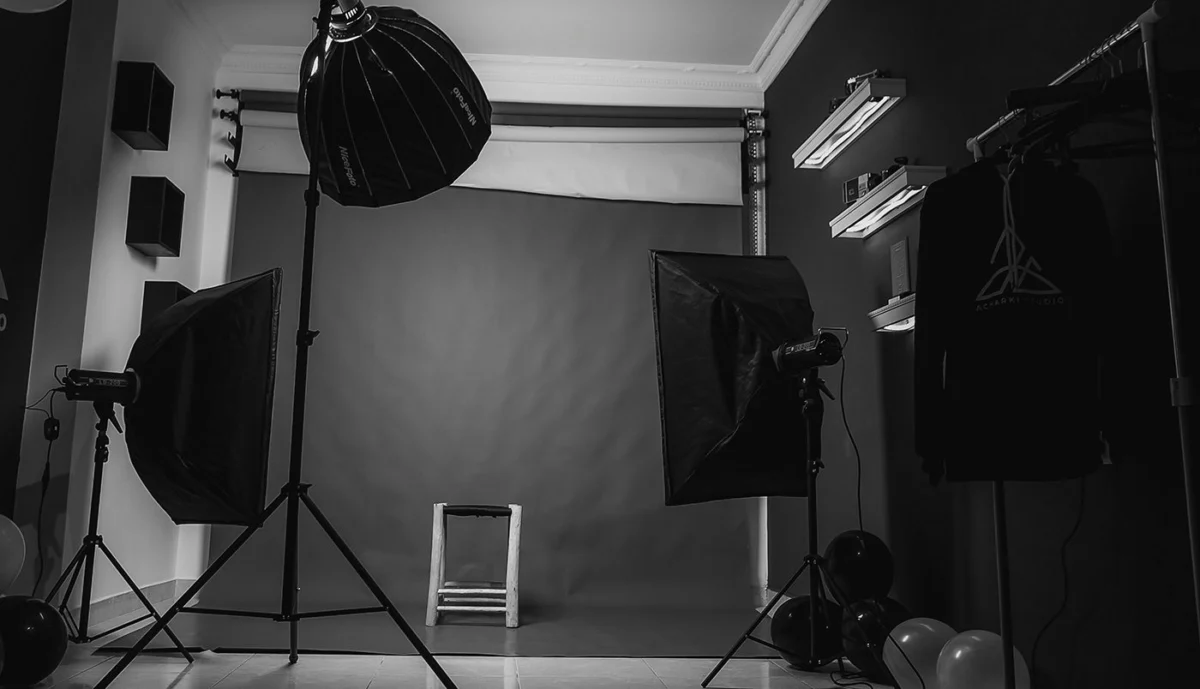
Each year, Lensrentals.com strategically evaluates various industry conventions, from major trade shows like NAB (National Association of Broadcasters) and WPPI (Wedding & Portrait Photographers International) to specialized events like ImagingUSA, to select venues where they can genuinely connect with and understand their client base. This year, Dream Con, a vibrant Houston convention centered on anime, gaming, cosplay, TV, and film, was added to their itinerary. What the Lensrentals team discovered there was a diverse assembly of creators, many of whom were pursuing creative ambitions strikingly similar to those of the One Piece crew, albeit without the multi-million dollar budgets. The convention provided a unique opportunity to bridge the gap between Lensrentals’ extensive inventory and the specific needs of these creators, who are actively producing content for shows, films, and various digital channels. A recurring pattern emerged from these interactions: creators overwhelmingly expressed a desire to own their camera bodies, viewing them as foundational investments and extensions of their creative identity. What they sought to rent, however, was everything else – primarily specialized glass, followed by streaming gear and other additive pieces designed to elevate a project’s production value. The conversations were less about renting an affordable camera body they could eventually purchase, and more about accessing the high-end lenses that truly unlock a camera body’s potential and define a project’s visual signature.
The fundamental differences between creating an anime and adapting it to live-action film are profound. In anime, the only true limit is imagination; anything conceivable can be drawn and animated, unbound by the physical constraints of reality. Live-action filmmaking, conversely, is inherently tethered to feasibility. Camera limitations, available locations, and the often-restrictive budgets for special effects must all be meticulously planned and approved in advance. Despite these formidable hurdles, Netflix embarked on the seemingly impossible: transforming the globally beloved, pirate-themed One Piece anime into a live-action TV series. The audacious decision to emphasize practical effects and real-world locations, particularly for a narrative largely set on the open sea, further amplified the challenge and the potential for either spectacular success or colossal failure.
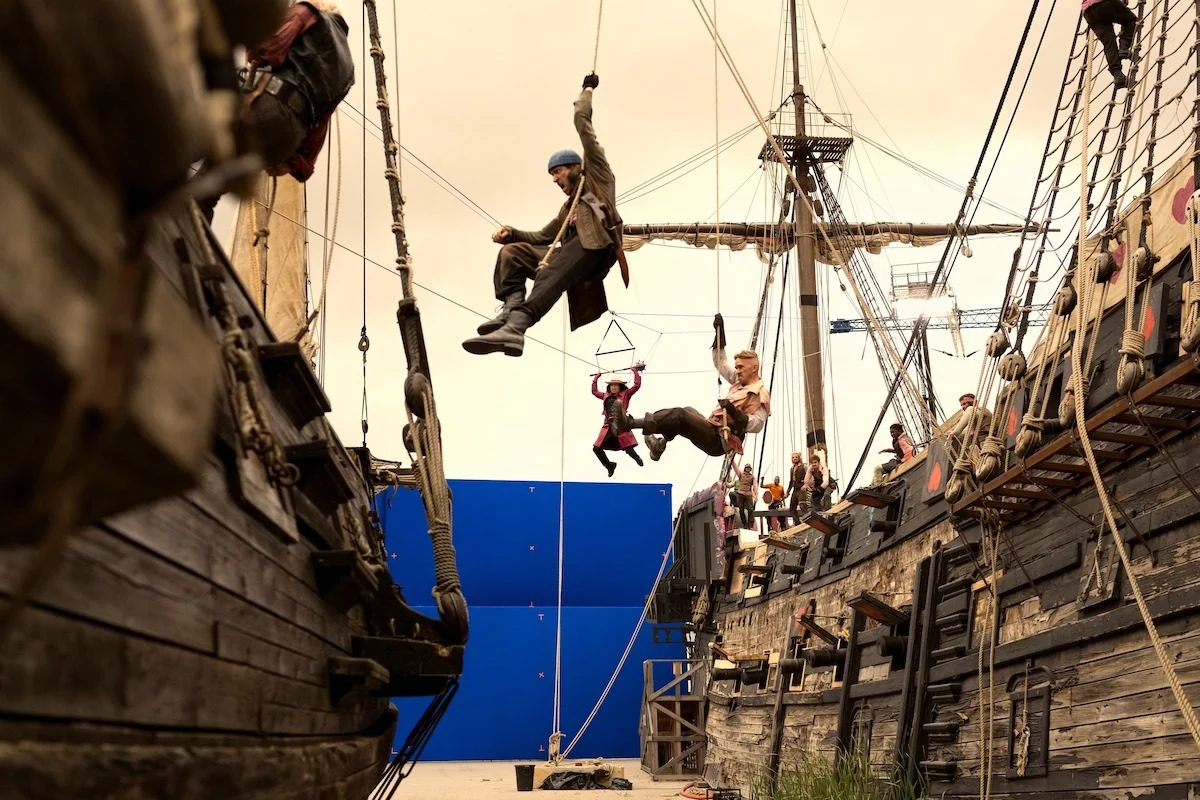
Shooting a production of One Piece‘s magnitude with a strong emphasis on practical effects and tangible locations meant embracing a level of logistical complexity that often defied conventional practicality. The extensive shoot in South Africa engaged a massive workforce of 400 to 500 individuals dedicated to constructing intricate sets, identifying suitable locations, and managing the demanding filming process. When utilizing real ships and actual ocean backdrops, the production team was forced to master the art of maximizing existing resources and adapting to environmental variables. Director of Photography Nicole Hirsch Whitaker, in an interview with Buzz magazine, eloquently articulated some of these inherent challenges: “Available daylight is always an issue, and not being able to rotate the ships. We had very big rigs, and it’s windy in South Africa! It took some time to work out how to make it all look really good, but with a great crew, we learned to schedule things around the sun.” This candid insight underscores the intricate dance between artistic vision and practical execution, where the crew’s ingenuity and collaborative spirit were paramount in overcoming natural obstacles.
These inherent challenges inevitably contributed to an exceptionally protracted production timeline. First officially announced in January 2020, the live-action One Piece Season One finally premiered globally on Netflix in August 2023, following an intensive filming period of approximately seven months. The series’ impressive reception, marked by strong viewership numbers and widespread critical acclaim, quickly translated into a renewal for a second season, announced by Netflix just two weeks after its premiere. This rapid greenlighting was a clear testament to the show’s immediate impact and the network’s confidence in its continued success, a rare feat for live-action anime adaptations which historically have struggled to resonate with audiences.
In addition to the creative and logistical demands, a Netflix production must also adhere to the streaming giant’s stringent technical regulations. Netflix maintains a well-known and regularly updated list of "Netflix Approved Cameras" that productions must utilize to ensure a consistent standard of image quality and technical compatibility. For One Piece, the production team not only met these requirements but leveraged them to employ some of the industry’s most esteemed equipment. The series was primarily shot on large-format ARRI Alexa Mini LF cameras, renowned for their exceptional image quality, dynamic range, and cinematic aesthetic. Furthermore, to achieve its distinctive visual style, Season One opted for custom Hawk MHX / MiniHawk hybrid anamorphic lenses. For the eagerly anticipated Season Two, the production is set to elevate its lensing even further, choosing the legendary Panavision Primo 70 lenses, known for their outstanding optical performance and classic cinematic look.
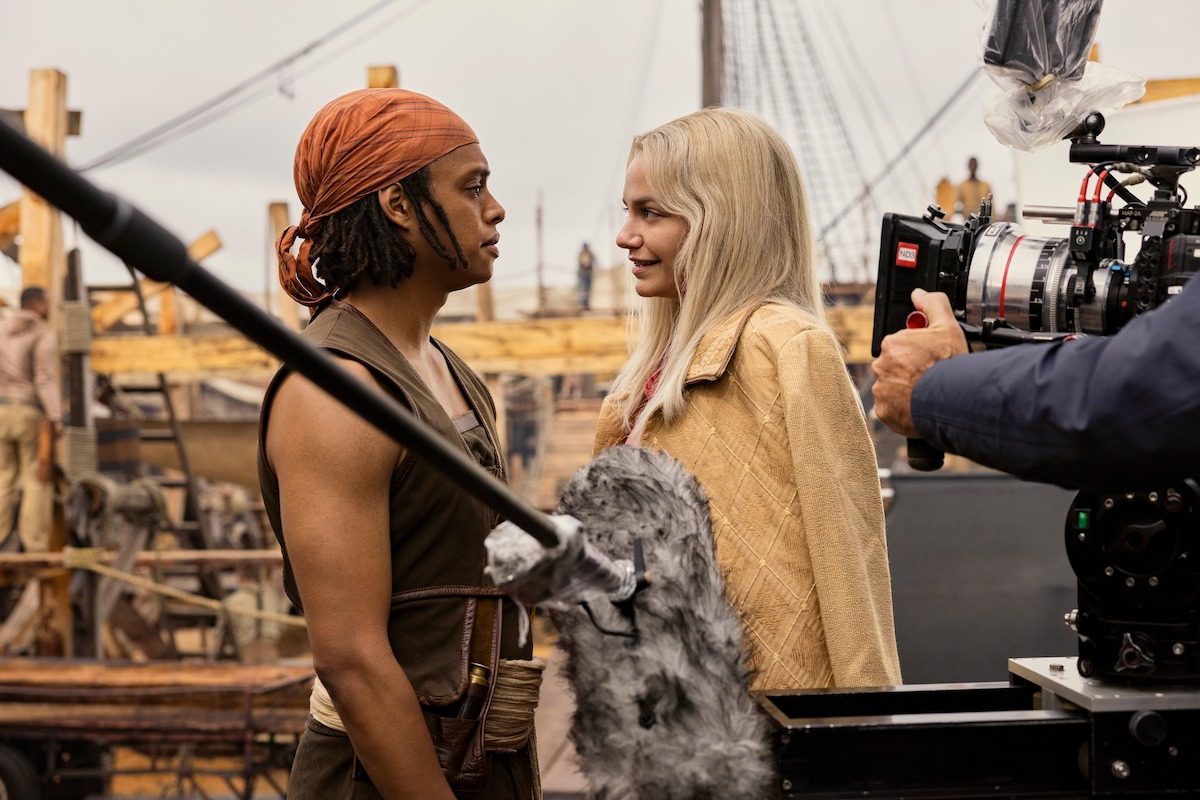
The decision to commission custom-made Hawk MHX lenses for One Piece highlights the production’s unwavering commitment to its visual vision. Cinematographer Nicole Hirsch Whitaker elaborated on this bespoke process in an interview with NoFilmSchool: “We actually went to Hawk, and they built us a set of lenses from scratch to basically allow us to do what we needed to do because there really wasn’t a large format lens out there that we could do the same type of photography with if they hadn’t built us those lenses. I knew I wanted to shoot ARRI large format, and there isn’t much large-format glass. Basically, they went to the drawing board and built them for us. Netflix got on board since they had to pay for them. It was a big deal. We had to do a lot of convincing, but everybody was really cool and allowed them to get made. Hawk got the lenses delivered, and they had my name on them. It was really fun.” This anecdote not only illustrates the high stakes and collaborative spirit involved but also underscores the crucial role of specialized equipment in achieving a distinct cinematic identity, even requiring bespoke manufacturing to meet specific creative needs.
The Strategic Value of Practicality in Modern Storytelling
The resounding success of Netflix’s One Piece can largely be attributed to a bold and deliberate choice: the unwavering commitment to honoring the source material through practical filmmaking techniques. This approach represents a significant departure from the prevailing industry trend of heavily relying on digital effects and virtual production stages. We have observed a growing sentiment within the filmmaking community and among discerning audiences that digital effects, while powerful, do not always equate to a superior visual experience. As audiences become increasingly sophisticated in identifying the subtle imperfections of a volume wall or the slightly ‘off’ appearance of an actor composited into a purely digital environment, the authenticity of practical effects gains renewed appreciation. One Piece successfully circumvented these potential pitfalls by embracing a tried-and-true method – a timeless approach to filmmaking that compels creators to engage directly with the elements, thereby immersing viewers more profoundly into the narrative world.
In the realm of large-scale productions, opting for practical solutions is undeniably expensive. A seven-month shoot, a crew numbering in the hundreds, and the creation of custom-made lenses all contribute to a rapidly escalating budget. However, for independent filmmakers and creators operating with significantly smaller budgets, practicality often represents their initial foray into content creation. Paradoxically, this approach becomes more achievable, not less, as budgets shrink. The strategic utilization of real locations, natural light, and carefully selected lenses that effectively capture a creative vision can yield remarkably powerful results for indie filmmakers and digital content creators alike. The One Piece production, by demonstrating that even a massive Netflix series can successfully lean into practical filmmaking, inadvertently provides a powerful validation and blueprint for creators at all budget levels. It sends a clear message: if a behemoth like Netflix can make this practical bet pay off, so too can aspiring filmmakers.
Empowering Creators Beyond the Netflix Budget
While researching the extensive production of the One Piece live-action series, a striking parallel emerged between the ambitious creative crew behind the show and the independent creators Lensrentals encountered at Dream Con. Both groups are driven by an identical passion for compelling storytelling and visual excellence. The primary distinction, of course, lies in financial resources; most Dream Con creators do not command Netflix-level budgets. However, this disparity should not be viewed as an insurmountable barrier. A new wave of art and filmmaking is being driven by these independent creators who, while they may lack the extensive crew sizes or the luxury of custom-built lenses, compensate with unparalleled access to knowledge, community, and sophisticated equipment through rental services.
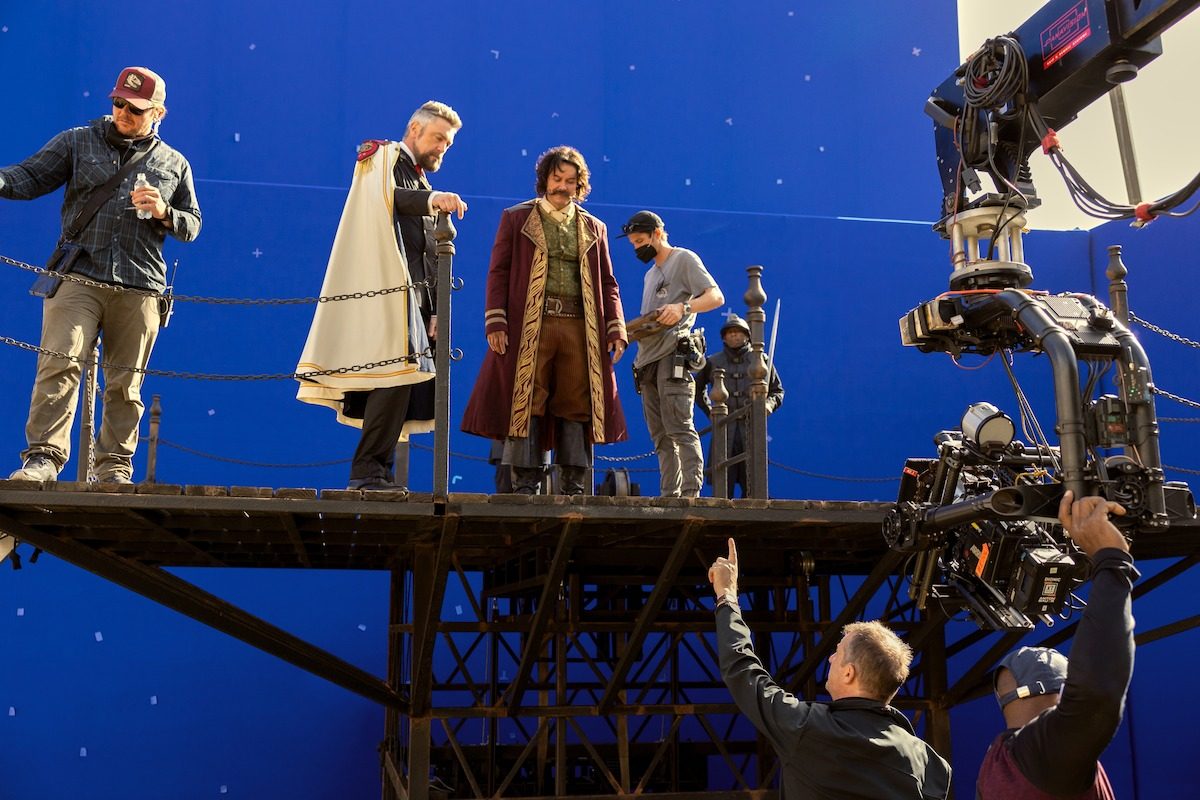
In the interest of absolute precision, it is important to acknowledge a certain reality: the custom Hawk lenses built for Nicole Hirsch Whitaker and the One Piece production are not available for general rental. They were bespoke instruments crafted for a specific show and remain with that production. However, Lensrentals is uniquely positioned to provide access to the other half of the equation that made One Piece‘s production so visually spectacular. The ARRI Alexa Mini LF, the very camera body on which One Piece was shot, is readily available for rent, offering independent creators the same foundational image quality. For those seeking a large-format anamorphic look, the Atlas Mercury Full-Frame 1.5x line provides the distinctive oval bokeh and controlled barrel distortion characteristic of anamorphic glass, designed to cover full-frame sensors. Alternatively, if a clean, spherical aesthetic is preferred, the acclaimed Zeiss Supreme Primes cover the same 46.3mm large-format image circle that Whitaker sought, delivering exceptional sharpness and clarity.
The landscape of creativity is not merely shifting; it has already undergone a profound transformation. This revolution is exemplified by individuals like Kane Parsons, who, as a teenager, built the captivating "Backrooms" as a web series. His subsequent feature film adaptation, produced for an estimated $10 million, went on to gross over $400 million worldwide, cementing its place as the highest-grossing film in A24’s history. Similarly, Curry Barker’s film "Obsession," shot in a mere twenty days for $750,000, cleared half a billion dollars at the box office. These remarkable success stories serve as irrefutable proof that compelling narratives, executed with creative ingenuity, can attract massive audiences and generate significant returns, often with starting budgets remarkably close to those of aspiring independent filmmakers. They underscore a critical point: fan engagement and creative vision can transcend immense budgetary disparities.
Therefore, for creators who are diligently working towards realizing their cinematic ambitions, Lensrentals stands as a vital partner. Our comprehensive anamorphic lineup, ranging from full-frame sets to kits compatible with existing camera systems, offers unparalleled access to specialized glass. For those aspiring to emulate the visual quality of One Piece, the ARRI Alexa Mini LF provides the exact same camera body utilized in the production. And for creators who simply require a few supplemental lenses to elevate their projects to the next tier, our experts are available to provide tailored recommendations based on specific shooting needs and creative visions. The era of democratized access to professional-grade filmmaking tools is here, empowering a new generation of storytellers to chase their grandest ambitions, inspired by the practical triumphs of productions like Netflix’s One Piece.