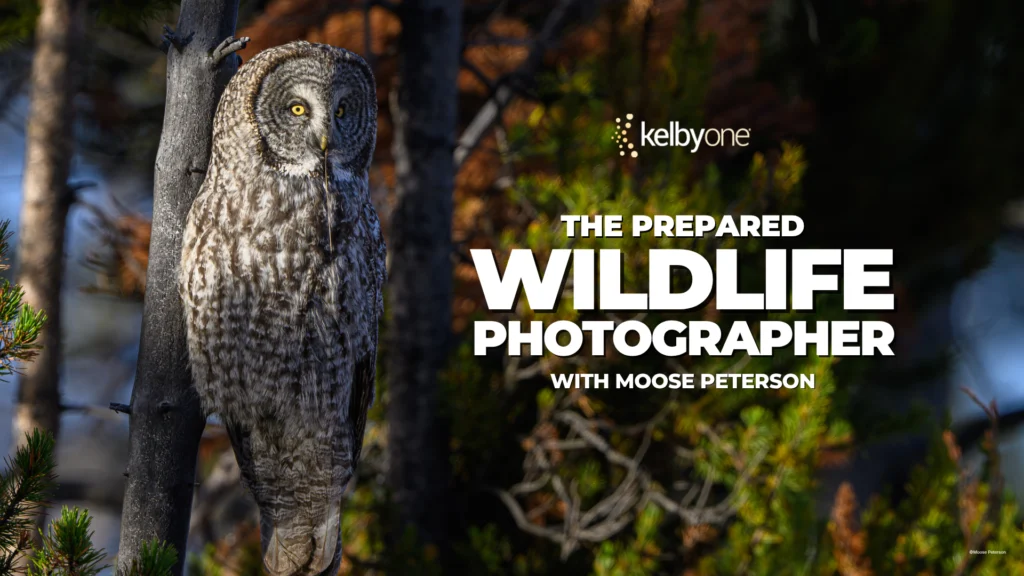
Wildlife photography stands as one of the most challenging yet rewarding genres within the vast landscape of visual artistry. The unpredictable nature of subjects, the constantly shifting environmental conditions, and the often instantaneous opportunities demand not only a keen artistic eye but also an unparalleled technical readiness. It is this crucial aspect of preparedness that forms the cornerstone of renowned photographer Moose Peterson’s new online course, "The Prepared Wildlife Photographer," launched through the prominent educational platform, KelbyOne. This comprehensive program is designed to transform aspiring and seasoned photographers alike from reactive button-pushers into proactive masters of their craft, ensuring that when an extraordinary moment unfolds, the technical execution is as instinctive as the creative vision.
The essence of Peterson’s methodology is rooted in the understanding that critical moments in wildlife photography rarely offer a second chance. A predator’s pounce, a bird’s flight path, or a subtle behavioral display can occur and vanish within mere seconds. In such high-stakes scenarios, fumbling with camera settings—be it exposure, focal length, or flash parameters—is a guaranteed path to missed opportunities. Peterson’s course directly addresses this universal challenge, advocating for a profound shift in approach: making all critical technical decisions and camera preparations before ever stepping into the field. This proactive strategy aims to embed the technical operations so deeply into a photographer’s muscle memory that they become second nature, freeing the mind to focus entirely on composition, light, and the unfolding narrative of the subject.
The Vision Behind the Lens: A Proactive Paradigm Shift
Moose Peterson, a veteran wildlife and aviation photographer with decades of experience, has long been a vocal proponent of technical mastery and preparedness. His career, spanning the transition from film to digital, has been characterized by an unwavering commitment to capturing the decisive moment with uncompromising quality. Peterson understands that while modern digital cameras offer incredible automation and post-processing flexibility, they are no substitute for foundational knowledge and pre-field setup. The "Prepared Wildlife Photographer" course is a distillation of this philosophy, offering a systematic guide to pre-visualizing and pre-setting camera systems for anticipated scenarios. This approach not only minimizes the chances of technical errors but also empowers photographers to react with confidence and precision when the unexpected happens.
The concept itself is a direct response to common frustrations expressed by photographers across all skill levels. Data from various photography forums and workshops consistently highlight that technical issues, such as incorrect exposure, out-of-focus subjects, or poorly managed flash, are among the leading causes of dissatisfaction with wildlife images. While enthusiasm for the subject is high, the steep learning curve for mastering complex camera systems in dynamic environments often leads to discouragement. Peterson’s course seeks to flatten this curve by providing a structured framework for preparation, ensuring that the camera becomes an extension of the photographer’s will rather than a source of technical impediment.
Course Curriculum: A Deep Dive into Preparedness
The curriculum of "The Prepared Wildlife Photographer" is meticulously structured, covering a comprehensive array of topics essential for field readiness. Peterson guides students through a series of practical exercises and theoretical insights, designed to build a robust foundation of technical competence.
- Camera System Optimization: The course begins with the fundamental aspects of camera maintenance and setup. Peterson emphasizes the importance of routine firmware checks and updates, explaining how these software revisions can significantly impact camera performance, bug fixes, and compatibility with new accessories. He also delves into the critical, yet often overlooked, practice of sensor cleaning, detailing safe and effective methods to prevent dust spots from marring images, thereby reducing tedious post-processing work.
- Mastering Long Lenses: Wildlife photography frequently necessitates the use of long telephoto lenses, which present unique challenges in terms of stability, focusing, and handling. Peterson provides practical guidance on working with these specialized optics, covering topics such as optimal tripod and monopod usage, understanding image stabilization systems, and developing effective handheld techniques for dynamic situations.
- Exposure Dialed In: A core pillar of the course is achieving perfect exposure in varying light conditions. Peterson demystifies the exposure triangle (aperture, shutter speed, ISO), demonstrating how to pre-set these parameters for anticipated lighting scenarios. He advocates for a deliberate approach to manual exposure, enabling photographers to maintain creative control regardless of the scene’s brightness.
- Strategic Flash Usage: Beyond natural light, Peterson explores the judicious use of flash for wildlife photography. This includes techniques for using fill flash to soften harsh shadows, adding a catchlight to an animal’s eyes for increased engagement, and leveraging flash to enhance color and detail. The course covers understanding flash sync speeds, power output control, and diffusion techniques to achieve natural-looking results.
- Teleconverters vs. Crop Mode: Photographers often face the dilemma of extending their lens’s reach. Peterson provides a detailed comparison between using teleconverters and employing in-camera crop mode, discussing the pros and cons of each in terms of image quality, effective focal length, and impact on aperture. This segment equips students with the knowledge to make informed decisions based on their gear and shooting objectives.
- The "Teddy Bear Exercise": Perhaps one of the most innovative and practical components of the course is Peterson’s "teddy bear exercise." This unique method encourages photographers to practice their camera settings and preparation routines on a stationary subject (like a teddy bear or similar prop) before encountering actual wildlife. This low-pressure environment allows for iterative learning, refining exposure, focus, and compositional choices without the added stress of a live, unpredictable animal. It’s a powerful tool for building muscle memory and confidence, translating directly to improved performance in the field.
The Man Behind the Method: Moose Peterson’s Legacy
Moose Peterson is not merely an instructor; he is an institution in the world of nature photography. His career spans over four decades, during which he has become celebrated for his breathtaking images of wildlife, especially birds in flight, and his iconic aviation photography. A Nikon Ambassador, Peterson has authored numerous books, conducted countless workshops globally, and contributed significantly to photographic education. His work has been featured in prestigious publications such as National Geographic, Audubon, and Sports Illustrated. This extensive background provides immense credibility to his teaching, as his methods are born from a lifetime of practical application and problem-solving in some of the world’s most demanding environments.
Peterson’s philosophy extends beyond mere technical instruction; he emphasizes the importance of understanding animal behavior, respecting wildlife, and using photography as a tool for conservation. This holistic approach ensures that his students not only capture stunning images but also develop a deeper appreciation and ethical understanding of their subjects. His teaching style is known for its clarity, directness, and ability to break down complex concepts into digestible, actionable steps, making "The Prepared Wildlife Photographer" accessible to a broad audience.
The Evolution of Wildlife Photography and the Need for Proactive Skill Development
The landscape of wildlife photography has undergone a significant transformation over the past few decades. Advances in camera technology, particularly in autofocus systems, high ISO capabilities, and rapid burst rates, have made it easier for more people to enter the genre. However, this technological ease often masks the underlying complexities of consistently producing compelling, publication-quality images. While cameras can capture more frames per second, the ability to frame and expose those frames correctly still relies heavily on the photographer’s skill and preparation.
Historically, film photographers were forced to be meticulously prepared due to the limited number of frames and the inability to review images instantly. The digital age, while offering instant feedback, can sometimes foster a "spray and pray" mentality, leading to vast numbers of mediocre images rather than a select few masterpieces. Peterson’s course is a timely intervention, re-emphasizing the virtues of deliberate practice and foresight that were once inherent to photography. It bridges the gap between modern technology’s capabilities and the timeless principles of photographic excellence, reminding photographers that technology is a tool, not a substitute for skill.
Industry Reactions and Educational Impact
The launch of "The Prepared Wildlife Photographer" on KelbyOne is a significant event in online photography education. KelbyOne, co-founded by industry luminary Scott Kelby, is recognized for its high-quality, instructor-led courses covering a wide range of creative disciplines. Their partnership with Moose Peterson underscores the importance of this new course, positioning it as a flagship offering for wildlife enthusiasts. The platform’s commitment to accessibility is evident in the provision of a free first lesson, allowing prospective students to experience Peterson’s teaching style and the course’s value proposition without initial commitment.
Industry experts and educators are likely to laud this course for its practical, results-oriented approach. In an educational environment often saturated with theoretical discussions or gear-focused reviews, Peterson’s emphasis on actionable preparation stands out. It’s anticipated that this course will become a standard reference for anyone serious about improving their wildlife photography, from hobbyists looking to elevate their weekend shots to aspiring professionals seeking to refine their field craft. The structured nature of the lessons, combined with Peterson’s extensive experience, offers a clear pathway to mastering the technical aspects that often trip up photographers.
Beyond the Camera: Broader Implications for Conservation and Storytelling
The impact of "The Prepared Wildlife Photographer" extends beyond individual skill improvement. High-quality wildlife photography plays a crucial role in conservation efforts. Stunning images have the power to connect audiences with the natural world, fostering empathy, raising awareness about endangered species, and galvanizing support for environmental protection. When photographers are better prepared, they are more likely to capture images that are not only technically superb but also emotionally resonant and impactful. These images can then serve as powerful tools for storytelling, advocacy, and education, contributing to broader conservation narratives.
By reducing the technical hurdles, Peterson’s course allows photographers to focus more deeply on the narrative they wish to convey, the unique behaviors of their subjects, and the ethical considerations of their presence in the wild. This heightened awareness can lead to more respectful interactions with wildlife and more authentic representations of nature, ultimately serving the greater good of environmental stewardship. The ability to consistently capture "the moment" with clarity and artistry is not just about personal achievement; it’s about amplifying the voices of the wild through compelling visual narratives.
In conclusion, Moose Peterson’s "The Prepared Wildlife Photographer" course represents a pivotal contribution to photography education. By championing a proactive, meticulous approach to field preparation, Peterson empowers photographers to overcome the inherent challenges of wildlife photography, transforming potential frustration into consistent success. This course is poised to not only elevate the individual skill sets of countless photographers but also to contribute significantly to the broader impact of wildlife photography as a tool for art, education, and conservation. The opportunity to learn from a master like Peterson, with the convenience and accessibility offered by KelbyOne, makes this a must-explore resource for anyone passionate about capturing the magic of the wild.