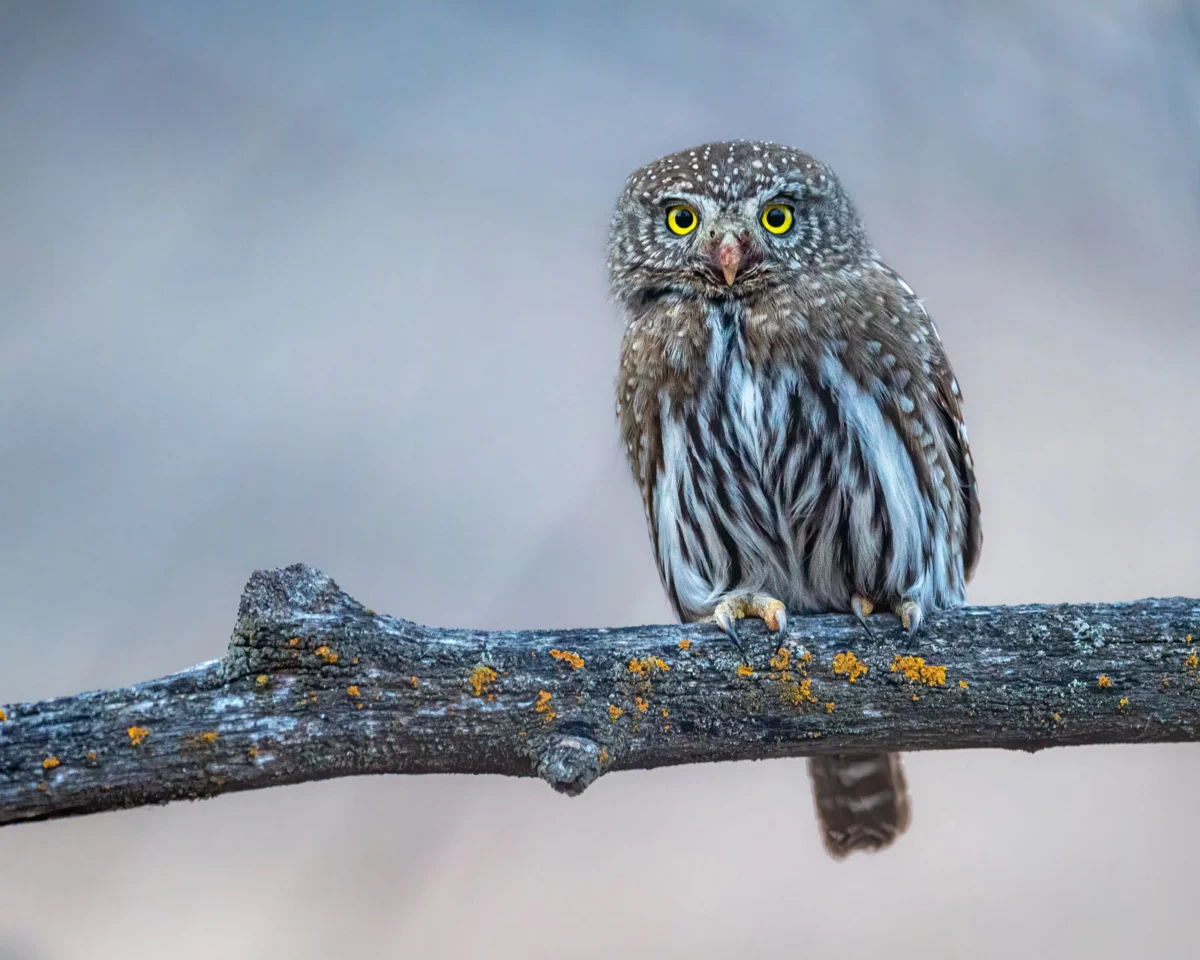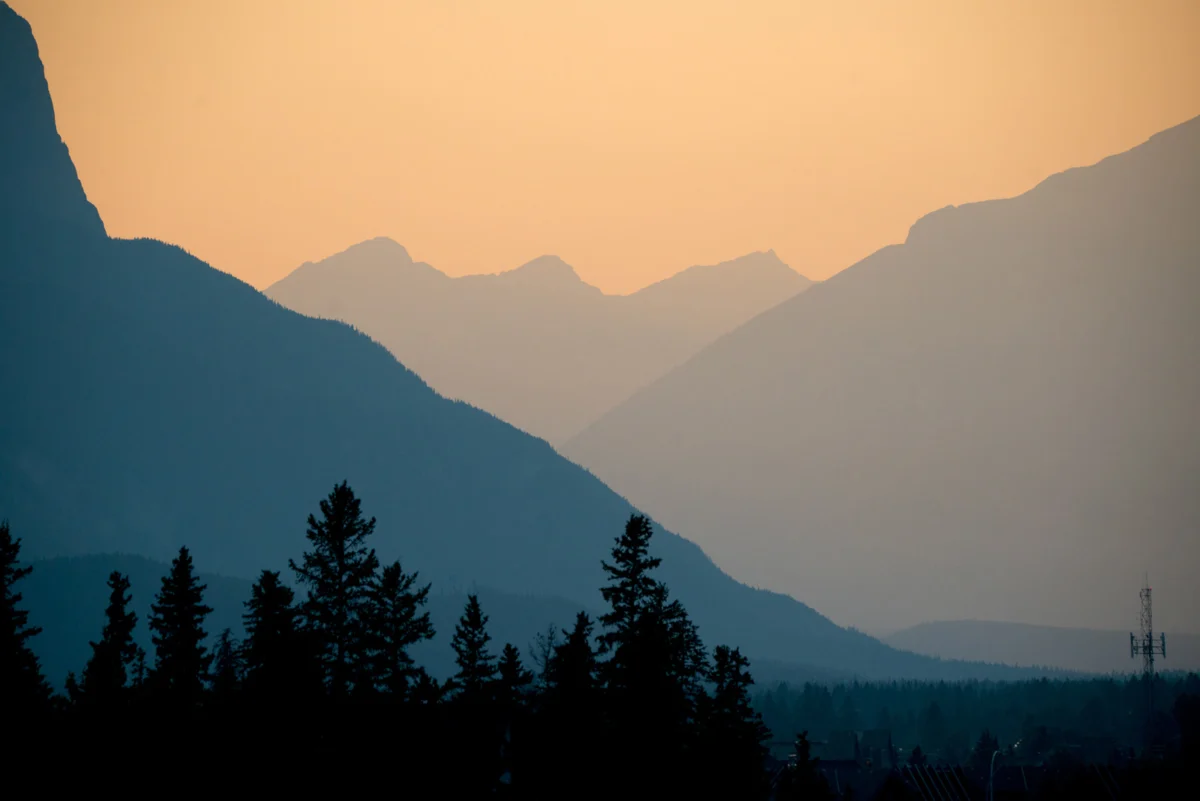
Lighting in photography is universally acknowledged as one of the most vital elements to master, frequently distinguishing a competent photograph from an extraordinary one. Its profound impact extends beyond mere illumination, shaping the mood, depth, texture, and overall narrative of an image. From the subtle nuances of natural light to the precise control of artificial sources, a photographer’s ability to understand and manipulate light directly correlates with the expressive power and technical quality of their work.
This mastery is crucial across all photographic disciplines. Whether capturing the golden hues of sunrise over a sprawling landscape, the dramatic shadows within a dense forest, or wildlife artfully backlit by a setting sun, an effective command of lighting principles is paramount. It serves as the cornerstone for elevating photographic output to new heights, enabling visual artists to craft compelling stories and evoke specific emotions. The following comprehensive guide delves into the multifaceted world of lighting, offering insights and techniques applicable to various nature photography genres, from vast panoramas to intricate macro worlds and the challenging depths of the ocean.
The Foundational Principles of Photographic Lighting
Before exploring genre-specific applications, it is essential to grasp the fundamental properties of light itself. Light, in a photographic context, is not merely present or absent; it possesses distinct qualities that profoundly influence the final image. Understanding these properties forms the bedrock upon which all advanced lighting techniques are built.

Defining the Qualities of Light
1. Light Quality (Hard vs. Soft): This refers to the harshness or softness of the shadows produced by a light source.
- Hard Light: Characterized by sharp, well-defined shadows and high contrast. It typically originates from a small, direct light source (like the midday sun or an undiffused flash). Hard light can emphasize texture, create drama, and define strong forms, but can also lead to blown-out highlights and blocked-up shadows if not managed carefully.
- Soft Light: Produces subtle transitions between light and shadow, with diffused edges and lower contrast. It comes from a large, diffused light source (like an overcast sky, light filtered through clouds, or a large softbox). Soft light is often preferred for its flattering qualities, its ability to reveal intricate details, and its capacity to create a gentle, ethereal mood.
2. Light Direction: The angle from which light strikes a subject dramatically alters its appearance, influencing perceived form, texture, and depth.
- Frontal Lighting: Light originating from directly in front of the subject (from the photographer’s perspective). This flattens the subject, reducing texture and depth, but ensures even illumination. It can be useful for documentary purposes where detail is prioritized over three-dimensionality.
- Side Lighting: Light hitting the subject from the side. This emphasizes texture and form by creating a distinct contrast between illuminated and shadowed areas, adding depth and dimension. It is frequently employed in landscape and portraiture for its artistic potential.
- Backlighting: Light coming from behind the subject, towards the camera. This creates striking silhouettes, rim lighting, or a dramatic glow around the subject. It can be challenging to expose correctly but offers immense creative opportunities for dramatic effect and mood.
- Top Lighting: Light from directly above (e.g., midday sun). Often results in harsh shadows under brows, noses, and chins, making it generally less flattering for many subjects, though it can create dramatic effects in architectural or abstract photography.
- Bottom Lighting: Light from below the subject. Uncommon in natural settings, it’s often used for dramatic or unsettling effects, typically with artificial light.
3. Light Intensity: This refers to the brightness of the light. It directly impacts exposure and the overall dynamic range of an image. Photographers must manage intensity to avoid overexposure (blown highlights) or underexposure (crushed shadows), often utilizing exposure compensation, filters, or fill light.

4. Color Temperature: Measured in Kelvin (K), color temperature describes the warmth or coolness of light.
- Warm light (lower Kelvin values) appears orange or red (e.g., sunrise/sunset, incandescent bulbs).
- Cool light (higher Kelvin values) appears blue (e.g., overcast skies, shade, flash).
- Understanding color temperature allows photographers to set correct white balance for accurate color rendition or intentionally use color casts for artistic expression. The "golden hour" (shortly after sunrise or before sunset) and "blue hour" (just before sunrise or after sunset) are prime examples where natural light’s color temperature profoundly influences mood.
The Art of Natural Light: Timing and Conditions
The sun is the most powerful and accessible light source for nature photographers. Mastering its daily cycle and understanding various atmospheric conditions are critical skills.
The Magic of Golden and Blue Hours
Seasoned photographers universally acknowledge the "golden hour" as a prime time for capturing stunning imagery. This period, roughly an hour after sunrise and an hour before sunset, bathes the world in soft, warm, directional light. The low angle of the sun accentuates textures, creates long, dramatic shadows, and imparts a rich, inviting glow to scenes. This soft, warm light minimizes harsh contrasts and is particularly flattering for landscapes, wildlife, and even macro subjects.

Conversely, the "blue hour," occurring just before sunrise and after sunset, offers a distinct aesthetic. During this time, the sky deepens into rich shades of blue, and artificial lights begin to twinkle, creating a cool, serene, and often melancholic atmosphere. The light is diffused and even, providing a calm backdrop ideal for cityscapes, twilight landscapes, and certain wildlife silhouettes.
Leveraging Overcast Skies and Challenging Conditions
While direct sunlight often steals the spotlight, an overcast sky acts as a gigantic natural softbox, diffusing light evenly and reducing harsh shadows. This soft, diffused light is excellent for capturing intricate details, vibrant colors, and subtle textures without the distraction of strong highlights and shadows. It is particularly advantageous for forest photography, close-ups, and scenarios where high contrast would be detrimental.
Even seemingly "bad" weather—fog, mist, rain, or storms—can offer unique lighting opportunities. Fog diffuses light, creating a sense of mystery and simplifying backgrounds. Mist can create ethereal glows when backlit. Rain-soaked scenes reflect light beautifully, adding shimmer and depth. Adapting to these conditions, rather than avoiding them, allows photographers to develop a more versatile and distinctive portfolio.

Lighting in Specialized Photographic Genres
The application of lighting principles varies significantly across different photographic genres, each presenting unique challenges and opportunities.
Illuminating Wildlife: Techniques for Dynamic Captures
Capturing wildlife demands not only technical skill but also a deep understanding of animal behavior and environmental factors, chief among them being light. To create images of wildlife that truly stand out, photographers must understand how light falls, the qualities it possesses, and how to harness it effectively.
- Understanding Animal Interaction with Light: Animals often seek shade during harsh midday sun or are most active during the golden and blue hours. Aligning photographic efforts with these natural cycles can yield superior results.
- Backlighting for Drama: Backlit wildlife images can produce stunning rim lighting, separating the subject from the background and creating a three-dimensional effect. This technique requires careful exposure to prevent the subject from becoming a mere silhouette unless that is the intended artistic goal.
- Side Lighting for Texture: Side lighting is invaluable for revealing the intricate textures of fur, feathers, or scales, adding depth and character to the animal’s form.
- Fill Flash and Reflectors: In situations where natural light is insufficient or creates excessive contrast, a subtle fill flash or reflector can illuminate shadowed areas without overpowering the ambient light. Ethical considerations are paramount when using artificial light with wildlife, ensuring minimal disturbance to the animals.
- Open Shade: Positioning subjects in open shade provides soft, even illumination, ideal for capturing detailed portraits without harsh shadows.
These guides help photographers gain a deeper understanding of light and its relationship to wildlife photography, offering techniques to elevate imagery to the next level.

Sculpting Landscapes: Light as a Compositional Tool
In landscape photography, light is not merely a source of illumination but an integral element of composition, capable of defining mood, depth, and the overall aesthetic of a scene. Understanding lighting in landscape photography extends far beyond mastering exposure. One of the most powerful skill sets a landscape photographer can possess is the ability to identify, plan for, and adapt to ever-changing lighting conditions.
- Planning Around Light: Successful landscape photographers meticulously plan their shoots around the quality and direction of light at specific times of day, particularly during the golden and blue hours, to maximize visual impact.
- Light to Define Form and Depth: Side lighting and low-angle light are crucial for emphasizing the contours of mountains, the texture of rock formations, or the flow of water, giving the landscape a sense of three-dimensionality.
- Atmospheric Light: Fog, mist, and atmospheric haze can create layers of light and shadow, adding depth and a painterly quality to landscape images. Backlighting through these atmospheric elements can produce ethereal glows.
- Dynamic Range Challenges: Landscapes often present vast differences between the brightest and darkest areas. Techniques like graduated neutral density filters, bracketing, and high dynamic range (HDR) photography are employed to manage these extremes and capture detail across the entire tonal range.
These tutorials help photographers understand how to find and use light in landscape photography, in both optimal and challenging conditions, transforming scenes into evocative works of art.
Navigating the Depths: Lighting in Underwater Photography
Underwater photography presents a unique set of lighting challenges due to the physics of light absorption and scattering in water. Learning how to find, create, and use light underwater is one of the most essential and often difficult skills to master, but one that undeniably makes photography stand out from the crowd.

- Light Absorption and Color Shift: Water acts as a filter, progressively absorbing colors as depth increases. Red light is lost first, followed by orange, yellow, and green, leaving blue and green as the dominant colors in deeper water. This necessitates the use of artificial light to restore natural colors.
- Ambient Light Limitations: Even in shallow dives, ambient light is quickly diminished and diffused. Photographers must understand how to balance the remaining natural light with artificial sources to create well-exposed and vibrant images.
- Artificial Illumination: Strobes and Video Lights: Strobes (underwater flashes) are indispensable for wide-angle and macro underwater photography, providing the necessary power and color spectrum to illuminate subjects and restore lost colors. Video lights offer continuous illumination, useful for focusing and for capturing moving subjects with consistent light.
- Controlling Backscatter: A common challenge underwater is backscatter—particles in the water illuminated by the flash, appearing as distracting white dots. Positioning strobes away from the camera’s lens axis is critical to direct light past these particles.
- Creative Lighting: Whether photographing ocean giants on shallow dives where ambient light is plentiful or venturing deeper under the waves for macro subjects, mastering techniques like snooting (for spotlight effects) or off-camera strobes (for dramatic side lighting) allows for immense creative control.
These tips help photographers master lighting as an integral part of their underwater photography workflow, enabling them to capture the vibrant, hidden beauty of the aquatic world.
Revealing Intricacy: Lighting for Macro Photography
In macro photography, where subjects are often tiny and details are paramount, lighting becomes an even more critical element. Whether photographing amphibians, insects up close, or the finer details found in nature, precise light control is essential to reveal texture, form, and depth at extreme magnifications.
- Shallow Depth of Field: Macro photography inherently involves a very shallow depth of field. Light plays a crucial role in ensuring the subject is adequately illuminated within this narrow focal plane without creating distracting shadows or reflections.
- Diffused Natural Light: Overcast conditions or open shade provide soft, even light, which is often ideal for macro subjects, minimizing harsh shadows and revealing subtle textures. Diffusers can be used to soften direct sunlight.
- Specialized Artificial Lighting: Due to the close working distances and often low ambient light, artificial light sources are frequently employed.
- Ring Flashes: These mount around the lens, providing even, shadowless illumination, ideal for flat subjects or when maximum detail is required.
- Twin Flashes/Off-Camera Flashes: These allow for more directional control, creating shadows that add depth and dimension to the subject. They can be diffused or modified to sculpt the light more precisely.
- LED Panels: Continuous LED lights offer flexibility for both stills and video, allowing photographers to see the lighting effect before taking the shot.
- Controlling Reflections: Shiny subjects (e.g., wet insects, metallic surfaces) require careful lighting to avoid specular highlights or distracting reflections. Polarizers and precise light positioning are key.
- Highlighting Texture and Detail: The interplay of light and shadow is crucial in macro to bring out the intricate patterns and textures that are otherwise invisible to the naked eye, transforming small subjects into captivating visual narratives.
These guides empower photographers to master lighting when photographing the macro world, turning minute details into monumental images.

The Broader Impact: From Good to Spectacular
The implications of mastering lighting in photography are profound and far-reaching. It transcends mere technical proficiency, directly impacting the artistic, emotional, and communicative power of an image.
- Enhanced Storytelling: Light is a powerful narrative tool. The direction, quality, and color of light can evoke specific emotions, highlight key elements, and guide the viewer’s eye through the scene, thereby enriching the story the photograph tells. A dramatic sidelight might convey struggle or resilience, while soft, warm light suggests tranquility or nostalgia.
- Emotional Resonance: The mood of an image is intrinsically linked to its lighting. Harsh, high-contrast light can create tension or drama, whereas soft, even light fosters a sense of peace or intimacy. Mastery of light allows photographers to precisely control this emotional output.
- Technical Excellence: Proper lighting management ensures balanced exposures, preserves detail in highlights and shadows, and enhances color vibrancy. This technical polish contributes to the overall professionalism and impact of a photograph, making it more suitable for publication, exhibition, or commercial use.
- Artistic Voice and Distinction: A photographer’s unique approach to light is often a hallmark of their individual artistic style. Developing an intuitive understanding of how light interacts with subjects allows for creative expression that sets one’s work apart in a crowded visual landscape.
- Viewer Engagement: Images with compelling lighting tend to captivate viewers more effectively. The human eye is naturally drawn to areas of light and contrast, and a well-lit photograph skillfully leverages this to maintain interest and encourage deeper engagement with the subject matter.
In conclusion, whatever the subject—from the vastness of a mountain range to the intricate patterns on an insect’s wing—lighting remains the crucial element for creating memorable and standout images. It is not simply about illuminating a scene but about shaping perception, evoking emotion, and crafting a visual narrative. The journey to mastering light is continuous, requiring observation, experimentation, and a deep appreciation for its transformative power. Use the guides above to learn how to harness this power in photography and take your work to the next level, ensuring that every image you capture tells a compelling story with light as its eloquent narrator. We’d love to see how you use light – don’t forget to share your images with us!