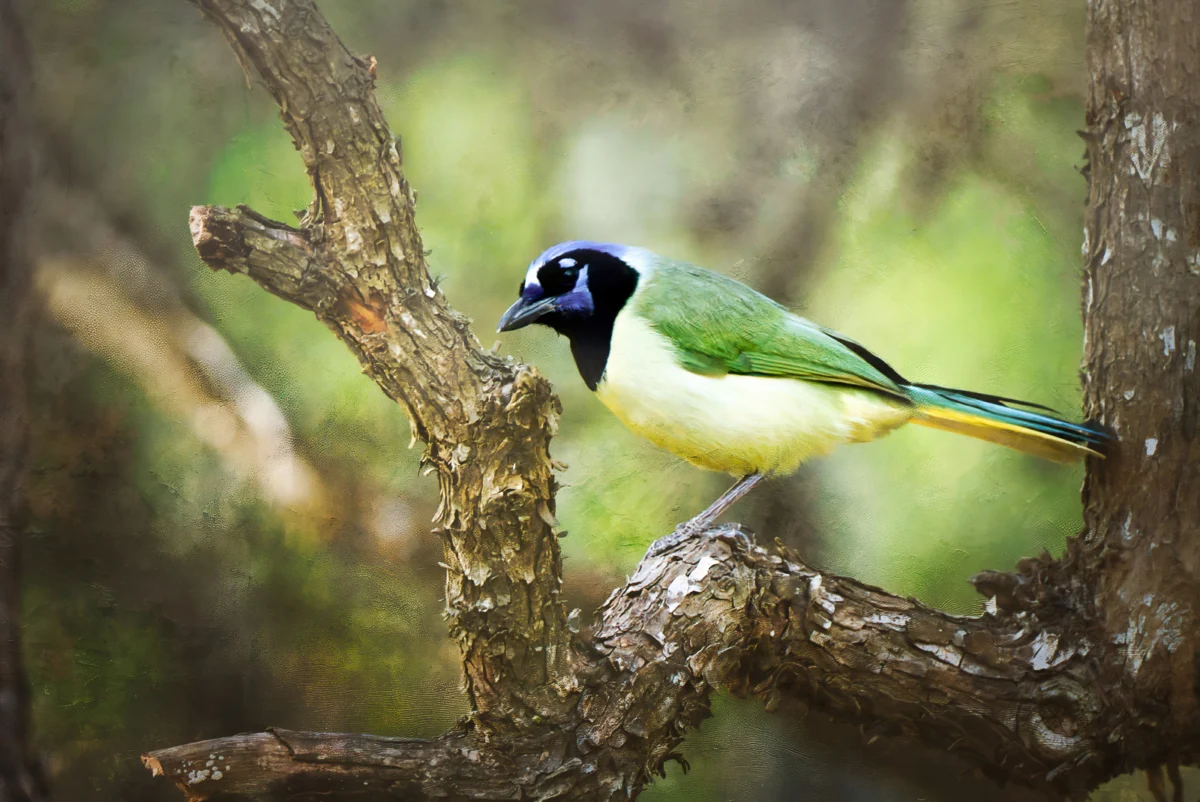
Lighting in photography stands as one of the most vital elements for visual artists and documentarians to master, consistently making the difference between a merely good photograph and a truly spectacular one. This fundamental principle extends across all genres, from capturing the golden hues of sunrise to documenting wildlife backlit by a setting sun, fundamentally shaping perception, mood, and detail within the frame. The strategic understanding and effective utilization of light are paramount to elevating photographic output to professional standards, influencing everything from visual storytelling to technical fidelity.
The Historical Evolution of Light in Photography

The journey of photography itself is intricately linked with the understanding and manipulation of light. In the nascent stages of photography during the 19th century, photographers were entirely reliant on natural light sources. Early portrait studios, for instance, were often designed with large skylights and north-facing windows to provide consistent, soft illumination. Pioneers like Julia Margaret Cameron demonstrated how natural light could imbue portraits with dramatic depth and emotional resonance, laying the groundwork for artistic expression through illumination.
The late 19th and early 20th centuries saw the advent of artificial lighting. Magnesium powder flash, though dangerous and cumbersome, revolutionized the ability to capture images in low-light conditions, enabling new forms of photojournalism and studio work. The subsequent development of flashbulbs and, later, electronic strobes in the mid-20th century provided photographers with unprecedented control over light intensity, duration, and direction. This technological progression allowed for increasingly sophisticated techniques, moving photography beyond mere documentation to a powerful medium for artistic interpretation and narrative construction. The transition from film to digital photography further expanded possibilities, offering instant feedback and advanced metering systems that refined the precision with which light could be managed.
The Science and Art of Illumination

At its core, photography is the art of capturing light. Understanding the scientific properties of light – its intensity, direction, color temperature, and quality (hard vs. soft) – is crucial. Intensity dictates exposure, while direction sculpts form and creates shadows that add depth and dimension. Color temperature, measured in Kelvin, influences the mood and realism of an image, ranging from the warm tones of candlelight to the cool hues of deep shade. The quality of light, whether harsh and direct or soft and diffused, profoundly impacts textures and highlights. Mastery of these elements allows photographers to translate a three-dimensional scene into a compelling two-dimensional image, guiding the viewer’s eye and conveying specific emotions or information.
Lighting in Wildlife Photography: Capturing Dynamic Moments
For wildlife photographers, the ability to understand and harness light is critical for creating images that truly stand out. Unlike studio photography, wildlife demands adaptability to often unpredictable natural light conditions and fleeting moments. Expert wildlife photographers emphasize the importance of observing how light falls on subjects, recognizing its qualities, and leveraging these to enhance the subject’s features and environment.

Techniques such as backlighting, particularly during the "golden hour" (shortly after sunrise or before sunset), can create dramatic rim lighting, separating the subject from the background and imparting a luminous glow. Side lighting emphasizes texture and form, revealing the intricate details of fur, feathers, or scales. Diffused light, often found on overcast days or in shaded forest environments, provides soft, even illumination that is excellent for capturing subtle colors and avoiding harsh shadows, crucial for close-up portraits of animals. The challenge lies in positioning oneself to optimize these natural light conditions, often requiring patience, fieldcraft, and a deep understanding of animal behavior. Ethical considerations also play a role, as artificial light sources, particularly flash, must be used judiciously to avoid disturbing wildlife. According to a recent survey among wildlife photography enthusiasts, over 80% believe that natural light mastery is the single most important factor in achieving award-winning images, underscoring its significance.
Lighting in Landscape Photography: Painting with the Sun
In landscape photography, light is not merely a tool but a primary subject, dictating the mood, atmosphere, and visual impact of an entire scene. Mastering lighting in landscape photography extends beyond understanding basic exposure; it involves the profound ability to identify, plan for, and adapt to ever-changing natural lighting conditions. The time of day significantly influences the quality of light. The "golden hour" bathes landscapes in warm, soft light, creating long shadows and rich colors that evoke a sense of tranquility or drama. The "blue hour," just before sunrise or after sunset, offers a cooler, ethereal light that can transform familiar scenes into something magical.

Beyond these well-known periods, skilled landscape photographers also consider how various weather conditions interact with light. Mist and fog can diffuse light, creating soft, atmospheric scenes, while storm clouds can produce dramatic contrasts and striking light rays. Techniques often involve anticipating light, using tools like sun-tracking apps, and understanding how topography influences shadow and light play. The goal is to use light to highlight key features, guide the viewer’s eye through the composition, and evoke the emotional essence of the landscape. Data suggests that landscape images captured during optimal lighting conditions consistently receive higher engagement rates and critical acclaim in photographic competitions.
Lighting in Underwater Photography: Piercing the Depths
Underwater photography presents unique and formidable challenges concerning light. Water acts as a filter, absorbing light wavelengths at different rates; red light disappears first, followed by orange, yellow, and green, leaving deeper waters predominantly blue or green. This phenomenon necessitates specialized lighting techniques to restore color and contrast to marine subjects.

Learning how to find, create, and use light effectively underwater is one of the most essential and difficult skills for an underwater photographer to acquire, yet it is precisely what makes images stand out. For shallow dives, ambient light can be sufficient, but strobes (underwater flashes) or continuous video lights become indispensable for deeper exploration. These artificial light sources serve multiple purposes: they illuminate the subject, restore lost colors, and create crucial contrast, separating the subject from the often monochromatic background. The direction and intensity of artificial light are meticulously controlled to sculpt the subject, highlight textures, and minimize backscatter (light reflecting off particles in the water). Whether photographing vibrant coral reefs, elusive macro life, or majestic ocean giants, mastering the interplay of natural and artificial light is paramount to capturing the true beauty and complexity of the underwater world. Experts in marine photography frequently cite the strategic deployment of strobes as a defining factor in professional-grade underwater imagery.
Lighting for Macro Photography: Revealing Hidden Worlds
In the intricate world of macro photography, where tiny subjects are magnified to reveal astounding detail, lighting remains an exceptionally critical element. Whether capturing the delicate structures of an insect, the intricate patterns of a flower, or the subtle textures of a mushroom, precise illumination is key to bringing these miniature worlds to life.

The challenges in macro photography often revolve around the shallow depth of field and the need to illuminate tiny subjects without creating harsh shadows or blown-out highlights. Natural light, diffused by overcast skies or filtered through foliage, can provide a soft, even glow, ideal for many macro subjects. However, artificial lighting—such as ring flashes, twin flashes, or small LED panels—offers greater control. These specialized lights can be positioned extremely close to the subject, allowing for precise sculpting of form and texture. Diffusers are frequently employed to soften the light, reducing harsh reflections and ensuring even illumination across the subject’s minute details. The goal is to reveal intricate patterns, textures, and colors that are invisible to the naked eye, demanding meticulous control over light direction, intensity, and quality to achieve striking results. Educational workshops in macro photography consistently rank lighting techniques as the most requested topic, reflecting its complexity and importance.
The Broader Impact and Future of Lighting Mastery
The ongoing pursuit of lighting mastery in photography transcends individual genres, serving as a cornerstone for visual communication and artistic expression globally. The proliferation of online tutorials, workshops, and advanced camera technologies underscores a widespread recognition of light’s transformative power. Photographers who skillfully wield light are not only able to produce aesthetically superior images but also to convey narratives, evoke emotions, and reveal perspectives with greater clarity and impact.

This mastery has significant implications for professional careers, where a photographer’s ability to consistently produce well-lit images can differentiate them in a competitive market. From commercial advertising to scientific documentation, the quality of light directly influences the effectiveness and credibility of photographic content. As imaging technology continues to evolve, offering new tools for light measurement, manipulation, and even computational photography that simulates complex lighting scenarios, the fundamental principles of understanding and applying light will remain timeless. The demand for photographers who possess this deep understanding is projected to grow, driven by the ever-increasing visual nature of global communication.
In conclusion, whatever the subject matter, lighting is an utterly crucial element to master for creating memorable and standout images. From the scientific principles governing its behavior to the artistic nuances of its application, light shapes every aspect of a photograph. Utilizing comprehensive guides and continuous practice, photographers can harness the profound power of lighting to elevate their work, transcend technical limitations, and forge a deeper connection with their audience.