
Every photographer, from the emerging enthusiast to the seasoned professional, inevitably encounters images that, despite meeting technical benchmarks for exposure, sharpness, and composition, fail to resonate with the intended visual impact. These photographs often feel incomplete, lacking the nuanced depth and emotional resonance that distinguishes a merely good shot from a truly stunning one. The critical difference frequently lies in the application of subtle, yet powerful, finishing touches during the post-processing phase. In an era where digital tools are constantly evolving, software like Luminar Neo is at the forefront of providing accessible solutions to these common creative challenges. Specifically, its Color Harmony feature, though often overlooked, offers a sophisticated suite of controls designed to inject that missing vitality into an image by refining tone, contrast, and color balance with precision.
The Evolution of Photographic Post-Processing: From Darkroom to Digital Intelligence
The journey of photographic enhancement has undergone a profound transformation, mirroring the broader technological advancements of the past century. What began as an intricate art form in the chemical darkroom, involving dodging, burning, and complex toning baths, transitioned into the digital realm with the advent of software like Adobe Photoshop in the late 1980s. Early digital editing was largely about replicating darkroom techniques, focusing on global adjustments and pixel-level manipulations that required significant technical expertise. Over the decades, editing platforms evolved, introducing layers, masks, and more intuitive interfaces. The modern era, however, is increasingly defined by artificial intelligence (AI) and machine learning, which have begun to democratize complex editing tasks, making sophisticated adjustments accessible to a wider audience.
Luminar Neo, developed by Skylum, exemplifies this new wave of AI-powered photo editors. Unlike traditional software that often requires meticulous manual adjustments, Luminar Neo leverages AI to understand image content and suggest or execute edits intelligently. This paradigm shift allows photographers to focus more on their creative vision and less on the technical intricacies of software operation. The Color Harmony tool, nestled within Luminar Neo’s Professional Tools section, is a prime example of this philosophy. While it might initially appear to be just another set of color sliders, its underlying design is rooted in a deep understanding of color theory and human perception, offering controls that go beyond basic saturation or hue shifts. Its placement, though perhaps contributing to its "overlooked" status, belies its strategic importance in achieving a polished, professional aesthetic.

Color Harmony: A Powerful Yet Underutilized Feature
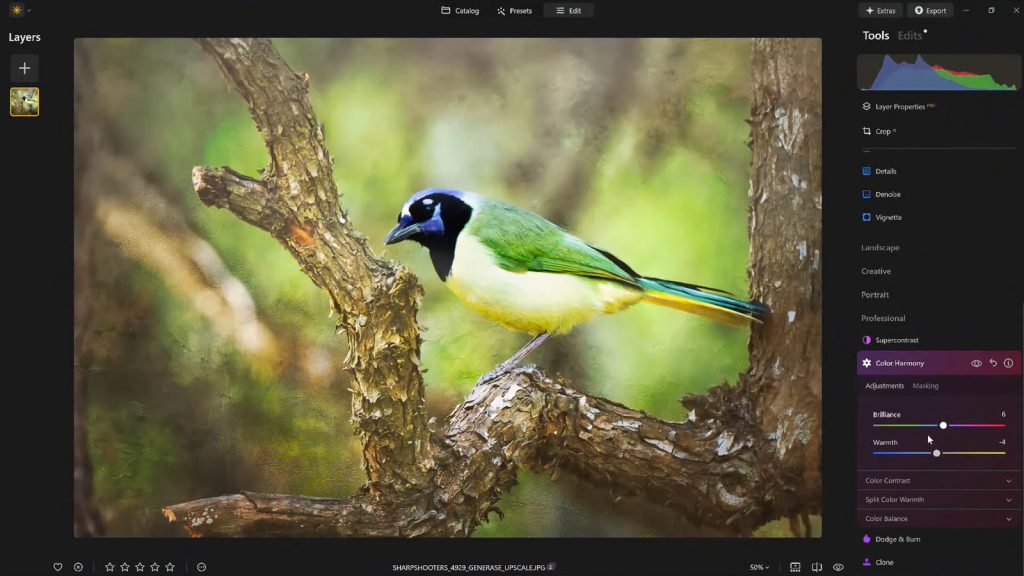
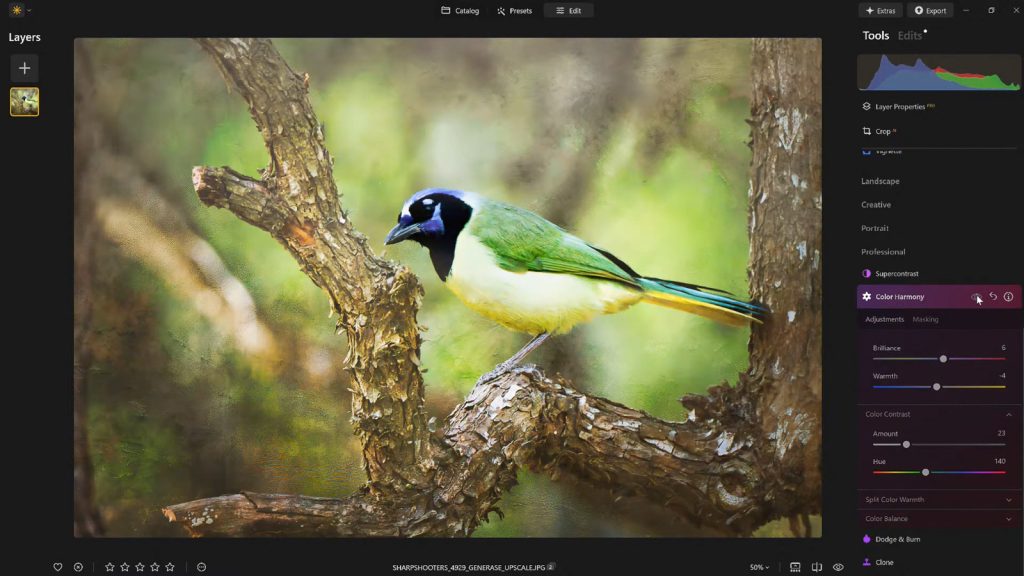
The essence of Color Harmony lies not in facilitating drastic, artificial transformations, but in introducing nuanced control over how colors interact and coalesce across an entire image. This suite of adjustments — Brilliance, Warmth, Color Contrast, Split Warmth, and Color Balance — provides photographers with the granular control needed to fine-tune their work, ensuring that every hue contributes positively to the overall narrative and mood of the photograph. Each parameter within the Color Harmony tool works synergistically, guiding the viewer’s eye, emphasizing the primary subject, and fostering a cohesive visual feel that aligns perfectly with the scene’s inherent mood and lighting conditions. This level of precise control is crucial for photographers who aim to develop a consistent and recognizable visual style, allowing for a refined interpretation of their raw captures.
Brilliance and Warmth: The Gentle Art of Enhancement
The initial adjustments within Color Harmony often begin with Brilliance. This slider offers a refined alternative to standard saturation controls, allowing photographers to increase or decrease the vibrance of colors without the harsh, oversaturated effects that can strip an image of its natural detail and realism. A slight boost in Brilliance can imbue colors with a richer, more luminous tone, enhancing their presence while preserving their organic qualities. The key, as with many advanced editing tools, lies in moderation; pushing the Brilliance slider too far can quickly lead to an artificial, almost cartoonish appearance. Experienced editors understand that a light, judicious touch typically yields the most impactful and aesthetically pleasing results, making colors pop subtly rather than scream.
Following Brilliance, Warmth addresses the emotional temperature of an image. Moving this slider to the right introduces a golden, inviting glow, effectively warming the scene. Conversely, shifting it to the left cools the image down, evoking a sense of calm, tranquility, or even starkness. The strategic application of Warmth is about more than just color correction; it’s about aligning the image’s temperature with its emotional tone. A subtle increase in warmth can transform a stark landscape into an inviting vista, or add a touch of nostalgia to a portrait. Conversely, cooling tones might enhance the dramatic feel of a stormy sky or the serene beauty of a winter scene. The objective is to add depth and atmosphere without allowing the color temperature to overpower or distract from the central subject. This delicate balance is what elevates an image from a mere recording to an evocative piece of art.

Mastering Color Contrast and Split Warmth for Depth and Definition
Beyond global adjustments, Color Harmony offers tools for more intricate color relationships. Color Contrast, for instance, is designed to amplify the visual tension between distinct color ranges, particularly between highlights and shadows. When applied judiciously, this feature can significantly enhance the perceived depth of an image, making elements within the frame stand out more prominently without resorting to aggressive sharpening or overprocessing. It allows colors to play off each other, creating a dynamic visual interplay that adds dimensionality. For instance, in a forest scene, increasing Color Contrast might make the verdant greens in the shadows more distinct from the sun-dappled golds in the highlights, creating a richer, more engaging visual experience.
Split Warmth provides an even more granular level of control, allowing for specific adjustments to warm and cool tones across different luminosity ranges. This tool becomes particularly invaluable when dealing with complex lighting scenarios, such as mixed lighting conditions (e.g., natural daylight combined with artificial indoor light) or when a photographer aims to create distinct color separation in layered compositions. For example, a photographer might use Split Warmth to introduce a subtle cool tone into the shadows of a sunset landscape, contrasting it with the inherent warmth of the highlights, thereby creating a more dramatic and aesthetically pleasing color grade. While not every image demands its application, for those complex situations where precise tonal separation is desired, Split Warmth proves to be an indispensable asset, offering a level of artistic control that traditional tools often lack.
Color Balance: Precision Toning for Consistent Grading
Perhaps one of the most sophisticated features within Color Harmony is Color Balance, which grants independent control over the color tones present in the shadows, midtones, and highlights of an image. This capability empowers photographers to make highly targeted adjustments, meticulously aligning the color cast of each tonal range with the desired atmosphere of the image. For instance, a slight shift of the midtones towards warmer hues can make a portrait feel more inviting and natural, while nudging the shadows towards a cooler blue can enhance the moodiness of a night scene. This level of independent control is critical for achieving a consistent color grade across an entire series of photographs, a hallmark of professional work.

The mastery of Color Balance is often seen as an advanced technique, but its understanding unlocks significant creative potential. It moves beyond simple white balance correction, allowing for artistic color grading that can define a photographer’s signature style. Once a photographer grasps the interplay between these tonal ranges, Color Balance becomes an indispensable tool for ensuring visual cohesion and emotional consistency, transforming individual images into a unified body of work. This is particularly relevant for projects like wedding albums, event coverage, or long-term documentary series, where maintaining a consistent aesthetic is paramount.
Strategic Vignetting: Guiding the Viewer’s Gaze
Once the intricate color adjustments are complete, the final, subtle touch that can profoundly impact an image’s storytelling potential is the judicious application of a vignette. A vignette subtly darkens the edges of a photograph, often combined with an "Inner Light" feature that brightens the center, thereby naturally drawing the viewer’s attention inward towards the primary subject. This technique creates a visual spotlight, enhancing focus and emphasis without the need for heavy masking or complex local adjustments. The art of vignetting lies in its subtlety; a well-applied vignette should be almost imperceptible, its effect felt rather than overtly seen.
Historically, vignetting was often an optical aberration in lenses, but it quickly became an artistic tool in the darkroom and, subsequently, in digital editing. In Luminar Neo, the vignette tool is designed for artistic control, allowing photographers to shape the viewer’s experience. When executed thoughtfully, vignetting enhances storytelling by directing the gaze, creating a sense of intimacy or drama around the main subject. It’s a quiet but powerful compositional aid, ensuring that the viewer’s eye lands precisely where the photographer intends, making the image more compelling and easier to interpret.
Optimizing Workflow: The Indispensable Role of Presets
In the fast-paced world of digital photography, efficiency and consistency are highly valued. After investing time and creative effort into dialing in the perfect look for an image using tools like Color Harmony and vignetting, saving the result as a custom preset is not merely a convenience; it is a fundamental aspect of a professional workflow. Presets ensure a consistent editing style across a body of work, a crucial element for establishing a photographer’s brand identity. Furthermore, they preserve the ability to revisit and refine the image later or to quickly apply a consistent baseline to other images within the same series or project.
The practical benefits of using saved presets extend beyond initial application. They provide a quick and reliable starting point for future edits, drastically reducing the time spent on repetitive tasks. This workflow also introduces a critical safeguard against over-editing, a common pitfall for many photographers. After stepping away from an image and returning with fresh eyes, it’s common to identify areas where adjustments might have been pushed too far. With a saved preset, the original effect can be reapplied at a reduced strength (e.g., 70-80%), allowing for iterative refinement and ensuring the core aesthetic is maintained while mitigating any excessive processing. This ability to dial back and fine-tune is a testament to the flexibility that a preset-driven workflow offers, empowering photographers to maintain creative control without sacrificing efficiency.
The Broader Implications: Democratizing Professional Post-Processing
The integration of advanced yet intuitive tools like Color Harmony within Luminar Neo carries significant implications for the broader photographic community. Such features democratize professional-level post-processing, making sophisticated color grading and tonal adjustments accessible to photographers who might not possess years of experience with complex software. This accessibility fosters creativity, allowing more individuals to realize their artistic visions without being bogged down by steep learning curves.
For various photography genres, this means a significant enhancement in output quality. Landscape photographers can more effectively convey the grandeur and mood of natural scenes, portrait photographers can achieve more lifelike and emotionally resonant skin tones, and commercial photographers can ensure brand consistency and visual appeal. The trend towards AI-driven photo editing software reflects a growing market demand for tools that are powerful, efficient, and user-friendly. Companies like Skylum, with their emphasis on intelligent automation and intuitive interfaces, are responding to this demand, pushing the boundaries of what is possible in digital image enhancement.
Vanelli, the Director of Education at Skylum and an accomplished photographer and educator, implicitly underscores this vision. His role in developing educational content and courses for photo editing, teaching industry leaders, and hosting the acclaimed Luminar Coffee Break show, reflects Skylum’s commitment to empowering creators. His contributions, including articles and educational videos, serve to demystify complex editing techniques, making them approachable for a wide audience. This proactive approach to education is vital in helping photographers fully leverage the capabilities of modern software, translating technical features into tangible creative outcomes.
A Finishing Touch That Defines Excellence
Ultimately, what truly sets apart a compelling image from a mediocre one is rarely a dramatic, overt alteration. Instead, it is often a carefully orchestrated series of subtle enhancements that collectively add depth, emotion, and cohesion. The Color Harmony tool in Luminar Neo, when combined with strategic vignetting and a thoughtful, iterative editing approach, provides photographers with precisely these capabilities. It allows for the creation of images that are not just technically sound, but also visually captivating and emotionally resonant.
For photographers seeking to add a layer of polish and professionalism to their work without resorting to overprocessing, these finishing tools within Luminar Neo offer an ideal balance of granular control and creative freedom. They represent a significant step forward in making sophisticated post-production techniques accessible, enabling photographers to transform their visions into impactful visual narratives.
As a special incentive for those ready to explore these capabilities, a 10% discount on Luminar Neo is available. Utilize the code NATURETTL at checkout to unlock this powerful suite of editing tools and begin transforming your photography.