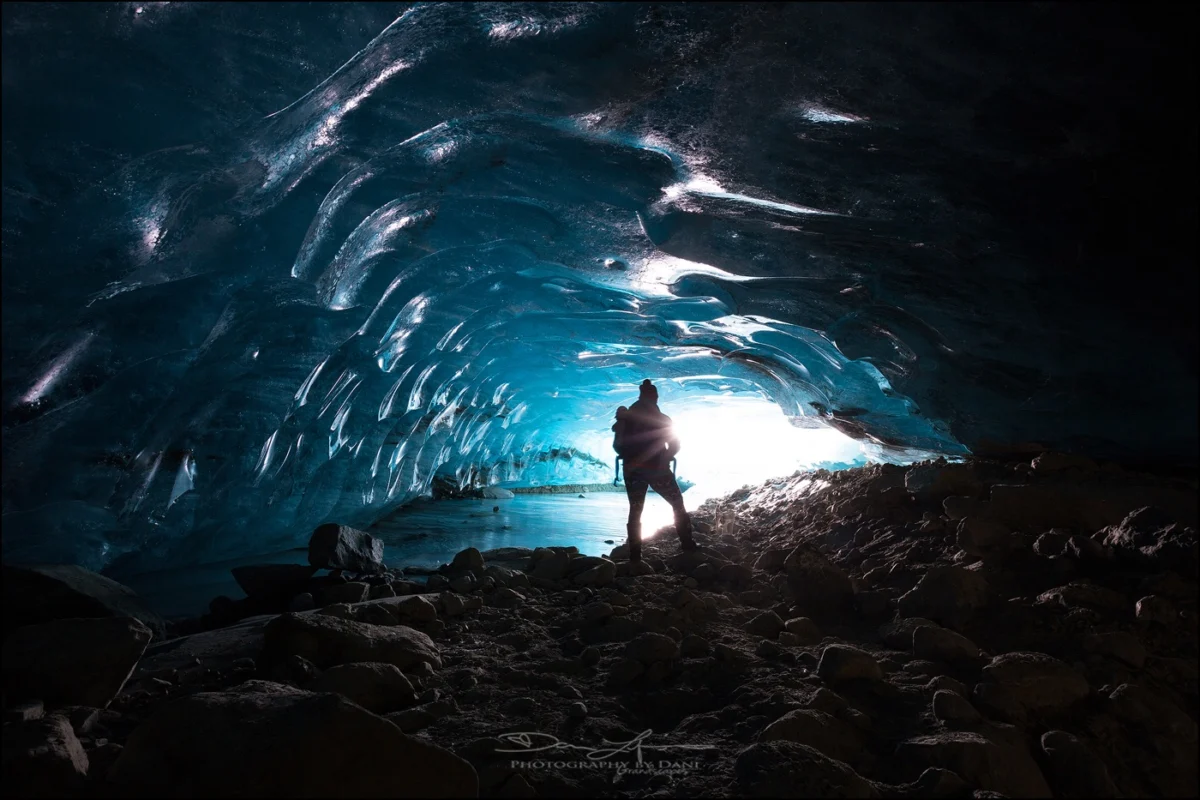
The ongoing interview series "From Amateur to Professional" delves into the transformative careers of established nature photographers, charting their artistic and professional evolution over time. This edition spotlights Dani LeFrancois, a distinguished landscape photographer and photo guide whose two-decade odyssey from a curious child with a point-and-shoot camera to a full-time professional based in the majestic Canadian Rockies offers invaluable insights into the dedication, adaptability, and passion required to thrive in the competitive field of nature photography. Her narrative provides a chronological account of her photographic progression, the pivotal moments that shaped her career, and the lessons learned along the way, serving as a beacon for aspiring visual artists.
The Genesis of a Passion: Early Inspirations in the Canadian Landscape
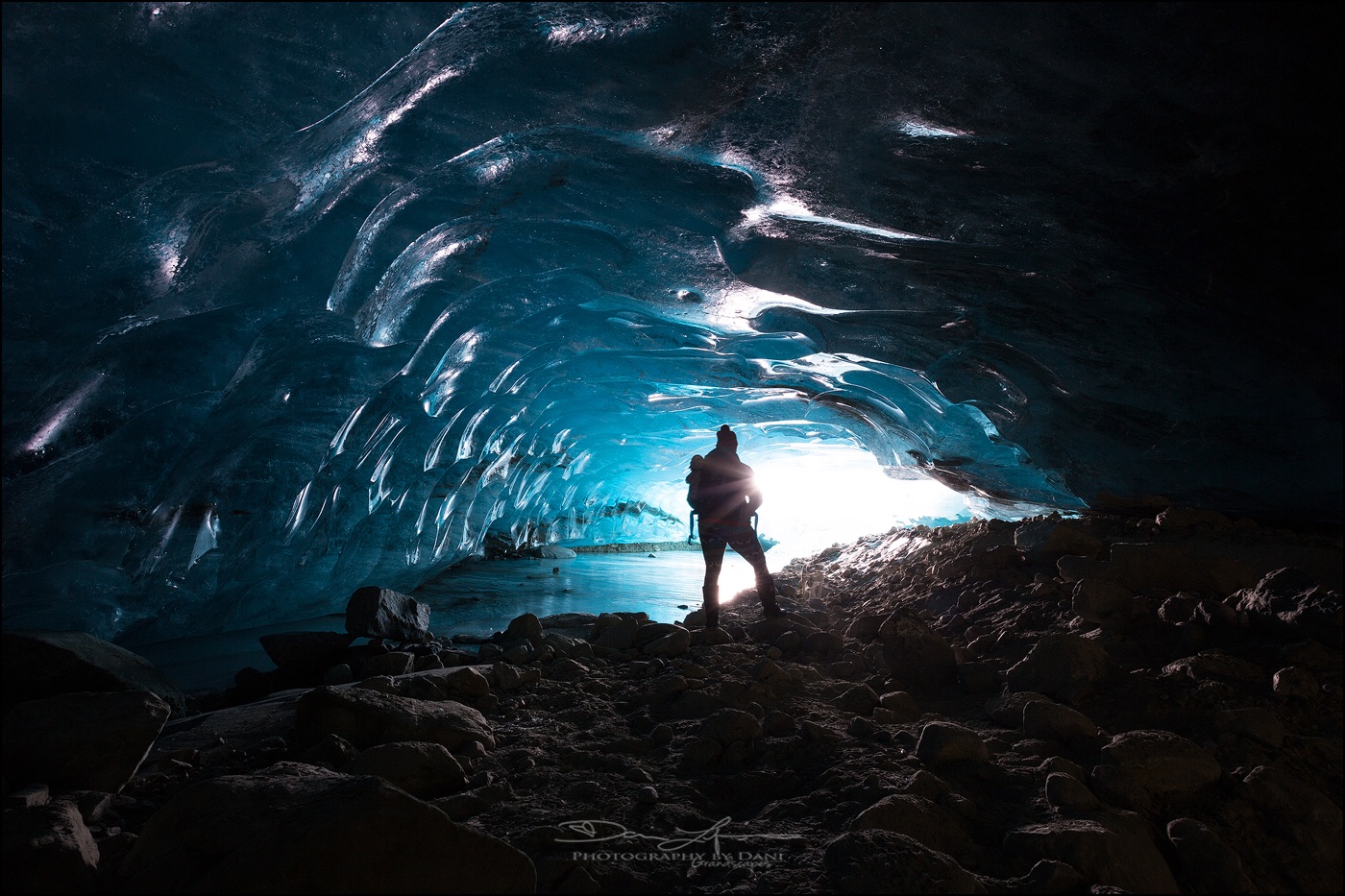
Dani LeFrancois’s photographic journey began not in a classroom, but in the heart of nature itself. Her early childhood was characterized by an innate connection to the outdoors, fostered through summers spent exploring at YMCA camps and family road trips across Ontario and Canada’s East Coast. This foundational experience cultivated a deep appreciation for the natural world, which would later become the central subject of her artistic endeavors.
The true "photography bug," as LeFrancois describes it, bit during her youth. Tasked with documenting family travels, she acquired a 2-megapixel point-and-shoot camera in anticipation of a trip to Alberta. This seemingly modest piece of technology became the catalyst for an enduring obsession. The act of capturing the diverse beauty of the Canadian landscape, from the rugged coastlines to the burgeoning grandeur of the West, ignited a spark that would define her life’s work. This initial foray into photography underscores a common theme among many nature photographers: an early, visceral connection to the environment often precedes the technical mastery of the craft. For LeFrancois, the vast and varied Canadian terrain, particularly the Rockies, remains her most profound inspiration, a testament to the power of place in shaping artistic vision.
Navigating Education and Self-Taught Mastery

LeFrancois’s burgeoning interest in photography led her to formal education, albeit briefly. A high school photography class proved instrumental, revealing her natural aptitude for composition—a fundamental skill in visual arts. This initial success prompted her to pursue higher education in photography. However, the academic curriculum, often geared towards commercial or studio photography, quickly proved incongruent with her burgeoning passion for nature. The realization that traditional college programs did not specialize in nature photography became a significant turning point, prompting her to forge her own path.
This self-directed approach is not uncommon in specialized creative fields. Many successful nature photographers develop their skills through extensive fieldwork, mentorships, and continuous experimentation rather than relying solely on institutional education. LeFrancois’s decision to leave college and "find her own way" into the nature photography field highlights the importance of intrinsic motivation and the pursuit of niche expertise. It also reflects a broader trend where online resources, workshops, and direct experience have become increasingly vital avenues for specialized learning in photography.
A Visual Retrospective: From Experimentation to Refined Artistry

LeFrancois’s early photographic portfolio, though not "groundbreaking" by external standards, holds a special place in her memory. She fondly recalls images like "Dual Vocals," a photograph that embodies the experimental spirit of her nascent days. These early works were crucial for developing her eye, allowing her to experiment with techniques such as delayed shutter effects and to capture spontaneous "found moments." They represent a period of uninhibited exploration, where every shot was a discovery and every composition a new lesson.
Comparing an early image like "Waterlogged," a detailed shot of a leaf adorned with water droplets captured during a college field trip, with a more recent professional landscape, reveals the evolution of her craft. "Waterlogged" exemplifies her early keen observation and patience, as she spent considerable time in low light to capture its delicate beauty while others rushed to a more obvious subject. This image, a favourite of her mother, serves as a poignant reminder to trust her instincts.
Her professional image, a stunning landscape captured during golden hour from an unconventional perspective in the Rockies, demonstrates a heightened mastery of light, composition, and a deeper understanding of her subject. Both photographs, despite their stylistic differences, share a common thread: they were born from moments where LeFrancois followed her intuition, diverging from the expected path. This underscores her enduring philosophy that the most compelling images often emerge when a photographer trusts their inner vision, regardless of external trends or pressures. Her ability to see beauty in both the minute details of a leaf and the grandeur of a mountain vista, and to capture them with intention, showcases a consistent artistic sensibility matured over two decades.

The Professional Ascent: A Decades-Long Transition
The aspiration to become a professional photographer solidified for LeFrancois in high school, fueled by the revelation that photography could be a viable career path. Initially, her understanding of professional photography was somewhat naive, imagining professionals maintained "real jobs" and pursued creativity as a side hustle. This perception began to shift during her brief college tenure when a professor declared all students professionals by virtue of their advanced studies.
However, the true transition was a protracted, hands-on process. After leaving college, LeFrancois actively sought diverse photographic experiences, immersing herself in wedding, concert, and portrait photography. This period, spanning several years, provided invaluable practical skills, client interaction experience, and business acumen—essential components for any successful professional photographer. She considers this phase, roughly ten years into her active focus on photography, as her entry into professional status.

The establishment of her own business followed two years later, marking a significant step towards self-employment. The ultimate milestone arrived seventeen years into her photographic journey, at the age of 32, when she "retired" from her "real job" to become a full-time professional photographer and photo guide. This transition was a culmination of years of persistent effort, skill development, and strategic career building. Her journey illustrates that becoming a full-time professional often requires a blend of artistic talent, diverse practical experience, entrepreneurial spirit, and a considerable investment of time and dedication. It also highlights the growing trend of photographers diversifying their income streams, with guiding and education becoming increasingly important alongside print sales and commissions.
A Pivotal Shift: From Competition to Collaboration and Education
A profound "eureka moment" reshaped LeFrancois’s professional trajectory: the realization that her true calling lay in guiding and educating rather than solely competing as a photographer. This shift was catalyzed by mentoring a friend, actively assisting them in developing their photographic vision and technique. This experience transformed her perception of the industry.

Previously, LeFrancois admitted to viewing photography as a competitive arena, where the first to post an image garnered the most recognition. This common sentiment reflects the pressures of social media and the desire for validation in a crowded digital space. However, as she immersed herself in helping other photographers in the field, guiding them through compositions and technical challenges, she found a deeper sense of fulfillment. The "competition melted away," replaced by a profound pride in her students’ achievements.
This transition from a competitive mindset to a collaborative and educational one is a testament to personal and professional growth. It highlights the often-underestimated joy derived from facilitating others’ success. For LeFrancois, this shift meant that seeing others succeed, even if it meant her own work was momentarily overshadowed, became her primary source of satisfaction. This evolution underscores the critical role of mentorship and community building within the photography world, where sharing knowledge and fostering talent can be as rewarding as creating one’s own masterpieces. Her commitment to teaching for the past eleven years further solidifies this dedication to empowering others, transforming her personal passion into a shared journey of discovery.
Revisiting Landscapes: An Intuitive Dialogue with Nature

LeFrancois expresses a deep affinity for revisiting photographic locations, a practice that forms a significant portion of her portfolio. For her, each return visit is an opportunity to engage in a continuous dialogue with the landscape, observing how it changes and evolves under different lights, seasons, and atmospheric conditions. This approach allows her to build a rich narrative around specific places, capturing their multifaceted beauty rather than just a single, static representation.
Her philosophy centers on capturing "something different from the familiar," whether it’s the subtle shifts in light, the dynamic interplay of elements, or the overarching transformation of the environment. This iterative process fosters a deeper connection to her subjects and encourages a more nuanced understanding of their visual potential. Her intuitive approach to photography, characterized by a lack of rigid structure or forced technique, allows her to respond organically to the moment. She prioritizes what "feels right," letting the landscape guide her lens rather than adhering to predetermined rules. This intuitive method often leads to more authentic and emotionally resonant images, distinguishing her work in a field that can sometimes be overly focused on technical precision.
Editing Philosophy: Efficiency and Authenticity

In an era where post-processing can significantly alter an image, Dani LeFrancois maintains a remarkably consistent and minimalist approach to editing. She openly admits to not enjoying the editing process, finding herself uninspired behind a computer screen. Consequently, the vast majority of her images undergo swift edits, typically completed within two to five minutes. This efficiency-driven method suggests a strong belief in capturing the image as accurately as possible in-camera, minimizing the need for extensive manipulation.
Her "old dog new tricks" sentiment regarding editing software reflects a resistance to constantly learn new techniques, preferring to stick with what is tried and true for her. While acknowledging that there might be "easier and better ways to do things," her steadfastness in her established workflow underscores a dedication to her artistic vision and a practical allocation of her creative energy towards shooting in the field. This approach prioritizes the raw, captured moment over elaborate digital enhancements, offering a refreshing perspective in a digital landscape often dominated by highly stylized imagery. It also serves as a reminder that effective post-processing doesn’t always equate to lengthy or complex interventions, but rather to achieving the desired aesthetic with intentionality.
Confronting Challenges: Confidence and Business Acumen

Throughout her career, LeFrancois identifies confidence as her most persistent challenge, paradoxically, except when she is actively shooting in the field. This distinction is crucial: when immersed in the intuitive act of capturing an image, she is "focused and in the zone," free from the self-doubt that can plague other aspects of a creative profession. This flow state, where composition and elements are instinctively understood, highlights the power of intrinsic passion in overcoming self-consciousness.
However, the peripheral aspects of photography—marketing, self-promotion, networking, and navigating the business landscape—continue to present challenges in finding her "fit." This struggle with confidence beyond the camera is a common hurdle for many artists, who often excel in their craft but find the entrepreneurial demands of a professional career daunting. It underscores the multifaceted nature of a professional photography career, which extends far beyond technical and artistic skill.
Her advice to her younger self—to take a business class and learn better photo backup strategies—speaks volumes about these ongoing challenges. A strong understanding of business principles, including marketing, financial management, and client relations, is often overlooked in artistic training but is critical for sustainability. Furthermore, the loss of old photographs due to inadequate backup is a lament shared by many photographers, highlighting the vital importance of robust digital asset management for preserving a lifetime of work. These two pieces of advice encapsulate the practical, often unglamorous, but absolutely essential elements for building a resilient and successful photography career.

Broader Implications for Aspiring Nature Photographers
Dani LeFrancois’s journey offers several profound implications for aspiring nature photographers. Firstly, it champions the power of self-directed learning and intuition. While formal education can provide foundational skills, the specialized nature of nature photography often necessitates a personalized path of exploration, experimentation, and deep engagement with the subject matter. Her intuitive shooting style demonstrates that a strong internal compass can be as valuable as rigid technical rules.
Secondly, her trajectory underscores the non-linear nature of a creative career. The transition from amateur to professional is rarely instantaneous, often involving years of diverse experience, strategic pivots, and the willingness to take on varied photographic work (weddings, concerts, portraits) to hone skills and build a sustainable income. Her 17-year journey to full-time professionalism at 32 highlights that dedication and perseverance are paramount.

Thirdly, the pivotal shift towards education and guiding reveals an alternative, highly rewarding career path within photography. Moving beyond competition to embrace collaboration and mentorship not only offers personal fulfillment but also addresses a growing demand for experiential learning in nature photography. This model of sharing knowledge and fostering community can be a sustainable and impactful way to contribute to the field.
Finally, LeFrancois’s candid reflections on challenges emphasize the crucial need for holistic skill development. Artistic talent must be complemented by practical business acumen and diligent archival practices. Aspiring photographers are encouraged to proactively seek training in business management and robust data backup solutions to ensure the longevity and financial viability of their careers. Her story is a compelling narrative of passion, adaptability, and the enduring rewards of finding one’s unique purpose within the vast and beautiful world of nature photography.
To explore more inspiring stories from the "From Amateur to Professional" series and gain further insights into the world of nature photography, readers are encouraged to subscribe to the free newsletter provided by Nature TTL.