In a compelling installment of our interview series, "From Amateur to Professional," we delve into the remarkable journey of Victor Soares, a distinguished nature photographer whose nearly two-decade-long dedication to capturing the natural world has culminated in a thriving professional career. Soares, a South African-born wildlife photographer now based in the UK, has seen his practices evolve, his techniques refined, and his passion transformed into a celebrated profession, leading tours across Europe and Africa while his work garners international recognition and publication. This feature explores the pivotal moments, technical advancements, and enduring philosophy that have shaped his trajectory, offering invaluable insights for aspiring photographers.
Early Inspirations and the Genesis of a Passion
Victor Soares’ profound connection with nature traces back to his childhood in South Africa, a land rich in biodiversity. "I have always loved nature and wildlife," Soares reflects, recalling his upbringing amidst the country’s vibrant ecosystems. Birds, in particular, captivated his imagination, serving as an early escape from a "dramatic world." He spent countless hours observing myriad species through binoculars, driven by an innate desire to understand and connect with them.
The advent of digital photography in the early 2000s marked an unforeseen turning point. In 2004, Soares acquired his first DSLR, a Canon 300D, primarily to document holiday memories. This period coincided with a significant technological shift in photography, making advanced cameras more accessible to enthusiasts. The Canon 300D, released in 2003, was a groundbreaking camera that democratized DSLR ownership, bringing high-quality digital imaging to a wider audience at an affordable price point. Its 6.3-megapixel sensor and robust feature set laid the groundwork for many amateur photographers, including Soares, to explore their burgeoning interest.
A fateful visit to a photo lab after a trip to Kruger National Park—one of Africa’s largest and most renowned wildlife reserves, celebrated for its exceptional game viewing opportunities—proved transformative. The lab owner, Johan Combrink, himself an avid wildlife photographer, displayed his own striking images. Handing over Soares’ holiday prints, Combrink offered a polite "nice pictures," to which Soares impulsively responded, "…but I want to take photos like that," pointing to a captivating image of a Cattle Egret. Combrink’s unexpected invitation to return the next day with his camera ignited Soares’ photographic journey. This mentorship, offered freely and generously, became a cornerstone of his early development. Soares spent "countless days" in Combrink’s shop, grappling with the intricacies of camera techniques and post-processing, enduring the "dark times" of initial poor results, but ultimately learning and improving under his guidance. This foundational relationship underscores the profound impact of mentorship in fostering emerging talent within specialized fields like wildlife photography.

The Evolution of a Lensman: From Novice Shots to Masterpieces
Soares’ early photographic attempts were ambitious yet rudimentary. He recalls a blurry, distant image of a Cormorant in flight, shot in terrible light with his initial Canon 300D. This particular image, which prompted his conversation with Combrink, has since been lost. In 2007, with a new Canon Rebel XT (an international version of the 400D/Digital Rebel XTi, which offered improved resolution and features over the 300D), Soares made a conscious decision to clear his past photographic slate, symbolizing a fresh start.
His first image captured with the new camera that he genuinely liked was a Steenbok from Kruger Park during a New Year’s trip in 2007. Reflecting on it now, Soares acknowledges its imperfections despite his initial fondness. "I cropped its feet, used the wrong aperture (f8), and shot in Aperture Priority (Av) mode, whereas I now mostly use Manual mode," he explains. At the time, AUTO ISO was not a standard feature, and high ISO settings significantly increased digital noise, limiting photographers to lower sensitivities like ISO 400. This technical analysis highlights the significant advancements in camera technology and Soares’ own growth in mastering photographic principles. While the image was a marked improvement, capturing the animal in focus and in decent light, it serves as a tangible benchmark of his progression from amateur instincts to a more sophisticated understanding of composition and technical control.

One of Soares’ most cherished photographs is a striking portrait of a yawning fox, captured after his relocation to the UK in 2016 and then to London in 2018. Having previously encountered only a handful of foxes, his fascination with these elusive creatures intensified. A tip from a friend led him to a small park in Sutton, London, home to a group of five foxes. One particularly amiable fox allowed for close interaction. The serendipitous moment occurred when this fox, having jumped a small hedge, settled into a bed of leaves and let out a dramatic yawn just as Soares was positioning himself.
The resulting image, captivating even on the camera’s small screen, truly "came to life" upon review on a larger display. Soares describes the visible detail of her "cold breath," the "glorious autumn colours," and the intricate detail of her teeth mid-yawn. The "shallow depth of field" and "thrown-out background" perfectly isolate the subject, emphasizing her "pose, her position, her grace." For Soares, this image transcended mere technical success; it was the realization of a "childhood fantasy." Growing up in Africa, red foxes were creatures of "fairytales"; in the UK, they became a tangible, photographic reality, underscoring the profound personal connection many wildlife photographers forge with their subjects.
Revisiting Wild Landscapes and Evolving Techniques

Soares’ photographic journey is marked by a continuous revisiting of subjects and locations, each return yielding new perspectives and refined techniques. While living in South Africa, game parks like Kruger were regular haunts, providing an immersive learning environment. He mastered the art of shooting from a vehicle, anticipating animal behavior, and identifying optimal vantage points—skills crucial for safari photography.
Now based in the UK, his visits to African parks are less frequent but more cherished. This distance has fostered a heightened appreciation and a more deliberate approach. "I’m much more conscious of things I may have taken for granted when I lived there: the sun’s direction, the quality of light, what’s in the background, what might spoil the foreground, and the angles to shoot from," he explains. Understanding animal behavior—interpreting actions and their potential impact on other wildlife—has become a central focus. This deeper engagement with the environment and its inhabitants reflects a shift from opportunistic shooting to a more contemplative, informed practice aimed at storytelling and capturing nuanced moments. Each safari now represents a fresh opportunity for learning and artistic growth.
Beyond Africa, Soares actively engages with UK wildlife, particularly during the annual deer rut. Initially drawn to the sheer spectacle of bellowing stags and occasional fights, his approach has evolved to seek out more subtle and artistic elements. He now looks for the "cold mornings creating ‘bellow steam’" or the way "autumn light breaks through the trees." Interactions between females, often overlooked in favor of the dominant stags, also capture his attention. Furthermore, he dedicates time to the "less favoured fallow deer," whose intense fights offer "epic photography" opportunities. This diversification of focus and search for unique visual narratives demonstrates a mature photographer’s continuous quest for innovation within familiar settings.

The Professional Leap: A Calculated Risk
The transition from a passionate amateur to a professional photographer was a gradual, deeply considered process for Victor Soares. The idea had been "brewing in my subconscious for many years," he reveals, acknowledging the significant hurdles involved. The financial realities of professional photography are often challenging, with many practitioners supplementing their income or viewing it as an extension of a hobby rather than a primary livelihood. As an engineer, Soares enjoyed a stable and comparatively lucrative career, making the leap a daunting prospect. He participated in competitions, achieving varying levels of success, but his commitment to photography was never full-time.
The catalyst for his professional pivot arrived unexpectedly in early 2024. After tentatively exploring avenues like leading photography trips and teaching in his spare time in 2023—activities that generated some income but paled in comparison to his engineering salary—Soares faced redundancy from his engineering firm. While initially a "shock decision," this unforeseen event presented a unique "opportunity to focus entirely on wildlife photography." His wife’s "instrumental" support and unwavering encouragement were crucial in enabling him to embrace this full-time commitment. Thus, in 2024, Victor Soares officially transitioned into a full-time professional wildlife photographer, a culmination of years of passion, skill development, and a decisive leap of faith.

Milestones and Validation: The NHM Recognition
Soares describes his journey as a series of "many turning points" rather than a singular "eureka moment." His South African heritage provided an unparalleled foundation, granting him early access to wildlife experiences that many in Europe might never encounter. The thrill of photographing a leopard, for instance, remains "magical" every time he encounters one through his viewfinder.
A particularly significant milestone occurred in 2012 when one of his images reached the final round of the Natural History Museum’s Photography Awards. Then known as the Veolia Environmental Awards, this competition is a precursor to the internationally acclaimed Wildlife Photographer of the Year, renowned for its rigorous judging process and global reach. In 2012, the competition received over 48,000 entries from across 98 countries, making Soares’ achievement of reaching the final round a monumental feat.

This recognition provided a profound sense of validation. "It was a moment in my photographic career where I felt, ‘Maybe I am good enough… maybe,’" Soares recounts. It was "an enormous feather in my cap," a testament to his burgeoning skill and artistic vision. Although the image did not progress to be displayed at the Natural History Museum, the memory of that achievement remains one of his "proudest turning points," recalled with deep fondness. His immediate, excited reaction—calling his wife in celebration and sending a "frantic" email to the organizers—underscores the emotional weight and significance of this early career validation.
Refining the Craft: Workflow and Artistic Vision
Soares’ photographic process has undergone continuous refinement and adaptation over the years. His willingness to "experiment," observe "other people’s work," and adapt to "modern techniques or different styles" is central to his growth. The most significant evolution, he notes, lies in how he captures and processes images.

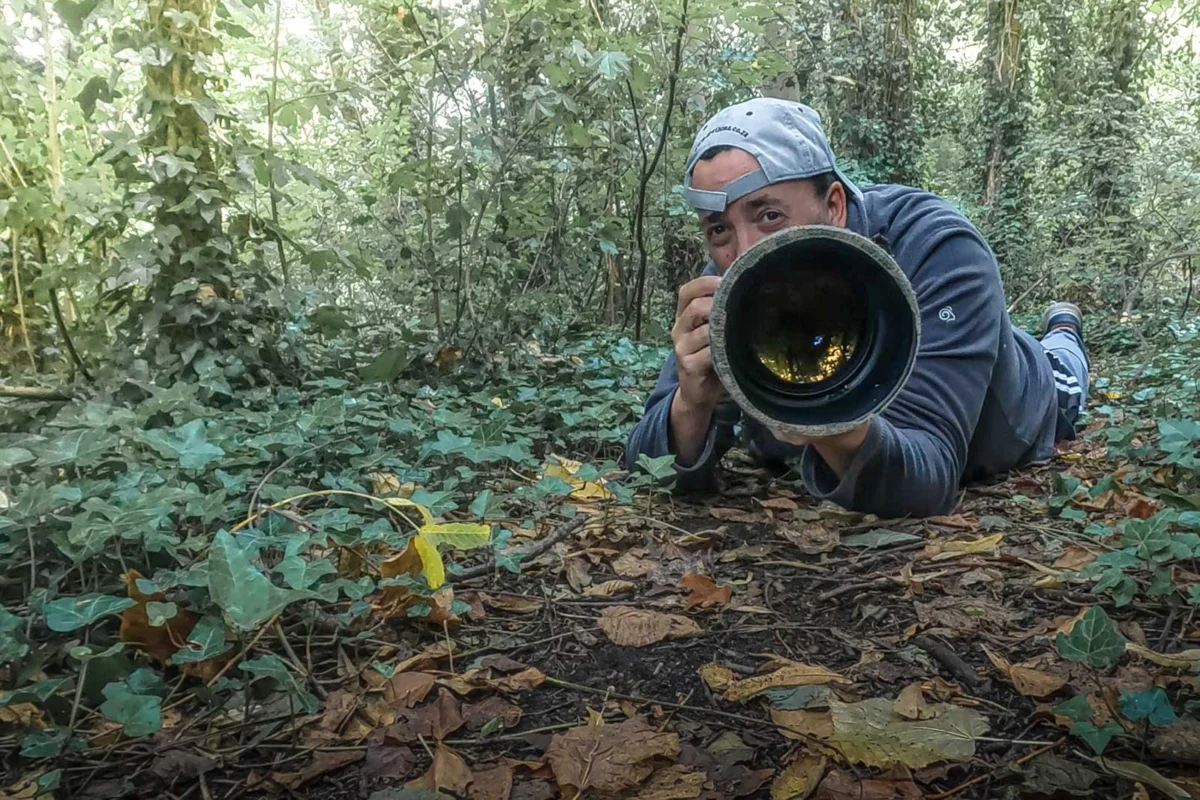
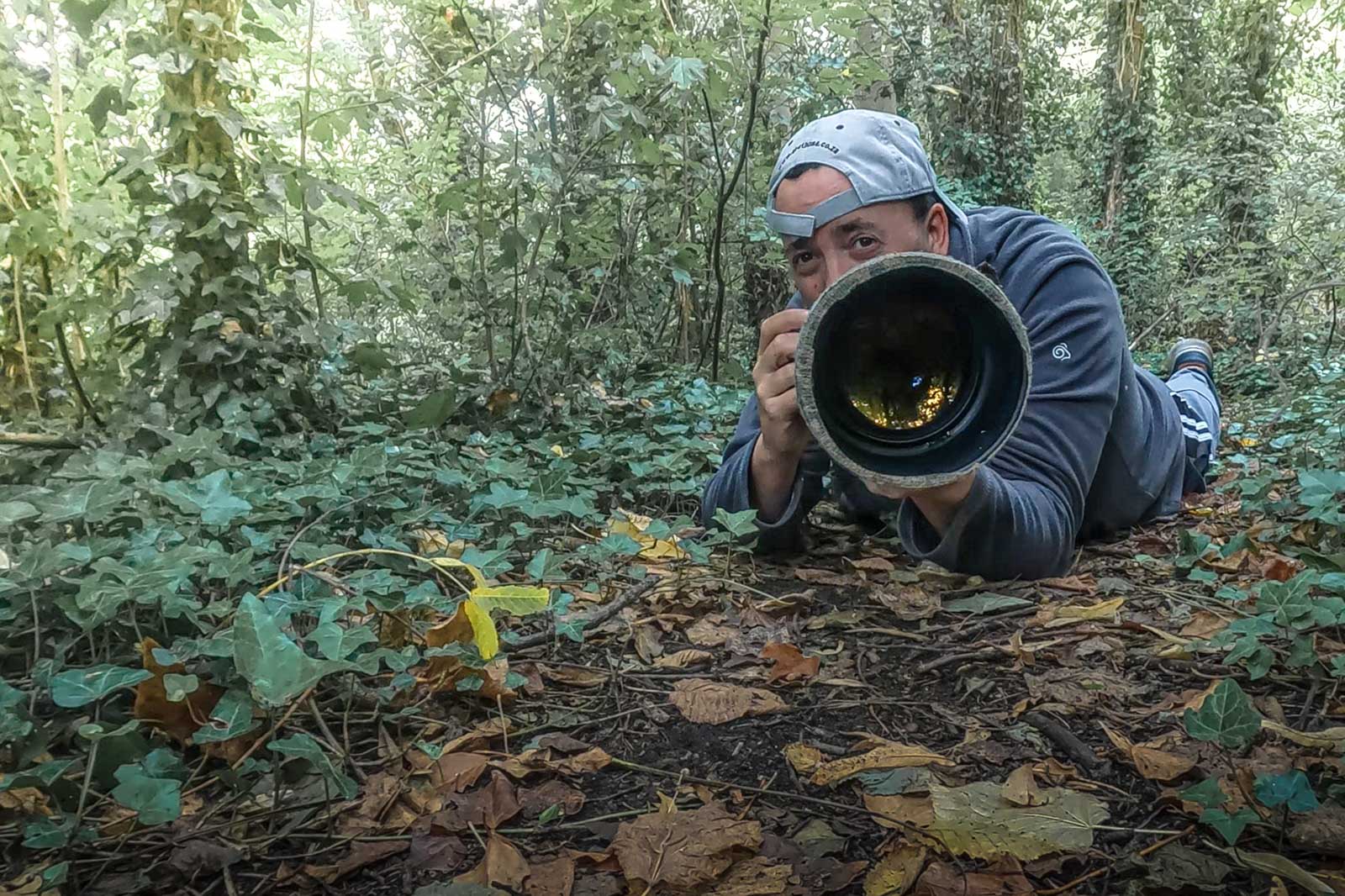
He now favors "low-down photography (as low as possible) with a very shallow depth of field." This technique, often requiring "expensive glass," is a worthwhile investment for him, with the 300 f/2.8 lens remaining a favorite due to its "phenomenal" results. This technical choice allows him to isolate subjects, creating intimate and impactful portraits of wildlife. Soares prioritizes the "point of interest" being in sharp focus, rather than adhering to the traditional notion of sharpness from front to back.
Beyond technical precision, his artistic vision has deepened to focus on portraying a creature’s emotion. He strives to create images that convey "calm, anger, fear, cunning, eagerness, desperation, resolve." While acknowledging this is often "easier in mammals than in birds," this pursuit of emotional depth adds a crucial layer of "reality to the animal," transforming mere documentation into evocative storytelling. This artistic evolution reflects a move beyond simply capturing an animal’s likeness to revealing its inner world and connection to its environment.
Navigating Challenges and Embracing Perseverance

The path to photographic mastery is rarely without its obstacles, and Soares openly discusses his "biggest challenge" when starting out: "finding the motivation to keep going." Surrounded by the impressive work of established photographers, it was easy to feel inadequate, believing one could "never be as good as your heroes and role models." This self-doubt is a common hurdle for many aspiring artists.
Soares’ wisdom lies in reframing this perspective: "What I have learnt is that you place these photographers on that pedestal yourself; that’s why they are role models. They will probably always seem better than you, in your eyes anyway, and you will continue to strive towards that." The key, he emphasizes, is "to keep going. Persevere." He advocates for embracing criticism, both positive and negative, as opportunities for growth and continuous learning. In today’s demanding world, balancing family, work, and societal pressures with artistic pursuits can be overwhelming, yet Soares reiterates the importance of persistence. His current challenge, therefore, remains the continuous battle against self-doubt and the relentless pursuit of improvement in a competitive and ever-evolving field, where sustained motivation is paramount.
Timeless Wisdom: The Virtue of Patience

When asked for a single piece of advice to his past self, Soares unequivocally states, "be patient." In an era that often demands "immediate results," he notes a tendency to overlook the present journey in favor of future aspirations. "We seldom reflect on what we are doing right now and how far we’ve already come." This impatience can lead to neglecting fundamental skills, with progress often mistakenly measured by new camera features rather than true photographic ability. "If a new camera had a higher frames-per-second rate, I thought I was quicker. If it had more focus points, I assumed I could focus better. But that’s not true unless I already had the skills to be quick and focus accurately and hence take full advantage of the camera feature."
His current perspective, informed by age and experience, is one of greater self-patience. The rapid advancements in photographic technology, while beneficial, can distract from mastering the core "art and basics of photography"—elements that "will endure much more than any feature ever will."
Patience, Soares stresses, is not merely a virtue but a "critical" component of wildlife photography itself. Many of the most impactful images are born from "hours spent watching and observing the wild." The "action-filled and impressive images we see often result from" this dedicated waiting. Being patient and anticipating the "best moments" is, therefore, essential for capturing the fleeting beauty and drama of the natural world.

Continuing the Journey: Lifelong Learning and Community
With nearly 20 years dedicated to photography, Victor Soares maintains an unwavering commitment to learning. "I learn something new almost every day," he asserts. His engagement with the photographic community remains strong, including active participation in a camera club, where he gains "insights from the experience and techniques of other members." He diligently reads photography articles and magazines, which consistently provide "news, tips, and techniques that fuel my curiosity." Collaborative shooting with other photographers also offers invaluable opportunities to "enjoy their company while benefiting from their photographic approaches."
Soares’ final piece of advice encapsulates his journey: "don’t be afraid to ‘put yourself out there’." Showcasing one’s work and being open to criticism is vital for growth. Both "positive and negative feedback are opportunities to reflect and develop – listen to them equally." This philosophy of continuous learning, open collaboration, and resilient self-assessment underscores the dynamic and evolving nature of a successful career in wildlife photography. Victor Soares’ story is not just one of personal achievement, but a testament to the power of passion, perseverance, and an enduring respect for the natural world.