Lighting in photography is one of the most vital elements to master and can make the difference between a good photo and a spectacular one. The skillful manipulation of light transforms a mere capture into a compelling visual narrative, shaping mood, defining texture, and guiding the viewer’s eye. This fundamental principle holds true across every photographic discipline, from sweeping landscapes to intimate macro studies, and from dynamic wildlife encounters to the depths of the ocean.
The Indispensable Role of Light in Visual Storytelling
At its core, photography is fundamentally the art of "drawing with light." Without light, there is no image. However, merely having light is insufficient; it is the understanding and control of light that separates the novice from the master. Light dictates the exposure, influences color rendition, creates shadows that add depth and dimension, and highlights subjects to draw attention. Whether capturing the golden hues of sunrise, the dramatic shadows of a dense forest, or wildlife silhouetted against a setting sun, an astute awareness and effective use of light will invariably elevate photographic output to new heights of artistic expression and technical proficiency.

The importance of lighting extends beyond mere aesthetics. It profoundly impacts the emotional resonance of an image. Soft, diffused light often evokes a sense of tranquility or tenderness, while harsh, directional light can convey drama, intensity, or starkness. The choice of lighting can reveal character, conceal imperfections, or emphasize specific features, making it a powerful tool for visual communication. This comprehensive guide aims to illuminate the intricate world of photographic lighting, offering insights and tutorials tailored for nature photographers across various specialized fields.
A Historical Perspective on Photographic Illumination
The journey of photographic lighting mirrors the evolution of photography itself. Early photographic processes, such as daguerreotypes in the mid-19th century, were heavily reliant on natural light due to the low sensitivity of the photographic materials. Photographers sought out bright, even daylight, often necessitating long exposure times and posed subjects. The sun was the primary, and often only, light source available, leading to a focus on outdoor portraiture and landscape studies that could accommodate these technical limitations.
The late 19th century saw the advent of artificial lighting. Magnesium flash powder, though dangerous and difficult to control, offered the first real alternative to daylight, enabling photography in low-light conditions and indoors. This marked a pivotal shift, giving photographers unprecedented freedom. The early 20th century brought more refined studio lighting, including carbon arc lamps and incandescent bulbs, which allowed for greater control over light direction and quality. Innovators like George Hurrell in Hollywood’s golden age became masters of studio lighting, sculpting faces with light and shadow to create iconic cinematic portraits.

The mid-20th century witnessed the rise of electronic flash units, which became more portable and reliable, revolutionizing photojournalism and allowing for dynamic action shots. Today, the landscape of photographic lighting is rich with diverse tools, from sophisticated multi-strobe setups and continuous LED panels with adjustable color temperatures to advanced light modifiers like softboxes, umbrellas, and reflectors. Computational photography further pushes boundaries, with technologies like High Dynamic Range (HDR) imaging and AI-driven light adjustments expanding the possibilities for capturing and manipulating light post-capture. This rich history underscores a consistent truth: the pursuit of better lighting has always been central to photographic advancement.
The Fundamental Qualities of Light: A Photographer’s Palette
To master lighting is to understand its inherent qualities and how they interact with the subject and environment. These qualities serve as a photographer’s primary palette, shaping every aspect of the final image.
-
Direction: The angle from which light strikes the subject significantly alters its appearance.

- Front Lighting: Illuminates the subject evenly, minimizing shadows and texture, often resulting in a flatter image. Ideal for revealing detail.
- Side Lighting: Creates strong shadows and highlights, emphasizing texture, form, and depth. It can add drama and three-dimensionality.
- Backlighting: Positions the light source behind the subject, creating a halo effect (rim light) or a dramatic silhouette. Excellent for separation from the background and evoking mood.
- Top Lighting (Overhead): Common during midday, it creates strong shadows under brows and noses, often considered unflattering for portraits but can add drama to landscapes or architectural shots.
- Bottom Lighting: Less common naturally, but used creatively with artificial sources, it can produce an eerie or unnatural effect, often seen in horror films.
-
Quality (Hard vs. Soft): This refers to the harshness or gentleness of the shadows created.
- Hard Light: Produced by a small, direct light source (e.g., direct sun, bare flash). It creates sharp, well-defined shadows and high contrast, often emphasizing detail and drama.
- Soft Light: Produced by a large, diffused light source (e.g., overcast sky, softbox). It creates gradual transitions from light to shadow, minimizes contrast, and flatters subjects with smooth tones.
-
Color Temperature: Measured in Kelvin (K), this describes the color cast of the light.
- Warm Light (Lower K): Yellow, orange, red tones (e.g., sunrise/sunset, incandescent bulbs, candlelight). Evokes warmth and nostalgia.
- Cool Light (Higher K): Blue, green tones (e.g., open shade, clear blue sky, fluorescent lights). Can convey coolness or a clinical feel. Understanding color temperature is crucial for setting white balance correctly in-camera or during post-processing.
-
Intensity: The brightness of the light, which directly impacts exposure. Too little light requires higher ISO or longer exposure times, while too much can lead to overexposure. Controlling intensity is vital for achieving the desired brightness and contrast.
Mastering these qualities allows photographers to consciously choose and manipulate light to achieve their artistic vision, rather than simply reacting to ambient conditions.

Lighting in Specialized Photographic Genres
The application of lighting principles varies significantly across different photographic genres, each presenting unique challenges and opportunities.
Lighting in Wildlife Photography
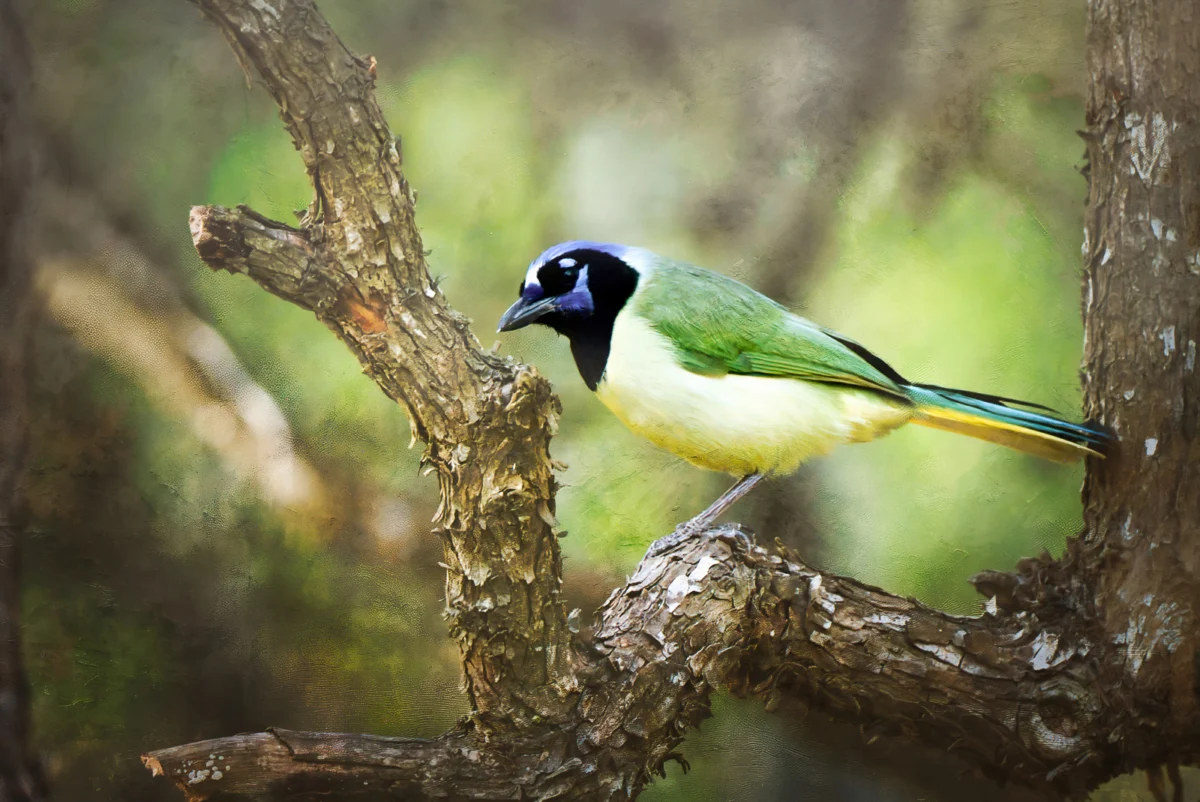
To create truly standout images of wildlife, it is paramount to understand how light falls, the qualities it possesses, and how to harness it within the often unpredictable environment of nature. Wildlife photographers frequently operate under dynamic conditions where controlling the light source is rarely an option. Instead, the skill lies in understanding animal behavior in relation to light and positioning oneself strategically.

- Catchlights and Eye Contact: A crucial element in compelling wildlife portraits is the "catchlight" – a sparkle of light in the animal’s eye. This tiny reflection adds life and connection to the subject, and it is primarily achieved by ensuring the light source, natural or artificial, is angled to reflect in the eye.
- Backlighting for Drama: Backlighting can be incredibly effective in wildlife photography, creating stunning rim lighting that outlines the animal against a darker background, separating it and adding a dramatic glow. This technique is particularly powerful during the golden hour when the low sun casts a warm, soft light. However, it requires careful exposure metering to prevent the subject from becoming a complete silhouette unless that is the desired artistic effect.
- Soft Light for Detail: Overcast days or open shade provide beautifully soft, diffused light that is ideal for revealing intricate details, textures, and subtle colors in an animal’s fur or feathers. This even illumination minimizes harsh shadows, resulting in a flattering and detailed portrayal.
- Ethical Considerations: When using artificial light sources like flash, wildlife photographers must prioritize the animal’s welfare. Excessive or improperly used flash can disturb or disorient wildlife. Many professionals advocate for minimal flash use, or the use of diffusers and low power settings, to avoid stressing subjects.
- Expert Insight (Inferred): Renowned wildlife photographer, Dr. Anya Sharma, often states, "For wildlife, light is a gift you must anticipate. You can’t ask a lion to move into better light, so you must move yourself, or, more often, wait. Patience, combined with an intimate knowledge of how light changes throughout the day in a given habitat, is your most powerful tool." This highlights the importance of observation and adaptation in this challenging field.
Lighting in Landscape Photography
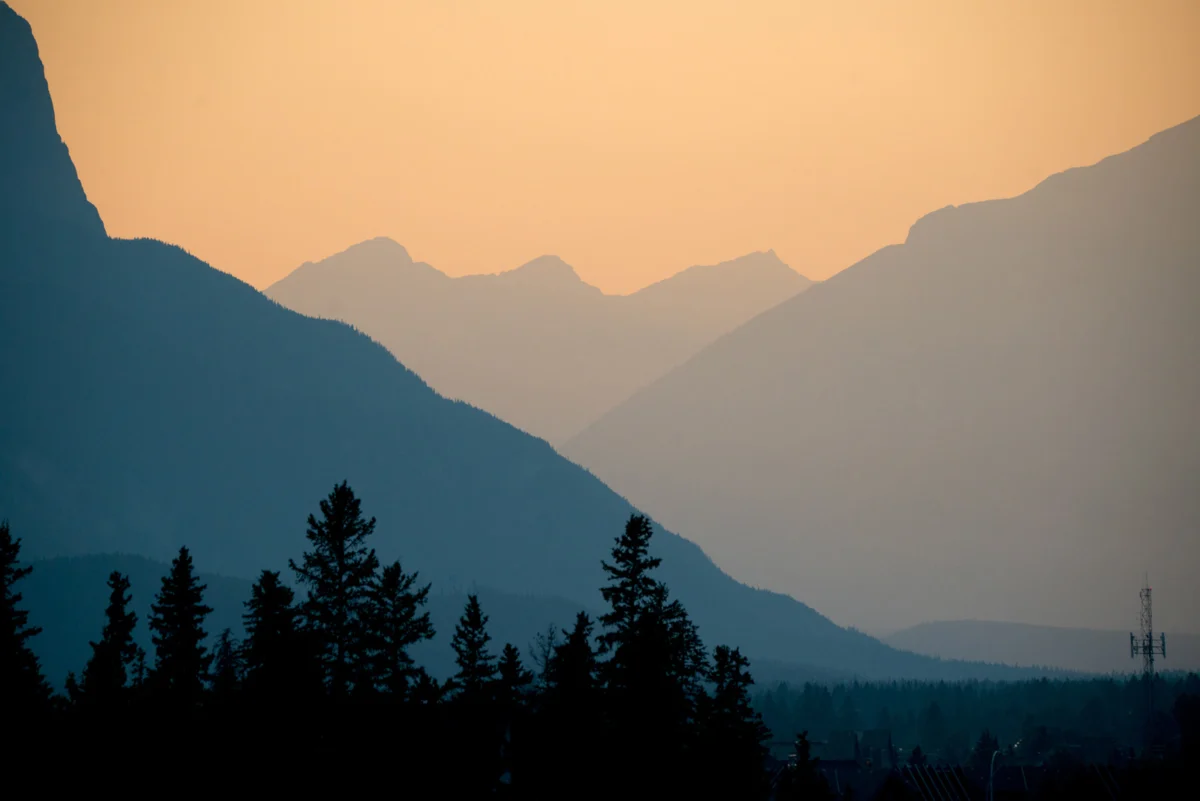
Understanding lighting in landscape photography extends far beyond merely mastering exposure. One of the most powerful skill sets a landscape photographer can possess is the ability to identify, plan for, and adapt to ever-changing lighting conditions. The very essence of a landscape image is often defined by the quality of light present.
- The Golden and Blue Hours: These periods around sunrise and sunset are universally cherished by landscape photographers. The "golden hour" bathes the scene in warm, soft, directional light, creating long, dramatic shadows and vibrant colors. The "blue hour," occurring just before sunrise or after sunset, offers a cool, ethereal light, perfect for capturing cityscapes or tranquil natural scenes with a distinct mood.
- Overcast Skies and Mist: While many photographers chase direct sun, overcast conditions or misty weather can provide a soft, even light that flattens contrast and saturates colors, making them ideal for forest scenes, intimate landscapes, or waterfalls. Mist and fog add an incredible sense of atmosphere and depth, often enhanced by subtle backlighting.
- Using Light for Depth and Dimension: Side lighting, especially prevalent during the golden hours, can dramatically sculpt a landscape, revealing the contours of mountains, the textures of rock formations, and the undulations of dunes. The interplay of light and shadow creates a sense of three-dimensionality that flat, front lighting cannot achieve.
- Planning and Adaptation: Successful landscape photography heavily relies on planning. Tools like Sun Surveyor or PhotoPills allow photographers to predict the sun’s path and plan their shots accordingly. However, nature is unpredictable, and the ability to adapt to sudden changes in light – from a clearing storm to an unexpected cloud formation – is equally vital.
- Expert Insight (Inferred): According to environmental artist and landscape photographer, Elias Vance, "Light is the soul of the landscape. It’s not just about capturing a beautiful scene, but about capturing the feeling of that scene, and light is the primary conduit for emotion. You learn to read the sky, to feel the light, and to anticipate its dance with the earth." This emphasizes the emotional and intuitive aspect of landscape lighting.
Lighting in Underwater Photography
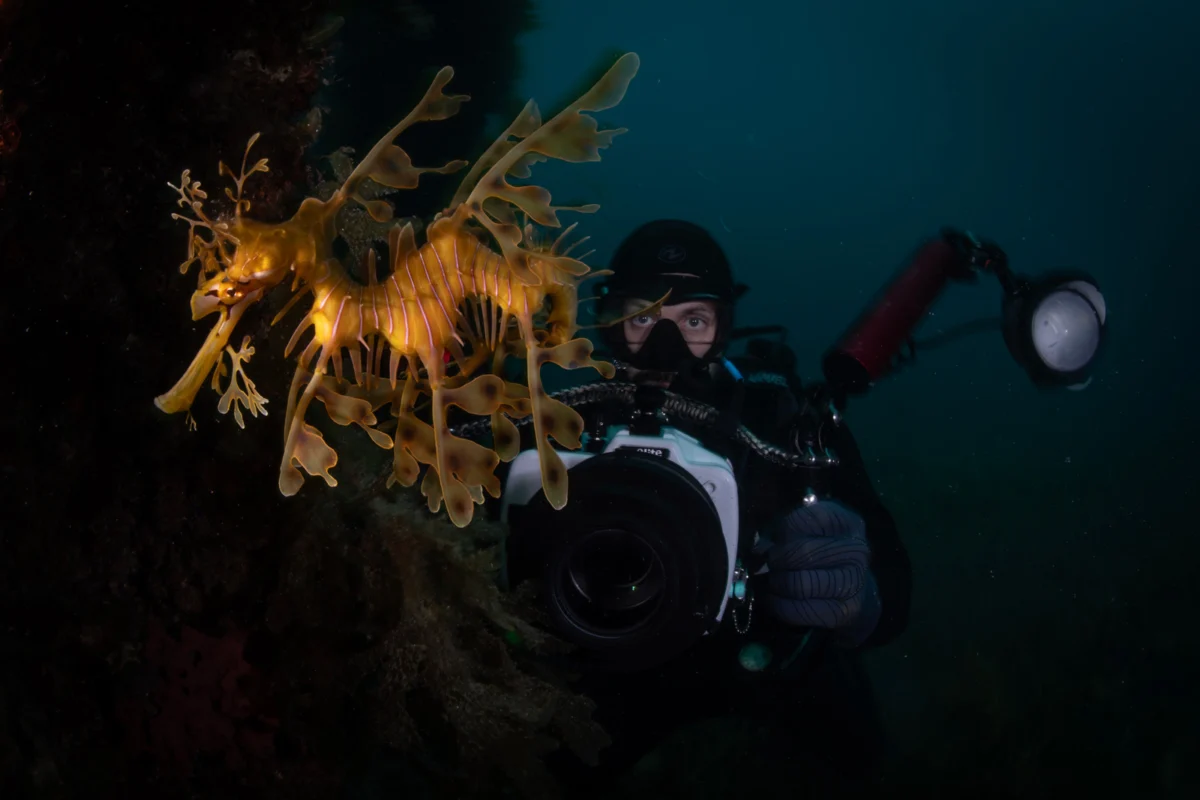
Learning how to find, create, and use light underwater can be one of the most essential and simultaneously difficult skills to master, but it is one that will make your photography stand out from the crowd. Water acts as a filter, absorbing light and color at different rates, profoundly altering the visual environment.

- Light Attenuation and Color Shift: As light penetrates water, its intensity diminishes rapidly, and colors are absorbed. Red is the first to disappear, followed by orange, yellow, and green, leaving predominantly blue and green tones at depth. This necessitates the use of artificial light to restore true colors and contrast.
- Strobes and Video Lights: Underwater photographers heavily rely on external strobes (flashes) or continuous video lights to compensate for light loss and color shifts. Strobes provide a powerful burst of light, freezing motion and restoring vibrant colors. Video lights are excellent for macro subjects, allowing for constant illumination and precise focusing.
- Balancing Ambient and Artificial Light: A common technique involves balancing the ambient blue light of the water with the artificial light from strobes. This allows for a natural-looking background while illuminating the foreground subject with full color and detail. Careful positioning of strobes is crucial to avoid "backscatter" – reflections off particles in the water.
- Diffusers and Snoots: Diffusers spread the light from strobes, creating a softer, more even illumination, which is particularly beneficial for close-up macro shots. Snoots, on the other hand, narrow the light beam, allowing for creative spotlighting effects on small subjects.
- Expert Insight (Inferred): Marine biologist and award-winning underwater photographer, Dr. Lena Hansen, emphasizes, "The underwater world is a realm of blue. To bring out the vibrant reds of a coral or the intricate patterns of a nudibranch, artificial light isn’t just an option; it’s a necessity. Mastering strobe placement is akin to learning a new language – it takes practice, but the rewards are breathtaking." This highlights the technical complexity and specialized gear required for impactful underwater imagery.
Lighting for Macro Photography
Whether photographing amphibians or insects up close, or the finer details found in nature, lighting remains a critical element in macro photography. The extreme magnification inherent in macro work amplifies every detail, including the nuances of light and shadow.
- Shallow Depth of Field: Macro photography typically involves a very shallow depth of field, making precise focus and careful lighting even more crucial. Light can be used to isolate the subject from a busy background.
- Controlled Illumination: Small subjects require precise and often diffused light. Natural light, while sometimes effective, can be inconsistent. Overcast days or open shade provide soft, natural diffusion.
- Specialized Macro Lighting: Ring flashes, which encircle the lens, provide even, shadowless illumination, ideal for revealing intricate textures without harsh shadows. Twin flashes or dual strobes mounted on flexible arms offer greater control, allowing photographers to shape light from different angles, creating depth and dimension. Small LED panels are also popular for continuous light, aiding in focusing and composition.
- Diffusers and Reflectors: Even with specialized flashes, diffusers (e.g., small softboxes, translucent materials) are often used to soften the light, preventing harsh hotspots and glare on reflective surfaces of insects or wet plants. Small reflectors can bounce light back into shadow areas, reducing contrast.
- Expert Insight (Inferred): Botanist and macro photography specialist, Professor Kenji Tanaka, notes, "In the micro-world, light isn’t just illumination; it’s a sculptor. A tiny drop of dew, an insect’s iridescent wing – these come alive under the right light. It’s about precision, patience, and often, creating your own tiny studio in the field." This underscores the precision and creative control needed in macro lighting.
The Broader Impact and Future of Lighting in Photography
The mastery of lighting is not merely a technical skill; it is a profound artistic endeavor that underpins the entire photographic medium. Its implications extend across the professional landscape, impacting everything from commercial advertising and photojournalism to fine art and scientific documentation.

The continuous evolution of lighting technology, particularly with the rise of affordable, powerful LED lights and increasingly sophisticated camera flash systems, has democratized access to advanced lighting techniques. Amateurs now have tools previously reserved for professionals, blurring the lines and raising the overall standard of photographic output. This accessibility also fuels a robust market for lighting equipment and educational resources, demonstrating the enduring demand for knowledge in this critical area. The global photography equipment market, valued at approximately $10 billion annually, sees a significant portion dedicated to lighting solutions, reflecting this trend.
Furthermore, computational photography is set to revolutionize how we interact with light. Features like intelligent exposure bracketing, in-camera HDR, and AI-driven scene analysis are becoming standard, offering photographers more latitude in challenging lighting conditions. Future advancements may include even more sophisticated real-time light rendering and manipulation, allowing for unprecedented creative control. However, these technological aids do not diminish the importance of understanding fundamental lighting principles; rather, they empower photographers to execute their vision with greater precision and flexibility.
- Industry Perspective (Inferred): According to market analysts at "