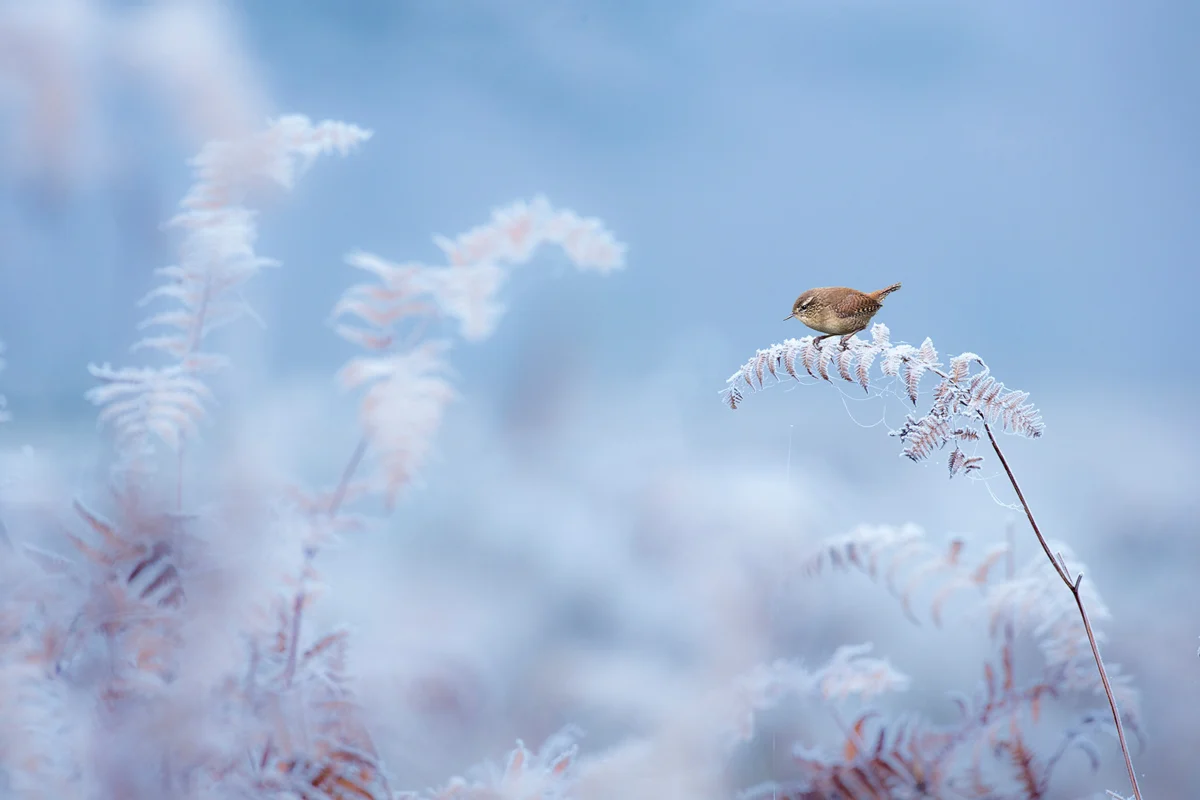
Passerine birds, often referred to as perching birds, constitute the vast order Passeriformes, representing an extraordinary evolutionary success story that accounts for more than 6,500 species, or over half of all avian life on Earth. These remarkably adaptable creatures are globally ubiquitous, thriving across diverse ecosystems from manicured gardens and dense forests to expansive open fields and rugged mountainous terrain. Their defining anatomical feature—a unique foot structure with three toes pointing forward and one facing backward—provides an unparalleled grip, enabling them to perch securely on slender branches, reeds, and wires, a characteristic that underpins their common nomenclature.

The appeal of passerine birds to wildlife photographers is multifaceted. Their widespread distribution ensures accessibility, offering aspiring and seasoned photographers alike ample opportunities to hone their craft close to home. Yet, their diminutive size, rapid movements, and often skittish nature present considerable technical and artistic challenges. Successfully capturing the essence of a vibrant goldfinch in flight or the serene intensity of a robin on its perch demands not only precision in camera operation but also a deep understanding of avian behavior and habitat. The reward, however, is immense: compelling images that not only showcase the birds’ intrinsic beauty but also contribute to public appreciation and, indirectly, conservation efforts.
Understanding Passerine Diversity and Behavior
To effectively photograph passerine birds, a foundational understanding of their biology and ethology is paramount. The order Passeriformes is incredibly diverse, encompassing families such as Fringillidae (finches), Paridae (tits), Turdidae (thrushes), Sylviidae (warblers), and Hirundinidae (swallows), among many others. Each family, and indeed each species, exhibits unique characteristics in terms of plumage, vocalizations, foraging strategies, and social structures.
Identification and Observation: Learning to identify species, not just by sight but also by their distinctive songs and calls, is an invaluable skill for photographers. Passerines are often highly vocal, and their calls can betray their presence even when hidden within dense foliage. Resources such as bird field guides, online databases, and local ornithological societies offer comprehensive information on species-specific traits, distribution maps, and seasonal behaviors. Spending dedicated time observing birds without a camera—noting their feeding patterns, favored perches, flight paths, and interactions—builds critical foresight, allowing a photographer to anticipate movements and be prepared for fleeting photographic opportunities.
Habitat and Feeding Habits: Passerines occupy a broad spectrum of habitats. Sparrows and finches are common in urban and suburban environments, readily frequenting garden feeders. Warblers prefer dense undergrowth and woodland edges, while swallows are aerial insectivores often seen near water bodies and open fields. Understanding these habitat preferences guides photographers to the most promising locations. Many species are omnivorous, consuming seeds, insects, and fruits, while others are specialized. For instance, tits are often insectivorous but also enjoy seeds and suet, particularly in colder months. This knowledge informs strategies for attracting birds to a specific area for photography.

Creating an Optimal Photographic Environment
One of the most effective strategies for consistent passerine photography, especially for beginners or those with limited mobility, is establishing a dedicated feeding station in a garden or suitable outdoor space. This approach not only provides predictable opportunities but also contributes to local bird populations, particularly during periods of food scarcity.
Strategic Feeding Station Setup:

- Food Variety: Offer a diverse selection of high-quality seeds (black oil sunflower, nyjer, millet), nuts, suet blocks, and even mealworms or chopped fruit. Different food types attract different species, enhancing photographic diversity. For instance, goldfinches are drawn to nyjer, while robins prefer mealworms and fruit.
- Feeder Placement: Position feeders in areas that receive good natural light, ideally with a soft, diffused background that is far enough away to render out of focus, creating pleasing bokeh. Avoid overly open spaces, as passerines are wary of predators and prefer proximity to cover like shrubs or trees, offering escape routes.
- Hygiene Protocols: Regular cleaning of feeders is non-negotiable to prevent the spread of diseases such as salmonella and avian pox. A mild bleach solution (1 part bleach to 9 parts water) should be used, followed by thorough rinsing and drying before refilling. This ethical practice ensures the health and safety of the avian visitors.
- Water Source: A clean, shallow water source is a powerful attractant. Bird baths or purpose-built reflection pools can draw additional species and provide dynamic opportunities for capturing birds bathing, drinking, or preening, often yielding captivating reflections. When setting up a reflection pool, consider the background; reflections of trees or foliage are generally more aesthetically pleasing than a bright, washed-out sky.
The Art of the Perch:
The choice and placement of perches are crucial for creating aesthetically pleasing images that convey a sense of natural habitat.
- Natural Aesthetics: Seek out natural elements such as moss-covered branches, lichen-encrusted twigs, or sprigs of seasonal blossom. These organic textures and colors can significantly enhance the visual appeal of an image, complementing the bird’s plumage and adding authenticity.
- Strategic Positioning: Perches should be positioned to receive optimal natural light, allowing for experimentation with front-lighting, side-lighting, and even backlighting during the golden hour. The background should be clean and uncluttered, ensuring the bird remains the focal point. Photographers often attach attractive perches near feeders, encouraging birds to land on them before approaching the food, thereby offering a more natural photographic setup.
- Ethical Sourcing: Ensure any natural perches are sourced responsibly and do not disrupt existing ecosystems. The goal is to create a setup that appears organic and harmonious with the bird’s environment, avoiding anything that looks artificial or "contrived."
Mastering Technical Precision
Passerine photography demands a high level of technical precision due to the subjects’ size and speed. Appropriate camera settings and equipment are essential for capturing sharp, well-exposed images.

Essential Camera Settings:
- Shutter Speed: To freeze the rapid movements of passerine birds, a fast shutter speed is imperative. For static or perched birds, a minimum of 1/1000th of a second is recommended. For birds in flight or during dynamic interactions, increasing the shutter speed to 1/2500th of a second or higher is often necessary to eliminate motion blur.
- Aperture: A wide aperture, typically ranging from f/2.8 to f/5.6, is favored to create a shallow depth of field. This technique effectively isolates the bird from its background, resulting in a pleasingly blurred "bokeh" effect that accentuates the subject. When shooting close-up portraits, a slightly smaller aperture (e.g., f/5.6 or f/8) might be needed to ensure critical sharpness across the bird’s eye and chest feathers, especially if the bird is not perfectly perpendicular to the lens.
- ISO: Do not shy away from increasing your ISO sensitivity in low-light conditions to maintain a sufficiently fast shutter speed. Modern camera sensors perform remarkably well at higher ISOs, and a sharp image with some digital noise is almost always preferable to a clean but blurry one. Post-processing software can effectively manage noise reduction.
- Focus Mode: Continuous autofocus (AI Servo on Canon, AF-C on Nikon, or equivalent) is crucial for tracking moving subjects. Many contemporary cameras offer advanced eye-detection autofocus, which can be incredibly effective for locking onto a bird’s eye. If eye-detection struggles in complex environments, switching to single-point or group autofocus, keeping the focus point centered on the bird, provides maximum accuracy.
- Burst Mode: Utilizing the camera’s continuous high-speed shooting mode allows photographers to capture a sequence of frames in quick succession, significantly increasing the chances of freezing the "decisive moment" – a bird mid-takeoff, an interaction, or a perfect head-turn.
- Manual Focus / Pre-focusing: For highly predictable actions, such as a bird flying from a known perch to a feeder, manual pre-focusing can be advantageous. By focusing on a specific point along the anticipated flight path and firing a burst as the bird enters that plane of focus, photographers can achieve sharp images where autofocus might struggle to keep up.
Composition and Artistic Framing
Beyond technical settings, strong composition is the backbone of visually striking passerine photographs. It transforms a mere record shot into a captivating image.

- Rule of Thirds: This fundamental compositional guideline involves dividing the frame into nine equal sections with two horizontal and two vertical lines. Positioning the bird at one of the four intersecting points (power points) or along one of the lines generally creates a more dynamic and balanced composition than simply centering the subject.
- Incorporating the Environment: Instead of always aiming for a tight portrait, consider including elements of the bird’s natural habitat. A wide shot showing a tiny bird against a backdrop of autumn leaves or spring blossoms can tell a richer story, providing context and a sense of place.
- Eye Level Perspective: Photographing birds at their eye level creates a more intimate connection with the subject, drawing the viewer into the bird’s world and conveying a sense of respect and empathy. This often means getting low, even lying on the ground.
- Negative Space: Deliberately leaving empty space around the bird can enhance the image’s impact by emphasizing the bird’s solitude or vulnerability, guiding the viewer’s eye, and creating a sense of balance. When utilizing negative space, ensure the bird is looking or moving into the space, creating visual harmony.
- Leading Lines: Natural elements like branches, tree trunks, or even subtle changes in foliage can act as leading lines, directing the viewer’s gaze towards the subject and adding depth to the composition.
- Backgrounds and Foregrounds: Always strive for clean, uncluttered backgrounds. Distant, out-of-focus backgrounds enhance subject separation. Pay attention to colors in the background, ensuring they complement rather than clash with the bird. Similarly, carefully chosen foreground elements, blurred to enhance depth, can add layers to the image.
Documenting Behavior and Interactions
The true artistry in wildlife photography often lies in capturing dynamic behaviors and interactions, transforming a simple portrait into a narrative. Passerines, being social and active, offer a wealth of such opportunities.
- Feeding Habits: Documenting birds foraging for food, drinking from water sources, or caching seeds provides insights into their daily lives.
- Vocalizations and Displays: During breeding season, many passerines engage in elaborate vocal displays to attract mates or defend territories. Capturing a bird mid-song, with its beak open, can be a powerful image.
- Social Dynamics: Observe interactions between birds, such as territorial disputes over food or mates, courtship rituals, or cooperative feeding. These moments, though challenging to photograph due to their speed, can yield highly engaging action shots. When multiple birds are in the frame, a slightly smaller aperture might be necessary to ensure all subjects are in focus, necessitating a corresponding increase in ISO to maintain shutter speed.
- Parental Care: Witnessing parents feeding their chicks or teaching fledglings to fly offers incredibly tender and compelling photographic subjects. Such moments require extreme patience and, most importantly, an unwavering commitment to ethical photography, ensuring no disturbance to the birds or their vulnerable young. Observing from a safe, discreet distance, preferably from a hide, is crucial.
- Maintenance Behaviors: Images of birds preening their feathers, bathing vigorously, or dust-bathing not only showcase their meticulous hygiene but also offer opportunities for capturing intricate feather details and dynamic splashes of water.
Patience, prolonged observation, and a profound respect for the subjects are the bedrock of successful behavioral photography. By understanding their routines and nuances, photographers can anticipate moments and be ready to capture them.

Recommended Equipment for Passerine Photography
While passion and skill are paramount, appropriate equipment can significantly enhance success in passerine photography.
- Camera Body: A modern DSLR or mirrorless camera with fast, reliable autofocus capabilities is ideal. Models offering high frame rates (10 frames per second or more) are particularly beneficial for capturing fast-moving subjects. Advanced autofocus systems, especially those with animal eye-tracking, are a significant advantage.
- Lenses: A telephoto lens of at least 300mm is generally required to photograph birds from a respectful distance without causing disturbance. Longer focal lengths, such as 500mm or 600mm primes, are highly desirable for their ability to achieve greater subject isolation and diffuse backgrounds. Tele-zoom lenses (e.g., 150-600mm or 100-400mm) offer excellent versatility for framing and composition across different situations.
- Tripod: A sturdy tripod is indispensable for stability, especially when using heavy telephoto lenses or shooting for extended periods from a hide. A gimbal head or a robust ball head is recommended for smooth tracking of moving birds.
- Concealment: A portable hide, camouflage netting, or even a purpose-built bird photography hide can significantly increase opportunities by allowing photographers to get closer to birds without being detected, thus minimizing stress to the animals.
- Accessories: A remote shutter release helps minimize camera shake, particularly when the camera is pre-focused. High-speed memory cards are essential to keep up with burst shooting, and carrying extra batteries ensures no missed shots during long sessions. A good pair of binoculars and a field guide are also invaluable tools for observation and identification.
Ethical Considerations: The Photographer’s Responsibility
At the heart of all wildlife photography, especially with easily disturbed subjects like passerines, lies a profound ethical responsibility. The primary tenet is to "do no harm." This includes:

- Maintaining Distance: Always keep a respectful distance to avoid altering natural behaviors, flushing birds, or causing undue stress, particularly near nests or during breeding season.
- Avoiding Baiting: While feeders are acceptable when managed responsibly, baiting that habituates birds to unnatural food sources or alters their foraging patterns should be avoided.
- Minimizing Disturbance: Use hides and camouflage to blend into the environment rather than actively pursuing birds. Never trim vegetation or alter habitats for a better shot.
- Respecting Nesting Sites: Nesting birds are highly vulnerable. Photography near nests should only be undertaken from a very long distance with a super-telephoto lens, or avoided entirely if there is any risk of disturbance, which could lead to nest abandonment.
Conclusion
The world of passerine bird photography offers a rich and rewarding pursuit, blending technical skill with an intimate appreciation for nature. From the smallest wren to the most vibrant finch, these ubiquitous birds provide endless subjects for creative expression and a continuous learning experience. By diligently understanding their behavior, meticulously setting up an ethical photographic environment, mastering camera settings, and employing thoughtful compositional techniques, photographers can consistently capture stunning images that convey the charm, dynamism, and delicate beauty of these remarkable avian inhabitants. Whether in one’s own garden or a local park, embracing the challenge of photographing passerines is an invitation to step outside, observe, and immerse oneself in the enchanting tapestry of the natural world, fostering a deeper connection and contributing to a broader appreciation for avian life.