The close of the previous year often prompts introspection, not merely on personal achievements and setbacks, but also across industries, as evidenced by the comprehensive analysis of rental and purchase data shared with the community. As the calendar turns, the focus shifts unequivocally to the future, outlining ambitious goals and forecasting technological advancements. For platforms like LensRentals.com, 2026 represents a pivotal year for achieving strategic objectives, concurrent with an anticipated evolution in photographic and videographic equipment. This detailed projection examines five critical areas poised for significant development in the coming year, driven by consumer demand, manufacturing innovation, and evolving creative workflows.
The Resurgence of Third-Party Lens Innovation
The landscape of lens manufacturing for mirrorless camera systems is on the cusp of a significant transformation, promising a return to the diverse and competitive market that characterized the pre-mirrorless era. For over a decade, photographers and videographers operating with DSLR systems from Canon, Sony, or Nikon benefited from an extensive array of third-party lens options. Manufacturers such as Sigma, Tamron, and Tokina offered compelling alternatives, often providing exceptional optical quality and unique focal lengths at more accessible price points than their first-party counterparts. This robust competition fostered innovation and provided creatives with unparalleled choice.
However, the industry’s wholesale pivot to mirrorless camera systems introduced new, proprietary lens mounts – notably Canon’s RF mount and Nikon’s Z mount – presenting significant barriers for third-party manufacturers. The technical complexities of developing for these new mounts, coupled with potential intellectual property considerations and the absence of official licensing agreements, severely limited the initial availability of non-native lenses. While Sony’s E-mount system saw a comparatively rapid proliferation of third-party offerings, primarily due to its earlier market entry and potentially more accessible development environment, Canon and Nikon users have faced a more restricted selection.
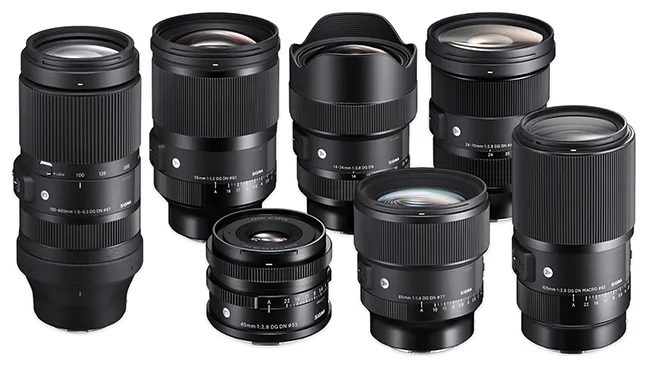
Recent developments, however, indicate a shift in this dynamic. Industry analysts observe a renewed commitment from major third-party players like Sigma and Tamron to penetrate the RF and Z mount markets. This push is fueled by growing market maturity, increased demand from a rapidly expanding user base, and potentially evolving manufacturer policies regarding third-party development. The initial challenges of reverse-engineering or securing official specifications are gradually being overcome, leading to announcements and releases of new lenses tailored for these systems. For instance, Sigma has already demonstrated its capability with the L-mount alliance and its extensive E-mount catalog, signaling its technical prowess and market ambition. Should these efforts materialize into a broad spectrum of new lenses by 2026, the implications for consumers will be substantial. Increased competition is expected to drive down prices, stimulate faster innovation in optical design and features, and ultimately provide photographers and videographers with a richer palette of tools to realize their creative visions, mirroring the golden age of DSLR lens diversity. This expansion is not merely about more options but about democratizing access to specialized optics, allowing a wider range of professionals and enthusiasts to acquire high-performance lenses previously out of reach.
Democratizing Performance: The Rise of Fast, Affordable Primes
Historically, lenses featuring exceptionally wide apertures, such as f/1.2 or f/1.4, have been synonymous with premium pricing, placing them beyond the financial reach of many photographers. The optical engineering required to produce such fast primes – minimizing aberrations, ensuring sharpness across the frame, and managing size and weight – has traditionally been complex and costly. Legendary optics like Leica’s Noctilux series, which have offered f/1.2 apertures since the 1960s, or Canon’s own pioneering f/1.2 lenses from the 1980s, have consistently commanded prices well into the thousands, reflecting their advanced design and precision manufacturing.
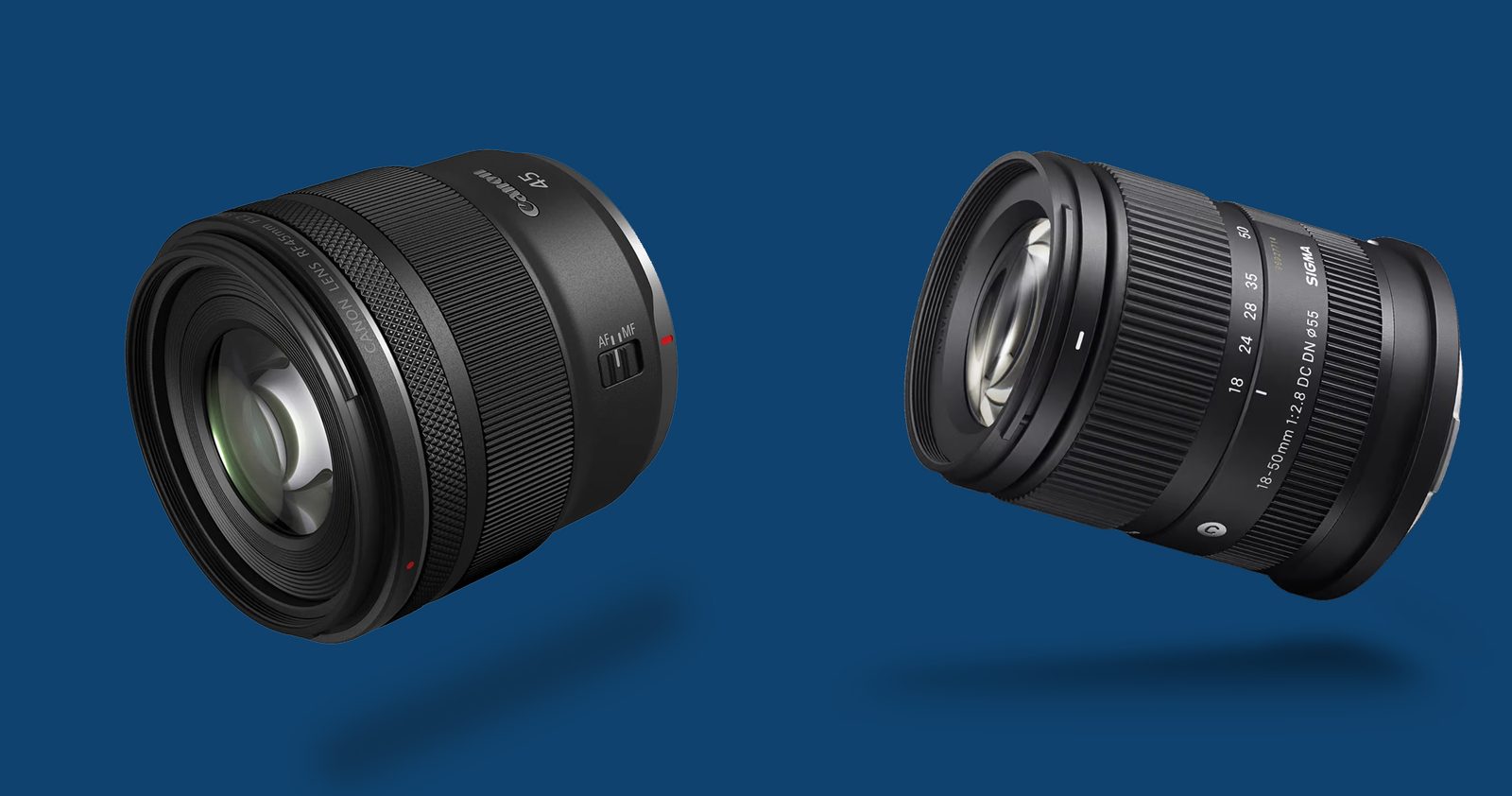
However, a notable shift is underway, exemplified by recent market introductions that challenge this long-standing pricing model. While the original article references a hypothetical Canon 45mm f/1.2 STM priced under $500, the desire for such an offering highlights a critical market trend: a strong demand for high-performance, fast-aperture primes at accessible price points. This trend is already being influenced by brands like Viltrox and Samyang, which have successfully introduced numerous fast primes for mirrorless mounts at highly competitive prices, demonstrating that advanced optics need not always carry a prohibitive cost.
The potential for mainstream manufacturers like Canon, Nikon, and Sony to follow suit with their own affordable fast primes is immense. Advances in lens design software, automated manufacturing processes, and the use of sophisticated composite materials are gradually reducing the production costs associated with these complex optics. Should the market see more lenses offering f/1.2 or f/1.4 apertures for under $1,000, or even under $500 as desired, it would represent a significant democratization of creative capabilities. These lenses enable stunning shallow depth of field, exceptional low-light performance, and a distinctive aesthetic previously reserved for those with substantial budgets. The broader availability of such lenses would empower a new generation of creators to explore advanced photographic techniques, pushing the boundaries of portraiture, street photography, and low-light videography without financial compromise. This competitive pressure on pricing, driven by both consumer expectation and manufacturing efficiencies, is poised to redefine the entry point for high-performance prime lenses across all major camera systems by 2026.
AI’s Evolving Role: From Generation to Workflow Enhancement
The past few years have witnessed an unprecedented surge in Artificial Intelligence, with generative AI tools taking center stage across various creative disciplines. From generating intricate artworks and realistic corporate headshots to crafting entire video sequences from text prompts, AI’s ability to create has captivated public attention and sparked widespread debate about the future of human creativity. While these generative capabilities are undeniably impressive and continue to evolve rapidly, the focus for 2026 is expected to shift towards a more practical, workflow-oriented application of AI within the photography and videography sectors.
Acknowledging that AI is an enduring technological force, the aspiration for the coming year is to reframe its utility. Instead of AI primarily generating content, the emphasis will increasingly be on AI as an intelligent assistant, streamlining the often-tedious and time-consuming aspects of a working professional’s daily routine. Current examples of "workflow AI" already exist, particularly within post-production software. Adobe Sensei, for instance, powers features like content-aware fill, automatic subject selection, intelligent noise reduction, and sky replacement, significantly accelerating editing tasks. Smart culling tools that identify sharp images or closed eyes are also becoming more prevalent.
By 2026, this integration is anticipated to deepen and expand beyond basic image manipulation. The demand is for more affordable and sophisticated studio management software that leverages AI for administrative tasks – automating invoice reminders, personalizing client communication, and intelligently scheduling appointments. In post-production, more advanced one-click solutions for complex object removal (e.g., telephone poles, litter, distracting elements) or sophisticated background manipulation are desired. Furthermore, AI could revolutionize the pre-production phase by helping catalog and synthesize creative inspiration, generating mood boards, and consolidating client briefs into actionable visual guides. This shift aligns with the sentiment of many creatives: AI should serve as an augmentation tool, freeing up valuable time and mental energy for the core creative process, rather than attempting to usurp it. The ethical implications of AI’s role in authenticity and manipulation will remain a critical discussion point, but the overarching trend points towards AI as an indispensable co-pilot in the creative workflow.
Bridging the Gap: The Imperative for Improved Camera App Support
The advent of mirrorless camera systems was accompanied by the promise of seamless integration with smartphones, offering users the ability to review, edit, and publish photos directly from their mobile devices with unprecedented speed and convenience. This vision, however, has largely remained an unfulfilled promise for many users. Despite years of development, the dedicated mobile applications provided by major camera manufacturers frequently fall short of user expectations, plagued by persistent issues such as frequent freezes, unexpected crashes, slow image transfer speeds, and unresponsive interfaces.
The technical challenges behind these shortcomings are multifaceted. Establishing robust and reliable wireless connectivity (often a combination of Wi-Fi and Bluetooth) between cameras and a diverse ecosystem of smartphones running various operating systems and hardware configurations is inherently complex. Each camera model and smartphone generation can introduce new compatibility hurdles, making universal stability difficult to achieve. Moreover, the user experience benchmarks set by other consumer-grade applications, which are often meticulously designed for intuitive interaction and high performance, create elevated expectations that camera manufacturers’ apps often fail to meet. While some brands, like Fujifilm, have developed applications that are generally regarded as comparatively better, even these often exhibit frustrating limitations in usability and functionality, highlighting a systemic industry-wide issue rather than isolated failures.
The implications of inadequate app support are significant, particularly for professional photographers and videographers. On-location workflows are hampered by unreliable image transfer for client previews or immediate social media sharing. The inability to consistently control camera settings remotely or quickly triage images on a larger phone screen adds friction and wastes valuable time. By 2026, there is a strong imperative for camera manufacturers to prioritize substantial improvements in their mobile app ecosystems. This requires not just incremental updates but a fundamental rethinking of app architecture, user interface design, and cross-platform compatibility. Investment in dedicated software development teams and a greater responsiveness to user feedback will be crucial. An enhanced app experience would not only streamline professional workflows but also enrich the overall user experience for enthusiasts, allowing for truly seamless integration between high-quality camera capture and the ubiquitous capabilities of modern smartphones.
The Global Shutter Revolution: Redefining Image Capture
One of the most anticipated technological breakthroughs poised for wider adoption in 2026 is the electronic global shutter. This innovative sensor technology, prominently introduced in Sony’s groundbreaking a9 III camera, marks a significant departure from traditional rolling shutters and holds the potential to revolutionize both video and still photography. While the a9 III has showcased the capabilities of this technology, its broader integration across more camera bodies remains a key aspiration for the industry.

To understand the impact of a global shutter, it is essential to differentiate it from the prevalent rolling shutter technology. A rolling shutter sensor captures an image by scanning the scene line by line, from top to bottom. During fast camera movements or when capturing rapidly moving subjects, this sequential readout can lead to distortions such as the "Jello effect" (wobbly, skewed imagery), propeller blade bending, or partial illumination from strobes. A global shutter, in contrast, captures all pixels simultaneously, effectively taking a single, instantaneous snapshot of the entire frame. This fundamental difference entirely eliminates rolling shutter artifacts, providing perfectly undistorted video footage even during rapid panning or tracking fast-moving objects.
Beyond video, the advantages of a global shutter for still photography are equally transformative. Most cameras utilizing rolling shutters have a maximum flash sync speed, typically around 1/200th or 1/250th of a second for full-frame and crop sensors, respectively. This limitation is dictated by the time it takes for the mechanical shutter to open and close, or for the rolling shutter to complete its scan, while still ensuring the entire frame is exposed to the flash duration. While techniques like High-Speed Sync (HSS) or the use of leaf shutters in certain lenses offer workarounds, they often come with their own compromises in power output or lens selection. An electronic global shutter fundamentally bypasses this limitation. By exposing all pixels concurrently, it theoretically allows for off-camera flash synchronization at any shutter speed, up to the camera’s maximum electronic shutter speed (e.g., 1/80,000th of a second on the Sony a9 III). This capability unlocks unprecedented creative control for photographers, enabling them to overpower ambient light with flash in bright conditions, freeze ultra-fast motion with crisp clarity, and achieve precise lighting ratios without the constraints of sync speed. While the integration of global shutter technology into more affordable camera tiers presents significant engineering challenges related to sensor complexity, noise performance, and dynamic range, its widespread adoption by 2026 would represent a paradigm shift in how photographers and videographers approach lighting and motion capture, opening new avenues for creative expression and technical excellence.
The collective vision for 2026 in photography and videography is one of enhanced capability, greater accessibility, and streamlined workflows. From a more competitive and diverse lens market to the democratization of advanced optics, and from AI tools that genuinely assist rather than replace creativity to robust app support and revolutionary sensor technologies like the global shutter, the industry is poised for an exciting period of innovation. These advancements, driven by both technological breakthroughs and an acute understanding of user needs, promise to empower creators to achieve their artistic and professional goals with unprecedented efficiency and creative freedom.