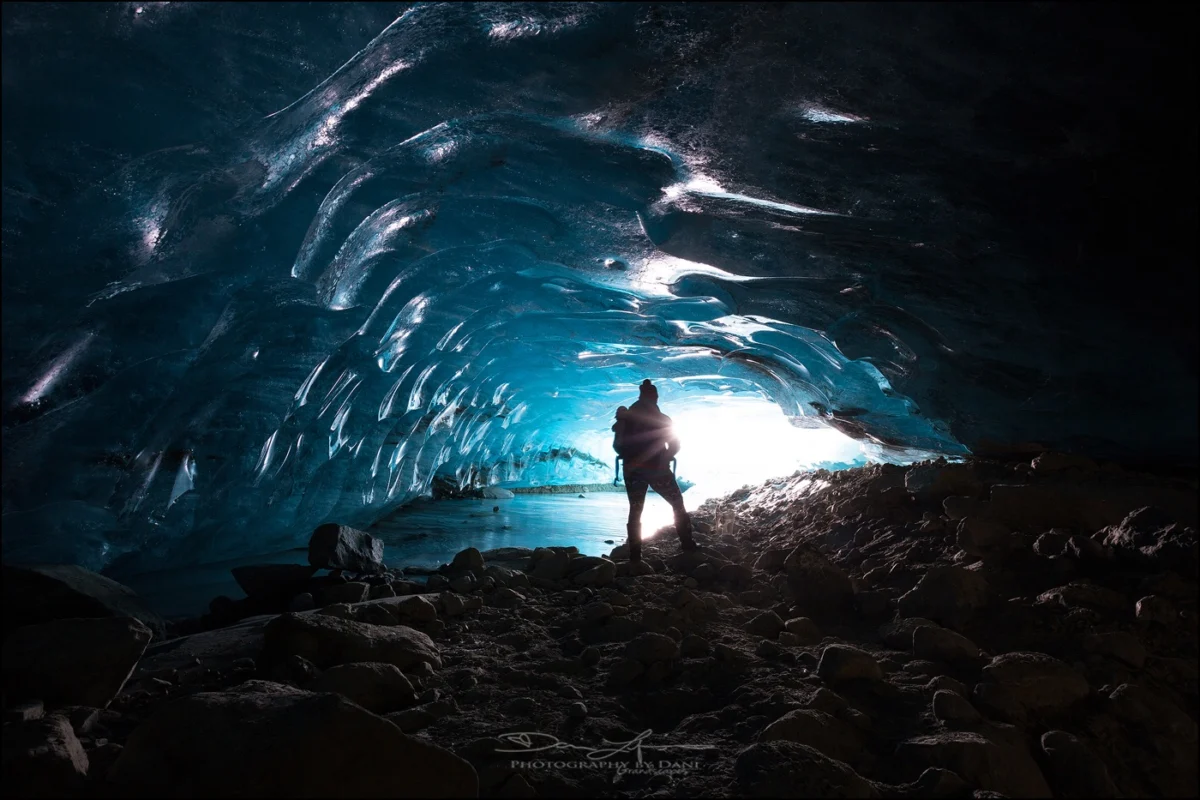
The profound impact of lighting on photographic outcomes is universally acknowledged within the visual arts, distinguishing mere captures from compelling narratives. Mastery of light is not merely a technical skill but an artistic imperative, capable of transforming an ordinary scene into a spectacular visual statement. From the subtle nuances of natural light at dawn to the precise control offered by artificial illumination in a studio, understanding and manipulating light is the cornerstone of exceptional photography across all genres. This comprehensive guide explores the fundamental principles, genre-specific applications, and broader implications of lighting in contemporary photography.
The Foundational Role of Light in Image Creation
At its core, photography is the art and science of recording light. Light dictates the mood, atmosphere, depth, and detail of an image. It defines shapes, reveals textures, and creates a sense of three-dimensionality. Without light, there is no image. Consequently, a photographer’s ability to discern, interpret, and sculpt with light directly correlates with the expressive power and technical quality of their work. This involves not only recognizing the inherent qualities of available light—such as its direction, intensity, color temperature, and diffusion—but also understanding how these attributes interact with the subject and scene to produce a desired visual effect.
Historical Perspective: A Timeless Pursuit

The quest to master light has been central to photography since its inception. Early photographic pioneers, limited by slow emulsions and rudimentary equipment, were acutely aware of the necessity of abundant, well-directed light. The daguerreotypes of the mid-19th century, for instance, often required subjects to remain still for extended periods under bright, natural light. As technology advanced, with faster lenses and more sensitive films, photographers gained greater flexibility, but the fundamental principles remained. Masters like Ansel Adams became renowned for their ability to interpret and utilize natural light to create iconic landscape photographs, demonstrating that light, rather than just being a means to an end, is a primary subject in itself. The advent of artificial lighting, from flash powder to electronic strobes, further expanded creative possibilities, allowing photographers to control light independently of environmental conditions. Today, digital sensors and sophisticated lighting equipment offer unparalleled control, yet the discerning eye for light remains the most valuable asset.
Understanding the Qualities of Light
Effective lighting begins with a deep understanding of its various qualities:
- Direction: The direction from which light strikes a subject profoundly influences shadows, highlights, and overall dimensionality. Front-lighting can flatten a scene, while side-lighting emphasizes texture and form. Backlighting creates dramatic silhouettes or ethereal rim lighting, separating the subject from the background.
- Intensity: The brightness of light affects exposure and contrast. High intensity can lead to harsh shadows, while low intensity may require longer exposures or higher ISO settings.
- Quality (Hard vs. Soft): Hard light, typically from a small, direct source (like direct midday sun), produces sharp, well-defined shadows and high contrast. Soft light, from a large, diffused source (like an overcast sky or a studio softbox), creates gradual transitions between light and shadow, resulting in lower contrast and a more flattering appearance.
- Color Temperature: Measured in Kelvin, color temperature describes the warmth or coolness of light. Daylight is typically around 5500K (neutral), while incandescent bulbs produce warmer, orange tones (around 2700K), and shade or twilight can have cooler, bluer tones (7000K+). Understanding and controlling color temperature ensures accurate color rendition and can be used for artistic effect.
Lighting in Specialized Photography Genres
The application of lighting principles varies significantly across different photographic disciplines, each presenting unique challenges and opportunities.

Lighting in Wildlife Photography
For wildlife photographers, mastering light is critical to capturing the elusive beauty and character of subjects that are often in motion and within dynamic natural environments. The ability to interpret how light falls on an animal, its qualities, and how to harness it, is paramount. Effective use of light can separate a subject from a cluttered background, highlight intricate details of fur or feathers, and convey emotion or mood.
One of the most sought-after lighting conditions in wildlife photography is the "golden hour," the period shortly after sunrise or before sunset. During this time, the sun’s low angle produces soft, warm light that adds a pleasing glow and long, dramatic shadows. This soft light is particularly effective for illuminating wildlife, creating a three-dimensional feel and enhancing textures. Conversely, harsh midday sun can create strong contrasts and blown-out highlights, often making it less ideal for compelling wildlife portraits, though it can be used creatively for high-key or graphic images.
Backlighting is another powerful technique in wildlife photography, often employed during the golden hour. When an animal is positioned between the camera and the sun, the light creates a luminous outline around its form, known as rim light. This technique can produce stunning, ethereal effects, emphasizing the animal’s silhouette and creating a sense of depth and drama. Furthermore, understanding how light interacts with the animal’s eyes to create "catchlights" is crucial, as these reflections add life and sparkle, drawing the viewer into the image. Photographers often scout locations and observe animal behavior to anticipate optimal lighting conditions, making planning an indispensable part of their workflow.
Lighting in Landscape Photography

Landscape photography transcends mere documentation; it aims to evoke the grandeur and atmosphere of natural scenes. Here, lighting is not just about illuminating the subject, but about shaping the entire composition and conveying the emotional impact of the environment. Beyond basic exposure settings, a landscape photographer’s most powerful skill is the ability to identify, plan for, and adapt to ever-changing lighting conditions.
The "golden hour" and "blue hour" (the period just before sunrise or after sunset, characterized by soft, cool light) are revered by landscape photographers for their ability to imbue scenes with depth, color, and mood. Low-angle light accentuates the contours of mountains, the textures of rock formations, and the ripple of water, creating dramatic shadows and highlights that add three-dimensionality. Diffused light on overcast days can also be highly effective, producing even illumination that reveals subtle details and colors, particularly in forests or misty conditions.
Strategic use of light direction is also vital. Side-lighting can dramatically enhance the texture of a rugged landscape, while front-lighting might flatten it. Backlighting can create stunning silhouettes of trees against a colorful sky or cause light to burst through clouds, creating sun rays that add a dynamic element to the scene. Advanced landscape photographers often use graduated neutral density filters to balance bright skies with darker foregrounds, effectively managing the dynamic range of light within a single frame. The ability to anticipate and react to fleeting light conditions, such as after a storm or during a fog, is what often distinguishes truly impactful landscape imagery.
Lighting in Underwater Photography
Underwater photography presents a unique set of challenges due to the physics of light behavior in water. As light penetrates water, it is absorbed and scattered, leading to a rapid loss of color, contrast, and intensity with increasing depth. Red and orange wavelengths are absorbed first, followed by yellow and green, leaving deeper waters predominantly blue or green. Consequently, learning how to find, create, and use light effectively underwater is one of the most essential and often difficult skills to master, but one that undeniably makes photography stand out.

In shallow waters, ambient light can be sufficient, often producing stunning images with natural blues and greens. However, even here, light behaves differently, often creating a shimmering effect. For deeper dives or to restore lost colors and introduce dramatic lighting, artificial light sources like strobes (underwater flashes) or continuous video lights are indispensable. Strobes allow photographers to "bring back" the full spectrum of colors, illuminate subjects, and create dynamic lighting effects.
The positioning of strobes is critical to avoid backscatter (light reflecting off particles in the water). Off-camera strobe positioning, often at an angle to the subject, helps illuminate the subject directly while minimizing the illumination of particles between the lens and the subject. Techniques like "snooting," which uses a light modifier to create a narrow beam of light, allow for precise illumination of small subjects, creating dramatic spotlight effects. Whether photographing massive ocean giants in sunlit shallows or tiny, bioluminescent creatures in the deep abyss, mastering the interplay of natural and artificial light is key to capturing the vibrant and mysterious world beneath the waves.
Lighting for Macro Photography
Macro photography, the art of capturing extreme close-ups of small subjects, demands meticulous attention to lighting due to the shallow depth of field and the intricate details being emphasized. Whether photographing amphibians, insects, or the finer details found in nature, lighting remains a critical element for revealing texture, form, and vibrancy. The challenge lies in illuminating tiny subjects precisely without creating harsh shadows or washing out delicate features.
Natural light, particularly diffused light on an overcast day or in open shade, can be excellent for macro photography, providing soft, even illumination. However, given the often small working distances and the need for precise control, artificial light sources like ring flashes, twin flashes, or LED panels are frequently employed. Ring flashes provide even, shadowless illumination directly from around the lens, ideal for capturing fine details without harsh shadows. Twin flashes, mounted on flexible arms, offer more directional control, allowing photographers to sculpt light and create more three-dimensional effects by emphasizing highlights and shadows.

Light modifiers such as diffusers, reflectors, and snoots are crucial in macro photography. Diffusers soften harsh light, preventing blown-out highlights and deep, distracting shadows. Reflectors can bounce light into shadowed areas, adding fill light and reducing contrast. Snoots concentrate light onto a very specific area, highlighting a particular detail against a darker background. The goal is often to create a delicate balance of light that reveals the subject’s complexity while maintaining a natural appearance. Furthermore, careful consideration of background lighting can separate the subject and add depth, preventing the image from appearing flat.
Technological Advancements and Educational Imperatives
Modern photography benefits immensely from technological advancements in lighting equipment. High-powered, portable LED panels offer continuous light with adjustable color temperatures, revolutionizing video and still photography. Sophisticated wireless flash systems allow for complex multi-light setups without cumbersome cables. Software tools in post-processing further enable photographers to refine lighting, adjusting exposure, highlights, shadows, and color balance with unprecedented precision. These tools, however, are extensions of the photographer’s vision, not substitutes for a fundamental understanding of light.
Leading photography institutions and industry experts consistently emphasize the non-negotiable importance of mastering lighting. Studies indicate that images with thoughtfully applied lighting often receive significantly higher engagement rates on digital platforms and are more frequently selected for publication and exhibition. Educational programs globally prioritize lighting theory and practical application as core components of their curricula, recognizing that it underpins all successful visual communication. Renowned photographers often host workshops dedicated solely to light, underscoring its pivotal role in crafting compelling imagery.
Broader Implications and the Future of Visual Storytelling

The mastery of lighting extends beyond aesthetic appeal; it profoundly impacts the effectiveness of visual storytelling. In journalism, accurate and evocative lighting can convey the gravity or hope of a situation without manipulation. In advertising, it can create desire and trust for a product. In scientific illustration, precise lighting reveals critical details. As visual media continues to dominate communication, the ability to consciously shape perceptions through light becomes increasingly valuable.
The ongoing evolution of artificial intelligence and computational photography may offer new ways to analyze and optimize light in images. However, the artistic interpretation and emotional impact derived from a photographer’s intentional use of light remain uniquely human contributions. The enduring power of an image to resonate, to move, or to inform, will always be intrinsically linked to how its creator has understood and utilized the most fundamental element of all: light.
In Conclusion
Whatever the subject or genre, lighting stands as the most crucial element to master for creating memorable and standout images. It is the language through which photographers communicate, the brush with which they paint, and the sculptor’s tool that gives form to their vision. The journey to mastering light is continuous, requiring observation, experimentation, and a deep appreciation for its transformative power. The guides and principles discussed above serve as foundational steps in this journey, empowering photographers to harness light effectively and elevate their work to its highest potential. The indelible mark of a truly great photograph is often the unmistakable signature of its creator’s profound understanding of light.