Owls, with their silent flight, piercing gaze, and nocturnal habits, have long held a profound fascination for humanity, inspiring myths, folklore, and scientific inquiry. Their enigmatic presence in diverse ecosystems across the globe makes them compelling subjects for wildlife photographers. Owl photography, beyond merely documenting their existence, serves to illuminate their captivating characteristics, exquisite beauty, and inherent grace, deepening our collective appreciation for these remarkable raptors. Through carefully composed and ethically captured images, photographers can showcase the intricate details of their plumage, the intensity of their expressions, and their unique adaptations to various environments, thereby enriching public understanding and fostering conservation efforts.
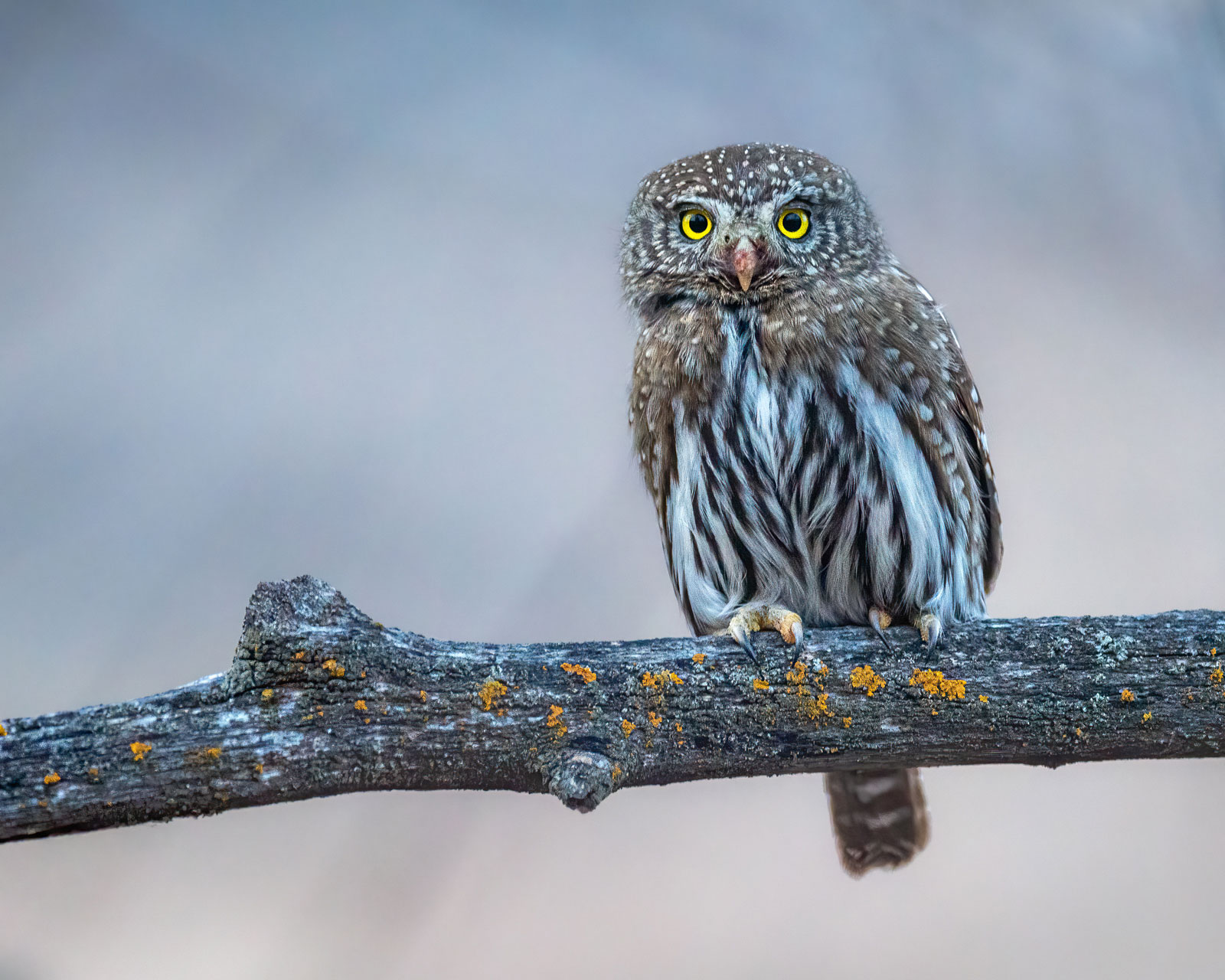
Achieving truly enchanting photographs of owls requires more than just technical skill; it demands a deep understanding of their habitats, behaviors, and the ethical considerations paramount to their well-being. With diligent research and a respectful approach, individuals can significantly improve their chances of encountering these elusive birds and capturing images that resonate with both artistic merit and scientific integrity. The journey into owl photography is often one of patience and profound learning, transforming a casual observer into an informed advocate for avian conservation.
Global Distribution and Diverse Habitats
Owls exhibit an extraordinary range of adaptability, thriving in nearly every major biome across the planet, from the frozen expanses of the Arctic tundra to the scorching deserts, dense forests, expansive plains, rugged canyons, and even the bustling urban landscapes of densely populated cities. With over 200 species identified, they are found on every continent except Antarctica, showcasing a remarkable evolutionary success story. This widespread distribution means that, for many aspiring photographers, opportunities to observe and photograph owls may exist surprisingly close to home, often within local parks, nature reserves, or even suburban green spaces.

The specific habitat preferences vary significantly among species. For instance, the Snowy Owl (Bubo scandiacus) is a master of the open tundra, its pristine white plumage providing perfect camouflage against snow and ice, while the Burrowing Owl (Athene cunicularia) prefers open grasslands, often nesting in abandoned prairie dog burrows. Forest dwellers like the Great Grey Owl (Strix nebulosa) or Tawny Owl (Strix aluco) are experts at navigating dense woodlands, relying on their acute hearing and cryptic coloration to hunt unseen. Some highly adaptable species, such as the Barn Owl (Tyto alba), can thrive in multiple habitat types, often nesting in barns, silos, or other human-made structures, demonstrating a remarkable resilience in altered landscapes. Others are far more specialized, confined to specific ecological niches, making their discovery a greater challenge. Furthermore, seasonal changes often dictate movements, with some species undertaking extensive migrations in response to food availability or climatic shifts. Understanding these habitat specificities and migratory patterns is the foundational first step for any serious owl photographer.
Behavioral Insights for Successful Encounters
The initial phase of finding owls hinges on thorough research into the owl species indigenous to a particular region. Numerous free resources, including online databases from ornithological societies, university extensions, and public libraries, offer invaluable information on local owl populations. This research should extend beyond mere identification to include details on their relative abundance, which can offer a preliminary indication of how easy or difficult it might be to locate a particular species.

However, abundance alone does not guarantee an easy sighting. Other critical factors influence detectability, such as feeding habits, diurnal versus nocturnal activity patterns, seasonal migration, the effectiveness of their camouflage, and breeding behaviors. For example, the Great Horned Owl (Bubo virginianus), a large and common raptor across North and Central America, is notoriously difficult to spot due to its superb camouflage, allowing it to blend seamlessly with tree bark and foliage, rendering it almost invisible to the casual observer. Similarly, the Tawny Owl, prevalent across Europe, is known for its secretive nature, making encounters a rare privilege.
Most owl species are predominantly nocturnal, becoming active as twilight descends. A powerful aid in locating them is listening for their distinctive calls or hoots around sunset or shortly thereafter. Regular excursions to listen for these vocalizations can attune one’s ear to their presence. As visibility wanes, photographers should scan tree canopies, focusing on identifying any anomalous shapes that deviate from the natural contours of branches. With practice, the human eye and mind can be trained to instinctively detect potential owl forms amidst the dense canopy. In very low light conditions, observing silhouettes against the fading sky can also prove fruitful. Owls typically roost at least halfway up a tree, rarely in the very top, and tend to move towards the tree’s edges as evening approaches, preparing for their nightly hunt. These specific behaviors vary by species, reinforcing the need for species-specific knowledge.

Returning to areas where owls have been heard or sighted is often productive. Owls tend to remain within a relatively small foraging territory, especially if prey is plentiful. A roosting owl might utilize the same tree or even the same branch for days or weeks. During daytime visits to such areas, a careful search of dense foliage or trees offering overhead cover can reveal a resting owl. However, ethical considerations are paramount: owls are vulnerable during their daytime rest periods. Photographers must maintain a respectful distance, typically 75 to 100 feet, and employ a long telephoto lens to avoid disturbance. Any sign of agitation or nervous movement from the owl indicates that the photographer is too close and must retreat. Pressuring an owl to abandon its roost can cause significant stress, disrupt its natural cycle, and may even lead it to permanently vacate the area, a detrimental outcome for both the bird and future photographic opportunities.
Urban-dwelling owls, often accustomed to human presence, can sometimes be easier to locate. Regularly listening for their calls and looking for signs of their presence, such as "whitewash" (accumulated droppings) on branches or the ground, can be effective. Long-eared Owls (Asio otus), for instance, often congregate in communal winter roosts, leaving noticeable whitewash below. The presence of owl pellets – regurgitated, undigested remnants of their prey – also signifies an active roosting or hunting site and can offer clues about their diet.

While the majority are nocturnal, a notable subset of owls is active during daylight hours. This includes species like the Burrowing Owl, Northern Hawk Owl (Surnia ulula), Little Owl (Athene noctua), Pearl-spotted Owlet (Glaucidium perlatum), and many pygmy owl species. These diurnal hunters often rely heavily on their eyesight and can be observed perched openly, scanning the landscape for prey. Other species, employing a blend of sight and hearing, may exhibit crepuscular activity, hunting most intensely at dawn and dusk. Tailoring photographic efforts to the known activity patterns of the target species significantly maximizes the chances of capturing compelling images of their natural behaviors. Patience remains a cardinal virtue; it is not uncommon for a full year of dedicated searching to pass before a photographer consistently finds and captures high-quality images of owls. For those facing persistent challenges, engaging a local wildlife guide specializing in photography can provide invaluable local knowledge and access to recent sightings, accelerating the learning process. Additionally, understanding specific migration patterns, such as the irruptive movements of Snowy Owls driven by cycles in lemming populations, is crucial for anticipating seasonal appearances.
Ethical Wildlife Photography: A Paramount Principle
The pursuit of stunning owl photographs must always be secondary to the welfare of the birds. Ethical wildlife photography is not merely a suggestion but a paramount principle, guiding every interaction and decision in the field. Disturbing an owl, particularly during its daytime rest, can have severe negative consequences, including disrupting its sleep cycle, expending valuable energy it needs for nocturnal hunting, or even causing it to abandon a nest or a crucial roosting site.

Professional wildlife photography organizations, such as the North American Nature Photography Association (NANPA), emphasize a code of ethics that prioritizes the subject’s welfare. Key tenets include:
- Minimizing Disturbance: Always maintain a respectful and safe distance. If an animal changes its behavior due to your presence, you are too close. Use long lenses to bridge the gap.
- No Baiting: The practice of using live or dead bait to attract owls is strictly unethical. Baiting habituates wild animals to humans, disrupts their natural hunting patterns, can lead to aggressive behaviors, and may even put them at risk. It also results in photographs that do not reflect genuine wild behavior.
- Respecting Habitat: Avoid trampling vegetation, disturbing nests, or altering the environment in any way. "Leave No Trace" principles should always be followed.
- Avoiding Harassment: Never attempt to lure owls closer with calls, sounds, or movements. Flash photography should be used with extreme caution, if at all, as it can disorient nocturnal animals.
- Educating Others: Photographers have a responsibility to model ethical behavior and, where appropriate, educate fellow enthusiasts about responsible wildlife viewing.
By adhering to these principles, photographers not only protect the owls but also ensure the authenticity and integrity of their work, contributing positively to conservation rather than inadvertently causing harm.

Specialized Equipment for Nocturnal and Distant Subjects
The unique requirements of owl photography, particularly the need for distance and low-light capability, necessitate specialized equipment. A long telephoto lens is indispensable. Lenses ranging from 300mm to 600mm, and often augmented with teleconverters, allow photographers to maintain a safe distance (75-100 feet or more) while still filling the frame with the subject. This distance is crucial for ethical practice and also offers a photographic advantage: positioning oneself further away, often on slightly elevated terrain, can create the illusion of being at eye level with an owl perched high in a tree, yielding a much more engaging perspective than a steep upward angle.
Given that many owls are most active during low-light conditions (dusk, dawn, or deep night), lenses with wide apertures are critical. An f/2.8 lens is often considered ideal for its exceptional light-gathering capabilities, allowing for faster shutter speeds even in dim environments. While expensive, f/4 or f/5.6 lenses can also produce excellent results, especially when paired with modern cameras boasting high ISO performance. The primary goal is to maximize the light reaching the sensor, enabling a shutter speed fast enough to freeze motion and prevent blur. Photographers should typically start with the widest aperture available on their lens and only stop down to increase depth of field if sufficient light permits.

Camera technology has advanced significantly, offering high ISO capabilities that allow for shooting in very low light without excessive noise. Paired with advanced autofocus systems that perform well in dim conditions, contemporary cameras provide unprecedented opportunities for nocturnal wildlife photography. Image stabilization (VR or IS) built into lenses or camera bodies is also a huge asset, helping to counteract camera shake, particularly when hand-holding long telephoto lenses.
While hand-holding offers flexibility for capturing owls in flight, tripods are highly recommended for static perching shots. Owls typically remain relatively still when not actively hunting, and a sturdy tripod provides the stability necessary for sharp images, especially with slower shutter speeds or in low light. It also reduces photographer fatigue, allowing for longer observation periods and ensuring the camera is always ready for subtle movements or changes in behavior. A monopod offers a lighter, more mobile alternative with good stability. Many photographers will use a tripod for initial setup and portraits, then detach the camera for anticipated flight shots. For very slow shutter speeds in extreme low light, a remote shutter release (wired or wireless) is essential to eliminate any camera shake caused by pressing the shutter button, ensuring maximum sharpness.

Crafting Compelling Owl Portraits and Behavioral Shots
Owls possess a suite of distinctive physical characteristics and behaviors that offer unique photographic opportunities, allowing for images that stand apart from those of most other birds.
The Facial Disc and Eyes: Most owls feature prominent facial discs, a unique anatomical adaptation that acts like a parabolic dish, funneling sound waves to their ears and significantly enhancing their auditory perception. This disc also forms a strong visual frame around their large, often intense eyes, creating a natural focal point in portraits. Unlike humans, owls cannot move their eyes within their sockets; instead, they compensate with an extraordinary ability to rotate their heads up to 270 degrees. This allows for captivating head turns and expressions. When composing an owl portrait, ensuring the eyes are critically sharp and well-lit is paramount, as they are the window to the owl’s enigmatic personality. Their eyes and the facial disc typically lie within the same focal plane, simplifying the task of achieving sharp focus across the face. Thoughtful placement of these features within the frame, often adhering to principles like the Rule of Thirds, can create balanced and impactful compositions.

Hidden Legs and Talons: A surprising feature for many observers is the often-hidden length of an owl’s legs. Tucked neatly beneath their dense plumage, these long legs, equipped with powerful talons, are essential tools for grasping and subduing prey. Capturing moments when an owl’s legs are extended, either during flight or just before striking prey, adds a dynamic and often comical element to photographs. These glimpses into their hunting mechanics provide significant interest and reveal aspects of their anatomy not typically visible. Observing an owl hunting closely allows photographers to anticipate these brief but captivating exposures of their powerful lower limbs.
Majestic Wingspan and Silent Flight: Owls are renowned for their impressive wingspans, which are disproportionately wide relative to their body size, contributing to their characteristically silent flight. This unique adaptation, achieved through specialized feather structures that muffle sound, allows them to approach prey undetected. When photographing owls in flight, focus on capturing the full expanse of their wings, emphasizing their power and grace. Opportunities for backlighting, where the sun illuminates the translucent edges of outstretched wings, can create ethereal and dramatic images, highlighting the intricate structure of their flight feathers.

Perching and Environmental Portraits
An owl perched within its natural environment offers a wealth of photographic possibilities. Even in a seemingly static scene, dynamic compositional elements can be incorporated. If an owl is found in a secluded forest, often resting or sleeping during the day, ethical considerations dictate extreme caution. Capture a few creative images without disturbing its rest, experimenting with different angles and perspectives.
Forest environments can present challenges with cluttered backgrounds that detract from the subject. The photographer’s task is to find the optimal vantage point that provides a clear view of the owl while simultaneously ensuring a clean, non-distracting background. This often involves subtle repositioning, looking for openings in the foliage or distant, uniformly textured elements that will blur into a pleasing bokeh when using a wide aperture. The foreground can also be utilized, either as a compositional element to frame the owl or as a soft blur to hide distracting features. Once sufficient images of a resting owl are secured, retreat slowly, allowing the owl to resume its natural behavior unhindered.

An alternative approach is to create an "environmental portrait," where the owl is a smaller, yet central, element within a broader landscape. This technique requires a pleasing background that complements the owl, free from harsh highlights or excessive visual clutter. A shorter telephoto lens (e.g., 70-200mm) can be effective here, showcasing the owl’s relationship with its habitat.
Owls do not always perch high. Many species, such as Long-eared Owls, often perch just a few feet above the ground, offering eye-level photographic opportunities. However, these lower-perching owls can be more skittish. Similarly, an owl on the ground after catching prey is in a vulnerable state. In both scenarios, photographers must maintain an even greater distance and stillness to avoid stressing the bird or causing it to abandon its meal.

High-contrast situations, such as a light-toned owl against a dark, forested background, can yield striking images. Careful camera settings are needed to ensure highlights are properly exposed (bright but not blown out) while allowing the background to recede into a rich, featureless darkness. This often requires precise exposure compensation and understanding of histograms to preserve detail in both the brightest and darkest areas. Thoughtful use of compositional elements, like a prominent branch providing balance to the owl on the opposite side of the frame, can transform a busy scene into a harmonious composition.
Capturing the Dynamics of Flight
Photographing owls in flight presents a unique set of challenges and rewards. Observing an owl around sunset often signals its imminent departure for hunting. Anticipating this moment is key. As owls take to the air, photographers should increase their distance further. An owl’s substantial wingspan requires more space in the frame to avoid clipping wingtips. This increased distance also enhances the owl’s comfort, potentially leading to more natural flight paths, even towards the photographer. As always, ethical guidelines strictly prohibit baiting or any methods that force an owl to hunt unnaturally.

Understanding species-specific hunting behaviors is invaluable. Great Grey Owls are known for their sudden, powerful drops from high perches to capture prey buried under snow, while Short-eared Owls perform graceful, buoyant flights low over open fields, scanning for voles and other small mammals. Knowing these patterns allows photographers to predict flight paths and position themselves for optimal shots. Owls often move from one tree to the next during hunting, offering predictable trajectories. This anticipation can result in capturing not only stunning flight shots but, with luck, the dramatic moment of a successful capture.
For flight photography, a fast shutter speed, typically 1/1600 of a second or higher, is generally recommended to ensure sharp images, especially for larger owls which, despite their size, can move surprisingly quickly. While slower shutter speeds can create artistic motion blur, reliable sharpness for dynamic action requires speed. Modern cameras with advanced continuous autofocus (AF-C) modes and tracking capabilities are essential for keeping fast-moving subjects in focus. Employing a high burst rate (frames per second) also increases the chances of capturing the perfect moment, from wing beats to erratic changes in direction that reveal unique body positions.

Artistic Vision: Composition and Perspective
Beyond technical proficiency, artistic vision plays a crucial role in creating memorable owl photographs. A fundamental decision in the field is image orientation – horizontal or vertical. This choice should be dictated by the flow of energy in the scene. A horizontal orientation might best suit an owl in linear flight from left to right, conveying motion across the frame. Conversely, a vertical orientation could be ideal for a tall, majestic owl perched regally, especially if there are interesting compositional elements above or below it that enhance the narrative. For symmetrical, face-on portraits, a square crop or composition can often be highly effective, emphasizing the owl’s direct gaze. Experimenting with both orientations in the field and during post-processing allows for greater creative freedom. The choice of composition, whether a tight portrait or a broader environmental shot, should always serve to tell a compelling story about the owl and its place in the natural world.
The Broader Impact of Owl Photography
The practice of ethical owl photography extends far beyond the individual photographer and their images. It plays a significant role in broader conservation and educational efforts. Stunning photographs of owls, especially those depicting natural behaviors in their habitats, can be powerful tools for raising public awareness about these often-misunderstood birds. They can highlight the beauty and vulnerability of various species, galvanizing support for habitat preservation, anti-poaching initiatives, and scientific research. Organizations like the Cornell Lab of Ornithology and various Audubon societies frequently utilize such imagery in their educational campaigns, annual reports, and publications.

Moreover, photographers often act as citizen scientists, inadvertently documenting species distribution, nesting sites, and behavioral patterns that can be valuable to ornithologists and conservationists. The journey of searching for and photographing owls fosters a deeper connection to the natural world, transforming participants into ambassadors for wildlife. This profound engagement with nature, coupled with the discipline of ethical practice, ensures that the pursuit of captivating owl images contributes positively to the long-term health and appreciation of these magnificent creatures.
In conclusion, the pursuit of owl photography is a deeply rewarding endeavor, offering a unique blend of technical challenge, scientific understanding, and artistic expression. It is a testament to the photographer’s patience, respect, and dedication. While owls remain among nature’s more elusive subjects, the effort expended in searching for them and understanding their world is an integral part of the experience. By approaching them with profound respect for their space and their need for undisturbed silence, photographers are frequently rewarded with unparalleled opportunities to capture their mystery and grace, creating images that not only inspire but also contribute to their enduring legacy.