The architectural and artistic landscape of the Abruzzo region continues to be defined by the vibrant, geometric contributions of Franco Summa, whose former studio in Pescara has recently achieved a significant milestone in Italian cultural heritage. Following his passing in 2020, the workspace of the renowned architect and artist (1938–2020) has been officially designated as a "Casa-Museo" (Home-Museum) by the Italian Ministry of Culture. This recognition places Summa’s studio among an elite group of preserved spaces that offer a profound look into the creative process of the 20th century’s most influential environmental artists. Managed by the Fondazione Summa, the site serves as both a repository of his monumental vision and a center for the ongoing study of urban aesthetics and the psychological impact of color on the human experience.
The Life and Vision of Franco Summa: An Urban Chronology
Franco Summa’s career spanned over five decades, during which he redefined the boundaries between architecture, sculpture, and urban planning. Born in Pescara in 1938, Summa was educated during a period of intense artistic experimentation in Italy. His work was deeply rooted in the "Environmental Art" movement, which sought to move art out of the sterile environment of the gallery and into the living, breathing fabric of the city.
In the mid-1970s, Summa’s international reputation was solidified through his participation in the Venice Biennale. In 1976, he contributed to the exhibition "Ambiente, Partecipazione, Strutture Culturali," and returned in 1978 for "Dalla natura all’arte, dall’arte alla natura." These appearances marked him as a leading voice in the dialogue regarding how citizens interact with their physical surroundings. His philosophy was centered on the belief that urban spaces should not merely be functional but should act as "theaters of life" where color and form stimulate social interaction and emotional well-being.
Throughout the 1980s and 1990s, Summa focused on "Urban Monuments"—temporary and permanent installations that disrupted the monotony of post-war Italian architecture. His work was characterized by a sophisticated use of the chromatic scale, often employing a 12-color sequence that became his signature. This sequence was not merely decorative; it was a structural language designed to create a sense of place and identity within the urban sprawl.
Iconic Installations: The Sea Door and Urban Monuments
One of the most significant chapters in Summa’s career was the creation of "La Porta del Mare" (The Sea Door) in 1993. Originally conceived as a temporary installation for the city of Pescara, the monumental structure stood 16 meters high, framing the horizon where the city meets the Adriatic Sea. Its vibrant, multi-colored lintels and pillars became an overnight symbol of the city’s modernization and its maritime heritage.
Though the original structure was eventually dismantled due to its temporary nature, its impact on the collective memory of Pescara was so profound that it sparked decades of debate regarding public art’s role in civic identity. In recent years, there have been significant movements to reconstruct the work permanently, a testament to Summa’s ability to create landmarks that transcend their physical materials.
The "Monumenti Urbani" series further explored these themes. Summa argued that modern cities suffered from a "loss of soul" caused by standardized construction. His response was to inject "environmental signs"—bold, geometric interventions that acted as visual anchors. At the Fondazione Summa, visitors can view detailed reproductions and maquettes of these works, which illustrate his meticulous approach to scale and color theory. These smaller-scale reproductions have, over time, become recognized as independent works of art, capturing the essence of his larger urban ambitions in a domestic setting.
Le Fanciulle d’Abruzzo: Tradition Reimagined
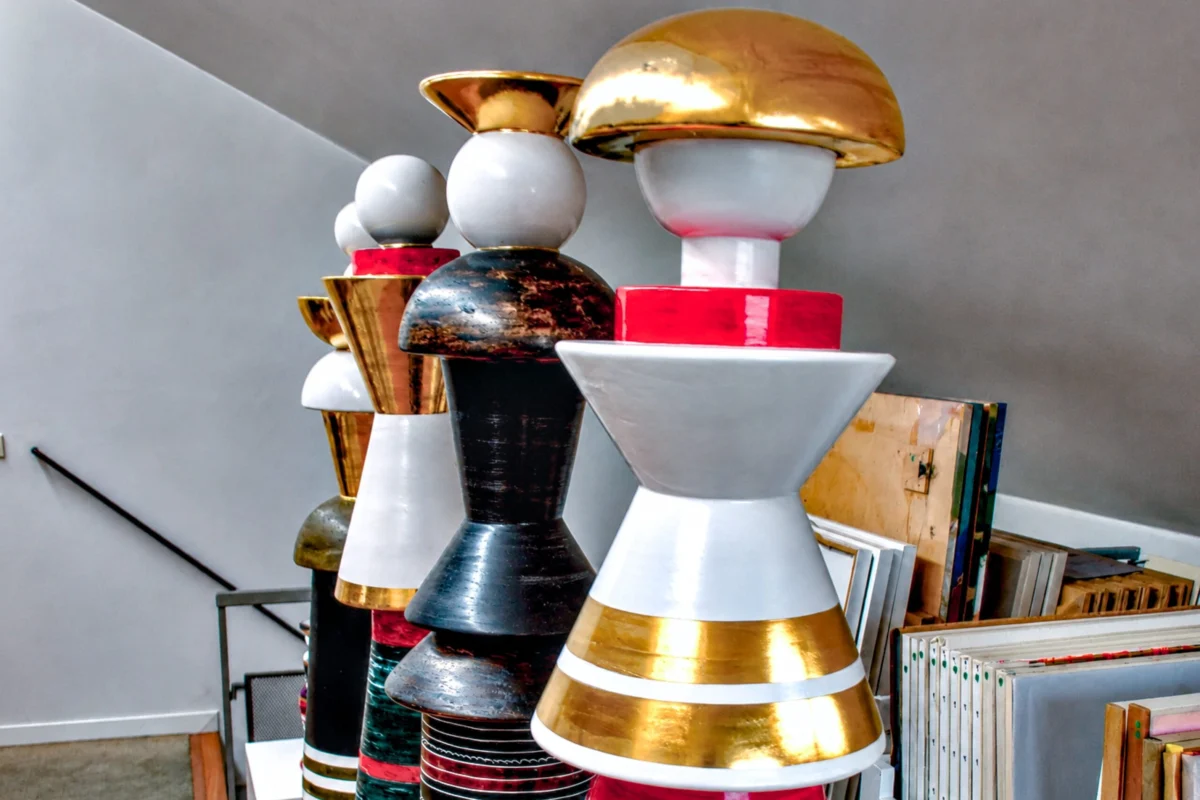
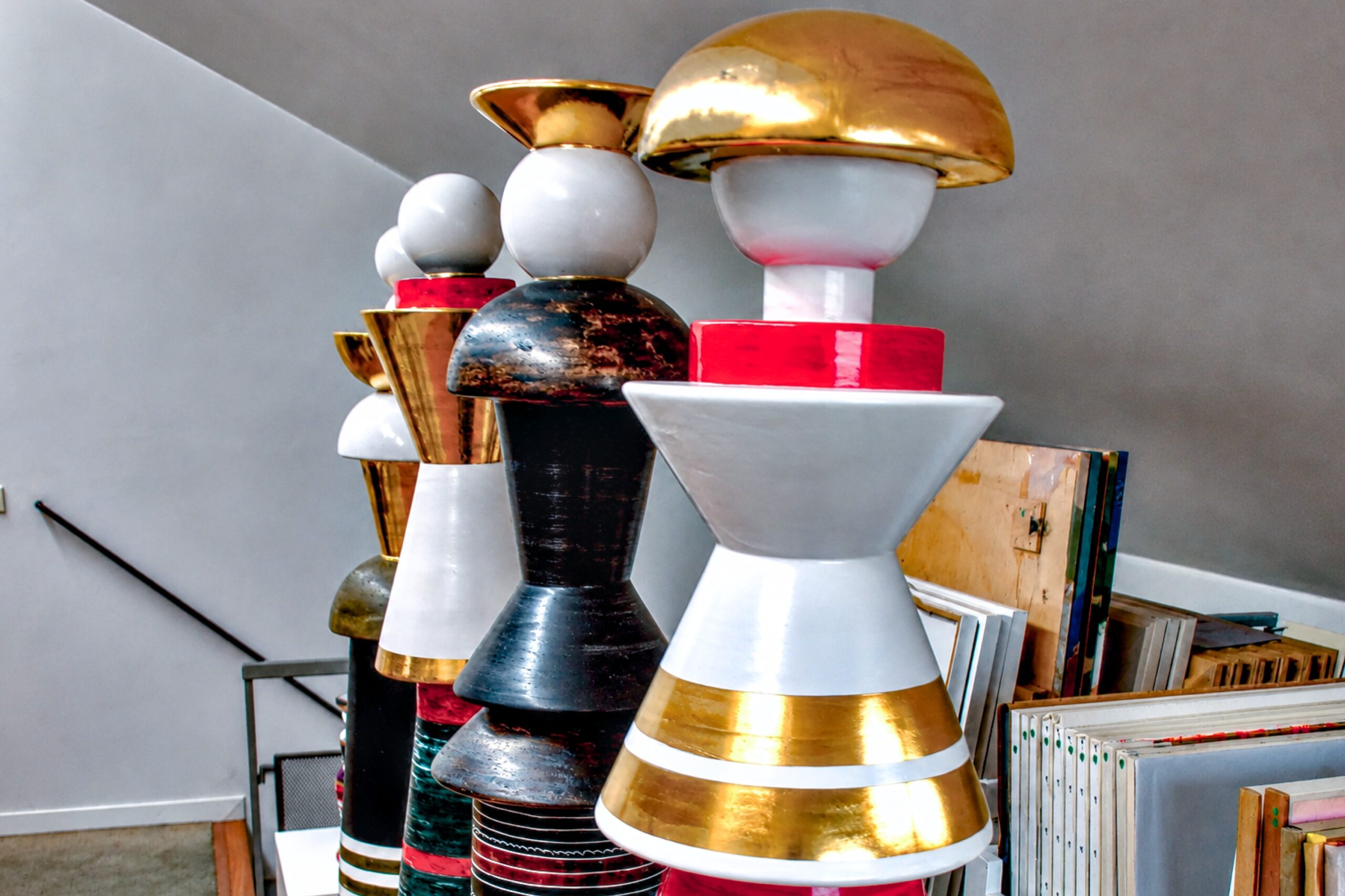
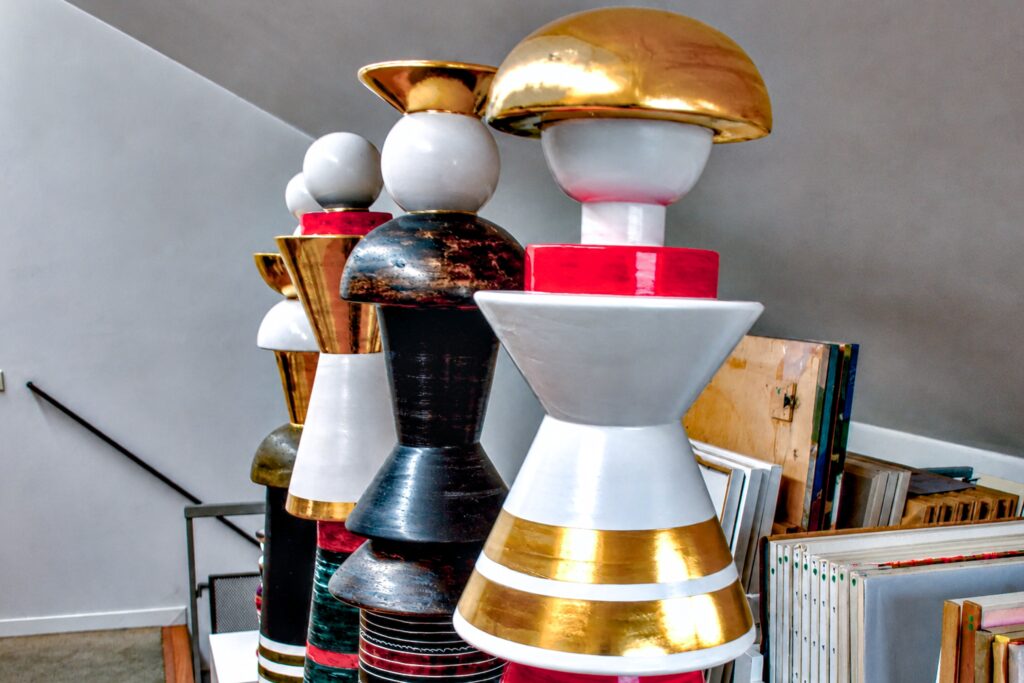
Perhaps Summa’s most celebrated figurative work is the series "Le Fanciulle d’Abruzzo" (The Young Ladies of Abruzzo). This collection of twelve monumental statues represents a synthesis of Summa’s modernist aesthetic and the deep-seated cultural traditions of his home region. The statues depict idealized female figures, their forms abstracted into elegant, tapering silhouettes that evoke the traditional dress of Abruzzese women.
Each of the twelve "Fanciulle" is adorned with a unique color pattern, representing a specific aspect of the regional identity or a different stage of the chromatic spectrum. These works were designed to stand as "sentinels" of the landscape, bridging the gap between the ancient pastoral history of Abruzzo and the contemporary world. At the Casa-Museo, the foundation displays smaller versions of these statues, allowing for a close-up examination of the intricate relationship between the verticality of the forms and the horizontal bands of color that define them.
The "Fanciulle" have become iconic symbols of Abruzzo, appearing in various scales across the region, including a prominent installation at the entrance of the city of Pescara. They serve as a primary example of Summa’s "Urban Beauty" theory, which posits that public art should reflect the dignity and history of the people who live amongst it.
The Casa-Museo: A Sanctuary of Process and Reflection
The designation of Summa’s studio as a Casa-Museo by the Ministry of Culture is a critical development for the preservation of 20th-century Italian art. Under Italian law (specifically Legislative Decree 42/2004), such a designation recognizes that the physical space where an artist worked is inseparable from the art itself. The studio remains arranged much as it was during Summa’s final years, providing an intimate look at his methodology.
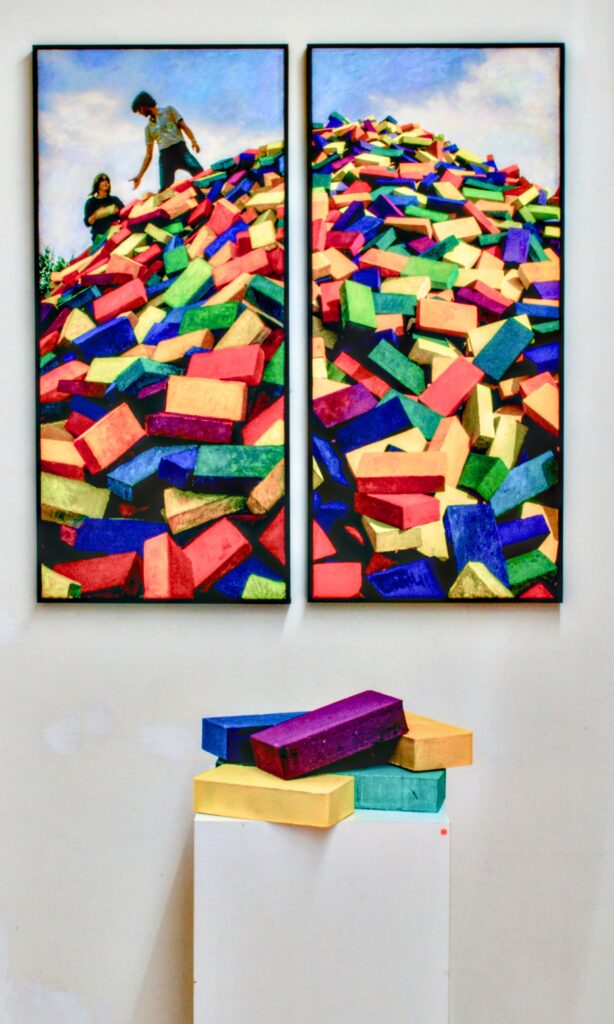
The museum houses an extensive archive of drawings, technical plans, and correspondence, as well as finished paintings and sculptures. One of the more intriguing aspects of the museum is the way it plays with perception—a core theme of Summa’s work. Visitors often encounter "accidental" art created by the environment itself, such as the reflections of his vibrant paintings in the studio’s mirrors. These optical illusions, where the viewer must find a specific angle to see a composite image of multiple works, reflect Summa’s interest in the "active" viewer—the idea that art is not a static object but an experience created by the observer’s movement and perspective.
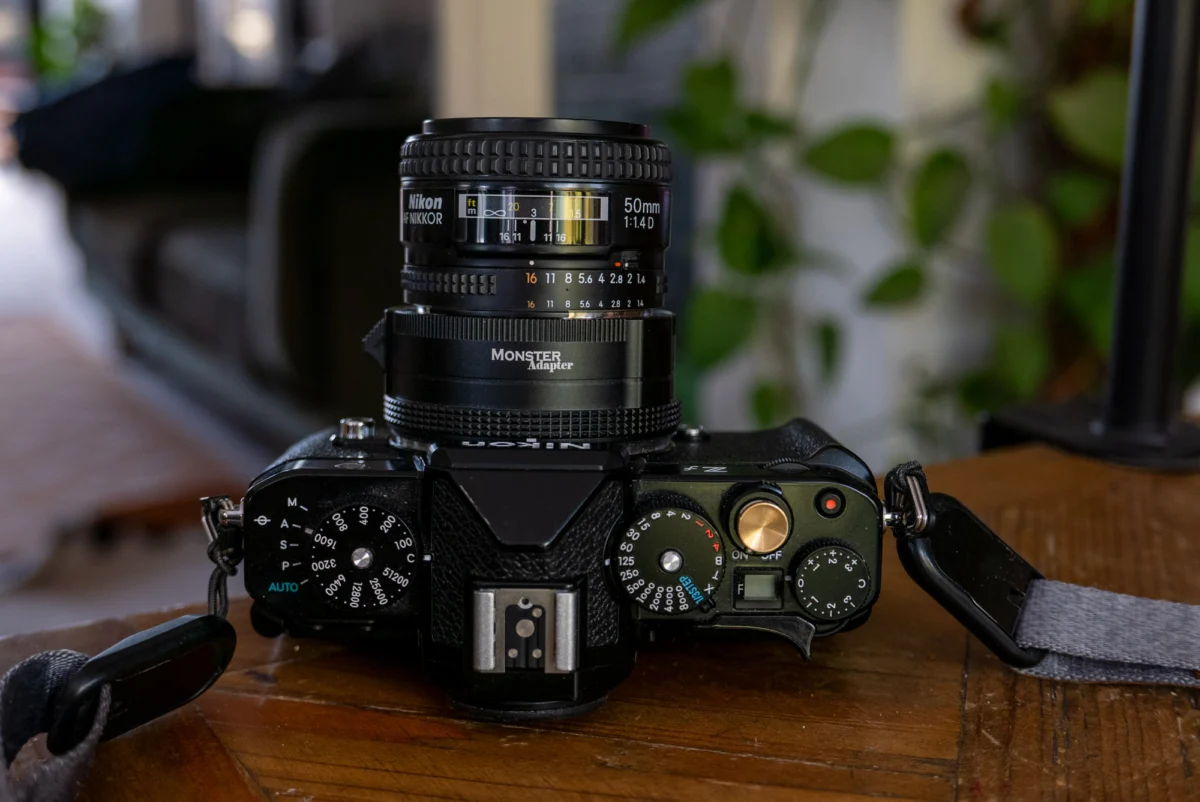
Technically, documenting the space presents unique challenges for historians and photographers alike. The interplay of light and high-saturation colors requires precise equipment and post-production techniques to accurately capture the "Summa Palette." Recent photographic surveys of the site have utilized advanced digital sensors to ensure that the subtle gradations of his 12-color system are preserved for digital archives.
Official Responses and Cultural Impact
The Fondazione Summa, led by its board of directors and local cultural advocates, has expressed that the goal of the Casa-Museo is not merely to look backward but to inspire future generations of architects and designers. "Franco Summa believed that the city is a collective work of art," a representative of the foundation stated during a recent symposium. "By opening his studio to the public, we are inviting the community to participate in that ongoing creation."
Cultural critics have noted that Summa’s work is more relevant today than ever. As urban centers grapple with the challenges of climate change and social isolation, Summa’s emphasis on "humanizing" the urban environment through color and light provides a blueprint for psychological urbanism. His work suggests that a city’s aesthetic health is directly linked to the mental well-being of its inhabitants.
Furthermore, the location of the Casa-Museo—situated in the heart of Pescara and within close proximity to the Pescara Airport (Aeroporto d’Abruzzo)—makes it a vital node in the region’s cultural tourism circuit. For international travelers and art enthusiasts, the museum offers a sophisticated cultural experience that complements the region’s better-known natural attractions.
Data and Legacy: Summa by the Numbers
To understand the scale of Summa’s influence, one must look at the breadth of his output:
- Two Venice Biennale appearances (1976, 1978), which placed Pescara on the map of international contemporary art.
- Twelve distinct colors used in his proprietary chromatic scale, based on the scientific study of light and perception.
- Twelve monumental "Fanciulle" statues, which have become the unofficial mascots of the Abruzzo region’s modern identity.
- Over 50 years of teaching and mentorship, influencing a generation of Italian architects who now practice "Environmental Design."
The ministry’s recognition ensures that these numbers translate into a permanent legacy. The Fondazione Summa is currently digitizing the artist’s vast library and archive, which includes thousands of sketches that were never realized as full-scale monuments. This "unbuilt Summa" provides a rich field of study for researchers interested in the evolution of radical architecture in Europe.
Conclusion: The Future of the Chromatic City
The preservation of Franco Summa’s studio as a Casa-Museo is more than a tribute to a single artist; it is a commitment to the idea that color and form are essential human needs. As Pescara continues to evolve, the ghost of Summa’s "Porta del Mare" and the physical presence of his "Fanciulle" remind the city of its potential for beauty.
For the visitor, the Casa-Museo offers a rare opportunity to step inside a "total work of art." From the carefully placed sculptures to the calculated reflections in the mirrors, every inch of the space is a testament to a man who saw the world not in shades of grey, but in a vibrant, 12-color symphony. As the Fondazione Summa continues to host workshops, exhibitions, and the prestigious "Summa Prize" for young artists, the studio remains what its creator always intended it to be: a laboratory for a more colorful, more human future.