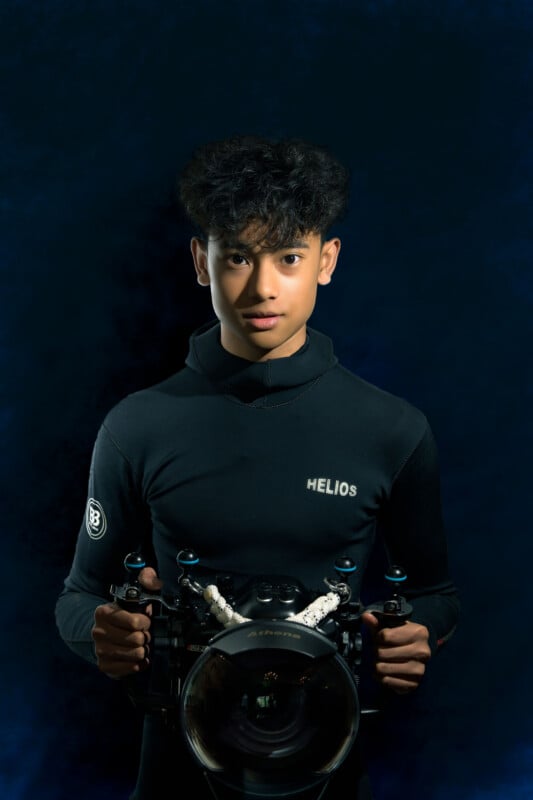
The world of professional photography recently witnessed a groundbreaking achievement as 14-year-old Panitbhand Paribatra “Pari” Na Ayudhya of Thailand was crowned a Hasselblad Master in the prestigious Hasselblad Masters 2026 photo contest. Winning the Project // 21 category, dedicated to photographers 21 years old and younger, Pari’s victory late last month was not only a testament to his exceptional talent but also a significant moment for both underwater photography and youth advocacy in marine conservation. This latest accolade adds to a growing list of major awards for the young Thai prodigy, signaling a bright and impactful future.
The Pinnacle of Photographic Achievement: Hasselblad Masters
The Hasselblad Masters competition stands as one of the most revered photographic awards globally, celebrating excellence and innovation across various categories. Established by the legendary Swedish camera manufacturer Hasselblad, the contest recognizes photographers who demonstrate unparalleled skill, creativity, and a distinct vision. Winning a Hasselblad Master title is a career-defining moment for any photographer, often propelling their work onto the international stage and cementing their status among the industry’s elite. The Project // 21 category, in particular, was introduced to foster and highlight emerging talent, providing a unique platform for young artists to showcase their capabilities alongside seasoned professionals. Pari’s triumph in this highly competitive arena, attracting thousands of entries from around the world, underscores the universal appeal and technical brilliance of his work.
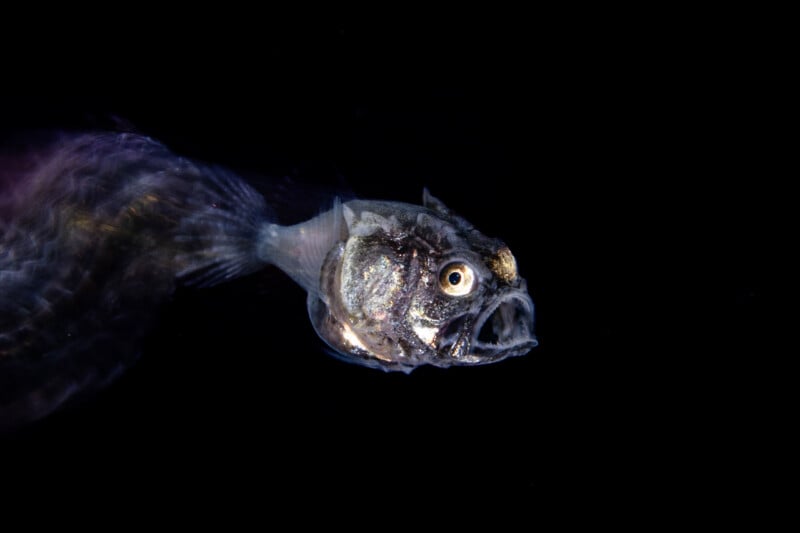
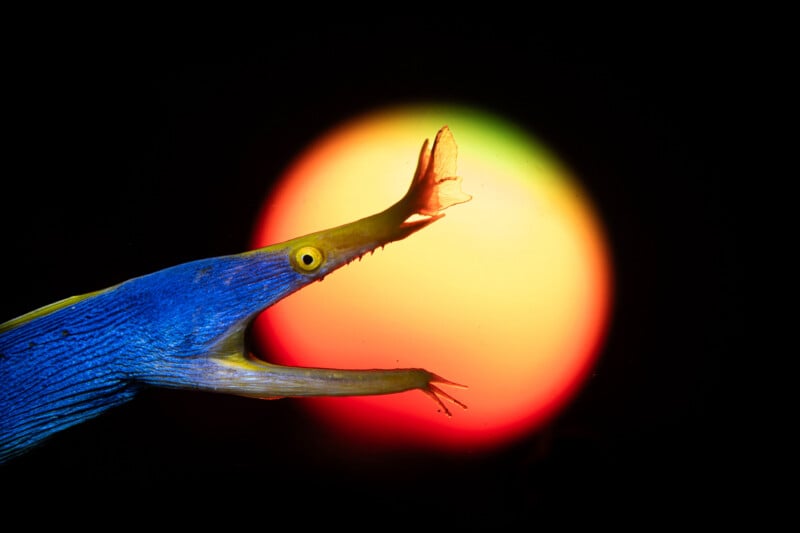
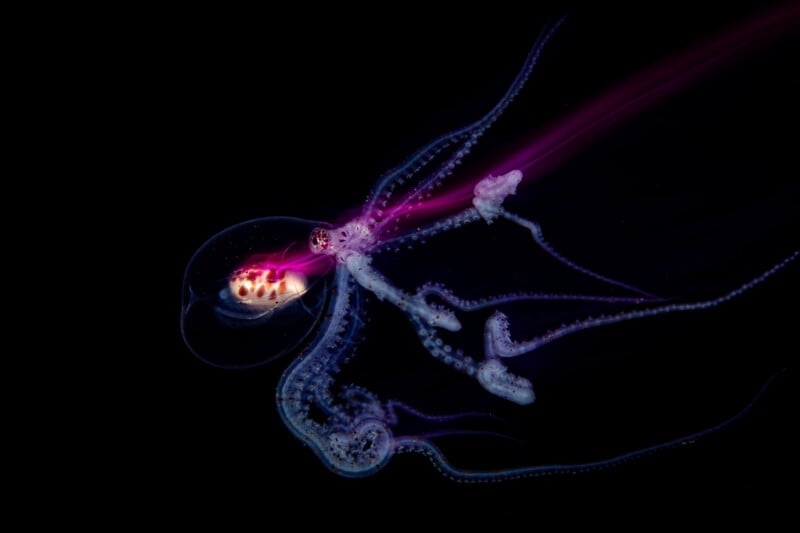
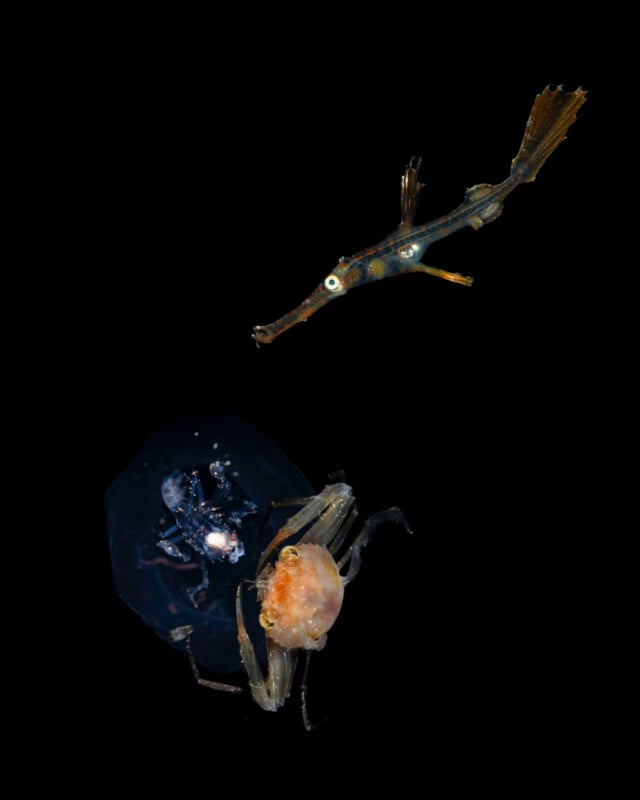
Upon learning of his victory, Paribatra expressed a mixture of surprise and profound honor. "I was really glad I made it to the finalists," he told PetaPixel, reflecting on the intense competition. "I didn’t expect to win because there were really good other photographers I was competing with. I just thought, ‘It was really good that I made it to the finalists.’ I just didn’t expect to make it to the top." This humility, coupled with his strategic approach, offers insight into the mindset of a young master. As part of his preparation, Pari meticulously studied previous winning entries, discerning a pattern that emphasized both individuality and thematic cohesion across the required series of three photographs. His winning portfolio, consisting of three captivating blackwater dive images, exemplifies this strategic thinking, with each photo standing strong on its own while contributing to a unified aesthetic narrative.
The rewards for a Hasselblad Master extend beyond recognition. Pari received the coveted title, a substantial €5,000 creative fund, and his choice of a cutting-edge Hasselblad 100-megapixel camera system paired with two XCD Series lenses. This significant prize package not only provides him with top-tier equipment but also offers invaluable resources to further his photographic endeavors and potentially fund future expeditions dedicated to his passion for the ocean.
Unveiling the Deep: The Art of Blackwater Photography
Pari’s award-winning images were captured during a series of challenging blackwater dives in the Philippines, an experience that highlights both his technical prowess and his adventurous spirit. Blackwater diving is a highly specialized and technically demanding form of underwater photography, typically conducted at night in the open ocean, often miles from shore and suspended over abyssal depths. The methodology involves deploying powerful lights into the dark water column to attract plankton, which in turn draws a diverse array of deep-sea and pelagic creatures that ascend from the depths to feed under the cover of darkness. This vertical migration brings forth a transient gallery of marine life, many of which are rarely seen by humans, including larval fish, jellyfish, cephalopods, and other bizarre and beautiful invertebrates.
The environment itself presents a formidable challenge. Divers are often floating in hundreds or even thousands of meters of water, with no visual reference points except the lights and the creatures they illuminate. This absence of a seabed or reef adds a layer of disorientation and requires exceptional buoyancy control and situational awareness. For a photographer, the task is even more complex: navigating equipment, managing light, and focusing on fast-moving, often tiny subjects in a vast, dark, and unpredictable environment.
Innovation in the Abyss: Pari’s Signature Technique
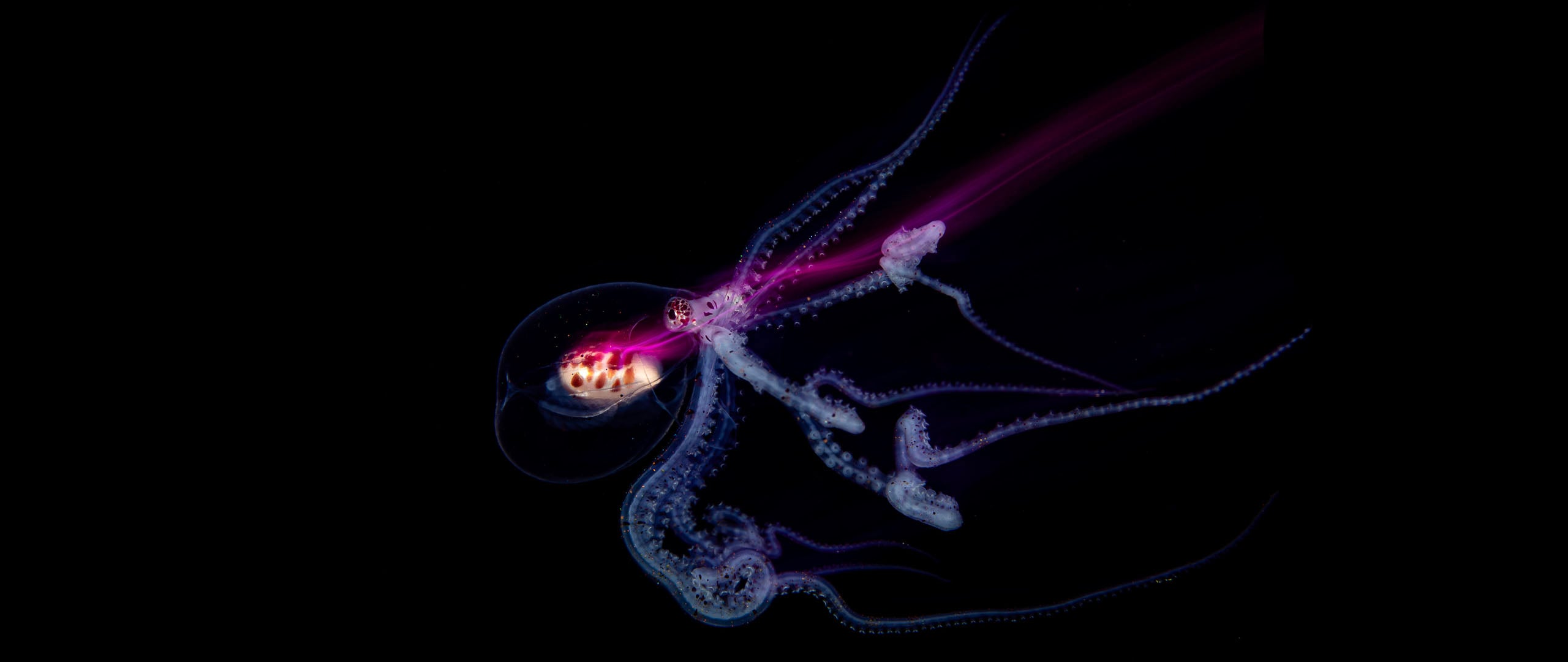
Pari’s approach to capturing his winning blackwater images demonstrated an ingenuity far beyond his years. Initially, he employed a standard flash technique, resulting in clear, well-lit subjects. However, inspired by experimental slow shutter speed techniques he had observed, he sought to push the creative boundaries. His initial attempts with slow shutter speeds and typical flash proved "wonky," lacking organization and precise detail. This led to a brilliant improvisation: combining a video light with filters for ambient illumination and motion blur, followed by a precise flash burst at the end of the exposure to "freeze" and retain sharp detail of the subject.
"So I improvised with a video light and filters, and I put the filter on during the slow shutter, and then ended my photo with flash to keep the details," Pari explained. This multi-layered technique allowed him to create images that are both ethereal and sharply defined, showcasing the movement and otherworldly beauty of the deep-sea creatures against a dramatic, blurred background. It’s a method that requires impeccable timing, understanding of light physics underwater, and a high degree of comfort and control in a challenging environment. This blend of artistic vision and technical problem-solving is a hallmark of truly exceptional photography.
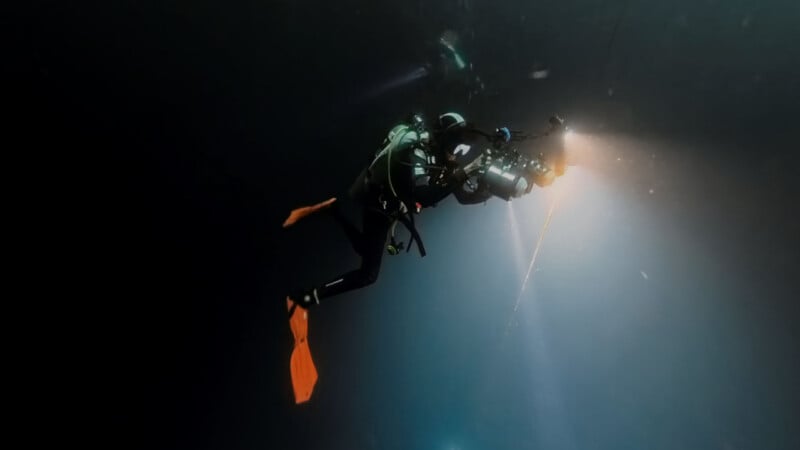
His description of the blackwater dive itself reflects a fearlessness characteristic of young explorers: "It wasn’t that bad," Pari recounted. "There were a lot of people there. And it was like 100 meters deep down there, and I didn’t know what could come up, so I was excited." This sense of wonder and excitement in the face of the unknown fuels his artistic pursuit.
From Childhood Curiosity to Certified Diver
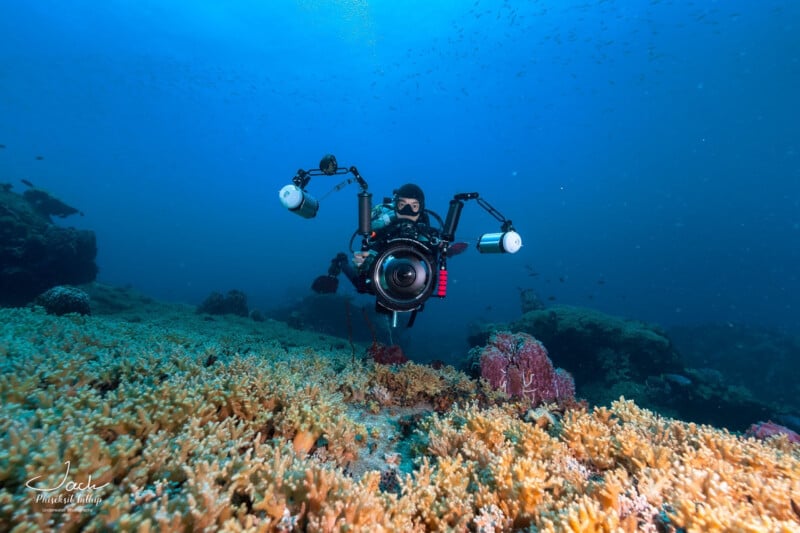
Pari’s journey into the depths began at the earliest legal opportunity. He started scuba diving at age 10, quickly earning his initial certification. His dedication to mastering the underwater world saw him rapidly progress, acquiring a diving rescue certification shortly thereafter. This foundational expertise in diving is crucial for underwater photography, where safety, buoyancy control, and understanding marine environments are paramount. "I just practiced and practiced and practiced," he affirmed, highlighting the rigorous training and countless hours spent honing his skills beneath the surface.
His initial foray into photography was driven by a desire to document the wonders he encountered. Like many budding adventurers, he began with an action camera. "I always had an action camera," Pari said of his early dives. "I just thought I would record what happened out there." The turning point came when he reviewed his early attempts. Acknowledging his first photos as "really bad," he was spurred by a determination to improve. "I had to improve," he laughed. "Then it went on, and I started really liking it." This drive for mastery quickly led him to upgrade his equipment and delve deeper into photographic techniques.
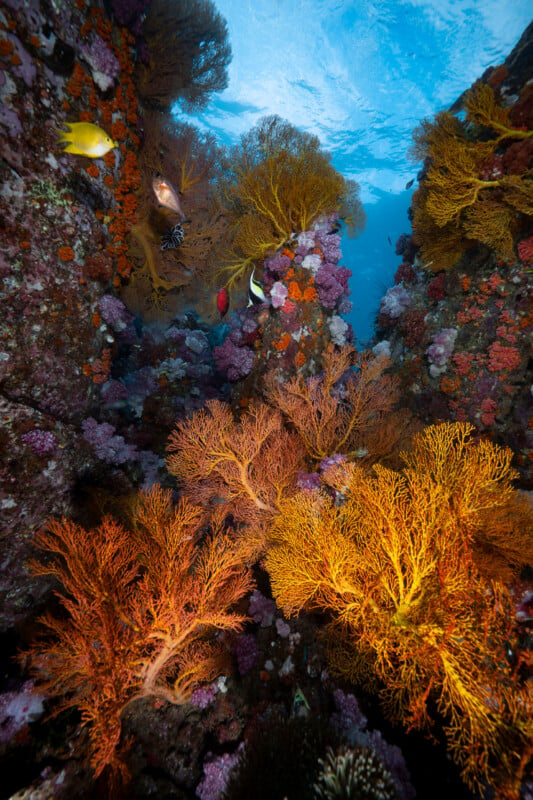
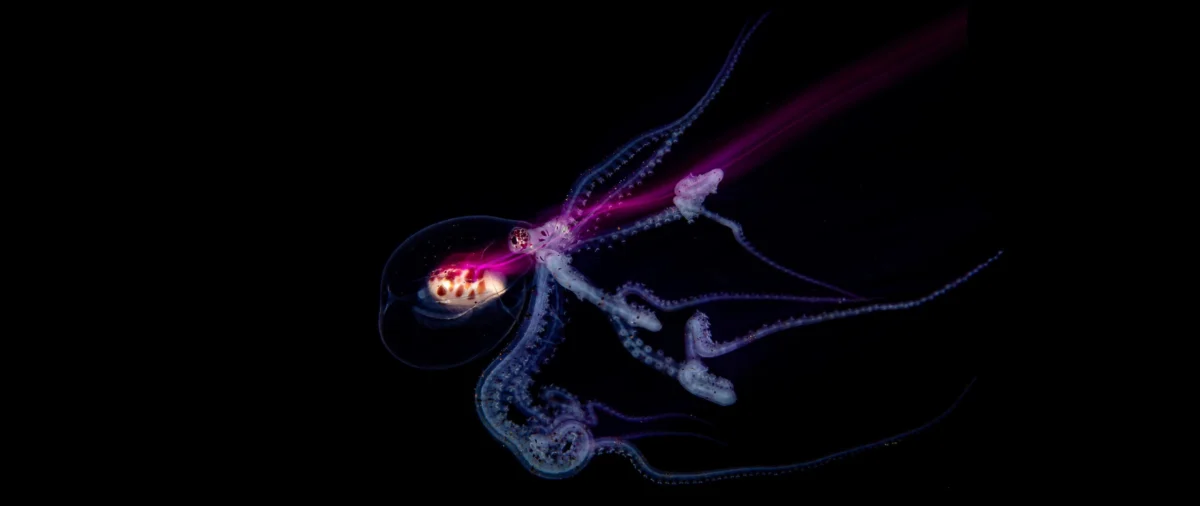
Today, Pari utilizes a sophisticated setup, including a Nikon Z8 camera, often paired with a Nikkor Z MC 105mm f/2.8 VR S macro lens. This is complemented by a pair of Kraken strobes mounted on either side of his lens and a video light, allowing for versatile lighting in the challenging underwater environment. His preference for the 105mm macro lens, a deviation from the wide-angle lenses often favored by underwater photographers, stems from his desire to capture the intricate details of tiny subjects. He humorously noted that if he needs more distance, he simply swims farther away. His favorite winning image, that of a translucent octopus, might appear to depict a large creature, but Pari reveals it was merely the size of a ping-pong ball, underscoring his skill in magnifying the miniature. His fascination with macro photography was ignited by an early, blurry attempt to photograph a sea slug. "I saw it on documentaries, and I was like, ‘Wow, this thing actually exists, and you can actually see it.’ So I was like, ‘I have to take a photo of this.’ And then I took it, and it came out very blurry. It was very bad. So the next time I went out, I had to make it better." This experience solidified his dedication to precision and detail in his underwater work.
Navigating the Unpredictable: Challenges of Underwater Photography
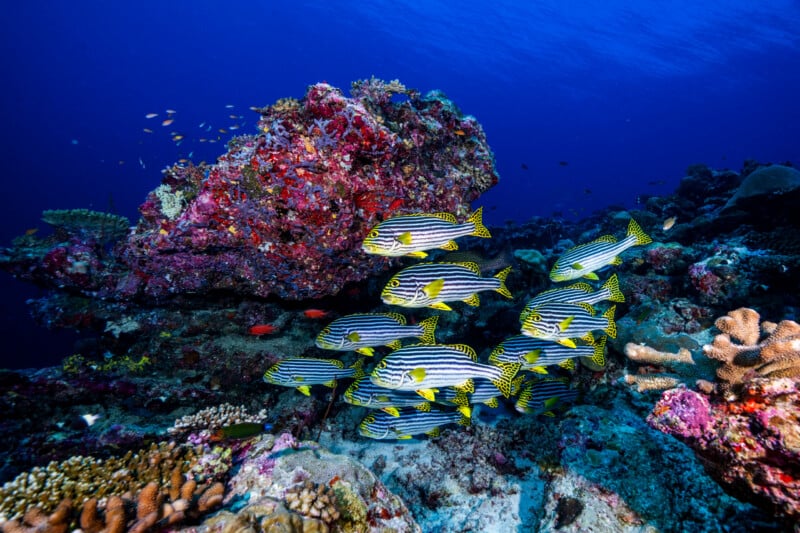
Despite his exceptional talent, Pari acknowledges the formidable challenges inherent in underwater photography. "It’s hard because you can’t control a lot of things," he explains. "You can control the light, but you can’t control the water. If the water isn’t cooperating, it’s really hard to do anything." Visibility can be poor due to suspended particles, currents can be strong, and the natural behavior of marine life is inherently unpredictable. The subjects are almost always in motion, adding another layer of complexity to achieving sharp focus and compelling composition.
Furthermore, ethical considerations are paramount for responsible marine photographers. Pari, an Ocean Ambassador for the Manta Trust and a Young Shark Ambassador for Fins Attached Marine Research and Conservation, holds immense respect for the ocean and its inhabitants. He adheres strictly to a code of conduct that prioritizes the well-being of marine life, meaning he must wait for creatures to approach him rather than pursuing them aggressively. This patience and non-invasive approach can often result in missed opportunities, a disappointment he has learned to accept as part of the process.
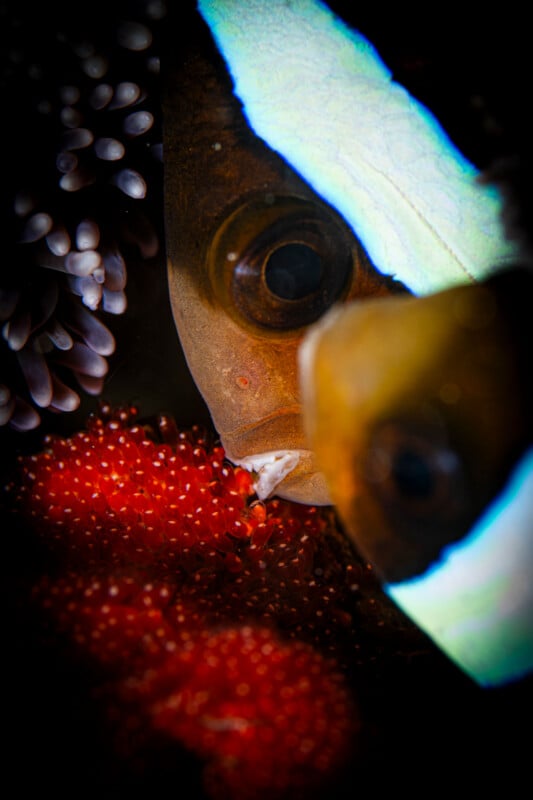
To mitigate these challenges, Pari emphasizes meticulous preparation. "As soon as he gets in the ocean, he double-checks all his settings and makes sure his test shots look good. ‘I practice on the person next to me or a rock or something to make sure the settings are perfect first, because a shark isn’t going to stick around long,’ Pari says. ‘So if it does, I’m ready and just try to find the angle and click because I can’t set anything up on my camera after the shark shows up.’" This disciplined approach ensures he is always ready to capture fleeting moments, maximizing his chances of success in an unforgiving environment.
Advocacy for the Ocean: A Purposeful Lens
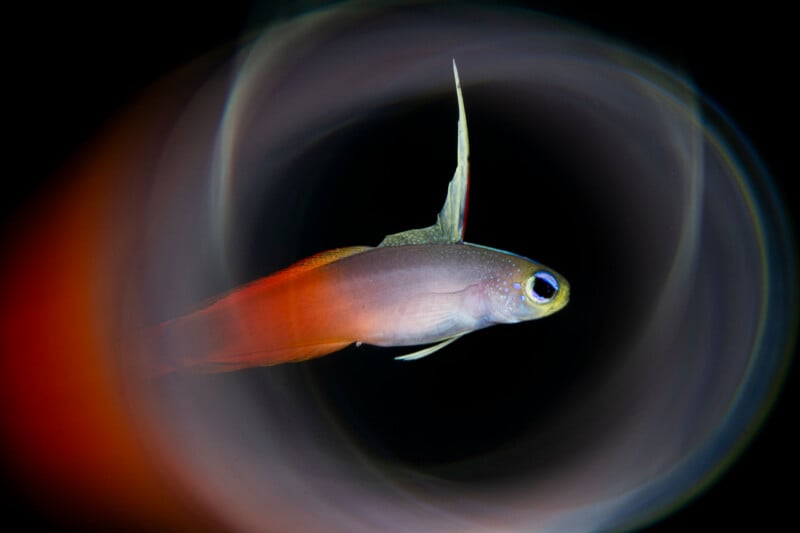
Pari’s profound connection to the ocean extends far beyond artistic expression; it is deeply intertwined with a commitment to marine conservation. "I have always liked the ocean, spending time in the ocean," Paribatra told PetaPixel. "Long before I started diving, I knew I had to do something to pay back what the ocean gave to me." His photography is not merely about capturing beauty; it is a powerful tool for advocacy, raising awareness about the fragility and splendor of marine ecosystems.
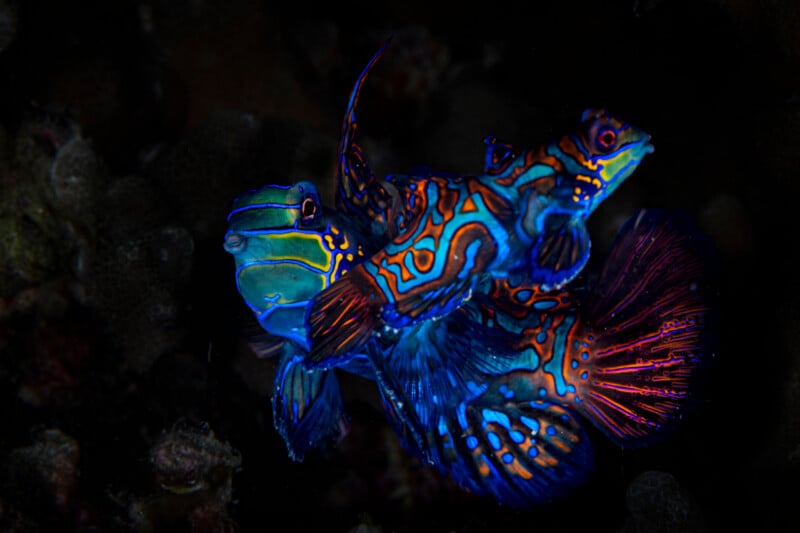
As an Ocean Ambassador for the Manta Trust, an organization dedicated to the conservation of manta rays and their habitats, and a Young Shark Ambassador for Fins Attached Marine Research and Conservation, which works to protect sharks and marine ecosystems, Pari actively uses his platform to educate and inspire. He has delivered numerous presentations and recently hosted a photo exhibition in Bangkok titled "Pay Back to the Ocean." This initiative exemplifies his belief in the power of visual storytelling to foster a deeper appreciation and sense of responsibility towards the marine environment. "Other people do stuff with data and science and awareness. But I just thought that photography — I enjoy photography — so I want to use that and do something good for the ocean," he articulated. His work vividly portrays the delicate balance of marine life, from the intricate patterns of a mandarin fish to the majestic presence of a whale shark, serving as a compelling call to action for conservation.
A Future Charted by Passion
While his achievements might suggest a clear path towards a professional career in underwater photography, Pari maintains a thoughtful perspective on his future. "I want to improve, I want to get better," Paribatra says of photography. "But I also want to enjoy it in a way that it might not be the number one job in my life. Because when it becomes a commitment, and something I have to do a lot, I won’t enjoy it as much. I think it’s a number one hobby, but not everything in my life." This mature outlook allows him to pursue his passion without the pressures of commercial obligation, preserving the joy and freedom of his artistic expression.
However, his future aspirations remain firmly rooted in the marine realm. Pari envisions a career related to the ocean, possibly in marine science. "But I’m not sure yet," he admits. This blend of scientific curiosity and artistic talent positions him uniquely to contribute to marine conservation in multifaceted ways, whether through research, education, or continued visual advocacy.
Inspiring a New Generation
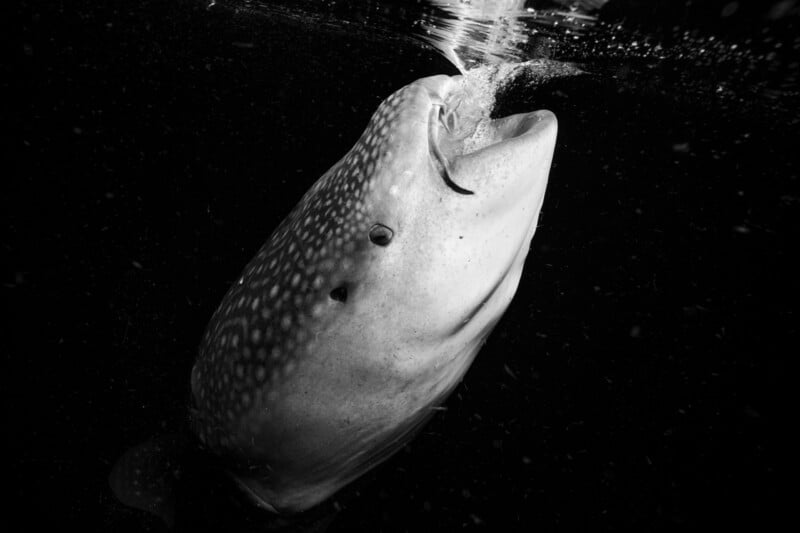
Panitbhand Paribatra’s journey is a remarkable inspiration, demonstrating that age is no barrier to achieving excellence and making a significant impact. His success as the youngest Hasselblad Master highlights the immense potential of youth in driving innovation and advocating for critical global issues. In a world increasingly concerned with environmental challenges, young voices like Pari’s are crucial in galvanizing action and fostering a deeper connection to the natural world. His dedication to mastering both the technical aspects of diving and photography, coupled with his unwavering commitment to ocean conservation, sets a powerful example for aspiring photographers, scientists, and environmentalists worldwide.
No matter what career path Pari ultimately chooses, his innate skill, relentless drive, and profound love for the ocean guarantee that he will continue to excel and leave an indelible mark on whatever endeavors he pursues. His extraordinary talent, recognized on a global stage, ensures that the wonders of the deep will continue to be brought to light through his unique and compelling vision.
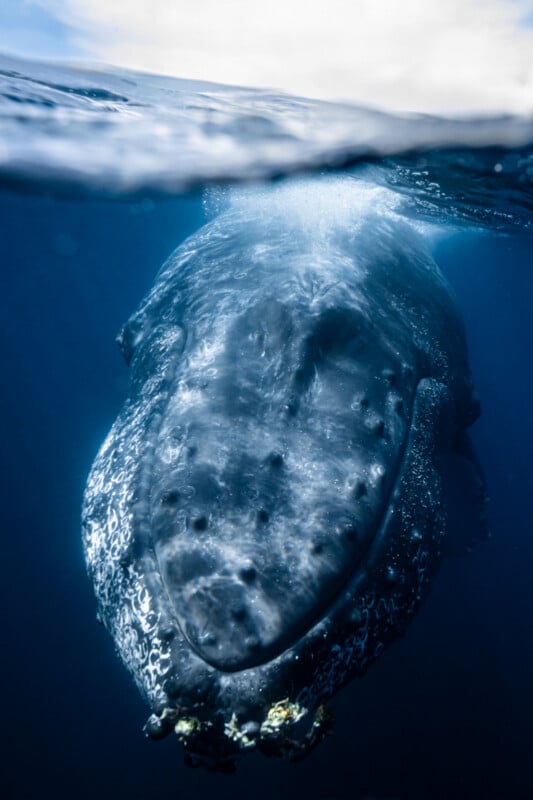
Readers interested in following Panitbhand Paribatra’s remarkable underwater photography adventures and conservation efforts can find him on Instagram @pelagic_captures and visit his official website, pariocean.com.