For over eight years, Jon Kreye has carved a distinctive niche in the competitive world of travel and hospitality photography, documenting cabins, vacation rentals, hotels, and resorts across the globe for prominent lodging companies. His award-winning work, recently highlighted in an exclusive PetaPixel interview, underscores a career built on a profound love for travel, an insatiable curiosity for unique places, and a steadfast commitment to storytelling through light and composition. Kreye’s approach transcends mere documentation, aiming instead to evoke the sensory and emotional experience of a destination, a methodology that has profoundly reshaped how properties market themselves in the digital age.
Early Influences and the Genesis of a Passion
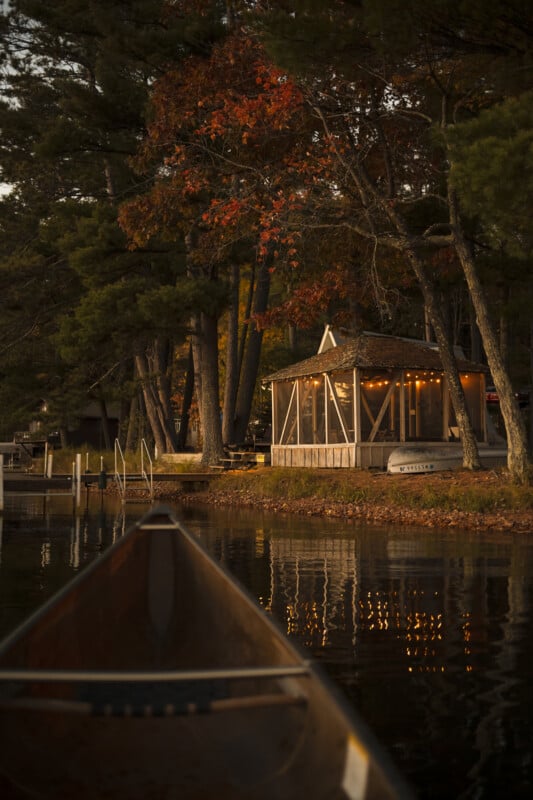
Kreye’s journey into the heart of hospitality photography began not in a formal studio, but amidst the serene landscapes of Minnesota. Growing up, a significant part of his life revolved around lakes, cabins, road trips, and the great outdoors—experiences that fostered an early appreciation for the very types of places he now professionally photographs. This foundational connection to nature and leisure activities provided a unique lens through which he would later view his subjects. His perspective broadened significantly with extensive travel, taking him from the rugged beauty of Alaska to the majestic Alps of Switzerland. This exposure to diverse cultures and environments sharpened his observational skills, allowing him to notice intricate details that often escape casual observers.
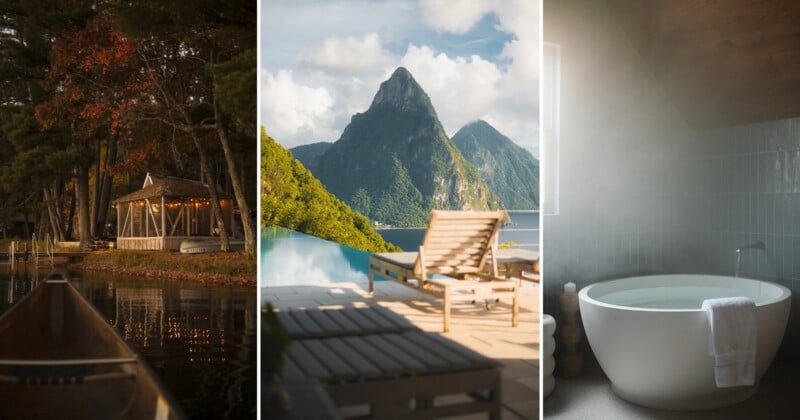
"Outside of photography, I’m someone who is endlessly curious. I love traveling, exploring new places, meeting interesting people, old buildings, cabins, architecture, the outdoors, and learning the story behind why something exists or how someone ended up doing what they do," Kreye states, emphasizing curiosity as the bedrock of his creative process. This intellectual drive extends beyond visual aesthetics to encompass the history, people, and architectural nuances that define a location. Photography, for Kreye, became the natural conduit for investigating these multifaceted interests and sharing his discoveries, transforming personal exploration into a professional calling. "I think curiosity is probably the common thread through all of it. I genuinely like discovering things, and photography became a way for me to share those discoveries with other people," he adds, encapsulating the organic evolution of his career.
The Vacation Rental Revolution and a Niche Emerges
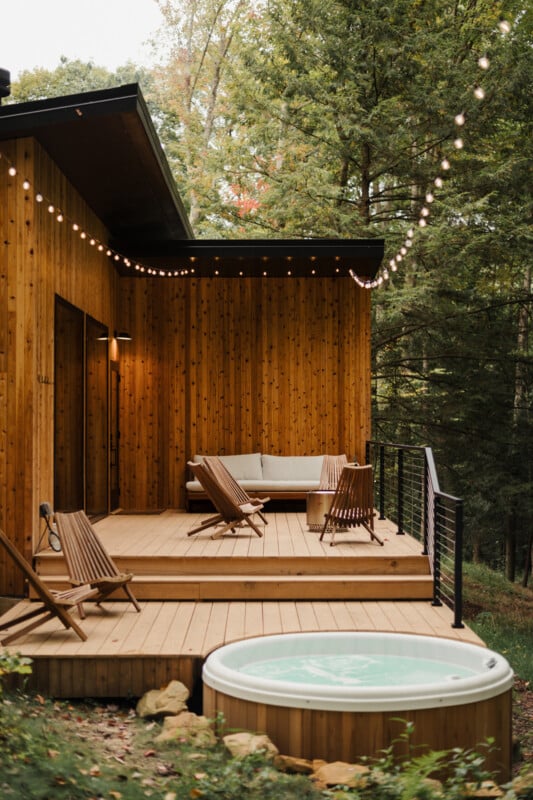
The proliferation of online vacation rental platforms like Airbnb and Vrbo in the mid-2010s marked a pivotal moment for the hospitality industry and, inadvertently, for Kreye’s burgeoning career. This period saw an exponential rise in demand for compelling visual content that could differentiate properties in an increasingly crowded market. While many existing photographers offered functional real estate imagery—showcasing bedrooms, bathrooms, and kitchens—Kreye identified a critical gap: the absence of photography that conveyed emotion, atmosphere, and the immersive experience of a stay.
His childhood memories of family trips to cabins and resorts in Minnesota and Wisconsin, places distinctly removed from everyday life, deeply influenced his professional vision. These memories were not merely of structures but of the experiences within and around them—the morning coffee by the lake, the warmth of a fire at night. "I grew up in Minnesota, and so much of my life has revolved around lakes, cabins, road trips, and time outside," Kreye reflects. "I’ve also been fortunate to travel quite a bit through photography… Being somewhere unfamiliar forces you to pay attention. You notice the light differently, the architecture, what people eat, how they live, the landscape, the little details you might overlook at home."
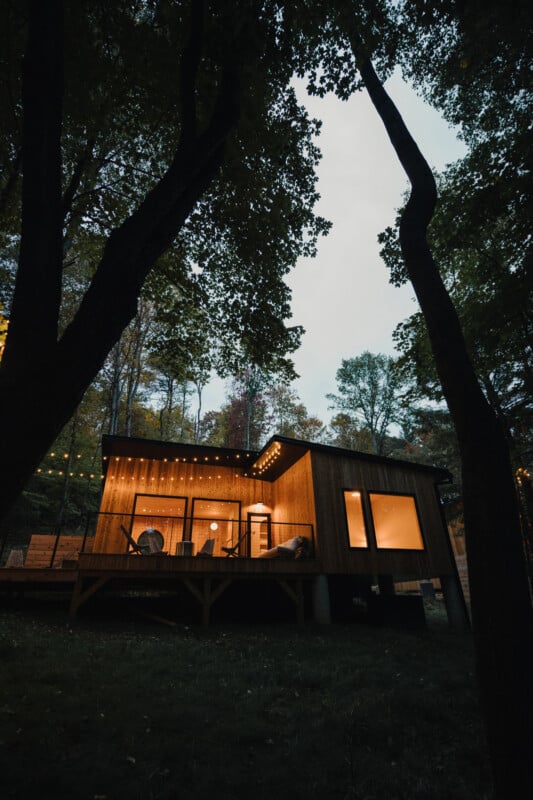
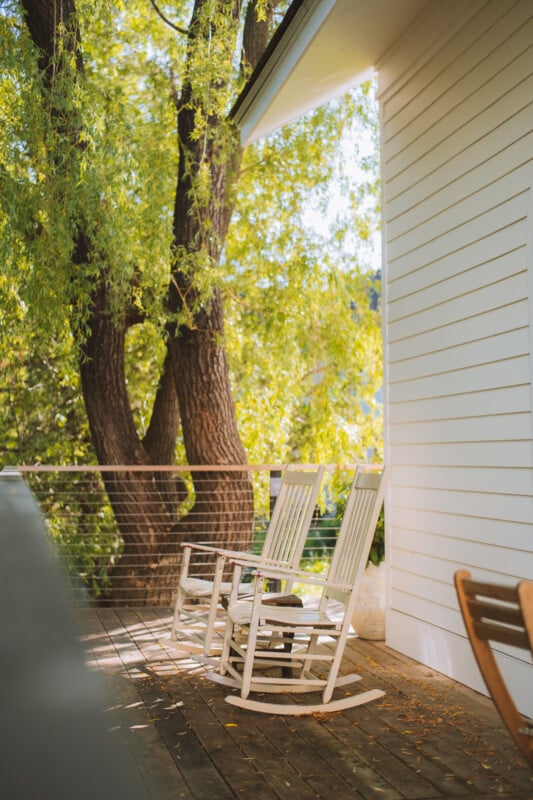
As an adult, his fascination with unusual cabins and small resorts intensified. When vacation rentals began to dominate social media feeds, Kreye recognized a perfect alignment with his existing interests and a significant market opportunity. "I think that childhood connection still influences the way I shoot today. I don’t just want someone to see what a cabin looks like. I want them to imagine waking up there, making coffee, walking down to the lake or sitting by the fire at night," he explains. This foundational philosophy—to photograph the experience rather than simply documenting the property—became the hallmark of his award-winning work. This shift from transactional to experiential imagery was precisely what the evolving vacation rental market needed, propelling Kreye from individual property contacts to major contracts with leading travel and lodging companies.
The Art of Evocative Storytelling: Beyond the Blueprint
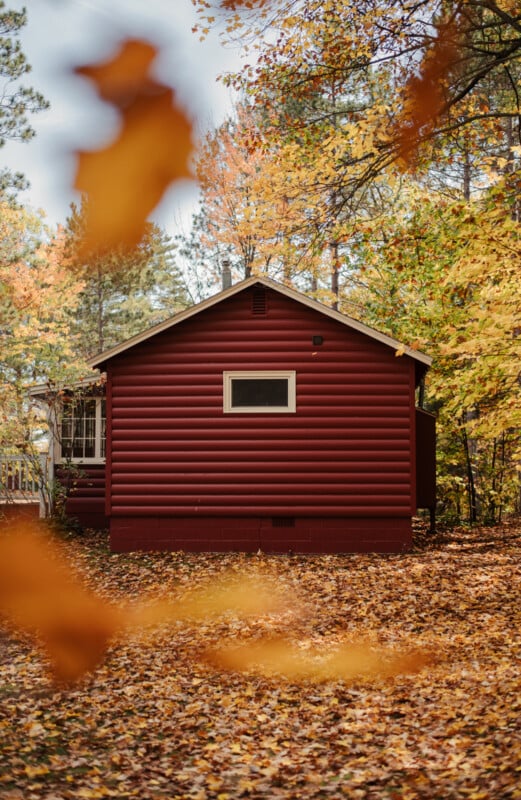
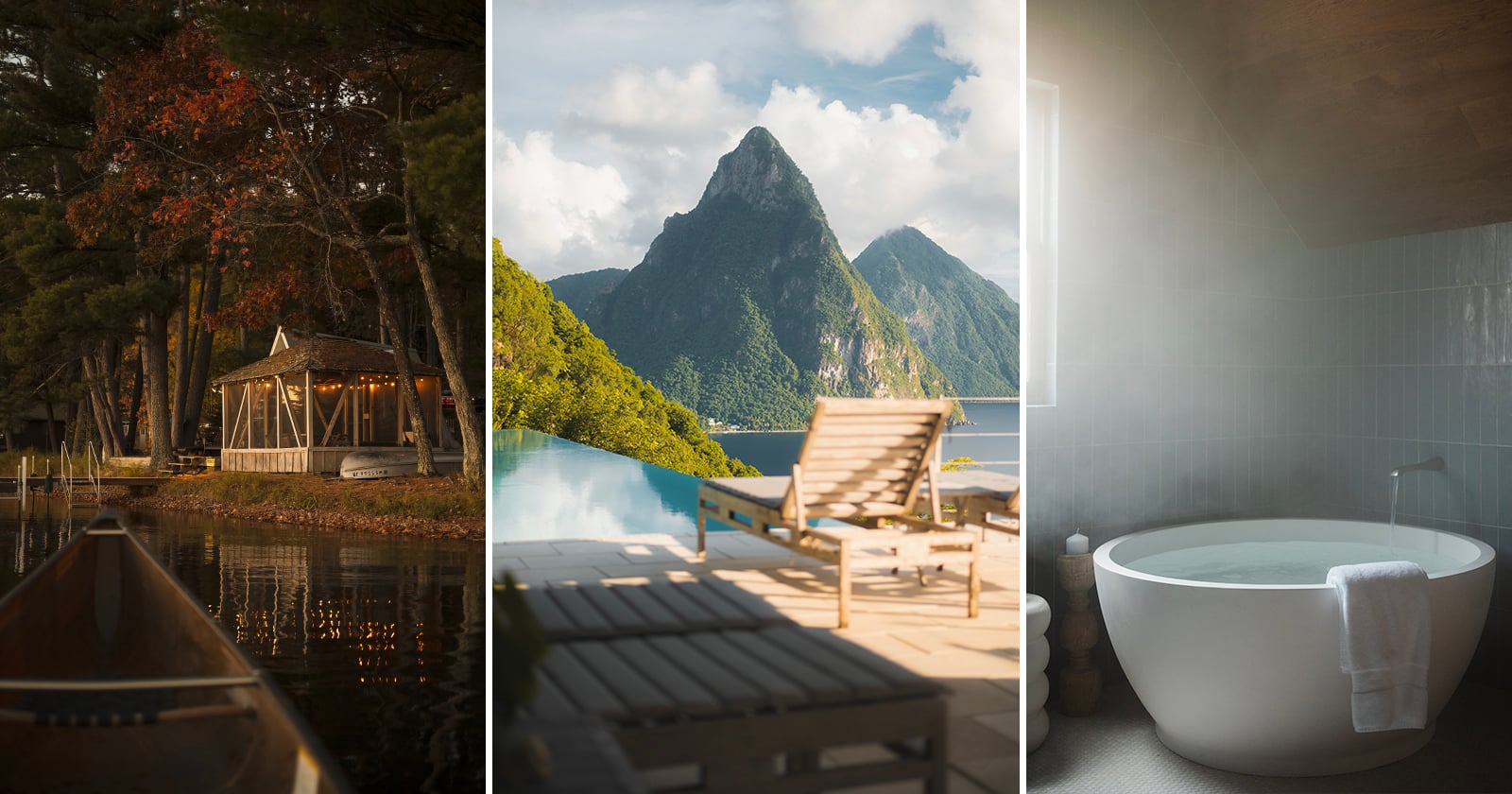
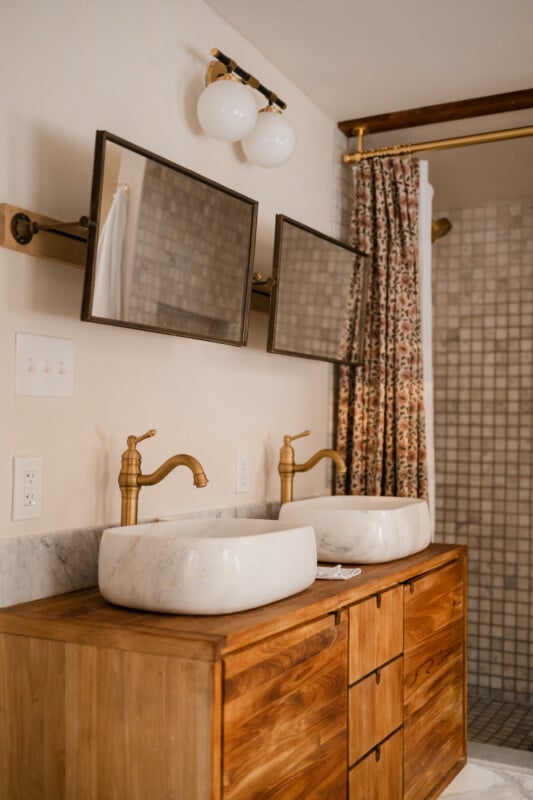
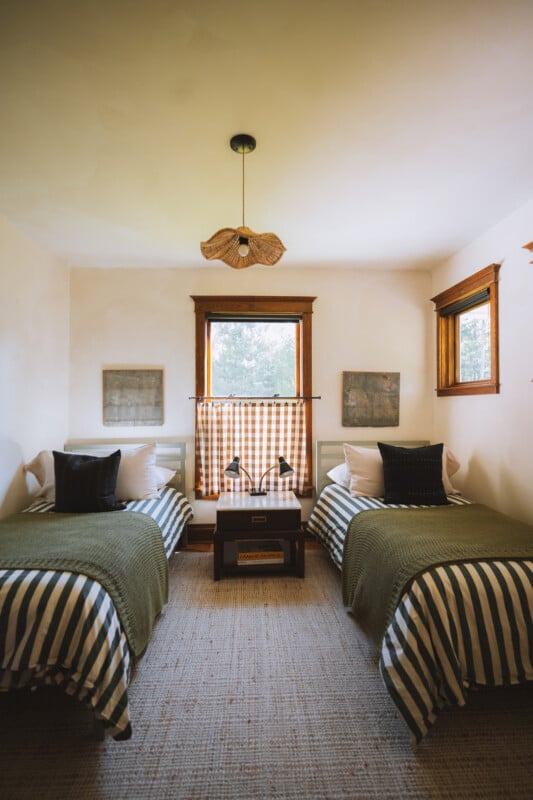
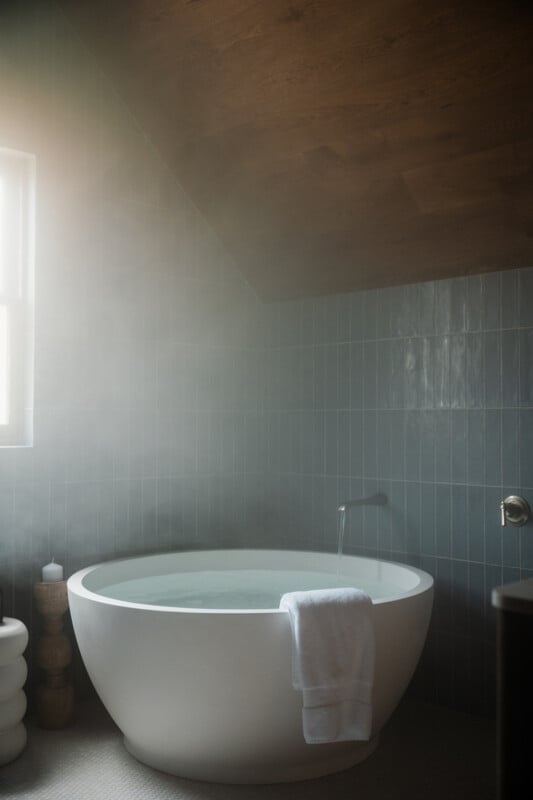
Kreye’s distinctive visual style is characterized by moody tones, mastery of natural light, strategic use of shadows, and immersive compositions. Unlike traditional real estate photography that often aims for uniformly bright, wide-angle shots to showcase every corner, Kreye deliberately allows available light to guide the viewer’s eye, creating a sense of intimacy and discovery. "I’ve always gravitated toward natural light, shadows, texture and images that provide an emotional response. I would much rather photograph a cabin when light is pouring through one window than make every corner of the room equally bright," he notes.
Upon arriving at a new location, Kreye’s first step is not to immediately begin shooting a checklist of rooms, but to immerse himself in the property. He walks through the space, observing how it functions, how sunlight interacts with architectural features throughout the day, the views framed by windows and doorways, and the seamless connection between indoor and outdoor living spaces. He considers the guest’s journey, envisioning the sequence of experiences rather than a mere collection of rooms. "One of the first things I ask myself is, ‘Why would someone choose this place?’" he reveals. The answer might be an obvious dramatic vista or an intricate architectural detail, but often it’s an understated element that evokes a profound sense of place.
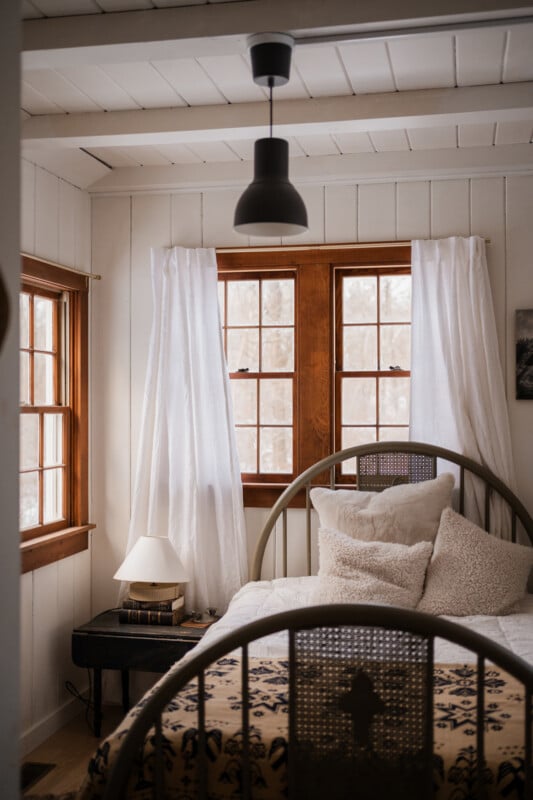
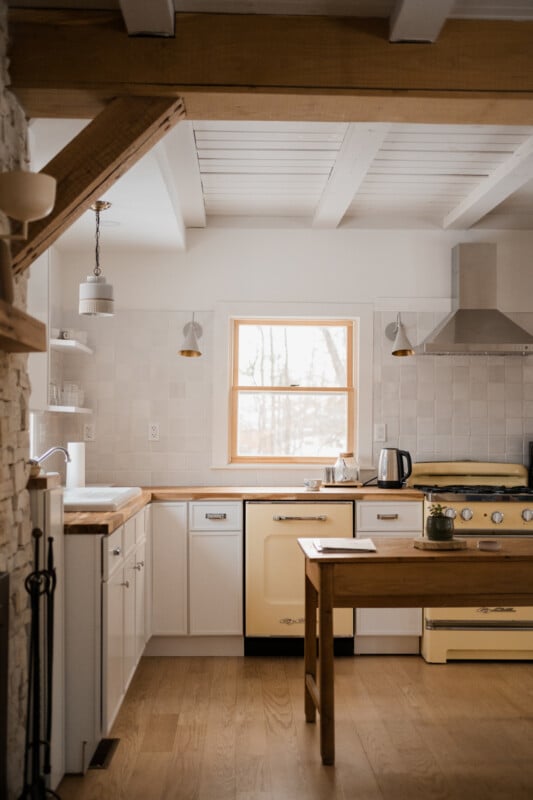
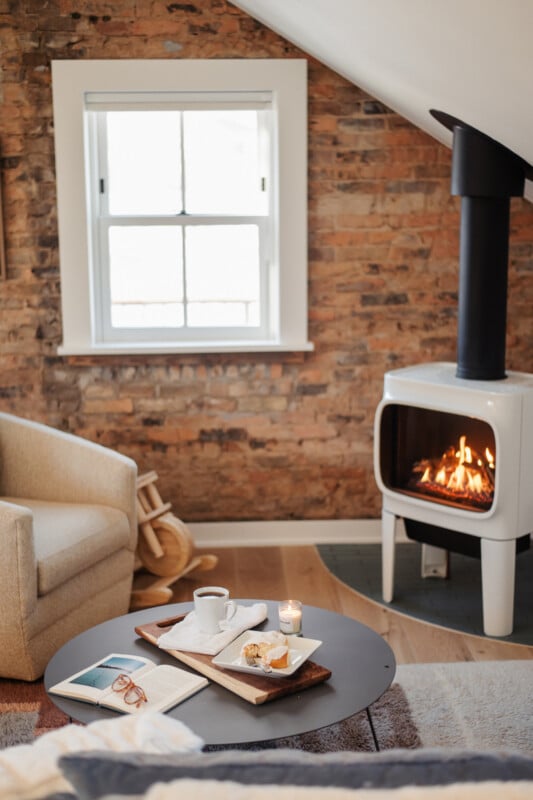
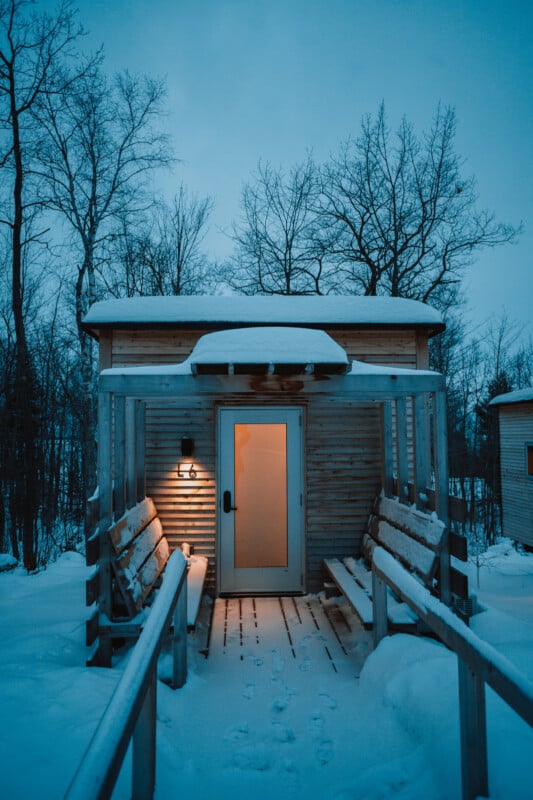
His compositions frequently employ architectural elements—doorways, foreground objects, structural lines—to invite the viewer into the scene, fostering a sense of discovery. "Composition is similar. I love shooting through doorways, using foreground elements or letting architecture frame a scene because it gives you the feeling of discovering the space rather than simply looking at a photograph of it," Kreye elaborates. This approach transforms a simple photograph of a chair by a fireplace or morning light streaming through a window into a narrative prompt, allowing potential guests to mentally inhabit the space. For Kreye, these evocative moments often supersede a perfectly comprehensive photographic record of every room, demonstrating a commitment to emotional resonance over exhaustive inventory. This strategic storytelling has proven invaluable for clients, with studies consistently showing that high-quality, emotionally resonant imagery significantly boosts booking rates and perceived value in the hospitality sector.
Immersive Engagement: Stepping into the Experience
Kreye’s evolution as a photographer has increasingly led him beyond static property shots to capturing dynamic travel experiences themselves. A recent assignment photographing excursions for MSC Cruises’ inaugural Alaska season exemplifies this shift. This project, which brought him back to a region where he had previously lived, involved documenting everything from whale watching and ziplining to hiking, crabbing, floatplane flights, and glacier explorations. This immersive assignment reinforced a core belief: true travel photography often arises from being an active participant rather than a detached observer.
"Projects like that have reinforced something I have learned again and again: the photographs people remember often come from genuinely experiencing something rather than standing on the sidelines documenting it," Kreye asserts. This philosophy necessitates a willingness to embrace discomfort and unpredictability—to be "in the boat, on the trail, in the airplane or getting soaked in the rain." By fully engaging with the experience, Kreye believes he can capture a more authentic and impactful visual narrative, allowing his images to resonate deeply with prospective travelers seeking genuine adventures. This participant-observer methodology aligns with broader trends in travel marketing, where authenticity and experiential content are highly valued by consumers.
Navigating the Digital Tides: Social Media and Creative Integrity
The contemporary landscape of hospitality photography is undeniably shaped by social media. A single assignment now often demands a diverse output: horizontal images for websites, vertical formats for platforms like Instagram and TikTok, short videos, behind-the-scenes content, and targeted advertising material. While Kreye has adapted to these evolving requirements, he remains steadfast in his resolve not to let platform algorithms dictate his creative voice.
"I pay attention to what performs. But I don’t want every decision to be based on what might get the most views," Kreye states, expressing a common tension faced by artists in the digital age. For him, maintaining a recognizable, authentic creative style is paramount, even if it means sacrificing some engagement metrics. "Photography is and always will be an art to me. I would rather make an image that feels like mine and was shot with my signature style and gets less engagement than slowly train myself to photograph everything exactly like everybody else because an algorithm rewards it." This stance highlights a crucial debate within creative industries: how to leverage digital platforms for reach without compromising artistic integrity.
However, Kreye is not dismissive of social media’s power. His approach involves understanding what captures attention while filtering those insights through his unique perspective. He believes the most effective social content skillfully merges strong hooks that command immediate attention with an authentic and distinctive point of view. This balanced strategy allows him to remain relevant and visible in a fast-paced digital environment without succumbing to homogenization.
Beyond the Lens: Building a Sustainable Creative Career
Kreye’s journey offers invaluable lessons for aspiring photographers seeking to transform a creative passion into a sustainable career. He emphasizes that technical photographic skill, while essential, is merely one component of long-term success. "The biggest thing I have learned is that being good at photography is only one piece of building a career in photography," he advises.
Central to his philosophy is the cultivation of strong relationships. Opportunities, he notes, often blossom from connections nurtured over time, rather than solely from immediate project pitches. "Be curious about people. Ask questions. Follow up. Do good work. Make the process enjoyable for the client," he stresses, underscoring the importance of professionalism, communication, and reliability. This client-centric approach, where the process is as enjoyable as the final product, fosters trust and repeat business—critical for any freelance creative.
Furthermore, Kreye advocates for developing a recognizable specialty. Becoming known for something specific creates momentum, drawing opportunities to the photographer rather than requiring constant active searching for the next job. His own focus on experiential hospitality photography served precisely this purpose, making him a go-to expert in his field. "And probably the biggest lesson is to make yourself known for something," he concludes, offering a clear directive for carving out a unique professional identity.
An Evolving Vision: Architecture, People, and Broader Narratives
With over eight years in the industry and hundreds of properties photographed, Jon Kreye’s ambitions are expanding beyond his established hospitality niche. His interests are increasingly gravitating towards broader narratives in architecture, travel, and the human element behind distinctive places. Recent projects have taken him aboard cruise ships in Alaska and into the rugged mountains of Switzerland, while an upcoming assignment at the Theodore Roosevelt Presidential Library in North Dakota signals a growing engagement with historical and architectural storytelling.
A significant shift in his evolving vision is a greater focus on the people who conceptualize, build, and bring unique destinations to life—architects, builders, founders, chefs, and owners. "The older I get, the more interested I become in the people behind the places, the architect, builder, founder, chef, owner or person who has spent their life creating something unusual," Kreye shares. This interest represents a natural progression of his inherent curiosity, moving beyond the visual allure of a location to delve into the genesis of its existence and the human stories embedded within.
This expansion aims to tell more complete stories, adding layers of depth and context to his already evocative imagery. "For years I became known for photographing beautiful places. I think the next evolution is telling more complete stories about those places and the people who made them possible," Kreye articulates, outlining a future where his lens captures not just the beauty of a place, but the vision, craftsmanship, and passion that brought it into being. This trajectory aligns with a growing public appetite for authentic narratives and behind-the-scenes insights, offering a rich new dimension to his work.
Conclusion: The Enduring Power of Curiosity
At the heart of Jon Kreye’s remarkable career, from his early days in Minnesota to his current global assignments, remains an unwavering commitment to curiosity. This fundamental drive continues to fuel his creative process, pushing him to explore new territories, both geographical and thematic. Hospitality photography provided him with a powerful specialty, but it is his enduring fascination with discovery—be it a hidden cabin, a mountain vista, or the story of a visionary architect—that truly defines his artistic journey.
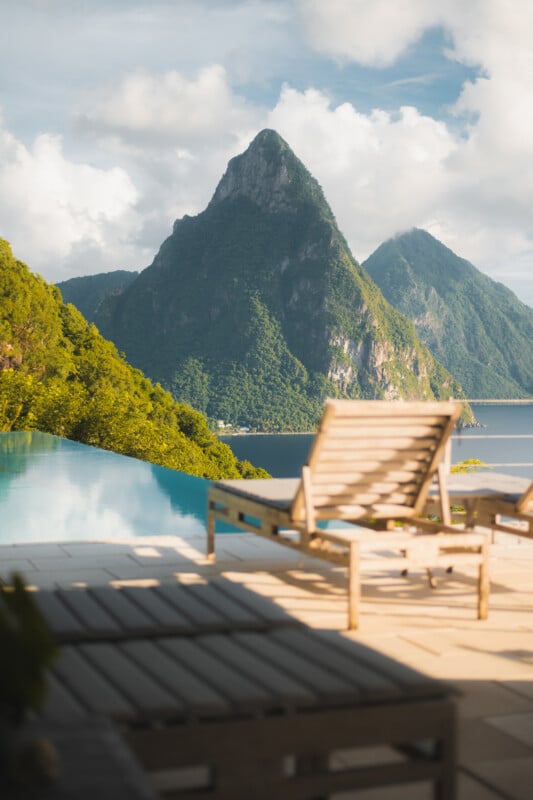
"At the end of the day, I still want photography to give me an excuse to be curious. If I can keep going somewhere I have never been, meeting someone interesting and coming home with a story to share, I’ll call it a win," Kreye concludes. This simple yet profound statement encapsulates the ethos of a photographer who has successfully blended artistic passion with commercial acumen, demonstrating that a career built on genuine interest and a unique perspective can not only thrive but also continuously evolve, leaving an indelible mark on the visual narrative of travel and place.