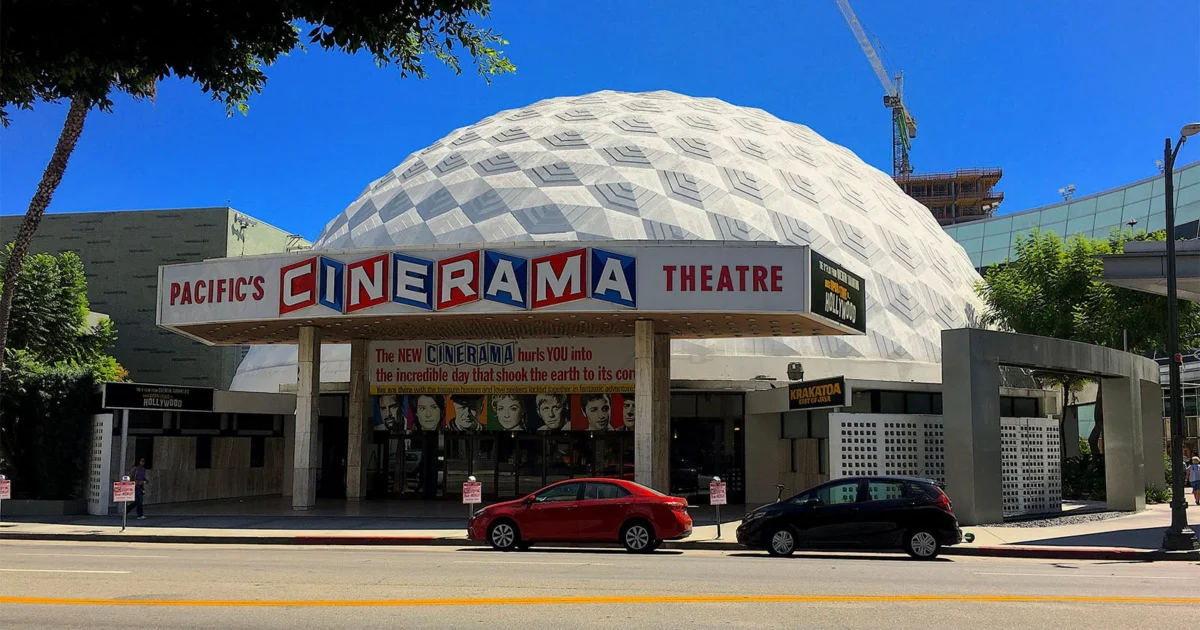
After years of uncertainty and a period symbolizing the struggles of the motion picture industry, the iconic Cinerama Dome on Sunset Boulevard, Hollywood, is poised for a triumphant return. Sony Pictures Entertainment announced this week its ambitious plans to restore and reopen the historic theater in early 2028, a move that is being widely hailed as a significant indicator of renewed confidence in the theatrical experience. This decision comes amidst a noticeable uptick in box office revenues, with Hollywood on track to celebrate its most successful summer since the global pandemic brought the industry to a near standstill.
The Phoenix Rises: A Beacon for Theatrical Cinema
The Cinerama Dome, a distinctive white geodesic structure that has graced the Hollywood landscape since 1963, has been shuttered since March 2020, becoming a poignant symbol of the challenges faced by cinemas worldwide. Its prolonged closure, alongside that of the broader Pacific Theatres and ArcLight Cinemas chain, left a void in the heart of Los Angeles’s film culture. However, driven by encouraging trends in ticket sales and a deep-seated belief in the magic of shared cinematic moments, Sony Pictures Entertainment has stepped in to revitalize this beloved landmark.
Tom Rothman, Chairman of Sony’s Motion Picture Group, expressed immense enthusiasm for the project. "Hot damn! We’re bringing the Dome back, baby," Rothman declared, his words echoing the excitement felt by cinephiles and industry insiders alike. "We believe in moviegoing down to our soul, and no venue on Earth stands more for that than the one-of-a-kind Dome." This sentiment underscores a broader industry pivot towards reaffirming the unique value of the theatrical experience, especially as streaming platforms continue to diversify content consumption.
Ravi Ahuja, Chairman and CEO of Sony Pictures Entertainment, further emphasized the profound significance of the reopening. "There is no moviegoing destination anywhere in the world that commands the affection, history, and cultural significance of the Cinerama Dome. It represents the kind of singular experience we value and champion," Ahuja stated. "This is a meaningful moment for our company, our industry, and Los Angeles. We look forward to honoring and extending the Dome’s extraordinary legacy." The commitment from a major studio like Sony is a powerful testament to the enduring appeal and economic viability they foresee in high-quality, immersive theatrical exhibition.
A Legacy of Innovation: The Cinerama Dome’s Storied Past
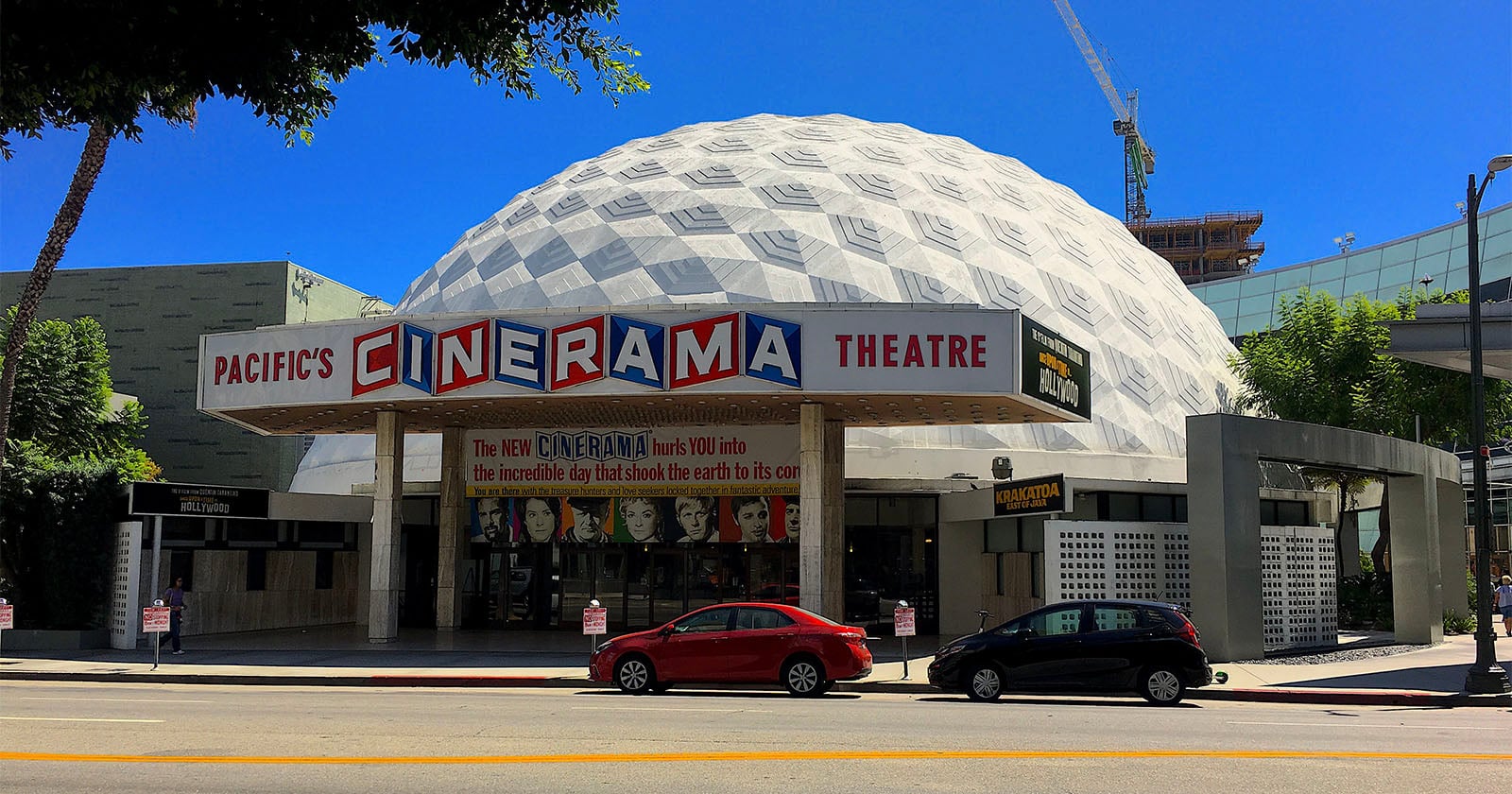
Opened on November 7, 1963, with the premiere of Stanley Kramer’s comedy epic It’s a Mad, Mad, Mad, Mad World, the Cinerama Dome was an architectural and technological marvel of its time. Designed by the visionary architectural firm Welton Becket and Associates, the structure was built in a mere 16 weeks and remains the only theater of its kind ever constructed. Its distinctive geodesic dome, composed of 316 interlocking concrete panels, was revolutionary, inspired by the principles of Buckminster Fuller.
The Dome was specifically engineered to showcase the Cinerama format, a widescreen cinematic process that initially utilized three synchronized 35mm projectors to create an expansive, deeply curved image designed to fill a viewer’s peripheral vision. This groundbreaking technology aimed to immerse audiences like never before, offering a panoramic experience that predated modern IMAX by decades. While the original three-projector system was eventually replaced by a single 70mm projector due to operational complexities, the theater maintained its commitment to premium large-format presentations. Its colossal 86-foot-wide curved screen, a defining feature, was meticulously designed to envelop viewers, drawing them into the cinematic narrative with unparalleled depth and clarity.
Throughout its operational history, the Cinerama Dome served as a premier venue for countless Hollywood premieres, film festivals, and special engagements. It became synonymous with the grandeur of the movies, hosting screenings of epic proportions and becoming a pilgrimage site for film enthusiasts seeking the ultimate big-screen experience. Its unique design and historical significance led to its designation as a Los Angeles Historic-Cultural Monument in 1998, cementing its place not just in cinematic history but in the cultural fabric of the city itself. The Dome, along with its adjacent 14-theater complex (which was added in the 1990s as part of the ArcLight Hollywood complex), represented a pinnacle of film exhibition, combining historical reverence with modern amenities.
The Decline and The Pandemic’s Grip: A Symbol of Industry Vulnerability
Despite its iconic status, the Cinerama Dome, like many single-screen and historic theaters, faced increasing challenges in the 21st century. The rise of multiplexes, the advent of home theater systems, and eventually, the dominance of streaming services gradually chipped away at the traditional cinema-going habit. While the Dome remained a beloved institution, especially for special engagements and 70mm presentations, it was not immune to the broader industry shifts.
The COVID-19 pandemic, however, proved to be an existential threat. In March 2020, as public health measures mandated closures, the Cinerama Dome, along with all other Pacific Theatres and ArcLight Cinemas locations, temporarily shut its doors. What began as a temporary hiatus eventually escalated into a permanent closure announcement in April 2021, when Pacific Theatres, citing the "unprecedented challenges" of the pandemic, declared it would not reopen its venues. This news sent shockwaves through Hollywood and the film community, with many mourning the loss of a treasured cultural institution. For over three years, the boarded-up façade of the Dome stood as a stark and physical embodiment of the pandemic’s devastating impact on the film exhibition sector, a silent testament to an industry grappling with its future.
Sony’s Strategic Investment: A Bet on the Future of Premium Exhibition
Sony Pictures Entertainment’s decision to acquire and resurrect the Cinerama Dome is not merely an act of preservation but a calculated strategic investment in the evolving landscape of film exhibition. The operation of the Dome will fall under Sony’s subsidiary, Alamo Drafthouse Cinema, a chain renowned for its unique, cinephile-focused moviegoing experience, complete with in-theater dining and strict no-talking/no-texting policies. This partnership suggests that Sony envisions the Dome not just as a historical artifact but as a vibrant, modern cinematic hub offering a curated, premium experience.
The timing of this announcement is particularly pertinent. Industry reports indicate a robust recovery in global box office receipts. While still below pre-pandemic peaks, 2023 saw global box office revenues climb to approximately $33.9 billion, a 30% increase from 2022. Projections for the current year suggest continued growth, with several tentpole releases driving audiences back to theaters. This upward trend provides a solid foundation for Sony’s investment, demonstrating that audiences are willing to return for compelling content and superior presentation.
A significant factor in Sony’s decision no doubt involves the Cinerama Dome’s unparalleled 70mm projection capabilities. The theater’s massive curved screen and state-of-the-art projection system make it one of the few venues in the world capable of presenting films in this high-fidelity format. The recent success of films like Christopher Nolan’s Oppenheimer, which grossed over $960 million globally and saw unprecedented demand for its IMAX 70mm screenings, has emphatically demonstrated a strong audience appetite for premium large-format (PLF) experiences. Nolan himself has been a vocal proponent of 70mm film, consistently advocating for it as the definitive way to experience his meticulously crafted cinematic visions.
The scarcity of theaters equipped to project 70mm film has become a bottleneck for this growing trend. With only a handful of such venues worldwide, the Cinerama Dome’s restoration adds a crucial piece to the puzzle, ensuring that more audiences can experience films in the way their creators intended. This move positions Sony and the Dome at the forefront of a movement that prioritizes technical excellence and immersive viewing.
Broader Implications: A Renaissance for Theatrical Moviegoing?
The reopening of the Cinerama Dome carries significant implications for the film industry, Hollywood, and the cultural landscape of Los Angeles.
Morale Boost and Industry Confidence: For an industry that has weathered significant storms, the revival of such an iconic venue serves as a powerful symbol of resilience and renewed optimism. It signals that major players still believe in the enduring power and economic viability of the theatrical experience, potentially encouraging further investment in cinema infrastructure and exhibition.
Preservation of Cinematic Heritage: Beyond its commercial aspects, the project is a vital act of cultural preservation. The Cinerama Dome is not just a building; it’s a living monument to the history of cinema. Its restoration ensures that future generations can experience film in a context that defined earlier eras of movie magic.
Driving Premium Experiences: The emphasis on 70mm and other premium formats like IMAX suggests a future where cinemas differentiate themselves by offering experiences that cannot be replicated at home. This focus on quality, immersion, and communal viewing could be key to attracting audiences in an increasingly fragmented entertainment market. The partnership with Alamo Drafthouse further enhances this, promising a meticulously curated and respectful viewing environment.
Economic and Cultural Revitalization for Hollywood: The Dome’s presence on Sunset Boulevard is a draw for tourists and locals alike. Its reopening is expected to contribute to the economic revitalization of the surrounding Hollywood area, bringing increased foot traffic, supporting local businesses, and reinforcing Hollywood’s status as the global epicenter of entertainment.
Future of Film Exhibition: The success of the Cinerama Dome under Sony’s stewardship could inspire other theater chains and studios to invest in similar restorations or upgrades to their own premium venues. It highlights a potential path forward for cinemas: embracing cutting-edge technology alongside nostalgic formats to offer truly unique and unforgettable experiences. While streaming services will continue to thrive, the Dome’s return reinforces the idea that certain films are simply meant for the biggest, most immersive screen possible.
Anticipated Renovations and the Road Ahead
While the announcement focuses on the reopening, the term "restoring" implies significant work beyond simply turning on the lights. It is highly probable that Sony will undertake a comprehensive renovation of the Cinerama Dome and its adjacent complex. This could include:
- Technological Upgrades: While preserving the 70mm capabilities, modern digital projection systems (e.g., 4K laser projection) are likely to be installed to handle contemporary releases. Enhanced sound systems, such as Dolby Atmos or similar immersive audio technologies, would also be a logical addition to complement the visual experience.
- Audience Comfort: Updates to seating, improved accessibility features, and enhanced lobby areas are often part of such restoration projects to meet modern audience expectations.
- Architectural Preservation: Careful attention will undoubtedly be paid to preserving the Dome’s unique architectural integrity while updating its internal infrastructure.
- Food and Beverage Services: Given Alamo Drafthouse’s operational model, the integration of an expanded food and beverage program, including in-seat service, is a strong possibility, further enhancing the premium experience.
The reopening of the Cinerama Dome in early 2028 is more than just a theater coming back online; it’s a statement. It’s a declaration that the communal, grand, and immersive experience of watching a film on the big screen, particularly in a venue designed for such spectacle, remains irreplaceable. As the industry continues to navigate a complex and evolving media landscape, the return of this Hollywood icon stands as a powerful testament to the enduring magic of cinema.