The narrative of Makaha, a storied community on Oahu’s West Side, challenges conventional perceptions of remote locales. Often characterized by cautionary tales and warnings to avoid its shores, this region, steeped in the profound traditions of Hawaiian culture, reveals a more nuanced reality: one of resilience, deep-rooted familial bonds, and an unwavering spirit of generosity, embodied by the Hawaiian proverb, "E hele me ka puʻolo," meaning "Make every person, place, or condition better than before, always." This principle, far from being a mere platitude, appears to be the guiding ethos of a community that, despite facing considerable historical and contemporary challenges, has cultivated an unparalleled sense of ohana and hospitality.
The journey into Makaha, as recounted by photographer and storyteller Paul Nicklen and his partner Cristina Mittermeier, began with a deliberate defiance of local advice. Their professional undertaking, fueled by a National Geographic deadline and a passion for documenting authentic cultural holdouts, led them directly to the "end of the road" on Oahu’s western periphery. This deliberate choice, often the path to uncovering hidden narratives, was met not with the anticipated suspicion or hostility, but with an overwhelming embrace that would forge lifelong connections.
A Sanctuary of Culture and Heritage
Makaha is far more than just a picturesque coastline; it is a living repository of Hawaiian heritage. Mornings here are a symphony of anticipation. Before the sun fully illuminates the island, surfers gather, their silhouettes against the nascent dawn a testament to their deep connection with the ocean. As the rest of Oahu awakens, Makaha hums with its own distinct rhythm. The scent of brewing coffee mingles with the vibrant pulse of music, and the singular, often poorly maintained road becomes a lifeline, connecting residents to their work, their schools, and their community. Amidst this daily ebb and flow, makeshift tent communities come alive, their inhabitants attuned to the crowing of roosters and the gentle murmur of the waves.

It was within this vibrant tapestry that Nicklen and Mittermeier found themselves in conversation with Brian Keaulana, a figure of celebrity status within the surfing world, a seasoned stuntman, and a scion of one of Hawaii’s most revered families. Keaulana, a living embodiment of Makaha’s spirit, served as their guide into a world where tradition is not merely preserved but actively lived.
Guardians of Ancient Craftsmanship and Wayfinding
In Makaha, the art of surfboard shaping endures as a fiercely protected tradition. Unlike the mass-produced boards that dominate global markets, Makaha’s shapers meticulously craft each board, passing down ancestral knowledge and techniques. This commitment to artisanal excellence reflects a broader cultural imperative to maintain authenticity in the face of modernization.
Furthermore, the ancient practice of wayfinding, the art of celestial navigation that guided Polynesian voyagers across vast oceans, is being revitalized. Younger generations are learning to read the stars, the currents, and the winds, reconnecting with the navigational prowess of their ancestors. For the people of Makaha, surfing transcends being a mere sport or lifestyle; it is an intrinsic part of their identity, a bloodline connecting them to the ocean and the land. The community is largely comprised of Polynesian descendants and highly respected watermen and women whose profound connection to their environment is an unspoken, yet palpable force.
Encounters with Makaha’s Living Legends
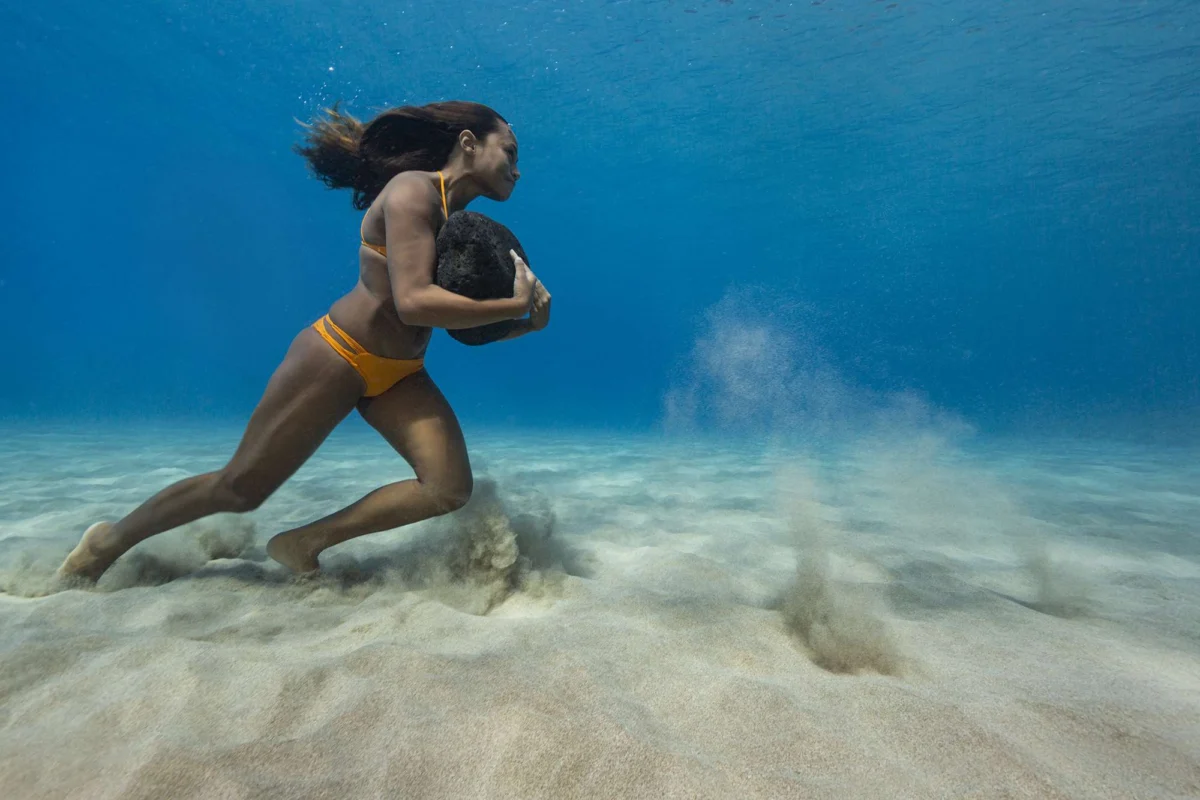
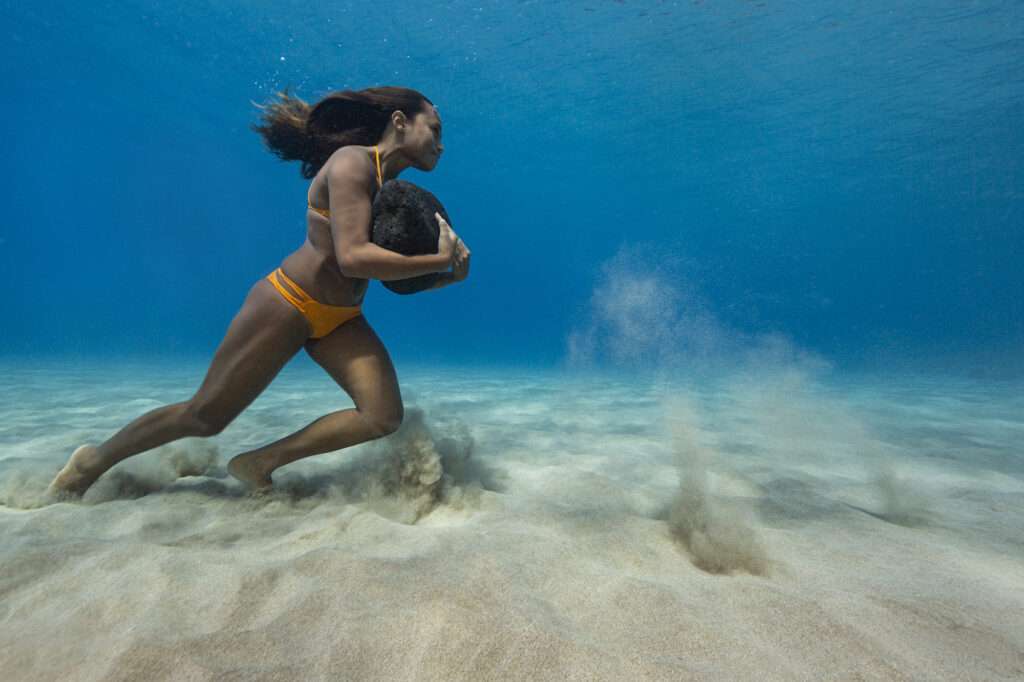
Through Brian Keaulana’s introductions, Nicklen and Mittermeier were granted access to some of Makaha’s most inspiring figures. They spent time with Haʻa Keaulana, Brian’s daughter and a burgeoning surfing prodigy, whose lineage traces back to the legendary Buffalo Keaulana. Haʻa’s rigorous training regimen is a stark indicator of the dedication required to excel in this demanding environment. Her practice includes carrying a 50-pound boulder underwater for extended periods, with fellow surfers clinging to her in a human train, a testament to the immense physical and mental fortitude cultivated within the community.

Another significant encounter was with Suluʻape Keone Nunes, a master traditional tattoo artist. Nunes shared the profound symbolism embedded within each design, illustrating how Hawaiians wear their personal histories, ancestral connections, and cultural identity directly on their skin. These artistic and athletic traditions are not merely performative; they are integral to the transmission of cultural knowledge and the reinforcement of community identity.
Historical Context: Resilience in the Face of Adversity
The historical trajectory of Hawaii, and particularly of its indigenous population, provides critical context for understanding the guarded nature of communities like Makaha. Following the official annexation of Hawaii by the United States in 1898, the native Hawaiian population had dwindled dramatically. Estimates suggest that prior to Western contact, the population may have numbered between 250,000 to 800,000. By 1898, however, this figure had plummeted to approximately 40,000, a devastating decline largely attributed to introduced diseases against which native Hawaiians had no immunity, as well as the violent conflicts that arose during the period of foreign influence and overthrow of the Hawaiian monarchy.
Over the ensuing century, the surviving Hawaiian communities have striven to maintain the fragile threads connecting them to their ancestors and ancestral lands. This intergenerational effort to preserve cultural heritage has been a formidable undertaking, requiring immense dedication and a deep sense of responsibility. The Makaha communities, in particular, have navigated a landscape marked by significant socio-economic challenges. Issues such as addiction, violence, and homelessness have unfortunately taken a toll on many families, creating persistent societal pressures. Yet, even amidst these hardships, the core of the Makaha community remains steadfastly anchored to the rhythms of the ocean. Their guarded demeanor, therefore, is not an act of exclusion but a protective measure for that which they hold most dear – their culture, their land, and their way of life.
A Return to a Cherished Ohana
The departure of Nicklen and Mittermeier from Hawaii, after several weeks immersed in Makaha’s embrace, was marked by profound emotion. They left with tear-filled eyes, having forged deep bonds, and with a solemn promise to return. This promise, echoing the sentiment of the proverb to leave places better than they were found, was recently fulfilled.
Upon their return, the drive across the bridge leading to Makaha felt like a passage through time. The coastline once again teemed with local surfers and beachgoers, the air alive with the familiar sounds of music and camaraderie. Nicklen recalled a poignant observation he had shared with Mittermeier: the locals’ uncanny ability to anticipate their arrival and reserve parking spaces for them. As if on cue, Moki, a dear friend and a long-standing resident, emerged from the roadside, his baby stroller strategically placed to guard a parking spot. This simple gesture, ten years after their initial visit, underscored the enduring strength of the relationships they had built. The warmth of their reception was immediate and overwhelming, a cascade of "Alohas," heartfelt hugs, laughter, and radiant smiles, all under the familiar landmark of the lifeguard station at 47B.
The Enduring Power of the Aloha Spirit
The experience in Makaha serves as a powerful testament to the resilience and profound generosity of the human spirit. The ability of its residents to maintain such a high degree of compassion and kindness, even while confronting persistent societal challenges, is a remarkable demonstration of the aloha spirit. This spirit manifests in tangible acts of consideration, such as ensuring that visitors and neighbors alike have a place to park and a shaded spot to rest. It is a spirit that not only welcomes but actively fosters a sense of belonging and mutual respect.
The implications of such deeply ingrained community values extend beyond the local context. In an increasingly fragmented and individualistic world, the Makaha community’s commitment to collective well-being and unwavering hospitality offers a powerful model for fostering stronger social cohesion. Their story highlights the importance of preserving cultural heritage not just as a historical artifact, but as a dynamic force that shapes identity and guides present-day interactions. The wisdom embedded in the proverb "E hele me ka puʻolo" is not merely a cultural tenet; it is a practical philosophy for building more compassionate and resilient communities, demonstrating that true wealth lies not in material possessions but in the strength of human connection and the commitment to uplift one another.
Paul Nicklen’s photographic work and Mittermeier’s storytelling, captured through their lens and narratives, serve to amplify the voice of Makaha, offering the world a glimpse into a community that embodies the profound essence of the aloha spirit. Their return signifies not just a personal fulfillment of a promise, but an ongoing dialogue with a community that continues to inspire through its unwavering dedication to tradition, family, and the betterment of all.