For thirty years, photographer Paul Nicklen has lived on Vancouver Island, a region boasting one of the highest densities of cougars globally. Yet, in all that time, his encounters with these elusive felines have been limited to mere fleeting glimpses. This profound respect for the unseen, coupled with a lifelong aspiration to photograph these apex predators, culminated in a recent expedition to the rugged, windswept landscapes of Chilean Patagonia. The journey, marked by the characteristic patience and calculated movements of big cats, offered Nicklen a rare and deeply moving immersion into the world of the puma.
The Lure of Patagonia and the Pursuit of the Puma
Patagonia, a vast and untamed territory straddling Argentina and Chile, has long captivated adventurers and wildlife enthusiasts with its dramatic granite peaks, glacial lakes, and sprawling grasslands. Torres del Paine National Park, a jewel in this crown, draws an increasing number of visitors, fueling a burgeoning ecotourism industry. This shift has, in turn, fostered a more harmonious relationship between humans and wildlife. Estancias, once primarily focused on livestock, are now adapting to coexist with the very animals that were historically viewed as threats.
Nicklen’s arrival in Chile was preceded by a minor logistical hurdle: a lost passport and an unexpected detour to a Brazilian embassy. However, these challenges were quickly overshadowed by the promise of the Patagonian wilderness. He found lodging at a converted estancia on the outskirts of Torres del Paine. This working ranch, still equipped with its original farming and livestock implements, offered a tangible connection to the region’s heritage. The local staff, embodying the values of gaucho culture – honesty, hard work, and generosity – provided a warm welcome and invaluable insights into the land and its inhabitants.
Tracking the Elusive Apex Predator
The true quest began with Rodrigo, a renowned local guide and an expert on the region’s pumas. Rodrigo’s intimate knowledge of the cats, cultivated over years of observation, was instrumental in navigating the rugged terrain. The journey led Nicklen deep into puma territory, where manicured farmlands gradually gave way to dramatic rock formations, serene, snow-fed lakes, and expansive pampas stretching towards the towering Andes.
The initial search was characterized by the very stealth and patience that defines the puma’s hunting prowess. Nicklen, drawing on his own experiences observing other elusive species, understood the importance of observation and minimizing disturbance. The quote by John Vaillant, "The tiger will see you a hundred times before you see him once," served as a constant reminder of the predator’s superior awareness and mastery of its environment. This profound understanding of feline camouflage and sensory acuity underscored the privilege of even the possibility of a sighting.
The Unveiling of Petaka and Her Offspring
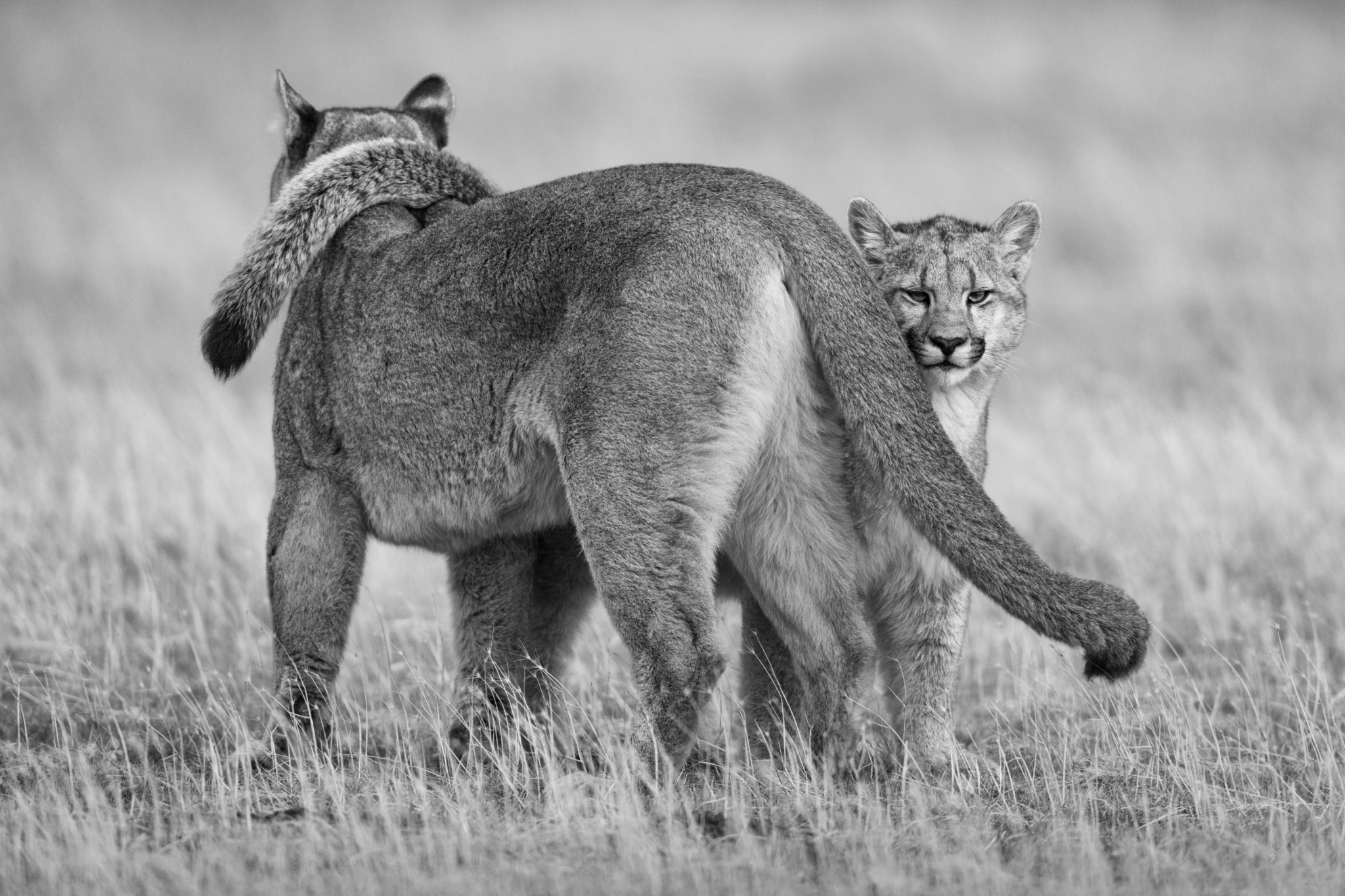
It was in the shadow of the majestic Andes that the first significant encounter occurred. The team located Petaka, a female puma of considerable local renown, accompanied by her two young kittens. Petaka’s reputation preceded her; she was known for her calm demeanor and an almost remarkable indifference to human presence, a testament to her acclimatization within the protected environment of Chilean Patagonia.
Unlike in some neighboring regions where pumas may face persecution, Chile designates pumas as a protected species, with hunting largely prohibited. This conservation status has allowed some puma populations, particularly in areas with significant human traffic, to habituate to the presence of people. The result is a unique opportunity for wildlife observers to witness these powerful animals living their lives with a degree of normalcy, unperturbed by distant human observers.
Nicklen described the experience of watching Petaka with her kittens as profoundly moving. "I had the privilege of watching Petaka care for her kittens while I sat nearby, silently overcome with emotion as the little family tumbled in the grass together," he recounted. This observation highlights a critical aspect of wildlife photography and conservation: the ability to be present without intrusion, fostering a sense of shared space and mutual respect. The image captured during this encounter, titled "Feline Bonds," serves as a poignant illustration of maternal care within the wild.
A Stormy Sanctuary and an Unforgettable Coexistence
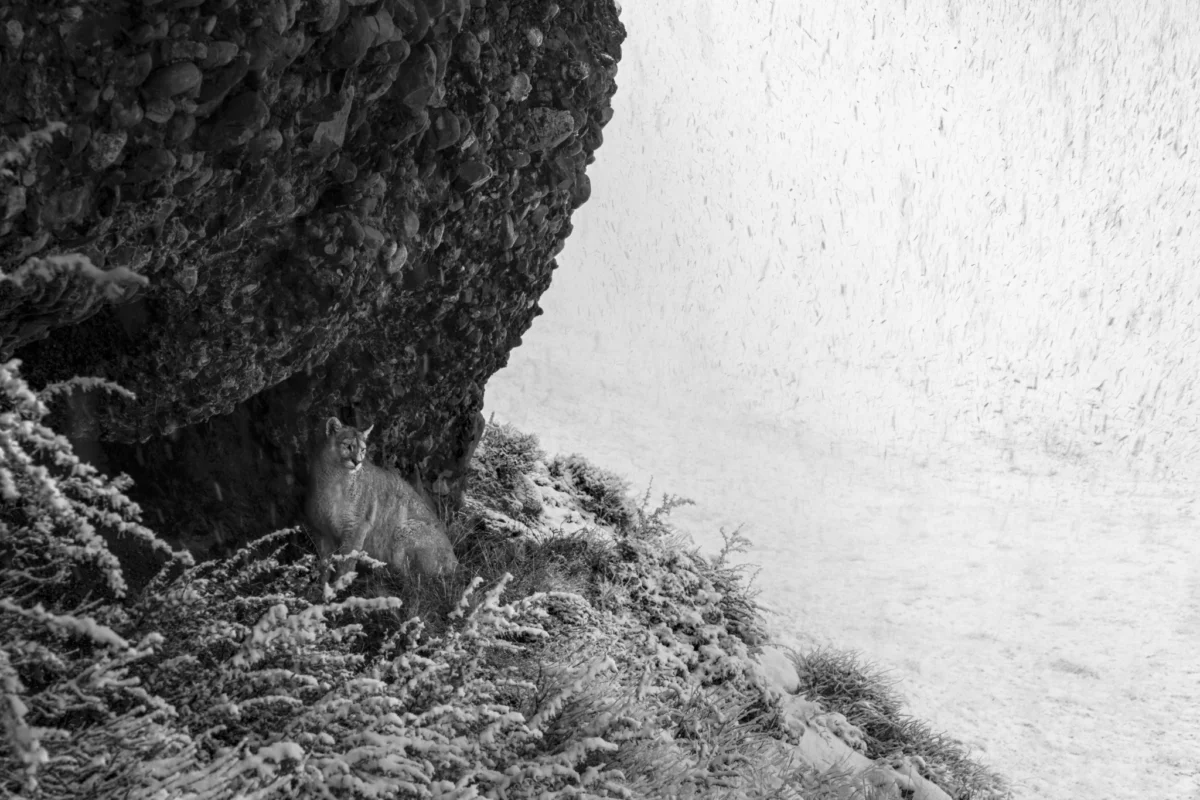
The tranquil scene was dramatically interrupted by the notoriously fickle Patagonian weather. The skies darkened, winds intensified, and a blizzard descended upon the landscape, blanketing the terrain in snow and muffling all sound. Seeking shelter, Nicklen found refuge in a mountainside cave. It was within this unexpected sanctuary that another extraordinary encounter unfolded.
A large puma, emerging from the swirling snow, settled just feet away, seeking the same respite from the storm. For Nicklen, this moment was a culmination of a lifetime’s anticipation. "Instinctively, I held my breath, trying to keep my lens still against the excitement rising in my chest," he recalled.
The two, predator and observer, shared the cave in a profound silence, a silent testament to nature’s unpredictable power and the capacity for coexistence. The puma, ever vigilant, kept its gaze fixed on the surrounding environment, seemingly oblivious to Nicklen’s presence. It was only after the storm abated and the cat, a silent shadow, melted back into the snow-covered landscape that Nicklen could fully process the depth of the experience.
"We sat in perfect silence as snowdrifts blanketed the willow thickets below—two unlikely companions trapped in a snowstorm," he reflected. "The cat never once acknowledged my presence and kept its eyes trained on the environment. It was only when the weather finally cleared and my friend crept away over the fresh canvas that I allowed the dam of emotions to break."
The Broader Implications: Conservation and Wildness
This encounter underscores a fundamental principle in conservation: when nature is afforded the space to recover and thrive, humanity becomes a witness to its inherent magnificence. The wild, raw, and untamed essence of the planet, as experienced by Nicklen in Patagonia, is a powerful reminder of what is at stake. The ability of pumas to exist with a degree of tolerance towards humans in Torres del Paine is a direct result of dedicated conservation efforts and a shift in local attitudes towards wildlife.
The Chilean government’s designation of pumas as a protected species has been a crucial factor. Data from CONAF (Corporación Nacional Forestal), Chile’s national forest corporation, indicates a stabilizing population of pumas within national parks like Torres del Paine, attributed to these protective measures and increased park ranger presence. While precise, up-to-the-minute population figures are dynamic and subject to ongoing research, the general trend suggests that conservation strategies are yielding positive outcomes in key habitats.
The implications of such encounters extend beyond the personal. They serve as potent ambassadors for conservation, highlighting the intrinsic value of biodiversity and the importance of preserving wild spaces. The success of ecotourism, when managed responsibly, can provide economic incentives for local communities to protect wildlife and their habitats, creating a virtuous cycle.
Nicklen’s experience serves as a powerful narrative, demonstrating that with patience, respect, and a commitment to conservation, profound connections with the natural world are not only possible but deeply enriching. His concluding thought, "When we give nature the space to recover and thrive, we become witnesses to the full depth of life on Earth as it was always meant to be experienced: wild, raw, and beyond all imagination," encapsulates the profound lesson learned in the heart of Patagonian wilderness. The fleeting moment of silent camaraderie with a wild puma in such a breathtaking ecosystem was, for him, an immeasurable gift, fostering renewed hope for the future of these magnificent creatures and the wild landscapes they inhabit.