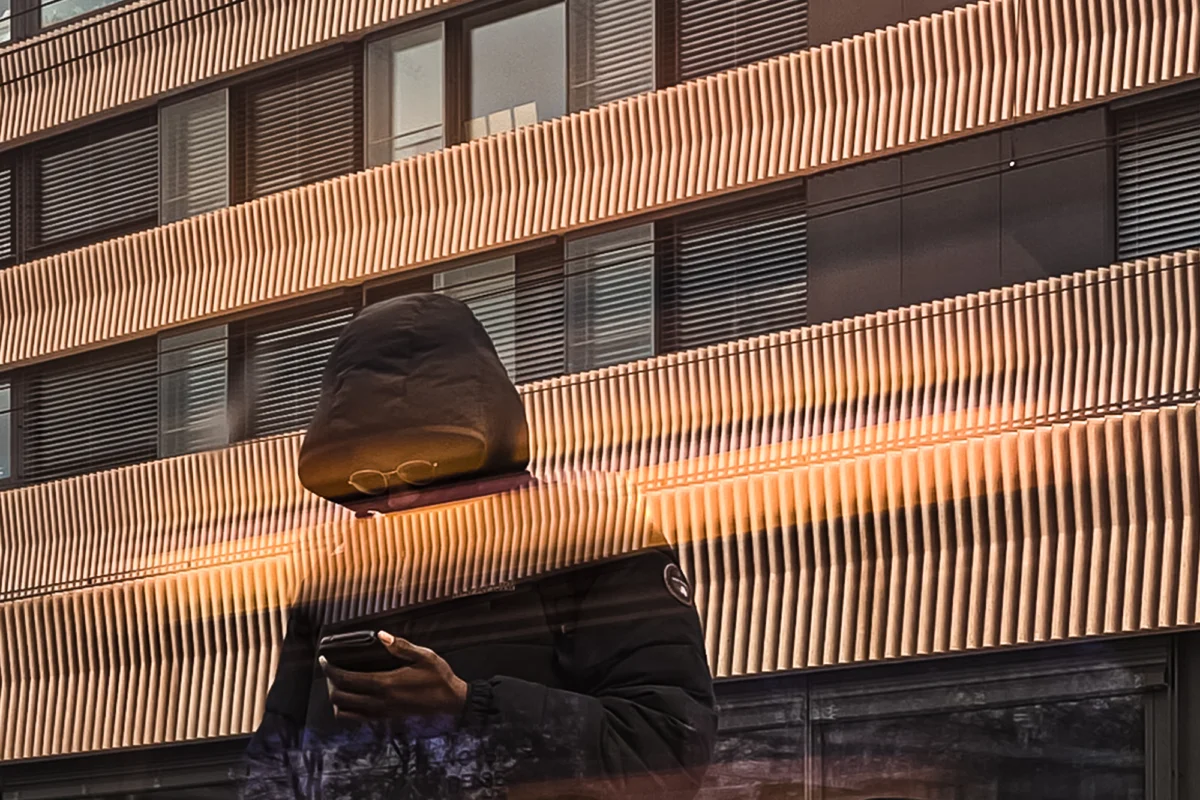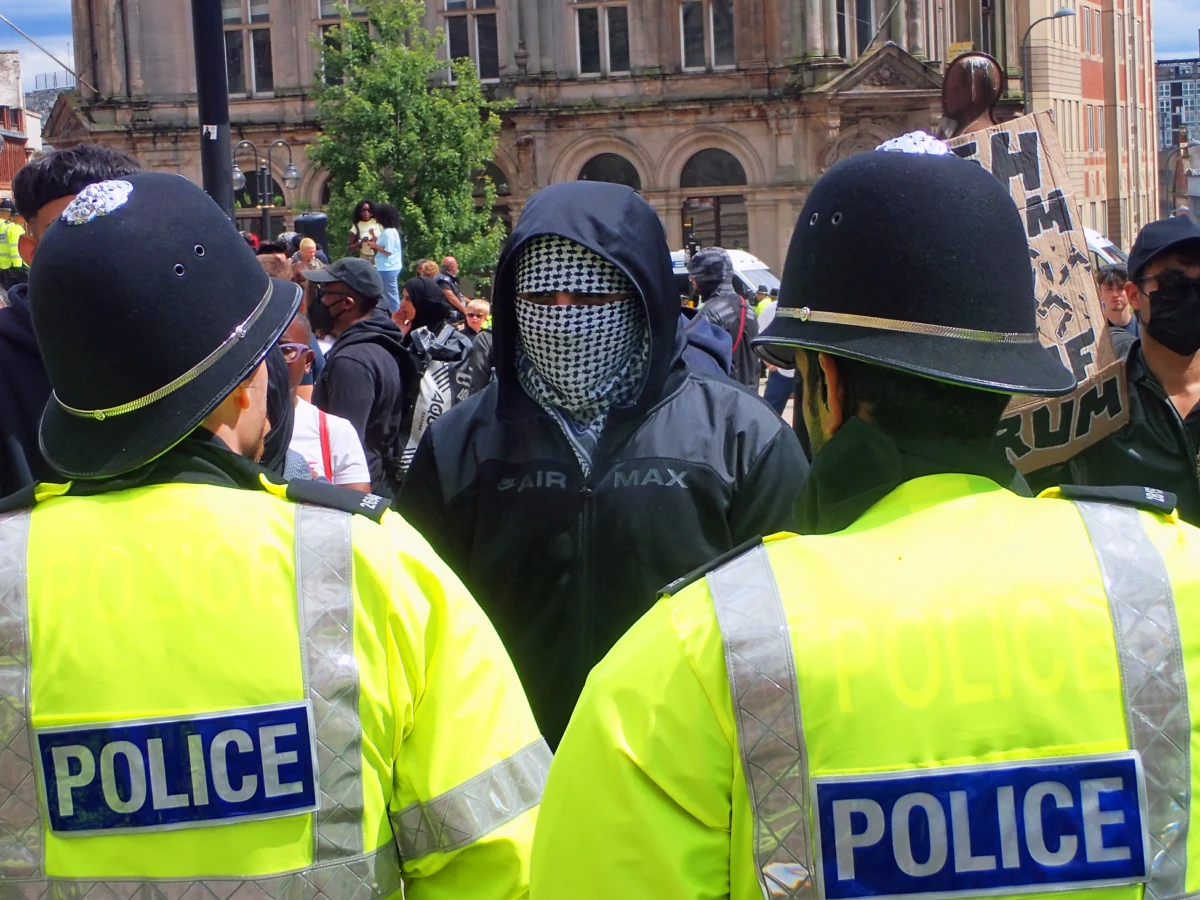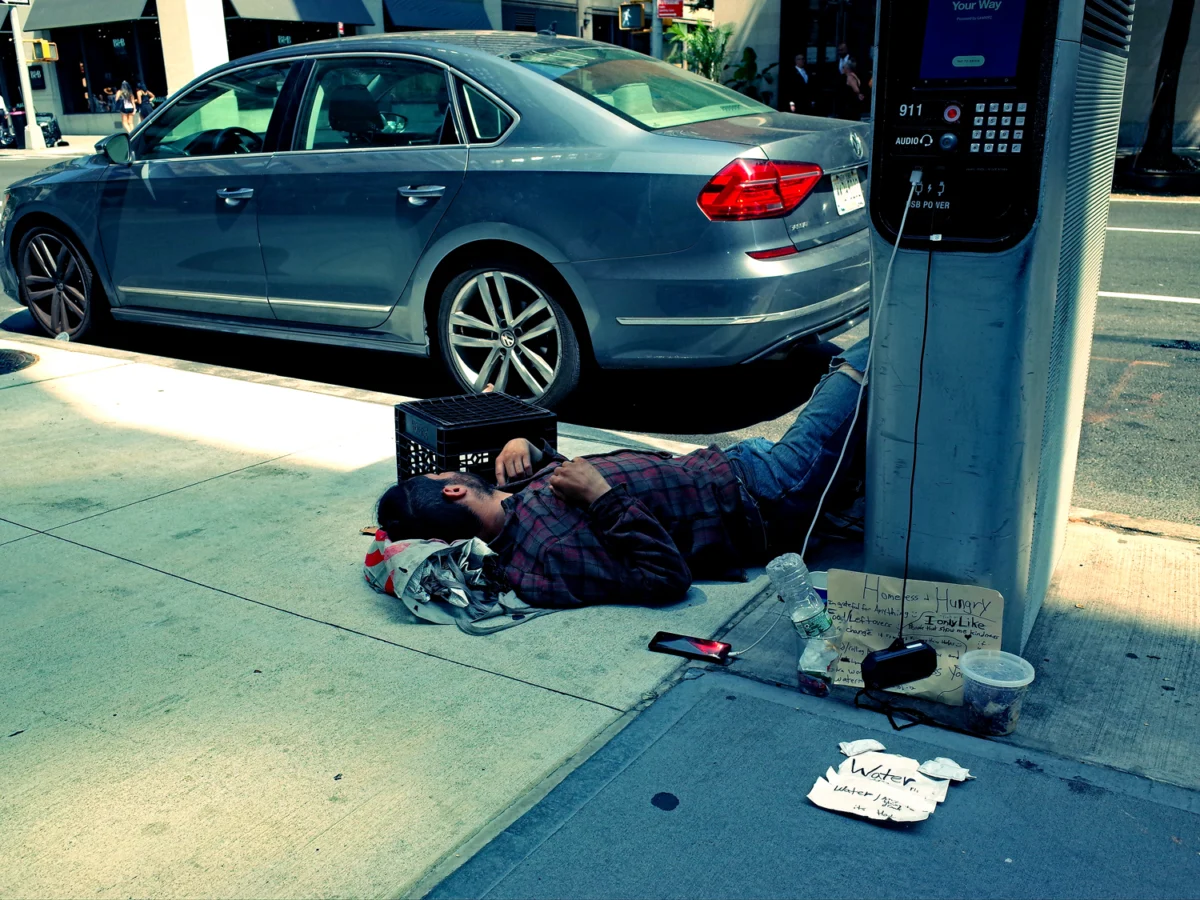
The digital age, characterized by the unfettered proliferation of images—with estimates suggesting over five billion photographs are now captured daily—has inevitably led to a struggle for definition within artistic disciplines. This surge in visual output has propelled photographers and enthusiasts into frequent online debates, attempting to delineate the precise boundaries of genres like street photography. However, the persistent questioning of "what constitutes street photography" may be misdirected, diverting attention from the fundamental goal: the creation of compelling images. The proliferation of rigid definitions, far from clarifying the genre, risks stifling creativity and fostering a culture of predictable, derivative work.
The impulse to define street photography arises from a broader challenge: the increasingly unwieldy nature of "photography" as a general category. As digital technology democratized image-making, the sheer volume of visual content has made categorization a complex, and at times, contentious endeavor. This has resulted in a flurry of articles and discussions aimed at establishing clear criteria for street photography, landscape photography, and other visual art forms. While such explorations can offer some insight, they also carry significant risks, particularly when they lead to the imposition of prescriptive rules.
One of the most significant drawbacks of narrowly defining street photography is the tendency for practitioners to adhere to a prescribed formula. This "recipe" approach often results in images that are repetitive, uninspired, and ultimately, hackneyed. The photographic landscape becomes saturated with archetypal shots: the ubiquitous figure under an umbrella navigating a rain-slicked street, the solitary, fedora-wearing elder silhouetted against dramatic light and shadow, or the young individual positioned before a vibrant graffiti backdrop. These recurring motifs, while once potentially evocative, risk becoming clichés when endlessly replicated.
The consequences of this trend are palpable, especially when considering the attraction of street photography to a broader commercial audience, particularly in its more contemporary iterations. The visual discourse, particularly on platforms like Instagram, frequently resembles a form of photographic cosplay. Users often encounter the same umbrellas, the same dramatic silhouettes, the same adherence to a specific Leica aesthetic, and countless renditions of the "decisive moment," a concept popularized by Henri Cartier-Bresson. Ironically, a genre ostensibly dedicated to capturing the spontaneous and the unexpected has become painfully predictable.
This phenomenon mirrors the unintended consequences observed in other creative fields. The Oprah Book Club, for instance, while aiming to promote reading, inadvertently created a formula for authors seeking selection, leading to a proliferation of what could be termed "cookie-cutter Oprah novels." Similarly, the imposition of rigid rules for creating street photographs encourages a backward approach to the creative process. Instead of focusing on making photographs and allowing the resulting body of work to define itself, photographers may begin to prioritize fulfilling an external checklist of requirements. This approach appears to be a significant impediment to genuine creativity. The current landscape of street photography often feels so formulaic that judging competitions has become a dispiriting experience, with a substantial portion of entries appearing to have been created by the same artistic hand.
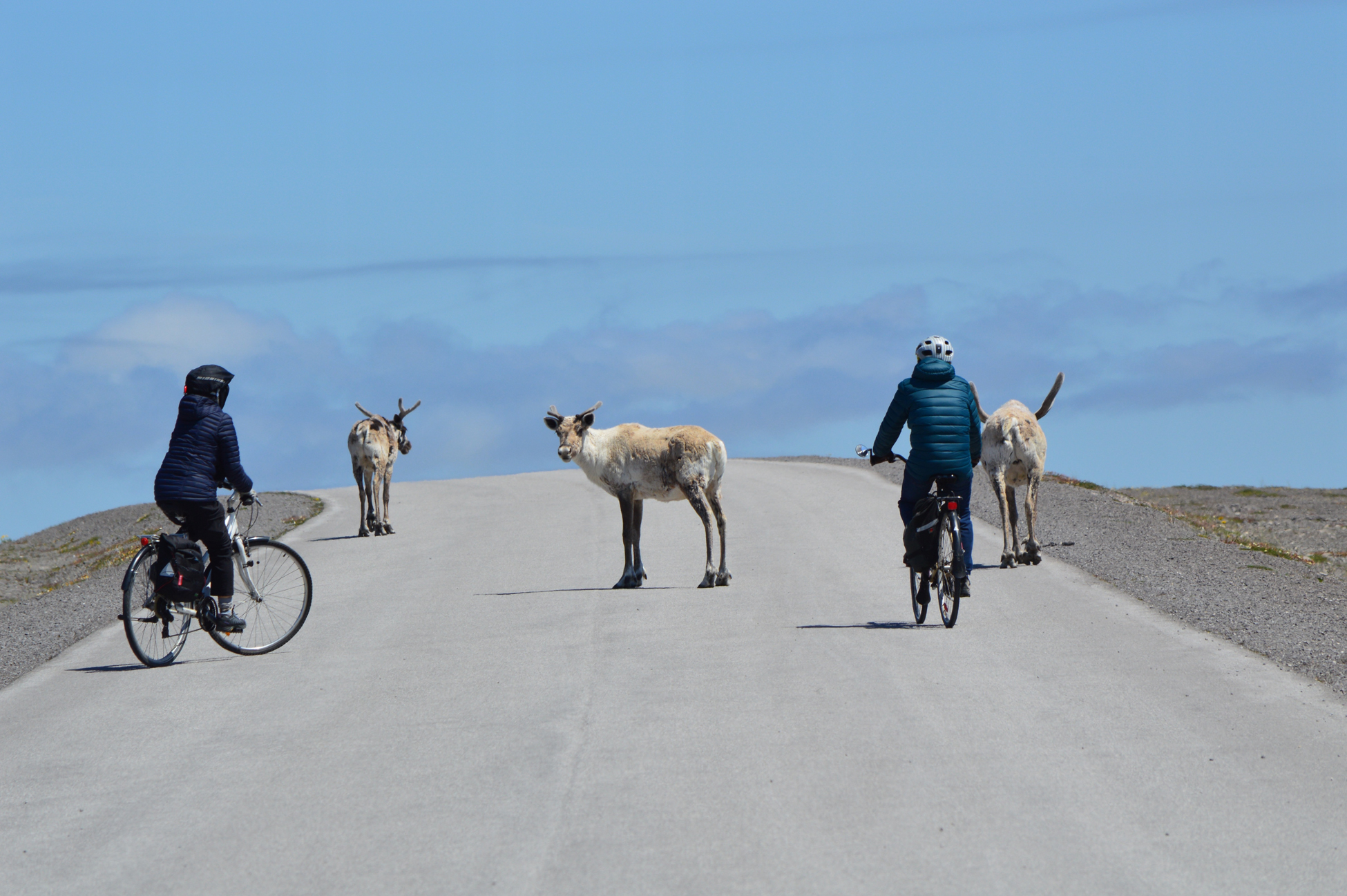
At its core, perhaps a street photograph, like any compelling image, simply needs to be a photograph worth looking at. The questions that frequently arise—whether a street photograph necessitates the presence of a person, or if it must depict an urban landscape—are valid inquiries for academic discussion. However, they might be more productively viewed as rhetorical prompts, serving as catalysts for thought rather than as problems demanding definitive, binding solutions. The pursuit of definitive answers inevitably leads to exceptions that complicate the initial premises.
Consider the hypothetical rule that a street photograph must include an urban landscape. This definition would effectively exclude photographers working in rural or remote settings, a proposition that seems inherently restrictive and counterintuitive. Were Martin Parr’s evocative photographs of seaside resorts, for instance, to be disqualified from the realm of street photography? And what of William Eggleston’s iconic tricycle photograph? This image lacks both a human subject and an obvious urban backdrop, yet it is widely accepted and celebrated within street photography circles. These examples illustrate how quickly the genre becomes convoluted when attempts are made to rigidly define its parameters.
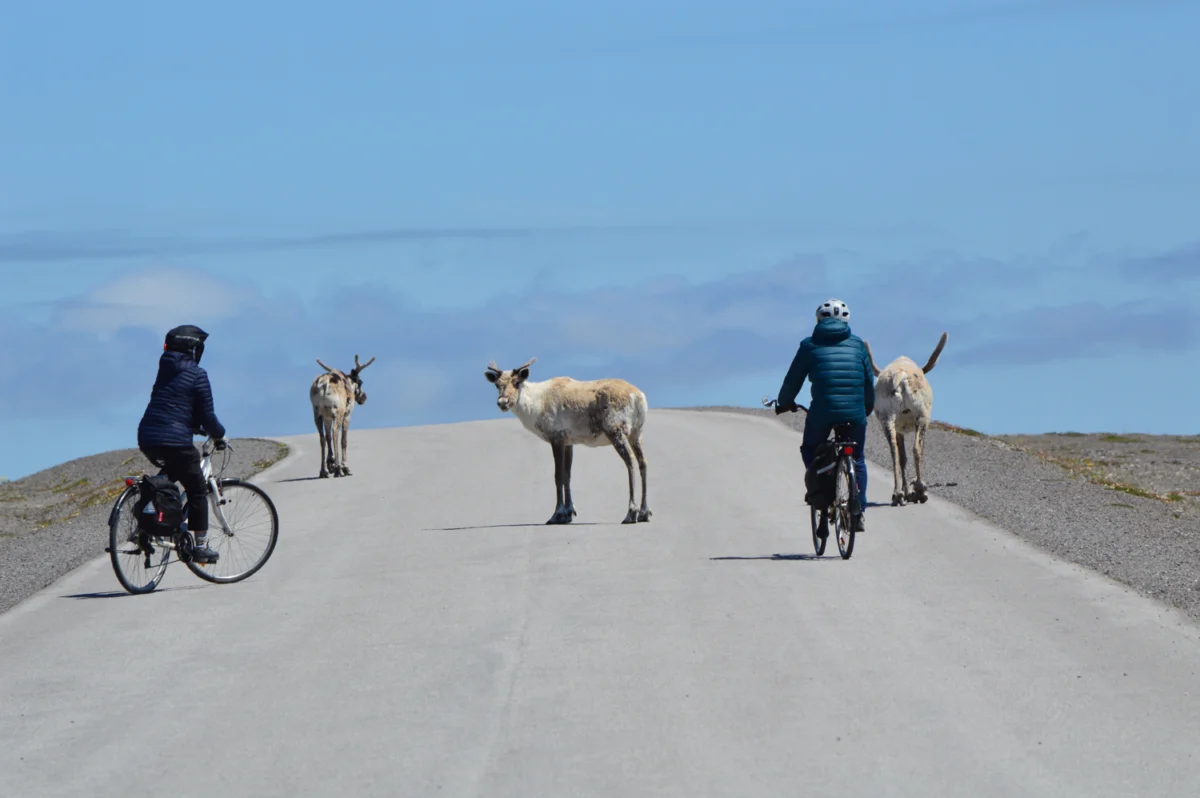
A pertinent example that highlights this definitional ambiguity is the photograph taken by Canadian painter Susan N. Sweet in Newfoundland during the summer. This image, by an artist who is also the author’s aunt, prompts a contemplation of what truly constitutes a street photograph. Regardless of one’s categorization, it was this particular photograph that catalyzed a deeper reflection on the genre’s perceived boundaries.
This leads to a more fundamental question: does street photography even require classification as a distinct genre? The author has long advocated for allowing photographs to communicate directly, without the need for accompanying explanations. Similarly, there is growing comfort with the idea of photographs simply existing as photographs, open to individual interpretation and subjective engagement.
The principle that great photographs create genres, rather than genres creating great photographs, is a powerful one. While the existence of genres in photography, akin to those in music, cinema, and painting, is acknowledged and will likely persist, the proposal here is not to abandon categorization entirely. Instead, it is a call for a broader, more inclusive perspective when considering what might be deemed street photography.
The focus, it is suggested, should shift away from catering to social media algorithms and the labels they promote, and towards a more direct engagement with the subject matter presented before the lens. Photographers should be granted the freedom to create first, and categorize later. The ultimate measure of a photograph’s success, in this view, lies in its ability to captivate, challenge, or alter the viewer’s perception. If an image achieves this, it is a good photograph, and often, that is sufficient.
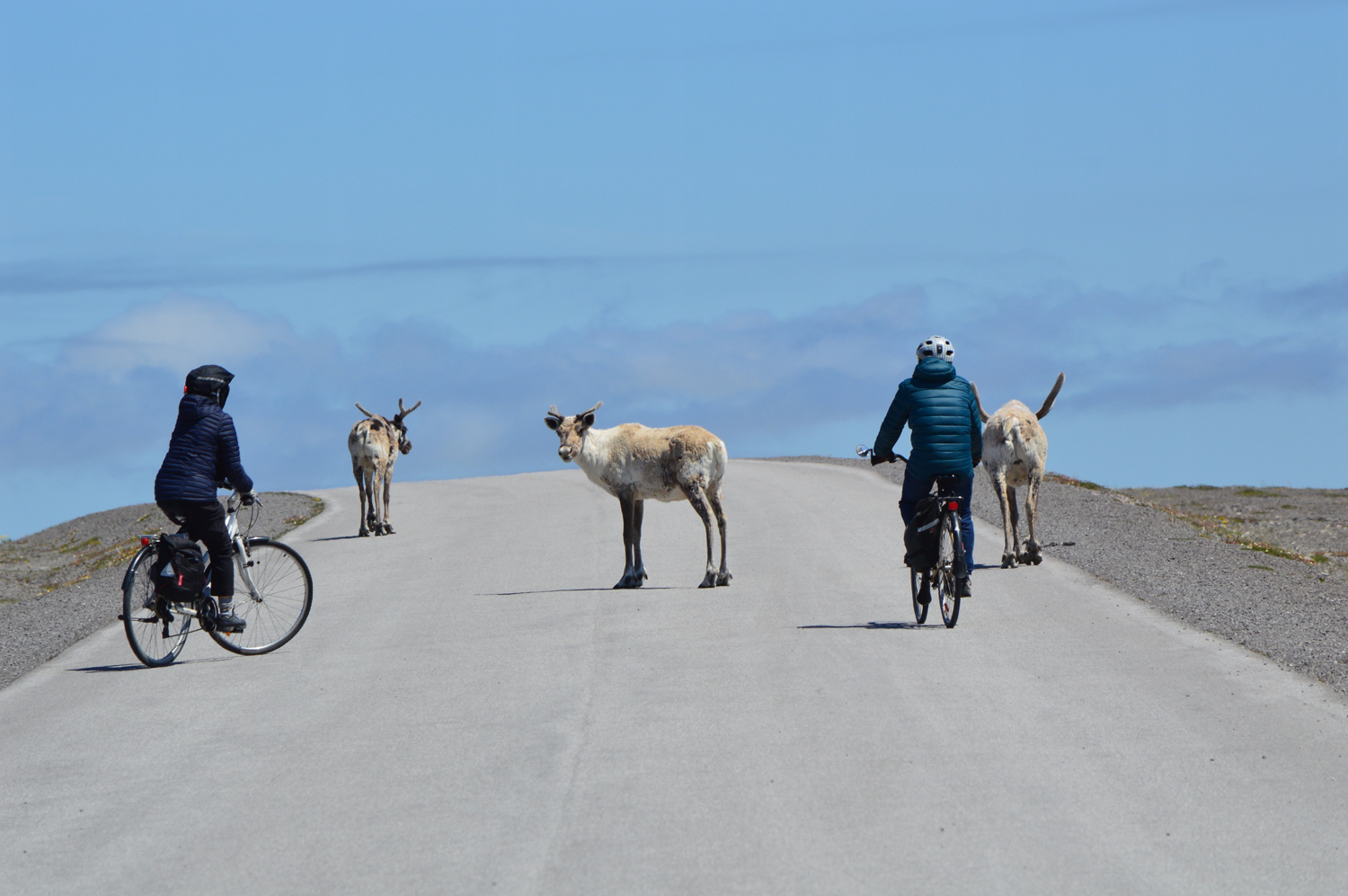
The moment a definition transforms into a checklist, creativity begins to diminish. The more time a community dedicates to debating definitions, the less time is available for producing memorable and impactful work. History tends to remember artists who challenged and redefined established norms, not those who meticulously adhered to them. Ultimately, genres typically emerge as a consequence of exceptional artistic output, not as a prerequisite for its creation.
The Digital Deluge and the Crisis of Definition
The advent of digital photography around the turn of the millennium fundamentally altered the landscape of image creation and dissemination. The transition from film to digital sensors dramatically reduced the cost and complexity of capturing images, leading to an exponential increase in the number of photographs taken worldwide. This technological shift, while democratizing photography and enabling unprecedented creative exploration, has also presented significant challenges in terms of categorization and critical evaluation. The sheer volume of images produced daily makes it increasingly difficult to distinguish between fleeting snapshots and enduring works of art. This "digital deluge" has spurred a heightened interest in defining artistic genres, as a means of imposing order and meaning onto this overwhelming visual output.
Historical Context of Street Photography
Street photography as a genre has a rich history, evolving alongside advancements in camera technology and societal changes. Early pioneers like Eugène Atget, working in Paris in the late 19th and early 20th centuries, captured the evolving urban environment and its inhabitants with a documentary impulse that foreshadowed later street photography. The mid-20th century saw the rise of iconic figures such as Henri Cartier-Bresson, whose concept of the "decisive moment" profoundly influenced the genre, emphasizing spontaneity and capturing fleeting instants of human drama. Robert Frank’s "The Americans" (1958) offered a more critical and subjective view of American society, pushing the boundaries of what was considered acceptable subject matter for street photography. Contemporary street photographers continue to build upon this legacy, employing diverse approaches and technologies to interpret the modern world. The ongoing debates about the genre’s definition often engage with this historical lineage, seeking to understand how contemporary work relates to its established traditions.
The Commercialization of the "Street Style"
The rise of social media platforms has created new avenues for photographers to share their work and gain recognition. However, this has also led to the commercialization and homogenization of certain photographic styles. Algorithms on platforms like Instagram often favor images that conform to popular trends, inadvertently encouraging photographers to replicate successful formulas. This can result in a visual echo chamber, where similar aesthetics and subject matter are amplified, leading to a perceived lack of originality. The critique that street photography has become akin to "cosplay" reflects this concern, suggesting that the pursuit of online validation can overshadow genuine artistic expression and lead to superficial imitation. The economic pressures and desire for visibility within these digital ecosystems can thus contribute to the very predictability that the author criticulates.
Impact on Emerging Photographers
For aspiring photographers, the debate surrounding genre definitions and the prevalence of established tropes can create significant pressure. Young artists entering the field may feel compelled to conform to perceived genre conventions to gain acceptance or visibility. This can hinder the development of their unique artistic voice and discourage experimentation. The author’s observation that judging street photography competitions can be a dispiriting experience, with many entries feeling derivative, underscores this potential impact. A rigid adherence to predefined rules could inadvertently stifle the emergence of new talent and innovative approaches that might otherwise challenge and enrich the genre.
The Role of Photography Critics and Curators
Photography critics and curators play a crucial role in shaping public perception and critical discourse surrounding artistic genres. Their analyses and selections can either reinforce existing definitions or advocate for broader interpretations. The ongoing discussions about street photography’s boundaries are often influenced by the perspectives of these influential figures. A critical analysis that emphasizes innovation, personal vision, and emotional resonance over adherence to strict formal rules could foster a more dynamic and creatively fertile environment for street photographers. Conversely, a tendency to uphold traditional definitions might inadvertently limit the genre’s evolution. The author’s plea for a wider perspective suggests a desire for a more open and inclusive approach from those who shape the narrative of photography.