
The deployment of a large-format camera system at a high-speed motorsport event like MotoGP is, by conventional photographic wisdom, an unconventional choice. The Fujifilm GFX system, renowned for its exceptional image fidelity and expansive sensor, was not inherently engineered for the rapid-fire demands of action photography, despite manufacturer assurances of its versatility. Its design prioritizes maximum resolution and tonal depth over blistering frames per second. Nevertheless, the inherent challenge of adapting a specialized tool to an atypical environment often yields valuable insights into its capabilities and limitations. A camera, at its core, remains an instrument, and the proficiency of the photographer in adapting technique can significantly influence outcomes, even when employing methods that deviate from standard practice.
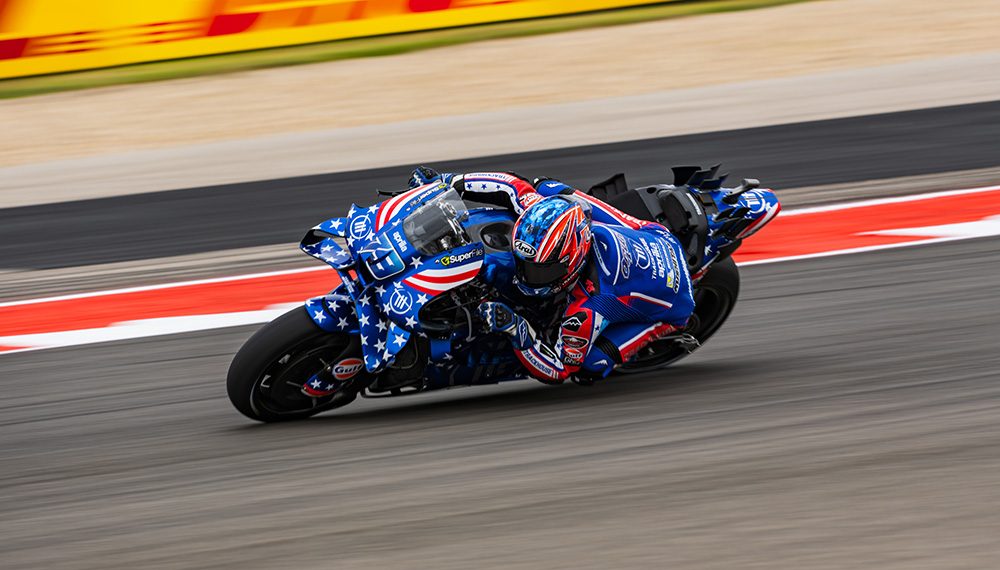
The Circuit of the Americas: A Familiar Battleground
The Circuit of the Americas (COTA) in Austin, Texas, serves as a pivotal venue for premier motorsport events, including MotoGP, Formula 1, and MotoAmerica. Its intricate layout, comprising 20 turns spread across 3.41 miles, presents a diverse range of photographic opportunities and challenges. The track’s elevation changes, particularly the dramatic climb to Turn 1, and its mix of high-speed straights and technical corners, demand photographers with intimate knowledge of optimal vantage points, marshal posts, and light conditions. This familiarity is particularly crucial when undertaking the deliberate and considered photographic approach necessitated by a camera system like the Fujifilm GFX100S II, which emphasizes precision over volume.
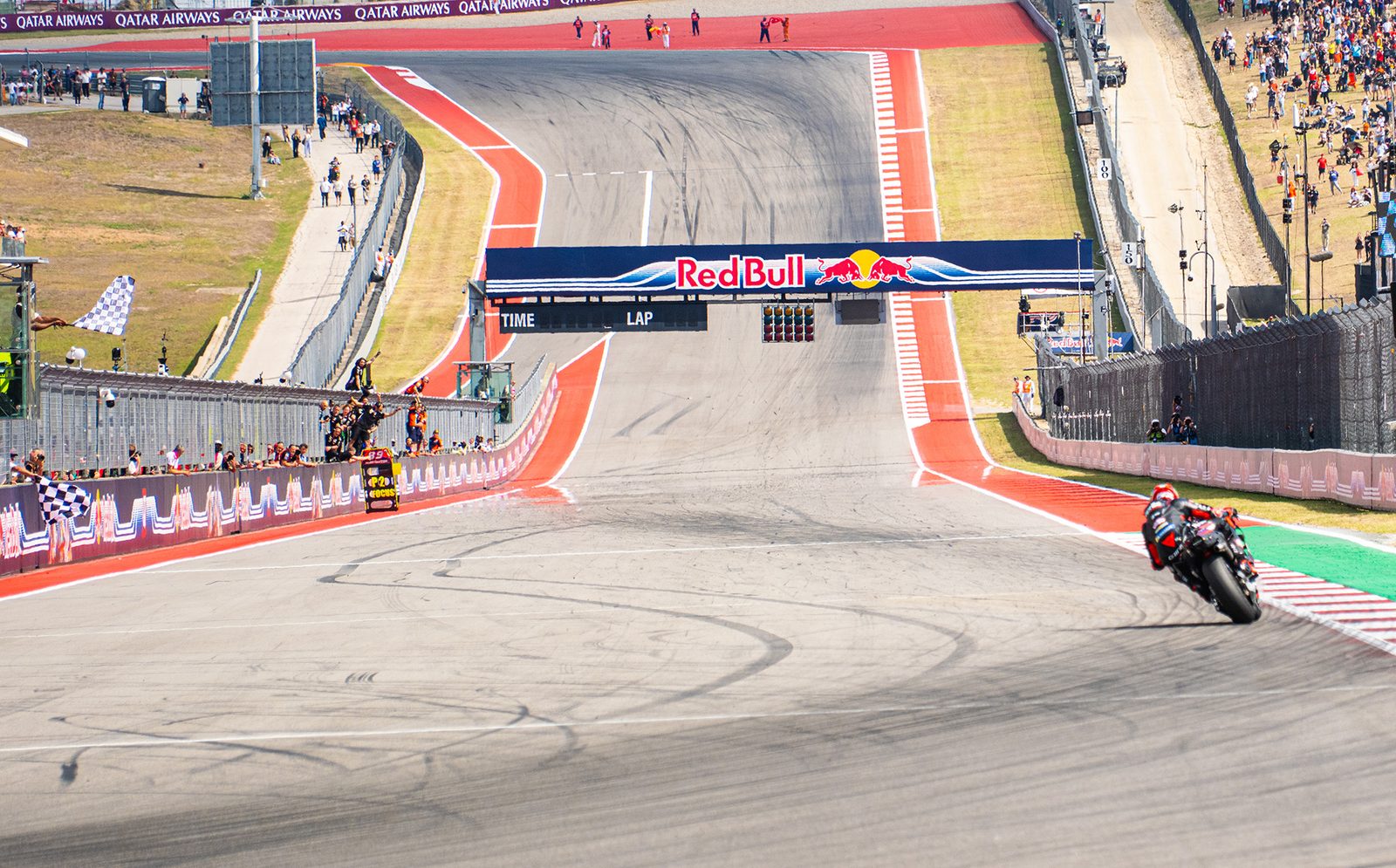
The Contenders: GFX100S II Versus the Speed Demon X-H2S
For this comprehensive assessment, the Fujifilm GFX100S II was pitted against the established benchmark for high-speed action within the Fujifilm ecosystem: the X-H2S. The X-H2S, Fujifilm’s flagship X-series camera, is purpose-built for speed. It features a 26.1-megapixel APS-C stacked BSI CMOS sensor, coupled with the potent X-Processor 5, enabling continuous shooting at up to 40 frames per second (fps) with the electronic shutter and 15 fps with the mechanical shutter. Its advanced subject-detection autofocus, powered by deep-learning AI, is particularly adept at locking onto fast-moving subjects such as motorcycles and riders, maintaining tenacious focus throughout dynamic sequences. This camera represents the pinnacle of Fujifilm’s speed-oriented mirrorless technology and served as the direct comparative standard for the GFX100S II’s performance.
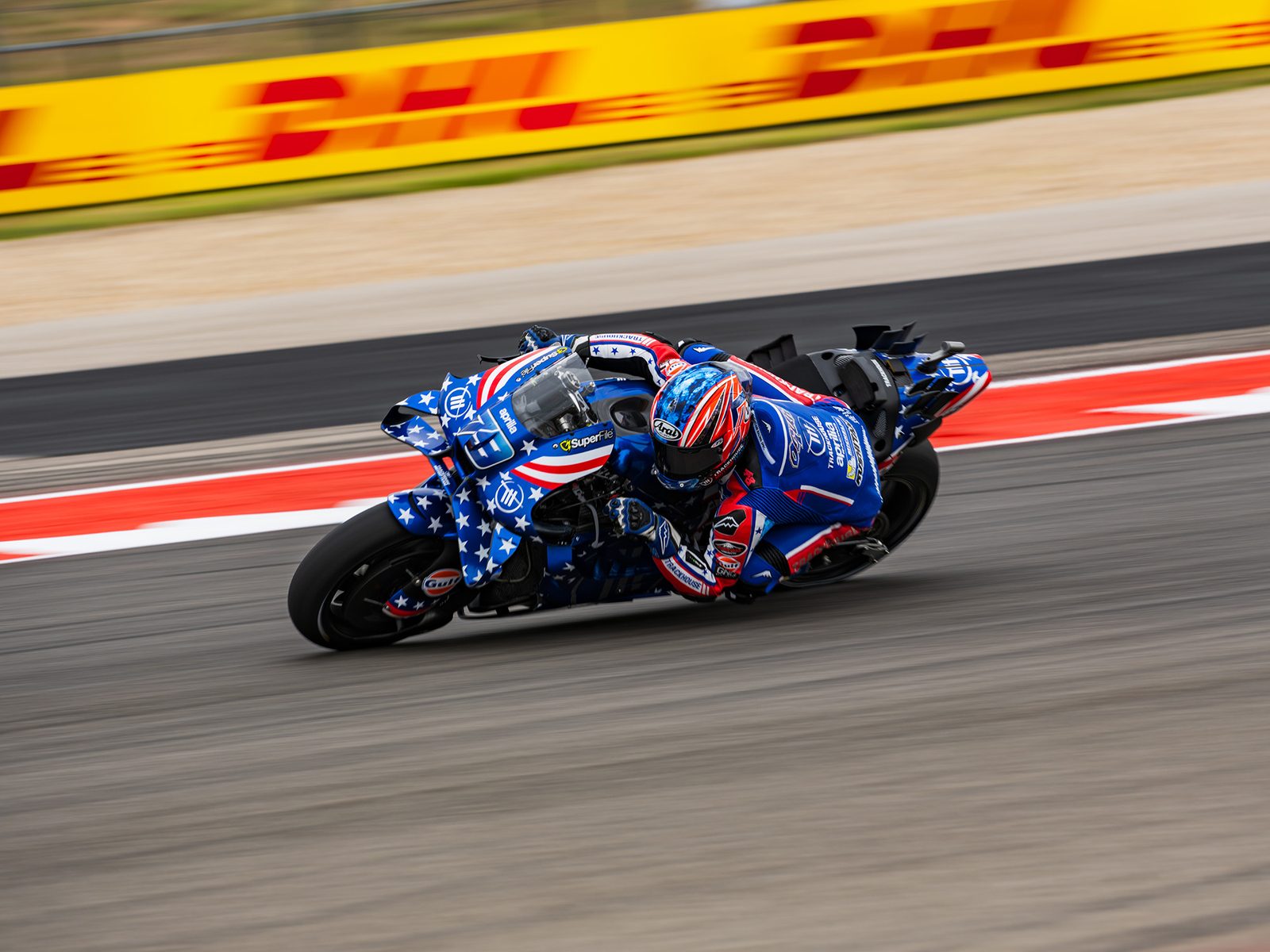
The Fujifilm GFX100S II, in contrast, houses a significantly larger 102-megapixel, 43.8×32.9mm medium-format sensor. While also driven by the advanced X-Processor 5, its primary design objective is to deliver unparalleled image quality rather than outright speed. The test involved deploying both camera systems concurrently throughout a full MotoGP weekend, allowing for direct, real-world comparison across various race conditions, from practice sessions to qualifying and the main race event, as well as the more controlled environments of the paddock and grid.
Configuring for the Challenge: Ergonomics and Settings

A notable advantage within the Fujifilm ecosystem is the shared menu logic and ergonomic philosophy across its various camera lines. This design consistency facilitated a relatively straightforward setup process for the GFX100S II, allowing its configuration to largely mirror that of the X-H2S. Professional photographers often rely on custom settings to rapidly switch between different shooting scenarios. In this case, custom modes C1 and C2 were configured for shutter priority, optimized for trackside work, allowing for instant transitions between sharp freeze-frame shots and dynamic motion pans. A dedicated function (FN) button was mapped for quick recall of C1, enabling fluid adaptation to changing action. C3 was set to aperture priority, ideal for the more static and controlled environments of the paddock and pre-race grid. While the GFX100S II supports video capabilities, this particular assignment focused exclusively on still photography, reserving video assessment for future evaluations. The GFX100S II offers six customizable positions on its mode dial, streamlining the replication of the established workflow. It was observed, however, that the physical layout of FN buttons on the GFX100S II differs slightly from the X-H2S, with two top-mounted buttons compared to the X-Series’ additional body-side button, which is typically assigned for subject-detection AF.
For lens selection, the assessment committed to a single, versatile optic: the Fujifilm GF 100-200mm F5.6 R LM OIS WR. Given the GFX system’s 0.79x crop factor relative to a 35mm full-frame sensor, this lens provides an effective field of view approximately equivalent to 79-158mm. This range proved remarkably similar in utility to the Fujifilm XF 50-140mm F2.8 on the X-H2S, offering sufficient flexibility to cover a wide array of scenarios, from capturing motorcycles at speed on the main straight to more intimate portraits in the paddock.
Autofocus Performance: Exceeding Expectations, Yet Not a Replacement
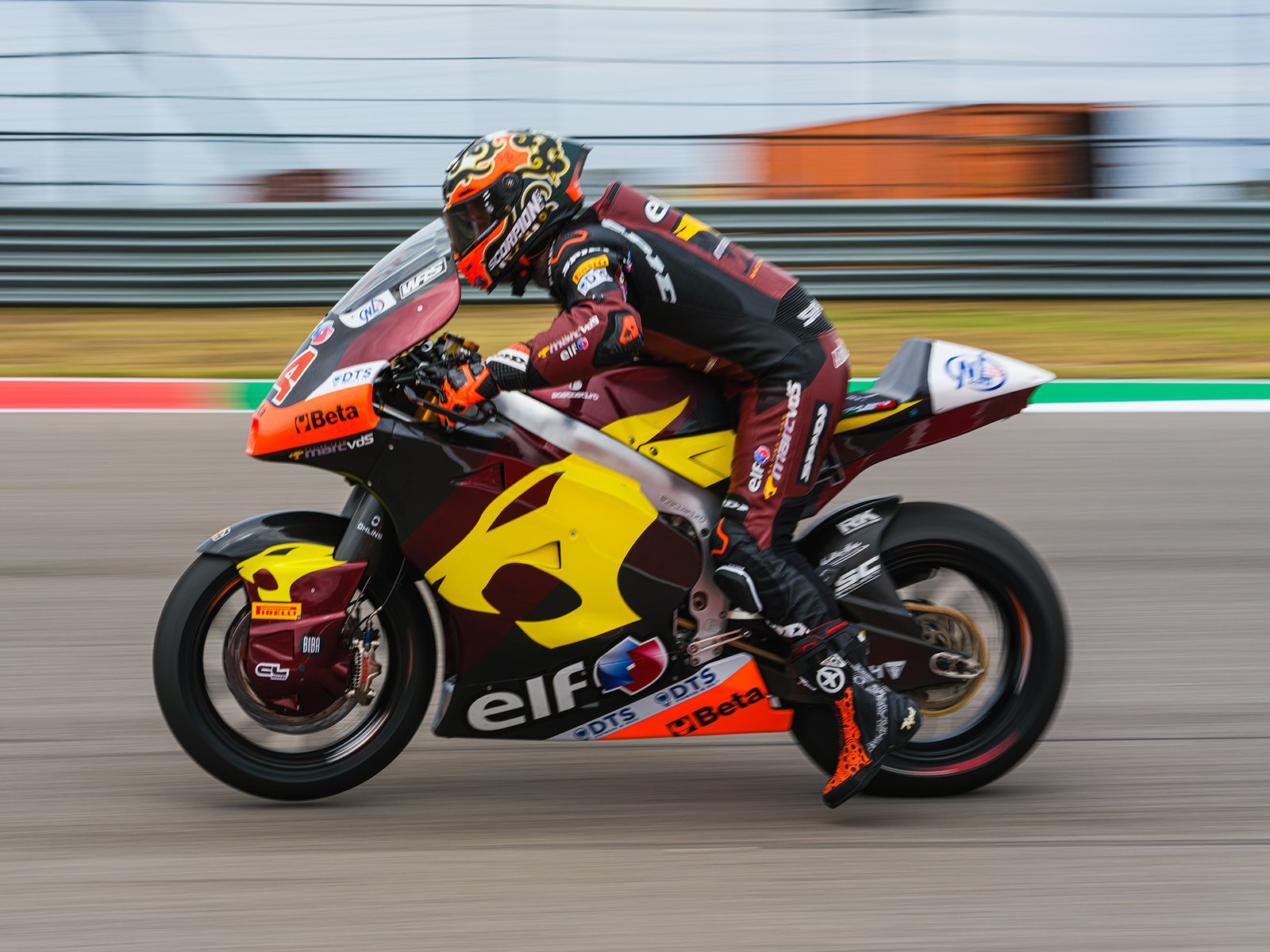
Prior to the event, a primary concern revolved around the GFX100S II’s autofocus (AF) performance under the demanding conditions of a MotoGP race. The GFX100S II incorporates a significantly enhanced AF algorithm compared to its predecessors, featuring subject detection capabilities specifically trained via deep-learning AI to recognize and track motorcycles and bikes. In practical application, its performance surpassed initial conservative expectations, demonstrating reasonable reliability in tracking riders through corners and across complex, rapidly changing backgrounds. The system exhibited a commendable ability to maintain focus on its designated subjects, even as they traversed varied visual planes.
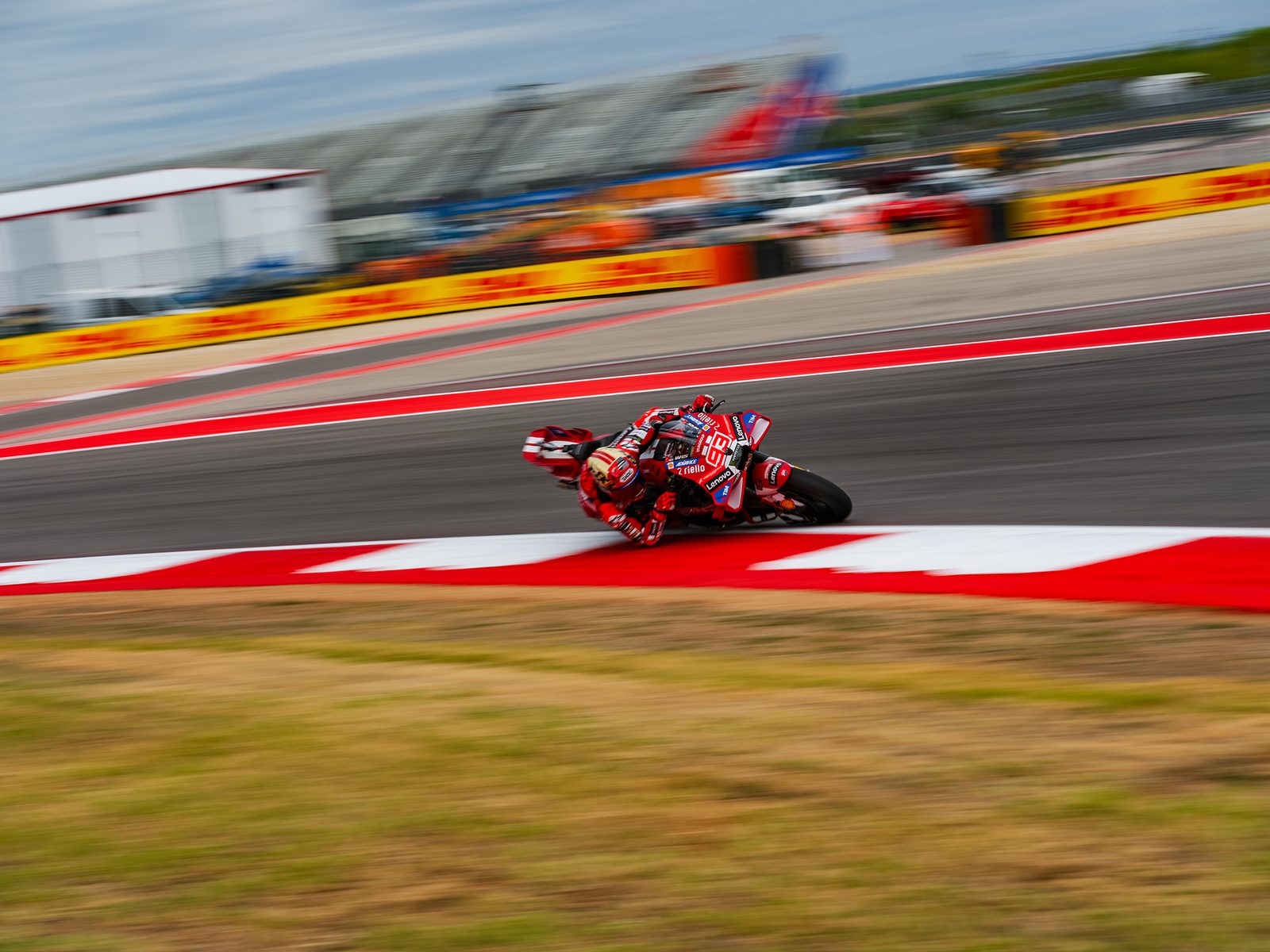
Despite these improvements, a discernible gap in performance persisted when compared directly to the X-H2S. Even with identical AF-C (Continuous Autofocus) settings, the GFX100S II’s autofocus felt marginally less "sticky" and responsive. Hit rates, particularly during the most challenging sequences—such as high-speed braking zones or subjects entering the frame abruptly from the periphery—were noticeably lower. While both cameras share the sophisticated X-Processor 5 engine, the GFX system exhibited a slight delay in overall response time and subject retention. This difference, while not rendering the GFX100S II disqualifyingly slow, is a crucial factor in a high-volume, high-speed photographic environment where milliseconds can determine the success or failure of a shot. Industry experts often highlight that even minor discrepancies in AF speed can accumulate into significant differences in keeper rates over the course of a race weekend.
The Buffer Wall: A Fundamental Operational Constraint

The most concrete practical limitation of the GFX100S II in a high-speed context manifests in its buffer performance. Operating at its maximum mechanical shutter speed of 7 frames per second, the GFX100S II generates exceptionally large RAW files—either 14-bit or 16-bit—from its 102-megapixel sensor. Even when utilizing high-speed UHS-II media, the camera’s buffer fills rapidly. Shooting in lossless-compressed RAW format at 7 fps, photographers can anticipate approximately 19 frames before a noticeable slowdown in capture rate occurs. Opting for uncompressed RAW further reduces this capacity to around 16 frames. While compressed RAW offers a more generous buffer of roughly 30 frames, this still translates to under five seconds of sustained high-speed shooting before the camera requires a brief pause to process and write data to the memory card.
This inherent limitation fundamentally alters the photographic approach. Unlike camera systems designed for "spray and pray" techniques, the GFX100S II demands a more disciplined and anticipatory method. Photographers must meticulously read the race, predict critical moments, and commit to the shot with precision. This emphasis on timing and foresight, while a testament to photographic skill, represents a significant operational constraint in an environment where a rider’s perfect apex or a dramatic overtaking maneuver can transpire in a fraction of a second. The implications extend to post-production workflow, where managing and processing gigabytes of high-resolution RAW files requires robust computing power and efficient storage solutions.
Unmatched Image Quality: The GFX100S II’s Defining Advantage
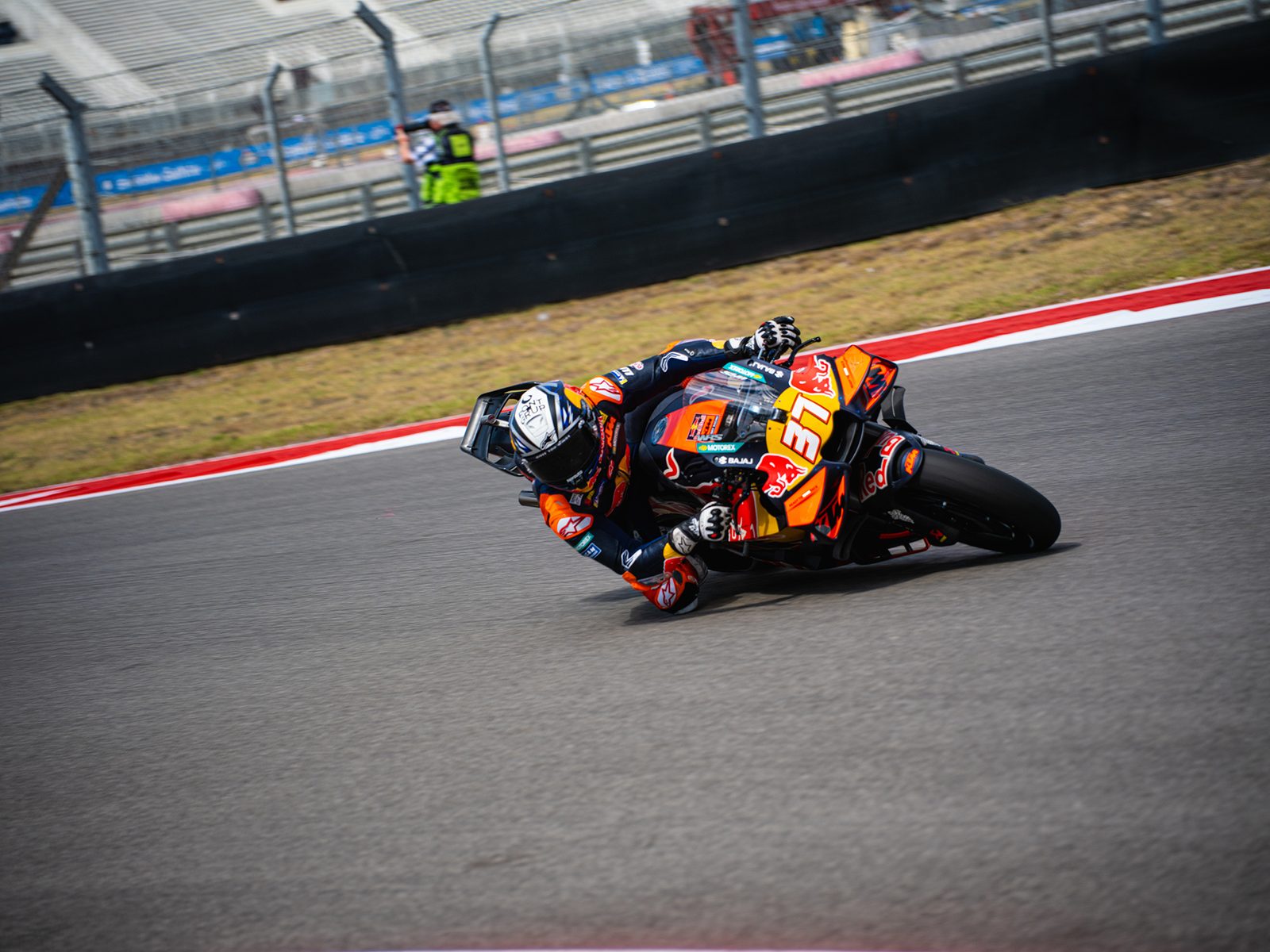
When the constraints of speed and buffer capacity are set aside, the Fujifilm GFX100S II delivers an image quality that truly resides in a distinct category. The 102-megapixel sensor, featuring redesigned microlenses, produces files characterized by an extraordinary depth of tone, a three-dimensional quality in color gradation, and a resolving power unparalleled by other cameras in the Fujifilm lineup, or indeed, by most full-frame or APS-C systems. The physical dimensions of the medium-format sensor, measuring 55mm diagonally, inherently contribute to this superior tonality, a characteristic that cannot be fully replicated by smaller sensor formats. This larger sensor allows for larger individual photosites, which generally translates to better light gathering capabilities, lower noise at higher ISOs (though this test primarily focused on low ISO), and a broader dynamic range.
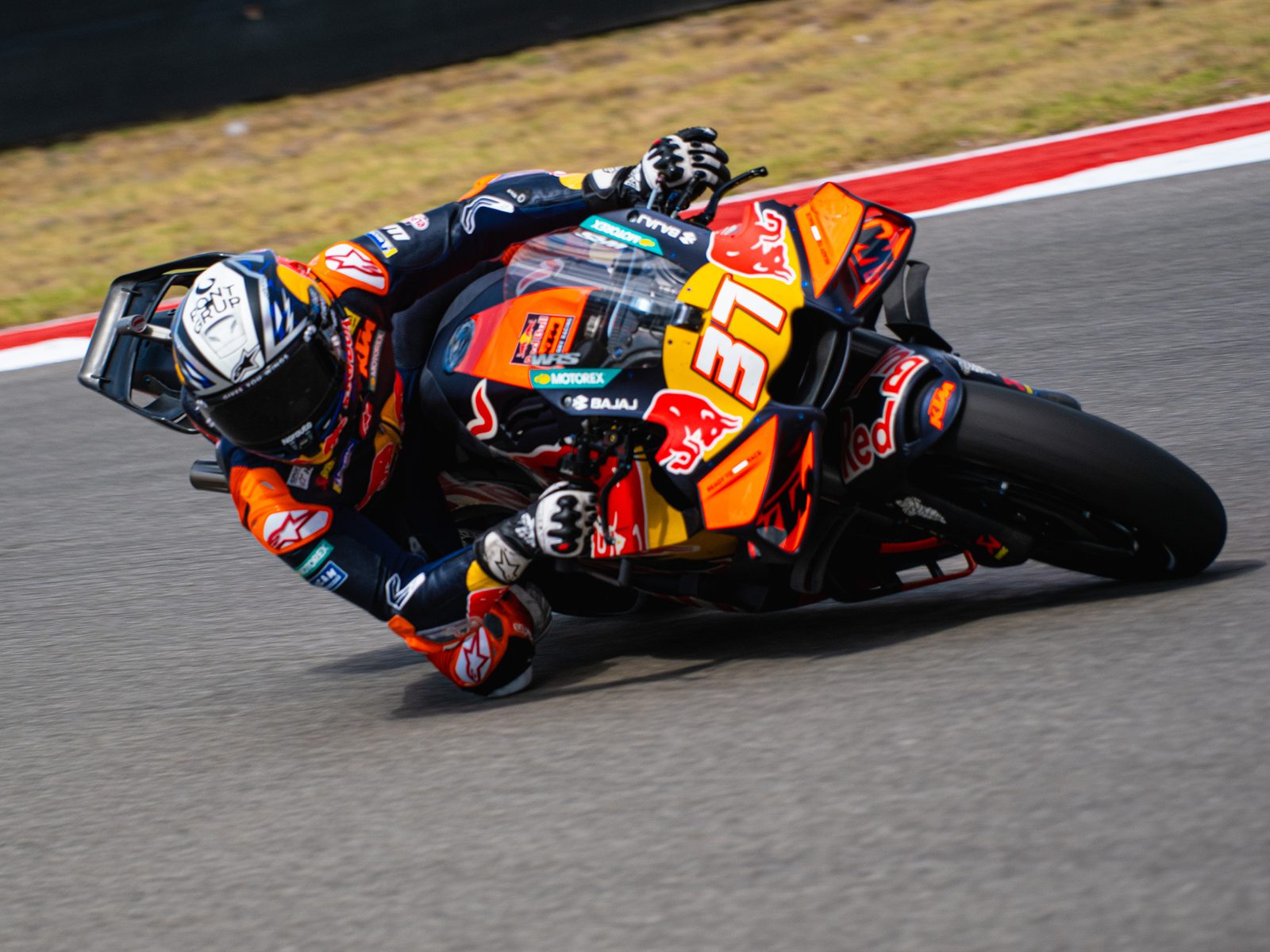
A common observation among photographers using the GFX system is the understated appearance of images on the camera’s rear screen. A captured shot may appear "fine" in review, but its true potential is only fully realized when viewed on a high-resolution display, such as a 27-inch Studio Display. Upon loading into post-processing software like Lightroom, the image "opens up" entirely, revealing intricate details: the subtle textures of rider leathers, the shimmering heat emanating from exhaust pipes, and individual spectators rendered sharply in backgrounds that might have been assumed to be a soft blur. The sensor’s native minimum sensitivity of ISO 80 facilitates the capture of 16-bit images, yielding a remarkably wide dynamic range, even under the high-contrast lighting conditions often encountered on a bright race circuit. This expansive dynamic range provides immense flexibility in post-processing, allowing for significant recovery of highlight and shadow detail.
Furthermore, the GFX100S II incorporates a highly effective 5-axis in-body image stabilization (IBIS) system, rated at up to 8.0 stops. This represents Fujifilm’s most powerful IBIS implementation within a GFX body. This stabilization proved invaluable for handheld shooting in the paddock and on the grid, providing confidence and fluidity, particularly when utilizing the longer end of the GF100-200mm lens, thereby mitigating camera shake and ensuring sharper results in less-than-ideal light conditions or slower shutter speeds.

The Paddock: Where the GFX100S II Truly Shines
While trackside operation demanded a more deliberate and strategic approach, the GFX100S II truly excelled away from the frenetic pace of the race itself. In the paddock, on the pre-race grid, and during the post-race podium celebrations, the camera transformed into an absolute joy to operate. These environments, characterized by static or slow-moving subjects and controlled lighting, allowed the photographer to frame shots with precision, trusting the autofocus system to reliably acquire and maintain focus. The immense resolution of the 102-megapixel sensor proved to be a game-changer for post-production flexibility. Images captured could be aggressively cropped to isolate specific details—such as a tight portrait of a rider’s eyes above their visor—without any perceivable loss of critical resolution or detail. This capability offers unparalleled creative freedom, allowing photographers to refine compositions long after the moment of capture, an invaluable asset for editorial and commercial assignments where cropping for different layouts is common.

Concluding Assessment: A Specialized Tool for Discerning Moments
The Fujifilm GFX100S II, with its formidable imaging capabilities, undoubtedly captivates. Its performance at COTA during the MotoGP weekend provided a compelling argument for its inclusion in a professional photographer’s arsenal, not as a primary replacement for high-speed dedicated sports cameras like the X-H2S, but rather as a highly specialized and deliberate complement. For disciplines such as landscape, portraiture, studio, fashion, and editorial photography, its capacity for detail and tonal rendition is arguably unmatched within its form factor. Weighing a mere 883g with battery and card, it stands as the lightest 102-megapixel body Fujifilm has yet produced, a significant ergonomic advantage for photographers who carry their gear for extended periods.

In the demanding environment of a motorsport event, the GFX100S II carves out a very specific, yet crucial, niche: it serves as a "secret weapon" third body, deployed for those discerning moments where outright speed is secondary to the absolute paramountcy of image quality. This includes the intimate narratives of the grid walk, the triumphant emotion of the podium ceremony, or the patient wait for a single, perfectly composed shot in a quiet corner of the track. For these specific applications, no other camera within the Fujifilm system—and few beyond it—can rival the sheer photographic output of this medium-format sensor. However, when the starting lights extinguish, and the field of riders accelerates into Turn 1 at breakneck speeds, the pragmatic choice for capturing the unfolding high-speed drama remains firmly with the Fujifilm X-H2S, a testament to the distinct and specialized roles each camera system fulfills in the professional imaging landscape. This assessment underscores that while technological advancements continue to blur traditional lines between camera categories, the fundamental physics of sensor size and processing power still dictate optimal application for highly specialized photographic pursuits.