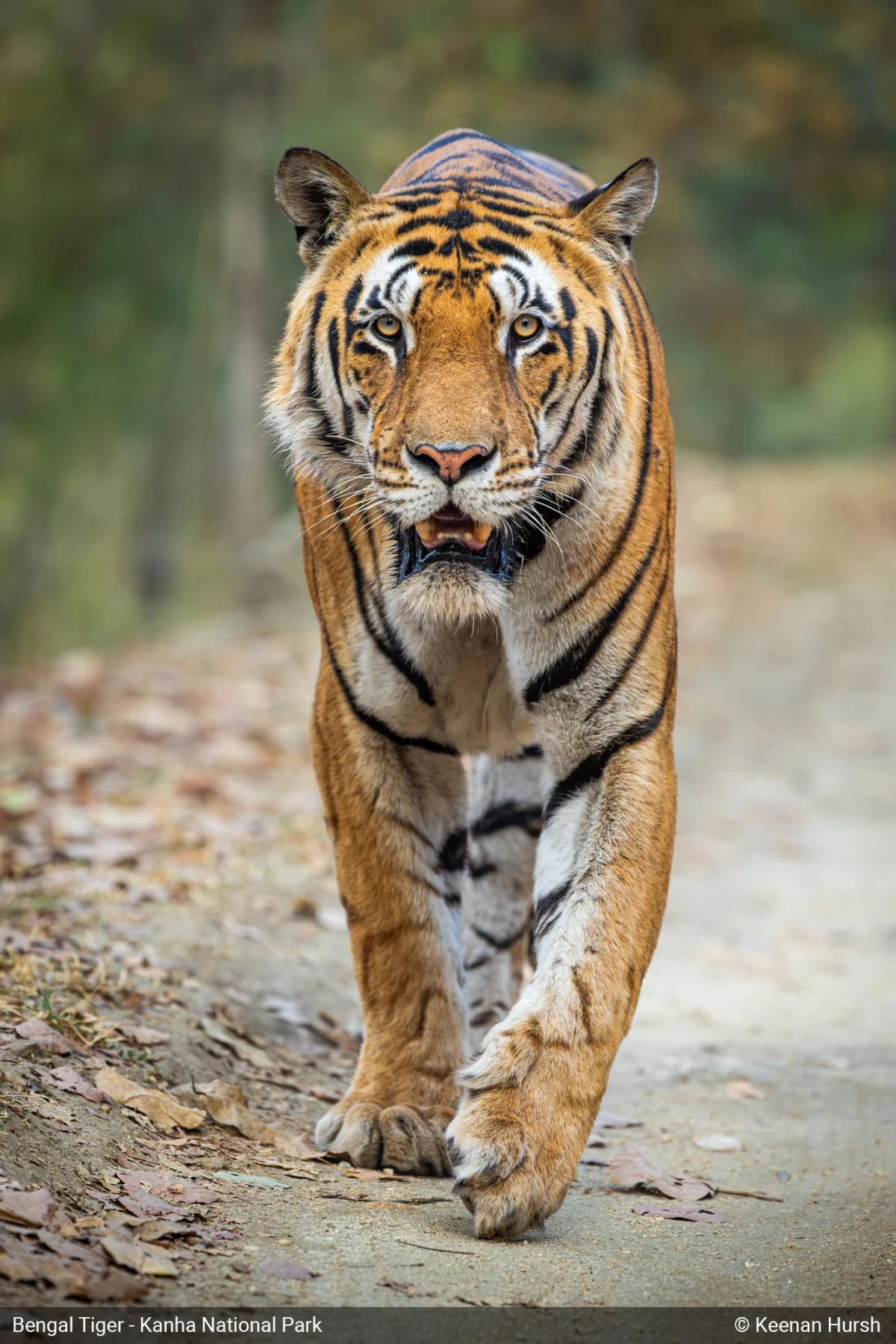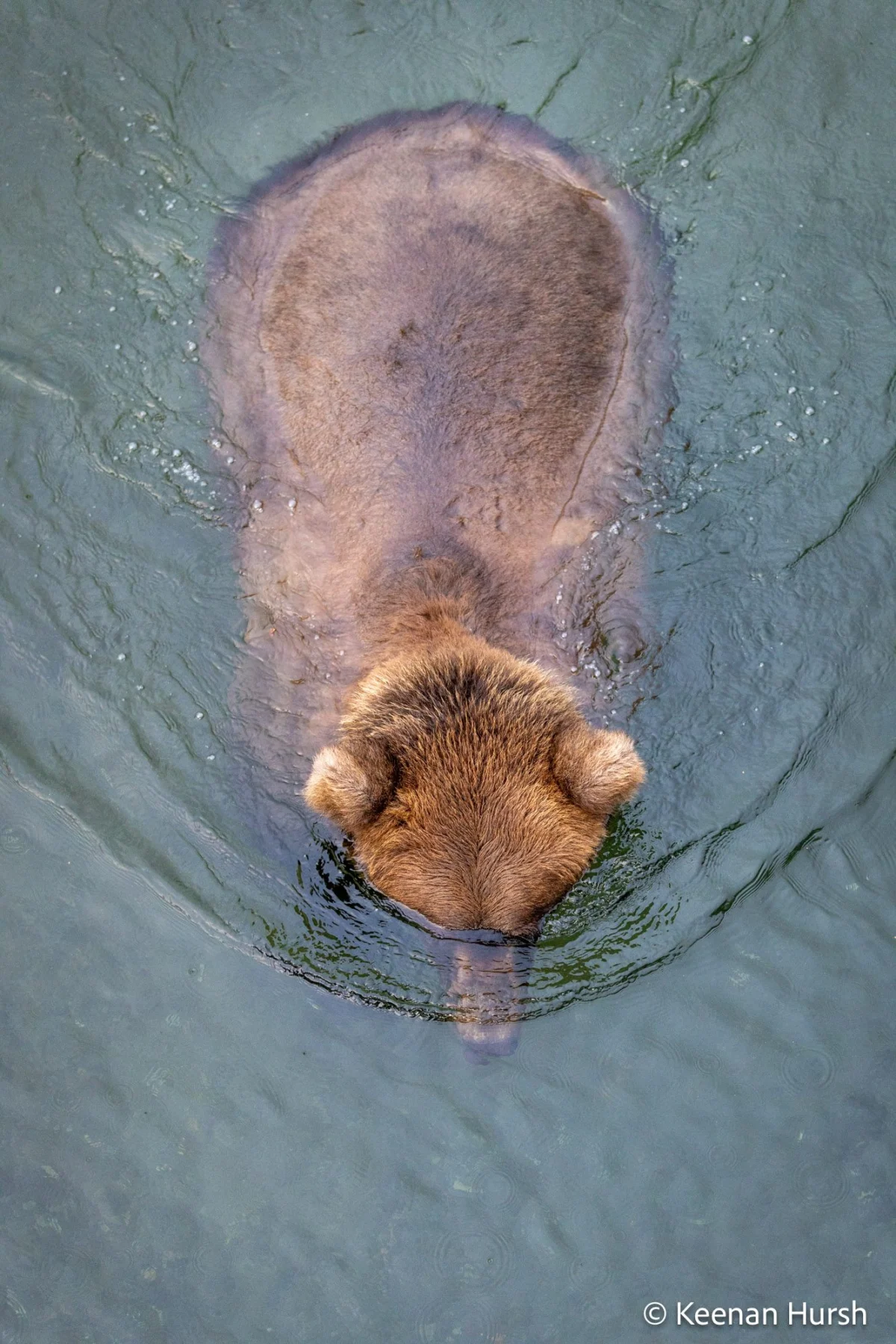
The field of wildlife photography, a discipline demanding meticulous planning, technical skill, extensive knowledge, and often a touch of serendipity, has been dramatically reshaped by advancements in camera technology over the past two decades. What was once considered a dream shot, requiring extraordinary circumstances, is now increasingly attainable thanks to sophisticated gear. This ongoing evolution was recently underscored during a professional wildlife photography workshop in India, where the capabilities of the Canon EOS R5 Mark II were rigorously tested against its esteemed predecessor, the original Canon EOS R5, in the demanding environment of tiger reserves.
Keenan Hursh, a renowned nature photographer, guide, and writer, led an exclusive workshop for Backcountry Journeys, immersing a small group of photographers in the heart of India’s wilderness. The expedition focused on Bandhavgarh and Kanha National Parks in Madhya Pradesh, regions celebrated globally as prime habitats for Bengal tigers. This intensive 10-day safari provided a unique real-world laboratory for a direct, side-by-side comparison of Canon’s flagship mirrorless cameras. Hursh, a long-time user of the original R5, aimed to evaluate whether the incremental upgrades of the Mark II translated into a significant advantage for professional wildlife capture.
The India Expedition: A Chronicle of Wildlife Encounters
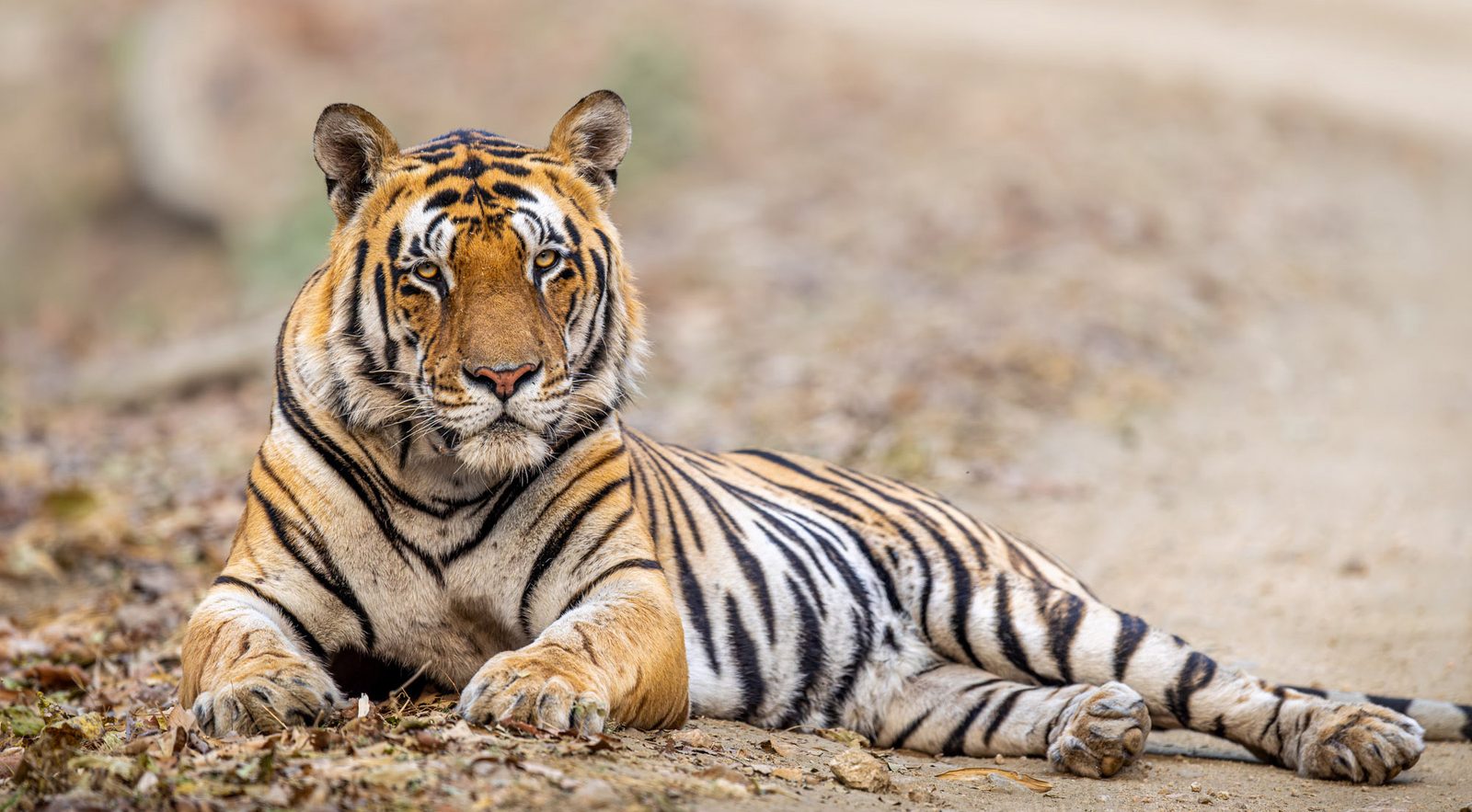
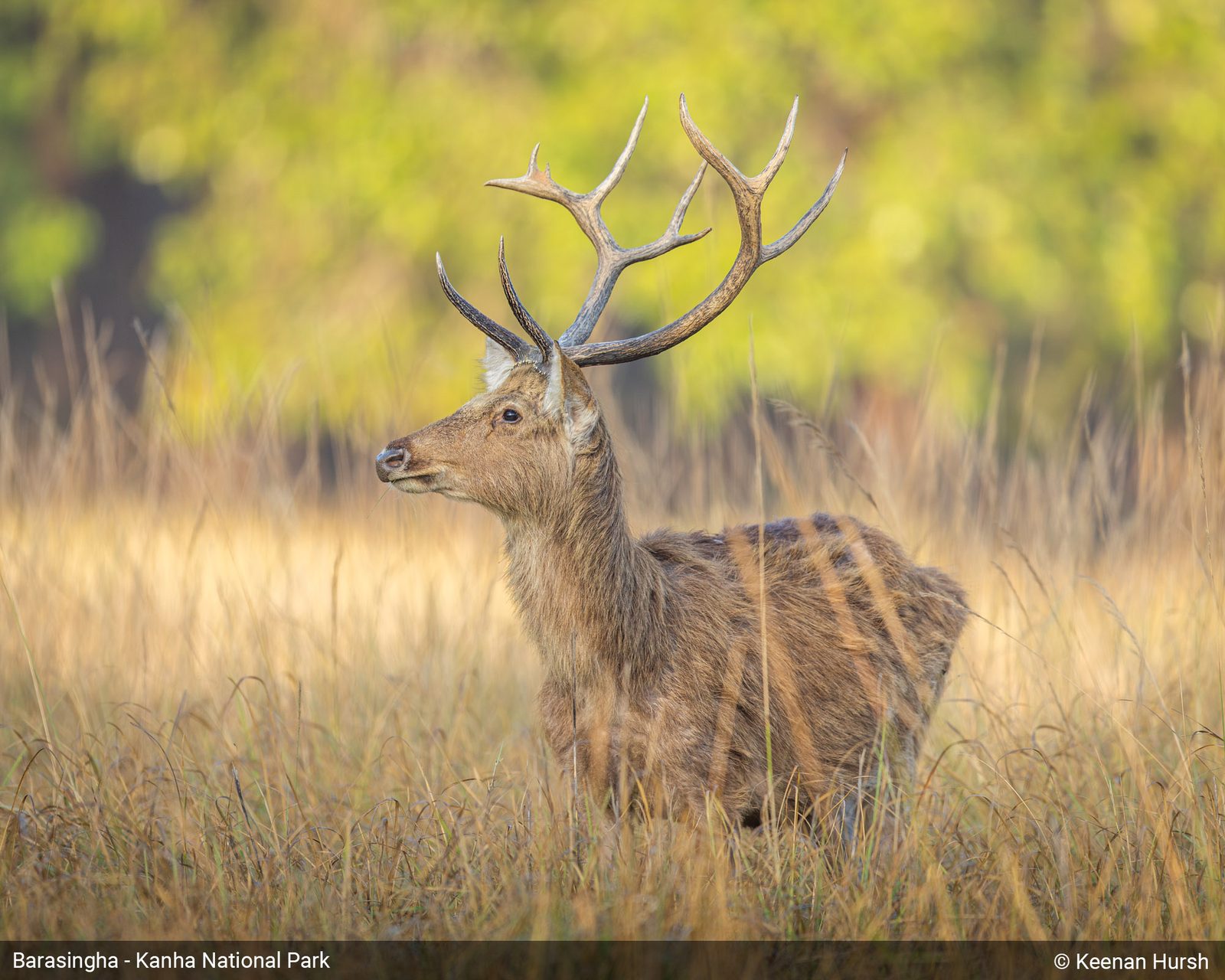
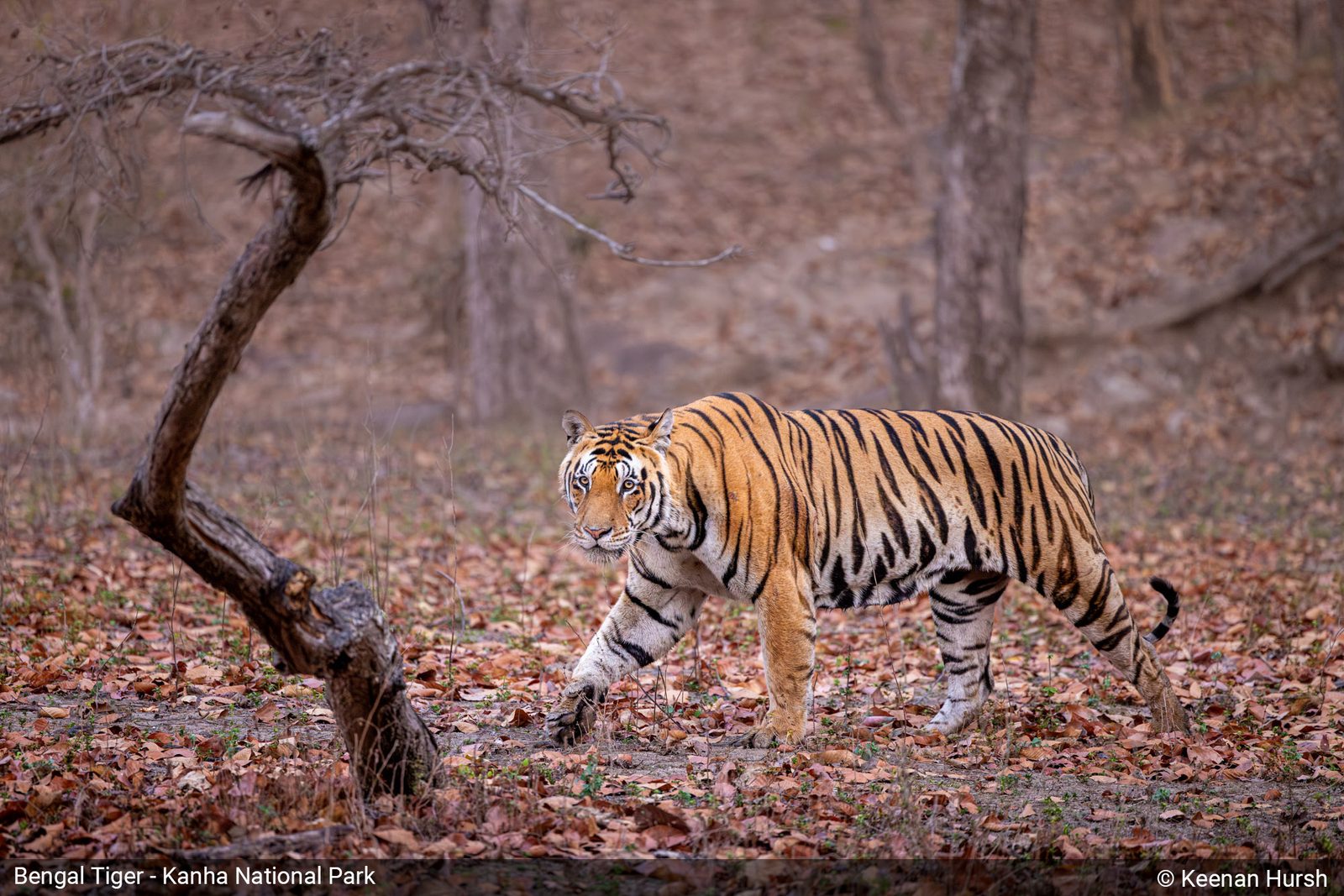
The journey commenced in Delhi, where participants gathered before embarking on an extensive exploration of Madhya Pradesh’s rich biodiversity. Bandhavgarh National Park, located northeast of Jabalpur, was the first destination. Spanning approximately 437 square kilometers, Bandhavgarh is renowned for its high tiger density, offering excellent viewing opportunities. Following several days of intense photography there, the group traveled six hours south to Kanha National Park. Covering a larger area of around 940 square kilometers, Kanha boasts diverse ecosystems, from dense forests to sprawling meadows, supporting a wider array of wildlife alongside a healthy tiger population. The park is also famous for its successful conservation efforts regarding the hardground barasingha.
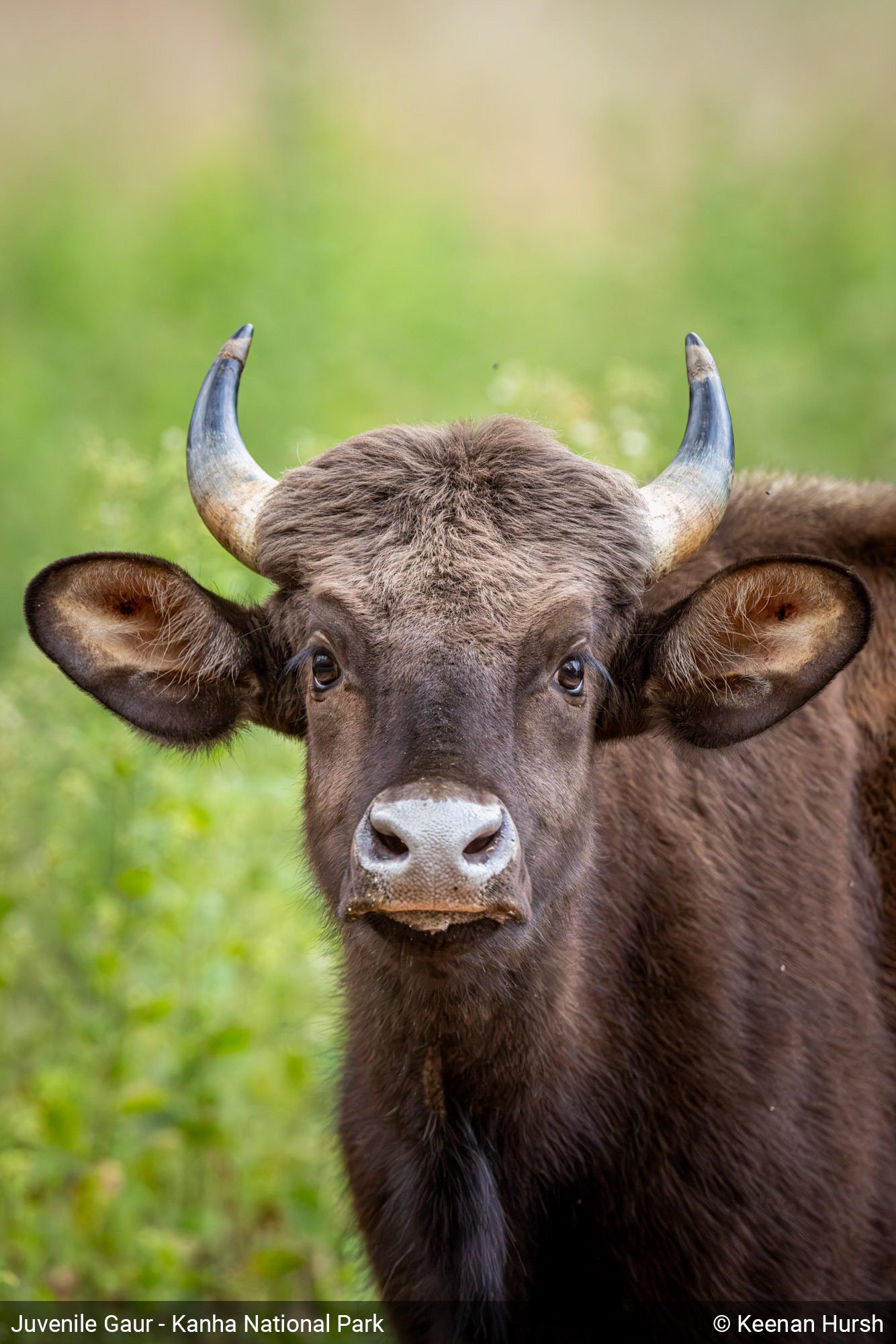
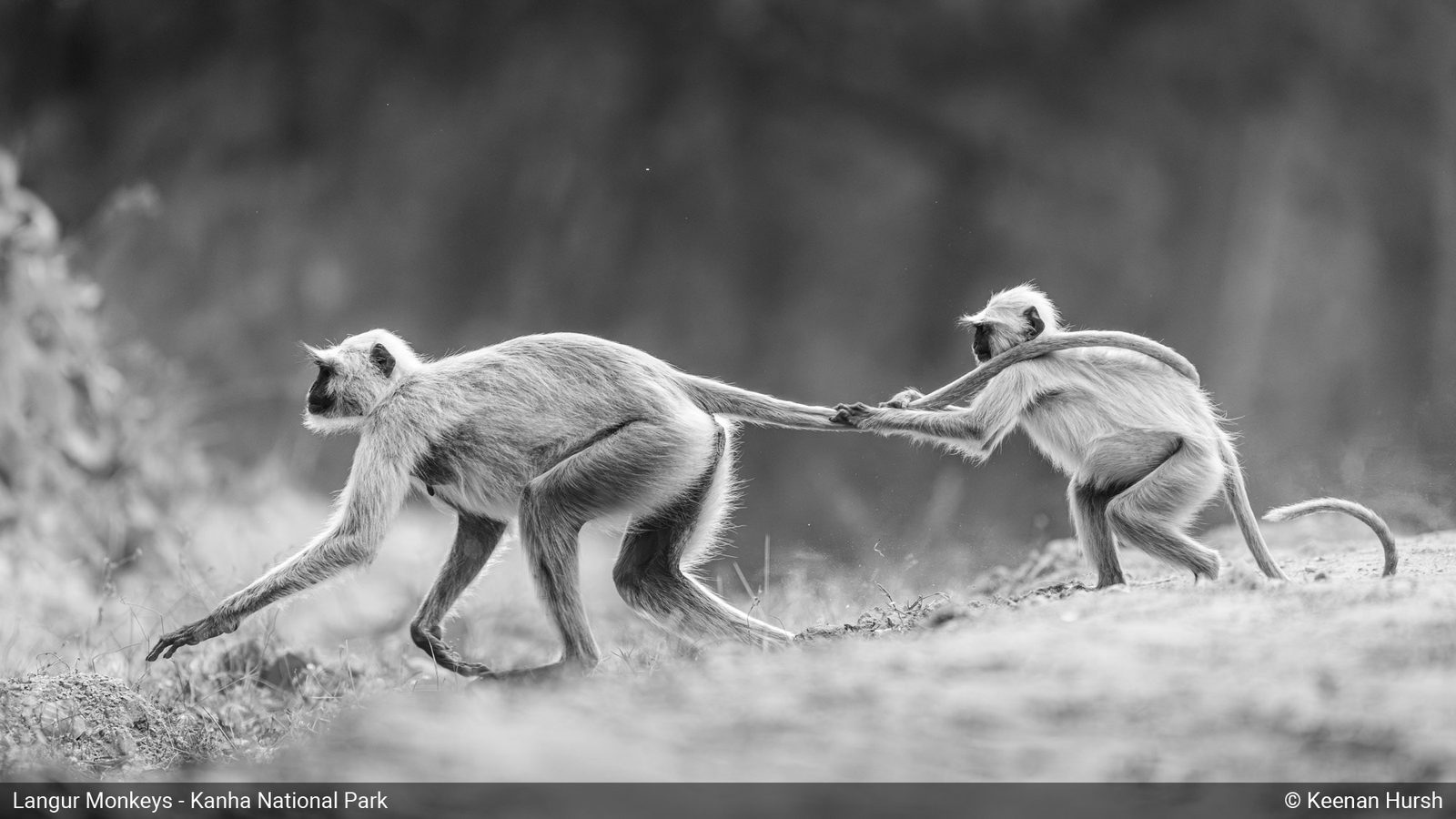
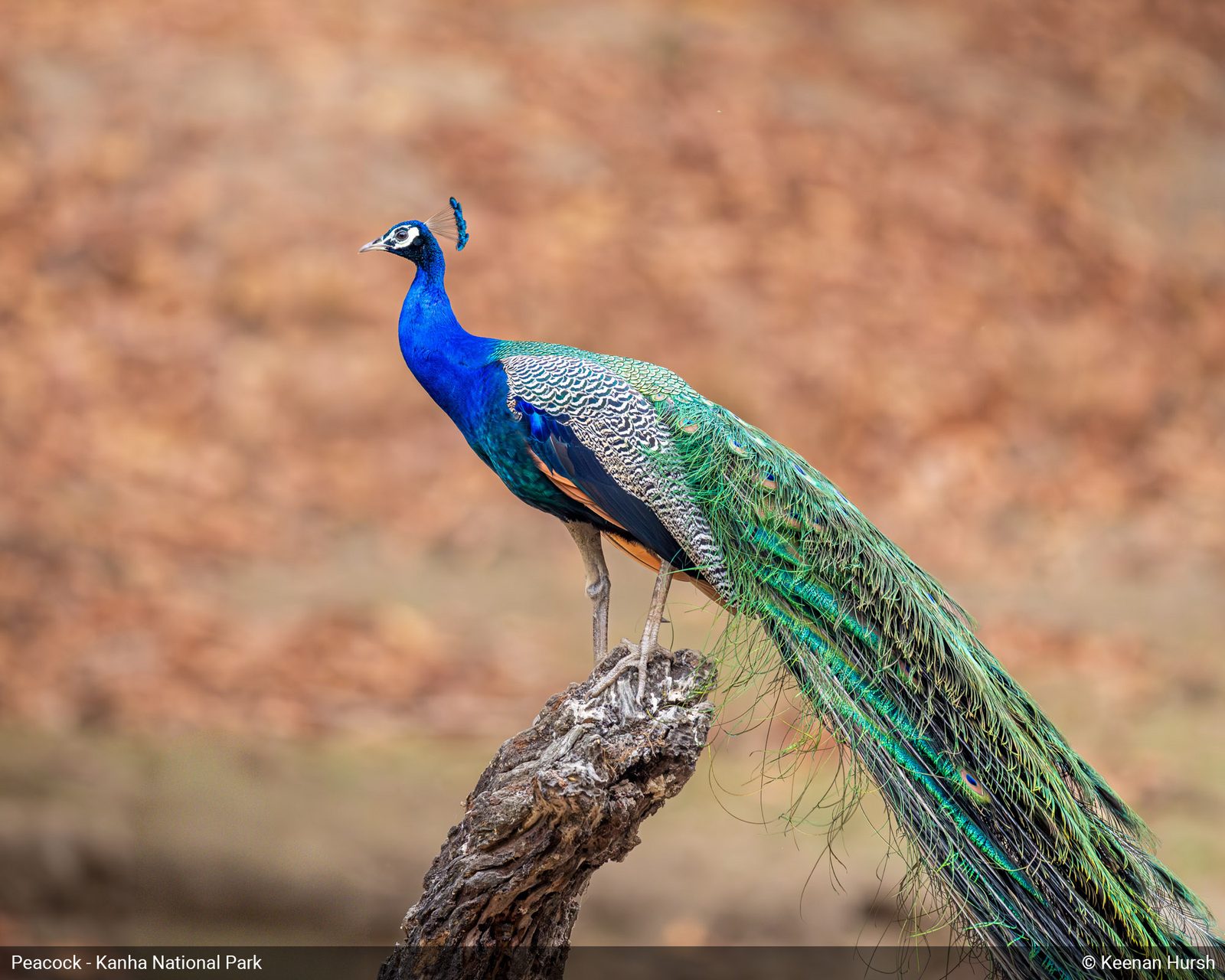
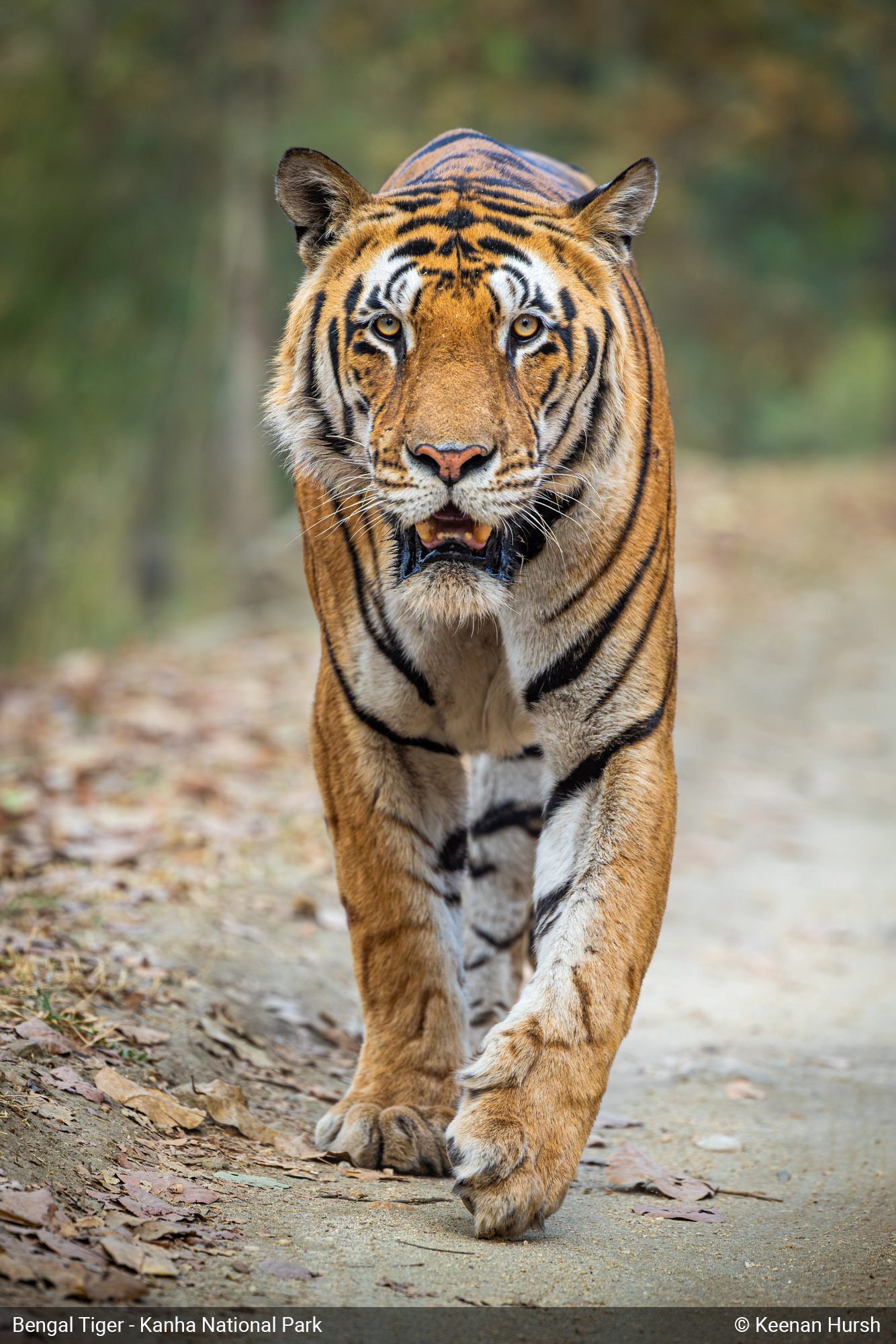
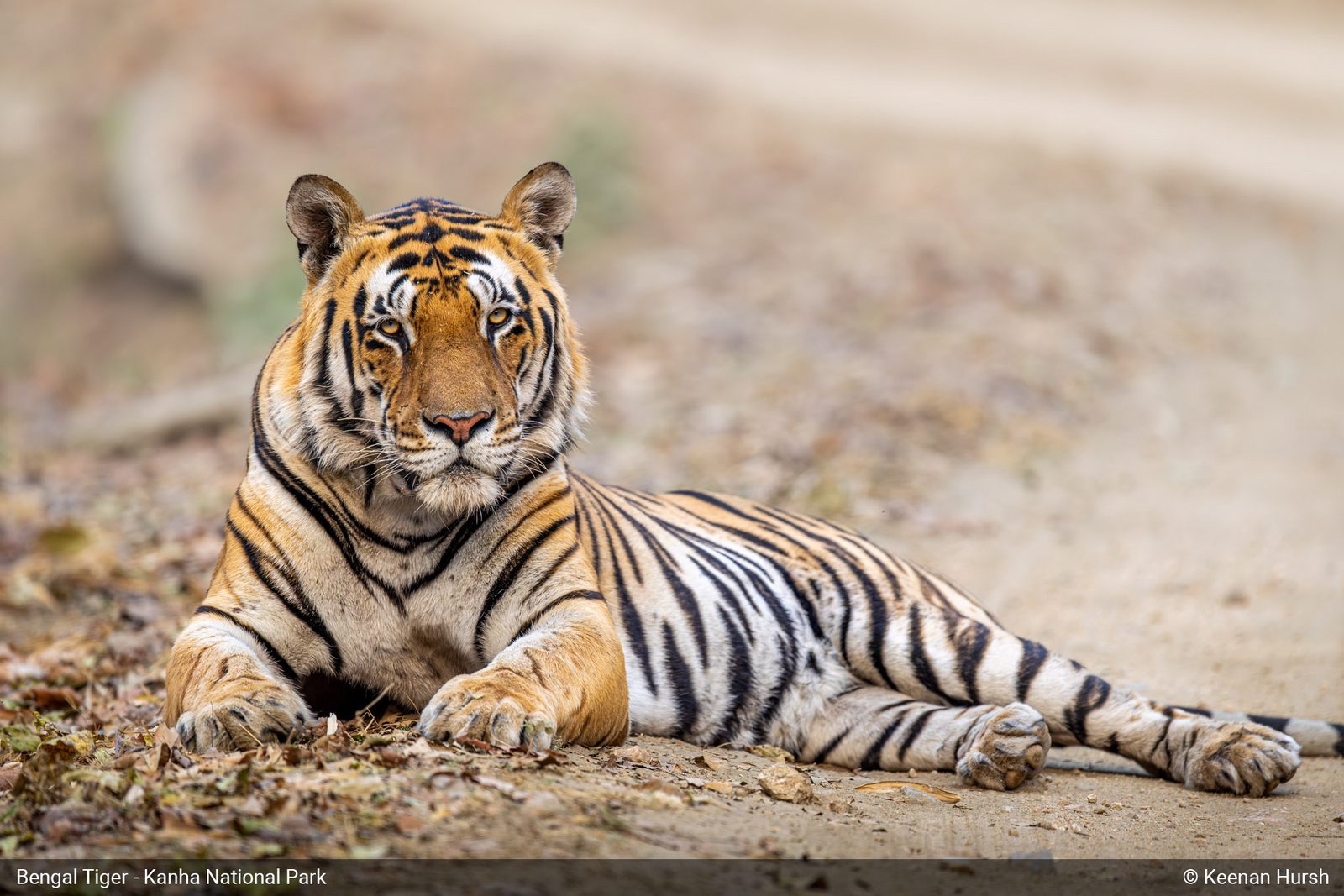
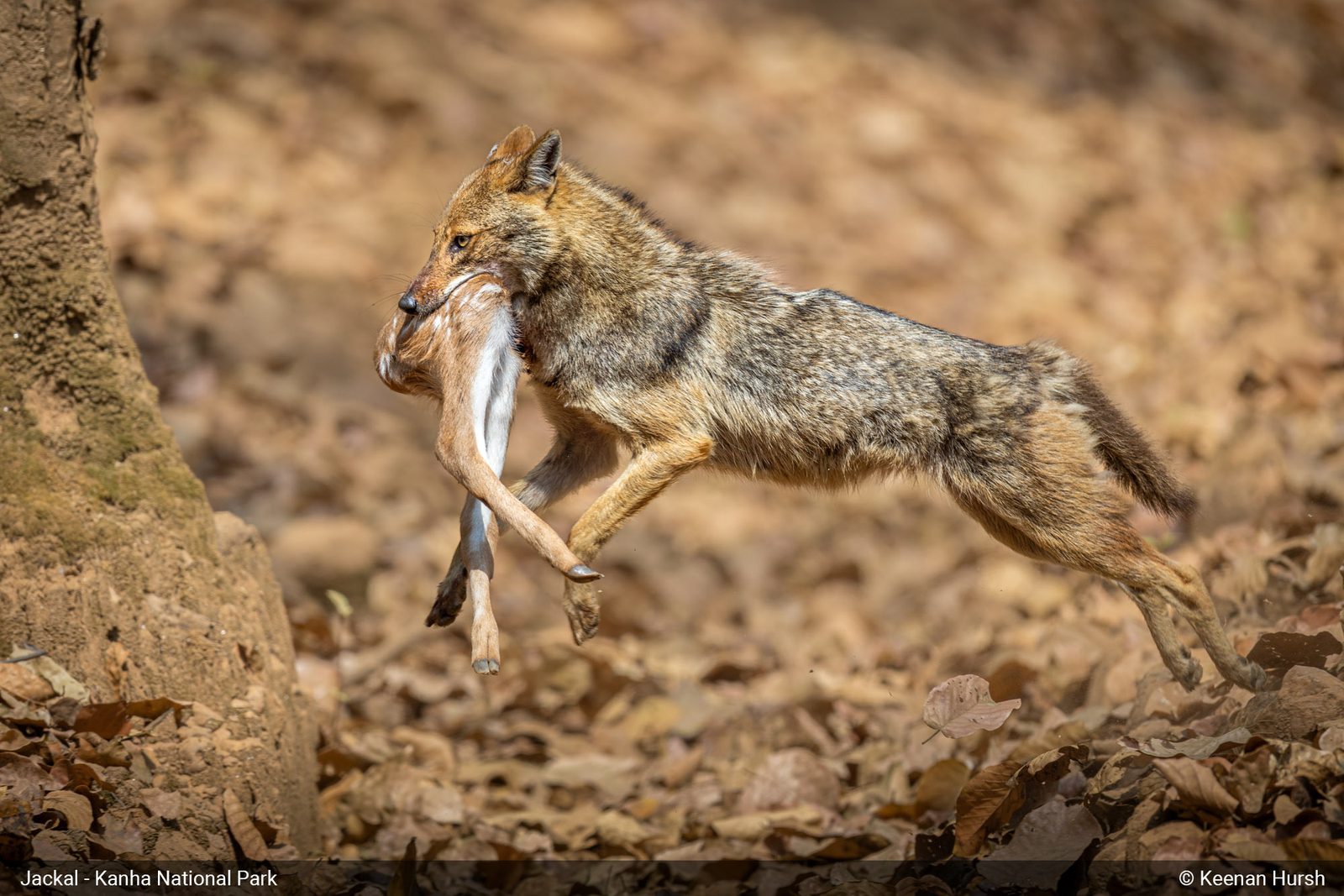
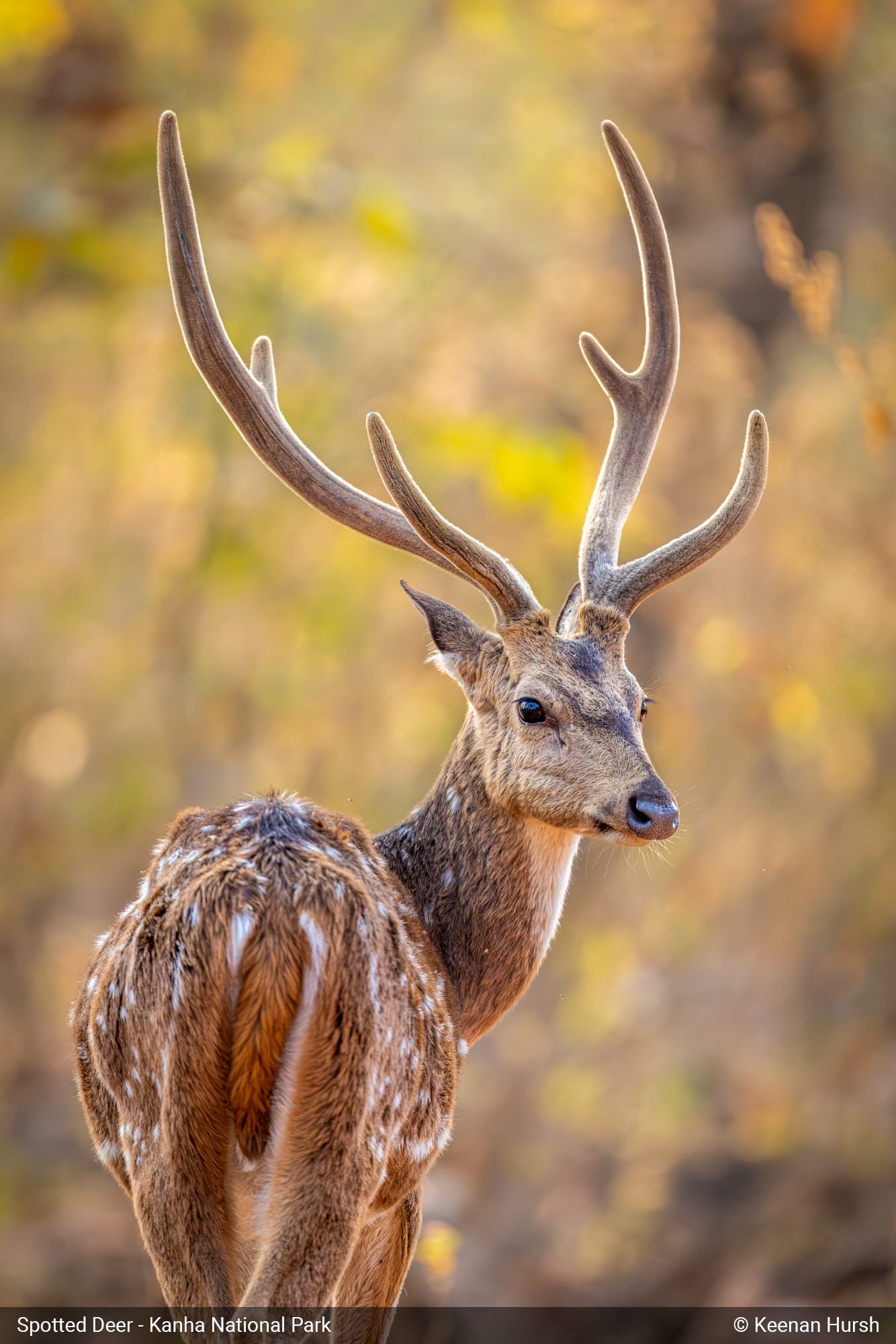
Throughout the workshop, the photographers were privileged to observe a total of 15 individual tigers, exceeding initial expectations. These encounters, ranging from stealthy movements through dense undergrowth to majestic displays by watering holes, provided ideal scenarios for testing camera performance under varied lighting and action conditions. Beyond the iconic tigers, the expedition yielded photographs of numerous other species, including leopards, sloth bears, various deer species (chital, sambar, barasingha), wild dogs (dhole), and a plethora of avian life. The sheer diversity and abundance of wildlife presented continuous photographic challenges and rewards, solidifying the trip’s status as a highly productive and enjoyable experience for all participants. For a photographer passionate about authentic wilderness and wildlife, the opportunity to document over 25 new species within the first day alone marked a profound professional and personal milestone.
Evolution of Wildlife Photography Technology: A Decade of Transformation
The past decade has witnessed a seismic shift in camera technology, particularly impactful for wildlife photographers. The transition from digital single-lens reflex (DSLR) cameras to mirrorless systems has been a primary driver of this change. Mirrorless cameras, by eliminating the mechanical mirror and optical viewfinder, have paved the way for innovations that directly address the core challenges of capturing elusive and fast-moving subjects.
Key technological advancements include:
- Autofocusing Capabilities: Modern mirrorless cameras feature sophisticated AI-driven autofocus systems with deep learning algorithms. These systems can identify and track a wide range of subjects, including animals (birds, mammals, reptiles), vehicles, and human forms, maintaining sharp focus even through complex foregrounds or erratic movements. Features like real-time tracking, subject detection, and advanced eye-AF have become standard, dramatically increasing the hit rate for sharp images.
- Low Light Performance: Improvements in sensor design, coupled with advanced image processing engines, have led to significantly better low-light performance. Photographers can now confidently push ISO values to levels unimaginable years ago, capturing usable images in dawn, dusk, or heavily shadowed conditions where wildlife is often most active.
- Increased Burst Speeds: Electronic shutters have enabled unprecedented continuous shooting speeds, often exceeding 20 frames per second (fps) and sometimes reaching 30 fps or higher. This capability is crucial for capturing peak action moments, such as a bird taking flight, a predator striking, or a dramatic interaction between animals.
- Pre-Capture Functionality: A relatively newer innovation, pre-capture (or pre-burst) allows the camera to buffer images even before the shutter button is fully pressed. When the shutter is finally actuated, the camera saves images from a defined period before the press, ensuring that fleeting moments that would otherwise be missed are secured.
- Electronic Viewfinders (EVFs): EVFs offer a real-time preview of the captured image, complete with exposure, white balance, and depth of field effects. Advanced EVFs now provide high resolution, fast refresh rates, and a blackout-free shooting experience, allowing photographers to maintain an uninterrupted view of the subject during burst shooting.
- Stacked Sensors: The introduction of stacked CMOS sensors has revolutionized camera performance. These sensors integrate memory directly onto the sensor, enabling faster data readout speeds. This translates to higher burst rates, reduced rolling shutter effects, and improved autofocus performance, particularly beneficial for electronic shutter use.
These collective enhancements have democratized the ability to capture high-quality wildlife images, making previously unachievable shots a reality for a broader spectrum of photographers.
Strategic Equipment Selection and Expedition Logistics
For an international wildlife photography expedition to remote national parks like Bandhavgarh and Kanha, meticulous equipment selection is paramount. The primary objective is to ensure preparedness for diverse photographic scenarios while adhering to logistical constraints, particularly weight restrictions on domestic flights within India. Keenan Hursh’s gear philosophy emphasizes versatility, reliability, and performance.
While the specific list of primary photography gear was not provided, a typical professional setup for such a trip would include:
- Camera Bodies: Two high-performance mirrorless bodies (e.g., Canon EOS R5 and R5 Mark II) for redundancy and flexibility.
- Telephoto Lenses: Essential for wildlife, ranging from super-telephotos (e.g., 400mm f/2.8, 600mm f/4, 800mm f/5.6) for distant subjects to versatile telephoto zooms (e.g., 100-500mm f/4.5-7.1, 70-200mm f/2.8) for closer action or environmental shots.
- Wide-Angle Lenses: For landscapes, camp scenes, or environmental portraits if space allows.
- Teleconverters: 1.4x and 2x extenders to increase focal length, critical for reaching distant or small subjects.
- Tripods/Monopods: Sturdy support systems, often compact carbon fiber models to save weight.
- Batteries: A substantial number of spare batteries, given the limited charging opportunities in the field.
- Storage: Multiple high-speed memory cards (CFexpress, SD) and portable backup drives.
- Cleaning Kits: Essential for maintaining optics in dusty environments.
- Protective Gear: Rain covers, dust covers, and rugged camera bags.
The decision to rent the Canon EOS R5 Mark II from Lensrentals.com for this specific trip highlights a strategic approach to evaluating new technology. Hursh, already proficient with two R5 bodies, sought to directly compare the Mark II’s performance in the field before committing to an upgrade. Initial reservations regarding the Mark II’s perceived minimal upgrades and battery incompatibility necessitated a practical trial, which this India workshop perfectly facilitated.
Canon EOS R5: A Benchmark in Wildlife Photography
The original Canon EOS R5, launched approximately six years ago, quickly established itself as a game-changer in the mirrorless market. For wildlife photography, it offered a compelling suite of features that significantly enhanced capture capabilities compared to its DSLR predecessors.
Key Strengths of the Canon EOS R5:
- Advanced AI-Assisted AF: The R5’s autofocus system, with its deep learning subject detection and eye-tracking, was highly effective in identifying and locking onto wildlife, even in challenging conditions. This represented a substantial leap forward for Canon users.
- High-Resolution Sensor: A 45-megapixel full-frame sensor provided exceptional detail and cropping flexibility, crucial for wildlife photographers who often cannot get close enough to their subjects.
- Robust Burst Rate: A maximum electronic shutter burst rate of 20 frames per second was class-leading at its release, allowing for the capture of rapid sequences and decisive moments.
- Solid Low-Light Performance: The R5 demonstrated commendable performance at higher ISO values, producing clean files suitable for professional use in varied lighting.
- In-Body Image Stabilization (IBIS): Its highly effective IBIS system offered up to 8 stops of stabilization (when combined with certain stabilized lenses), enabling sharper handheld shots, especially with long telephoto lenses.
- Build Quality: The magnesium alloy body and extensive weather sealing ensured durability and reliability in harsh outdoor environments, from extreme temperatures to humid or dusty conditions.
Despite its groundbreaking features, the R5 presented a few identified areas for improvement in a wildlife photography context. The method for switching between photo and video modes was often described as cumbersome and inefficient, potentially causing missed opportunities during fast-evolving wildlife encounters. Furthermore, when utilizing the electronic shutter, the lack of auditory feedback and momentary viewfinder blackouts disrupted the continuous visual tracking of subjects. While the AF was generally highly capable, some users noted instances where it could be "jumpy" or struggle to consistently identify subjects or eyes, leaving room for refinement. These observations, stemming from extensive field use, highlight the continuous pursuit of perfection in camera design.
Canon EOS R5 Mark II: Innovations and Refinements
The Canon EOS R5 Mark II enters the market building upon the strong foundation of its predecessor, aiming to elevate the user experience, particularly for demanding applications like wildlife and sports photography. While maintaining the core strengths of the R5, the Mark II introduces several critical enhancements.
Notable Improvements in the Canon EOS R5 Mark II:
- Enhanced Autofocus System: The Mark II features a significantly upgraded autofocus system. It is demonstrably faster, more accurate, and more reliable, exhibiting superior subject tracking and reduced "jumpiness." The ability to seamlessly switch between multiple identified subjects within the frame is a considerable advantage for dynamic wildlife scenarios.
- Pre-Capture Functionality: This game-changing feature allows the camera to record a brief buffer of images before the shutter is fully pressed, enabling the capture of unpredictable, fleeting moments, such as a bird’s initial lift-off or an animal’s sudden movement.
- Dedicated Photo/Video Switch: Addressing a common user feedback point, the Mark II incorporates a dedicated physical switch for toggling between still and video modes, streamlining workflow and preventing missed shots due to navigation delays.
- New Stacked CMOS Sensor: While maintaining the 45-megapixel resolution, the Mark II’s new stacked sensor is a pivotal upgrade. This architecture facilitates dramatically faster data readout, leading to several key benefits for electronic shutter use:
- Increased Burst Speed: The Mark II achieves an impressive 30 frames per second with the electronic shutter, a significant increase from the R5’s 20 fps, providing a wider selection of peak action frames.
- 14-bit RAW Files with Electronic Shutter: Unlike the R5, which compressed electronic shutter RAW files to 12-bit, the Mark II maintains 14-bit depth, offering greater dynamic range and post-processing flexibility.
- Blackout-Free EVF: The stacked sensor virtually eliminates viewfinder blackouts during electronic shutter burst shooting, providing a continuous and immersive view of the subject, crucial for tracking fast-moving wildlife.
- Reduced Rolling Shutter: The faster readout speed also significantly mitigates the rolling shutter effect, reducing distortion when photographing subjects moving rapidly across the frame.
- Auditory Feedback for Electronic Shutter: A minor but appreciated enhancement is the option to enable an audible shutter sound when using the electronic shutter, providing confirmation of image capture that was absent in the silent R5.
Despite these substantial advancements, the Mark II is not without its considerations. A significant point of contention for existing R5 users is the requirement for new batteries to unlock the camera’s full capabilities. While understandable from a power consumption perspective, this mandates an additional investment for those upgrading. Furthermore, while marginal, some comparative tests suggest the Mark II exhibits slightly more noise at equivalent high ISO settings compared to the R5, a trade-off often associated with stacked sensor designs prioritizing speed over absolute low-light cleanliness. This difference, however, is often imperceptible in real-world scenarios and easily managed in post-processing. A recurring sentiment among some critics is whether the Mark II represents a sufficiently substantial leap to justify its price point for all users, particularly those not exclusively focused on high-speed action photography.
General Consensus: Guiding the Photographer’s Choice
The comparative field testing in India reinforces that both the Canon EOS R5 and R5 Mark II are formidable cameras, yet the Mark II undeniably offers a superior overall experience, especially for wildlife and sports photographers. The decision to upgrade or invest in the Mark II hinges largely on a photographer’s specific needs, shooting style, and budget.
For professionals and serious enthusiasts whose primary focus is fast-moving subjects like wildlife or sports, and who operate without stringent budget constraints, the R5 Mark II presents a compelling case for investment. The advancements in autofocus, the game-changing pre-capture feature, the increased burst rate, and the blackout-free EVF collectively contribute to a higher success rate in capturing critical moments. These improvements, though sometimes incremental, translate into tangible advantages in demanding field situations.
Conversely, for photographers primarily engaged in landscape, portrait, or studio work, or those on a tighter budget, the original R5 remains an exceptionally capable and cost-effective option. Its 45MP sensor, robust build, and excellent image quality continue to deliver professional-grade results, especially given its current market price point, which is approximately $1,000 less than the Mark II at the time of this assessment.
For Keenan Hursh, a professional wildlife photographer operating frequently in challenging environments, the cumulative improvements of the R5 Mark II, particularly its enhanced AF system, justify the upgrade. The ability to acquire and track subjects with greater speed and precision, combined with the benefits of the stacked sensor, translates directly into more keepers and a more fluid shooting experience. The option to rent gear, as demonstrated by Hursh, provides an invaluable opportunity for photographers to conduct their own real-world evaluations before making a significant investment.
Broader Impact and Implications
The continuous evolution of camera technology, exemplified by the Canon EOS R5 Mark II, has profound implications beyond individual photographers. For wildlife conservation, these tools enable researchers and conservationists to document species with unprecedented clarity and detail, aiding in identification, behavioral studies, and public awareness campaigns. The ability to capture high-quality images of elusive animals in their natural habitats can galvanize public support and inform policy decisions.
From a market perspective, the incremental yet significant upgrades seen in the Mark II reflect a maturing mirrorless segment where manufacturers are pushing the boundaries of speed, intelligence, and user experience. This fierce competition ultimately benefits photographers, driving innovation and providing increasingly specialized tools for niche applications. The "upgrade dilemma" faced by existing R5 users highlights the industry’s challenge in balancing innovation with compatibility and cost, as technological leaps often necessitate new accessory ecosystems.
In conclusion, the expedition to India served as a powerful testament to both the enduring allure of wildlife photography and the transformative power of modern camera technology. While the original Canon EOS R5 continues to be a highly capable instrument, the R5 Mark II demonstrates Canon’s commitment to refinement and innovation, offering a suite of enhancements that make a tangible difference in the pursuit of the perfect wildlife shot. The choice between these two exceptional cameras ultimately aligns with a photographer’s individual priorities, but the trajectory of photographic innovation continues to open new frontiers for capturing the natural world.