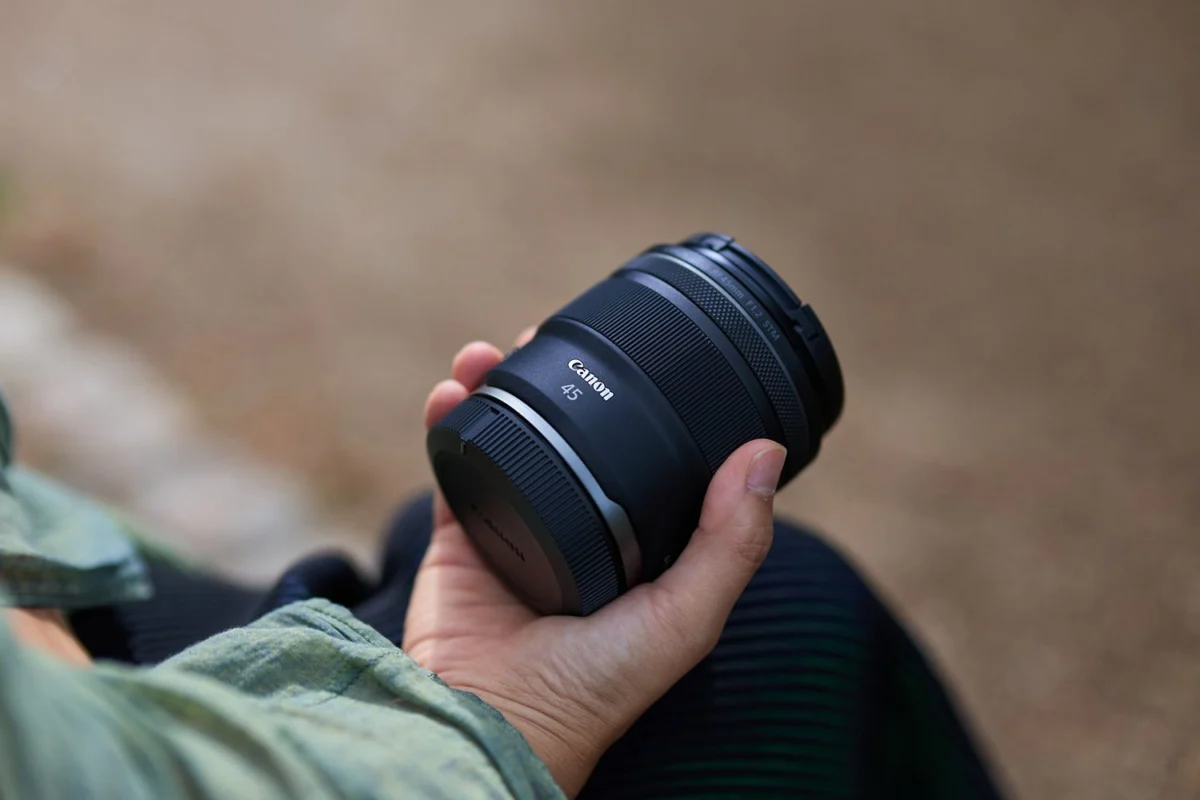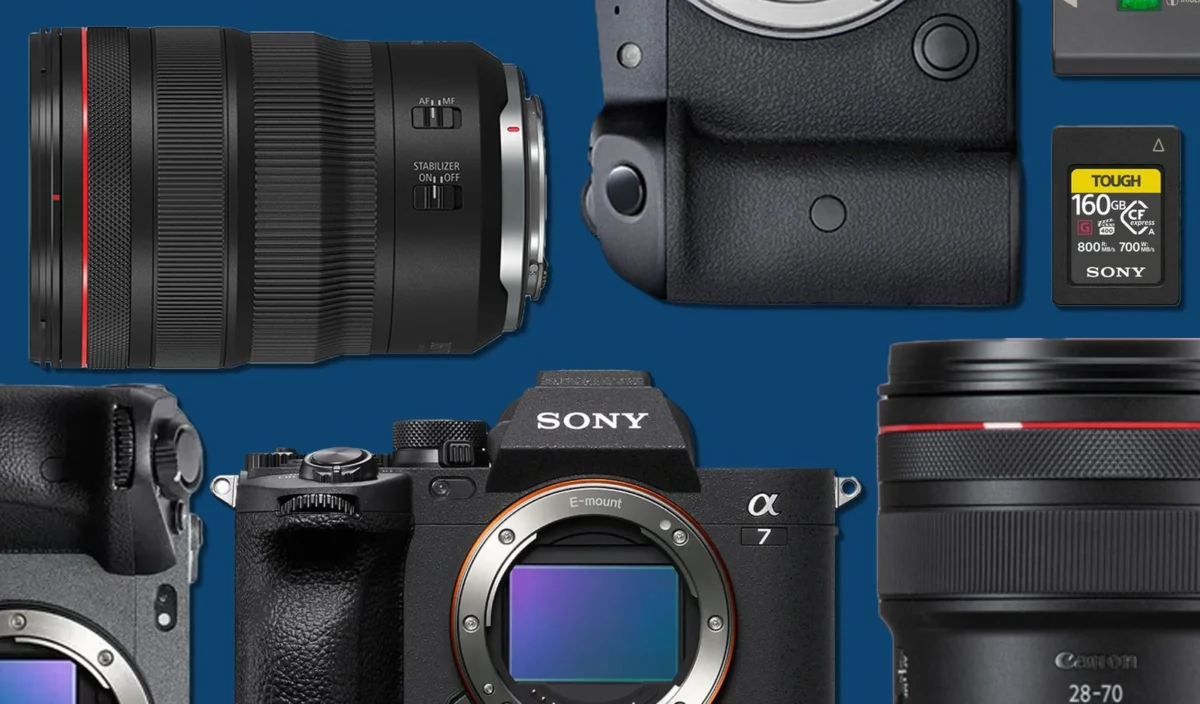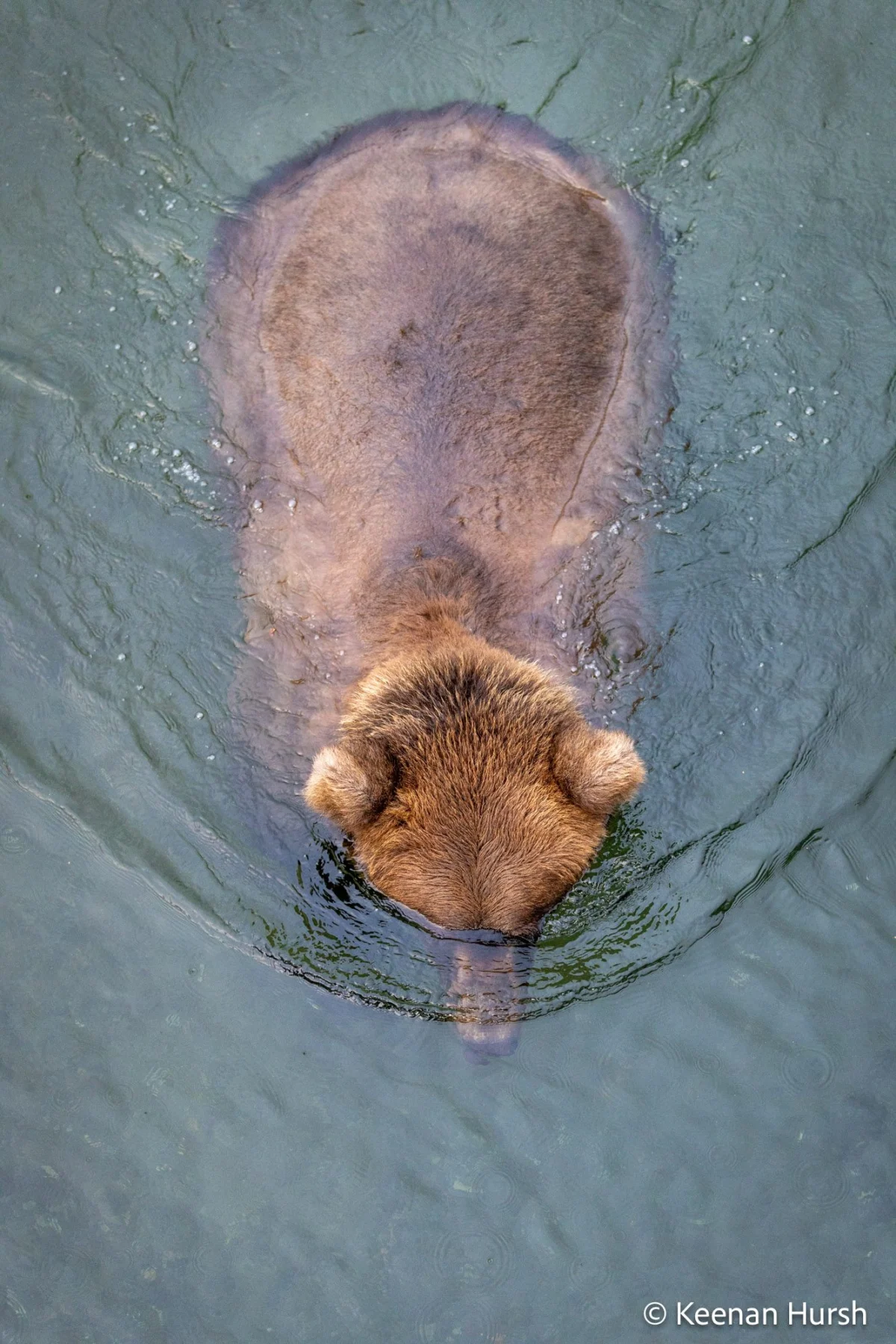
The demanding world of professional wildlife photography requires meticulous planning, an intimate understanding of subjects, and access to highly specialized equipment. For one seasoned photography trip leader with Backcountry Journeys, preparing for an upcoming series of workshops at Alaska’s iconic Katmai National Park involved more than just route mapping and logistical coordination; it necessitated a strategic evaluation of photographic gear to capture the region’s famed brown bears with unparalleled precision and artistic vision. This in-depth report explores the photographer’s decision to integrate the Canon RF 100-300mm f/2.8 L IS USM lens into their arsenal for this critical expedition, detailing its performance in the challenging Alaskan wilderness and its broader implications for professional imaging.
Strategic Planning for Photographic Expeditions
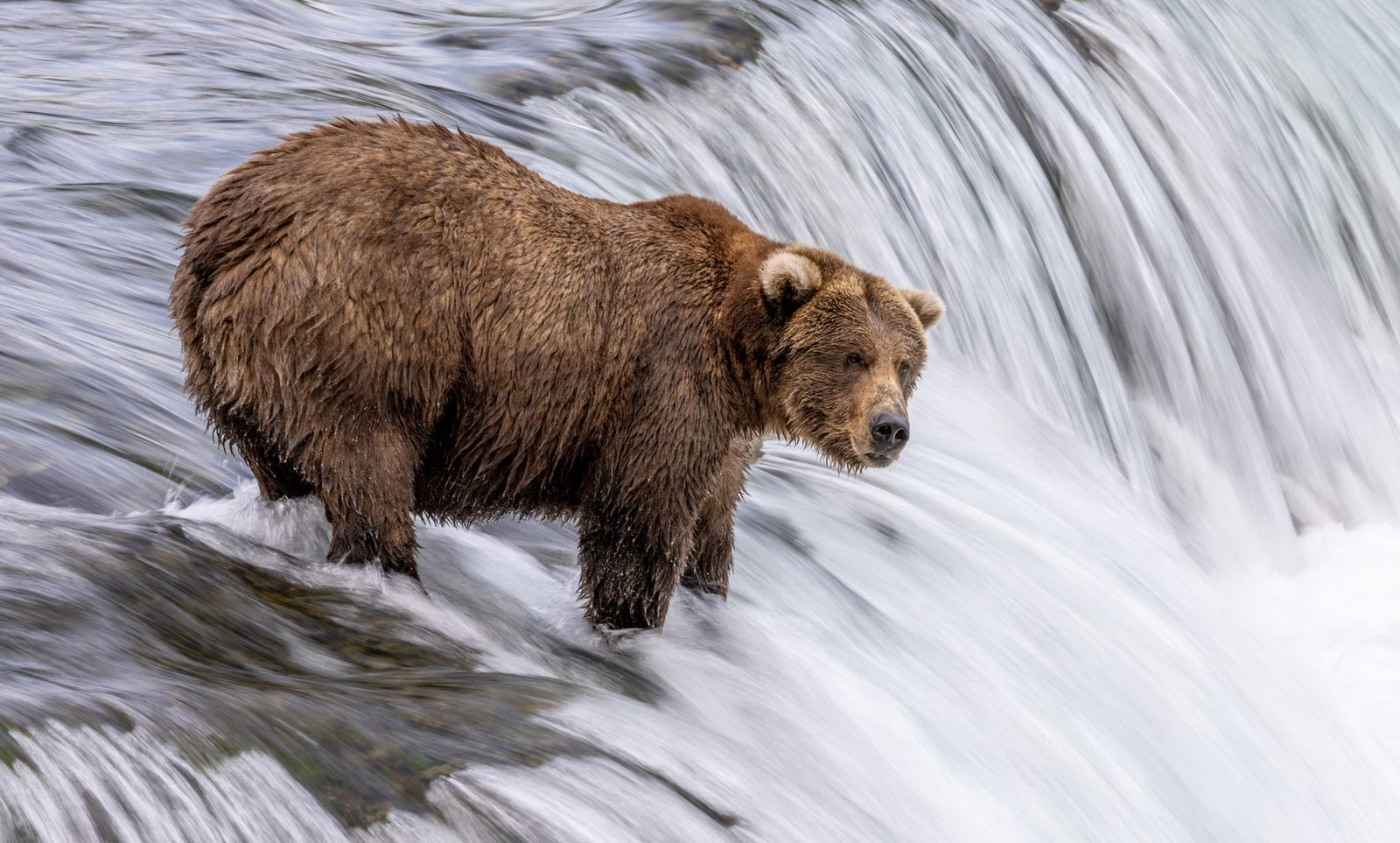
Professional photography, especially in remote and dynamic environments like Katmai, begins long before the shutter button is pressed. It involves a rigorous process of envisioning desired images, understanding environmental conditions, and selecting the optimal tools to translate those mental pictures into tangible photographs. As a leader for Backcountry Journeys, a company specializing in immersive wilderness photography workshops, the unnamed photographer routinely navigates these complexities. Their role extends beyond guiding; it encompasses anticipating diverse photographic opportunities and ensuring participants, as well as their own portfolio, benefit from the best possible equipment choices. This proactive approach to gear selection is paramount, particularly when dealing with unpredictable wildlife and varying light conditions.
The upcoming workshops were specifically focused on photographing brown bears (Ursus arctos horribilis) at Brooks Falls, a world-renowned natural spectacle within Katmai National Park where bears congregate to fish for sockeye salmon. The photographer, having led numerous trips to Katmai previously, possessed a clear understanding of the unique photographic challenges and opportunities presented by this location. The desired shots ranged from intimate, creamy-background portraits of individual bears to wider-angle environmental shots showcasing bears within their stunning Alaskan habitat, and high-speed action sequences of bears leaping and plunging into the river for fish. Achieving such a diverse set of images demanded a versatile lens capable of delivering exceptional optical quality across a flexible focal range, a capability that led to the consideration of a specialized rental.
Katmai National Park: A Premier Wildlife Destination
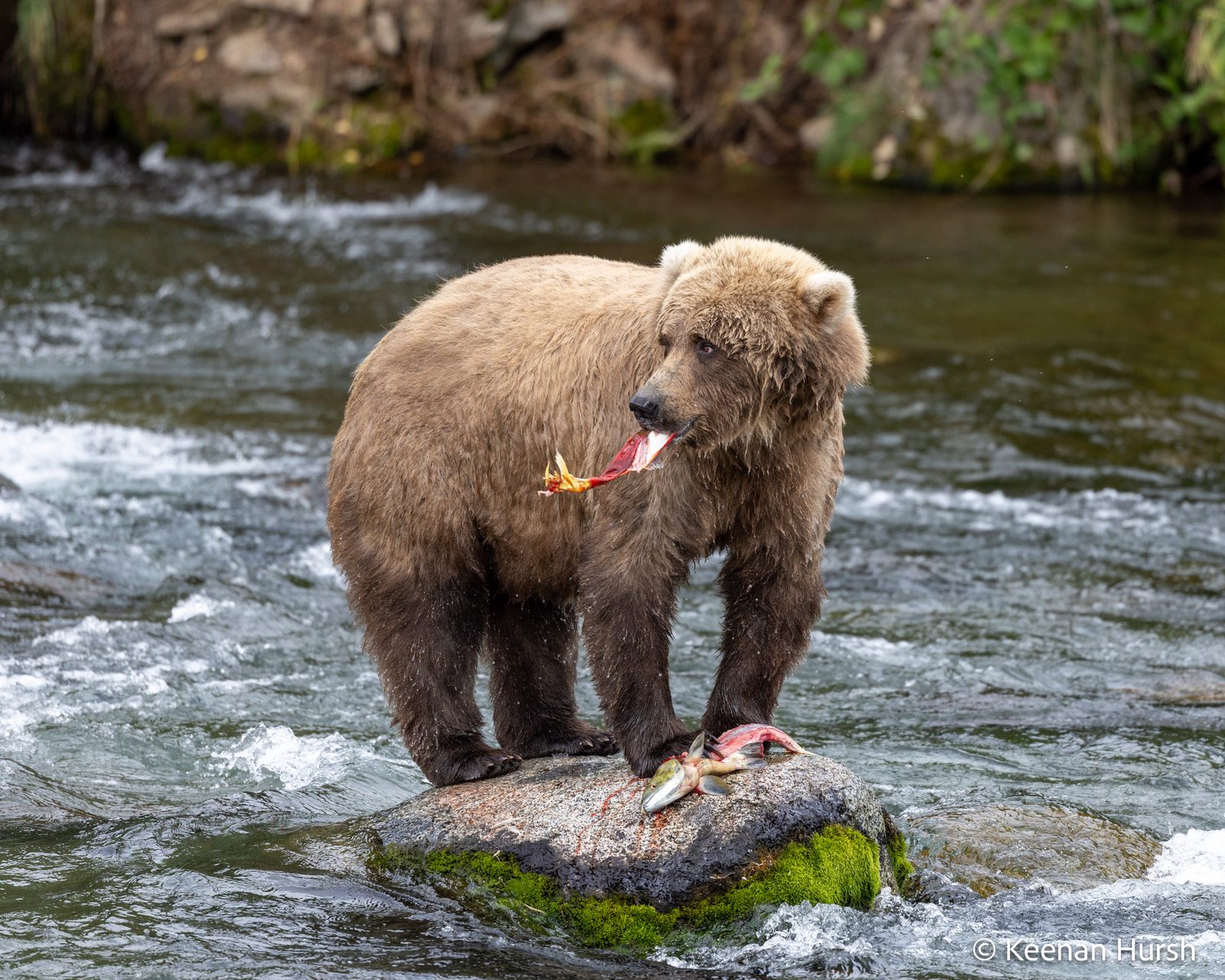
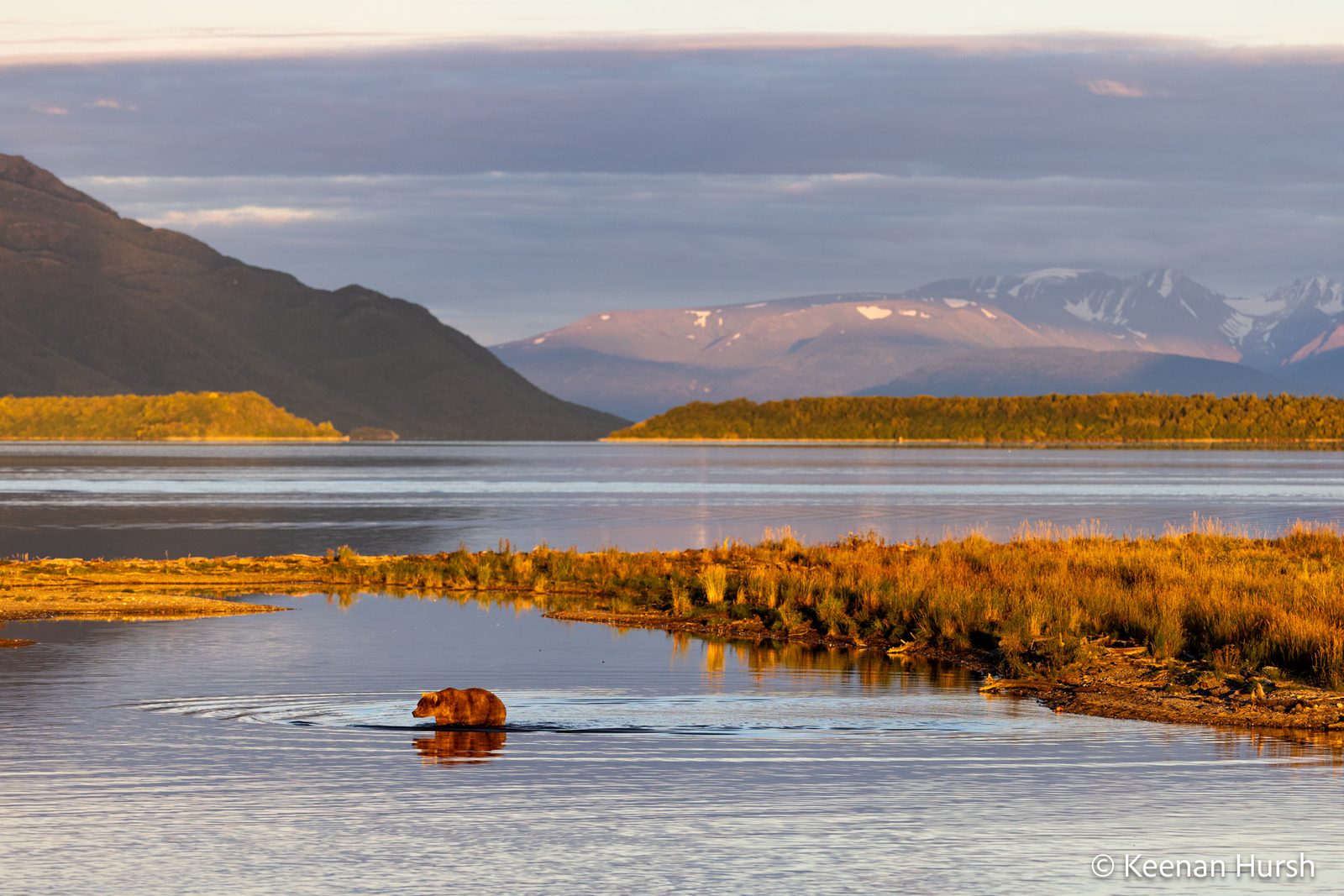
Katmai National Park and Preserve, located on the Alaska Peninsula, is a sprawling wilderness encompassing over four million acres. Established in 1918 to protect the Valley of Ten Thousand Smokes, a landscape scarred by the 1912 eruption of Novarupta, it has since become synonymous with its extraordinary concentration of brown bears. The park is home to an estimated 2,200 brown bears, making it one of the largest protected bear populations in the world. Brooks Falls, a natural waterfall on the Brooks River, serves as a vital salmon spawning ground and consequently, a prime feeding location for bears from June through September. The park’s well-managed viewing platforms offer photographers unparalleled, yet safe, proximity to these magnificent animals, presenting a unique set of focal length requirements. While a super-telephoto prime lens like a 600mm f/4 is often the standard for distant wildlife, the close encounters at Brooks Falls frequently necessitate wider perspectives to capture the full narrative of the bears’ lives and their environment.
The Quest for the Ideal Lens: Introducing the Canon RF 100-300mm f/2.8 L IS USM
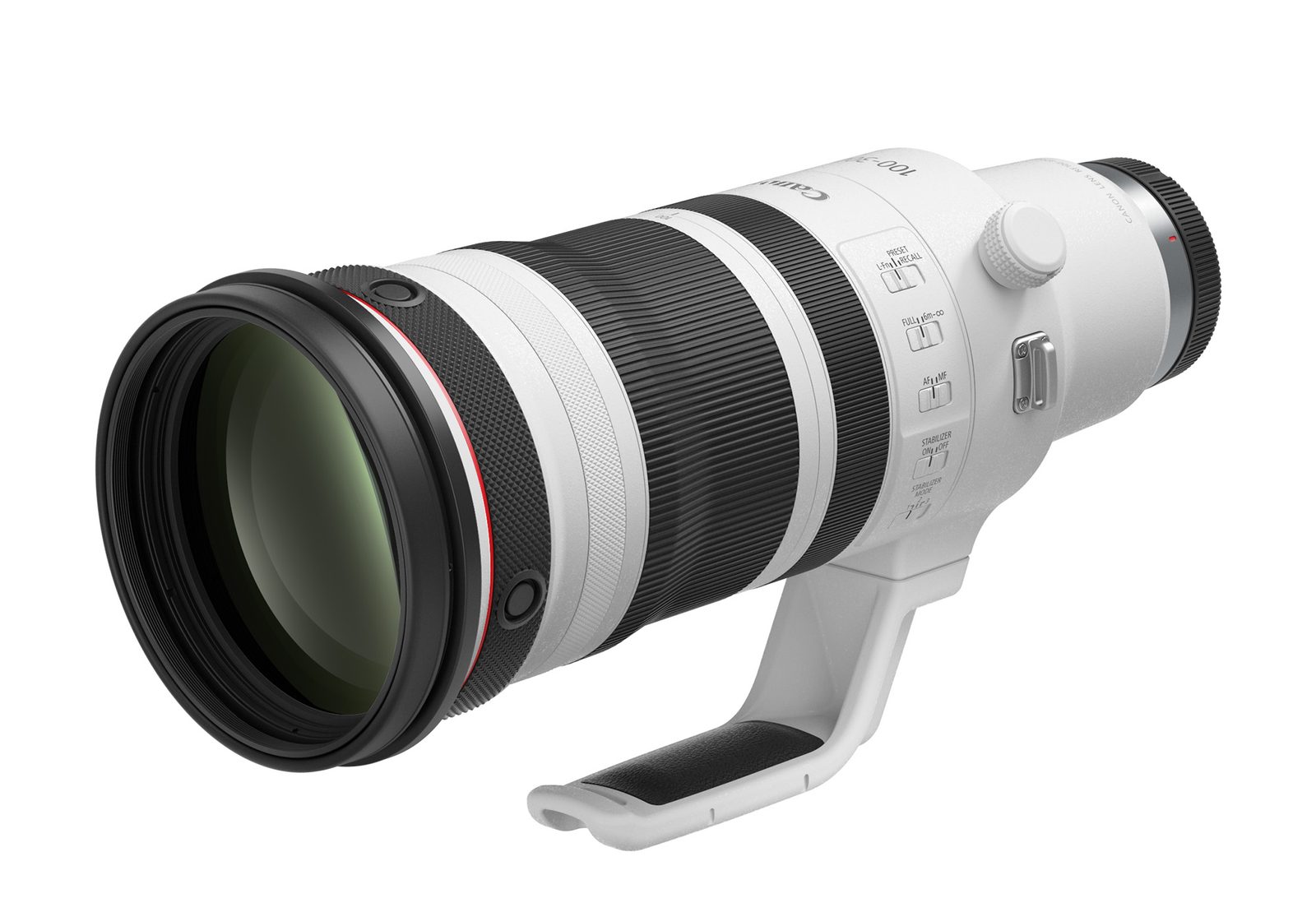
The photographer, a dedicated Canon user, had long been intrigued by the Canon RF 100-300mm f/2.8 L IS USM since its initial announcement. This lens represents a significant evolution in Canon’s mirrorless RF mount ecosystem, signaling a strategic move towards producing fast telephoto zoom lenses that rival the optical performance of their prime counterparts. The constant maximum aperture of f/2.8 across a versatile 100-300mm focal range, combined with Canon’s reputation for razor-sharp optics and advanced image stabilization, presented a compelling solution for the diverse demands of the Katmai workshops.
While the photographer owned a Canon EF 600mm f/4L IS III, a staple for distant wildlife, the unique proximity at Brooks Falls meant that a more adaptable lens was essential. The 600mm, while excellent for isolation, could prove too long when bears approached the viewing platforms, leading to cropped or missed shots. The RF 100-300mm f/2.8 offered the necessary flexibility to quickly adjust between tighter portraits and broader environmental scenes without needing to change lenses, a critical advantage when photographing fast-moving subjects like fishing bears.
The Role of Lens Rental Services
Acquiring a specialized lens like the Canon RF 100-300mm f/2.8, with its premium price point, often presents a significant investment. For many professionals and serious enthusiasts, gear rental services offer an invaluable solution. The photographer had a history of positive experiences with Lensrentals, a prominent provider in the photography equipment rental market. This established trust made the decision to rent the RF 100-300mm f/2.8 for the Katmai workshops a straightforward one. Renting allowed the photographer to field-test a high-end lens for a specific assignment, ensuring they had the exact tool needed without the long-term commitment of purchase. This approach is particularly beneficial for niche applications or when exploring new equipment before making a permanent acquisition.
Technical Overview: Canon RF 100-300mm f/2.8 L IS USM
The Canon RF 100-300mm f/2.8 L IS USM is an engineering marvel designed for professional-grade performance. Weighing approximately 2.59 kg (5.71 lbs) and measuring 323 mm (12.7 in) in length, it manages to combine a wide zoom range with a fast aperture in a relatively compact and manageable package for its class. Its optical construction features 23 elements in 18 groups, including a fluorite element and multiple Ultra-Low Dispersion (UD) elements, meticulously arranged to minimize chromatic aberration and deliver exceptional sharpness and contrast across the entire zoom range.
A key feature is its advanced Optical Image Stabilizer (IS), offering up to 5.5 stops of correction on its own, and an impressive 6 stops when paired with cameras featuring in-body image stabilization (IBIS). This stabilization is crucial for handheld shooting in dynamic wildlife situations or low-light conditions, allowing for slower shutter speeds without sacrificing image clarity. The lens also incorporates Canon’s renowned Ring-type USM (Ultrasonic Motor) for fast, quiet, and precise autofocus performance, essential for tracking erratic subjects like fishing bears. Its robust, weather-sealed construction ensures reliability in harsh outdoor environments, a non-negotiable attribute for Alaskan expeditions.
Field Performance at Brooks Falls: An In-Depth Review
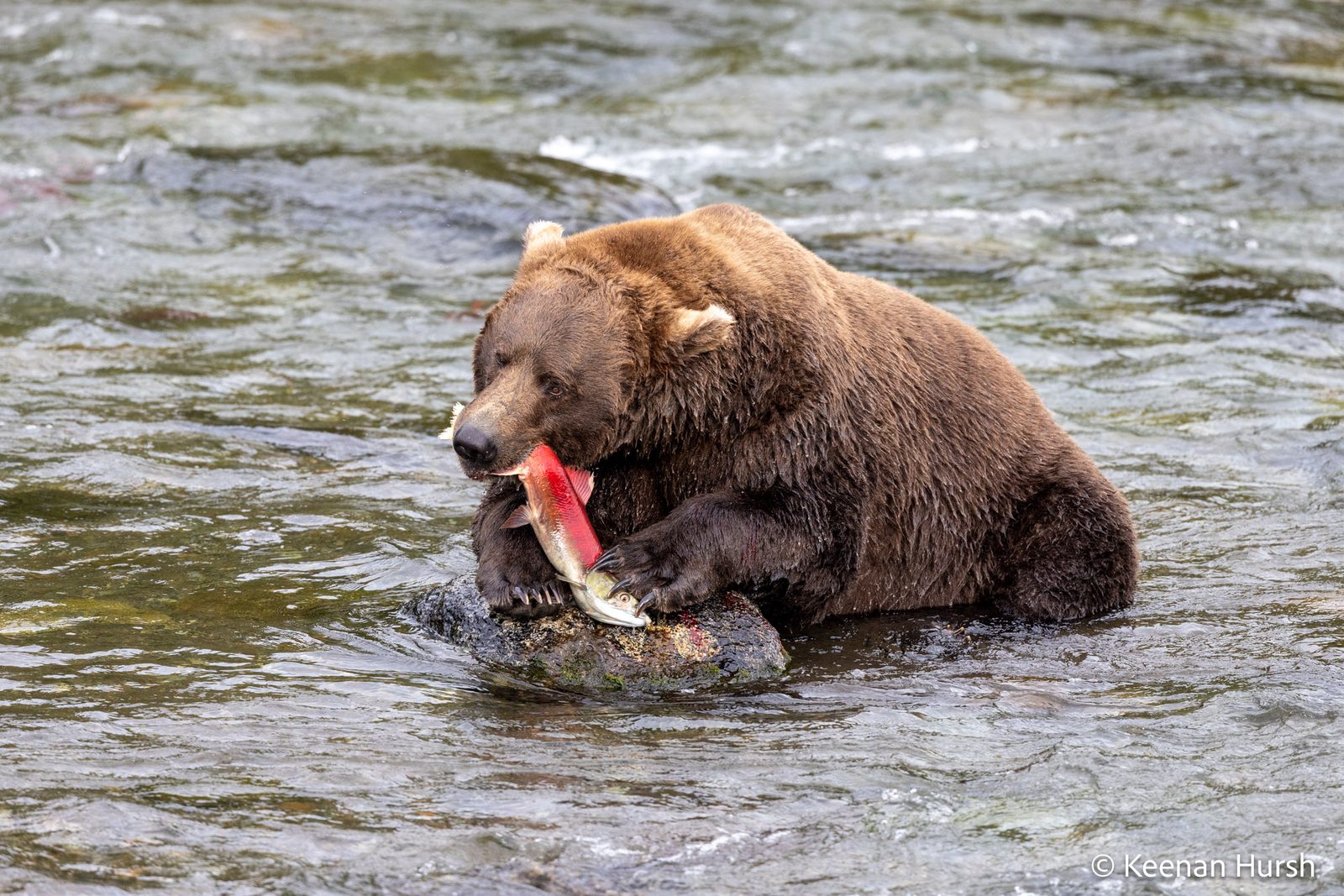
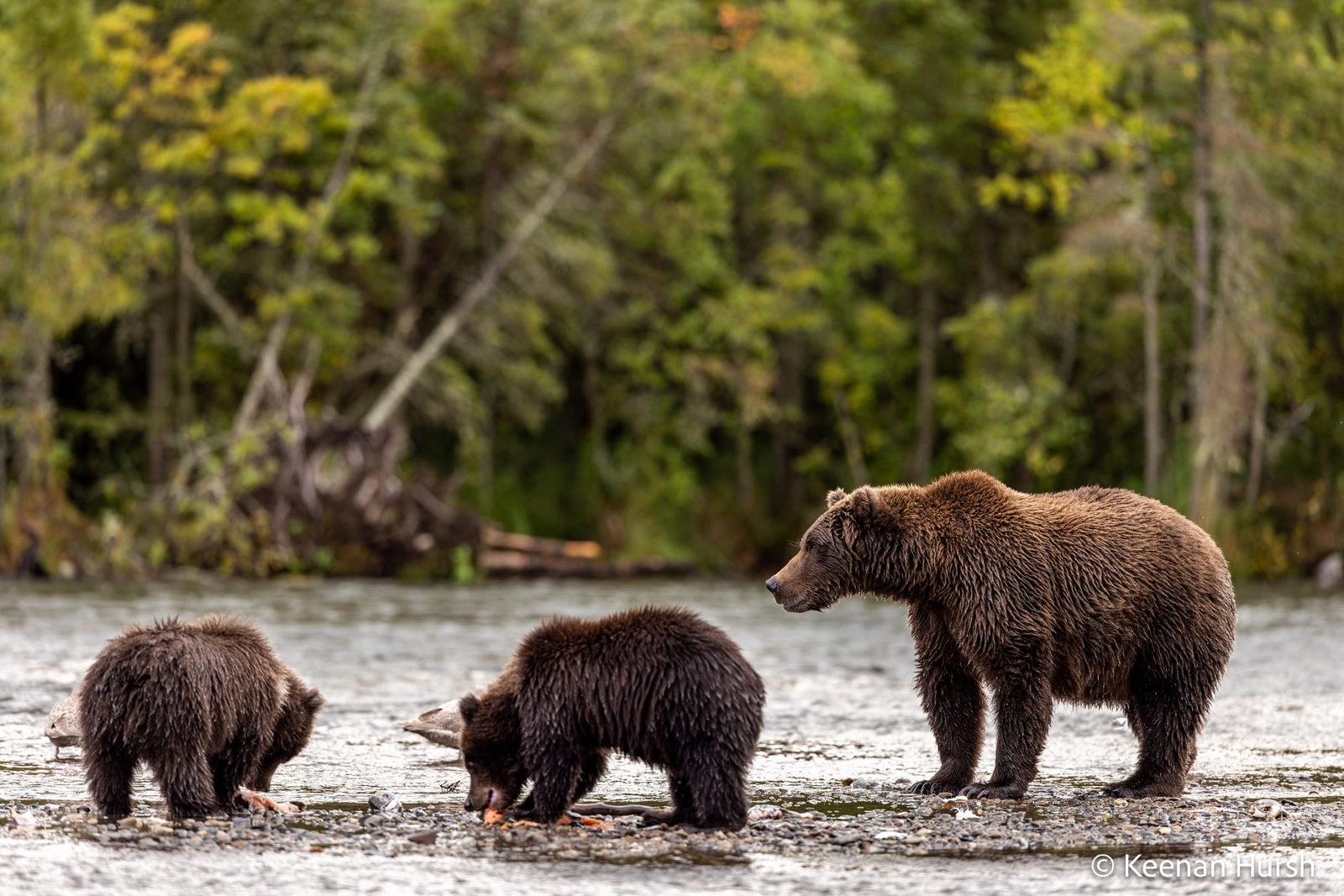
Upon arrival at Katmai National Park and during the two consecutive workshops, the Canon RF 100-300mm f/2.8 proved to be an indispensable tool. The viewing platforms at Brooks Falls frequently place photographers within 50-75 yards of the bears, a distance at which the 600mm prime lens often proved too restrictive. The 100-300mm lens, however, offered the perfect balance.
Positives in the Field:
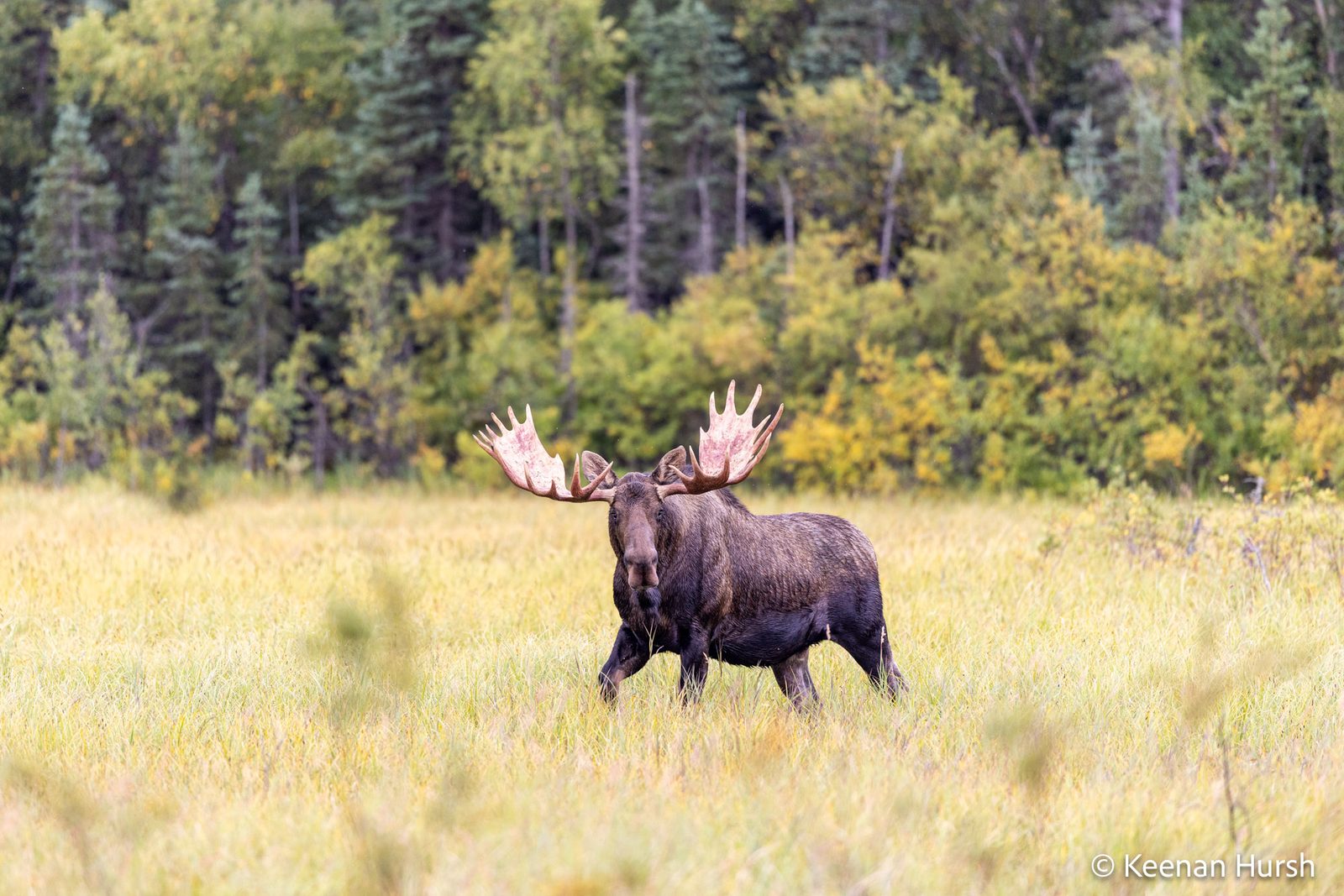
- Exceptional Versatility: The zoom range was perfectly suited for the varied distances encountered. The photographer could seamlessly transition from capturing wide environmental shots of bears in the river or on the banks at 100mm to tighter, more isolated portraits at 300mm, all without changing lenses. This speed and flexibility were critical for capturing fleeting moments of bear behavior.
- Outstanding Optical Quality and Sharpness: Images captured with the RF 100-300mm f/2.8 exhibited remarkable sharpness and detail, even wide open at f/2.8. The resolution was consistent across the frame and throughout the zoom range, delivering professional-grade results that met the photographer’s high standards.
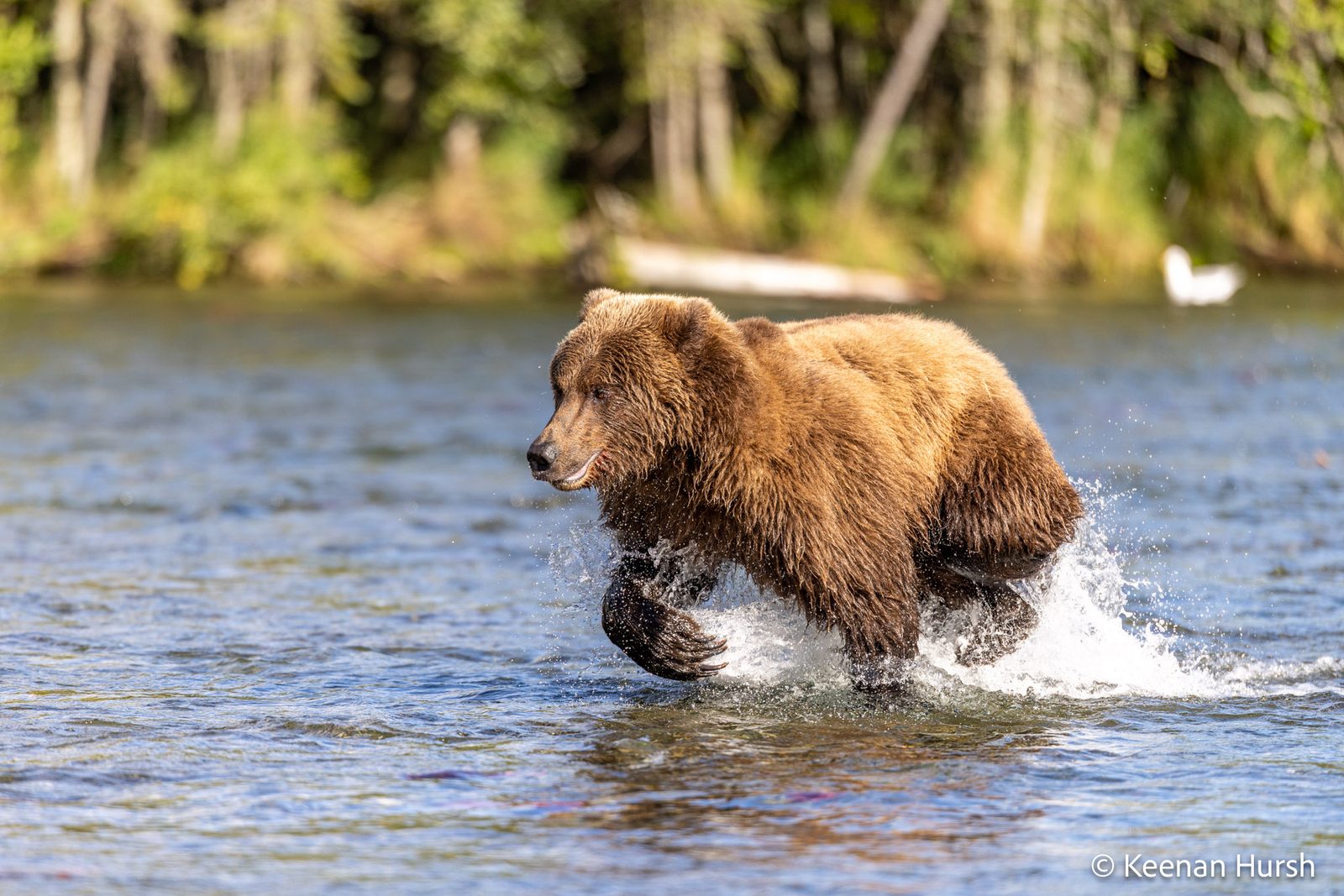
- Fast and Accurate Autofocus: The lens’s autofocus system, coupled with Canon’s R-series mirrorless cameras, provided rapid and precise tracking of subjects. This was particularly evident when photographing bears charging through the river or leaping for salmon, where maintaining focus on fast-moving, unpredictable subjects is paramount. The ability to consistently nail focus in challenging situations contributed significantly to a high keeper rate.
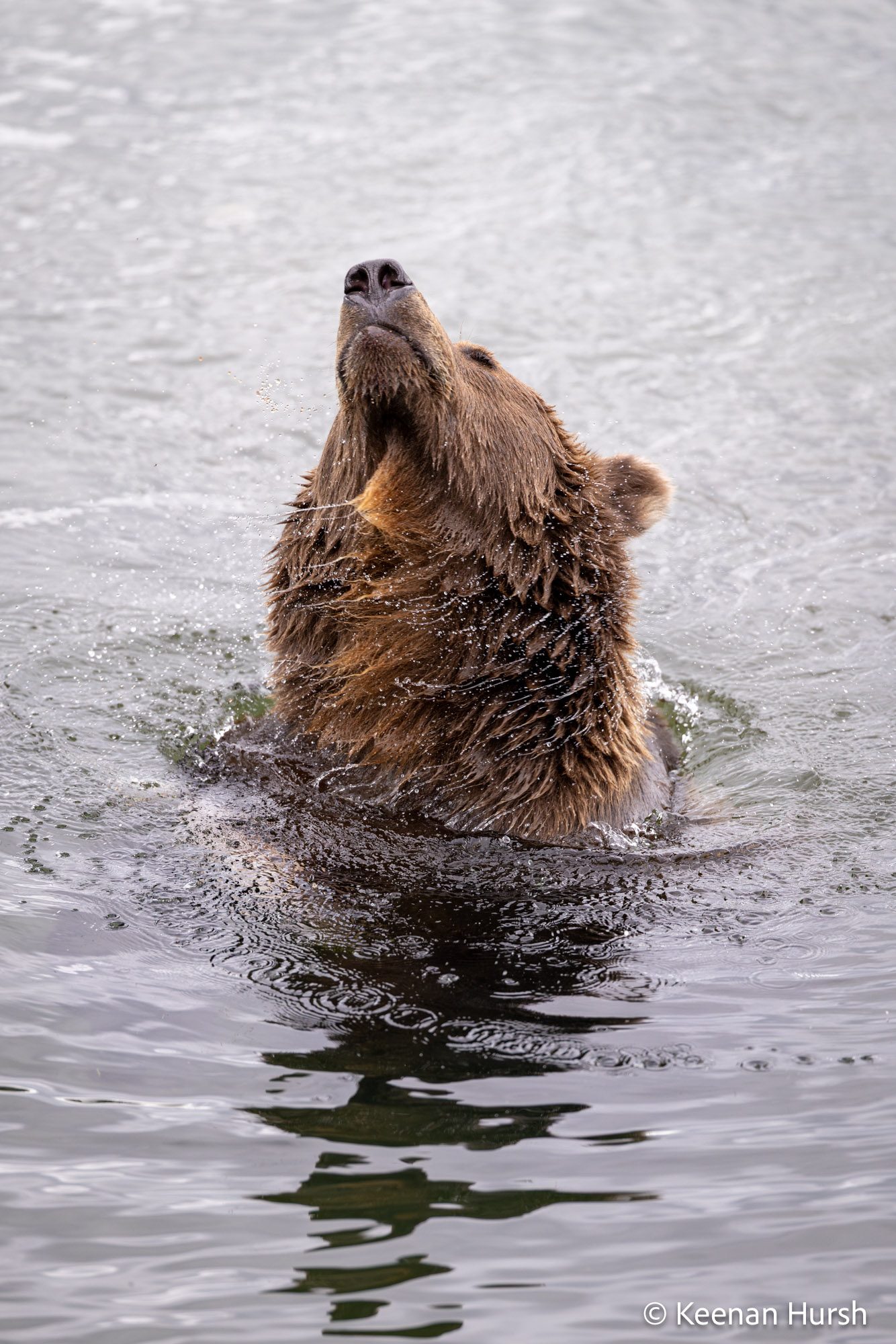
- Excellent Low-Light Performance and Subject Isolation: The constant f/2.8 aperture was a game-changer, especially during early morning or late evening shoots when light levels were suboptimal. It allowed for faster shutter speeds to freeze action without having to excessively increase ISO, thus preserving image quality. Furthermore, the wide aperture, combined with the telephoto compression, produced beautifully creamy, blurred backgrounds (bokeh), effectively isolating the bears from their surroundings and giving images a professional, artistic quality.
- Effective Image Stabilization: The integrated image stabilization system performed admirably, allowing for sharp handheld shots even at slower shutter speeds. This reduced reliance on tripods in situations where mobility was desired or required, enhancing creative freedom and responsiveness to dynamic scenes.
Considerations and Minor Negatives:
While the overall experience was overwhelmingly positive, a journalistic review necessitates acknowledging any potential drawbacks, however minor.
- Weight and Size: Despite being relatively compact for its capabilities, the lens’s weight (approximately 2.59 kg) is substantial. While manageable for short periods, extended handheld shooting or carrying it on long treks could lead to fatigue. However, this is an inherent characteristic of high-performance, fast telephoto zooms and is often mitigated by monopod or tripod use for stationary shooting.
- Premium Price Point: The cost of purchasing the Canon RF 100-300mm f/2.8 is significant, placing it firmly in the professional-grade category. For many, this makes outright ownership prohibitive, reinforcing the value proposition of rental services like Lensrentals, which allow access to such specialized tools on an as-needed basis.
These points are less criticisms of the lens’s design or performance and more considerations for its practical application and accessibility. The lens performed exactly as intended and met all the specified requirements for the Katmai workshops.
Industry Implications and Expert Commentary
The introduction and successful field performance of lenses like the Canon RF 100-300mm f/2.8 L IS USM carry significant implications for the photography industry. For Canon, it underscores a clear commitment to developing a robust and innovative RF mount lens lineup that pushes optical boundaries. Industry analysts have noted that this lens, along with other recent RF super-telephoto zooms, signifies Canon’s strategy to provide mirrorless photographers with versatile, high-performance alternatives to traditional primes, appealing to a broader range of professional applications. A Canon representative, speaking generally about their RF lens development, might emphasize "our dedication to delivering unparalleled optical performance and versatility to meet the evolving needs of professional photographers, enabling them to capture images previously thought impossible with zoom lenses."
For professional wildlife photographers, this lens represents a powerful new tool. The ability to cover such a critical focal range with a constant f/2.8 aperture and prime-like sharpness offers unprecedented flexibility in the field, potentially reducing the need to carry multiple heavy prime lenses. This efficiency can be a significant advantage in demanding environments where weight and rapid adaptability are crucial.
Furthermore, the robust demand for such high-end lenses also highlights the continued importance of specialized gear rental companies. A spokesperson for Lensrentals might state, "We observe a consistent trend where professionals and serious hobbyists seek out cutting-edge equipment for specific projects. Services like ours democratize access to these advanced tools, allowing photographers to match their gear precisely to the demands of their assignments, without the upfront capital expenditure." This symbiotic relationship between manufacturers, photographers, and rental services continues to drive innovation and accessibility within the industry.
Conclusion: A Testament to Planning and Performance
The two back-to-back photography workshops in Katmai National Park were a resounding success, largely attributed to the meticulous planning and the stellar performance of the chosen equipment. The Canon RF 100-300mm f/2.8 L IS USM lens proved to be an invaluable asset, enabling the photographer to capture a diverse range of high-quality images of the brown bears at Brooks Falls—from intimate portraits to dynamic action shots and expansive environmental scenes. The lens’s razor-sharp optics, dependable autofocus, superb image stabilization, and constant f/2.8 aperture collectively delivered results that would have been considerably more challenging, if not impossible, with a less versatile setup.
This experience underscores the critical role of strategic gear selection and the undeniable value of professional lens rental services for specialized photographic endeavors. For any photographer contemplating an adventure to a location with varied photographic opportunities and unpredictable subjects, a thorough assessment of equipment needs and a willingness to leverage rental options can be the deciding factor in achieving their creative vision. The successful deployment of the Canon RF 100-300mm f/2.8 in the Alaskan wilderness stands as a testament to its exceptional design and its capacity to empower photographers to capture the breathtaking beauty of the natural world with remarkable clarity and precision.