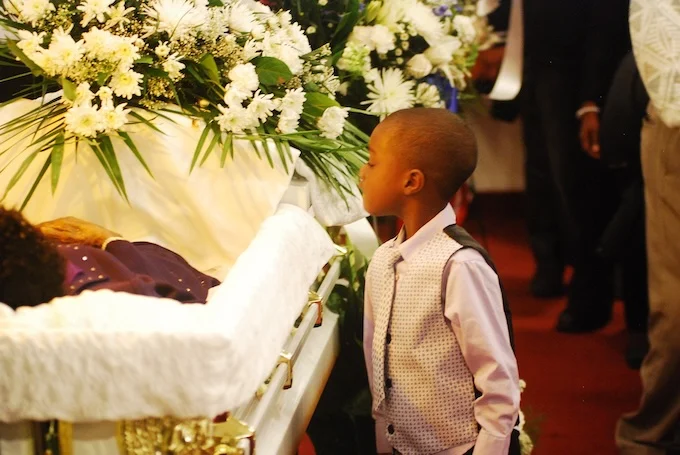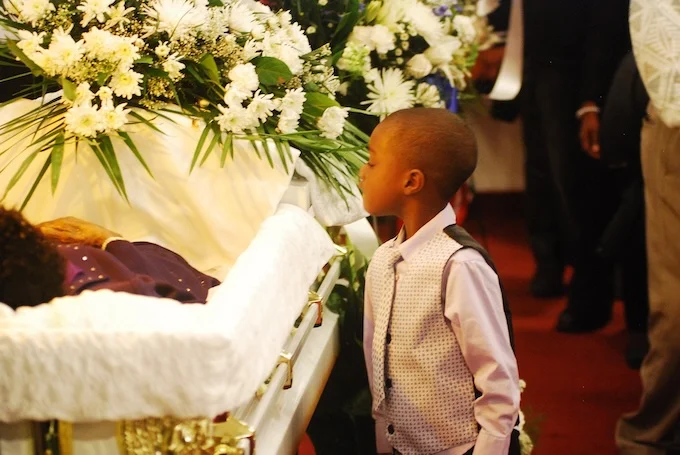
Funeral photography, a practice that once held a prominent place in Victorian society, has re-emerged from the shadows of taboo to become a recognized and vital avenue for processing grief in the 21st century. Photographer Duane Knight, proprietor of Your Legacy Photography, is at the forefront of this movement, advocating for the artistic documentation of funerals as a crucial tool for emotional healing. Knight estimates that there are currently only around 50 dedicated funeral photographers globally, a number he is determined to increase by educating and empowering other photographers to embrace this sensitive yet significant genre.
A Historical Perspective on Commemorative Imagery
The practice of funeral photography has deep historical roots. In the Victorian era, photography was a relatively new and expensive medium. For many families, particularly those of means, post-mortem photography was the only opportunity to capture a final image of a loved one. These photographs, often staged with the deceased appearing as if asleep or surrounded by family members, served as cherished mementos in an age where mortality rates were significantly higher and photographic documentation was less common. This practice provided a tangible connection to the departed, offering solace and a way to remember faces and features that might otherwise fade from memory.

However, as photography became more accessible and societal norms evolved, the practice began to shift. The rise of snapshot photography and the increasing prevalence of portraits taken during life led to a decline in the demand for post-mortem images. Furthermore, a cultural shift towards privacy and a more reserved public expression of grief contributed to funeral photography being perceived as intrusive or disrespectful by some. This perception has largely relegated it to a niche, often misunderstood, segment of the photography world.
The Emotional and Practical Value of Funeral Photography
Despite its controversial perception, the contemporary relevance of funeral photography lies in its profound capacity to aid in the grieving process. Knight’s extensive experience, having created over 150 Legacy Funeral Albums in a decade, highlights the unique value this service provides. "Family members often travel from across the country, and sometimes from around the world, to be together during these difficult times," Knight explains. "The sheer emotional intensity of a funeral can make it challenging to retain clear memories of who was present and the atmosphere of the day. Much like weddings or significant anniversaries, funerals are a convergence of loved ones, a fleeting moment that deserves to be captured."
A Legacy Funeral Album goes beyond mere documentation. It serves as a comprehensive memento, preserving not only the memory of the departed but also the presence and support of all those who gathered. For individuals unable to attend due to distance, illness, or other circumstances, receiving such an album provides a crucial link, offering a sense of inclusion and allowing them to share in the collective remembrance. This visual record can become an invaluable artifact for future generations, offering a tangible connection to their family history and the individuals who shaped it.

The initial experience of many photographers often involves a client expressing profound gratitude for a pre-deceased loved one’s portrait, lamenting that it was the only usable photograph available for display during their funeral. This sentiment underscores the often-unforeseen importance of photographic records. Knight’s work expands upon this by proactively capturing the entirety of the funeral experience, recognizing that the gathering itself is as significant as the individual being mourned.
Navigating Cultural Perceptions and Stigmas
Knight acknowledges that cultural sensitivities play a significant role in the acceptance of funeral photography. "Funerals being photographed is definitely a cultural thing," he states. "Some cultures do not wish for any photos to be taken, viewing it as taboo. In any given group of ten people, you might find only two or three who are open to the idea." This underscores the nuanced approach required by practitioners in this field.
However, Knight’s mission is rooted in the belief that every family should have the opportunity to preserve these memories if they so choose. Through Your Legacy Photography, he aims to be a resource for those who desire this service, emphasizing the preservation of memories as a fundamental human need. "All families who want funeral photography should have the opportunity to get it," he asserts, highlighting a commitment to accessibility and choice in memorialization.

The historical context of funerary practices reveals a gradual shift. While Victorian post-mortem photography aimed to capture the deceased, modern funeral photography focuses on documenting the event and the community of mourners. This evolution reflects a changing societal understanding of grief and remembrance, moving from a singular focus on the departed to an acknowledgment of the communal experience of loss and support.
The Imperative of Education and Professional Development
To foster the growth of funeral photography and ensure its sensitive and professional execution, Knight is actively engaged in educating other photographers. Recognizing the limited number of practitioners and the ongoing societal hesпания, he believes that comprehensive training is essential. He has taken his message to major photography conferences, including WPPI (Wedding & Portrait Photographers International) in Las Vegas, a globally recognized event for photographic professionals.
At these events, Knight aims to demystify funeral photography, addressing common misconceptions and providing practical guidance on how to approach such sensitive assignments. His efforts are geared towards equipping photographers with the technical skills, ethical considerations, and empathetic approach necessary to excel in this genre. This includes understanding the emotional landscape of a funeral, the importance of discretion, and the art of capturing candid moments that convey the gravity and tenderness of the occasion.

Knight’s distinctive presence at conferences, marked by a hat emblazoned with "I Love Funeral Photography" and a vest stating "Ask Me about the Art of Funeral Photography," serves as a visual invitation for dialogue and learning. This bold approach aims to spark conversations and challenge preconceptions, encouraging photographers to consider the profound impact they can have by offering this unique service.
The implications of this educational push are far-reaching. By increasing the number of skilled funeral photographers, Knight hopes to make this service more widely available and accepted. This, in turn, can contribute to a broader cultural understanding of photography’s role in the grieving process, normalizing it as a valid and beneficial form of memorialization.
The Broader Impact on Grief and Memory
The act of photographing a funeral, when executed with sensitivity and professionalism, can have a significant positive impact on the grieving process. For many, the immediate aftermath of a loss is a blur of emotions and logistical challenges. Having a professional photographer discreetly document the proceedings provides a record that can be revisited later, allowing for a more considered and reflective engagement with the memories.

This form of documentation can help individuals come to terms with their loss by providing concrete visual evidence of the love and support that surrounded them. It offers a way to bridge the gap between the overwhelming present and the tangible past, facilitating a more holistic approach to healing. The photographs can serve as reminders of shared moments of comfort, love, and even quiet dignity, offering solace during times of profound sadness.
Furthermore, in an increasingly digital world, the creation of tangible Legacy Funeral Albums offers a counterpoint to ephemeral online memories. These physical artifacts provide a lasting and personal connection to loved ones and the communal experience of mourning, ensuring that these memories are preserved for generations to come. The meticulous curation of these albums, often including portraits, candid shots, and details of the service, creates a narrative that honors the life lived and the legacy left behind.
Knight’s advocacy for funeral photography is not merely about capturing images; it is about offering a pathway to healing, a means of preserving precious memories, and a testament to the enduring power of human connection in the face of loss. As he continues his mission to educate and inspire, the possibility of funeral photography evolving from a taboo subject to a widely accepted and valued art form for remembrance grows stronger, offering comfort and solace to those navigating the profound journey of grief. The increasing interest and acceptance of this genre signal a societal readiness to embrace new ways of acknowledging and processing death, integrating art and photography into the essential human experience of mourning and remembrance.